
Ankôma is a contemporary French-Japanese restaurant with a distinctly Hong Kong point of view. Chef Frankie Wong takes French technique and Japanese ingredients, then brings them back to the food and flavours he grew up with. The result feels like a reflection of a very personal cooking style: precise, but grounded in things Hong Kong diners recognise.
Wong grew up around home cooking and restaurants, then trained at the Hong Kong International Culinary Institute. He worked at the Peninsula, ZEST by Konishi and Écriture, where chef Maxime Gilbert helped shape his approach to both cooking and running a kitchen. Wong has spoken about learning extraction techniques from Gilbert, using carefully controlled temperatures to draw out the flavour of ingredients for stocks and sauces. He opened Ankôma in 2022 with two former schoolmates, after the pandemic delayed the launch.
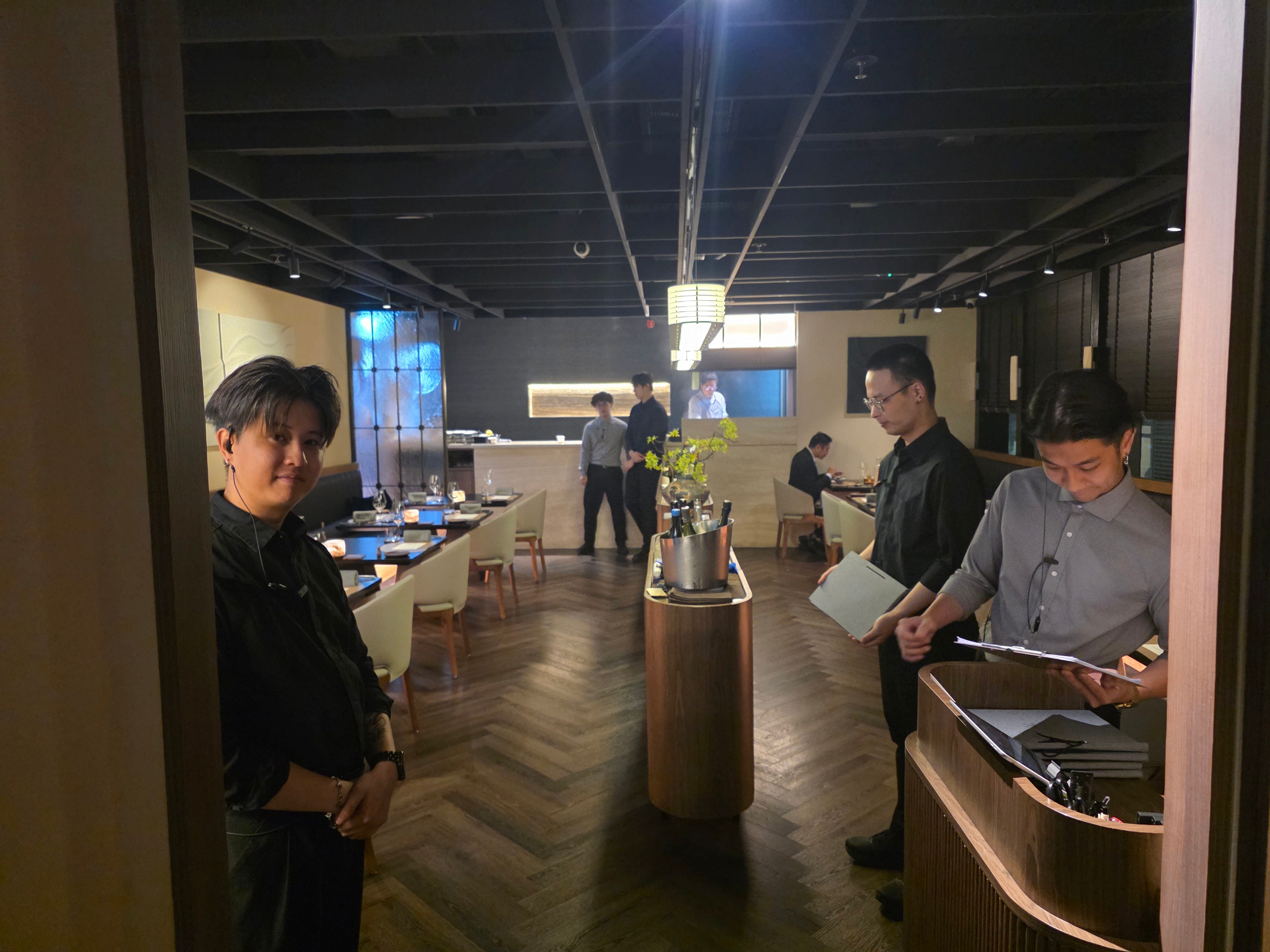
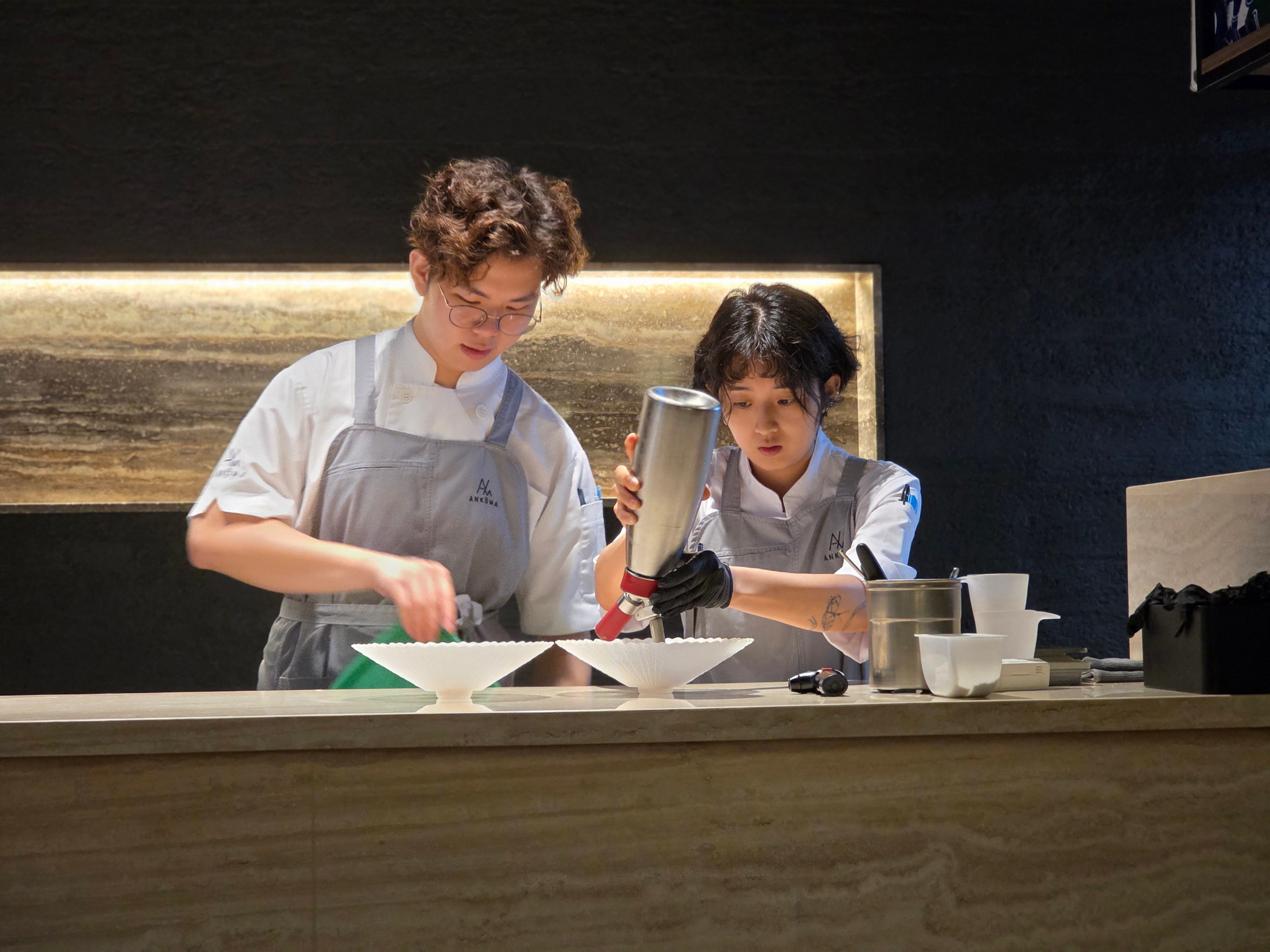
The first Ankôma occupied a compact Tsim Sha Tsui space. Its eight-seat chef’s counter put guests close to the kitchen and made the seasonal tasting menu the main event. A terrace offered à la carte food, including steak frites and a Wagyu sando. Wong wanted the meal to feel sociable and easygoing, rather than formal. The open kitchen helped: you could see the team at work, ask about a dish and share the room with other diners.
In September 2026, Ankôma moved to a larger 28-seat restaurant in Causeway Bay. Wong now has a bigger kitchen, dry-ageing and fermentation facilities, and a dedicated pastry chef, Tina Lam. The move gives the team more room to develop the cooking while keeping the counter-side, open-kitchen spirit of the original.
Hong Kong sits at the centre of Wong’s inspiration. He has talked about the dried-seafood shops he knows from the city, and about using dried scallop and mushrooms to build depth in stocks and sauces. He also likes to take a familiar dish or street-food flavour and change its form. A grouper course, for example, borrows from curry fish balls and the wok hei of a dai pai dong, then brings in French and Japanese technique.
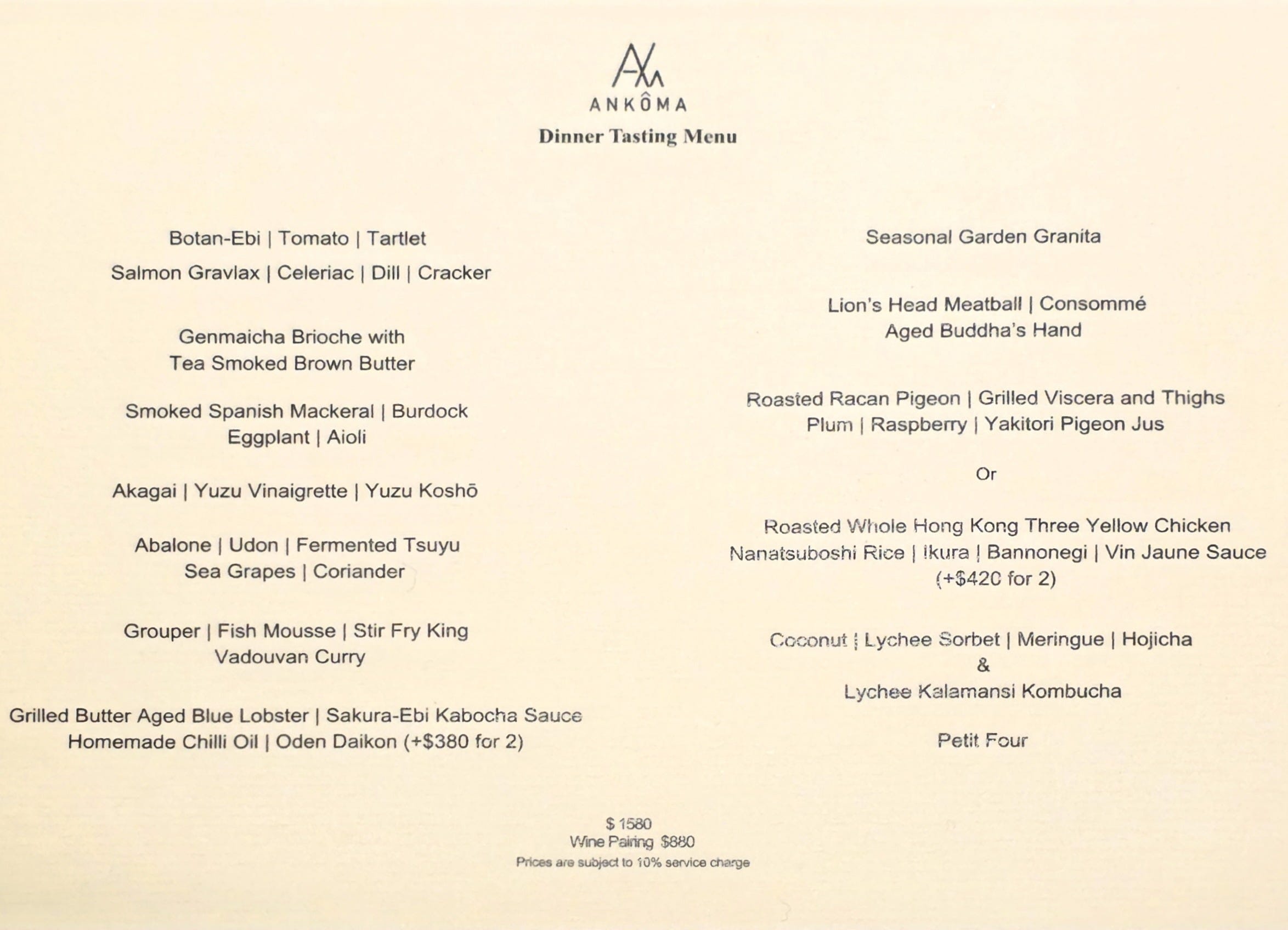
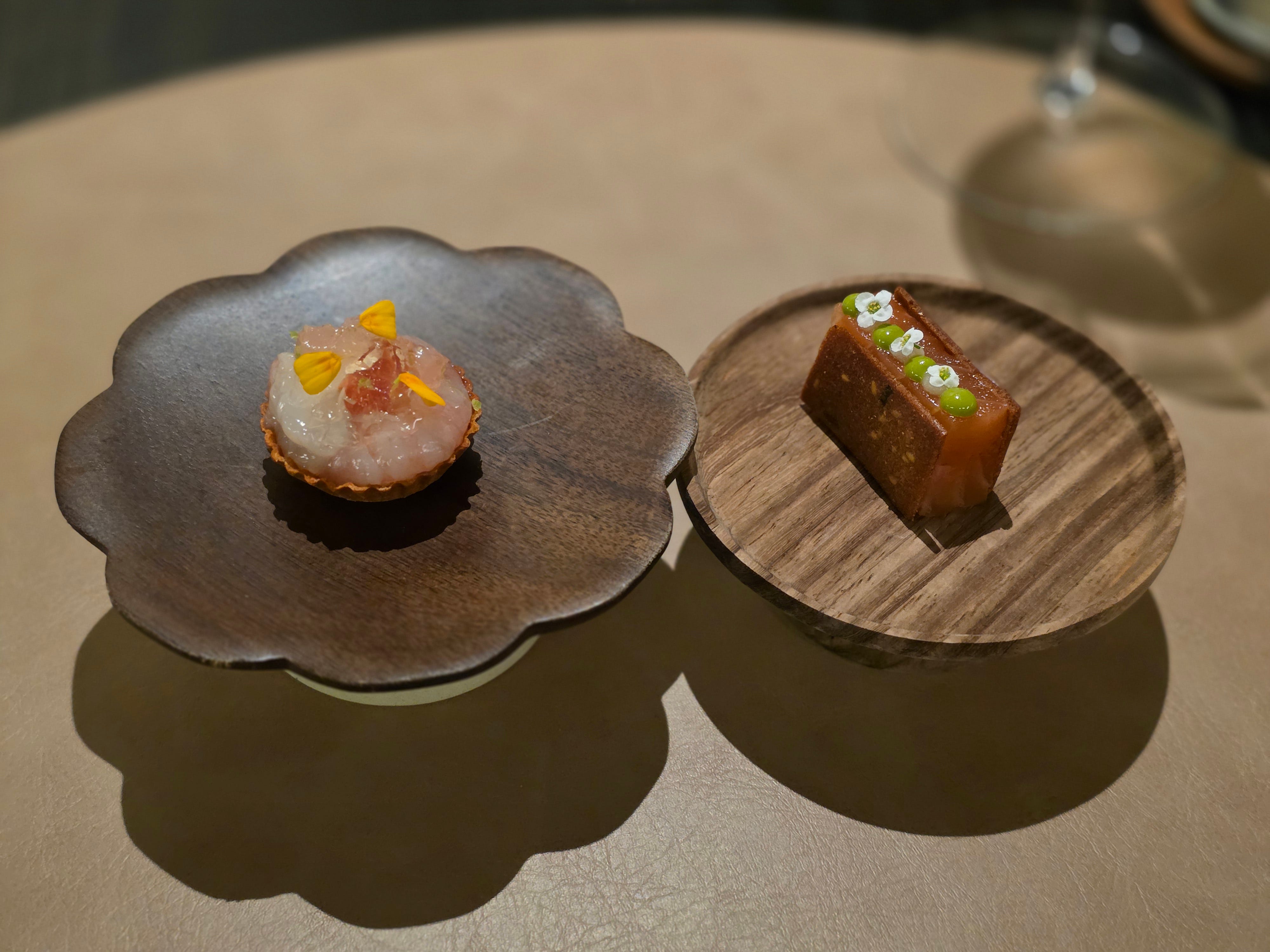
The meal opened with a botan shrimp tart and a salmon gravlax sandwich. Both made a neat start: sweet, delicate shrimp in a crisp shell, followed by the richer, lightly cured salmon. The small formats let the seafood do the talking without making the opening feel heavy.
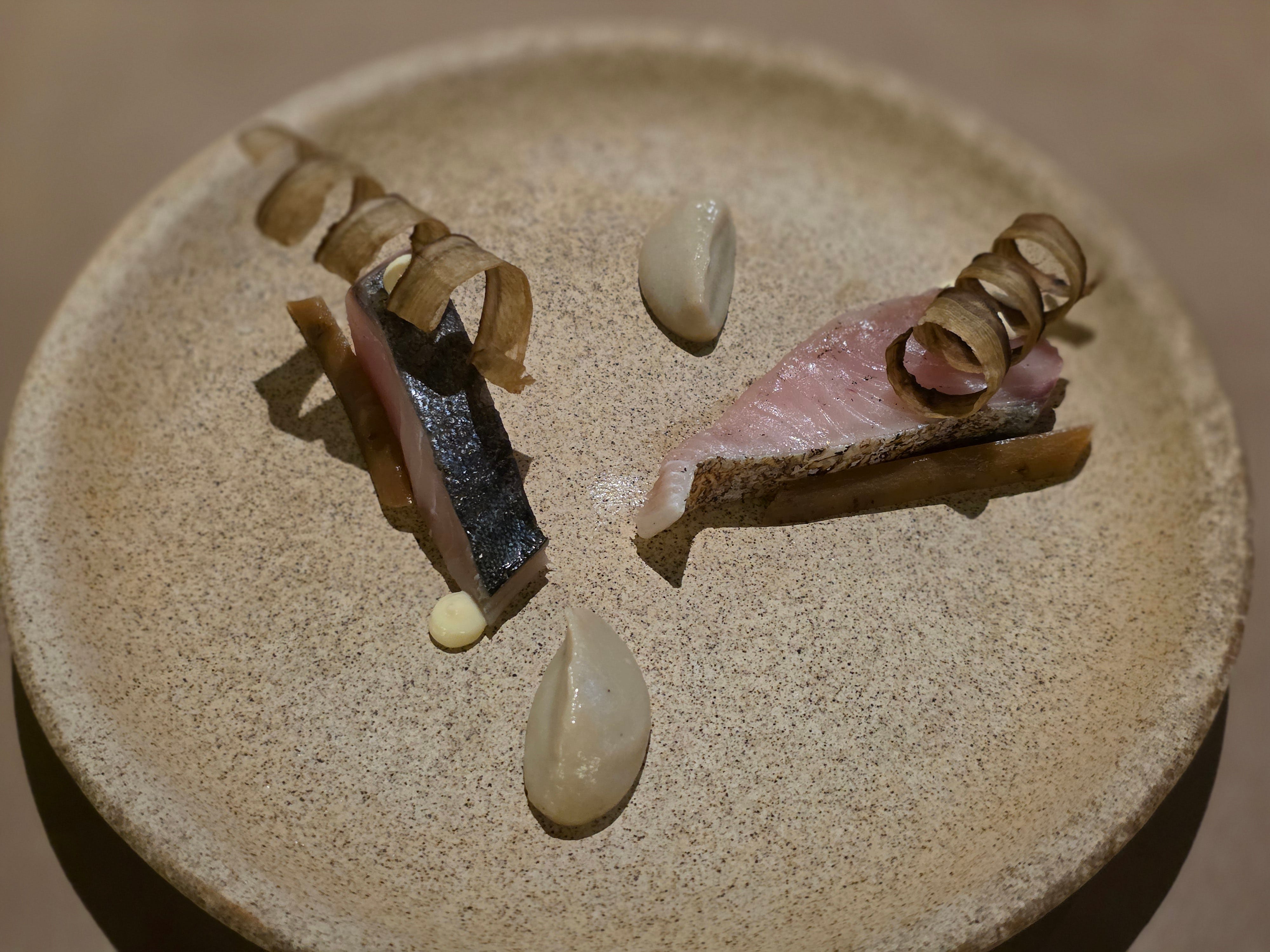
Spanish mackerel came with fried burdock root and aubergine aioli. The mackerel brought the savoury, oily depth; the burdock gave it a dry crunch, while the aubergine aioli softened the edges. It was a more substantial bite than the opening snacks.
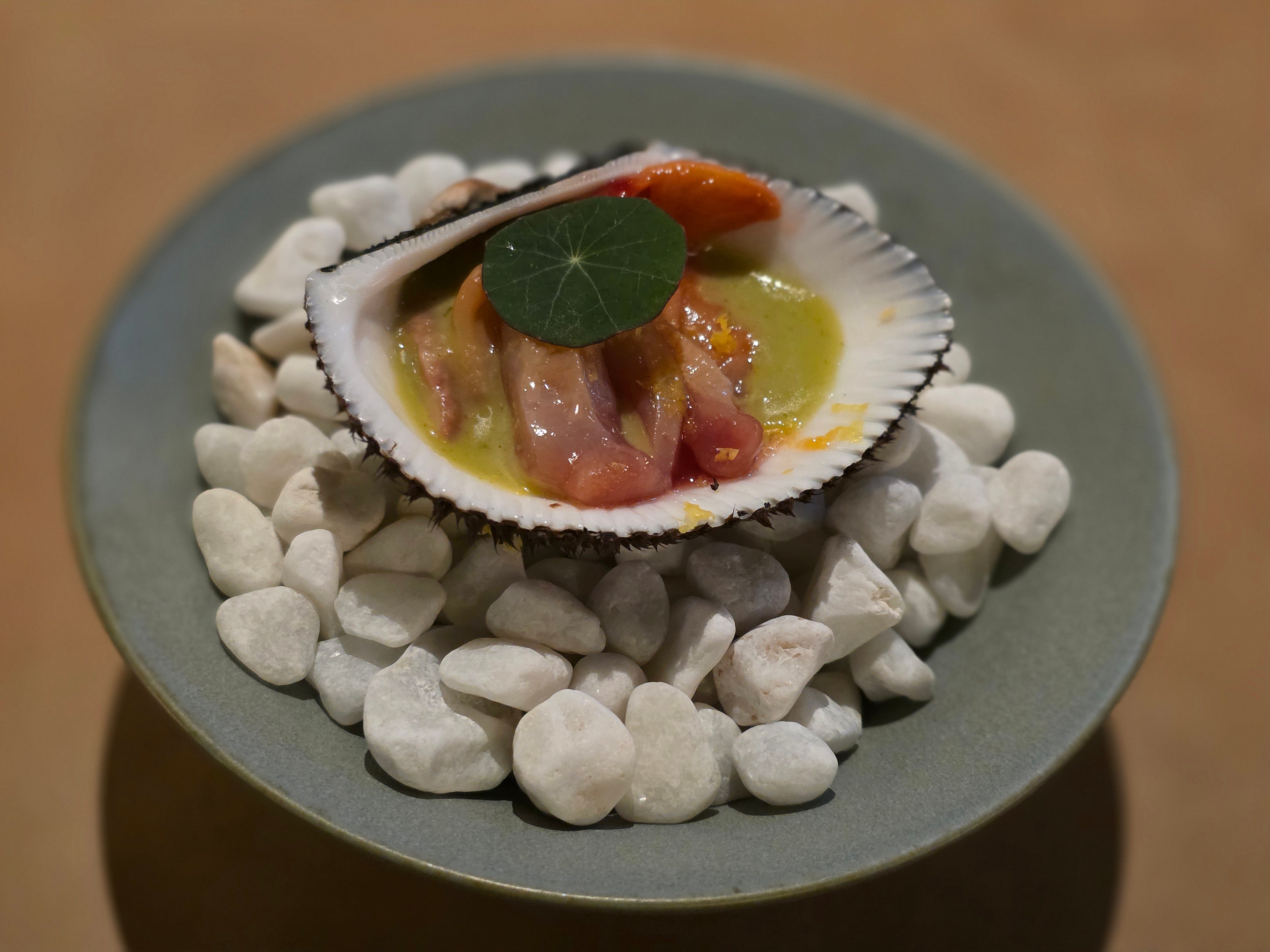
The surf clam came with a yuzu kosho vinaigrette. The clam had a clean, springy texture, and the dressing kept the course bright, with citrus and a little heat. It was one of the sharper, more refreshing plates.
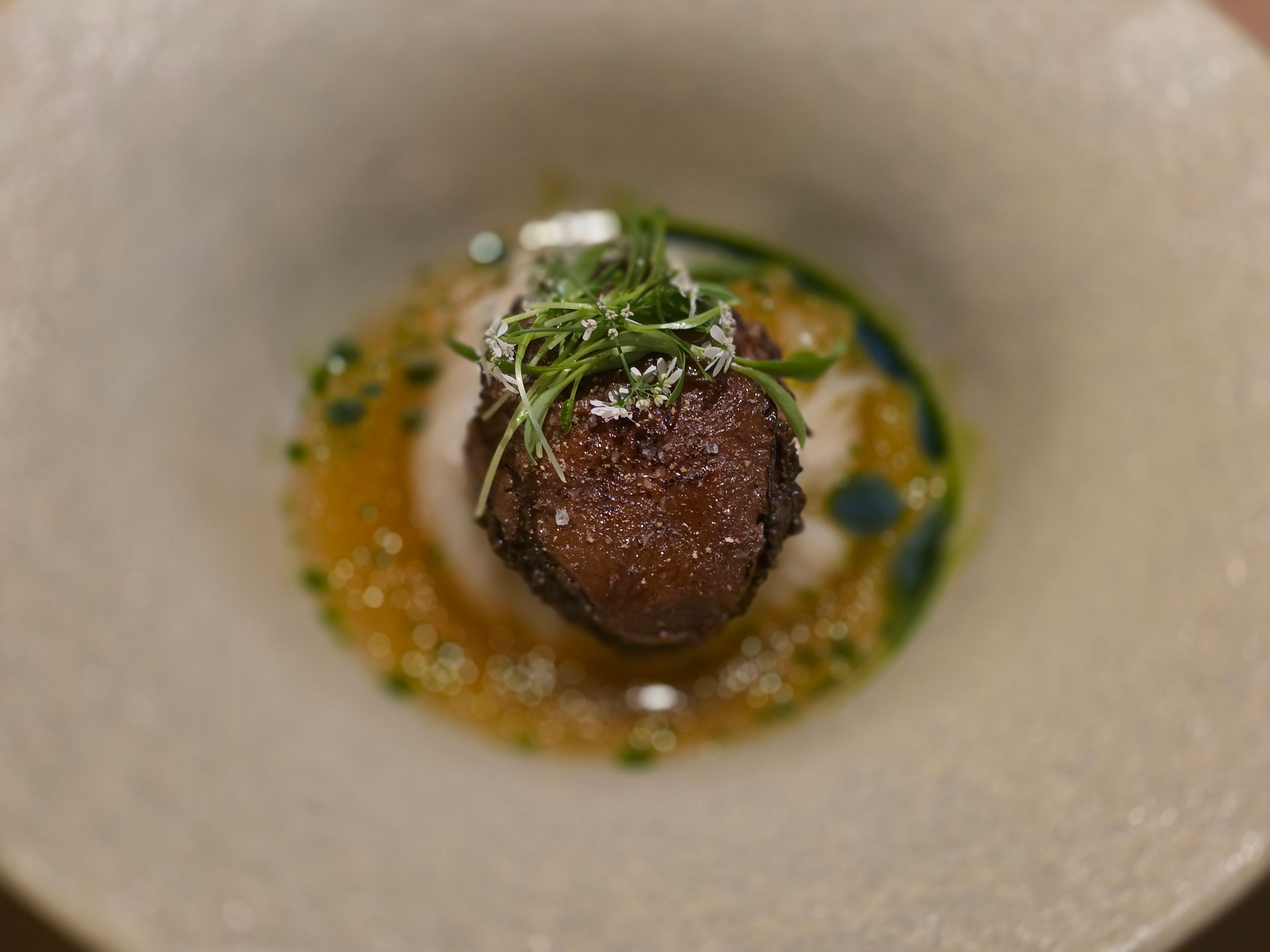
Abalone arrived with cold soup and udon. The chilled broth made this a quieter course, with the abalone’s chew set against soft noodles. It eased the pace before the more assertive fish dishes.
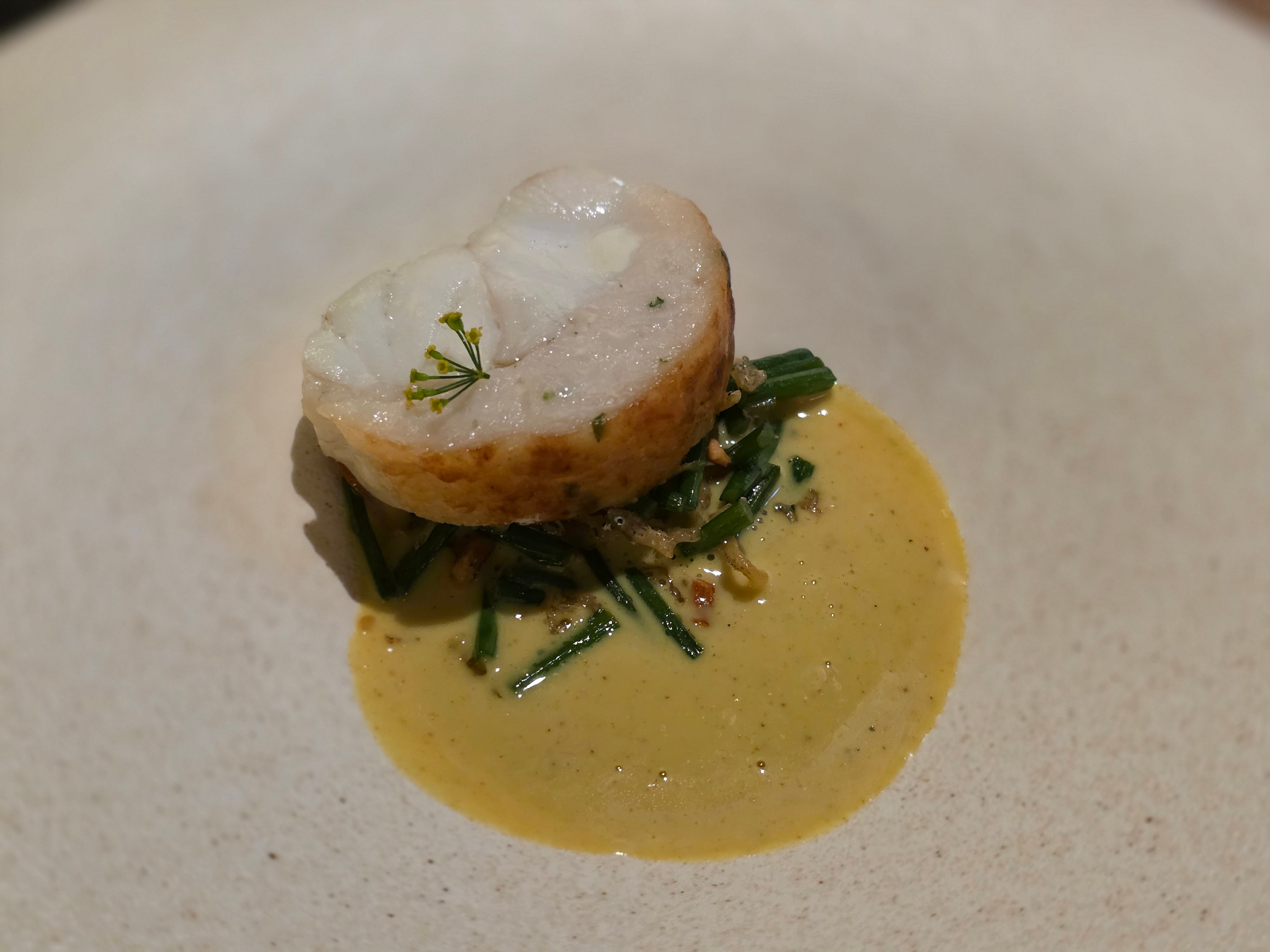
The grouper course drew on inspiration from “stir-fried king, a famous the Hong Kong dai pai dong dish. Wong paired grouper and fish mousse with the smoky suggestion of wok hei and a vadouvan curry sauce. It carried the most obvious local reference of the meal, but still felt like a composed restaurant dish rather than a replica of street food.
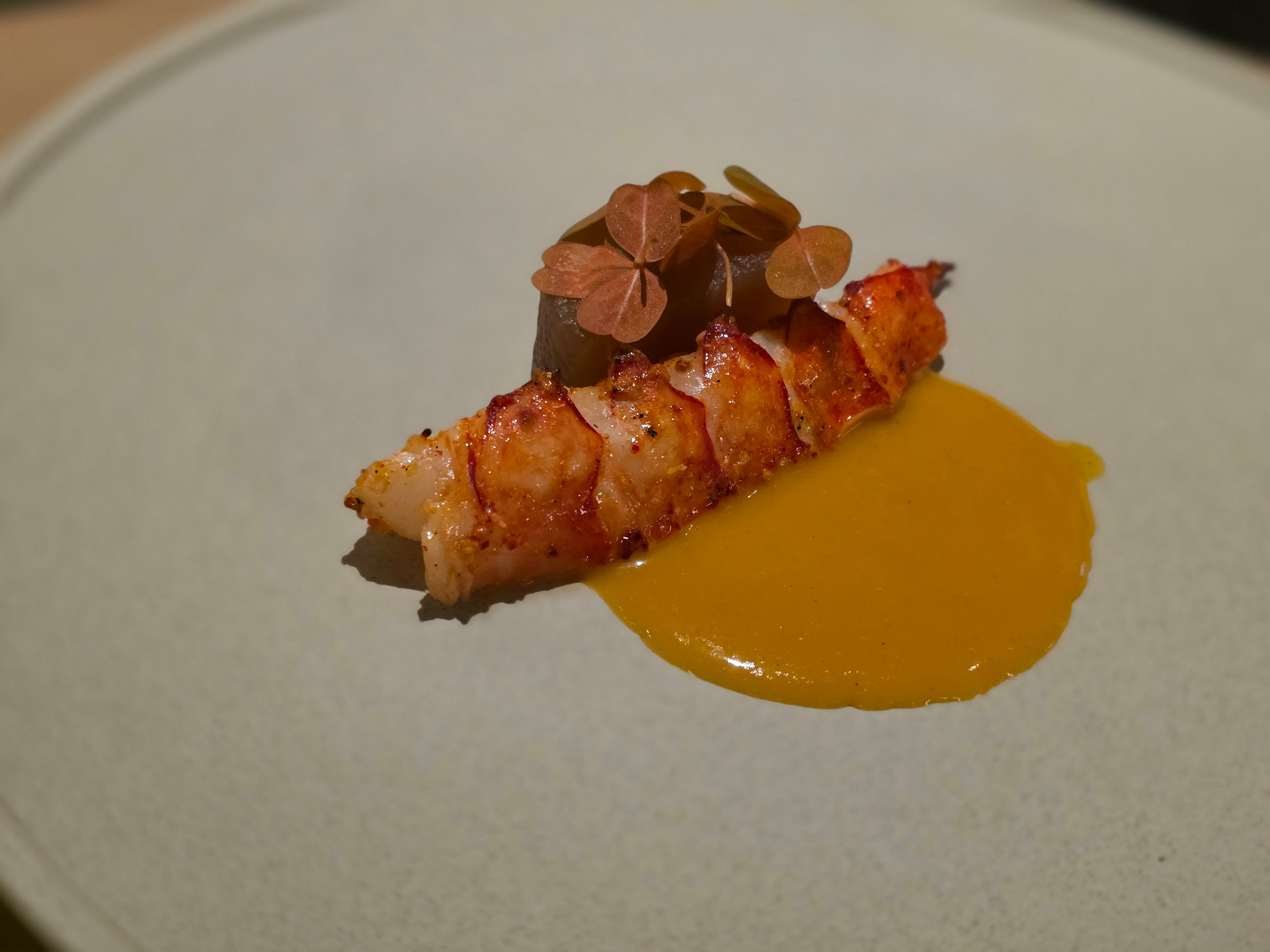
Next came grilled, butter-aged blue lobster with a rich sauce. The lobster had the sweetness and firm bite you want from the ingredient; the sauce made this one of the more luxurious courses.
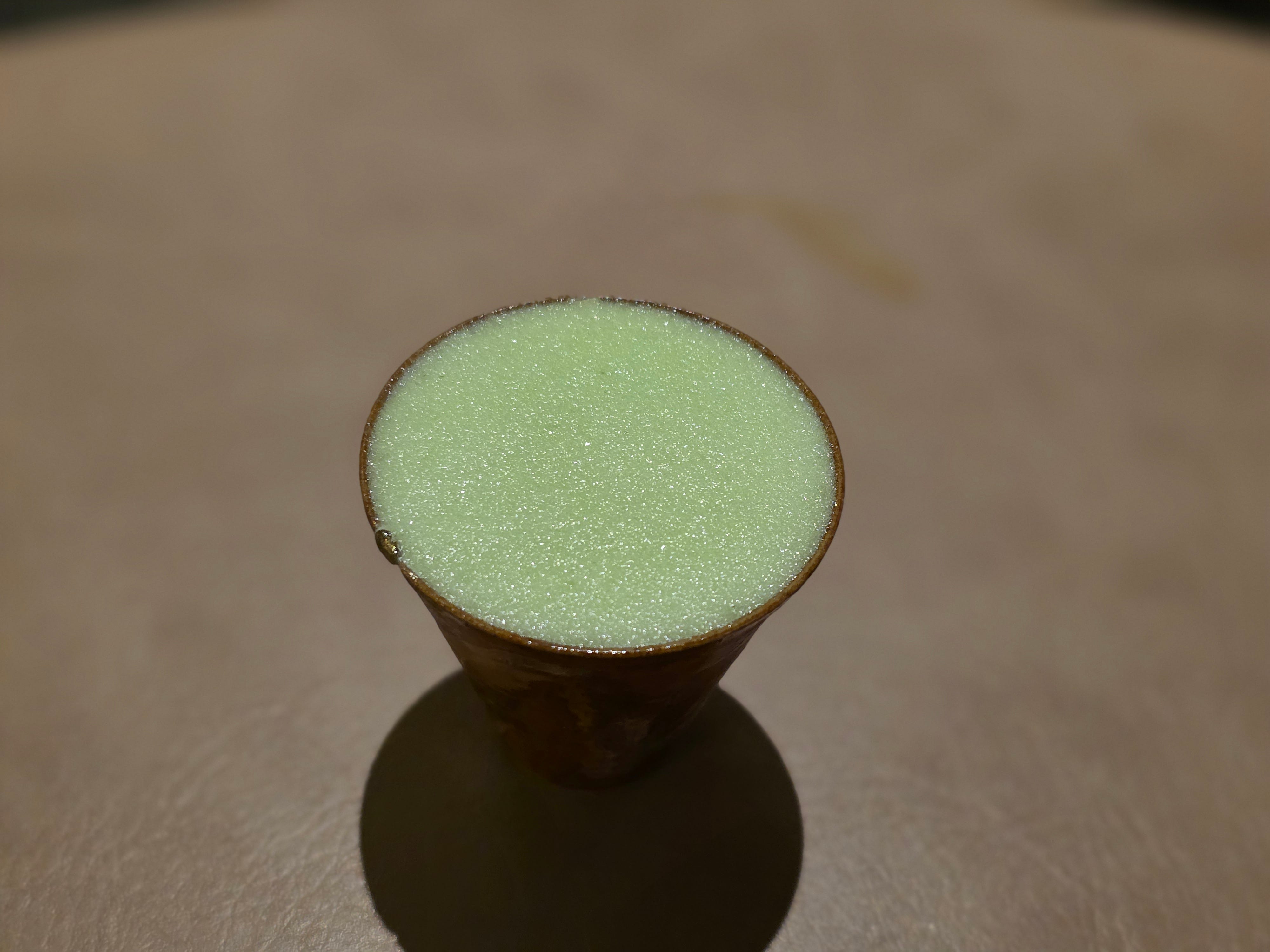
A herbal granita followed, cooling the palate before the meat course.
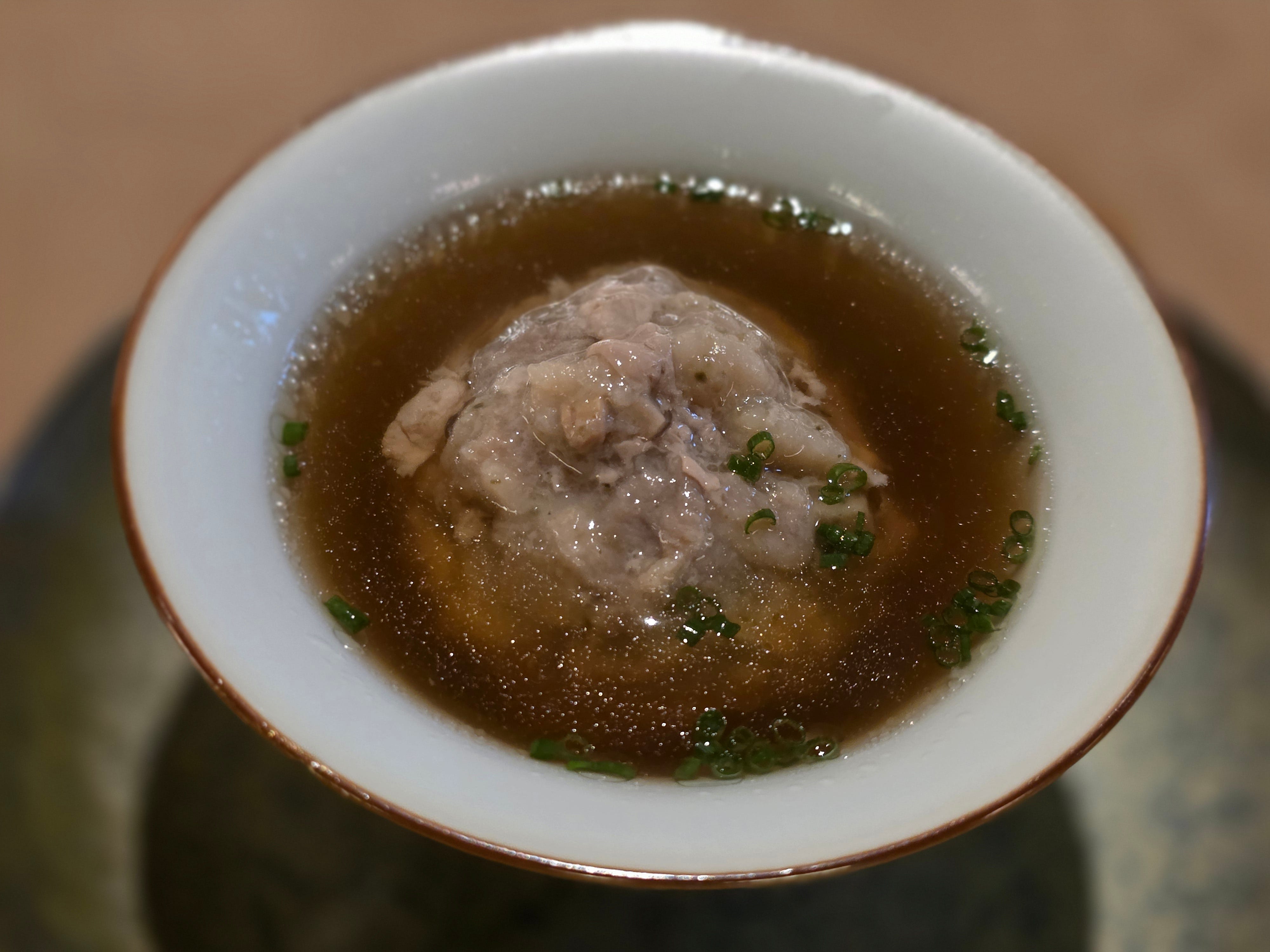
The lion’s-head meatball arrived in consommé. The clear broth gave the dish a lighter frame, while the meatball brought the comforting, savoury centre. It was a good transition into Ankôma’s long-running signature: roast chicken.
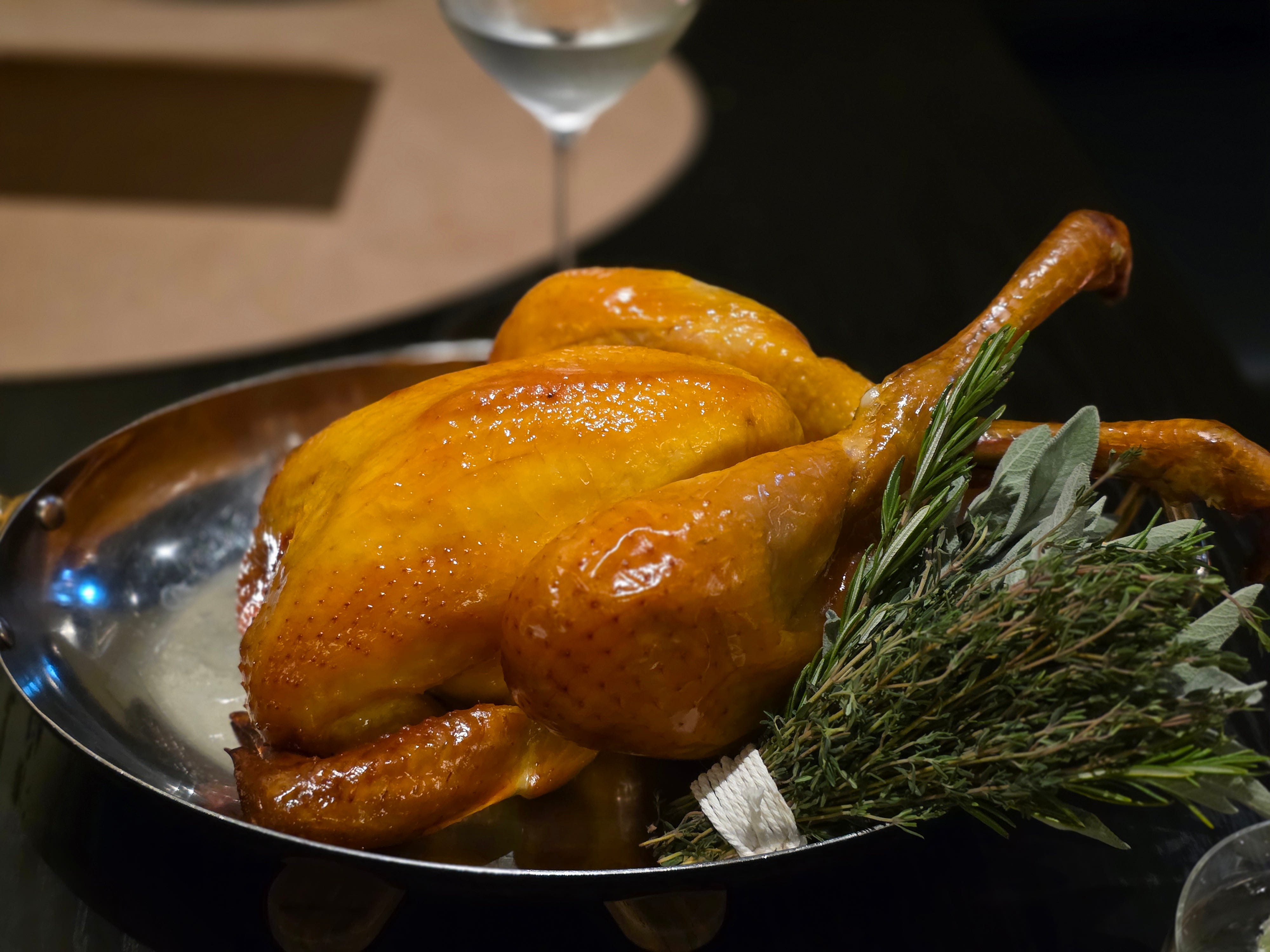
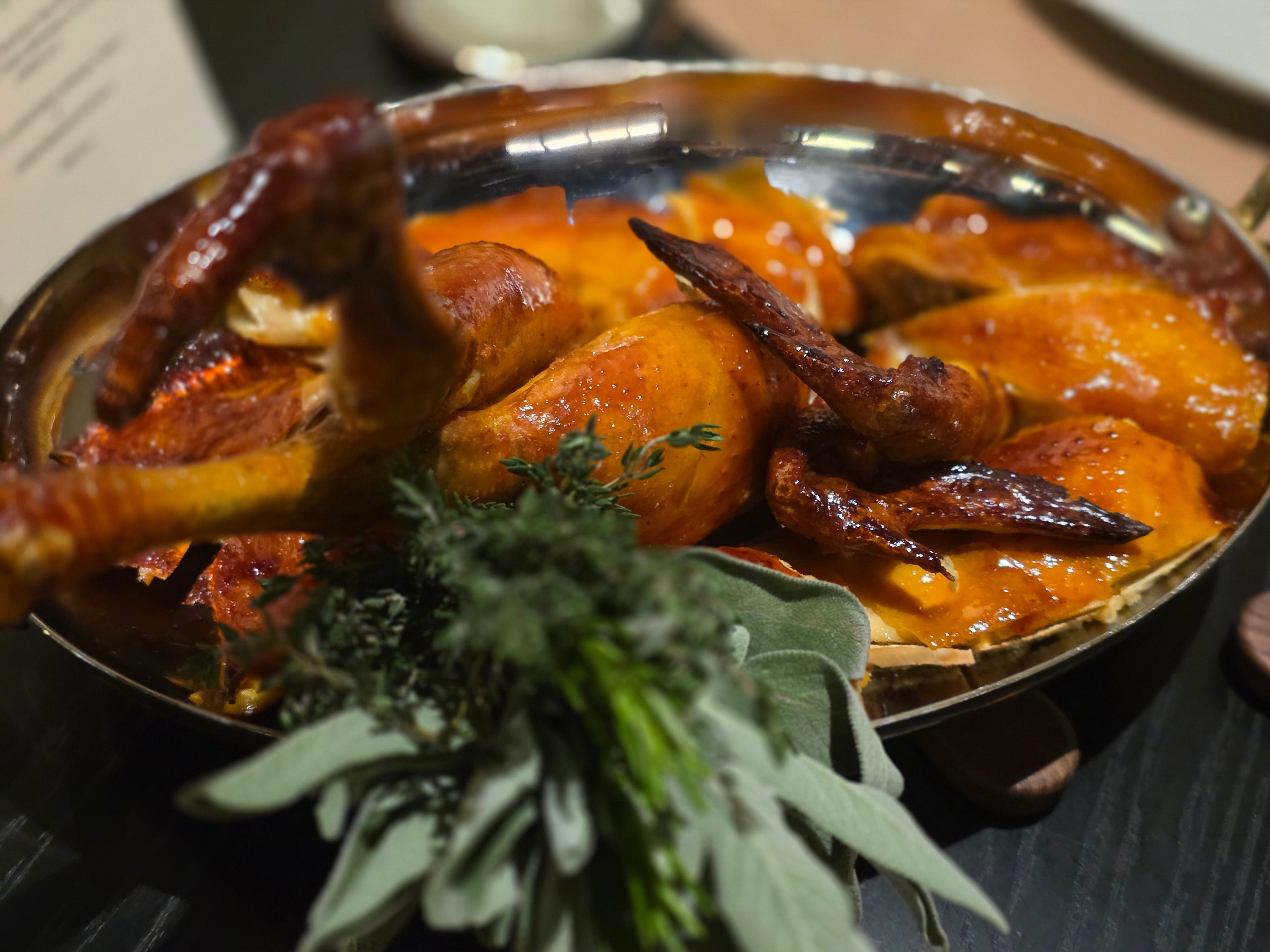
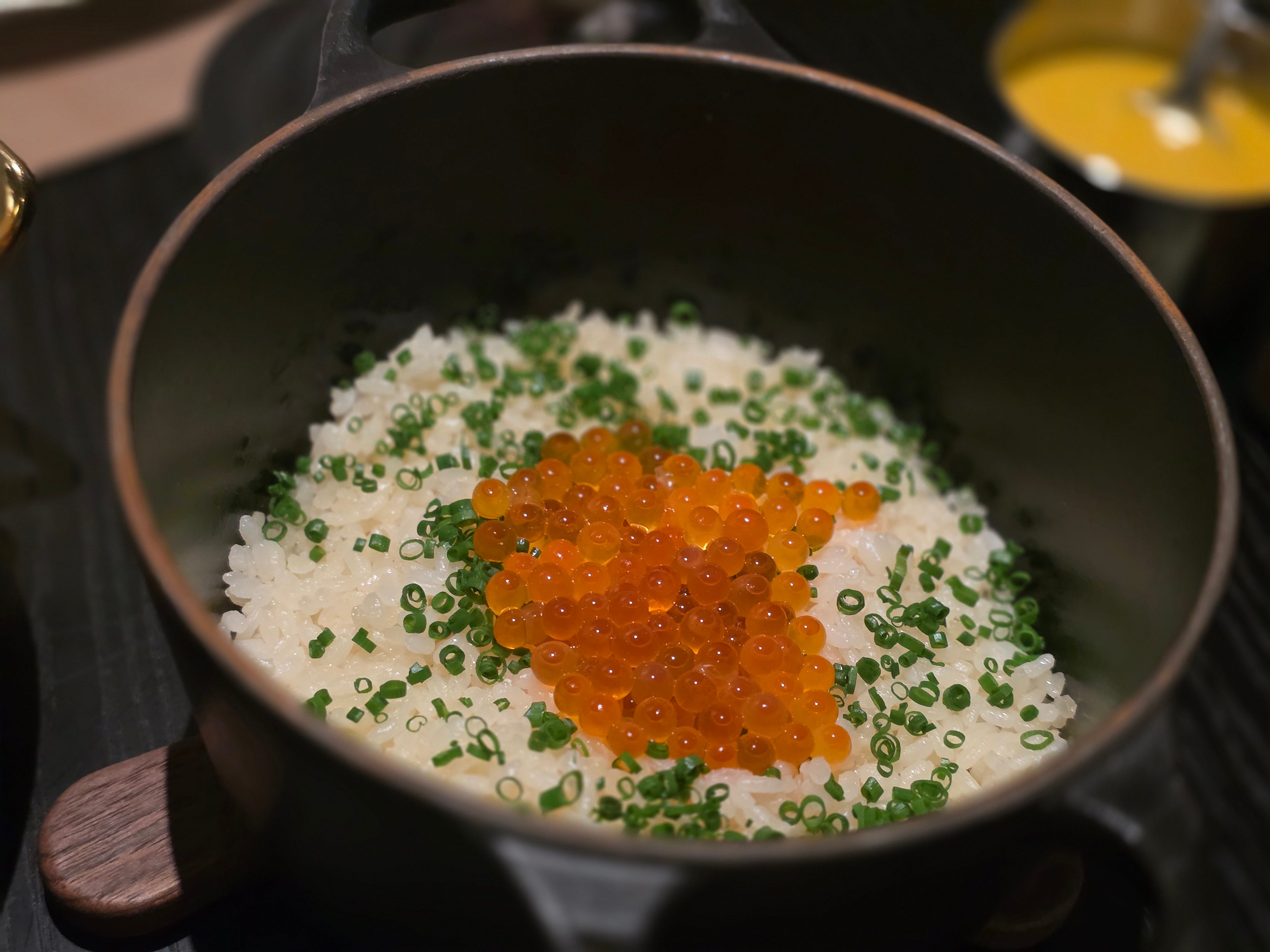
Ankôma’s long-running signature - the Three-Yellow Chicken. Wong’s roast chicken came with a delicious vin jaune sauce. On the current menu, the chicken is served three ways, with Japanese rice cooked in chicken fat. The different preparations give the course contrast in texture, while the rice gathers up the chicken flavour. It feels like a fitting signature for a chef who likes to take a familiar Hong Kong staple and work on every part of it.
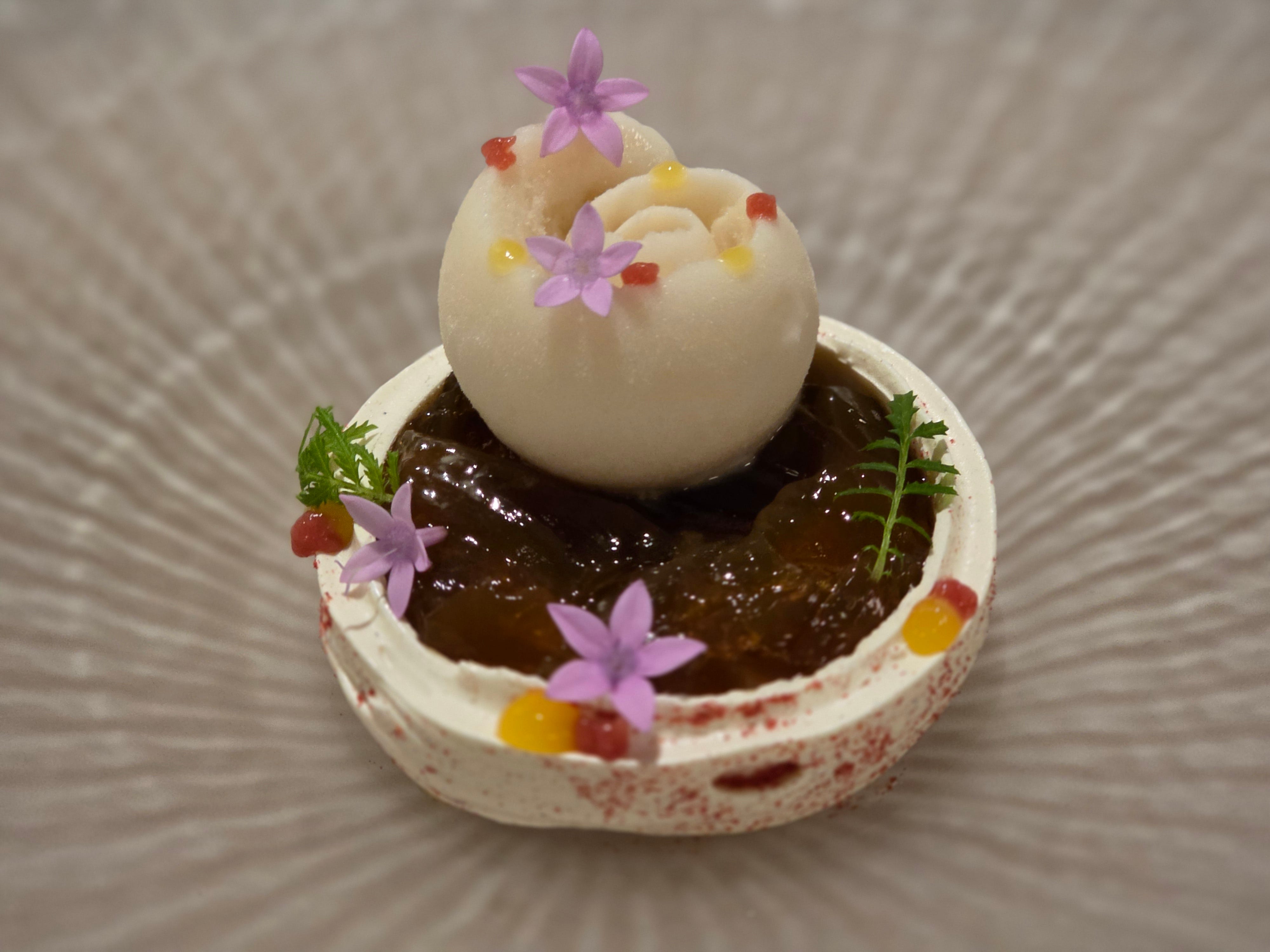
Dessert paired coconut and lychee sorbet with meringue and hojicha jelly. A shot of lychee-calamansi kombucha added acidity and stopped the coconut from weighing down the finish.
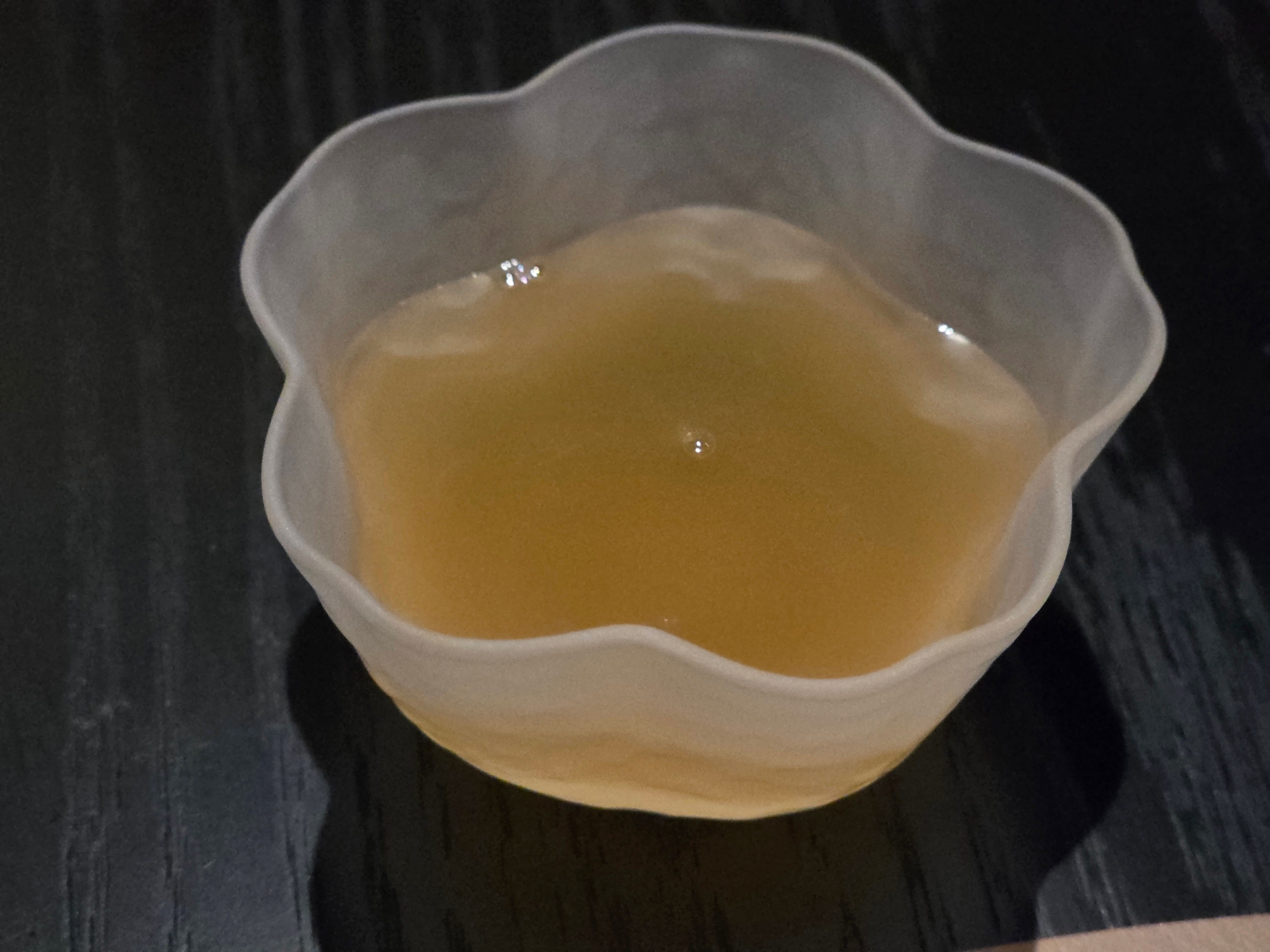
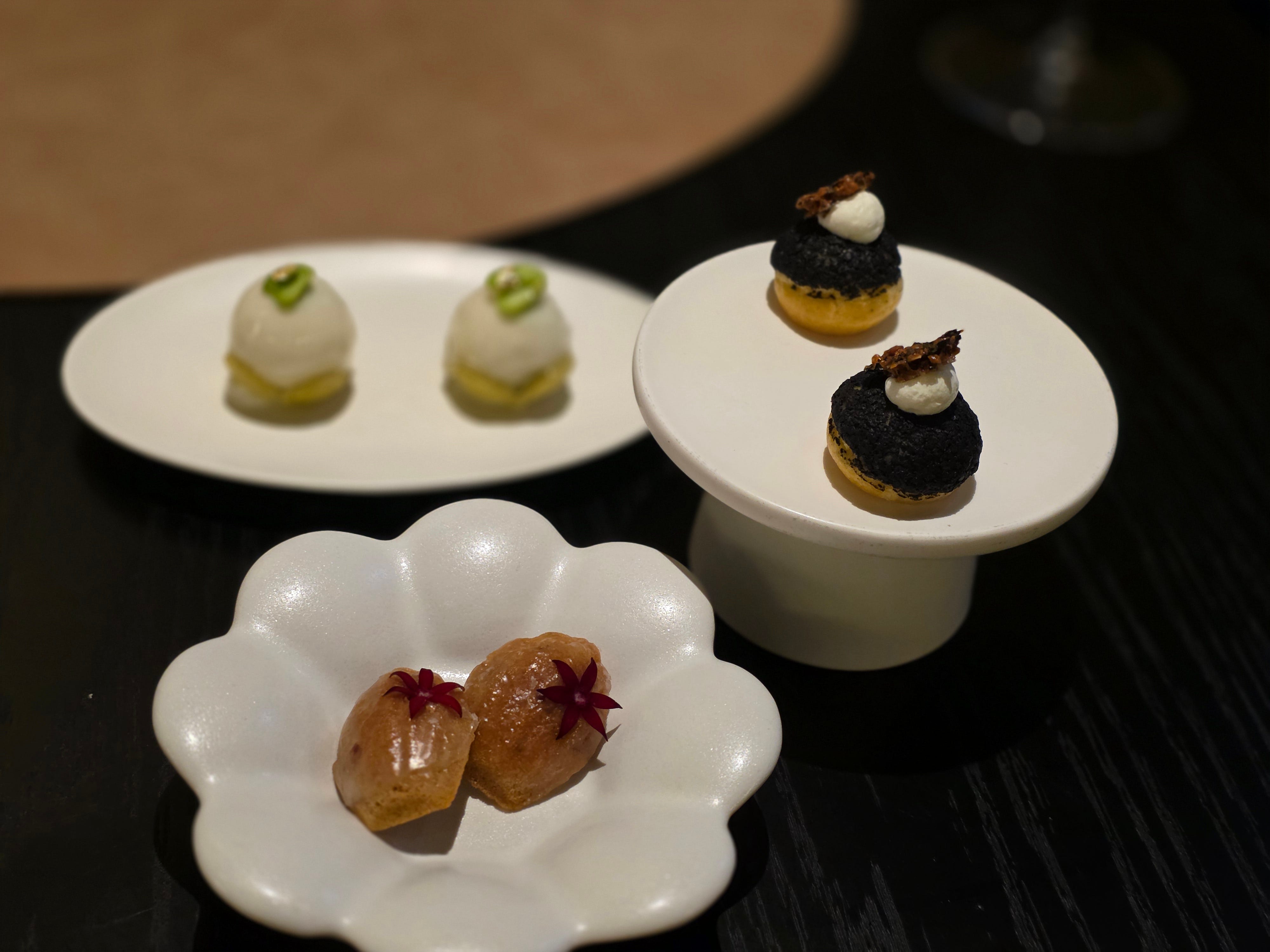
The last petits fours came in three bean-based variations - each one featuring a different bean.
Overall, Ankôma was a fun night. The dishes were individually impressive, and the big show stopper of the night was the absolutely amazing Three-Yellow Chicken was probably the best I ever had, even topping the one at Louise. Well worth a return visit.
Total Damage: 5,000 HKD/2 people