
Arbor is a restaurant with a clean idea behind it: Nordic restraint, Japanese ingredients, French technique, and a room built for the full tasting-menu ritual. It sits high above Central on the 25th floor of H Queen’s, directly above Table by Sandy Keung. The food is precise, seasonal, and tightly controlled. The question is whether that control produces something memorable enough to justify the spend.
Chef-owner Eric Räty is the centre of the restaurant. His background runs through Helsinki, Chez Dominique, Aqua in Wolfsburg, and Gray Kunz’s Cafe Gray Deluxe in Hong Kong. That lineage explains the cooking better than the easy label of Nordic-Japanese. Arbor does not feel like rustic Nordic food, and it does not feel like Japanese fine dining either. It is a Hong Kong tasting menu that borrows Nordic acidity, dairy, herbs, berries, smoke, and restraint, then runs those ideas through Japanese seafood, seaweed, caviar, wagyu, noodles, dashi, and fermentation.
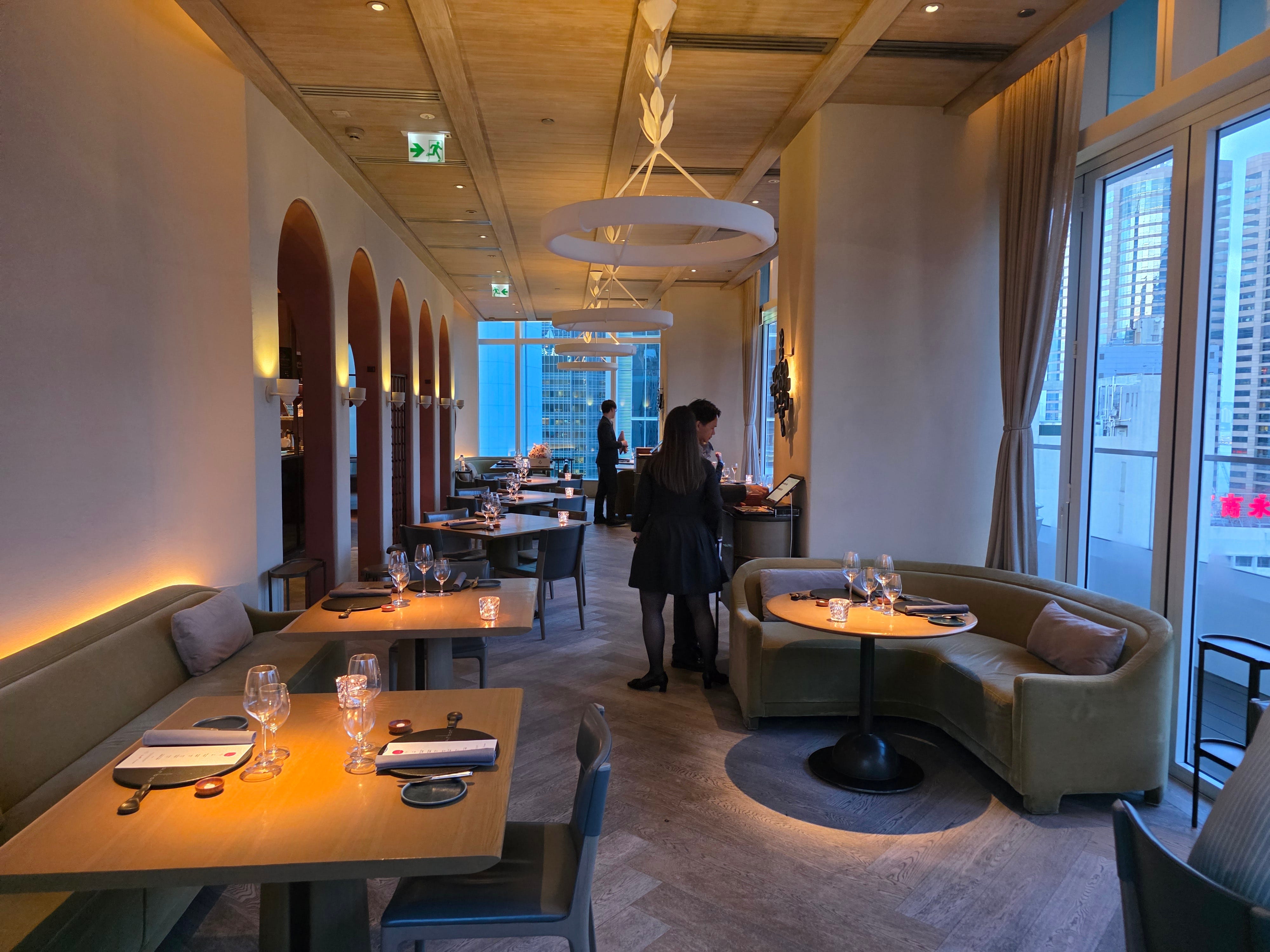
The room supports that idea. Arbor means “tree” in Latin, and the restaurant leans into a calm forest mood: wood, soft lighting, muted luxury, no unnecessary chaos. The service is equally engineered. Wine director Sebastien Allano brings serious pedigree from La Tour d’Argent, Le Manoir aux Quat’Saisons, Four Seasons George V, Daniel, Le Bernardin, and Four Seasons Hong Kong. Head of operations Timothy Chan adds a Caprice and hotel-service spine. This is not a casual chef-led room pretending to be relaxed. It is a fully composed fine-dining machine.
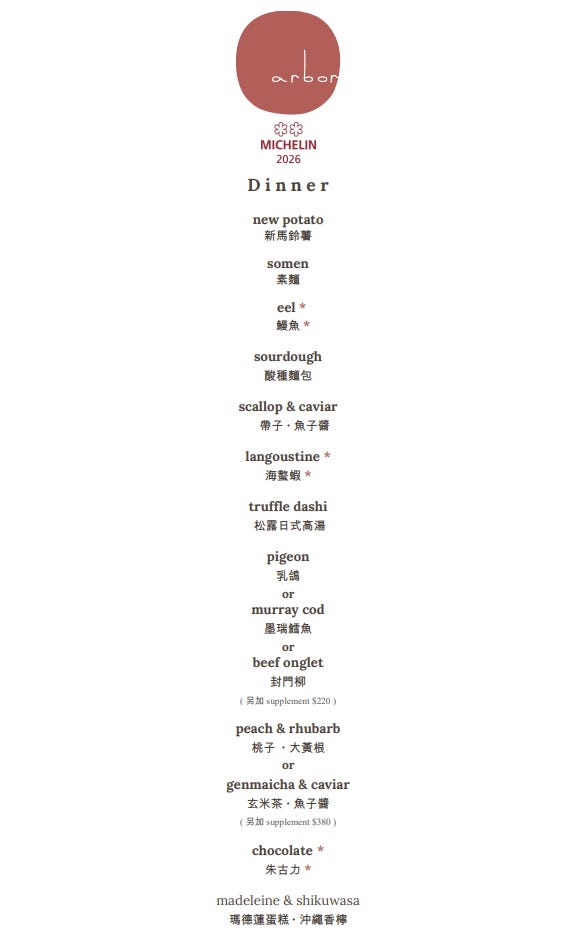
We decided to go with the full nine-course tasting menu.
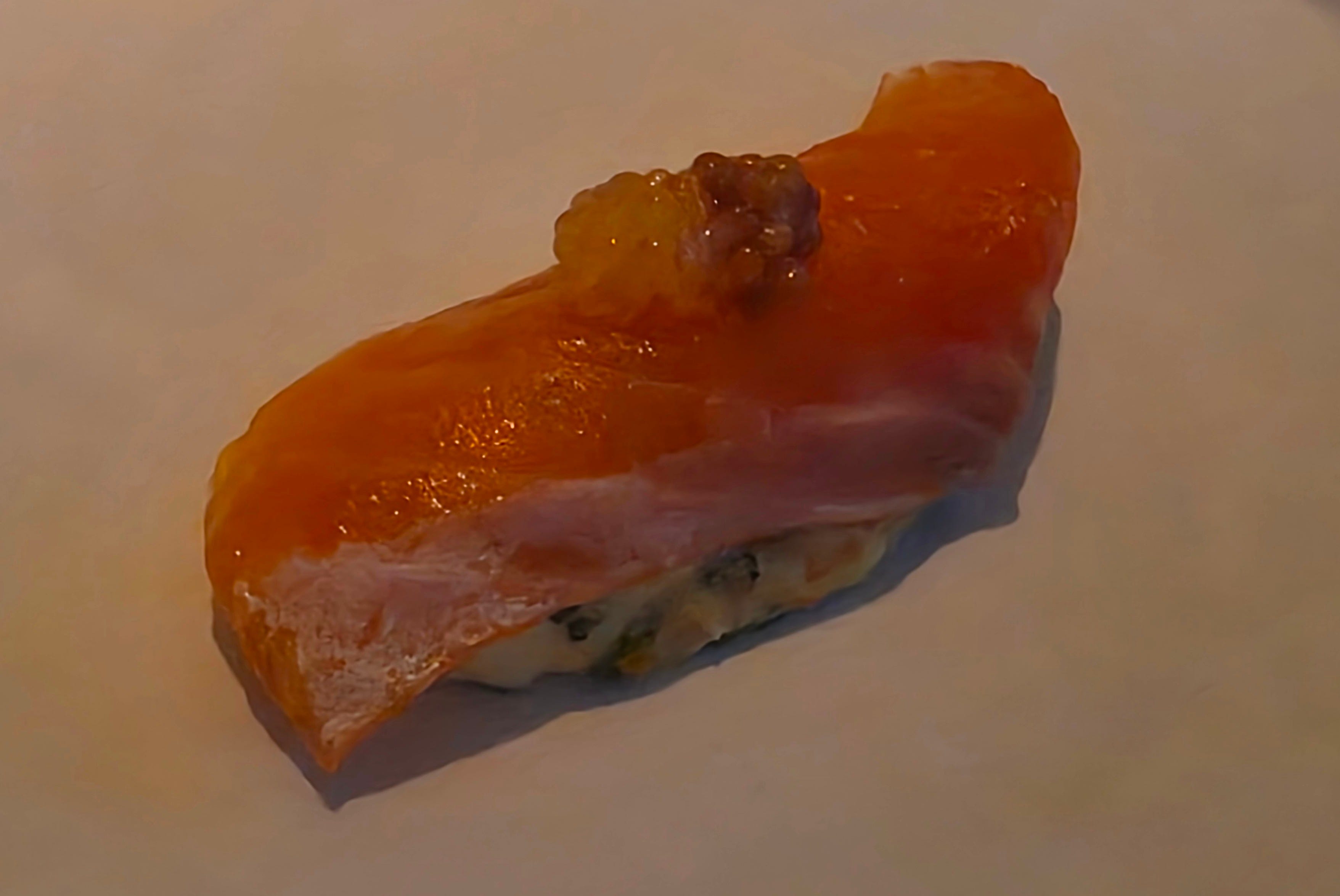
Dinner started with the new potato dish: potato and egg salad shaped like a piece of salmon nigiri, topped with a slice of salmon. It had a kick of horseradish, enough to cut through the richness without bullying the dish. It was one of the better openings of the meal because the idea was simple and the execution landed really well.
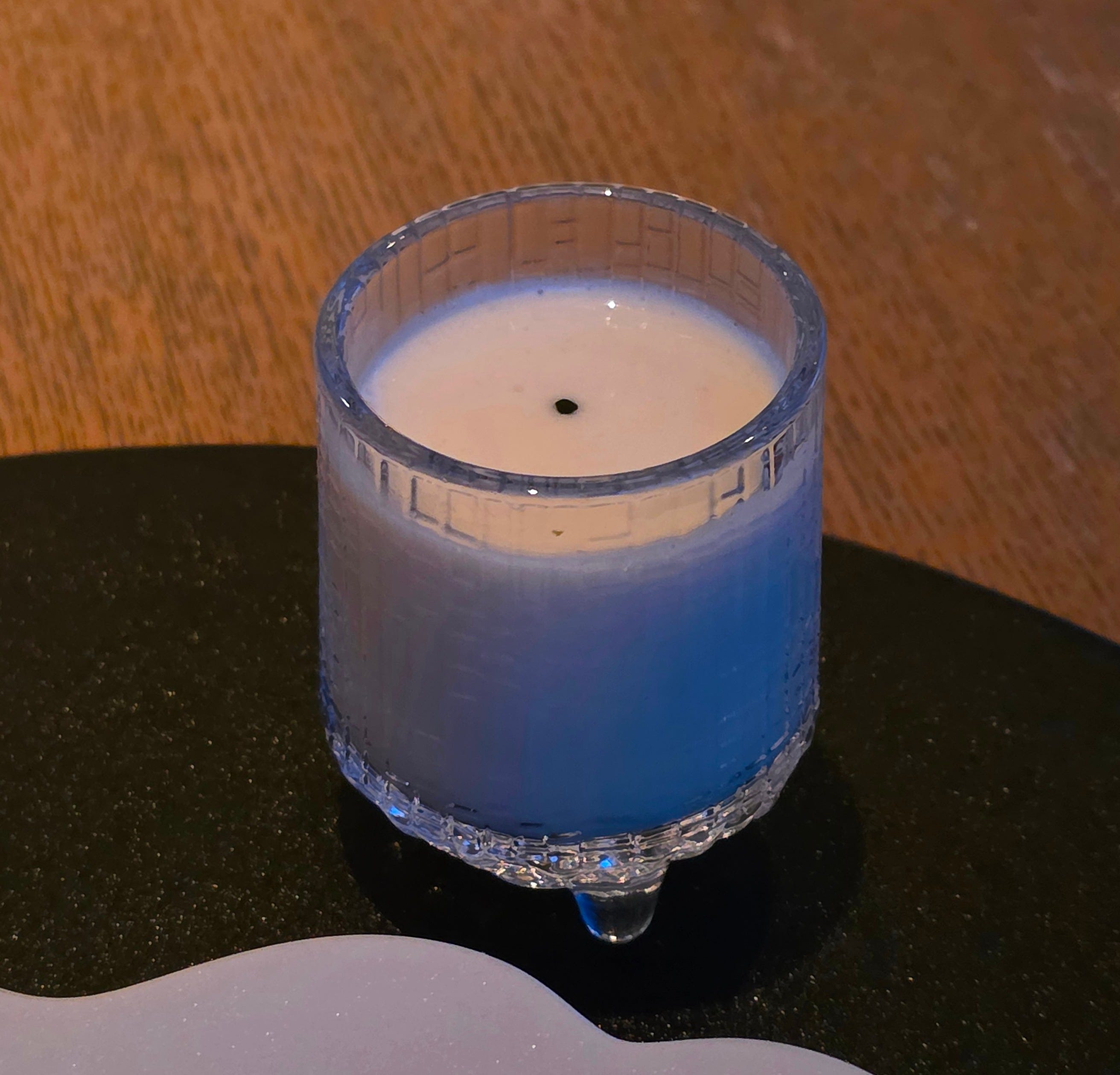
Next came a shot of rich, thick fish soup with dill. It was creamy and comforting, with the dill keeping it from becoming too heavy. Arbor’s Nordic side showed clearly here: dairy, fish, herbs, warmth, and a certain cool-weather logic, even in the middle of Hong Kong.
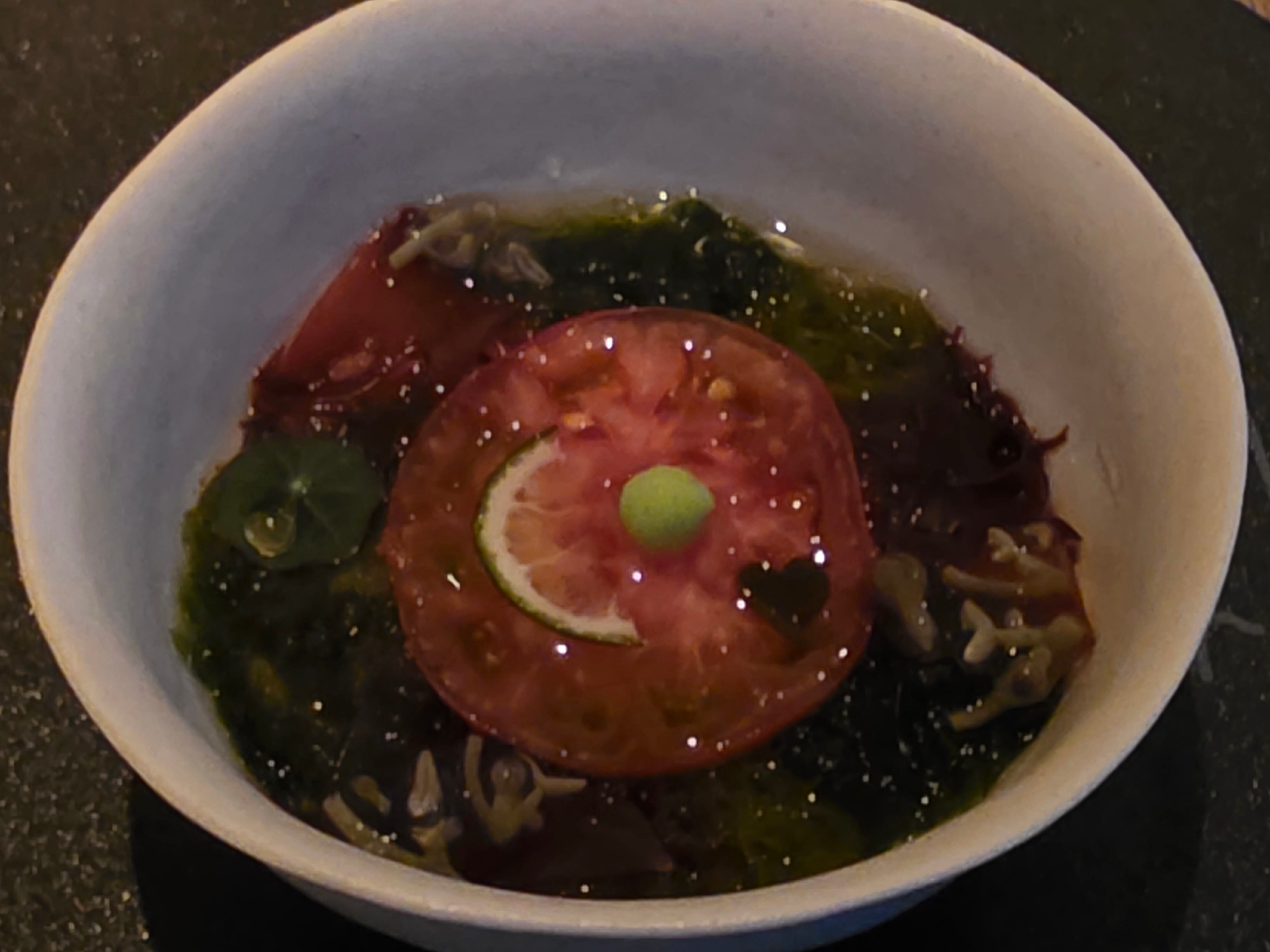
The somen dish moved the meal back towards Japan. Sweet tomato, slimy seaweed, abalone, and somen noodles made for a slippery, marine bowl. It was more about texture than punch. The abalone gave it weight, while the tomato brought sweetness and lift.
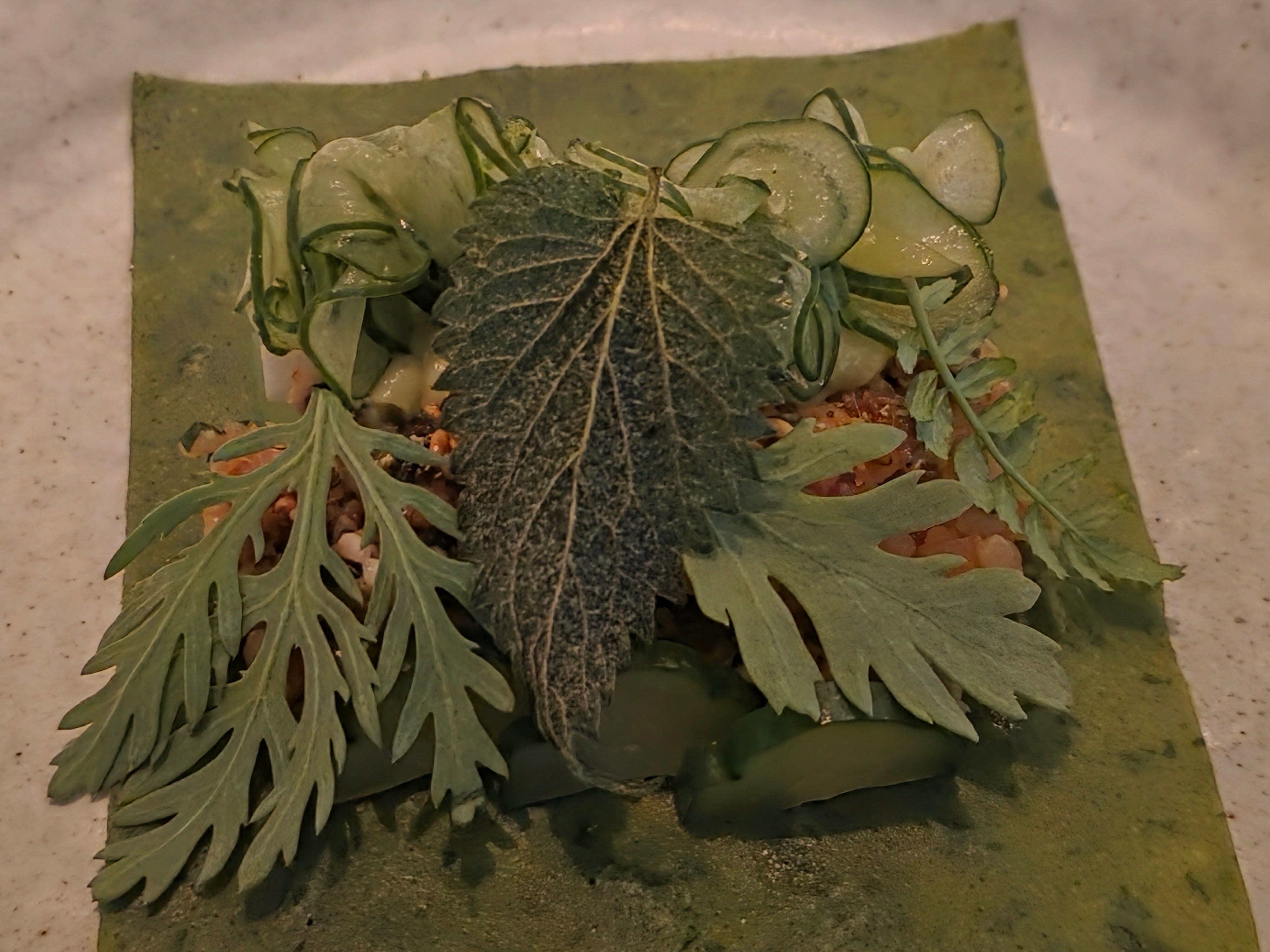
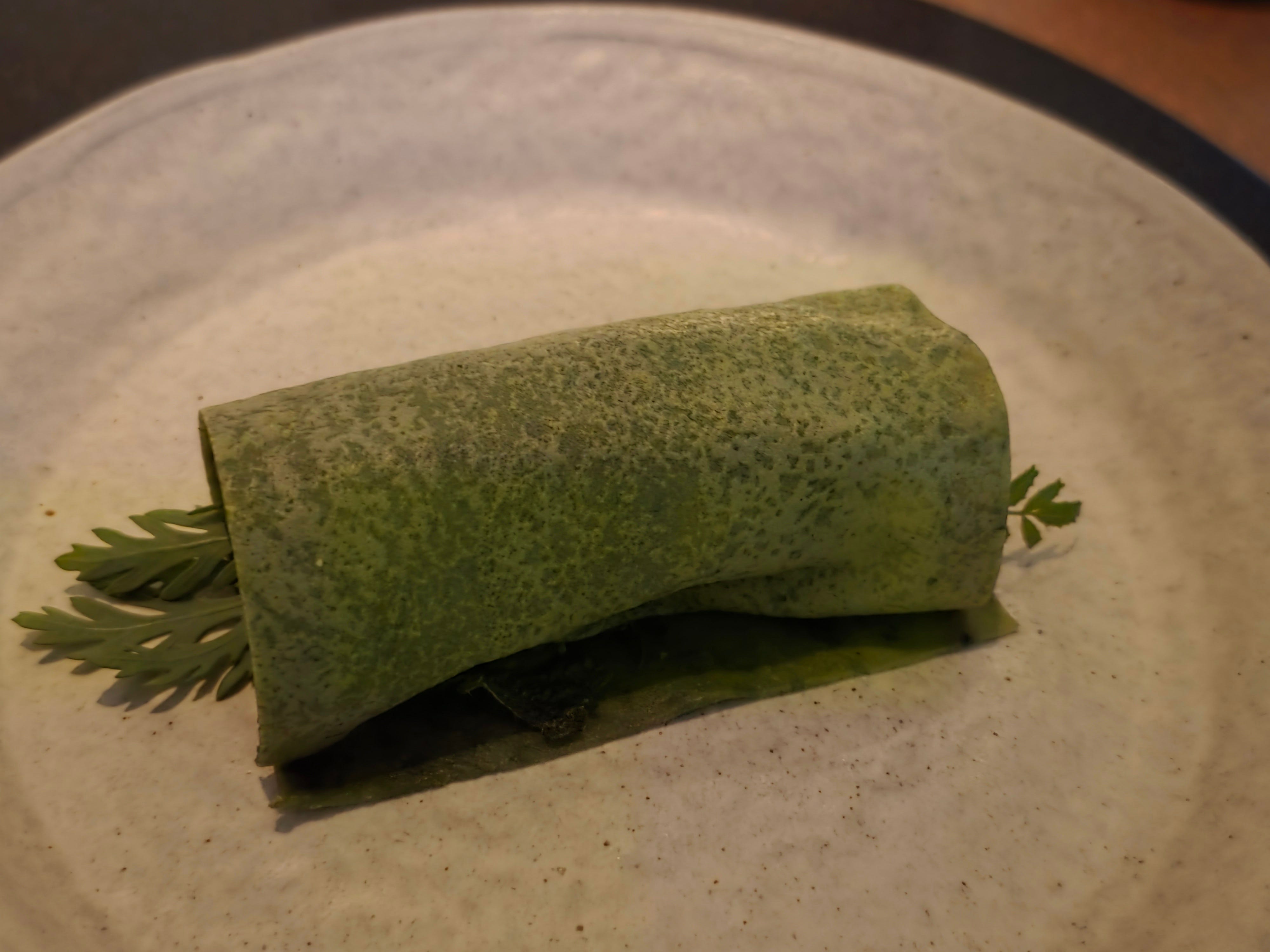
The eel pancake was one of the more interesting constructions. It came across a little like a summer roll: grilled eel, cured cucumber, herbs, and crisp fried herb leaves on top. The herbs and cucumber helped keep the eel from feeling too oily.
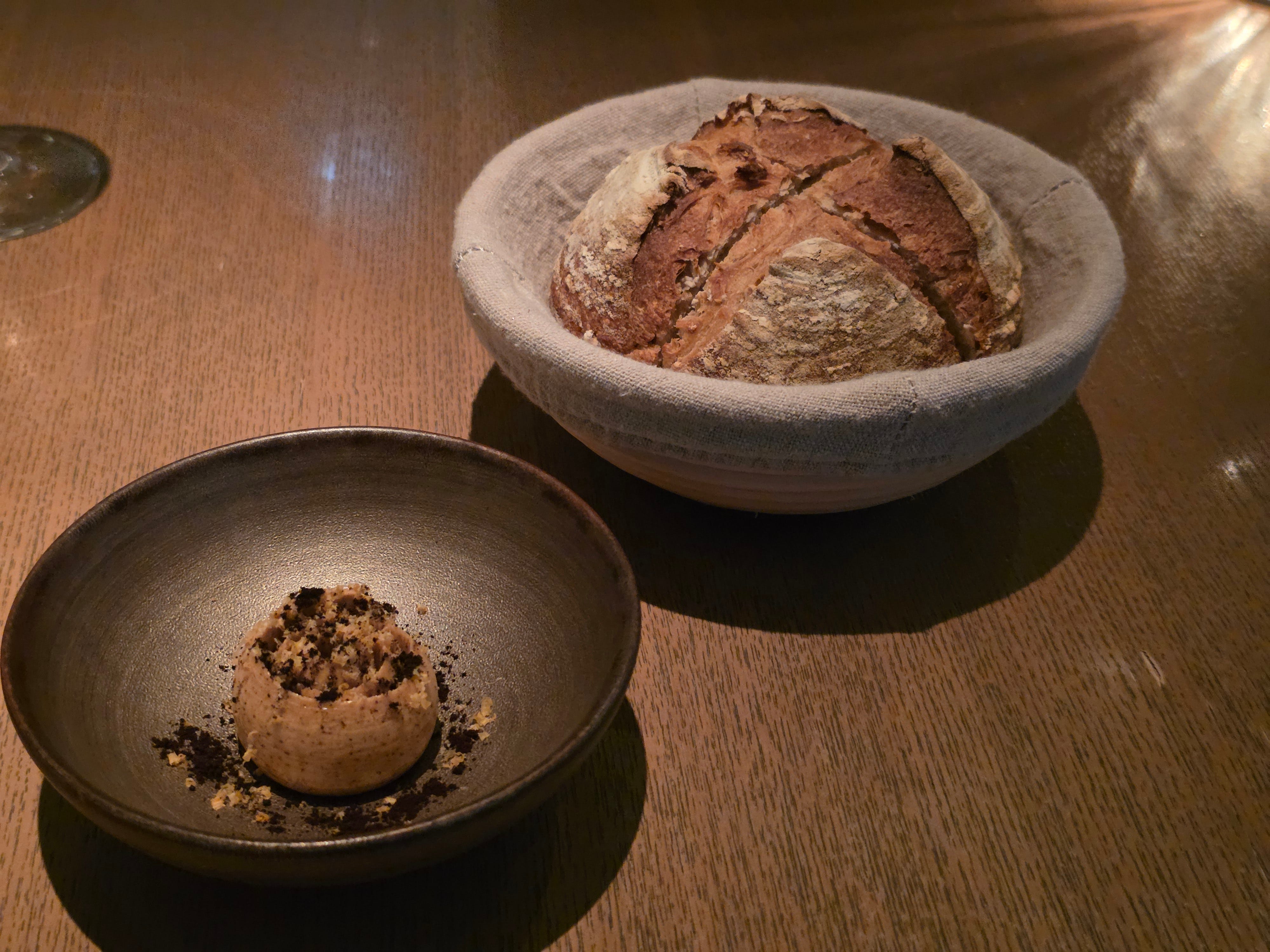
The bread course was a piping hot sourdough loaf with Japanese brown cheese and natto butter. This was an umami bomb. The butter had depth, funk, and savoury pull. We ended up finishing the entire loaf.
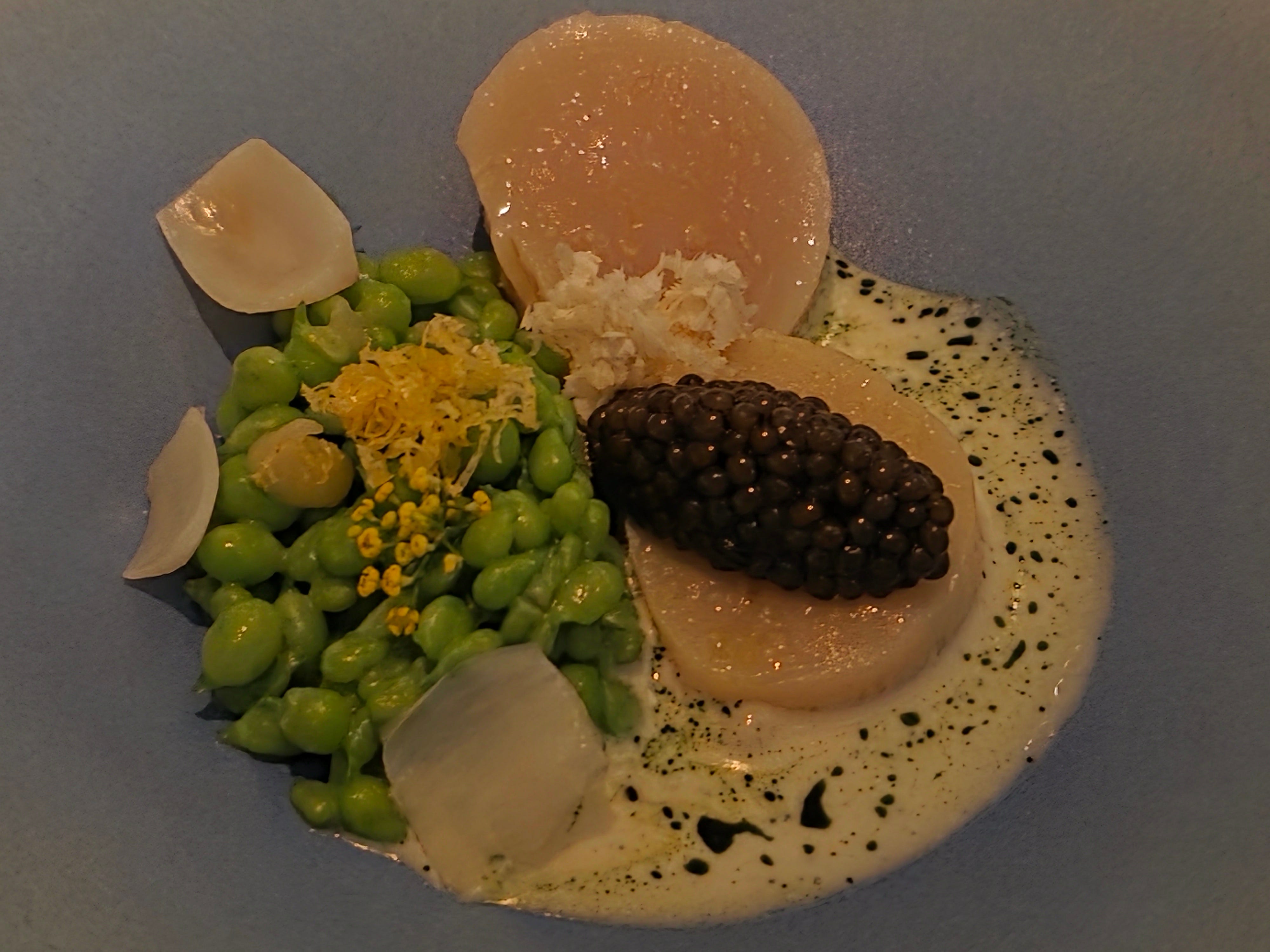
The scallop and caviar was the highlight of the night. The scallops were barely cooked, sweet, and tender, topped with caviar and served with crunchy fresh peas in a yoghurt and dill oil sauce. It had the balance Arbor is clearly chasing: luxury without heaviness, acidity without sharpness, and enough texture to stop the dish becoming soft luxury mush.
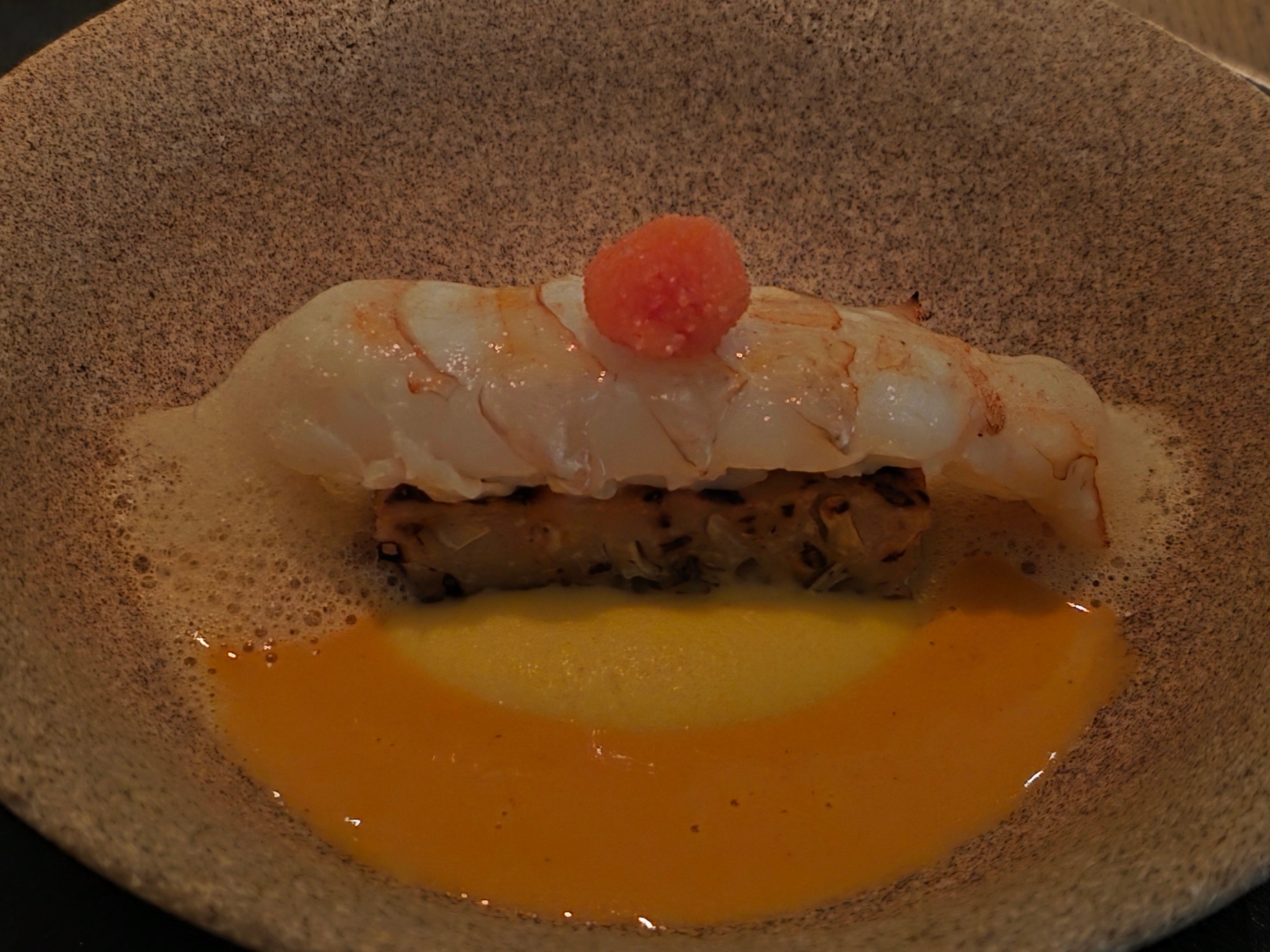
The Norwegian langoustine came on an egg mochi cake, topped with spicy pollock roe in a kimchi and langoustine-shell sauce. It was richer and louder than most of the meal. The mochi base gave it chew, the roe brought heat and salt, and the shell sauce gave it depth. It was a good dish, though not as clean as the scallop.
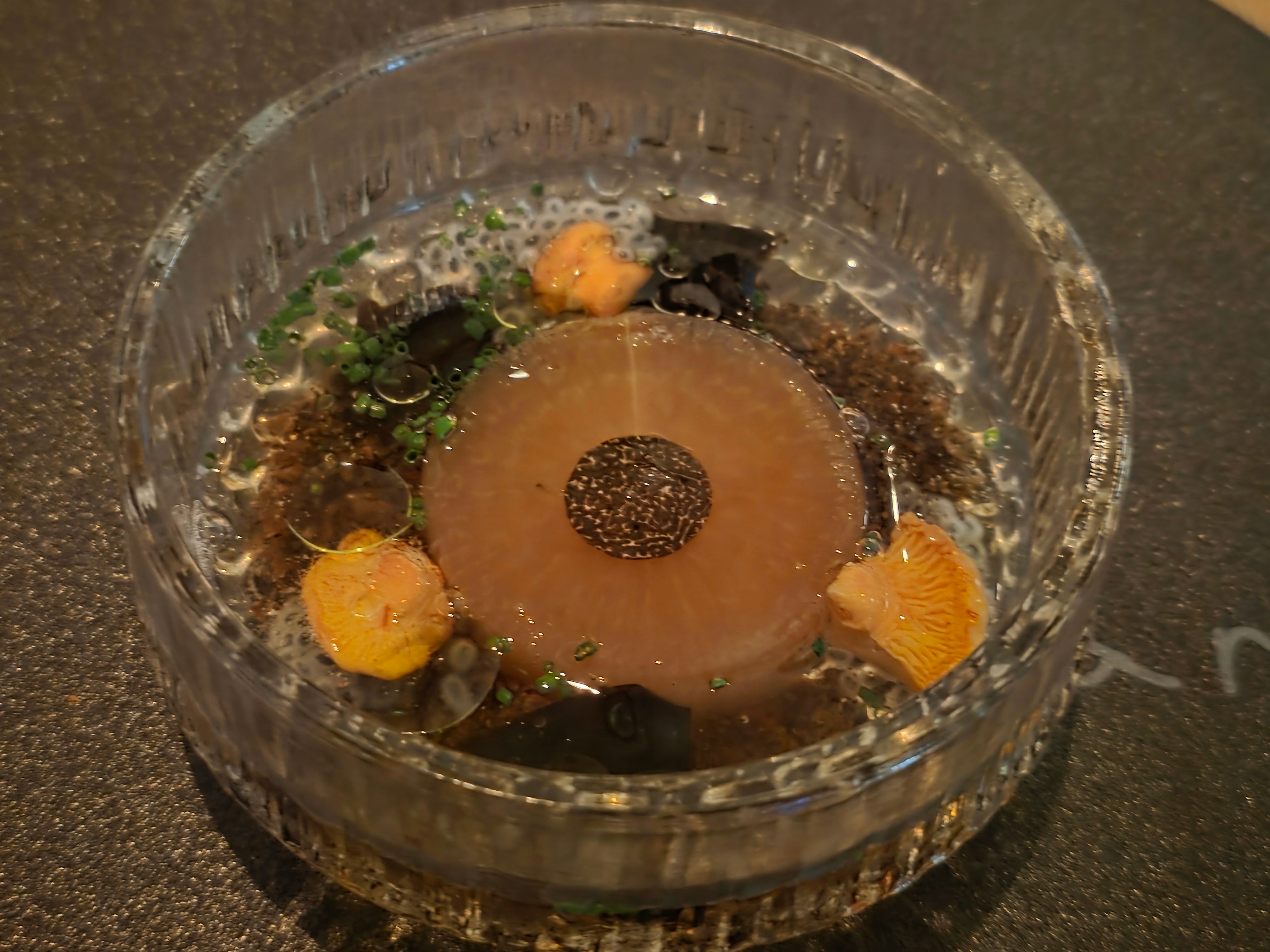
Before the mains, Arbor served a warm truffle dashi as a palate cleanser, with an assortment of mushrooms and sweet radish. “Palate cleanser” slightly undersells it. This was a heavily truffled broth course, closer to a small savoury interlude. The mushrooms and radish worked, and the warmth helped reset the meal before the main.
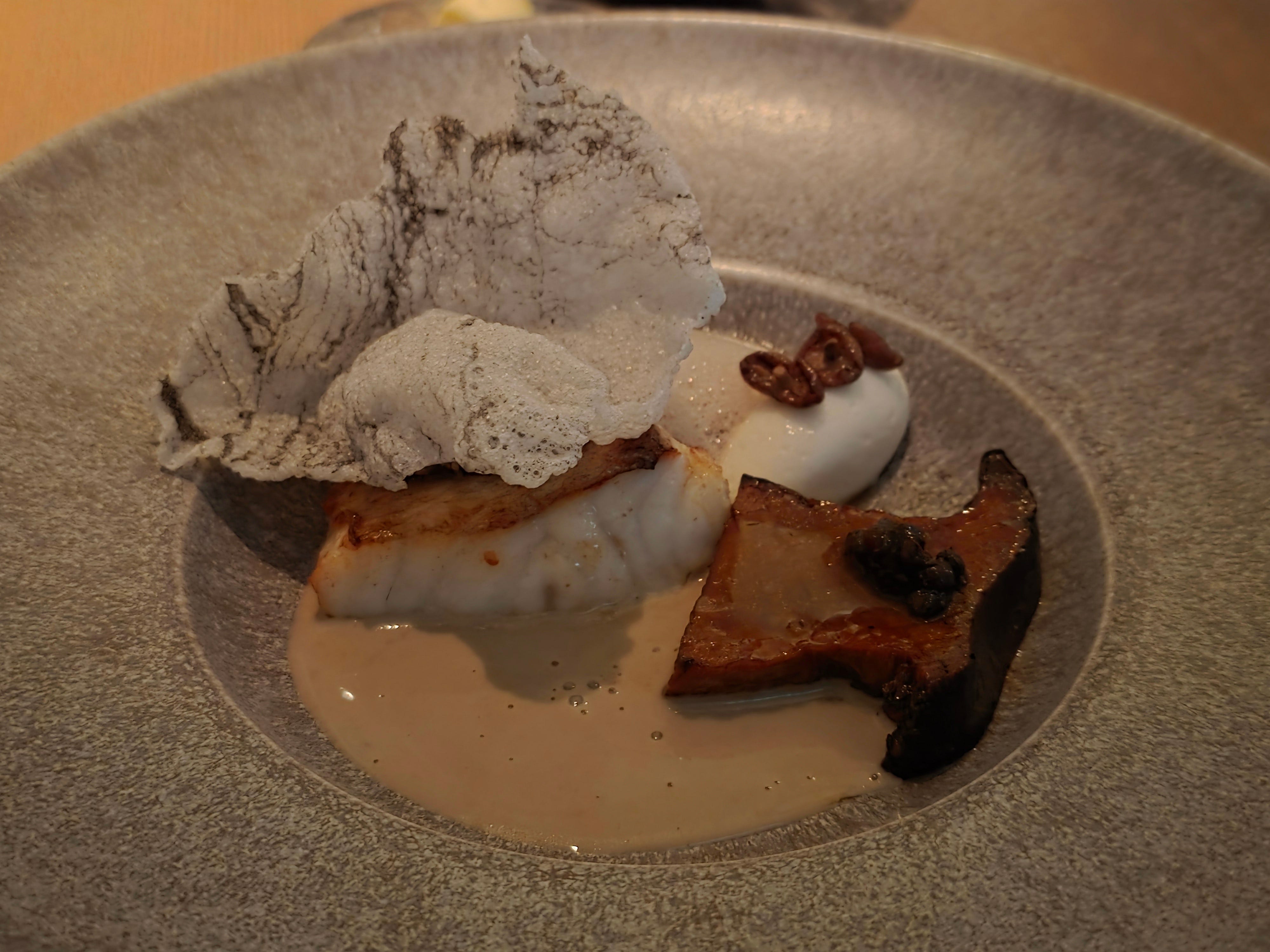
For the main course, I chose the Murray cod in mushroom sauce with yellow wine foam. It came with a fish and egg-white mousse, a juicy matsutake mushroom, and a rice crisp. The cod was well handled, but the mushroom was the real standout of the dish: plump, fragrant, and much more memorable than the fish. That says something about both the strength and weakness of the plate.
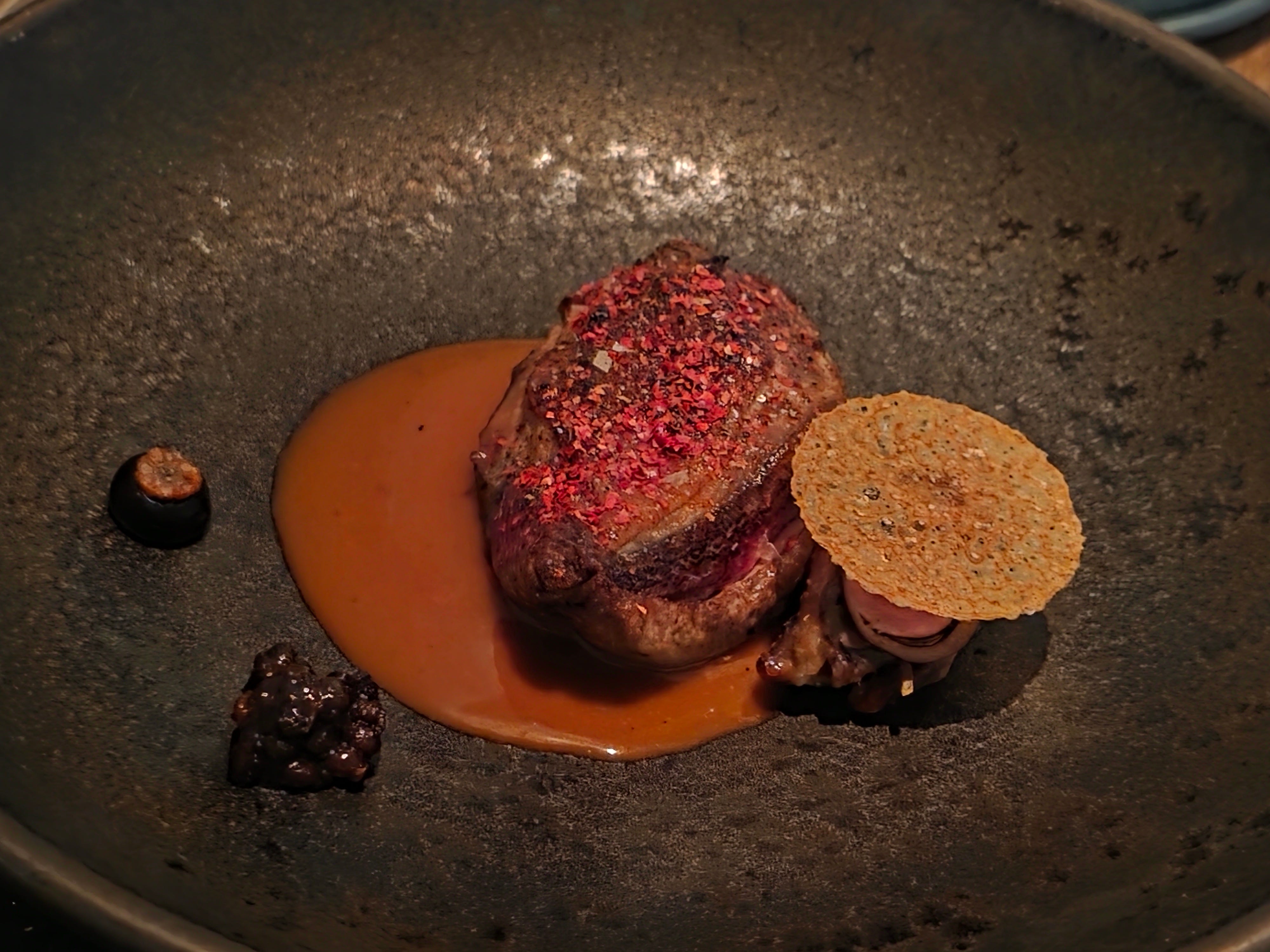
My companion chose the pigeon, which was the right call. It was juicy, properly seasoned, and served with peppercorns and a loose sausage of innards. The dish had more character than the cod. It also felt more like Arbor at its best: refined, but not timid.
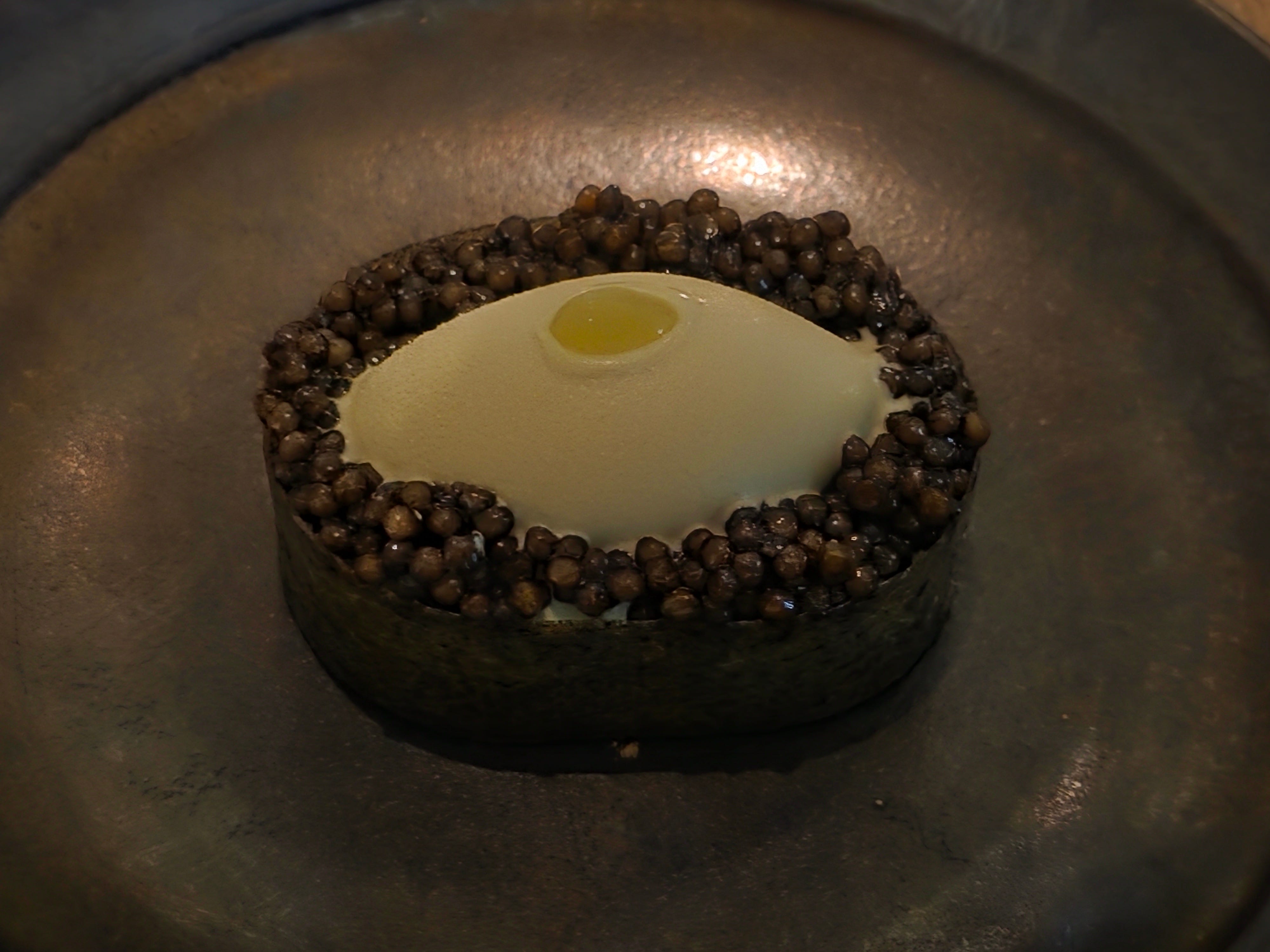
The signature dessert was genmaicha and caviar: a crisp matcha shell filled with genmaicha ice cream and chewy Japanese mochi, with caviar adding salt. It sounds like a stunt, but it worked. The tea flavour, mochi texture, and salt from the caviar made it more interesting than a standard sweet finish.
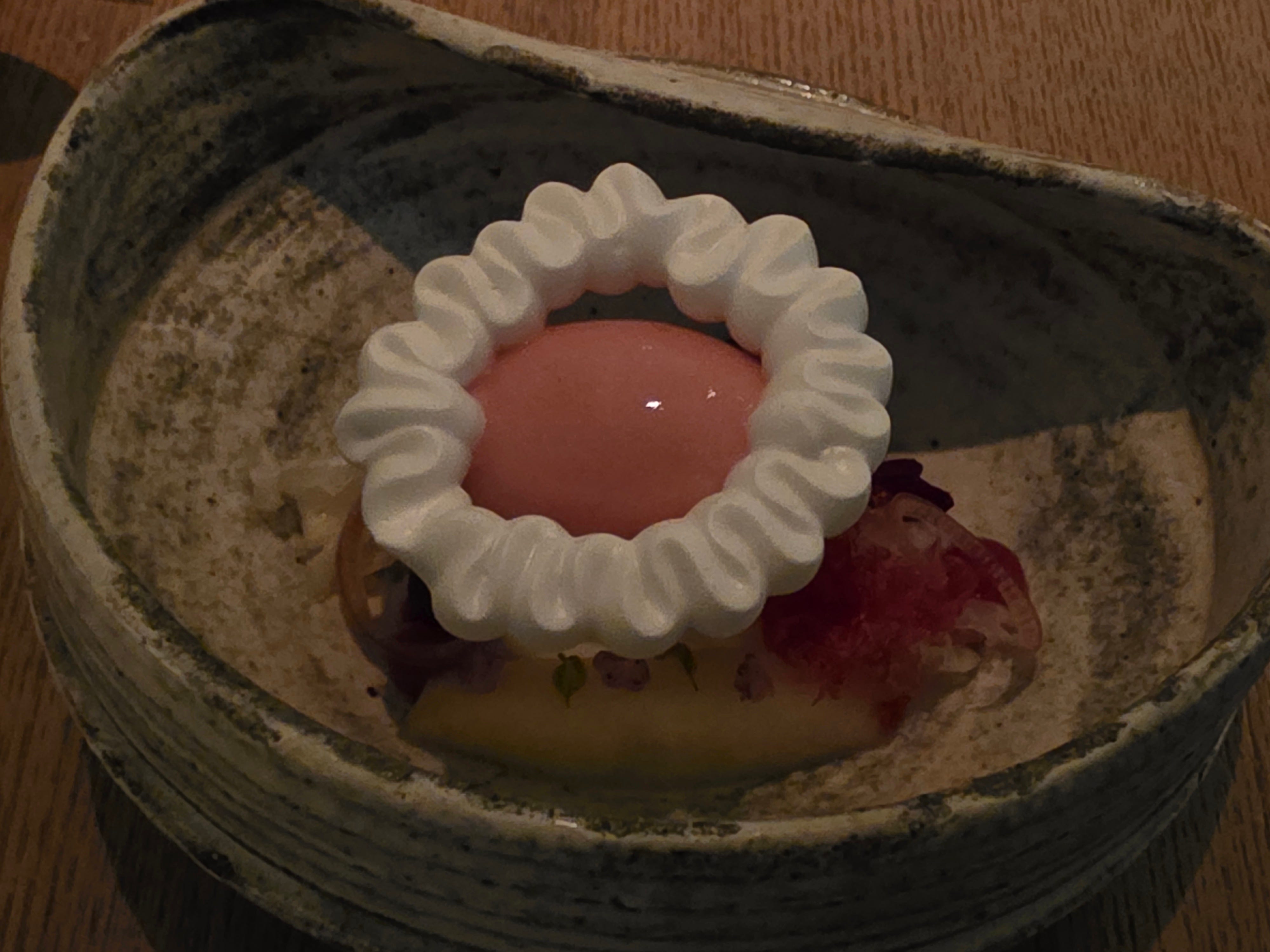
The second dessert was peach and rhubarb, with a slice of peach set inside a yoghurt base, plus peach sorbet under crisp meringue. It was lighter, cleaner, and more conventionally pleasing than the genmaicha and caviar. The acidity from the rhubarb helped.
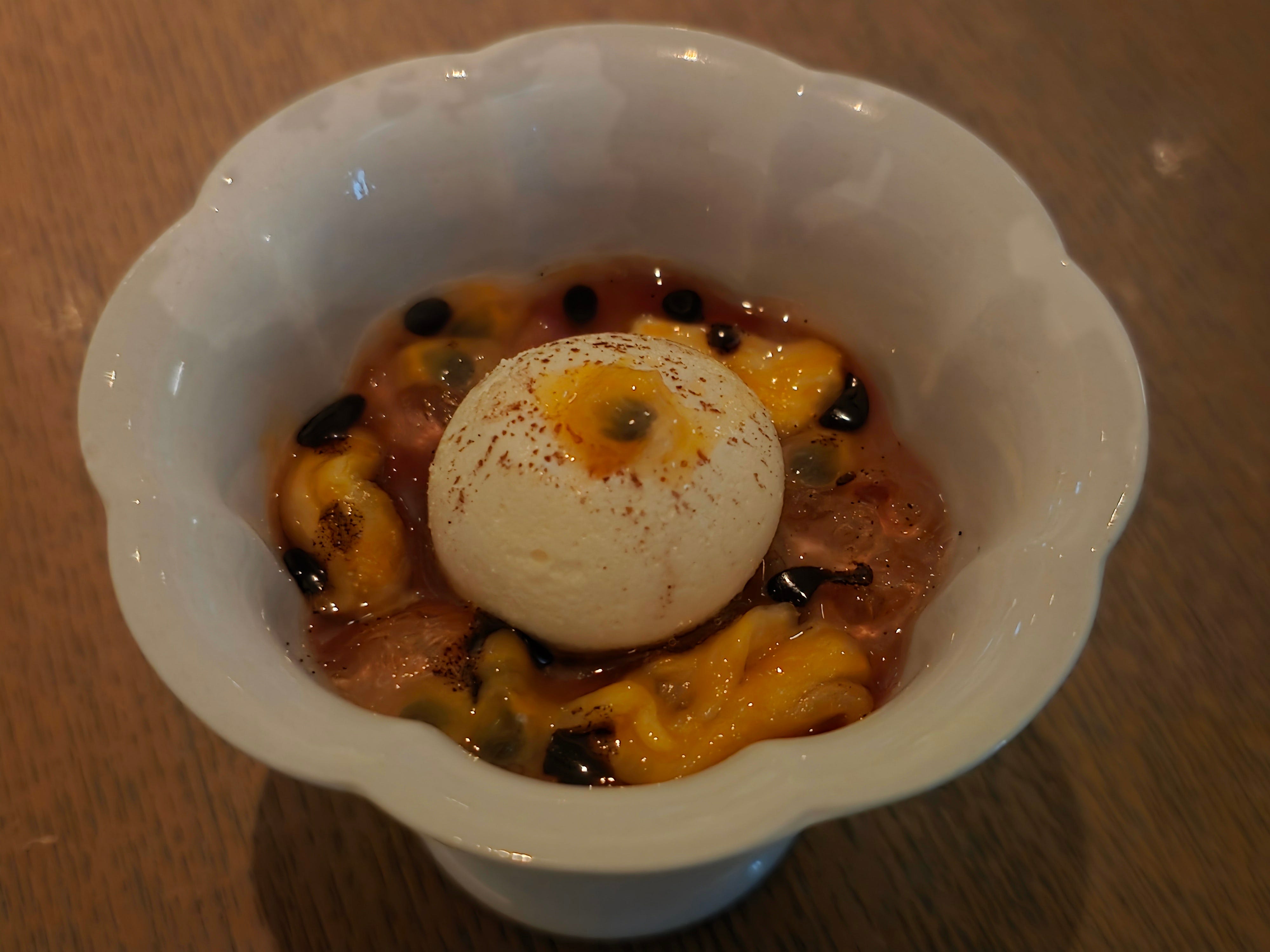
Then came aptly-named chocolate: a chocolate panna cotta topped with passionfruit and a homemade marshmallow. It was pleasant rather than revelatory, with the passionfruit doing the necessary work of cutting the chocolate.
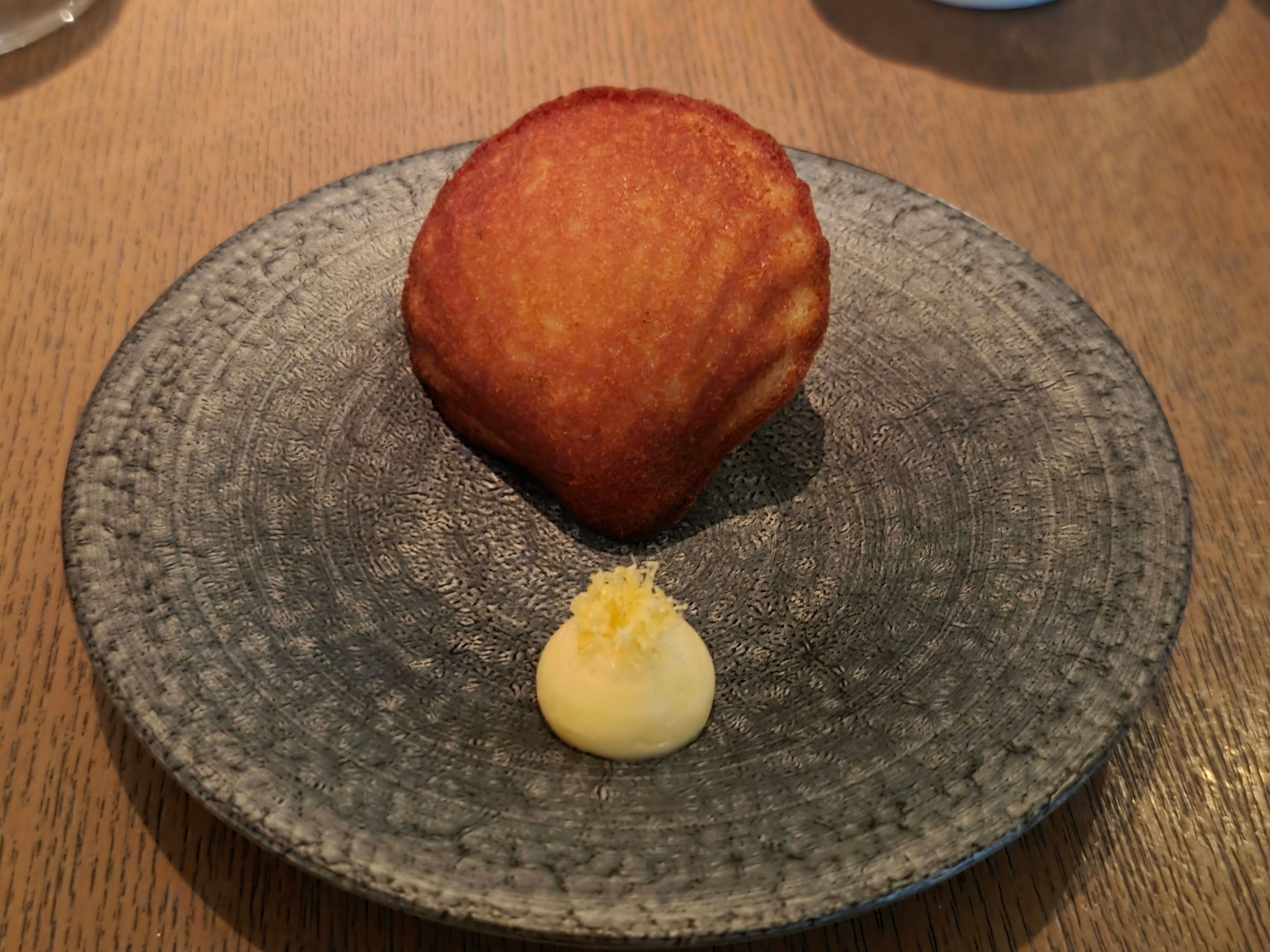
The petit four was a freshly baked madeleine with lemon zest and Chantilly cream. A warm madeleine is hard to argue with, and this one did its job well. It ended the meal on a polished, familiar note.
Overall, Arbor is a neat concept, and the execution is clearly serious. The new potato and the scallop with caviar were the standouts. The pigeon was the better main. But the meal as a whole felt a little underwhelming. Nothing was badly done, and several dishes were very good, but not much stayed with me afterwards.
That is the caveat with Arbor. The restaurant has pedigree, technique, and a coherent point of view. It also has a tendency towards restraint that can make the meal feel more admirable than exciting. I liked parts of it. I would not rush back.
Total Damage: 4700 HKD/2 people