
Restaurant Labyrinth is renowned for its innovative “New Singaporean” cuisine. Chef-owner LG Han reinterprets Singapore’s hawker classics, childhood comfort foods, and fading heritage recipes using modern techniques, premium local ingredients, and a strong farm-to-table ethos. The restaurant has held one Michelin star continuously since 2017, offering seafood-centric tasting menus, evoking nostalgia while challenging expectations of Singaporean food.
Chef LG Han founded Labyrinth in 2014 as an experimental space for progressive Singaporean cuisine, initially heavily influenced by molecular gastronomy and modernist techniques. Early menus featured bold reinventions of local dishes. A turning point came in 2016 when Han filmed a TV show with a local fisherman and tasted native flower crabs, realizing they far surpassed imported ones in flavour. This sparked a two-year research deep-dive into Singapore’s farms, fishermen, and producers. In 2018, he relaunched the restaurant with a locavore focus - sourcing 60–90% of ingredients locally - shifting from gimmicky modernism to authentic, produce-driven expressions of Singapore’s food heritage. Chef Zee Chan serves as Chef de Cuisine (overseeing daily operations since 2024), but Han remains the driving creative force and owner. Chef Han is celebrated for reshaping Singapore’s culinary scene by making “hawker food” Michelin-worthy without losing its soul — proving Singaporean cuisine can be sophisticated, emotional, and forward-thinking.
The experience is theatrical yet heartfelt — dishes tell personal or cultural stories, blending humour, surprise, and deep respect for Singapore’s food history. It’s widely regarded as one of the most creative and uniquely Singaporean fine-dining destinations in the world.
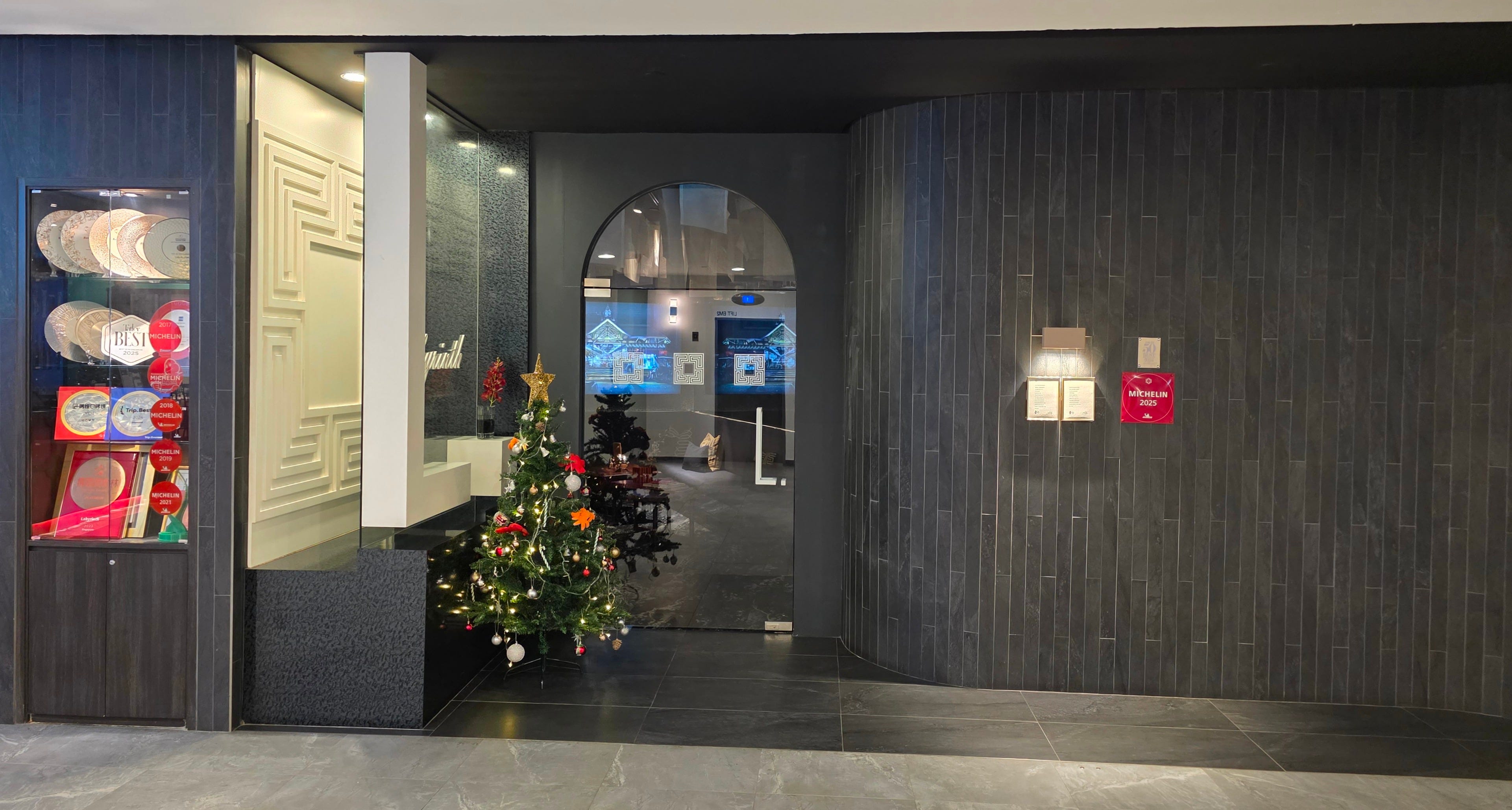
Located in a fairly quiet mall, the dark, minimalistic exterior looks a bit out of place beside nail salons, tea shops and a nearby food court.
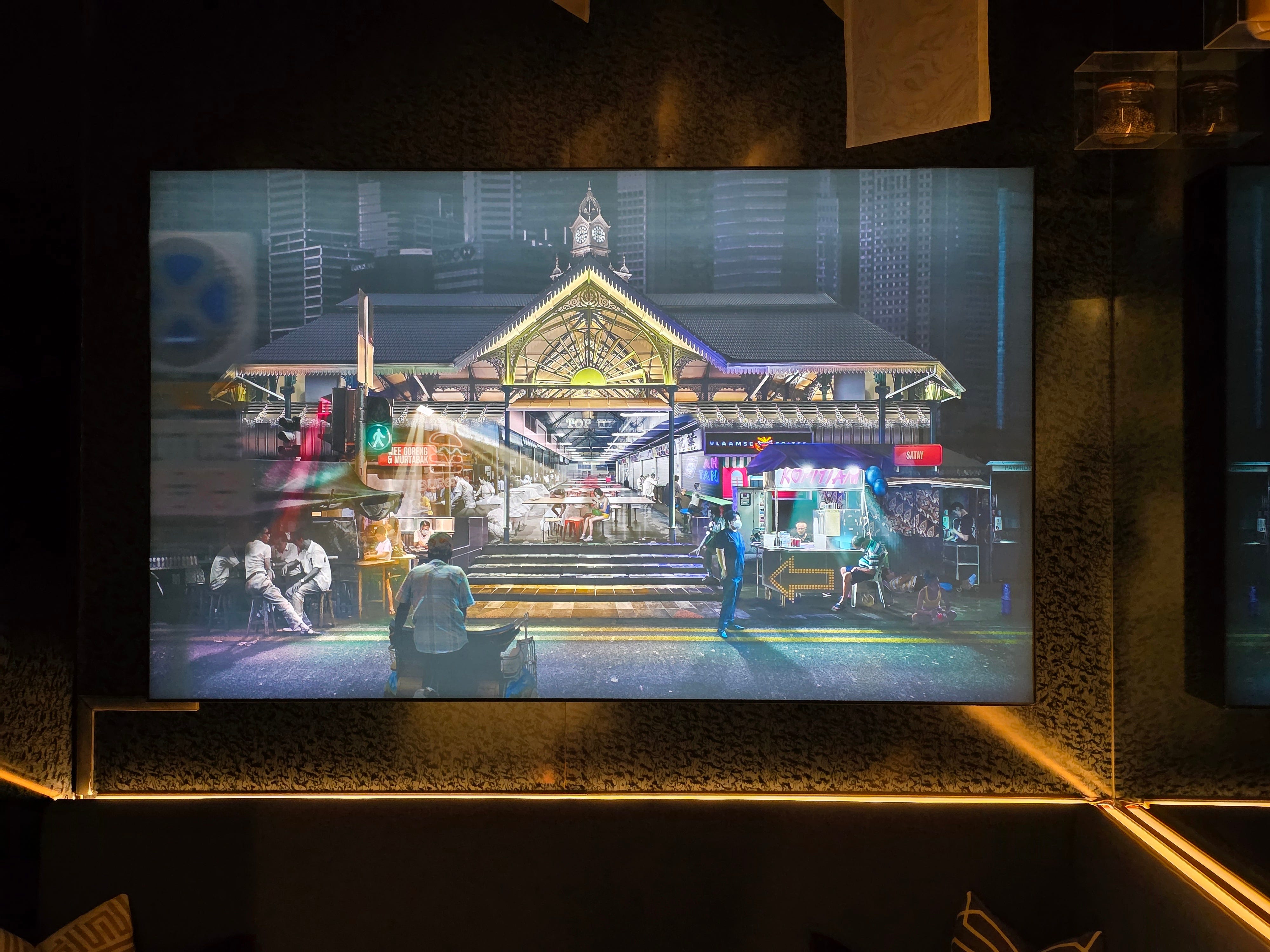
Once inside, the waiting room features a photo of a historic Singaporean hawker center, Lau Pa Sat. The composite, formed with many different pictures over the years features both old and new, with the interior taken from before the recent reno, a look at Satay Street, and featuring some of the new stalls that have entered the hawker center. The picture highlights the essence of Labyrinth - a composite of the unique and delicious Singaporean food culture.
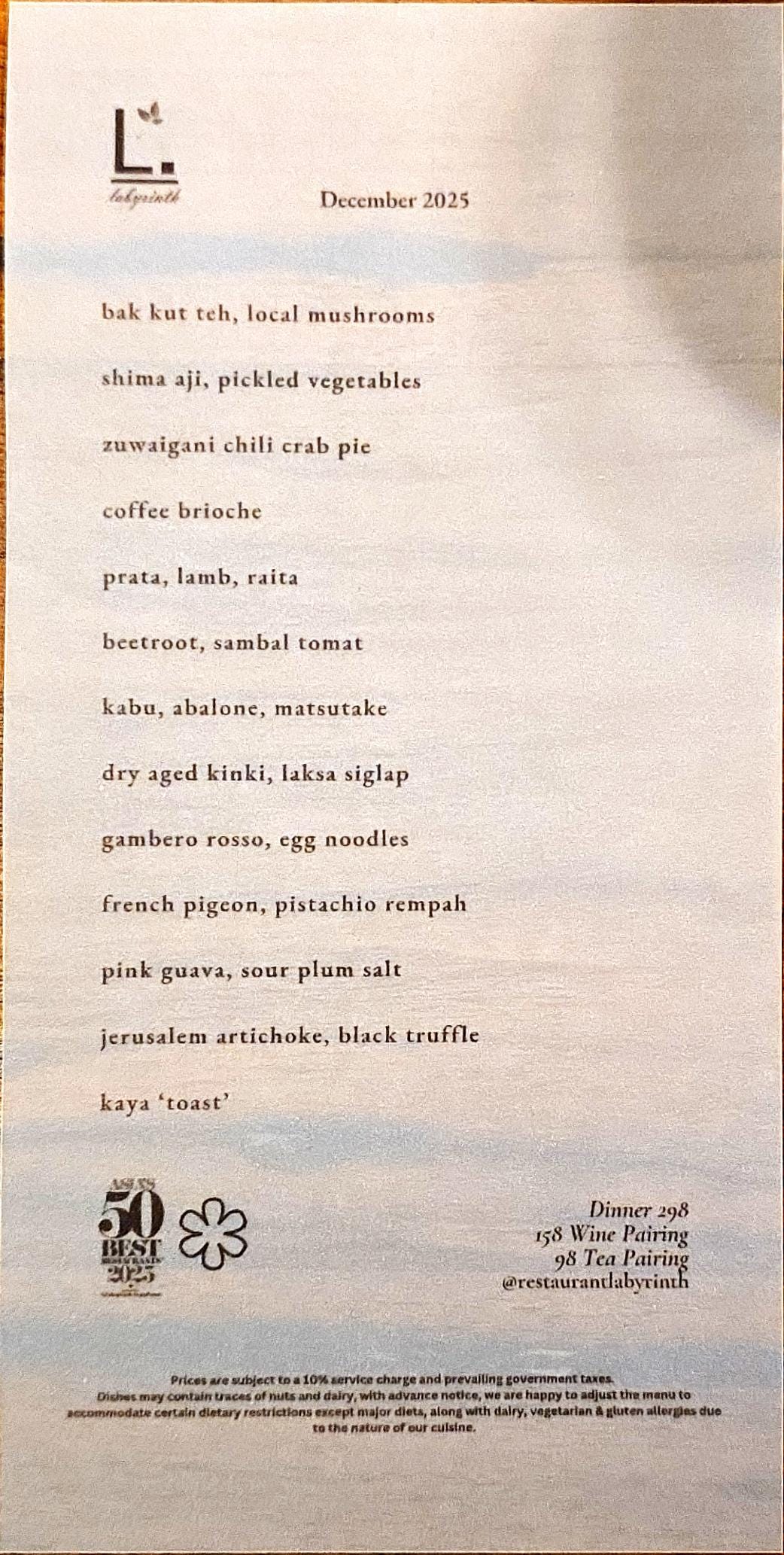
The menu, with nearly every dish highlighting a classic Singaporean favourite.
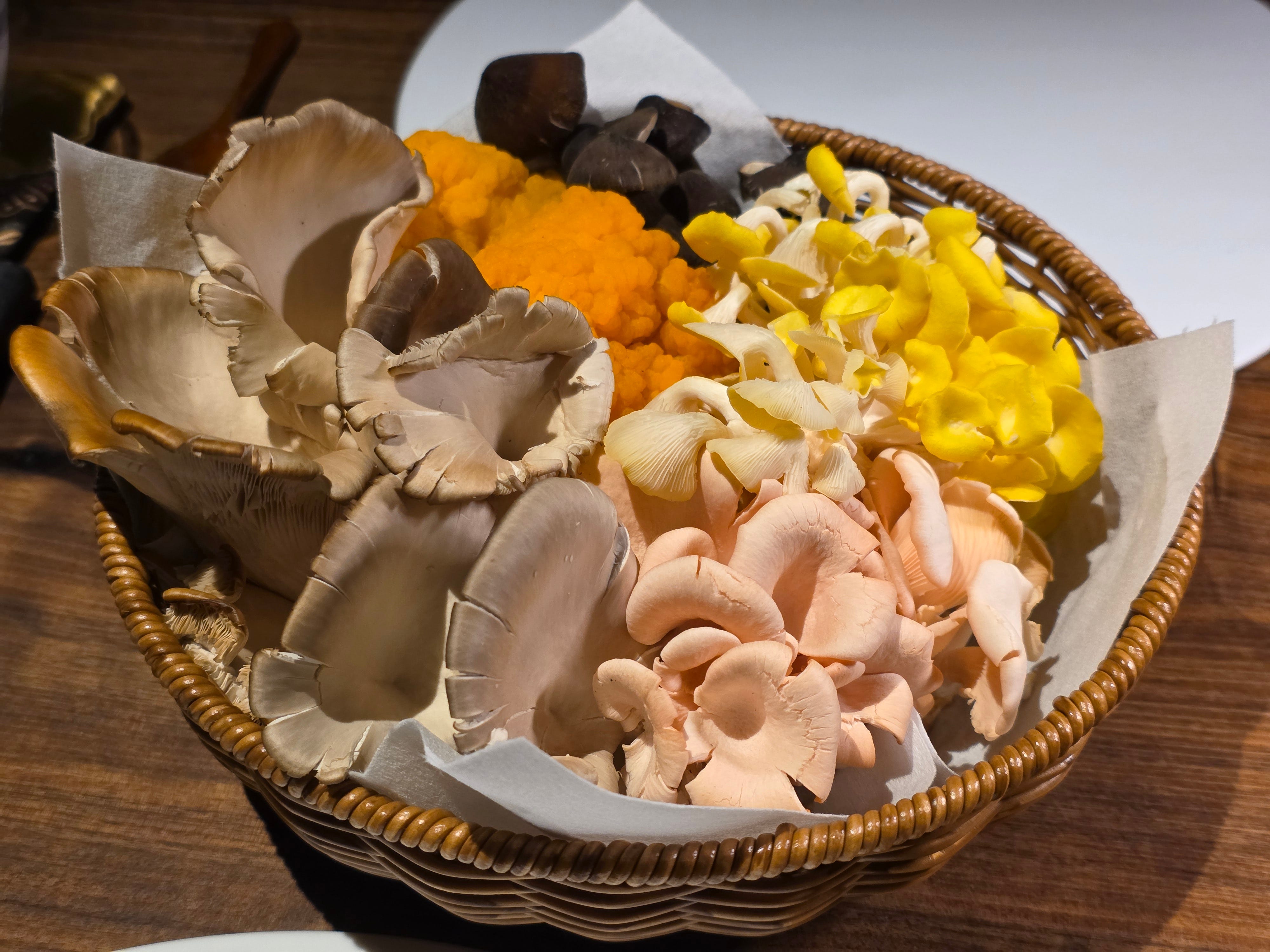
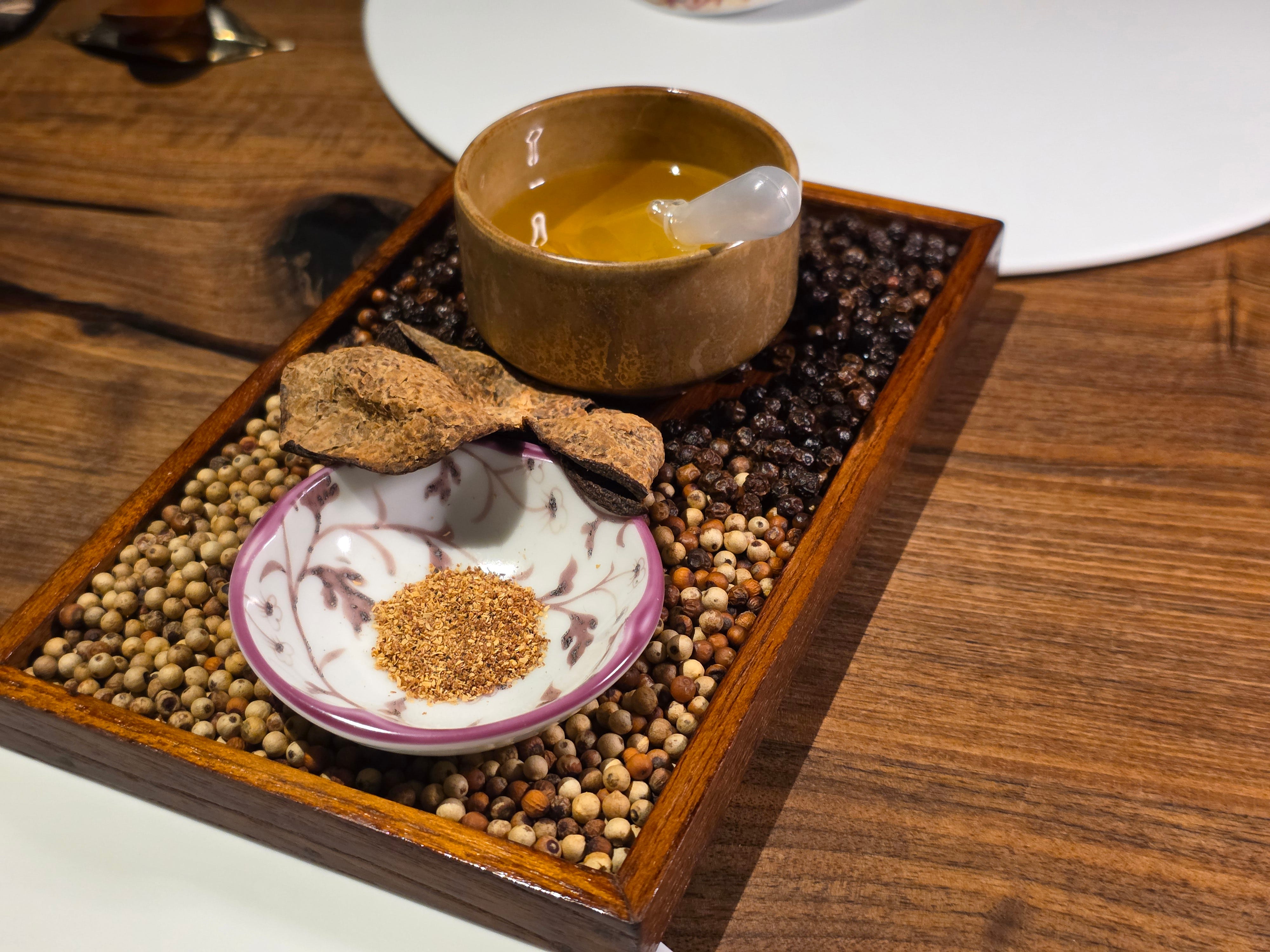
A display of a variety of locally grown mushrooms, kampot pepper oil and dried tangerine peel and other medicinal ingredients used in a very Singaporean first dish.
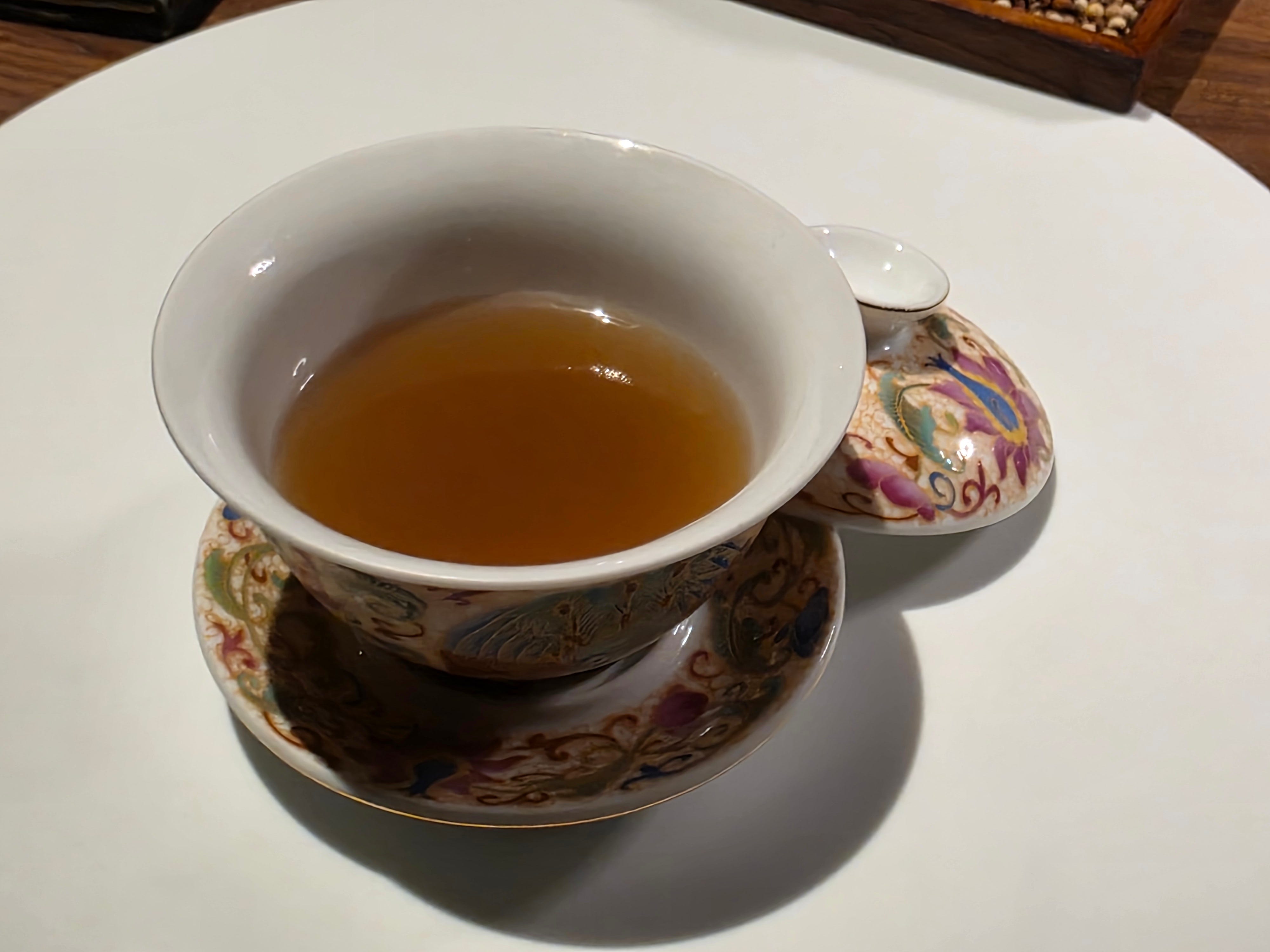
Labyrinth’s take on bak kut teh or “meat bone tea”, clarified into a consommé and served in a teacup. Despite the normal appearance, apparently the deep umami flavours were completely a product of the mushrooms used - the dish is actually meatless! A warm, hearty and peppery start to the meal.
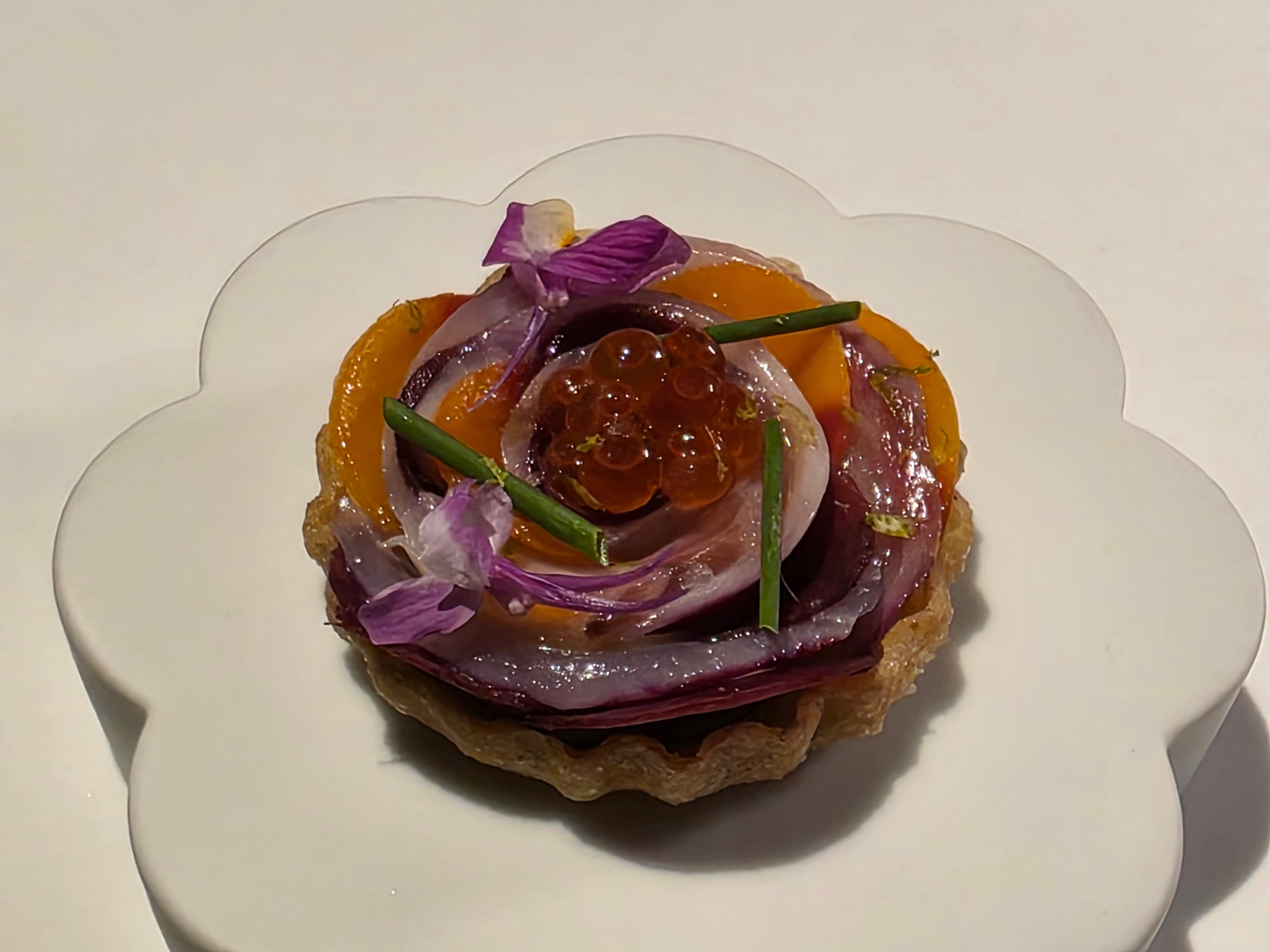
I struggled a bit to see the Singaporean connection in the second dish, which was a tart layered with a striped jack cerviche, pickled vegetables and fish roe in a rose-like shape. Sweet, sour from the pickles, salty from fish roe, a slight hint of fishiness from the striped jack. Really neat combination, despite the lack of an obvious link to Singapore.
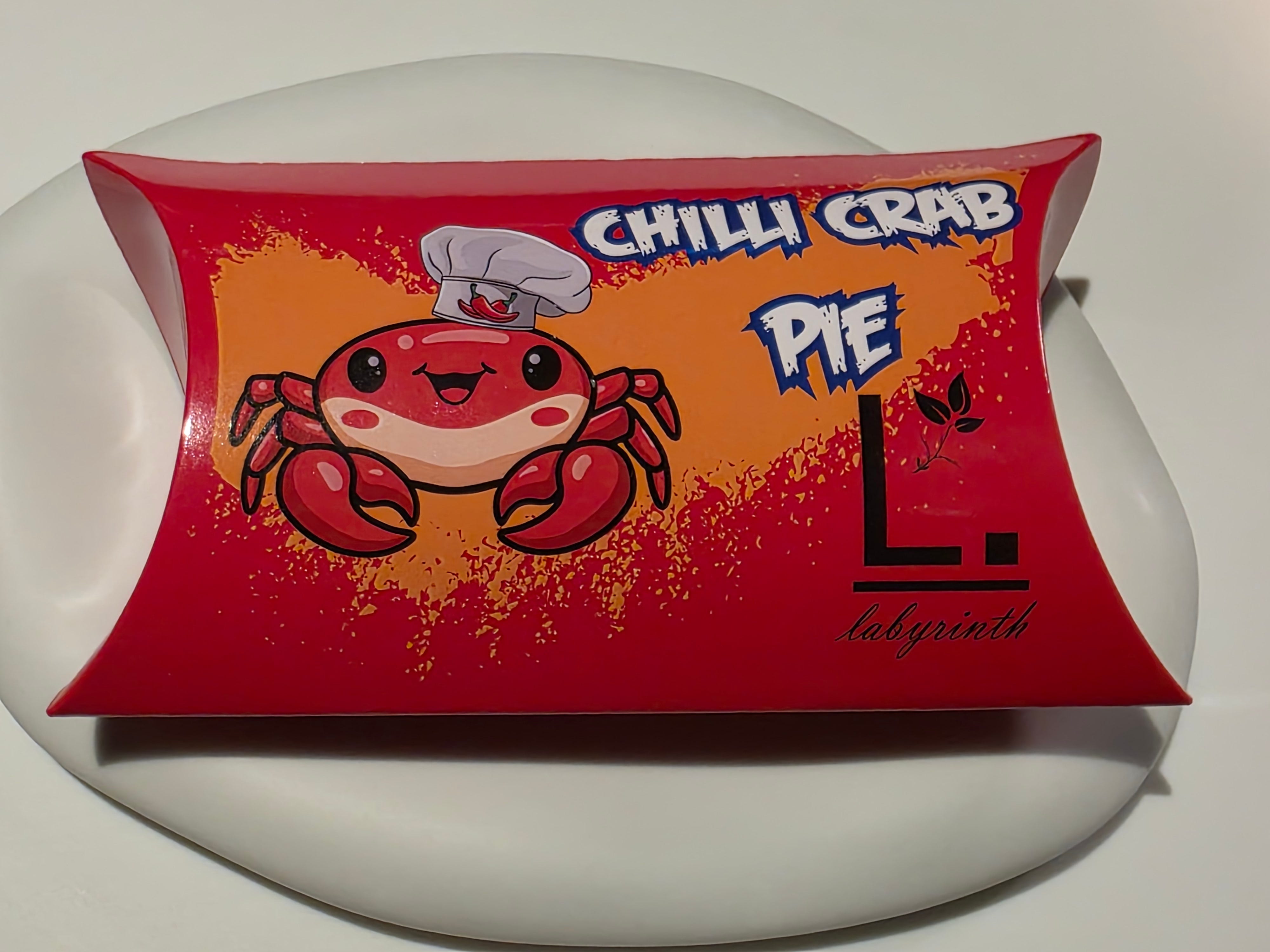
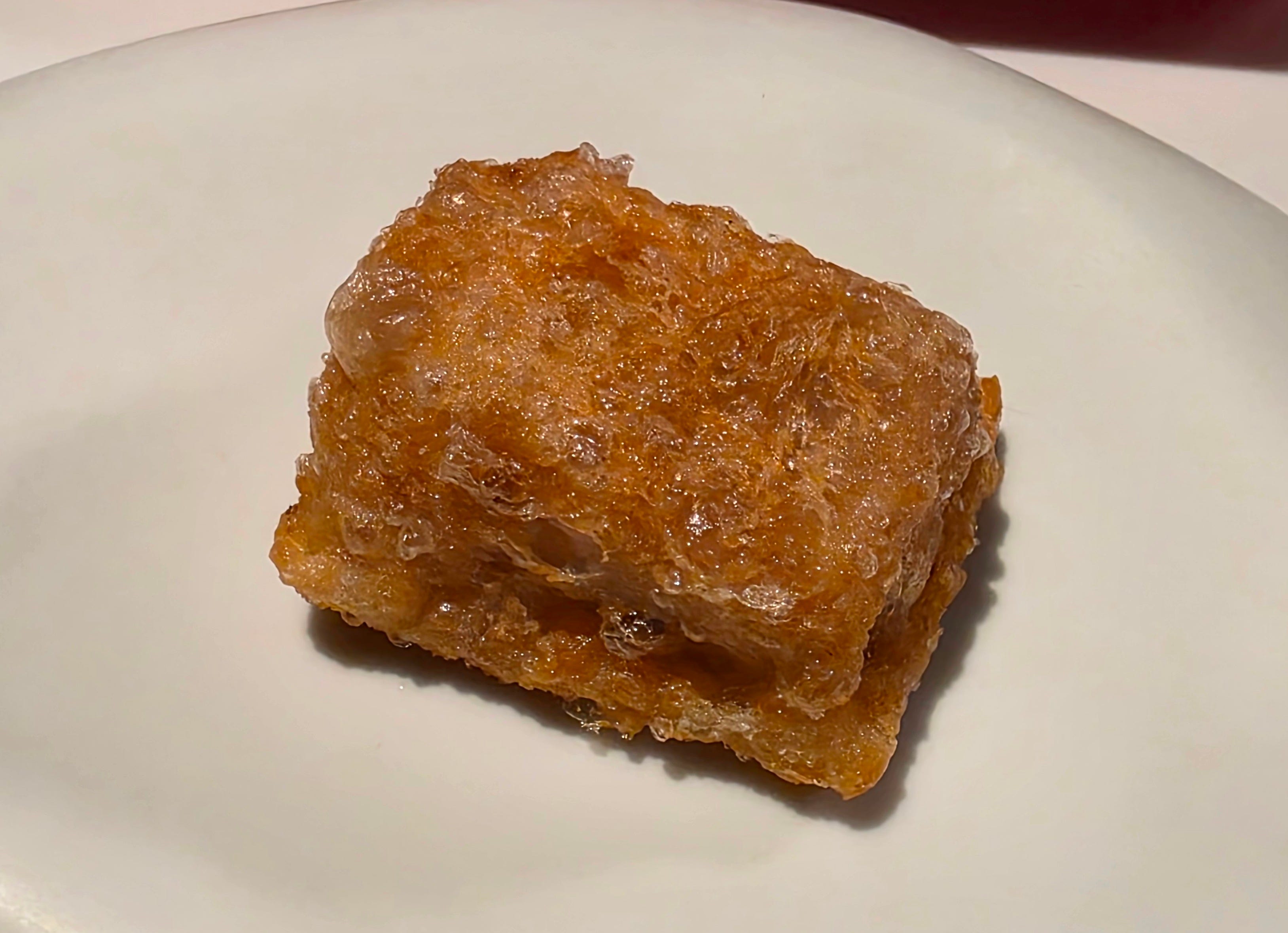
The next dish highlighted another classic Singaporean dish, with a whimsical McDonald’s influence. An iconic dish for Labyrinth as well, a deep fried pie in the classic McDonald’s style, but instead of apple, filled with the iconic Singaporean chili crab. Absolutely amazing, and one of my favourite dishes of the night!
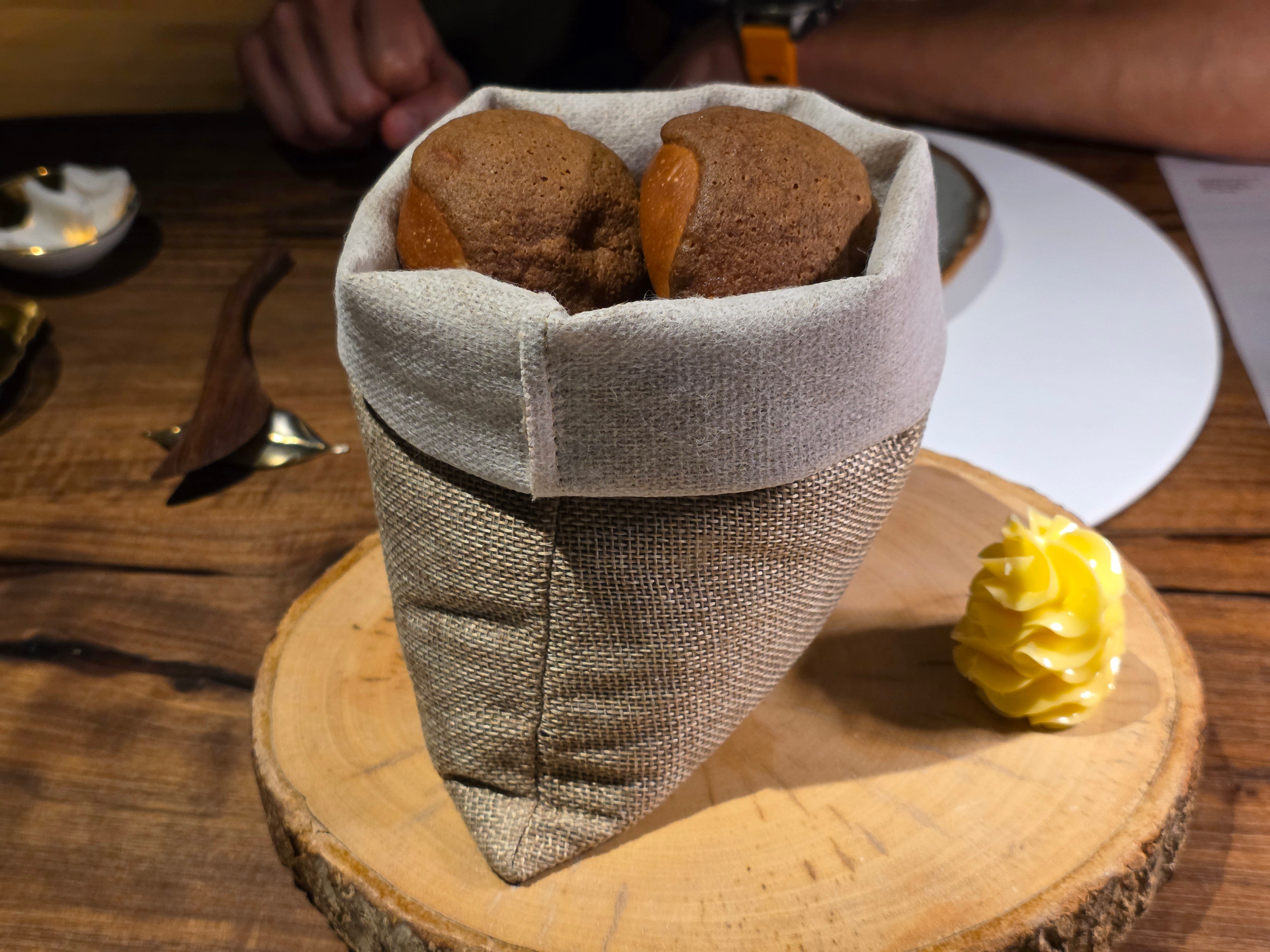
A sweet coffee flavoured version of the Cantonese “pineapple” bun. A rich, soft brioche topped with a sugar and coffee topping. While super popular in Singapore, the original influence for the coffee brioche turns out to be Roti Boy - a bakery originating from Malaysia.
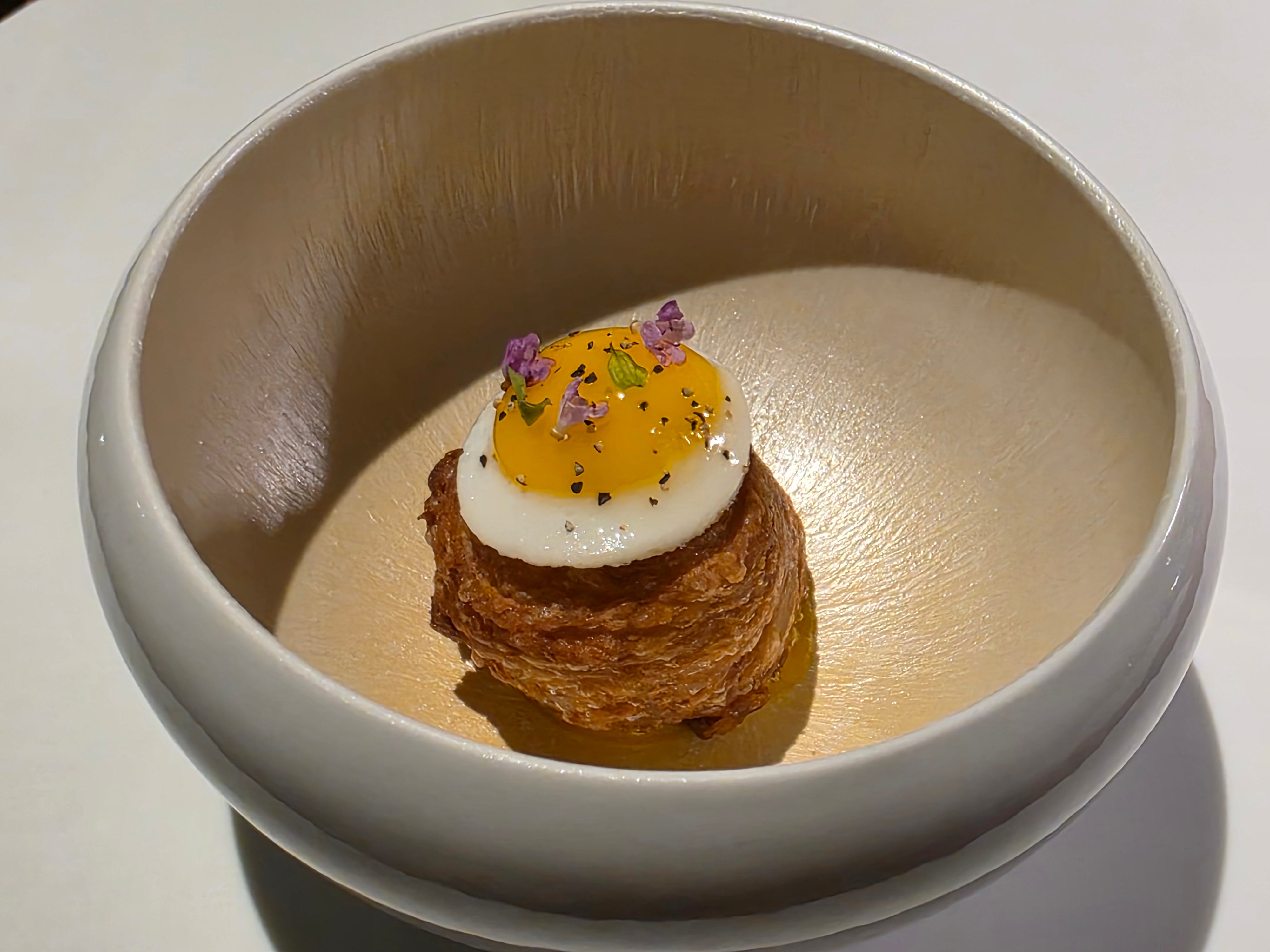
Labyrinth’s take on a lamb prata, a dish originating from the Indian diaspora in Singapore. A flaky prata ball, stuffed with lamb and cheese and topped with a quail egg, on top of a base of thick raita sauce. Delicious!
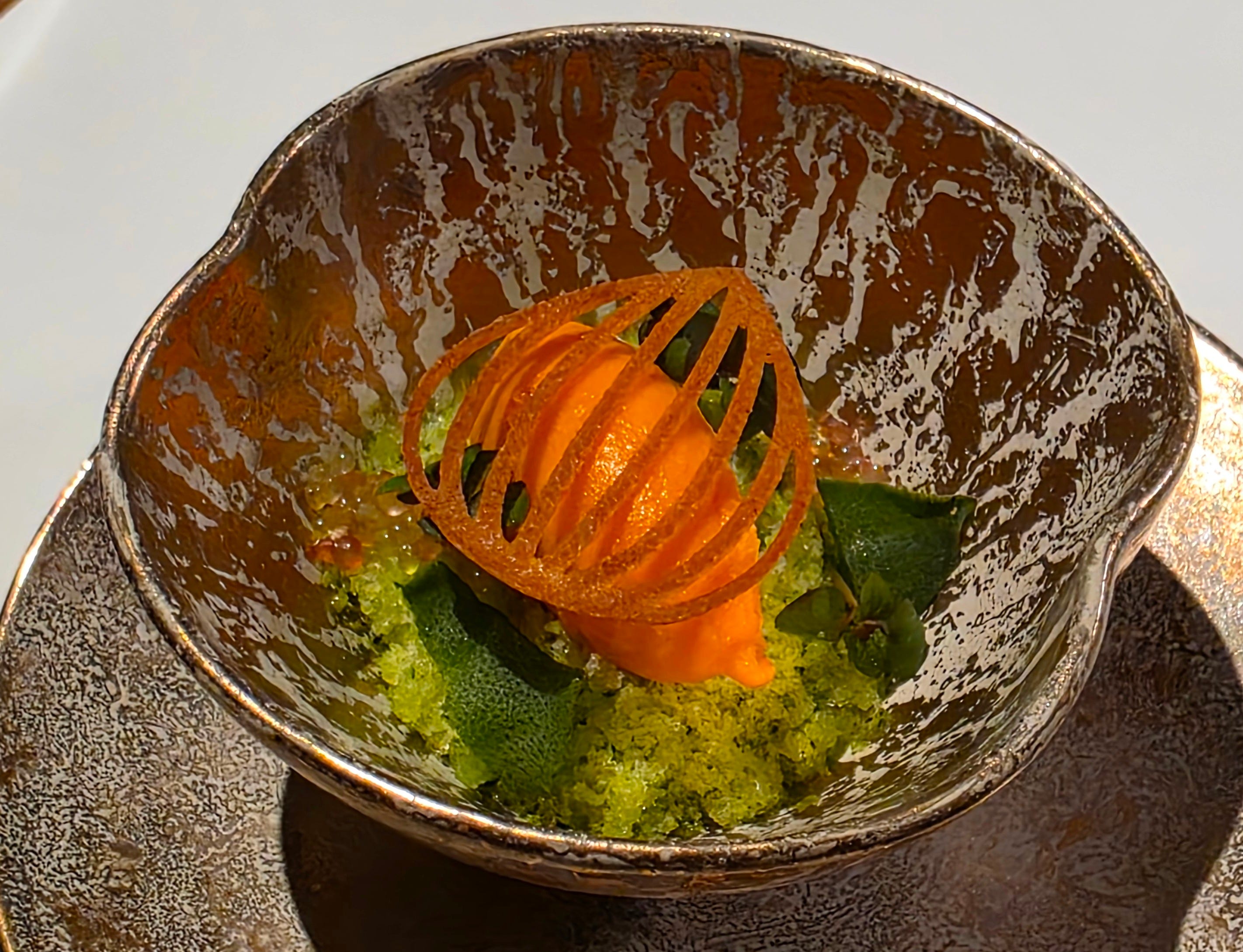
As a palate cleanser, a very unique take on a rojak, a spicy fruit and vegetable salad. Traditionally a mix of a lot of different ingredients in a sambal, palm sugar and chili sauce, this one was made into a granita base, some beetroot and tomato, and what tasted like a carrot sorbet. I've never really been a fan of rojak - the combination of sambal and sweet never did it for me.
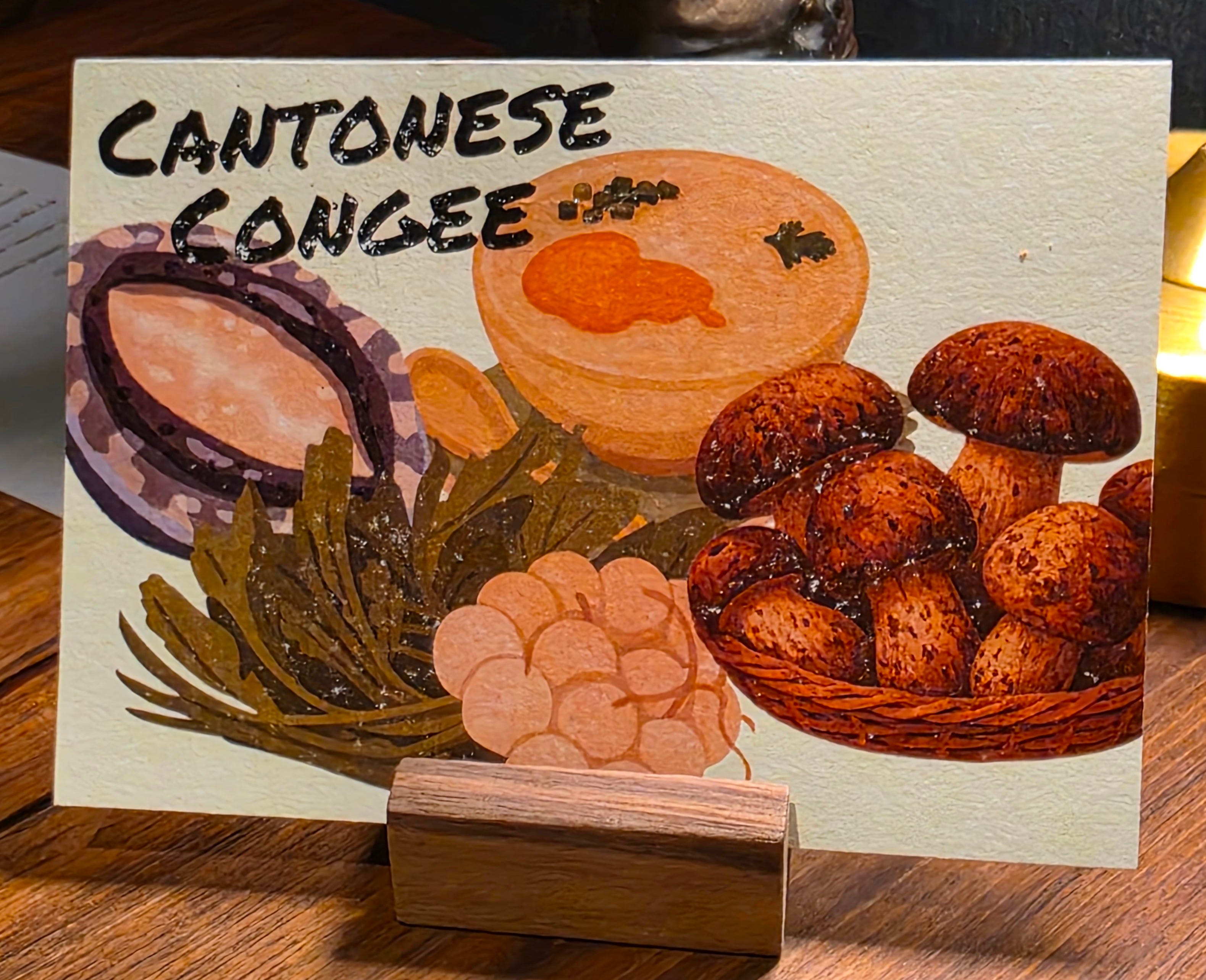
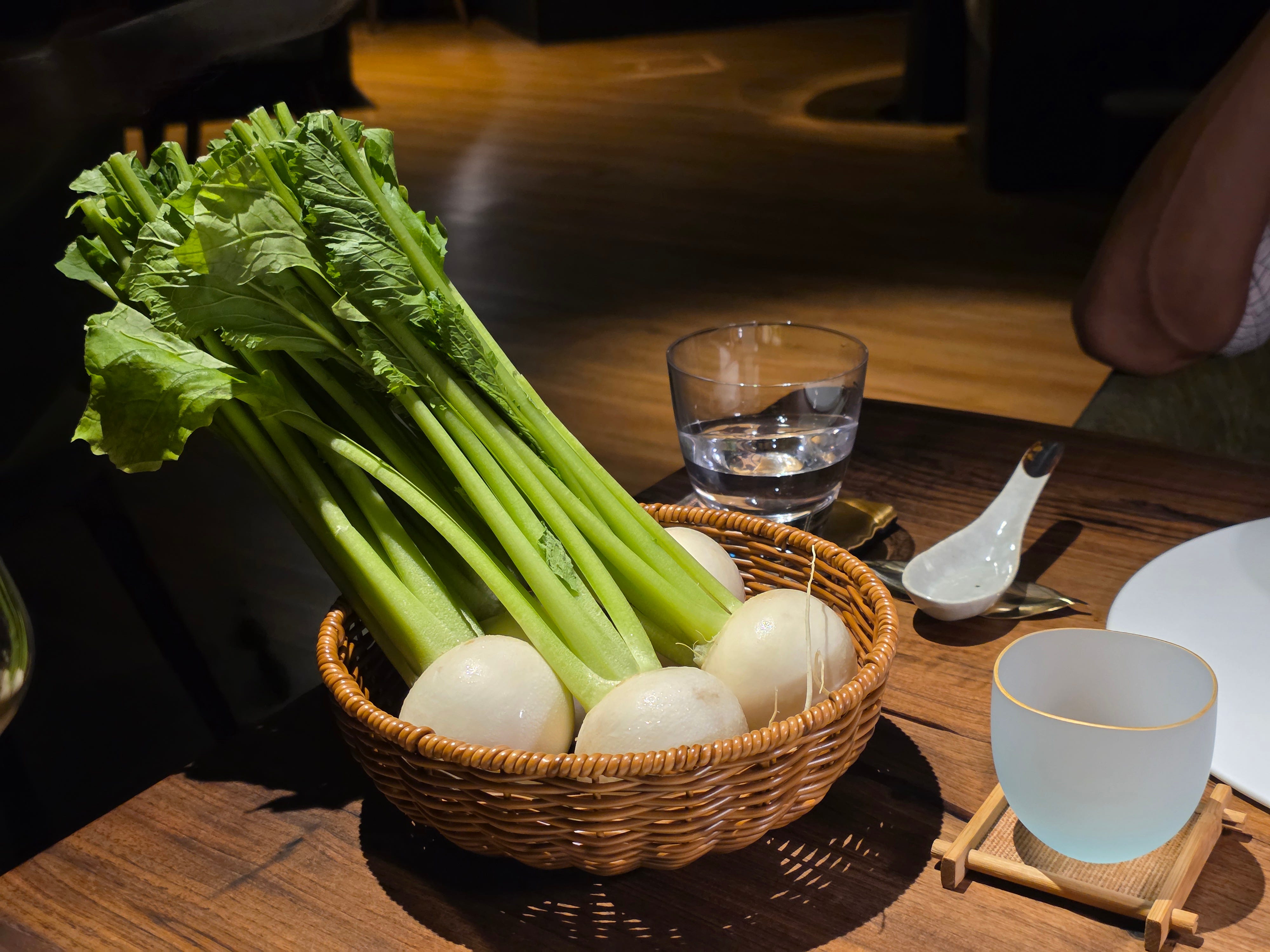
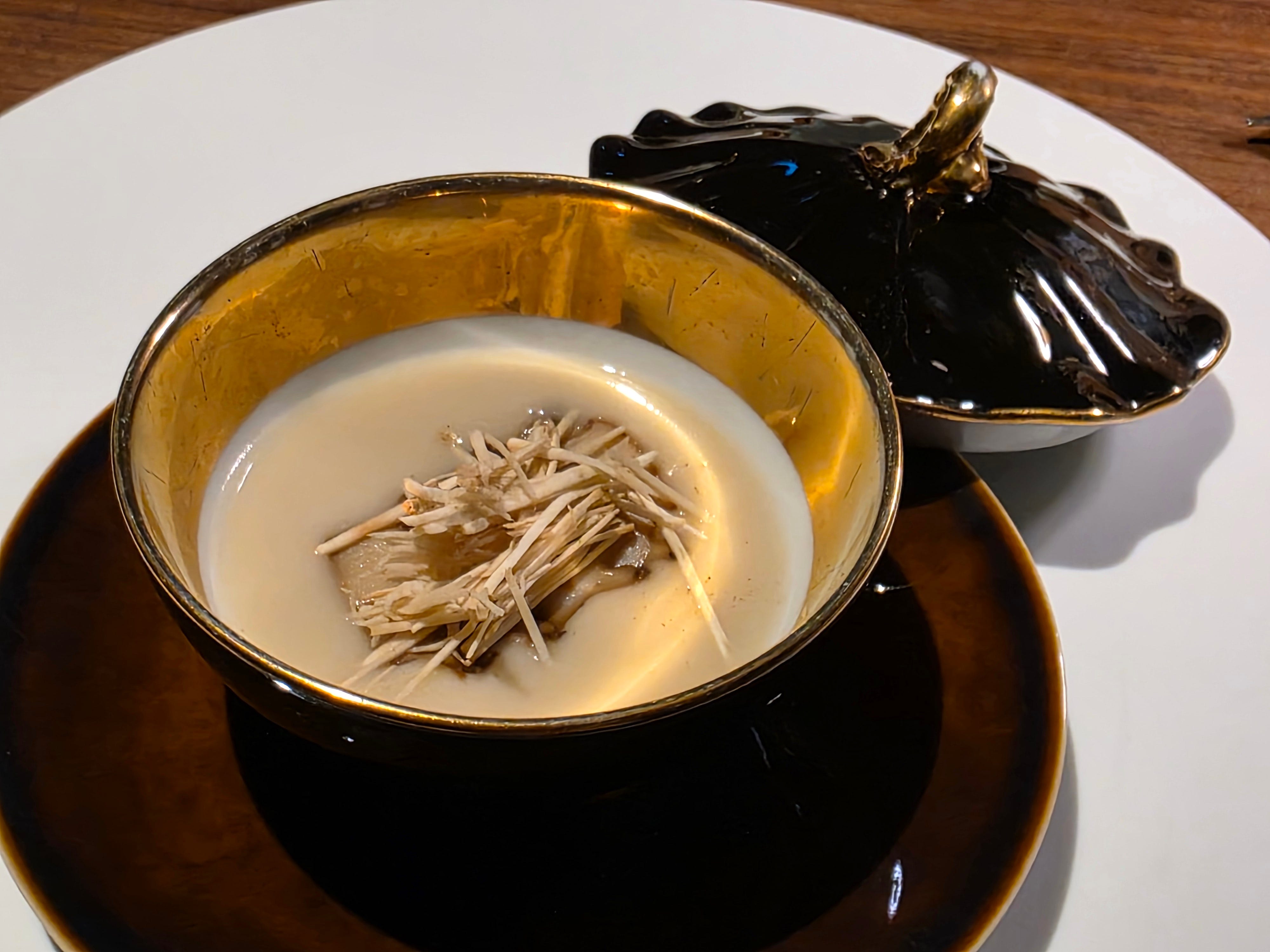
A variation on the Cantonese congee, except made with turnip instead of rice. A thick, filling porridge topped with matsutake mushrooms.
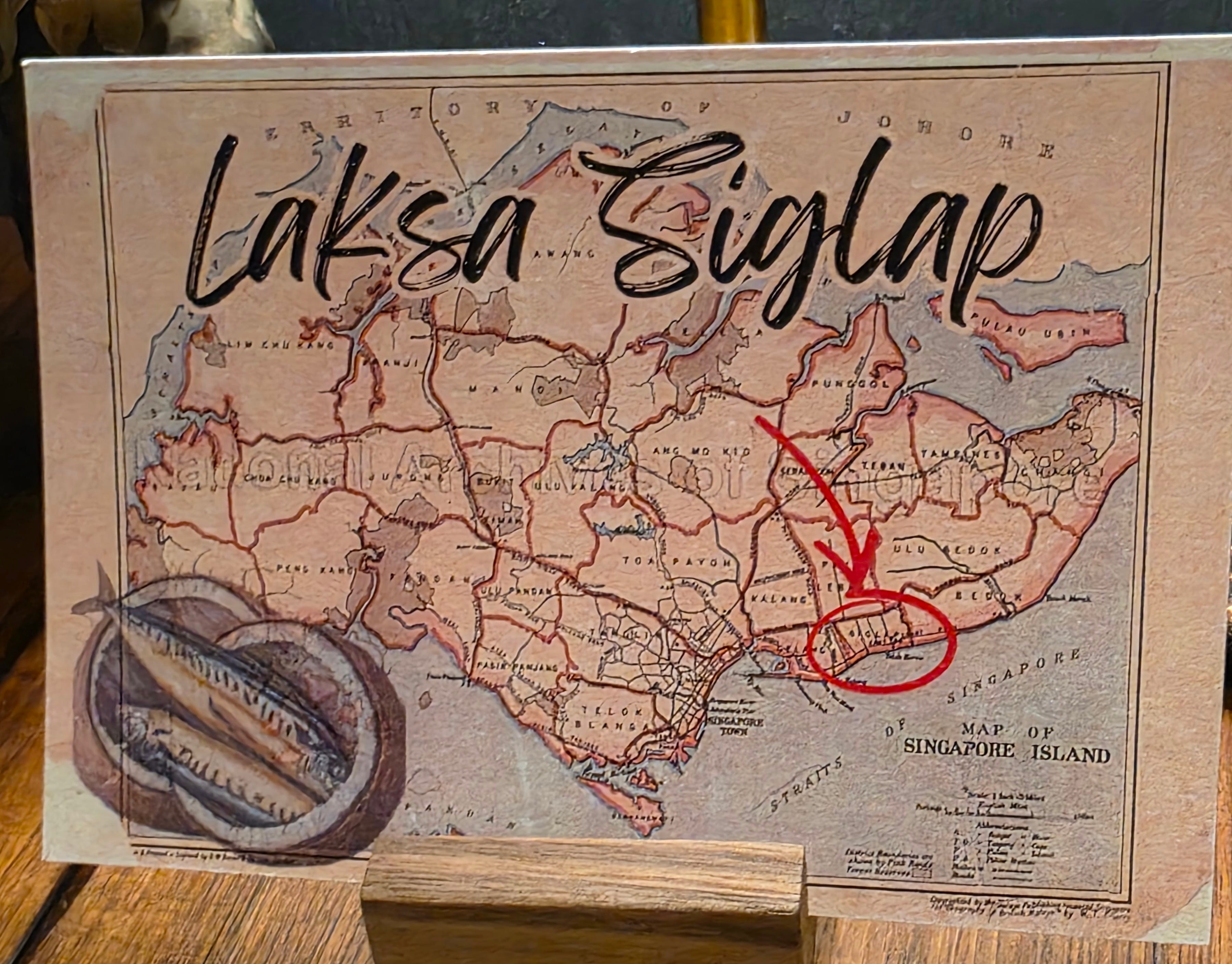
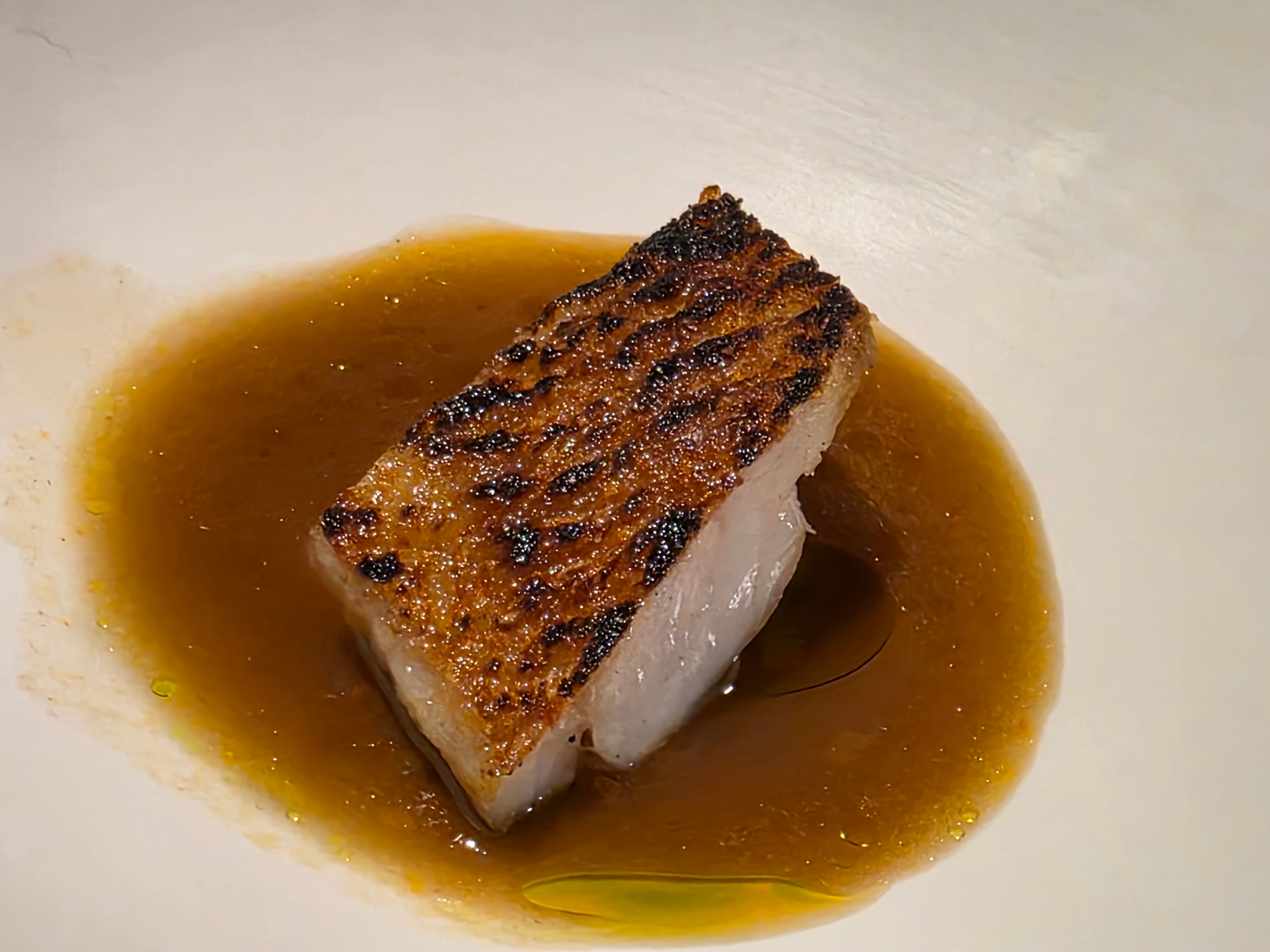
Another highlight of mine, a piece of dry-aged kinki fish, with an incredibly crispy skin, topped with a thin variation on a laksa soup base as the sauce. A huge hit!
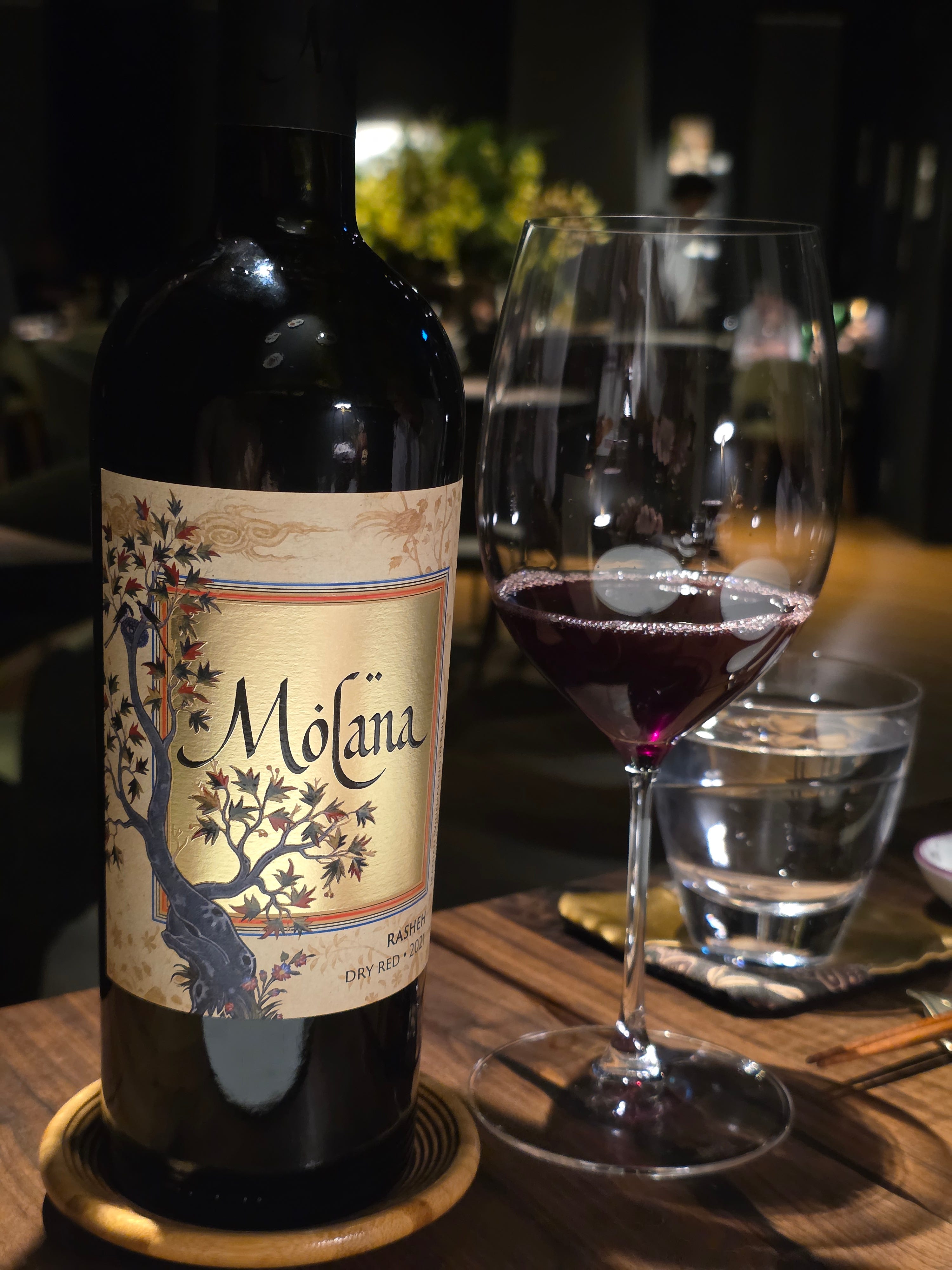
A really unique wine came out next. There aren’t a lot of vineyards growing grapes suitable for winemaking in Iran. As a Muslim ruled theocracy, alcohol and winemaking aren’t exactly something that is done out in the open. Using Rasheh grapes, one of the oldest varietals in the world, the grapes were smuggled out of Iran before being pressed into wine in Armenia. A fun, rich wine with a bit of fruit on the tongue.
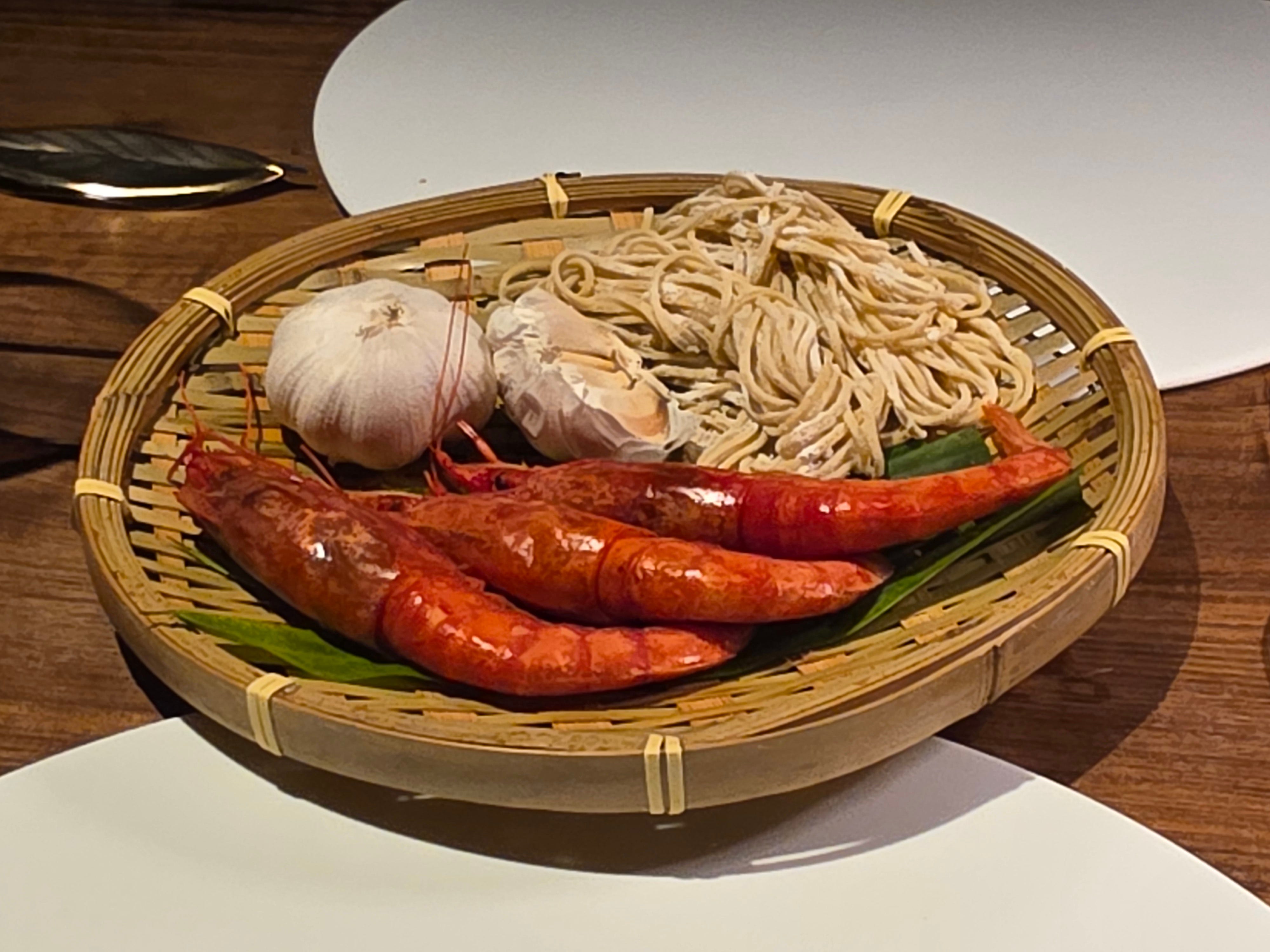
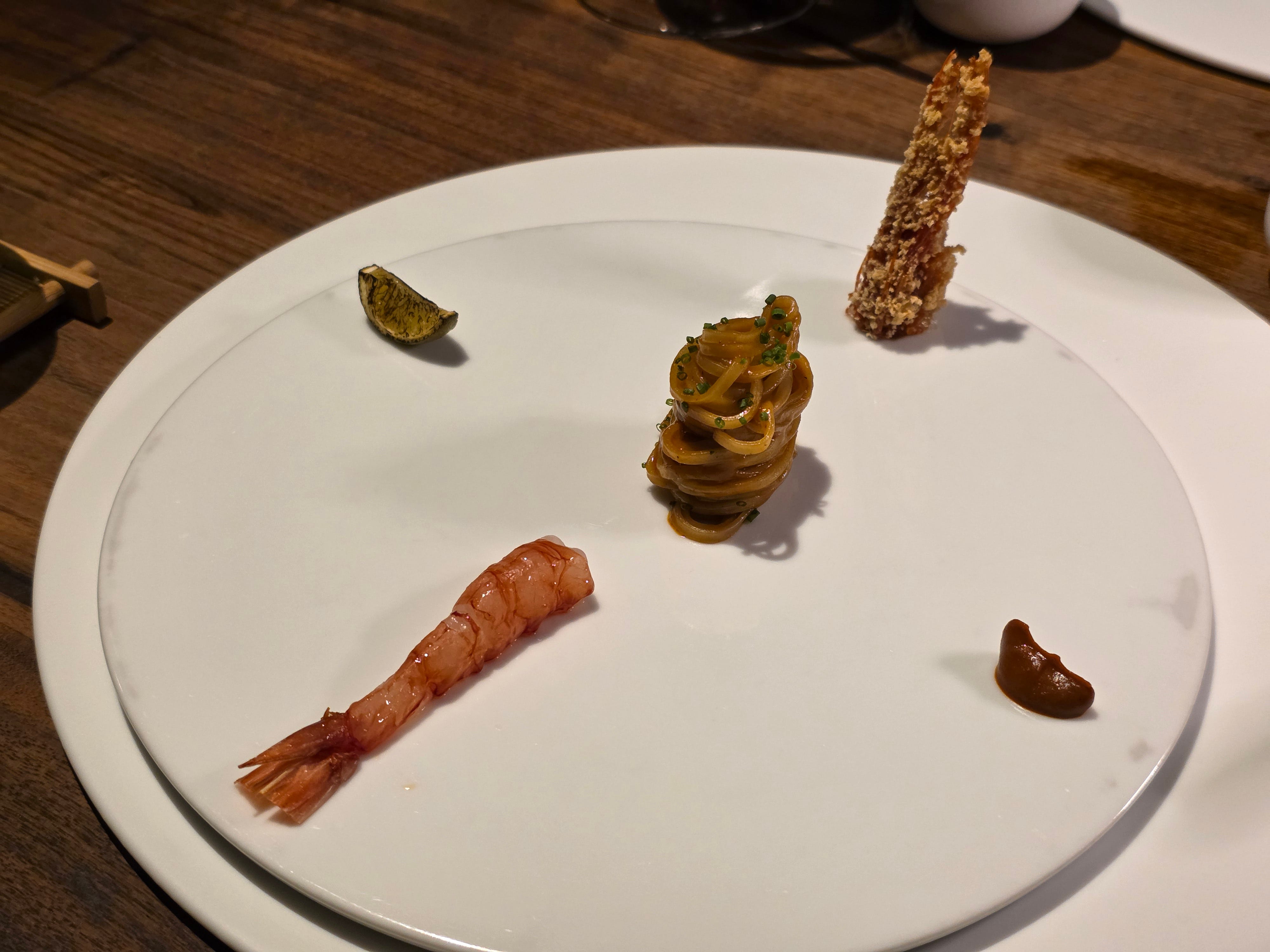
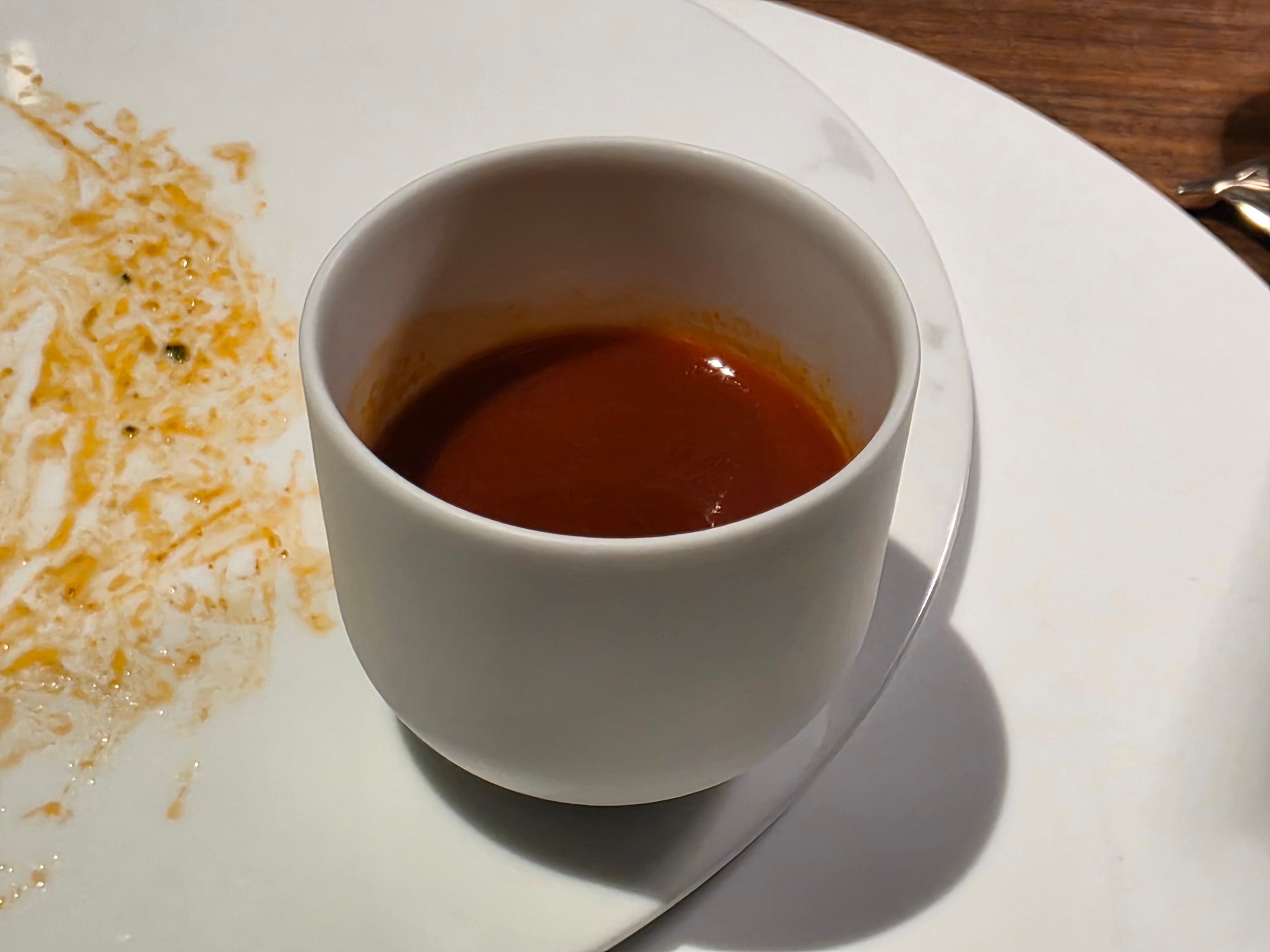
A more refined take on the ever popular Singaporean prawn noodles. Served deconstructed, with a red Sicilian prawn, a small dollop of egg noodles, a dab of sambal, and a thick, rich prawn broth served as an accompaniment.
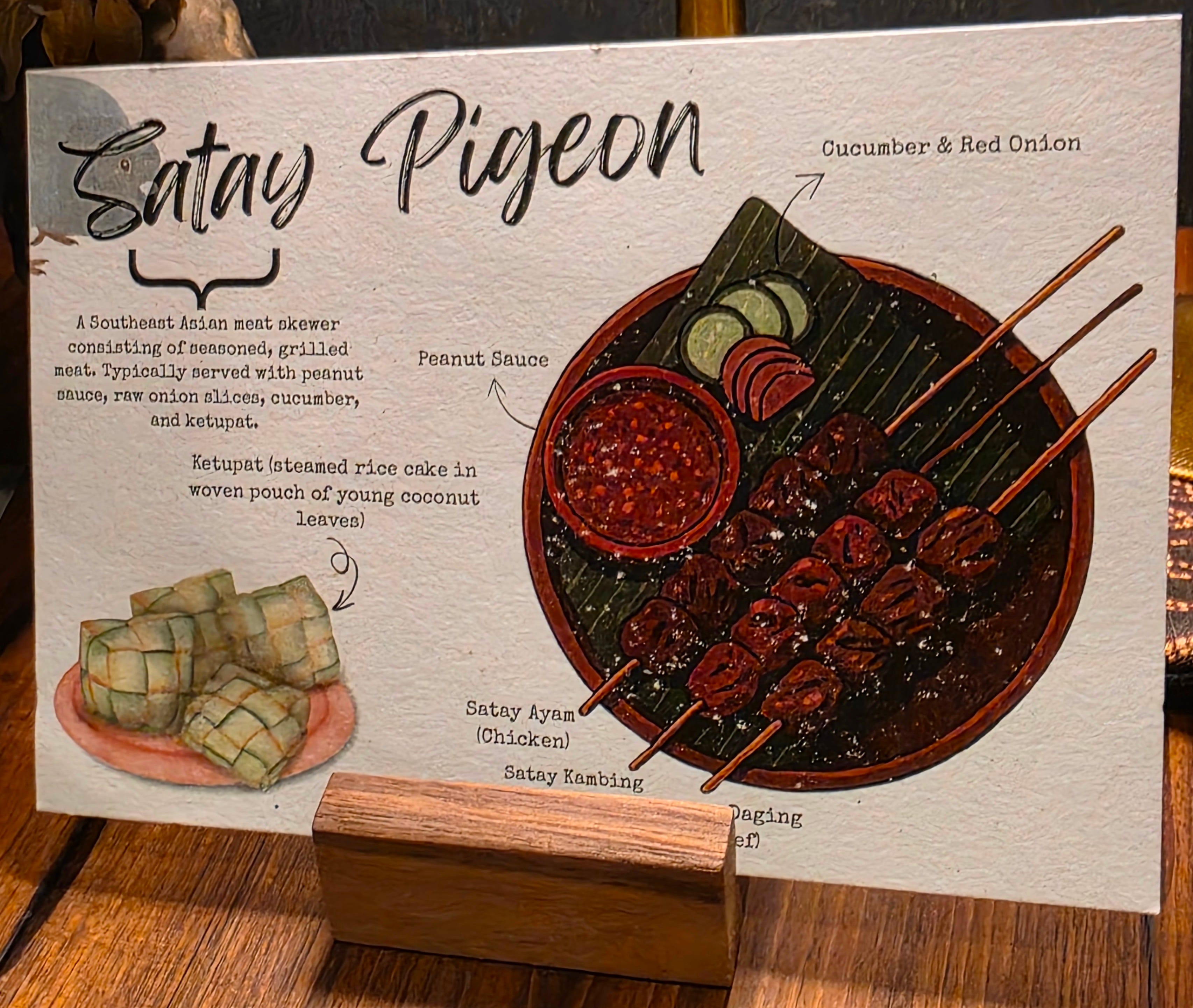
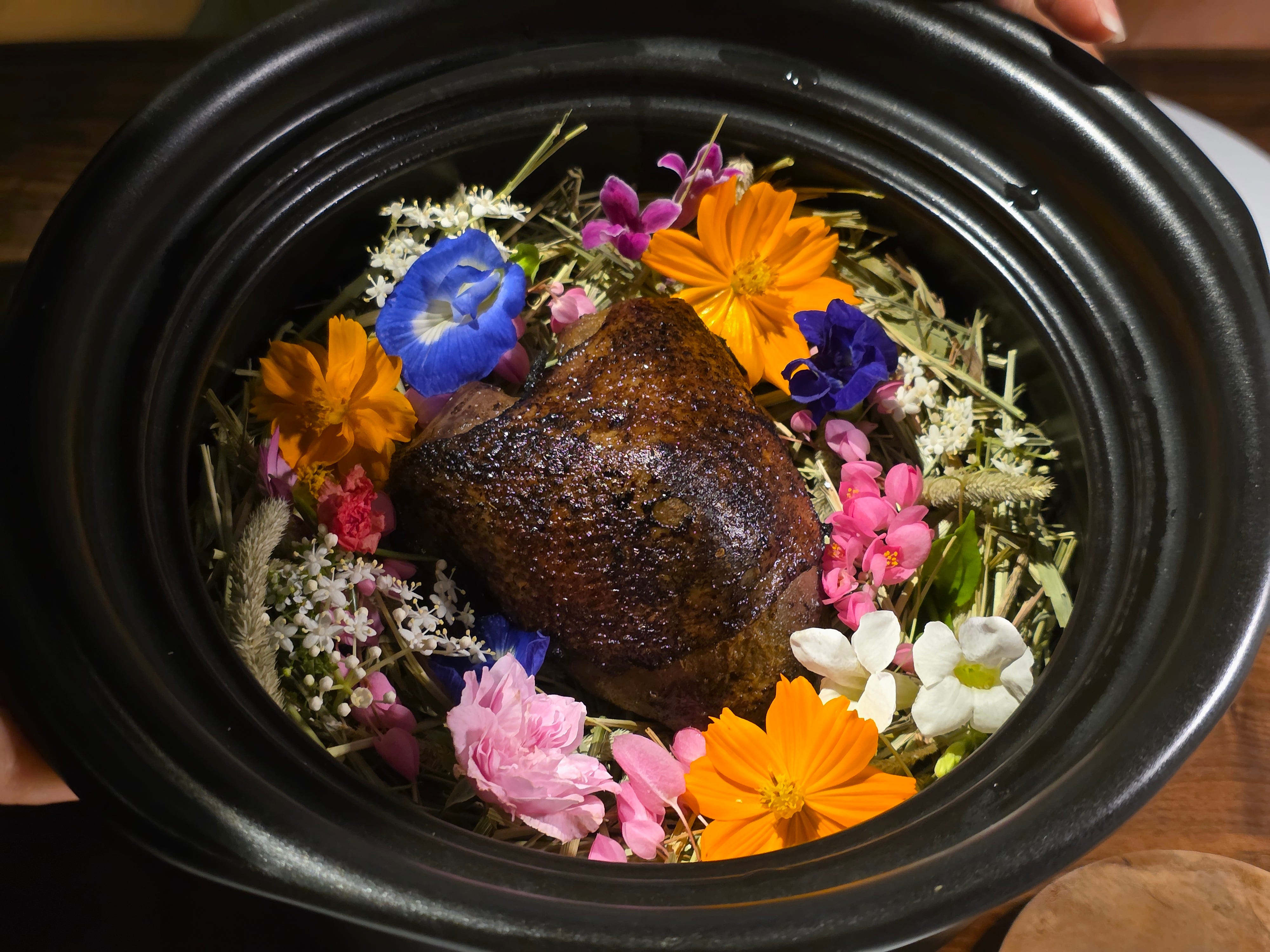
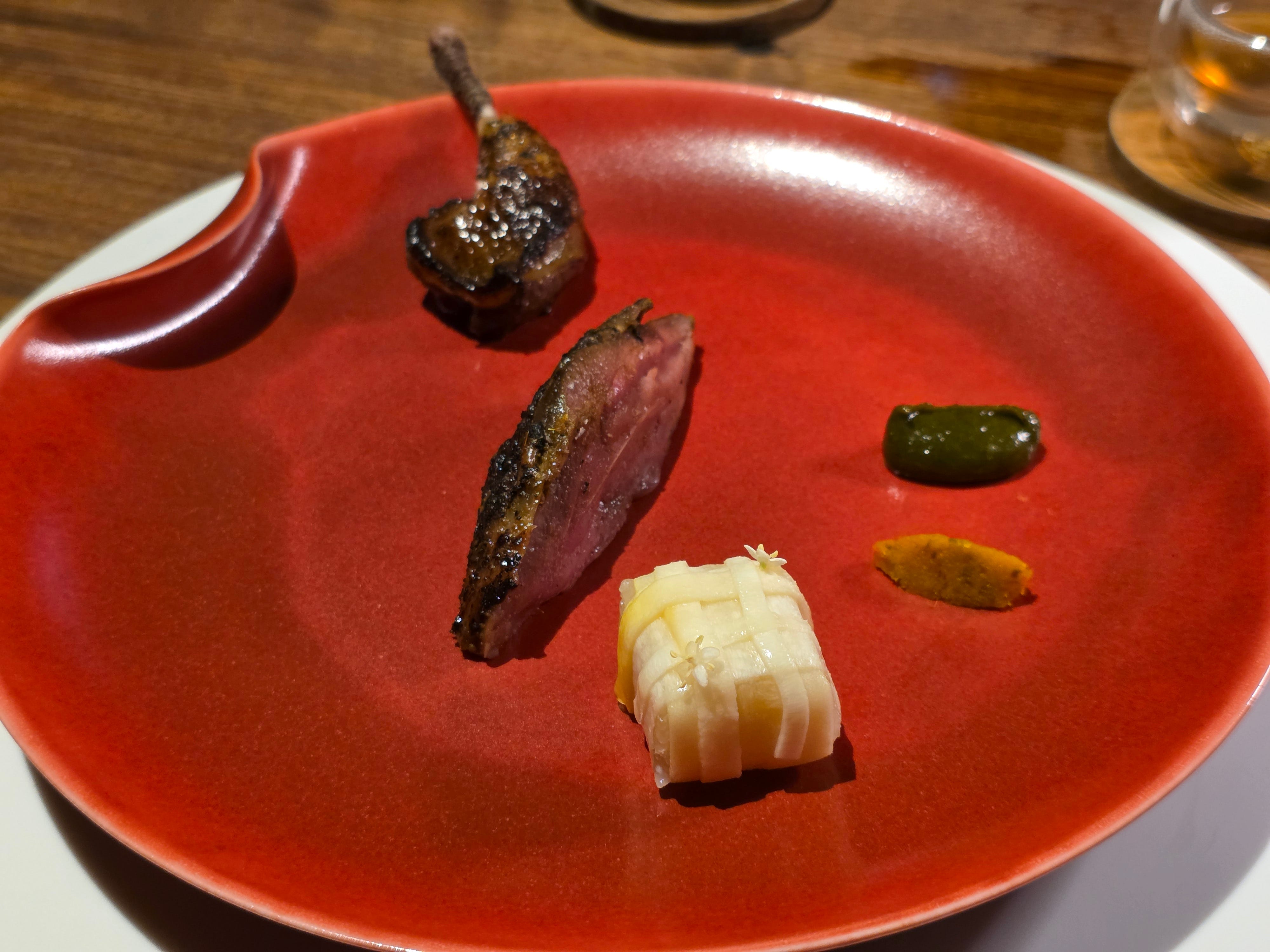
For the main, a take on another Singaporean street food, satay. Except this time, instead of beef or lamb or chicken, they used pigeon. Prepared with a sweet glaze and accompanied by the normal sauces, a pigeon leg and breast served with a little square of glutinous rice wrapped in a coconut leaf in the classic satay preparation. Another big hit!
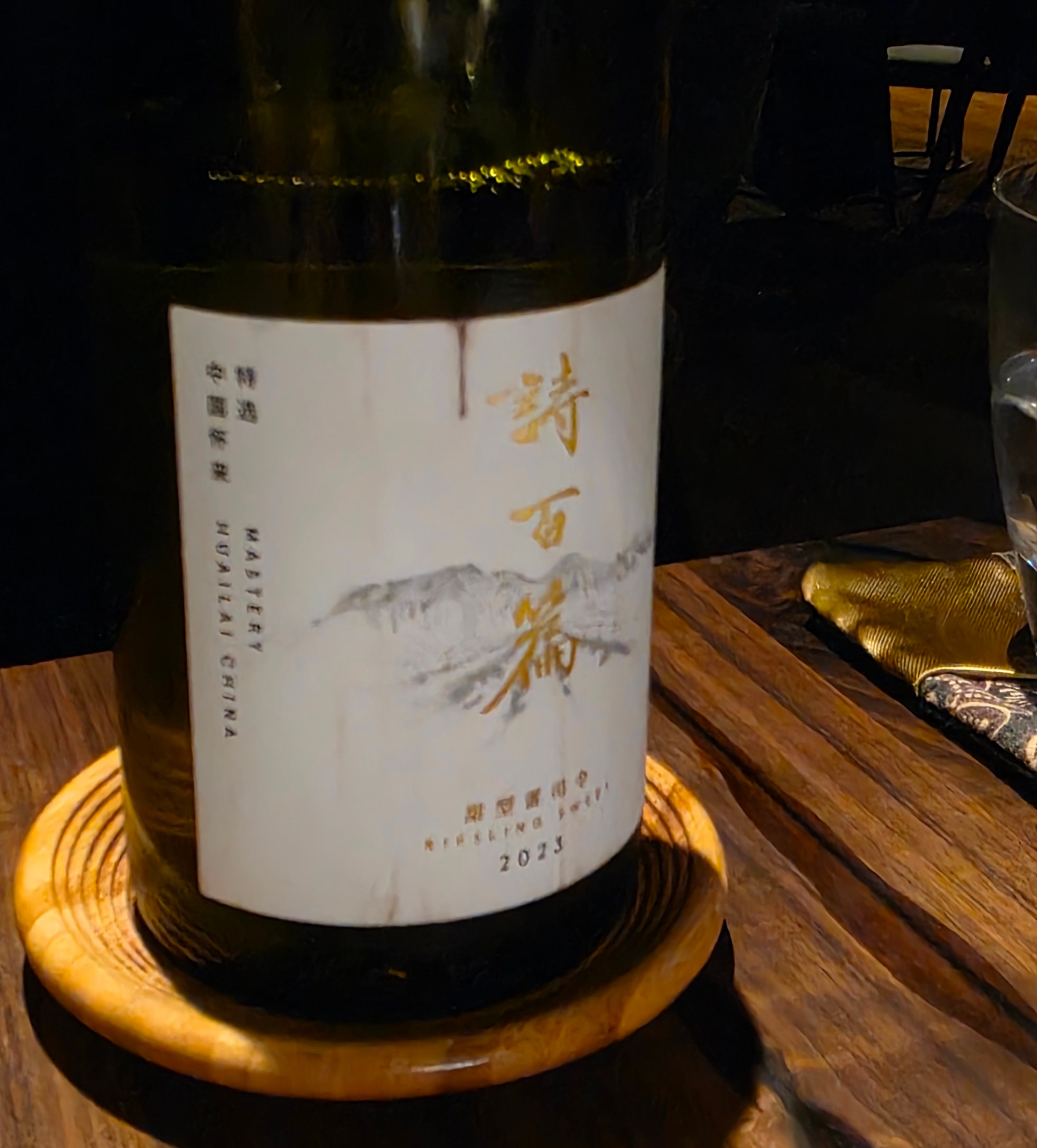
Another interesting wine. A Riesling from China. I’m generally a fan of sweet wines, and this one really hit the spot. China is not known as a winemaking destination - it doesn’t measure up to the heavyweights like Napa Valley or the vineyards of France, but there are some really unique and fun wines coming out of China these days.
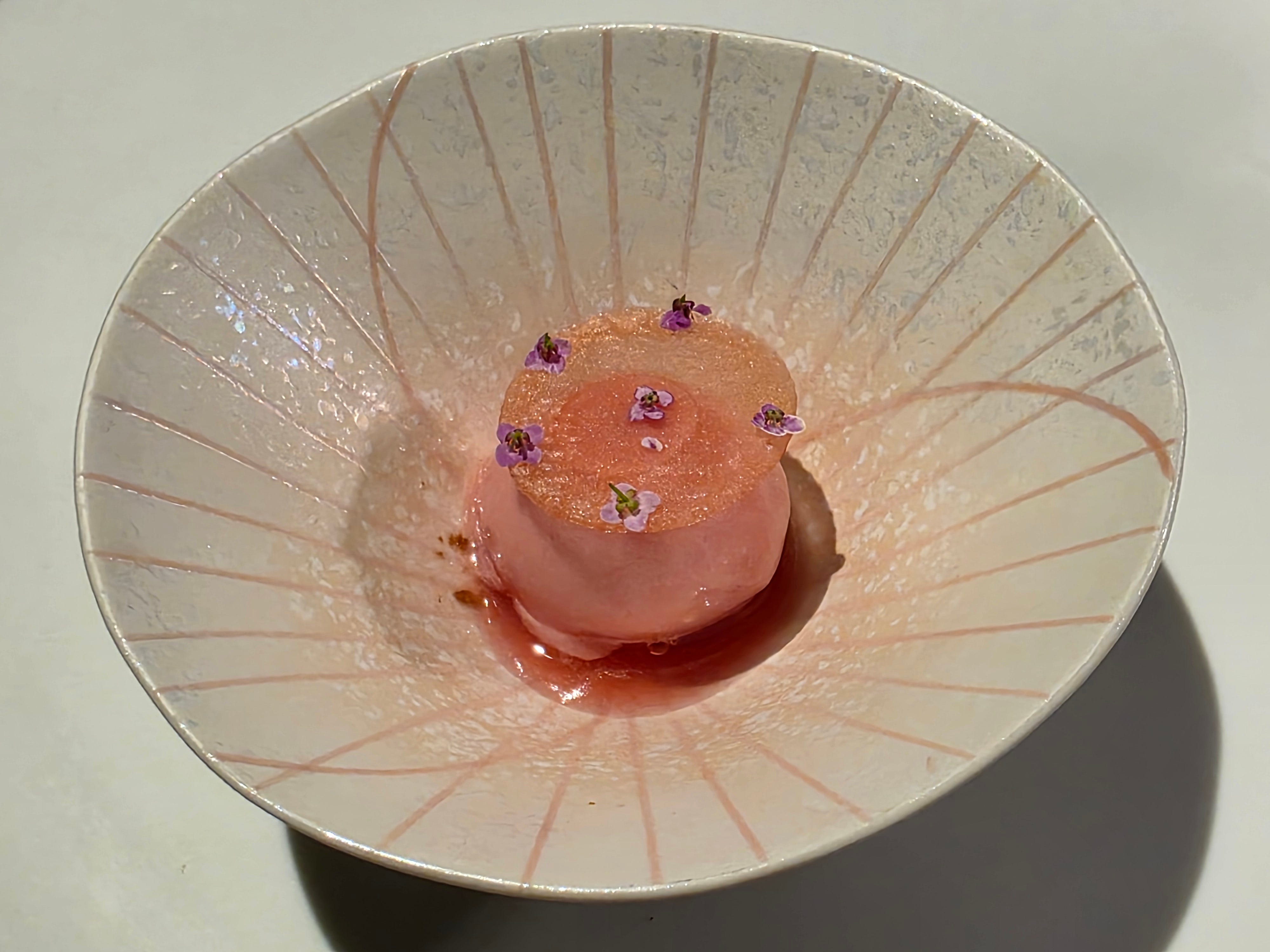
For the palate cleanser before dessert, a guava sorbet on Japanese strawberries with a bit of pink peppercorn for contrast, all topped with a hawthorn biscuit. Apparently, the flavour profile is reminiscent of an after school snack that children would buy from fruit vendors.
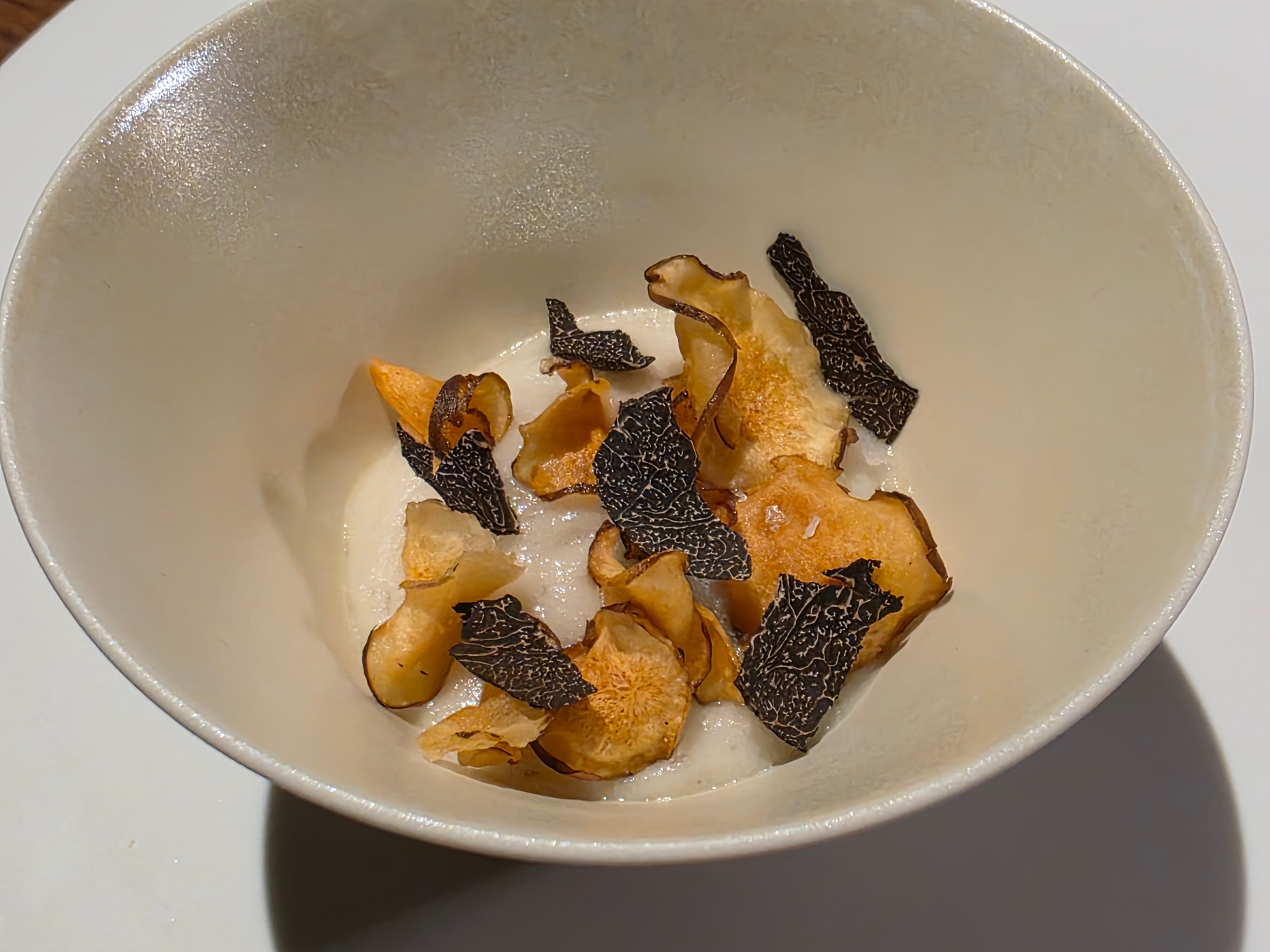
A well-balanced savory and sweet dessert, a Jerusalem artichoke in a light foam and dried into chips, served with black truffle. I didn’t really get this one. It wasn’t bad, but I didn’t really get it as a dessert or the Singaporean connection.
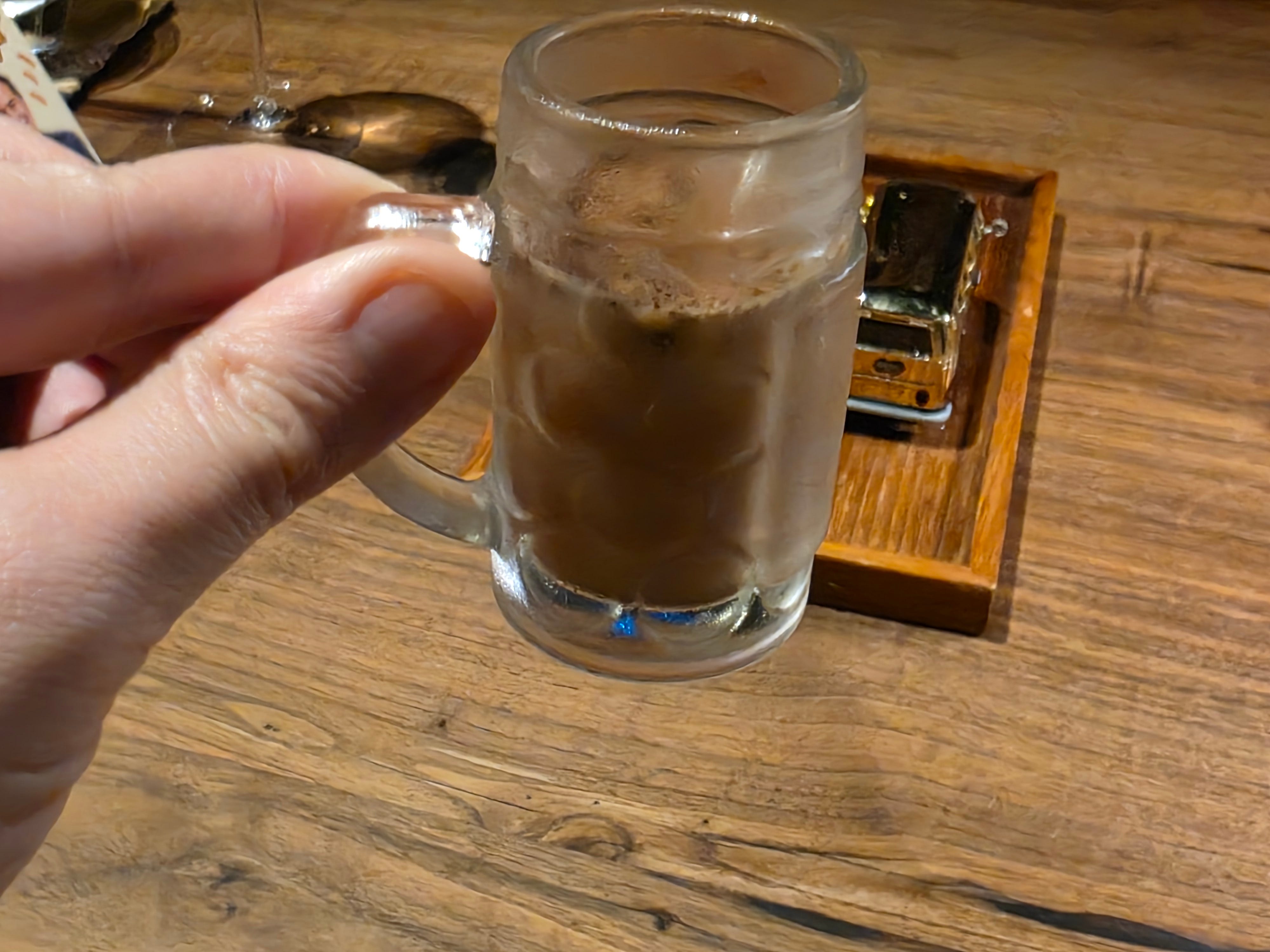
A dish with a very obvious Singaporean connect, a shot of milo in a chilled glass. Labyrinth’s version added peppermint for a minty, chocolatey shot. A really fun dish that brought smiles around the table.
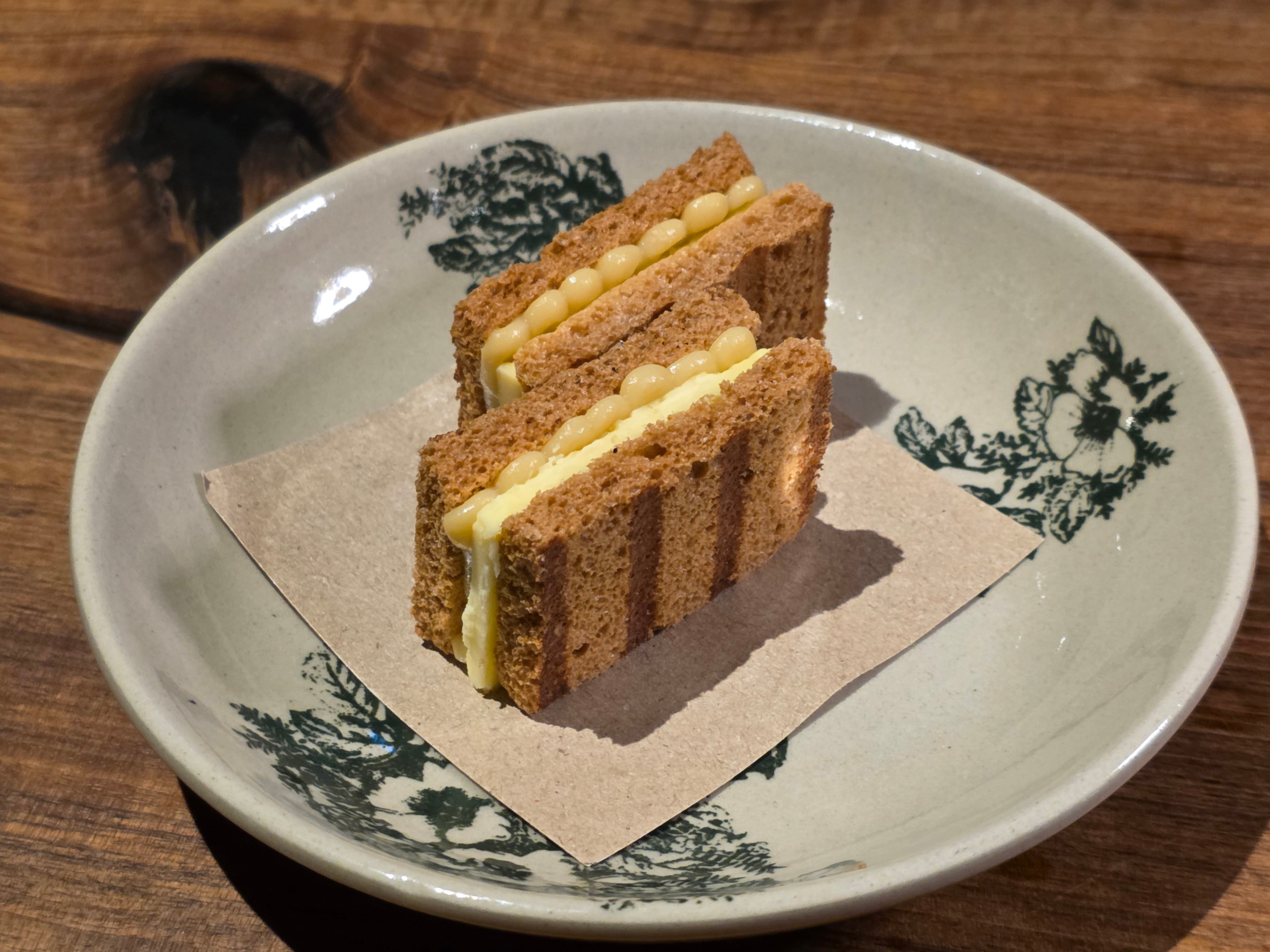
Finally, an unforgettable Singaporean breakfast classic. The kaya toast - with a thick slice of butter and a pandan coconut kaya jam. While looking fairly normal on the surface, the “toast” was actually made from a crispy meringue instead of bread, for an extra crunchy, delicious dessert.
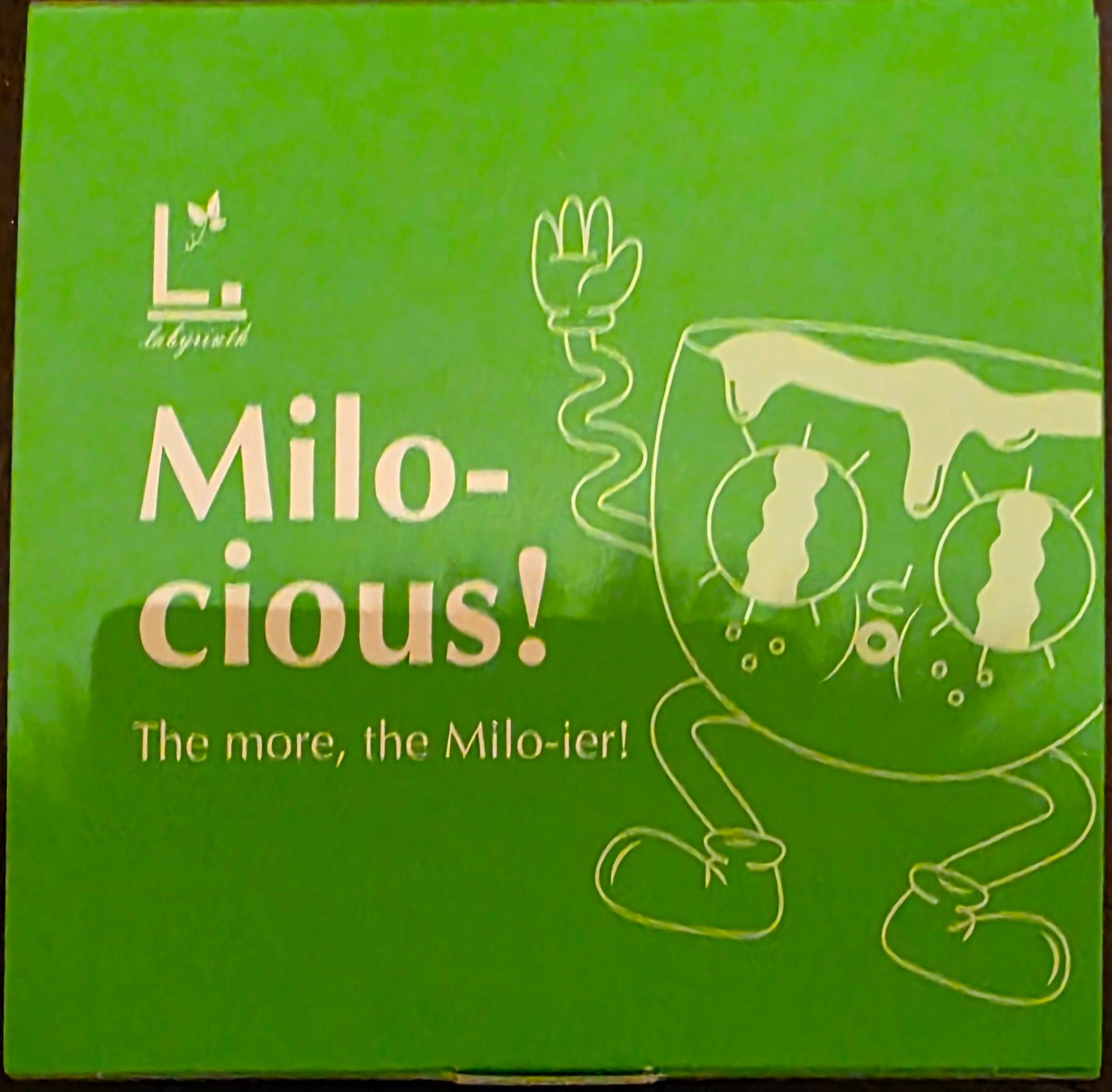
A Milo-inspired chocolate as a parting gift, for a really fun meal elevating very normal, but classic Singaporean dishes.
Overall, Labyrinth was a huge hit. Between Born, Seroja and Labyrinth, each take a different approach to highlight a different facet of Singaporean cuisine. Born focuses a bit more on the Chinese influences, while Seroja highlights Malay flavours. Labyrinth really highlights the Singaporean elements, and takes a very whimsical and fun approach to many everyday dishes. The night was an absolute blast, and I would love to return to see Labyrinth’s approach to sambal kang kong, or bbq seafood or chicken rice or even the simple milk tea.
Total damage: 1100 SGD / 2 people