
Nikuya Tanaka Singapore is the first overseas branch of Satoru Tanaka’s beef kappo restaurant in Ginza. The restaurant starts with Tanaka’s background in cattle, butchery and beef selection. Cooking comes after buying judgement.
Tanaka was born in Gifu Prefecture in 1967. His grandfather was a livestock broker. His father ran a butcher shop. Tanaka says he started using a knife at three, went to cattle auctions with his father as a child, helped with trimming and butchery from a young age, then eventually took over the family butcher shop. He opened Yakiniku Tanaka in 1992, expanded into wagyu-focused restaurants in Gifu and Shiga, opened Omi beef Setsugekka in Hikone in 2010, grew to 10 restaurants by 2015, then opened Nikuya Setsugekka in Nagoya in 2016.
The Singapore restaurant opened about six months ago as Tanaka’s first overseas expansion. It follows the Ginza format: a small counter, Kobe beef and purebred Tajima-lineage wagyu, then Japanese techniques around it. Charcoal grilling, tataki, sashimi-style service, shabu-shabu, tempura, rice, dashi and seasonal dishes.
Head Chef Yosuke Sekiguchi is one of the two named chefs for Singapore. He has around three decades of Japanese cuisine experience and worked with Tanaka on the menu before moving here. He brings the kappo structure: soup, sashimi-style handling, seasonal produce, pacing and counter service.
Chef Masaya Yano is the other named chef. He trained under Tanaka in wagyu handling. His business card says “meat specialist”, which sounds a bit much until you watch the work. The trimming and cutting are part of the show, not background prep.
The Singapore branch is the first Nikuya Tanaka outside Japan. It uses the same grammar as Ginza: a small chef-facing counter, Japanese tableware and carpentry cues, binchotan grilling, and a kappo menu built around beef from a single Tajima/Kobe cow.
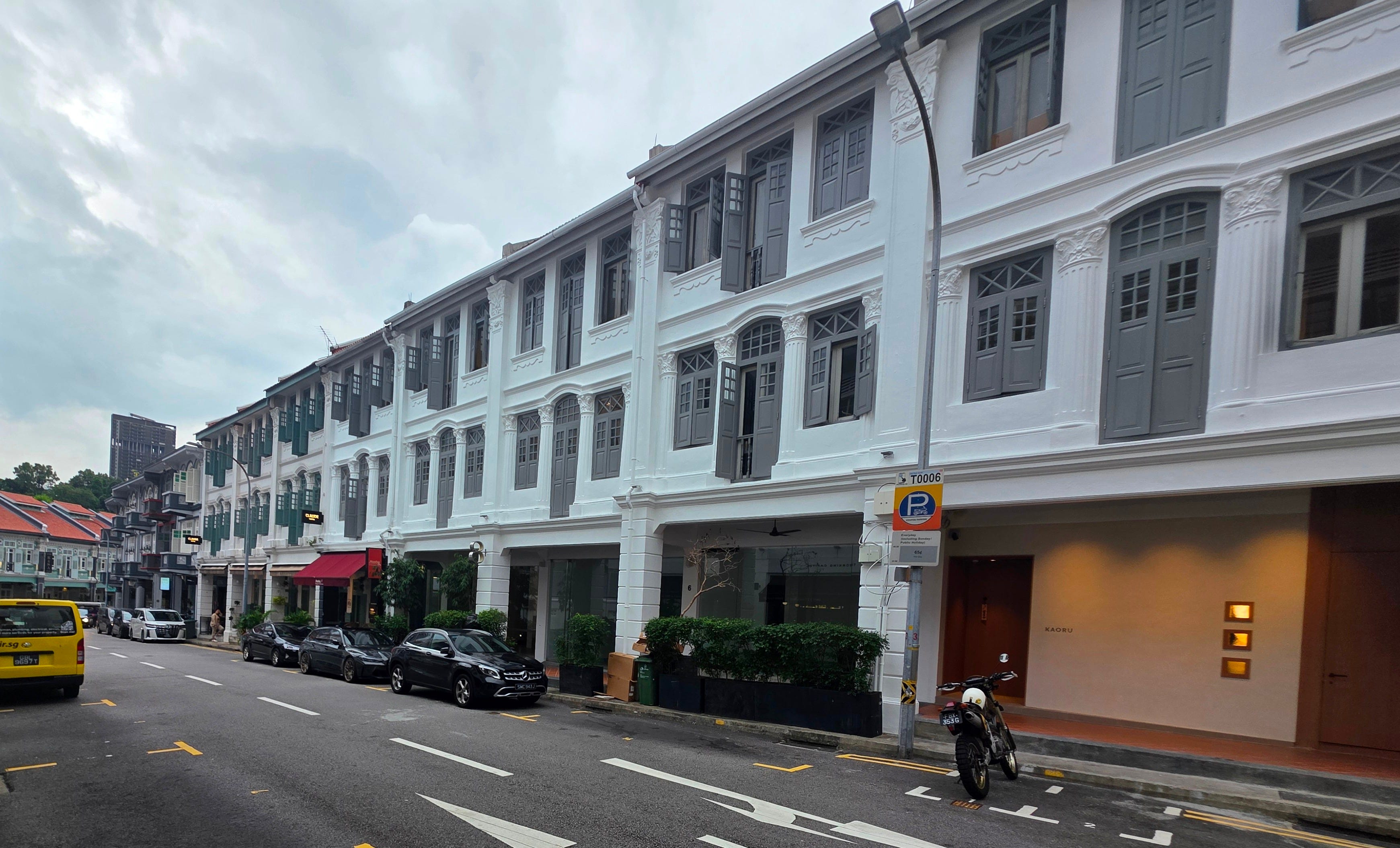
The restaurant sits in Tanjong Pagar, along a stretch of shophouses that now has a heavy concentration of high-end dining.
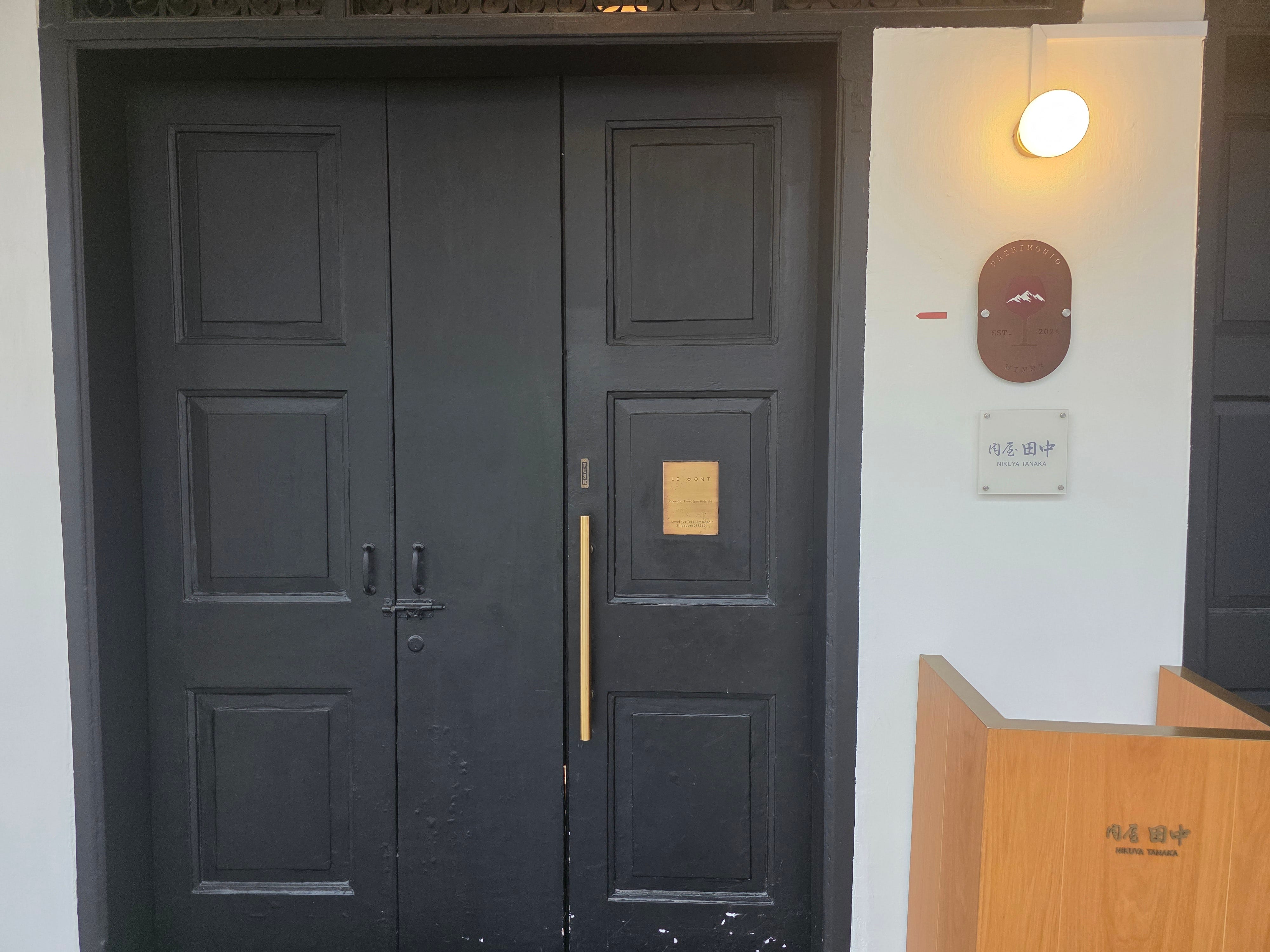
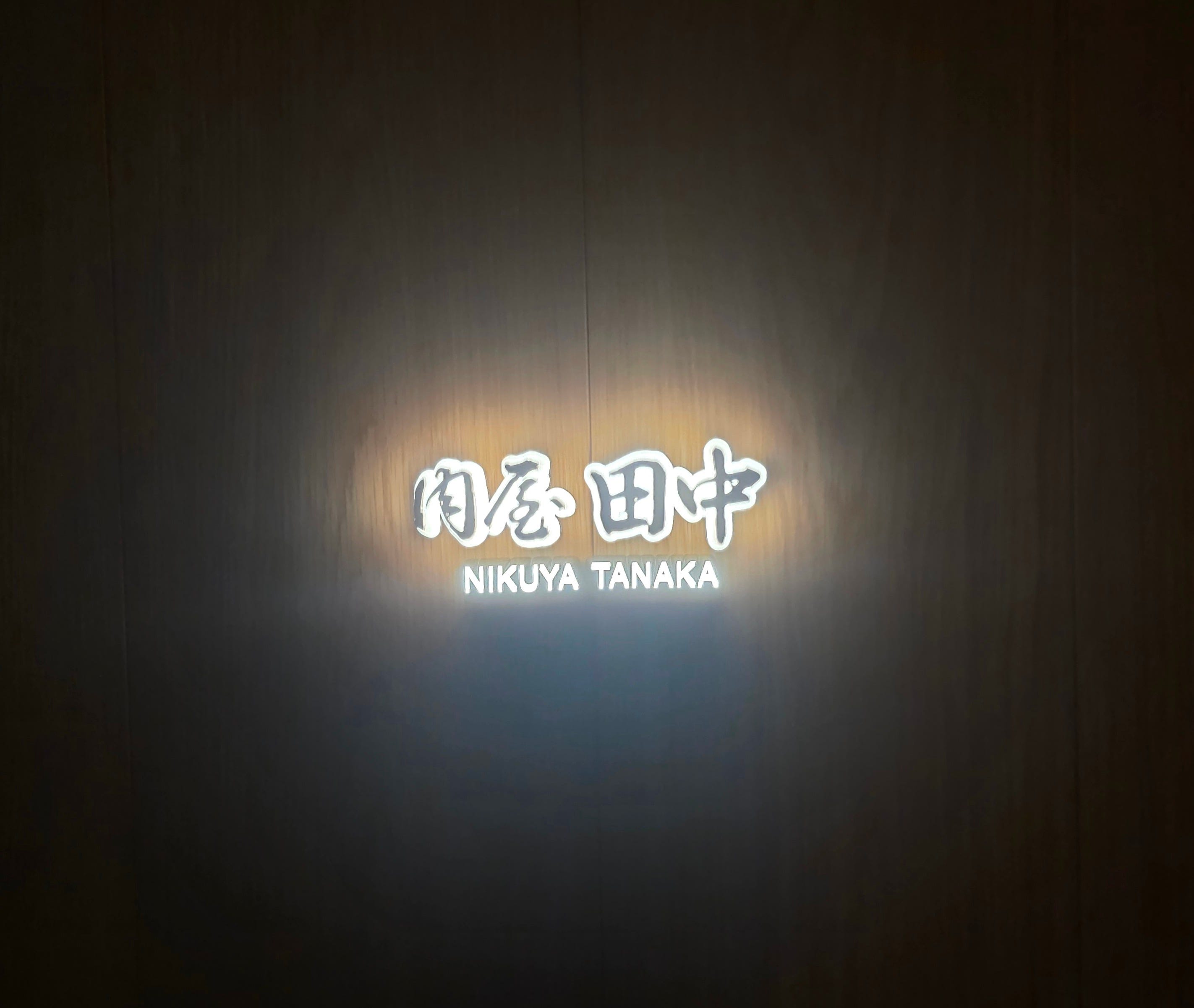
The entrance is understated. A narrow dark hallway leads to a lift, which brings you up to the second-floor kappo counter.
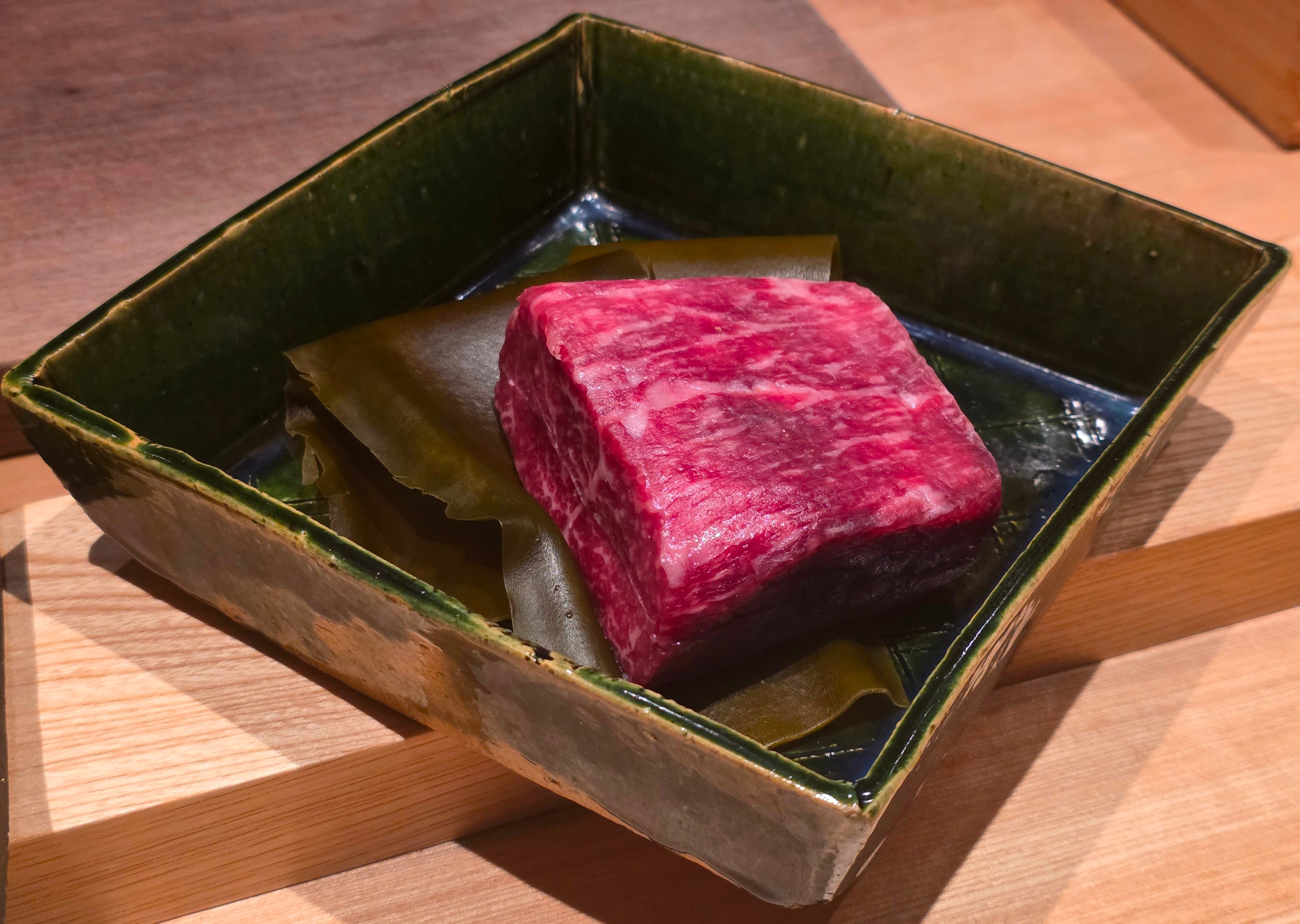
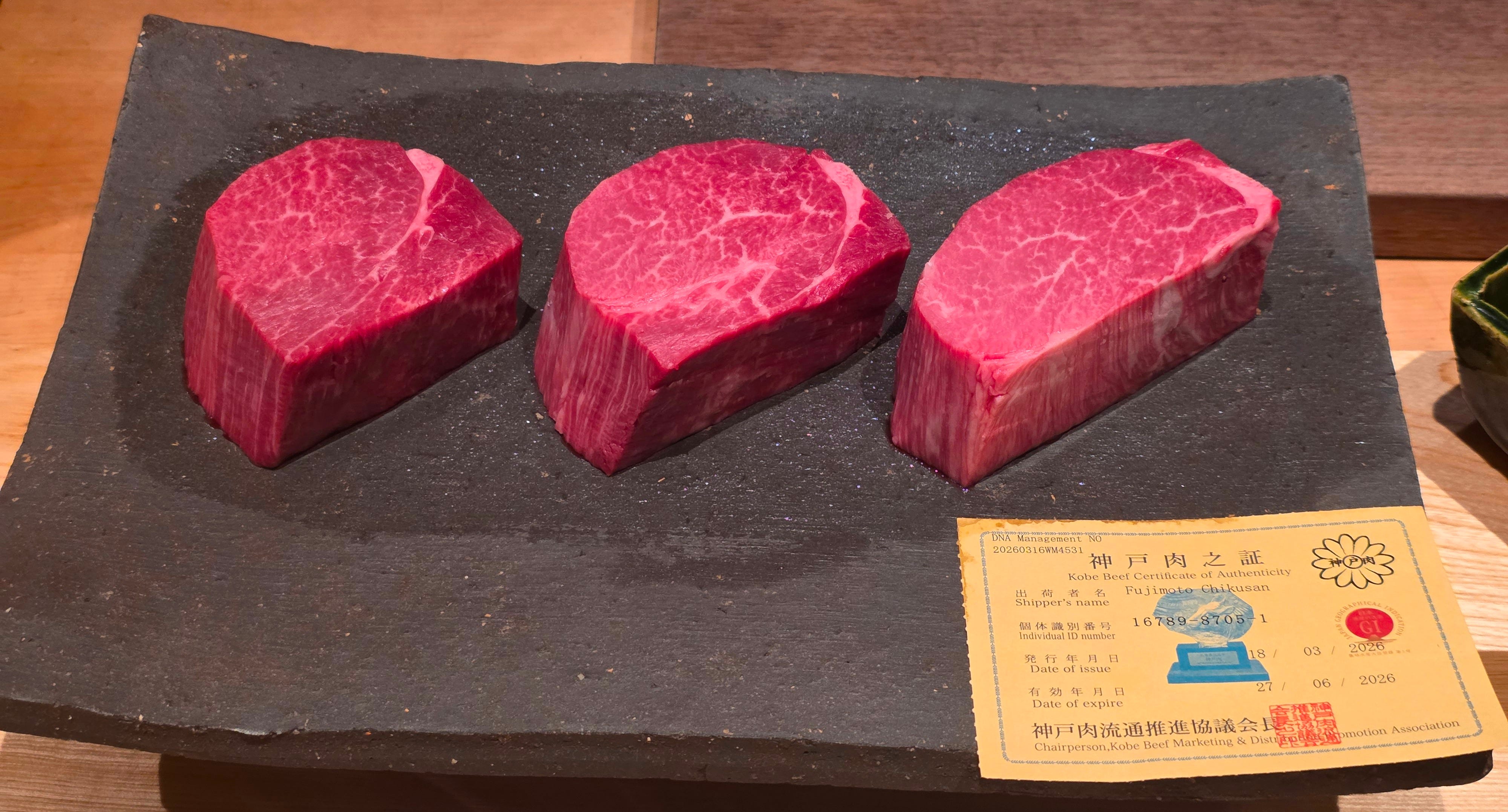
Tanaka selects meat from a single whole cow, usually raised for around 35 months. The point is texture, marbling and flavour. The restaurant also stresses traceability. Each Kobe beef portion comes with certification and an individual serial number. The beef is flown chilled from Japan to Singapore rather than frozen, to avoid damaging the fibres.
The cuts for the night would be the sirloin and chateaubriand, the best part of the tenderloin. By the time I was seated, the beef for the meal was already displayed in front of me with its certificate of authenticity.
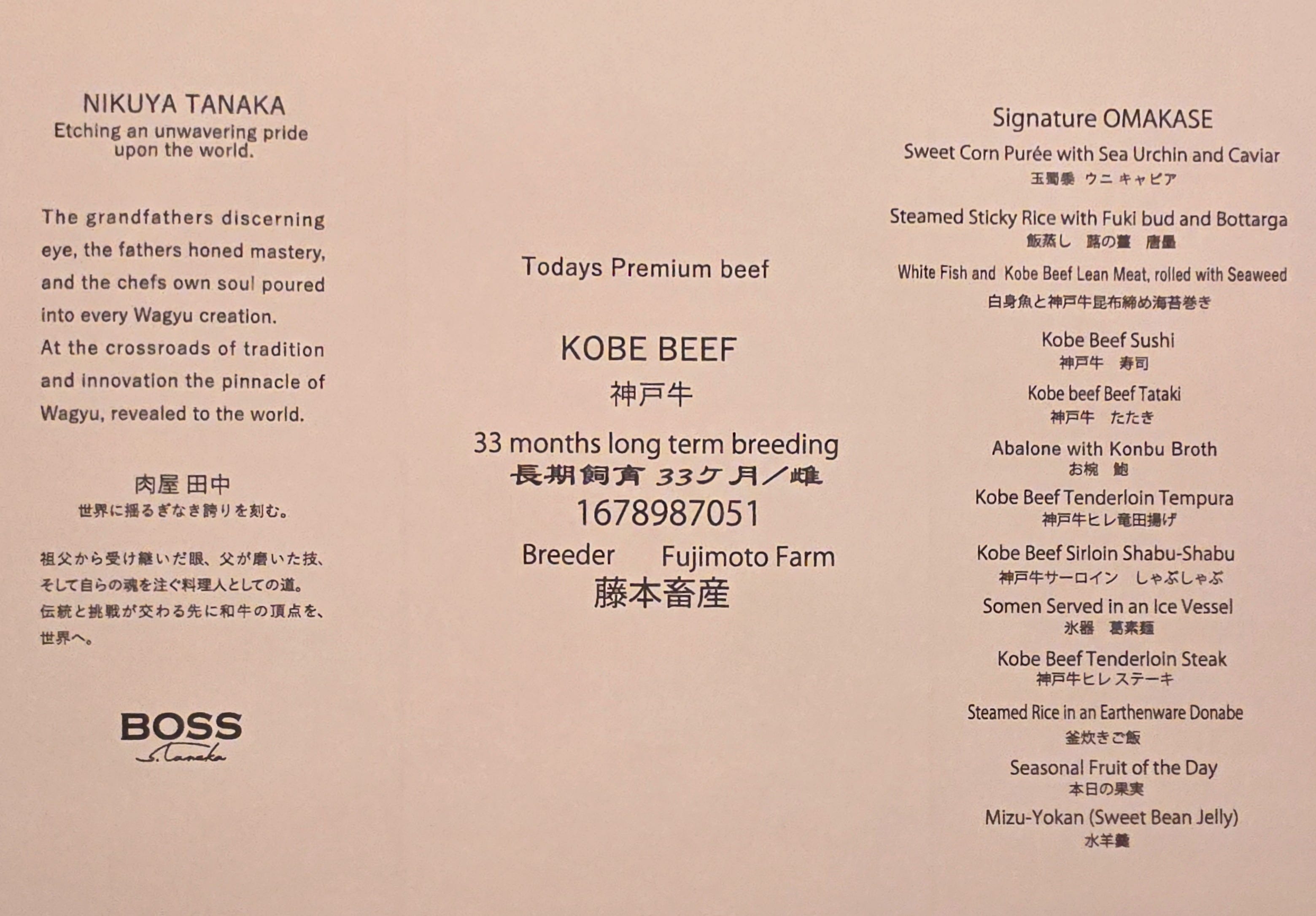
The menu for the night listed the cow’s serial number and sourcing details.
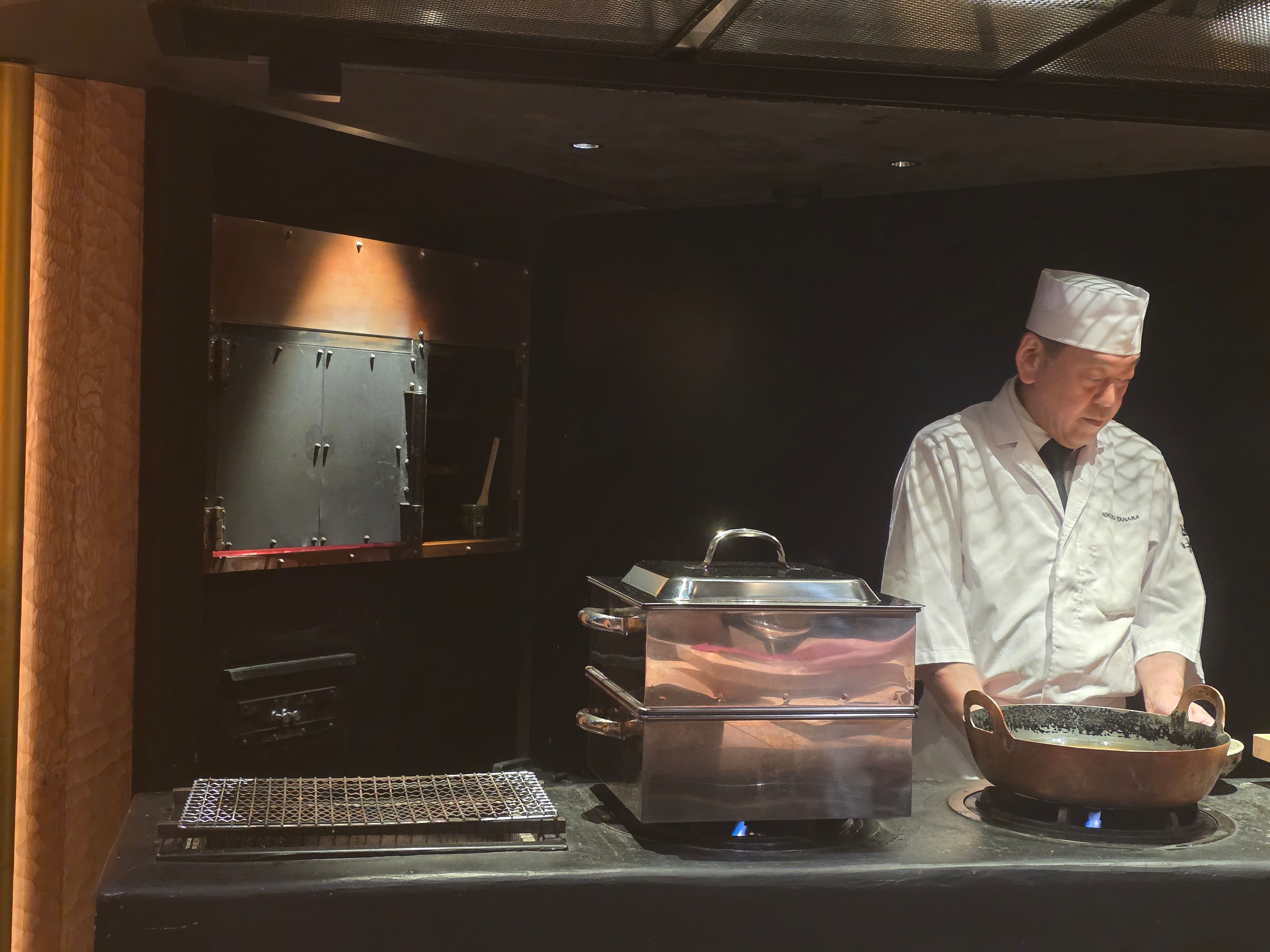
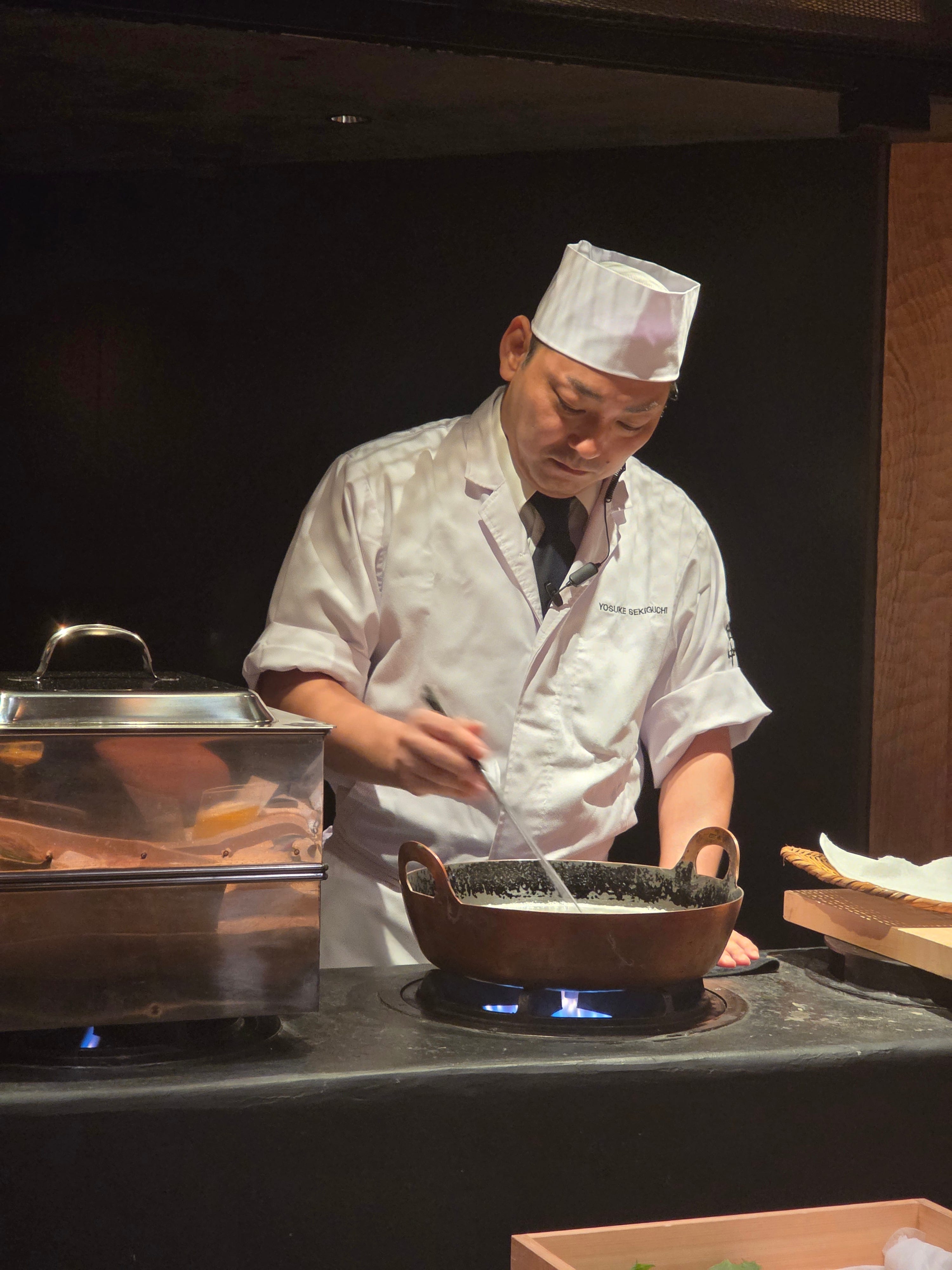
Chef Sekiguchi was finishing preparation before dinner service.
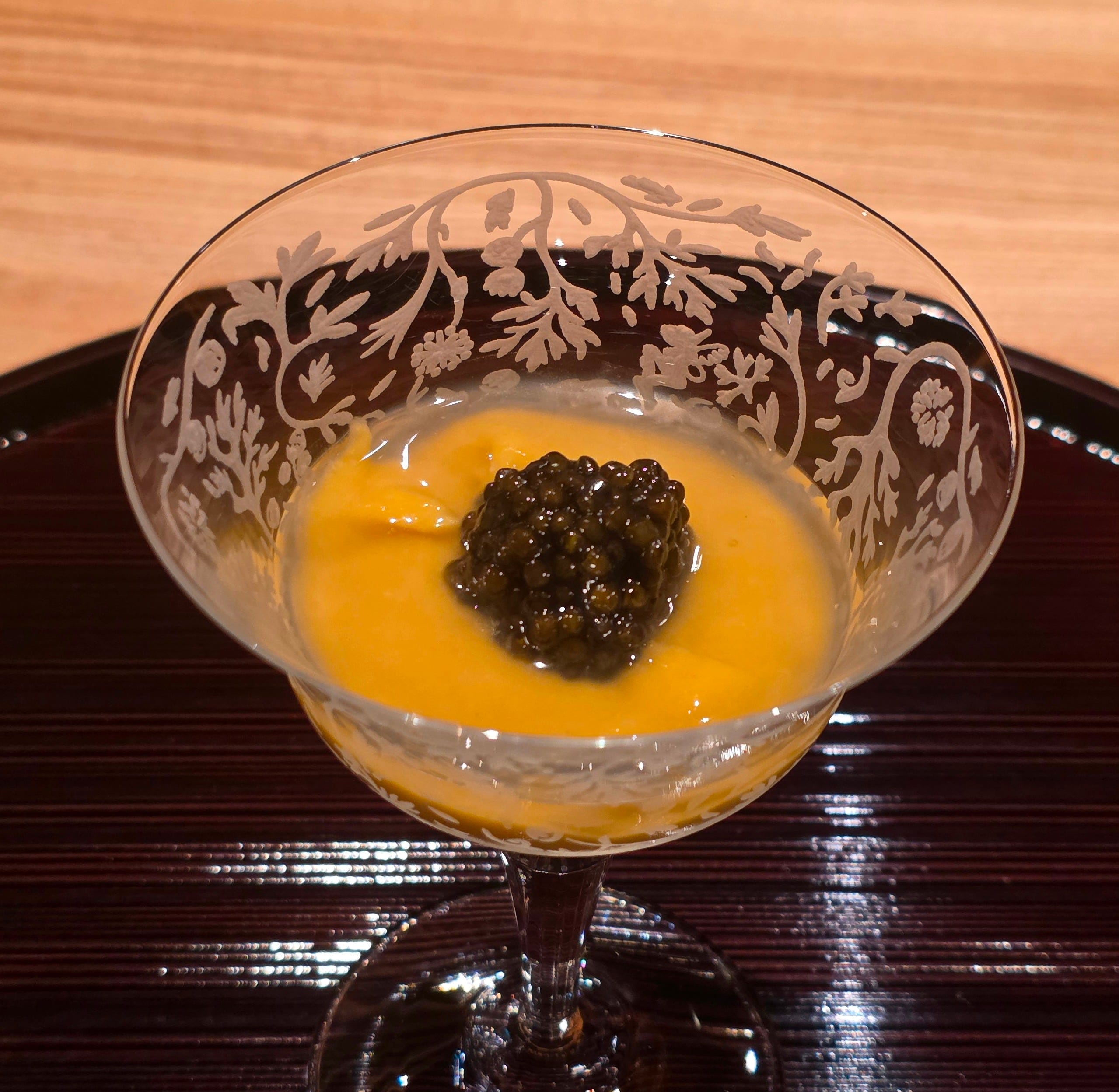
The first course was sweet corn and uni puree topped with caviar. Light, sweet, grassy, with enough salt from the caviar to keep it balanced.
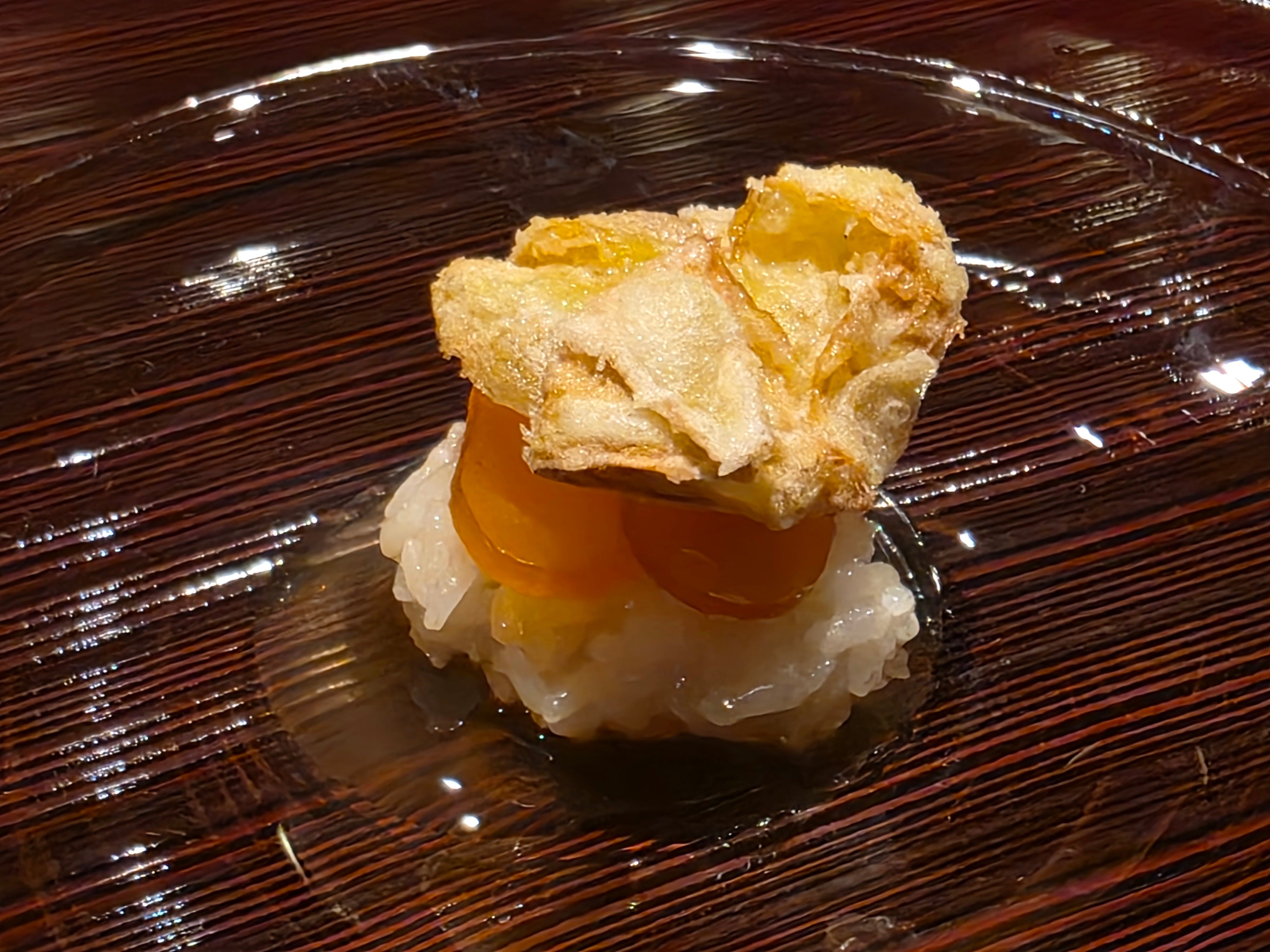
Then came tempura of fuki bud, shaved bottarga and a small ball of rice. The fuki bud brought bitterness. The bottarga added salt and weight. The rice kept it from becoming too sharp.
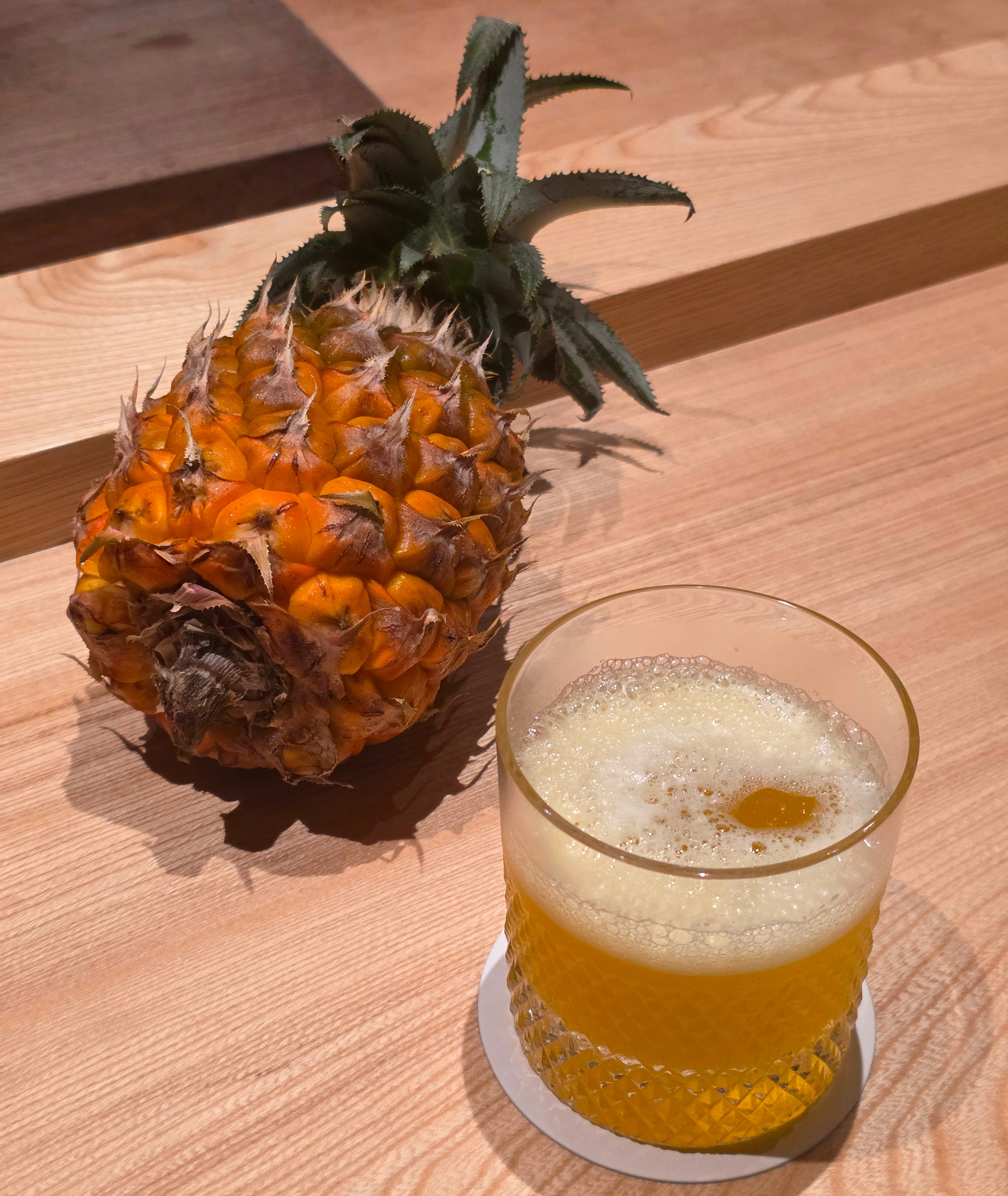
They were also running pineapple juice made from Okinawan pineapples. I prefer pineapple juice with rum and coconut cream, but sure. Why not?
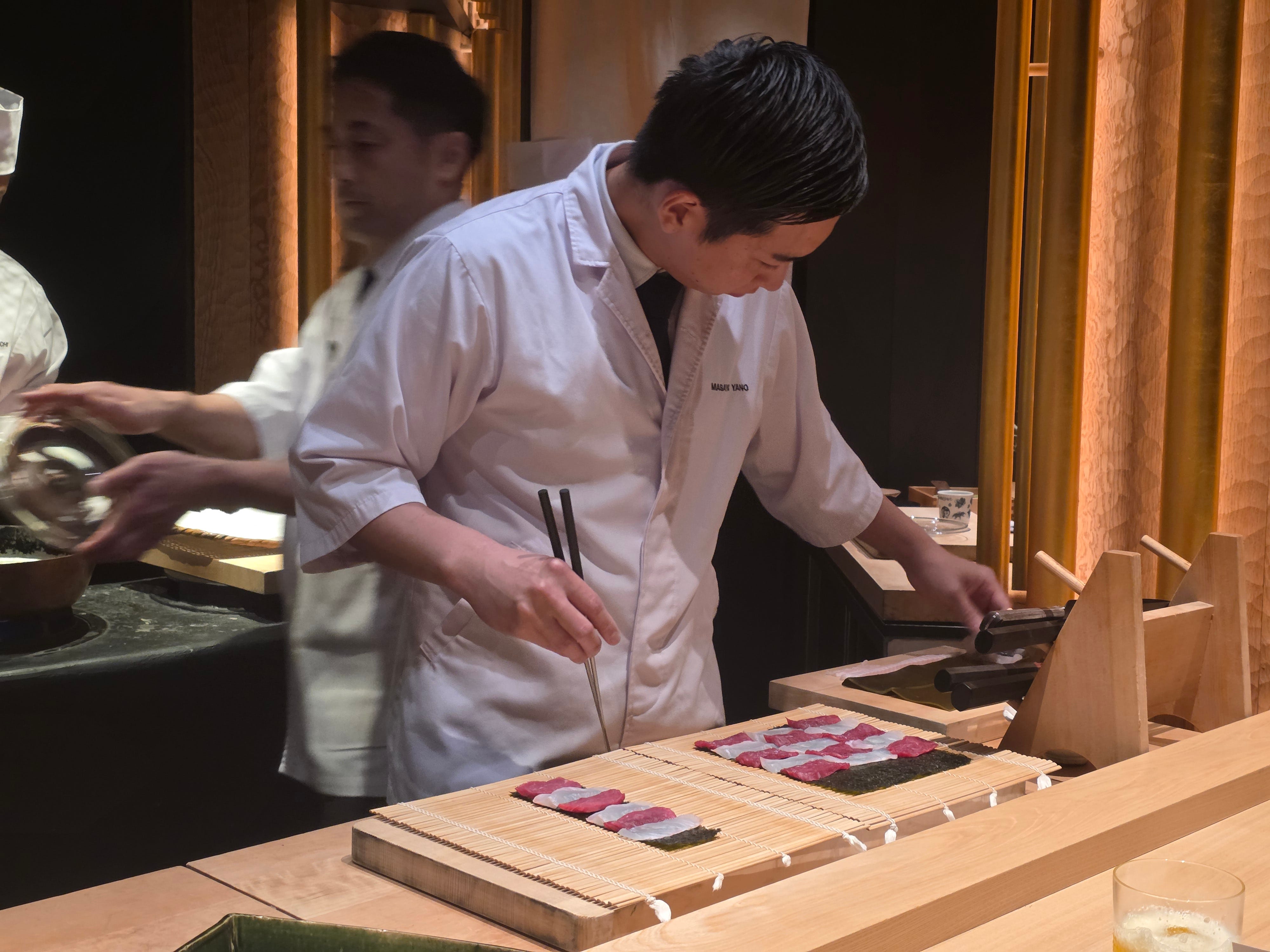
Chef Yano prepared the next course: a lean beef and white fish maki roll.
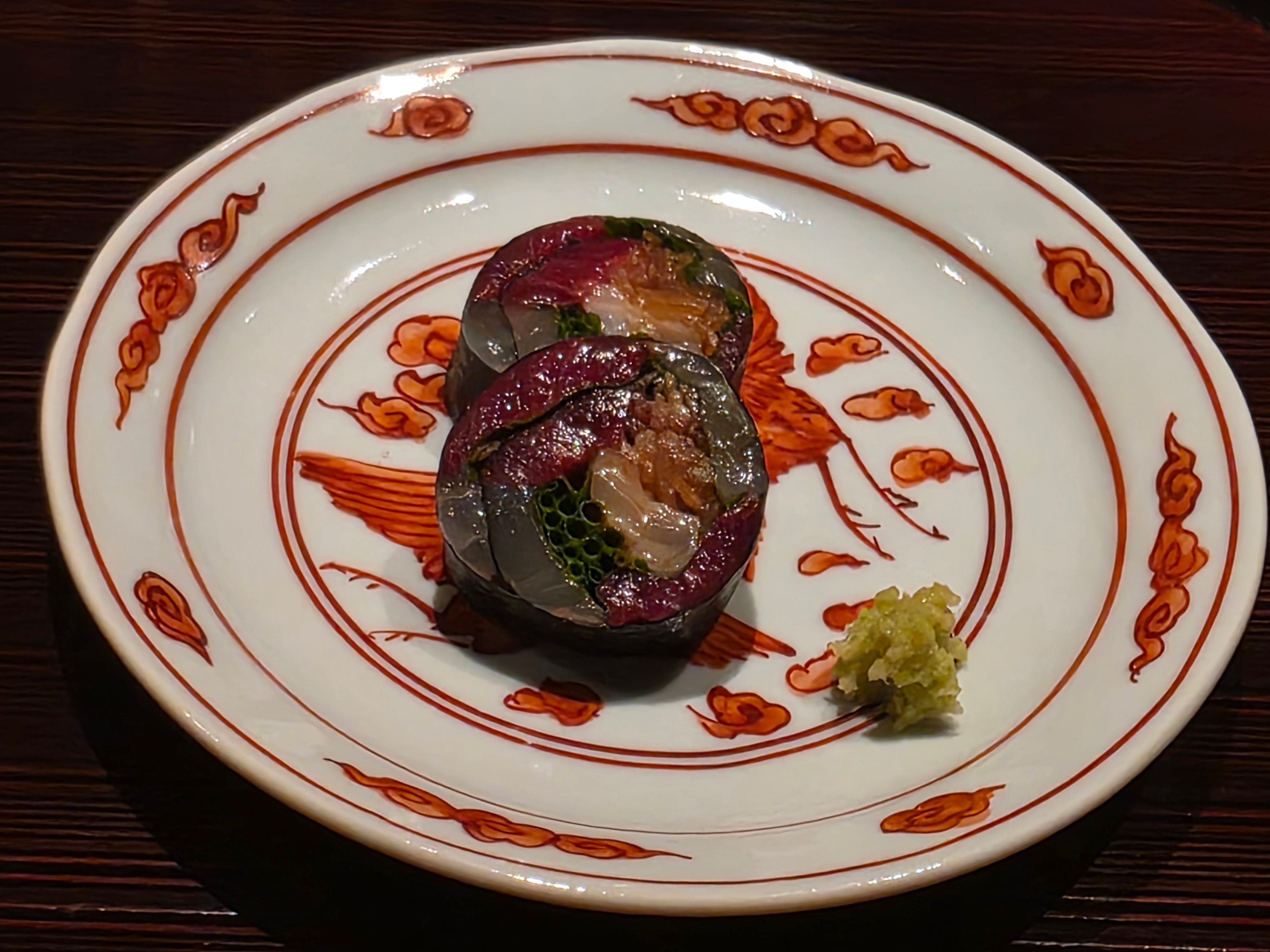
It was rolled with chives and uni, with no rice. A clean opening beef course. Light, controlled, and a better introduction than going straight into fat and smoke.
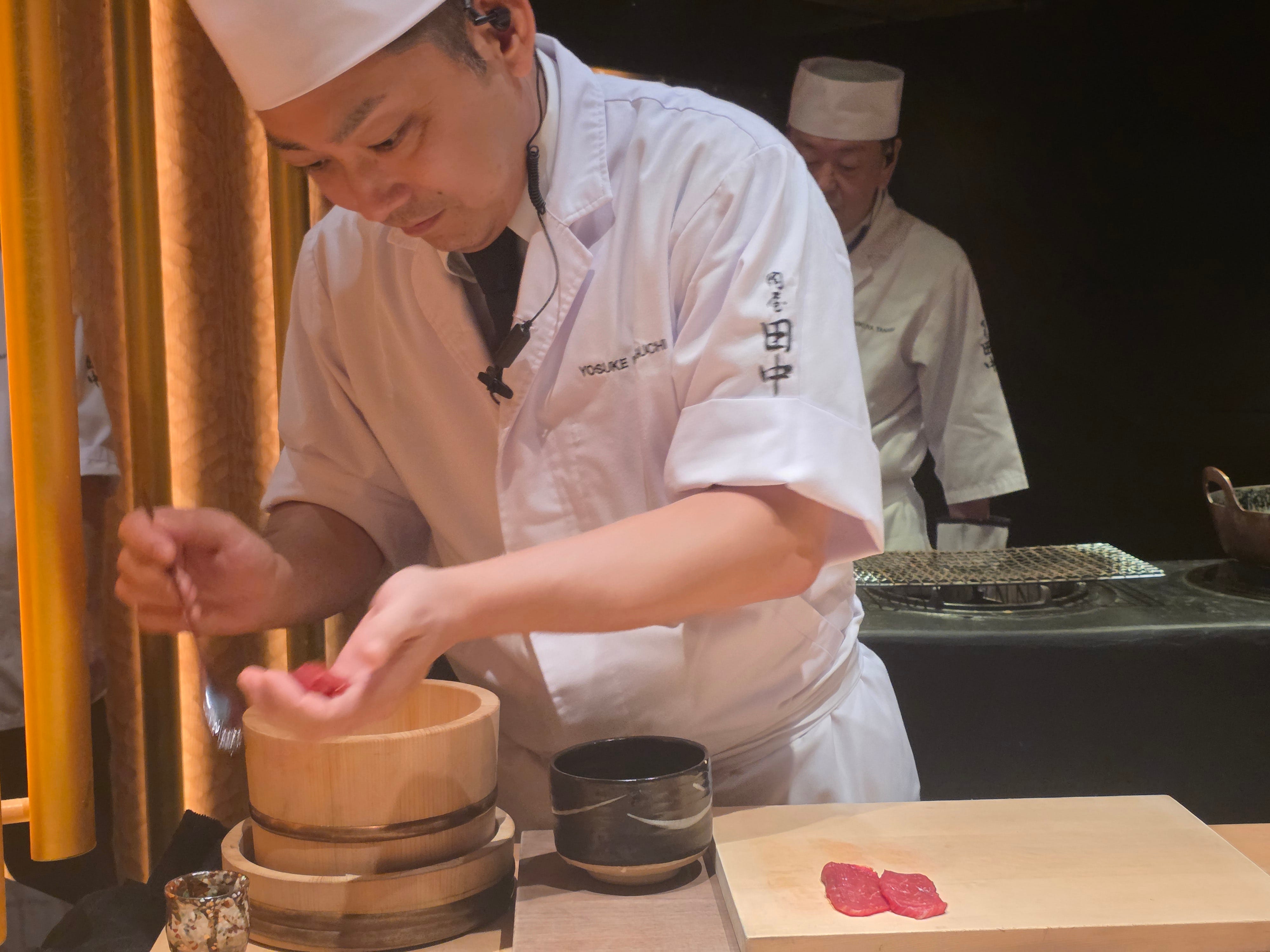
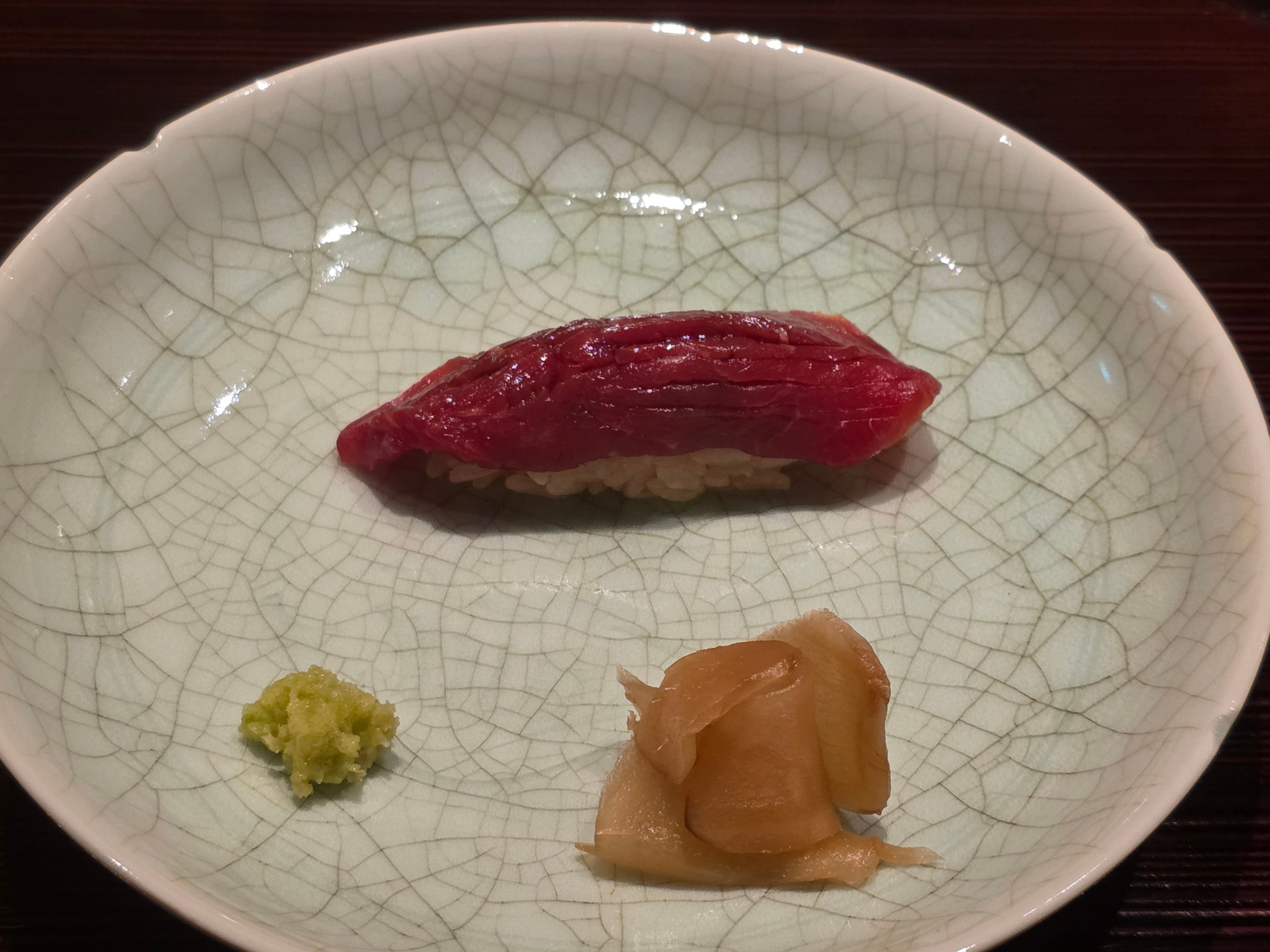
Chef Sekiguchi then prepared a nigiri with a leaner cut of Kobe beef.
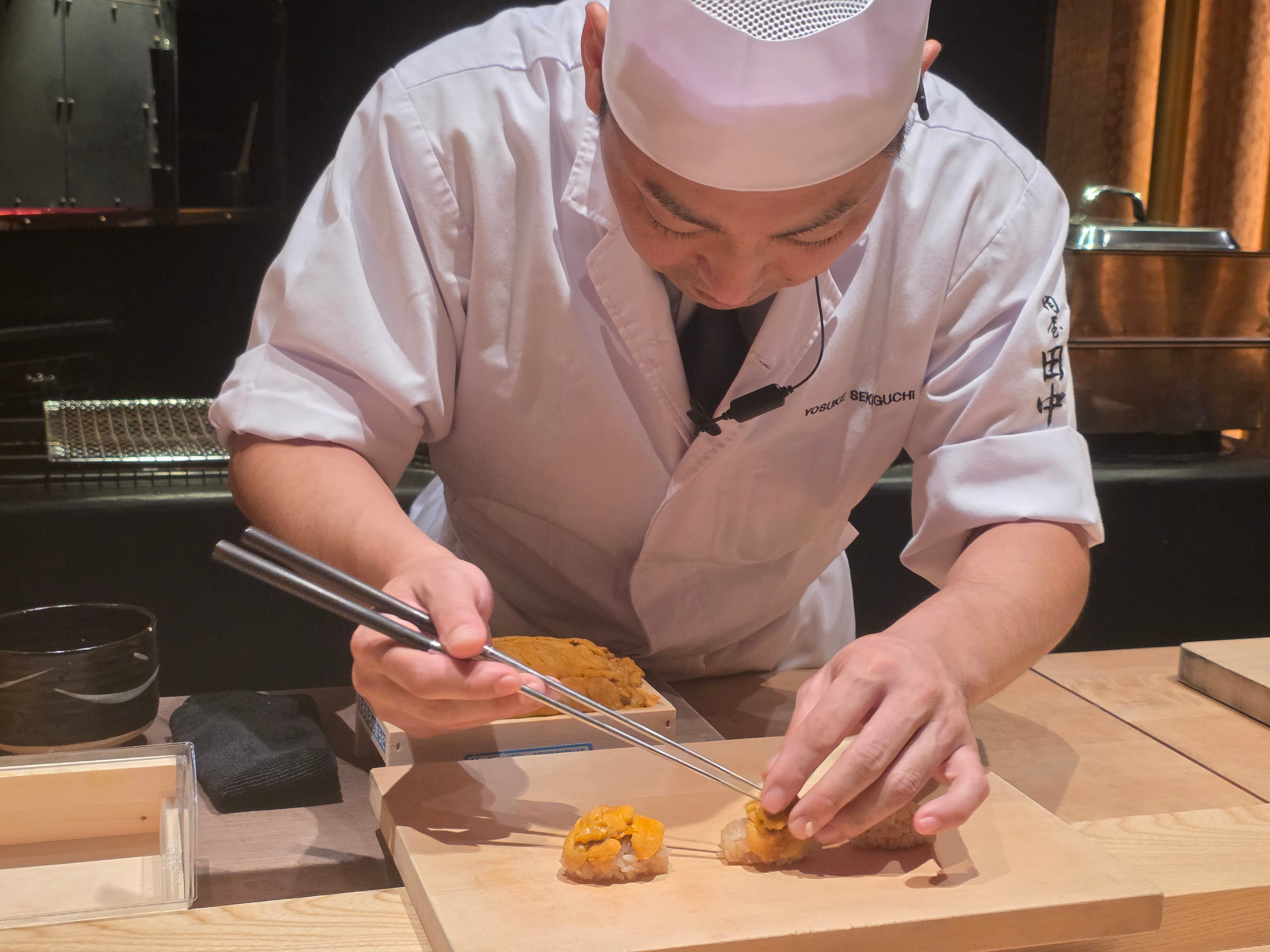
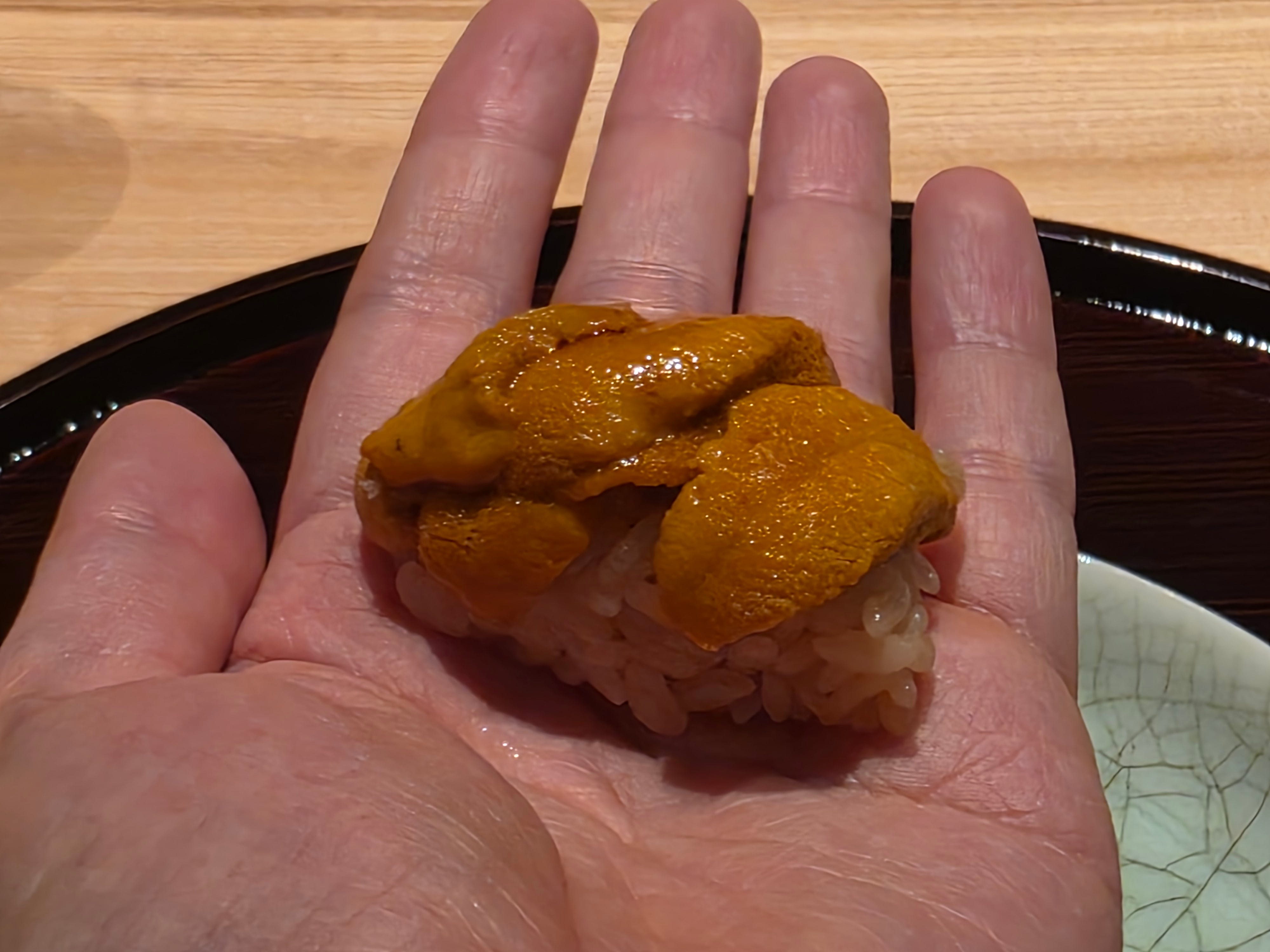
There was also a loose uni nigiri as a surprise course that wasn’t on the menu. Decadent, as always.
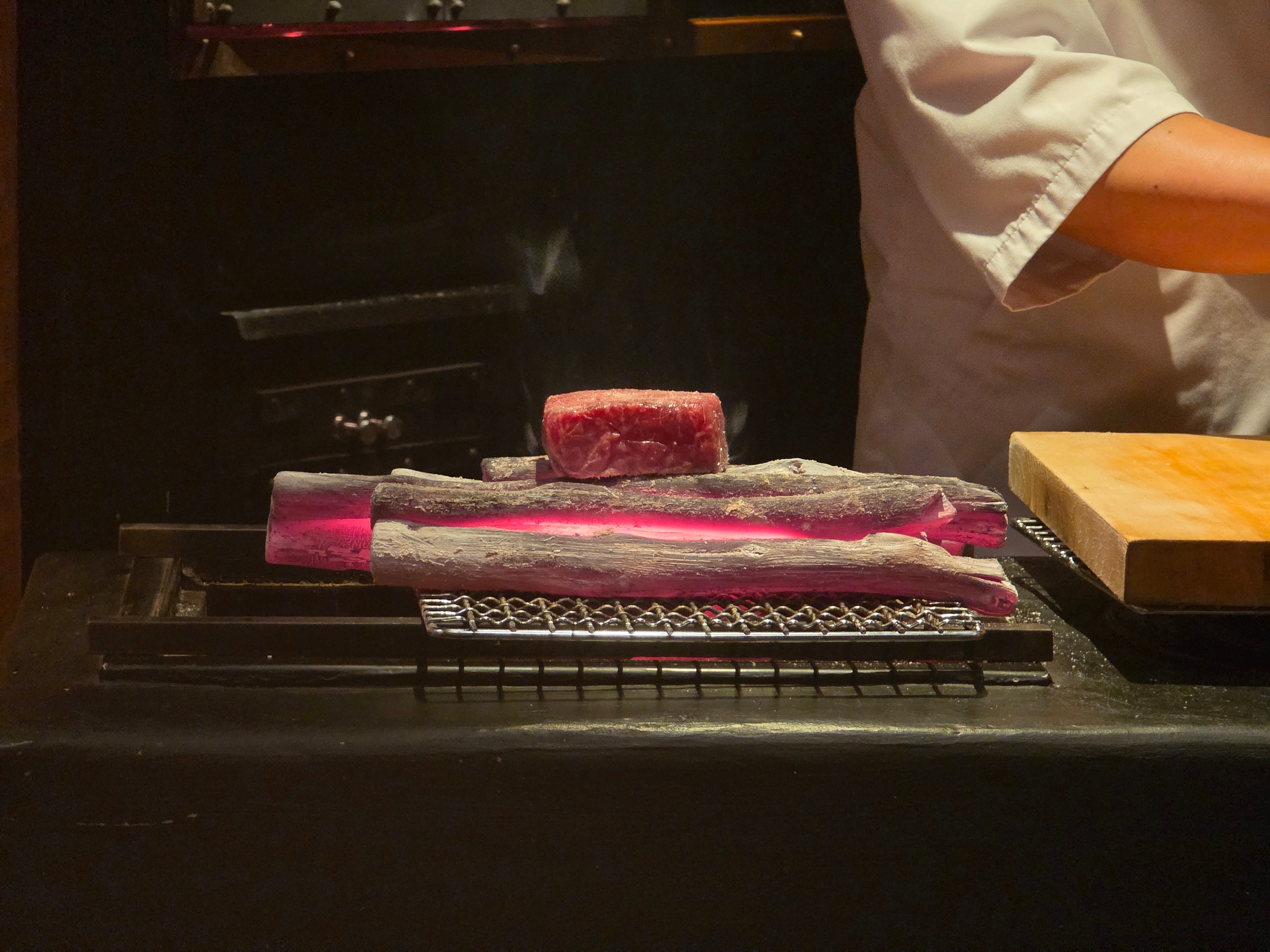
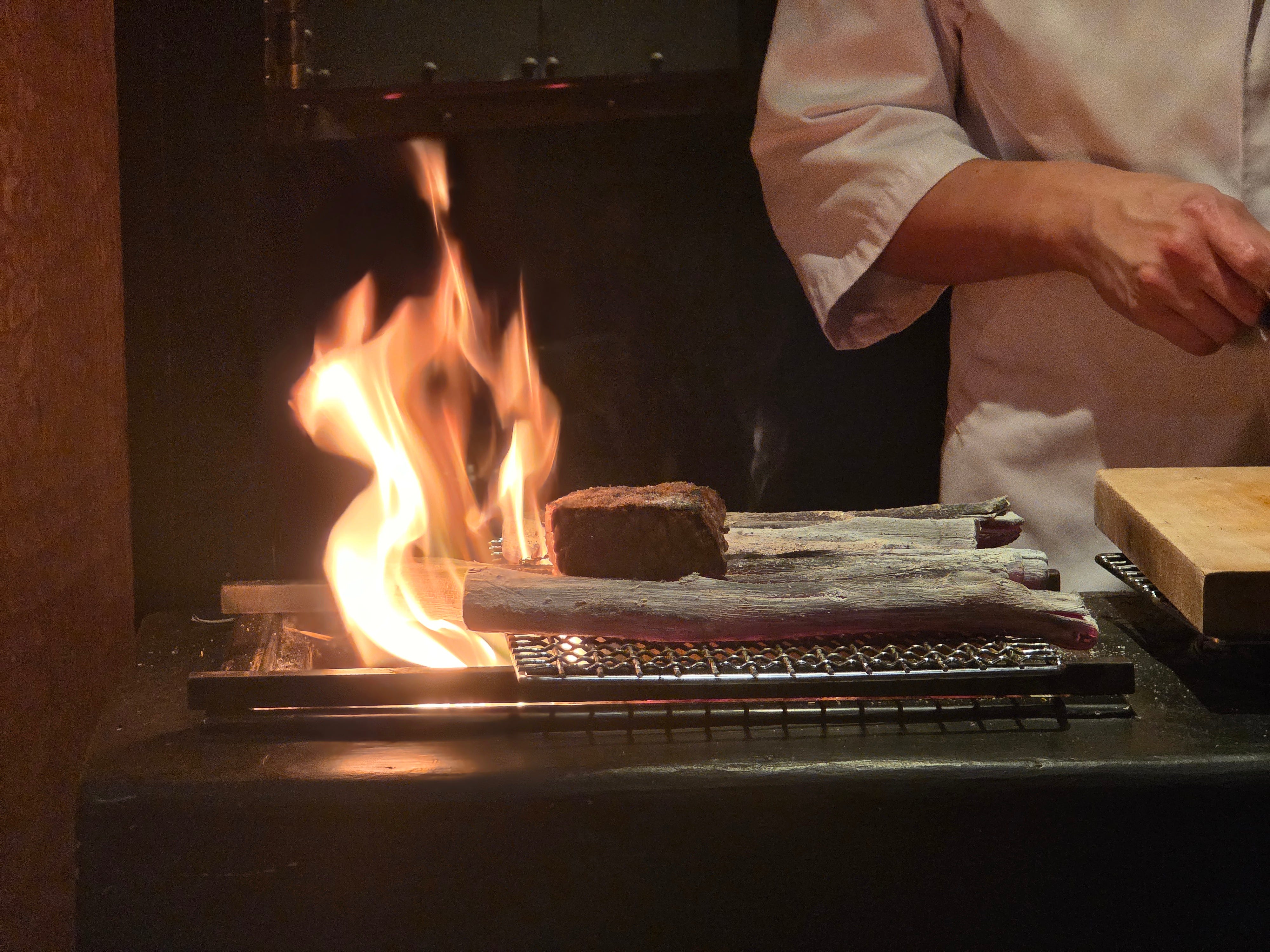
Moving deeper into the beef dishes, with a chateaubriand grilled directly on hot charcoal, the smell of smoke filling the room.
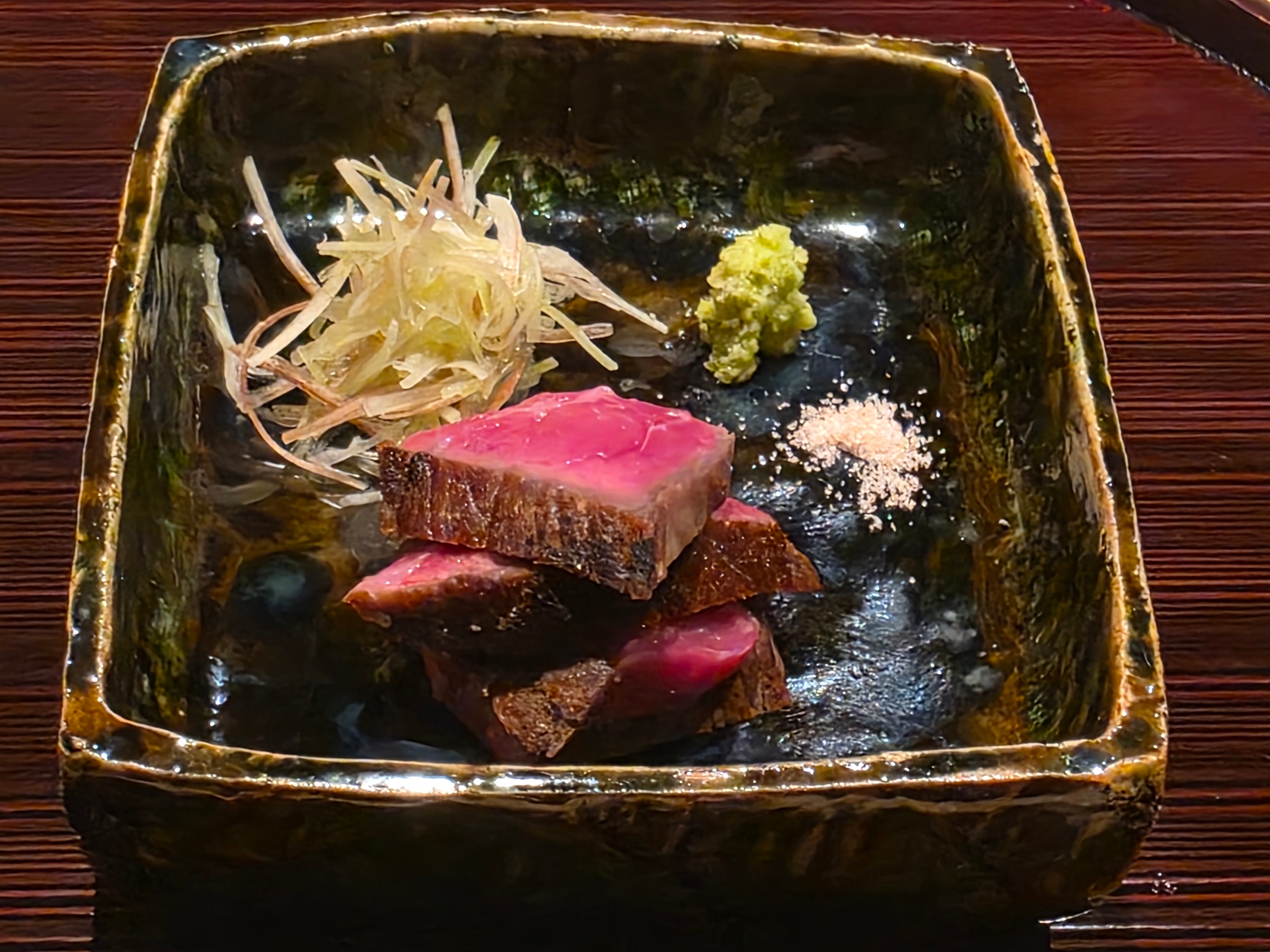
It was sliced and served rare, with a crisp smoky crust.
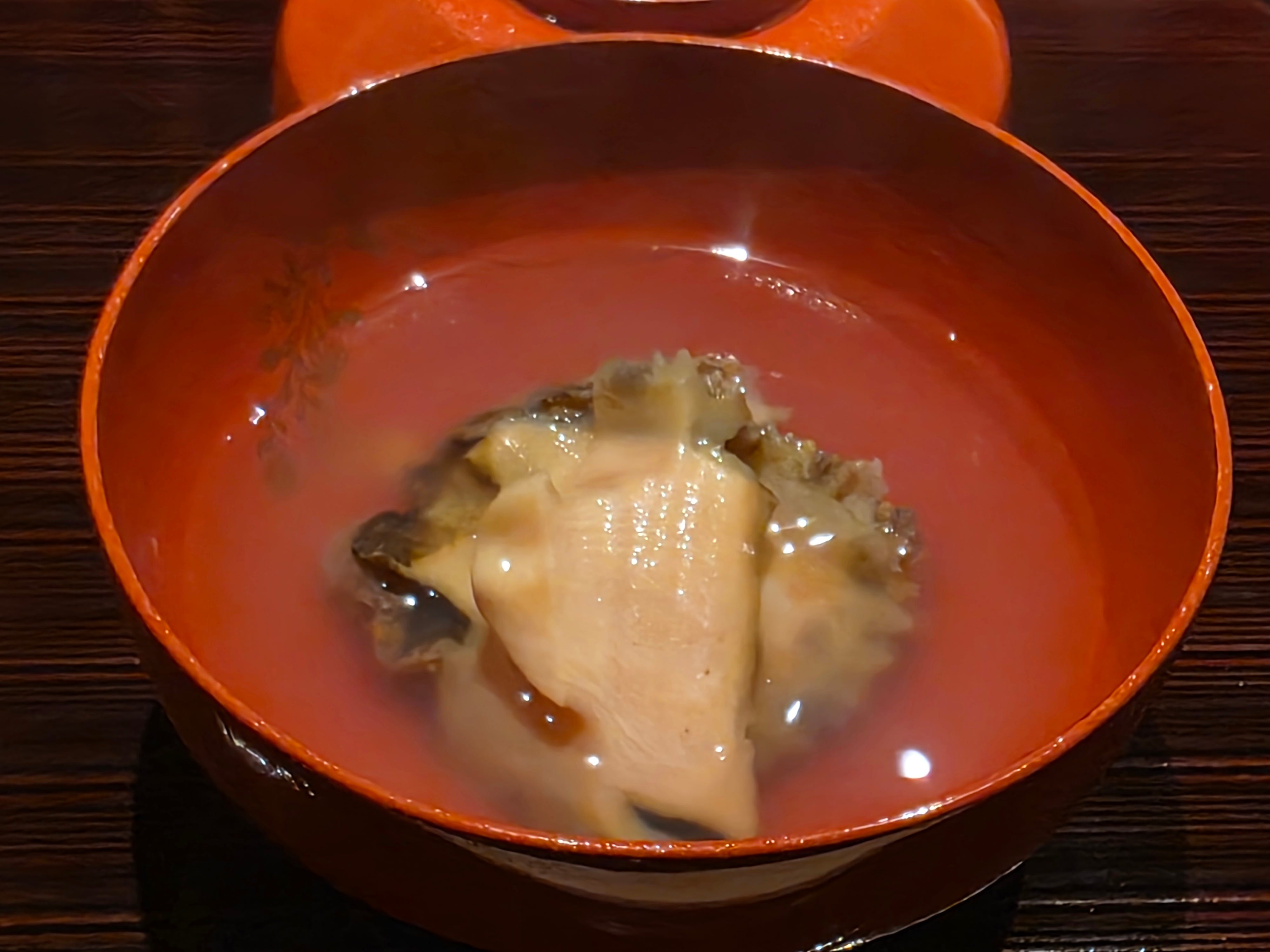
An abalone course followed in a rich bonito and kombu broth. This was the useful reminder that the restaurant is still kappo, not a steak counter with Japanese garnish.
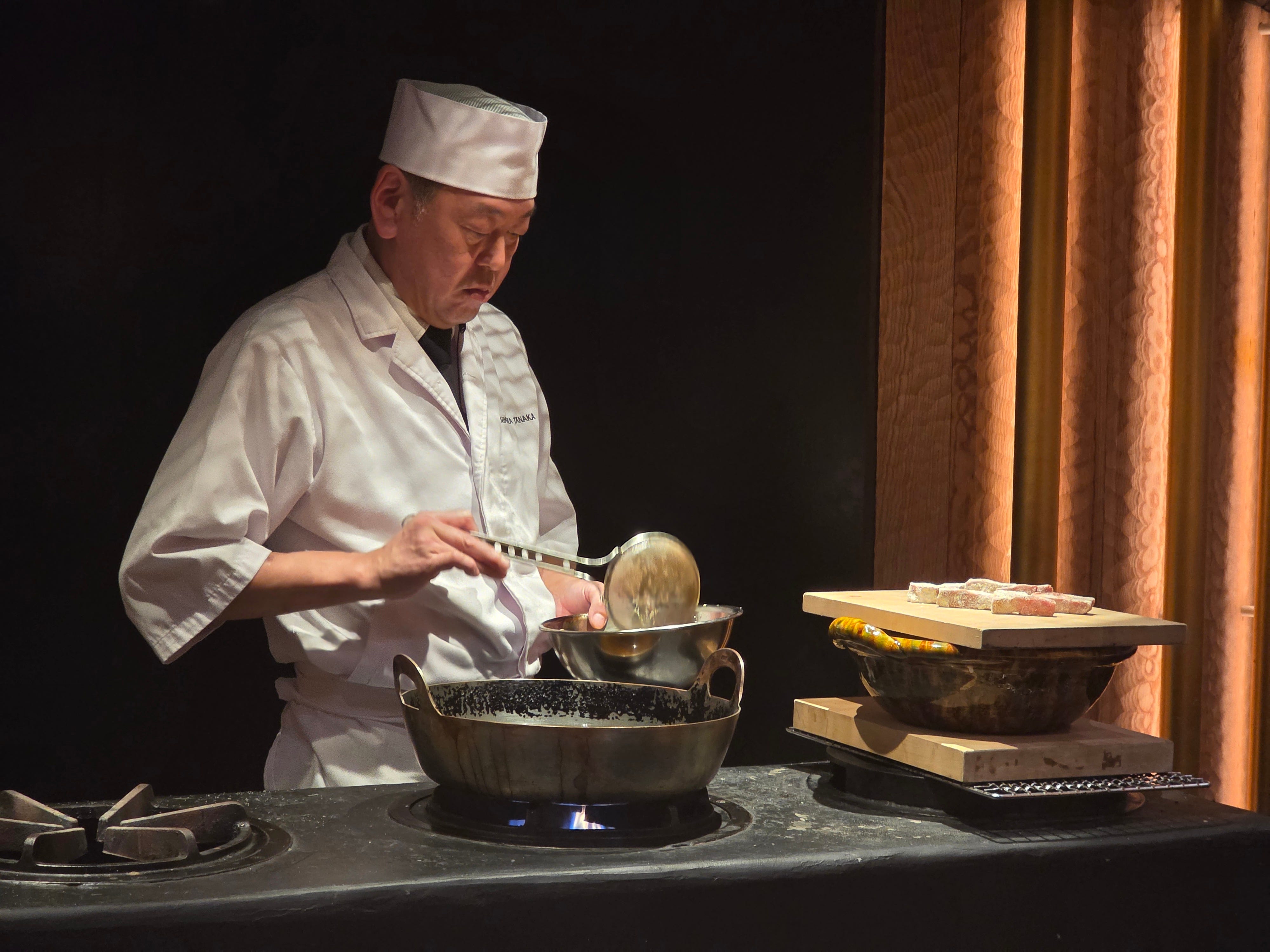
Chef Sekiguchi then prepared beef tenderloin tempura.
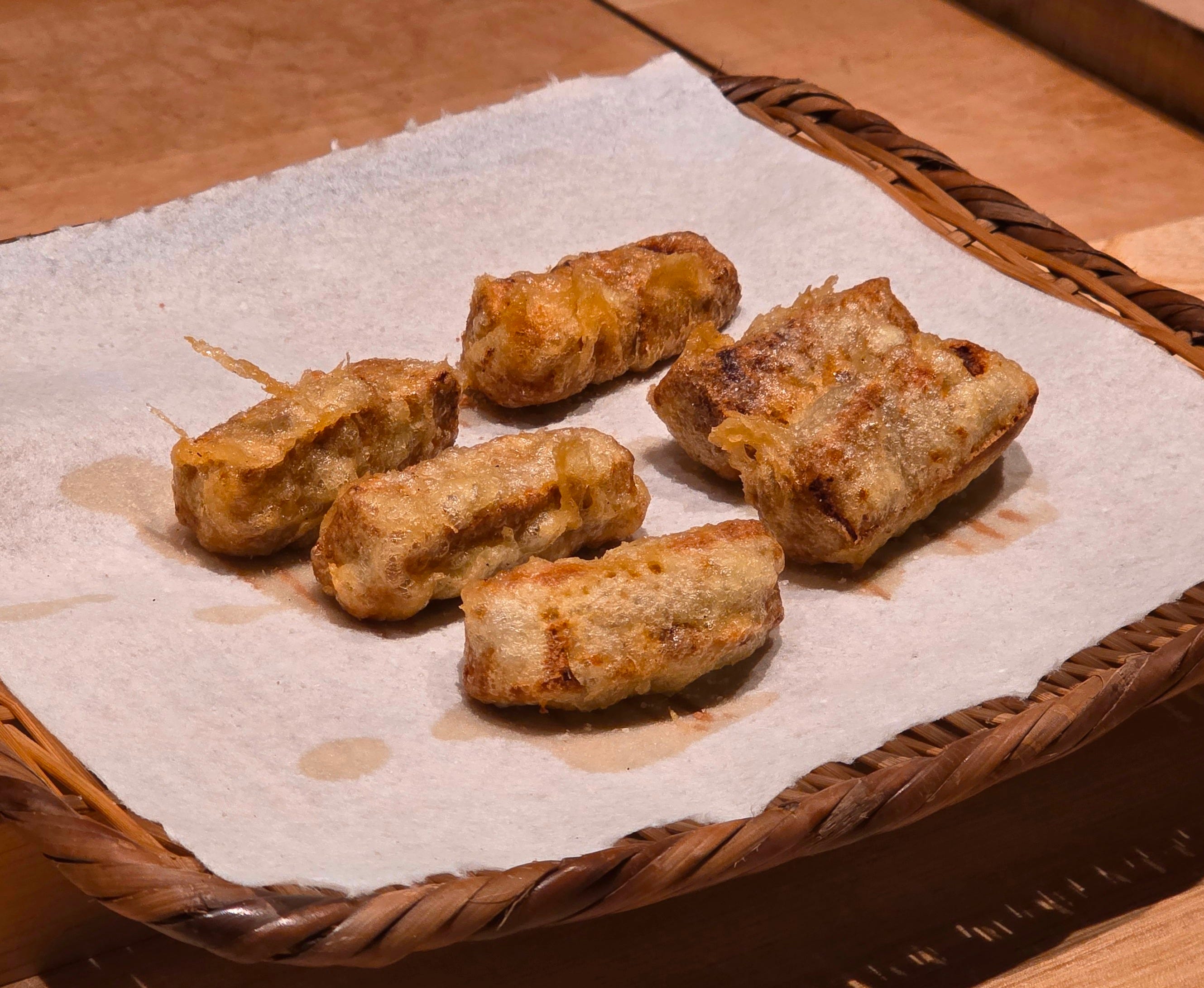
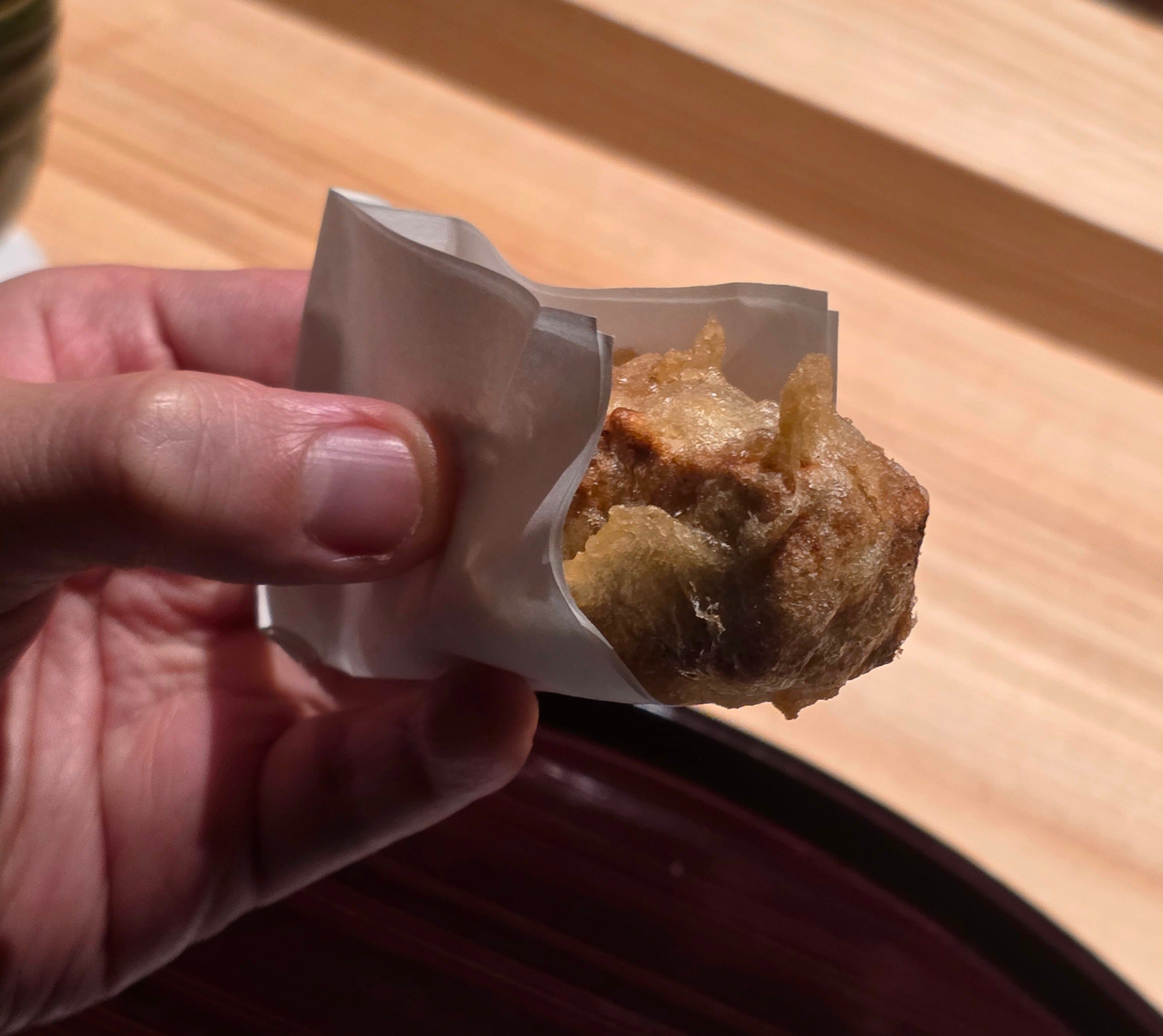
It was placed directly into my hand. Light crust, dense meat in the centre. Heavier than typical tempura, but that is expected when the filling is tenderloin.
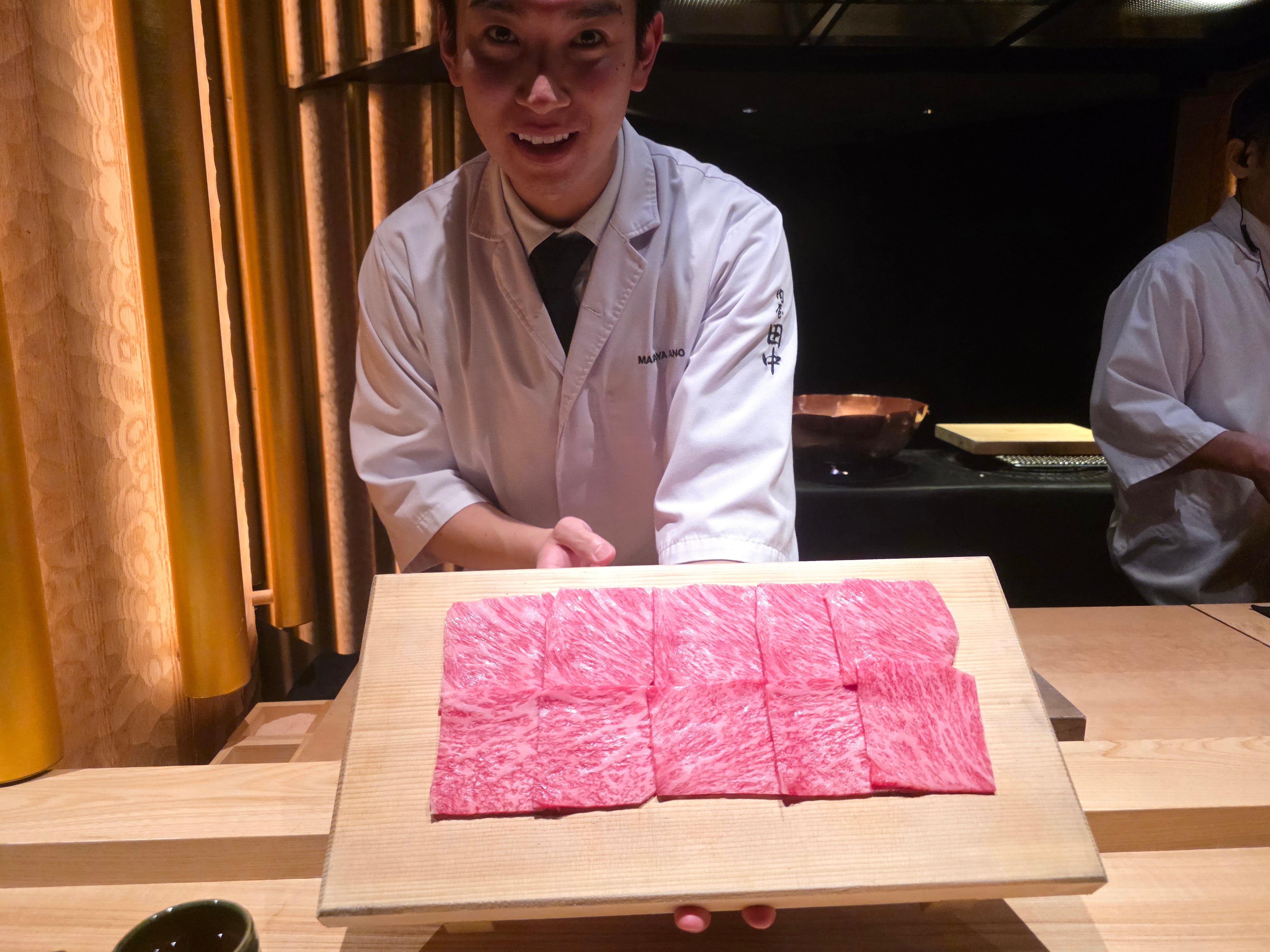
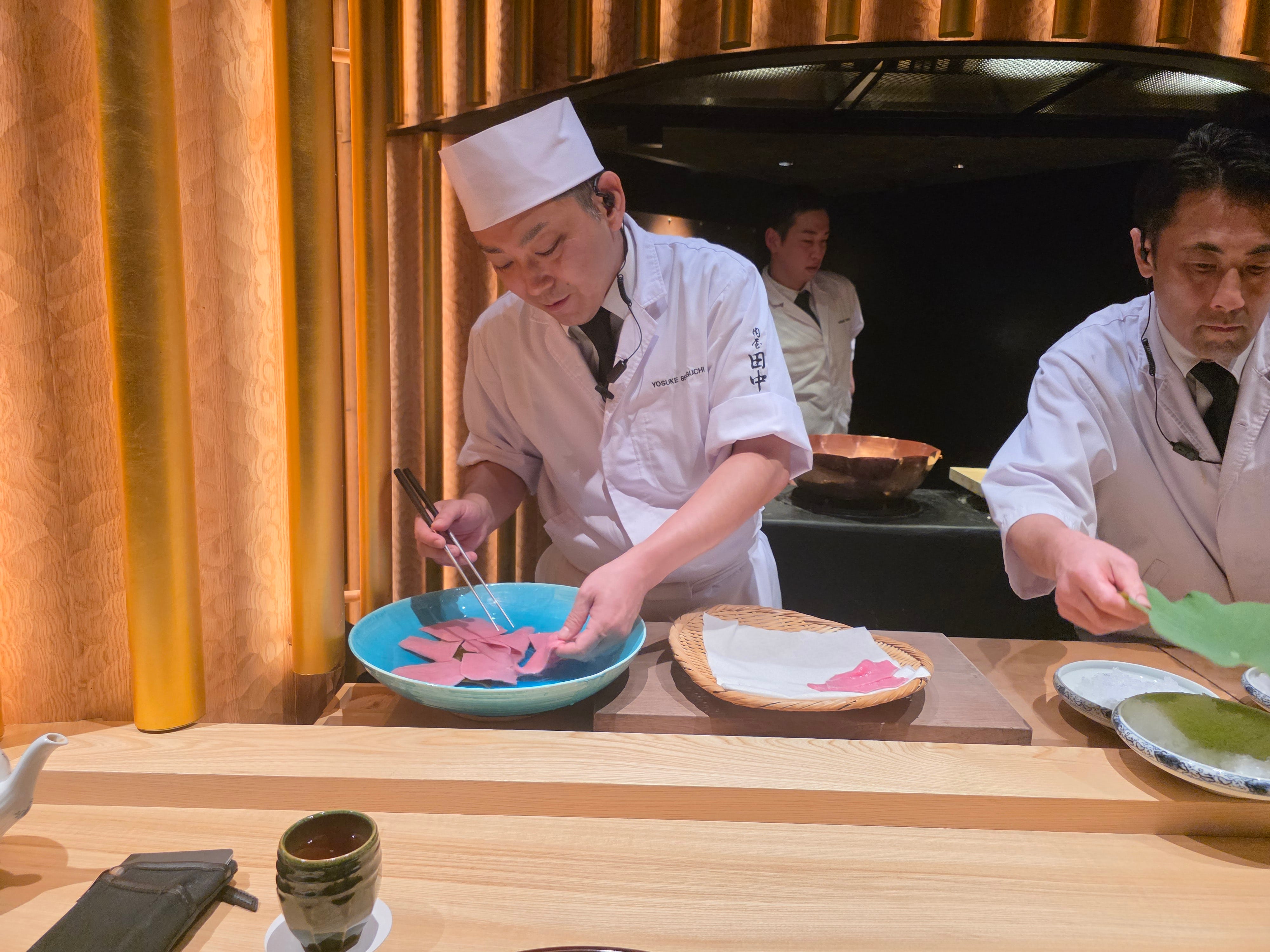
Chef Yano trimmed excess fat from thin slices of sirloin before Chef Sekiguchi lightly poached the beef and then submerged it in an ice bath to stop the cooking. Controlled fat, precise cooking, very little else.
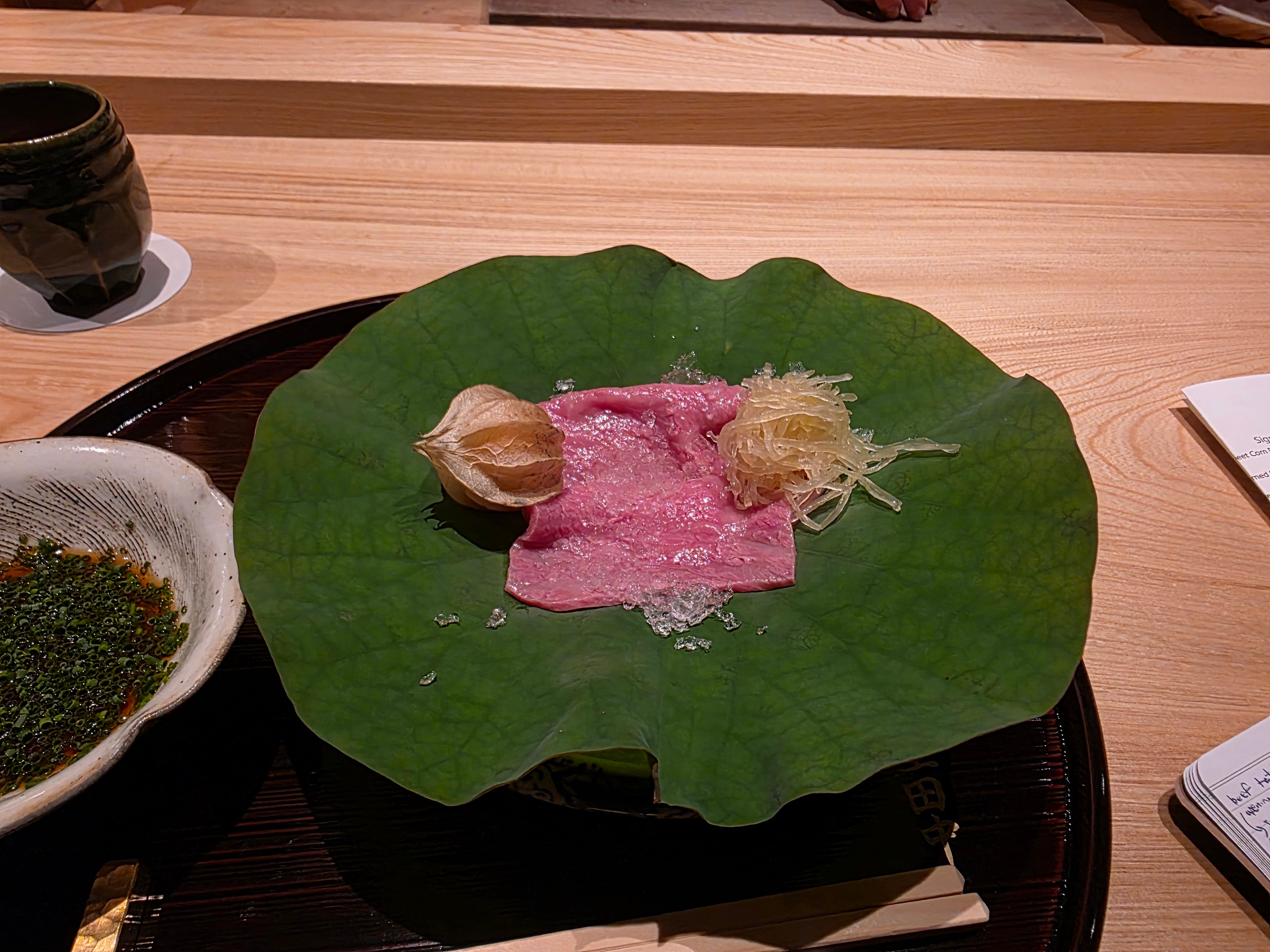
The shabu-shabu was served on a bed of ice, then covered with more crushed ice on top. Unusual presentation, but it worked. Clean, cold, fatty beef, with the traditional ponzu and chive sauce doing exactly what it should.
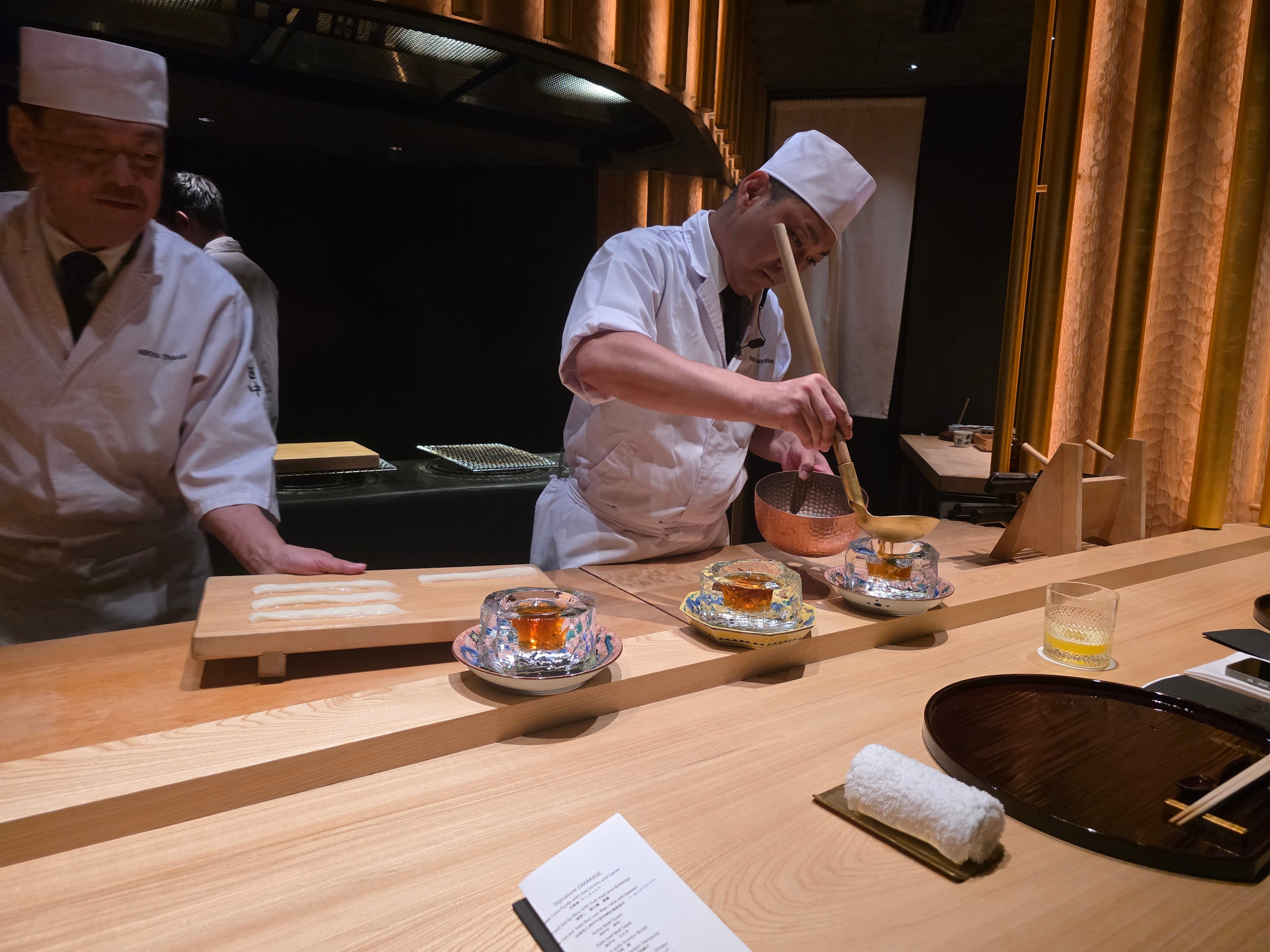
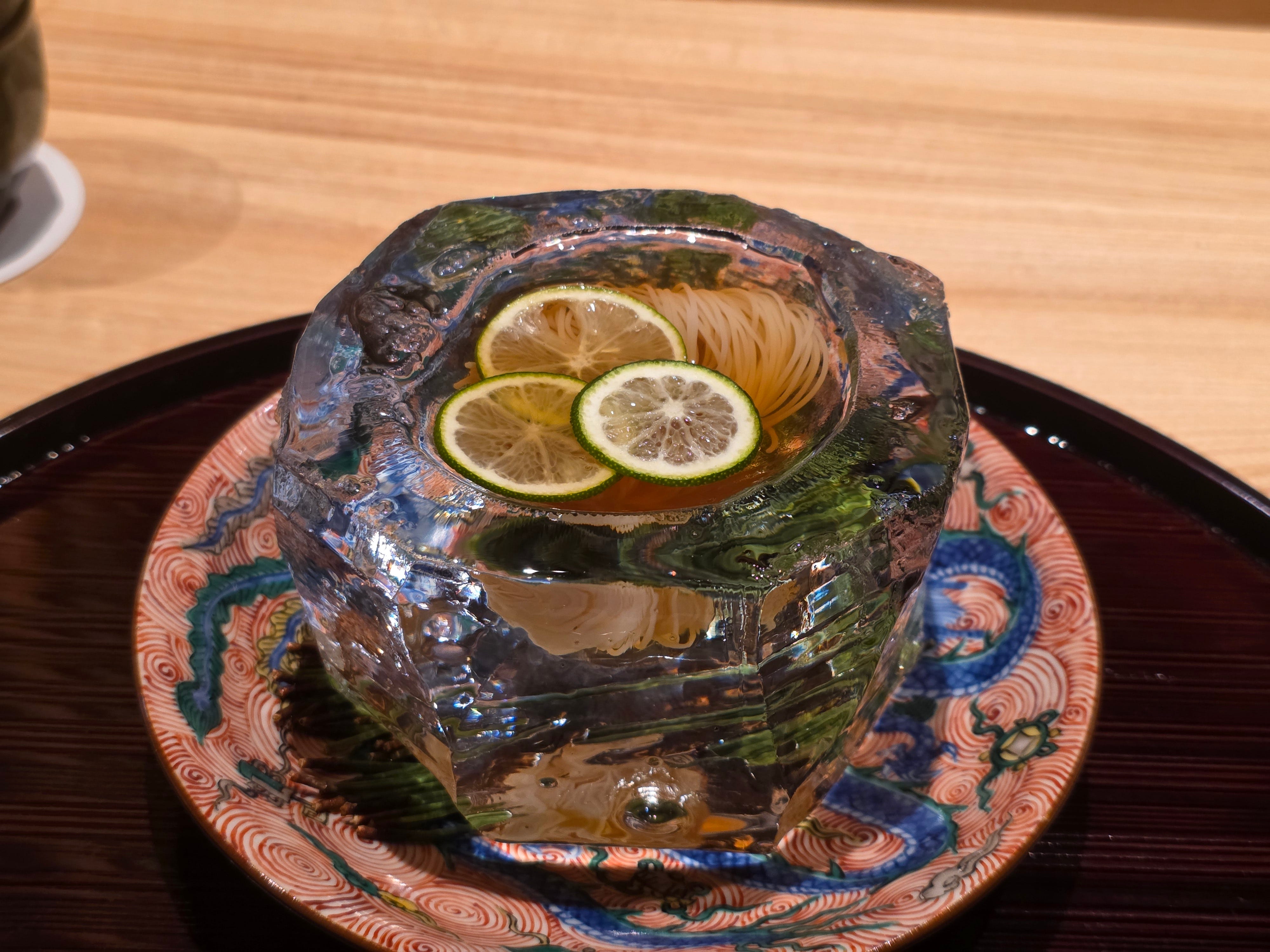
As a palate cleanser between mouthfuls of fatty beef, they served Nara-style somen in a hand-carved ice bowl. One of the signatures here, and a huge hit. Springy, smoky, citrusy and refreshing.
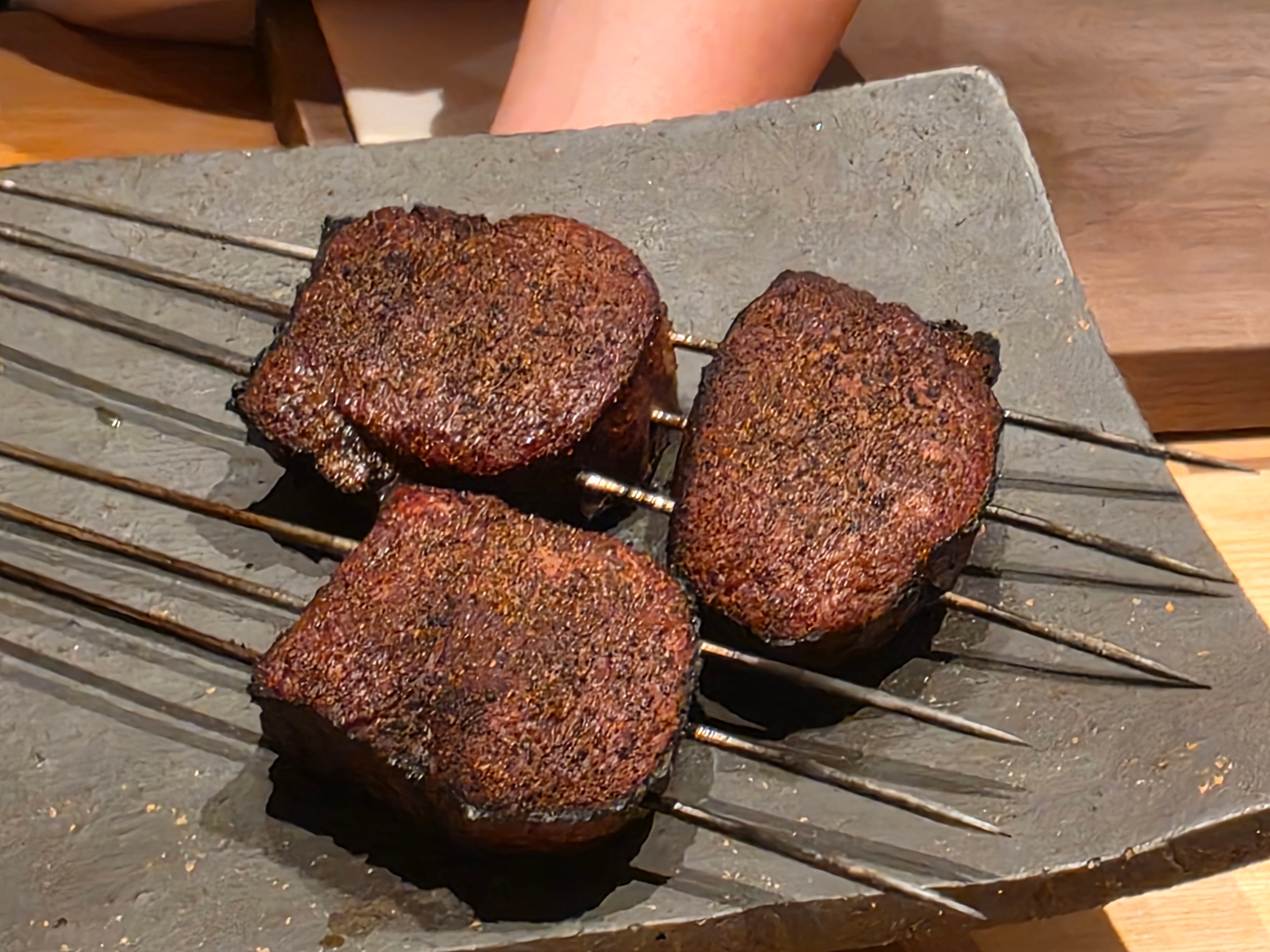
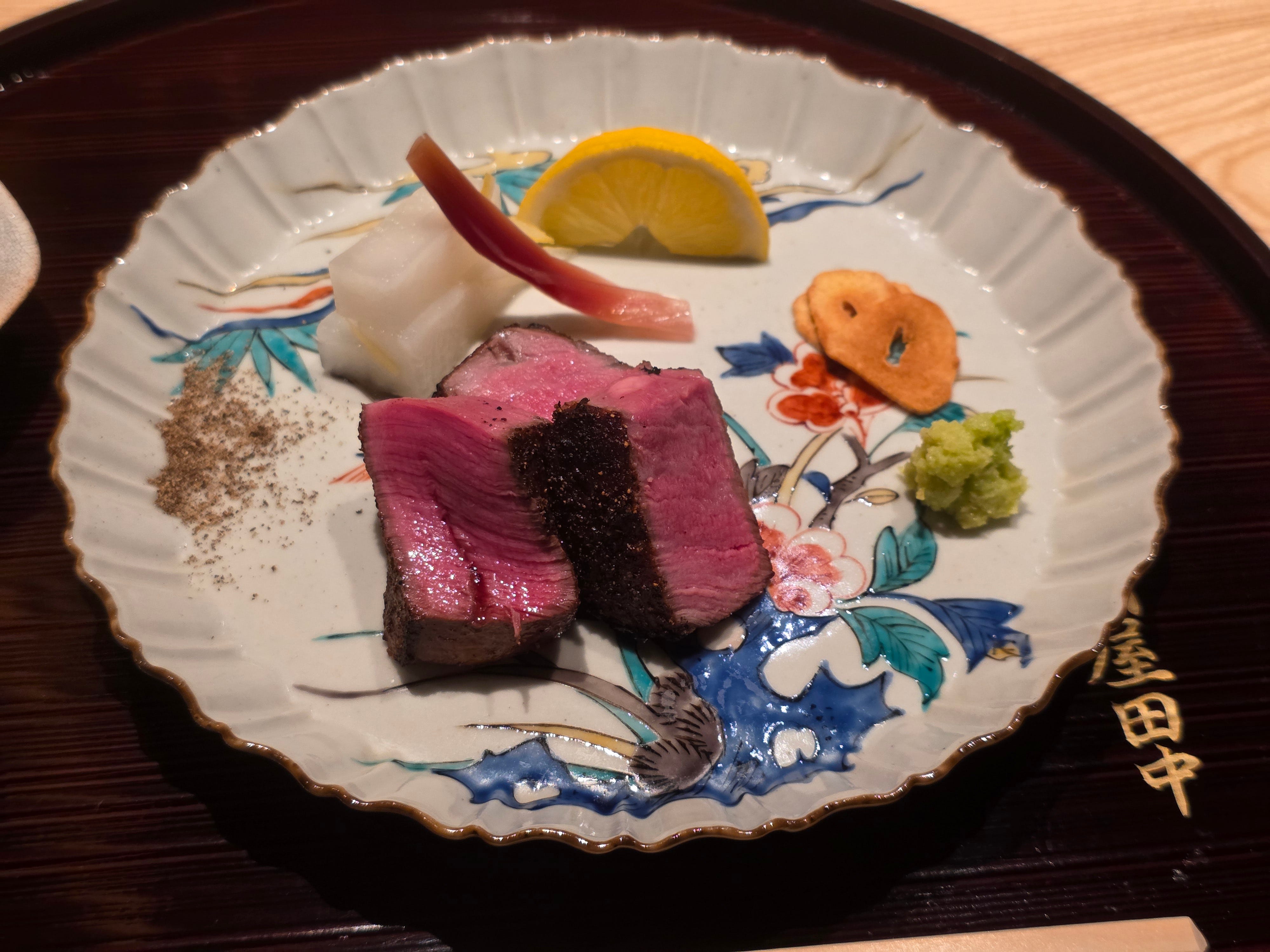
The main event was tenderloin steak, cooked medium rare and served with the traditional garnishes: wasabi, fried garlic chips, pickles and smoked salt. Only three pieces, but the fat made it extremely filling. I could barely finish the third.
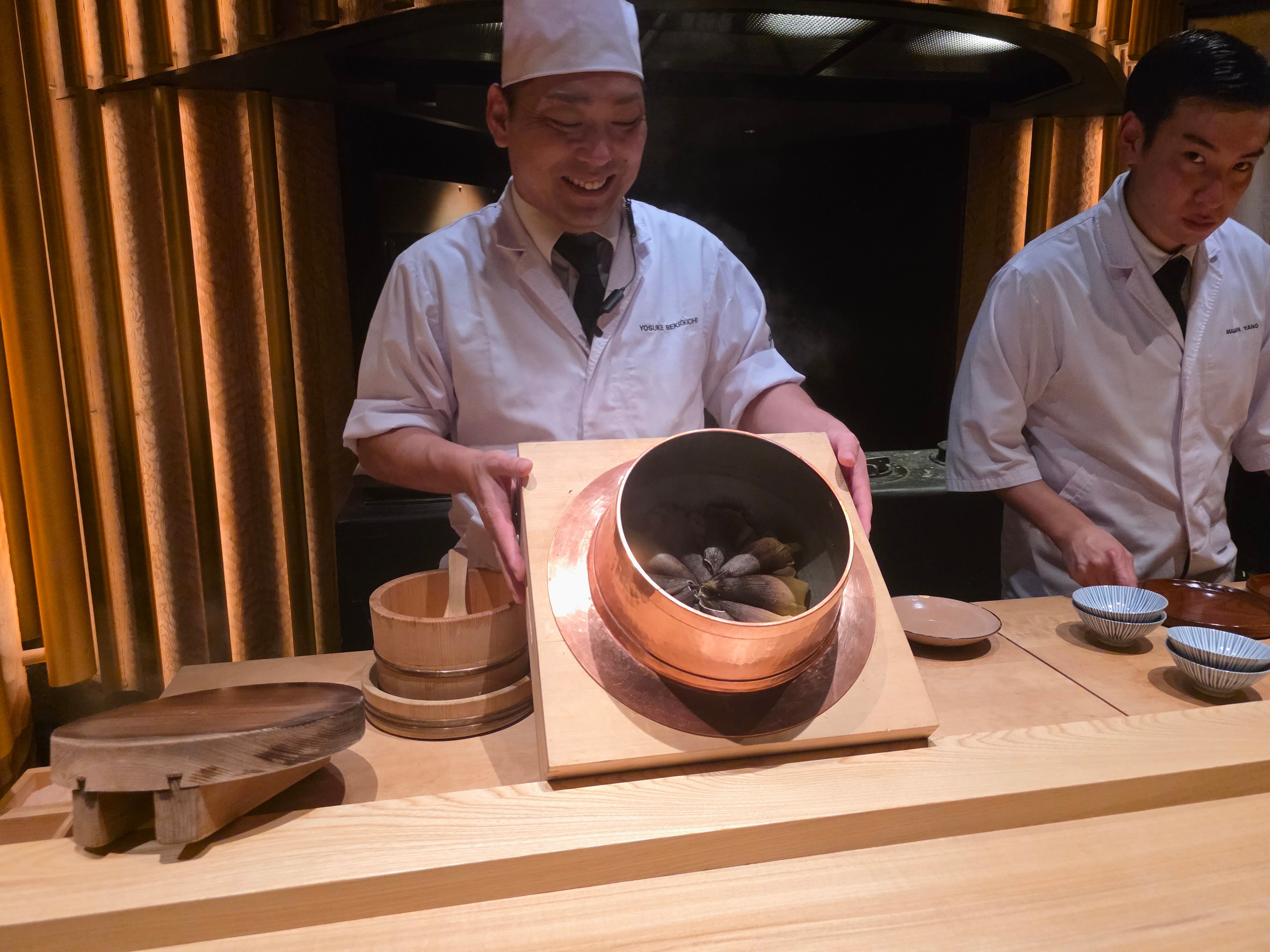
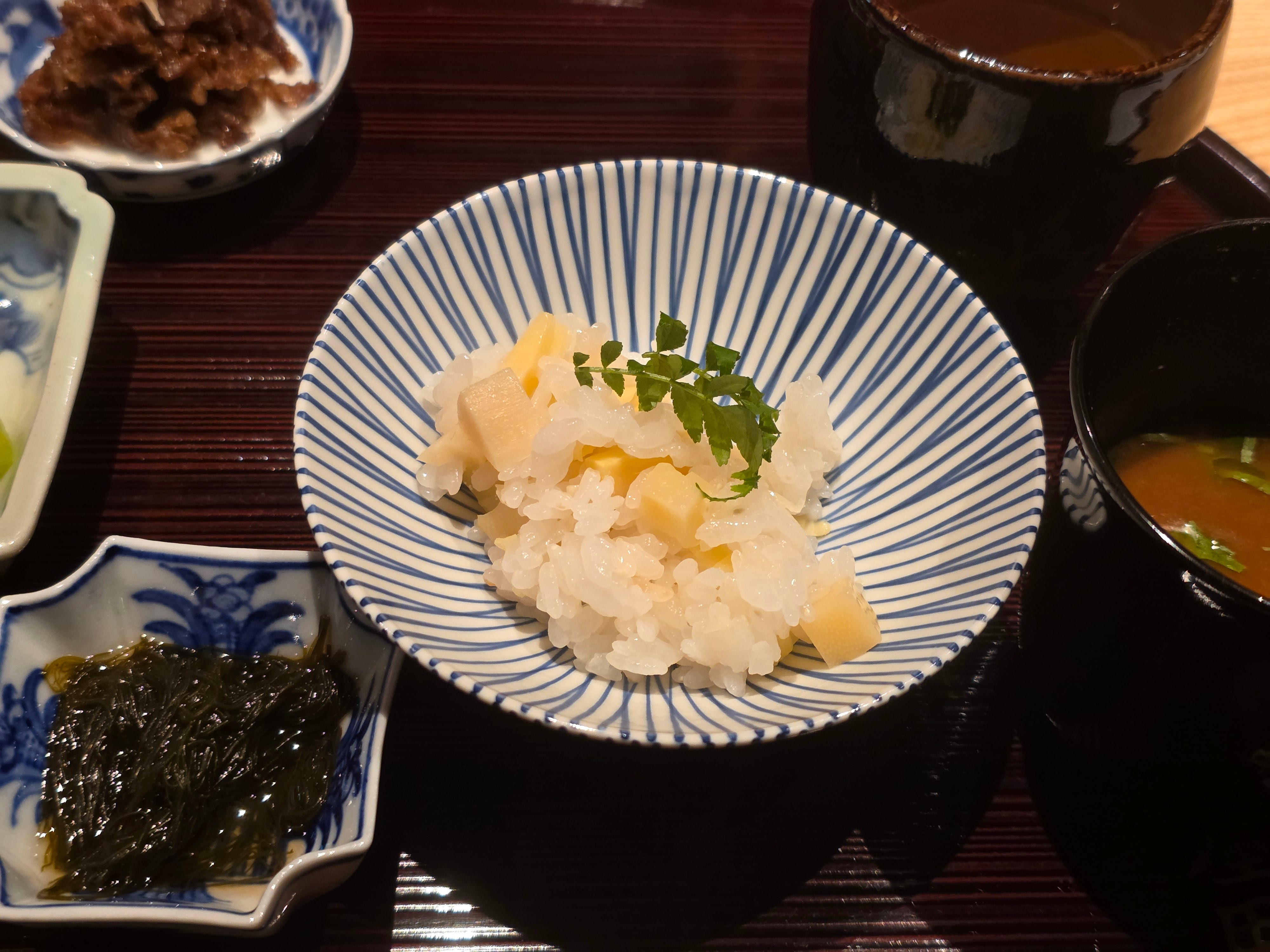
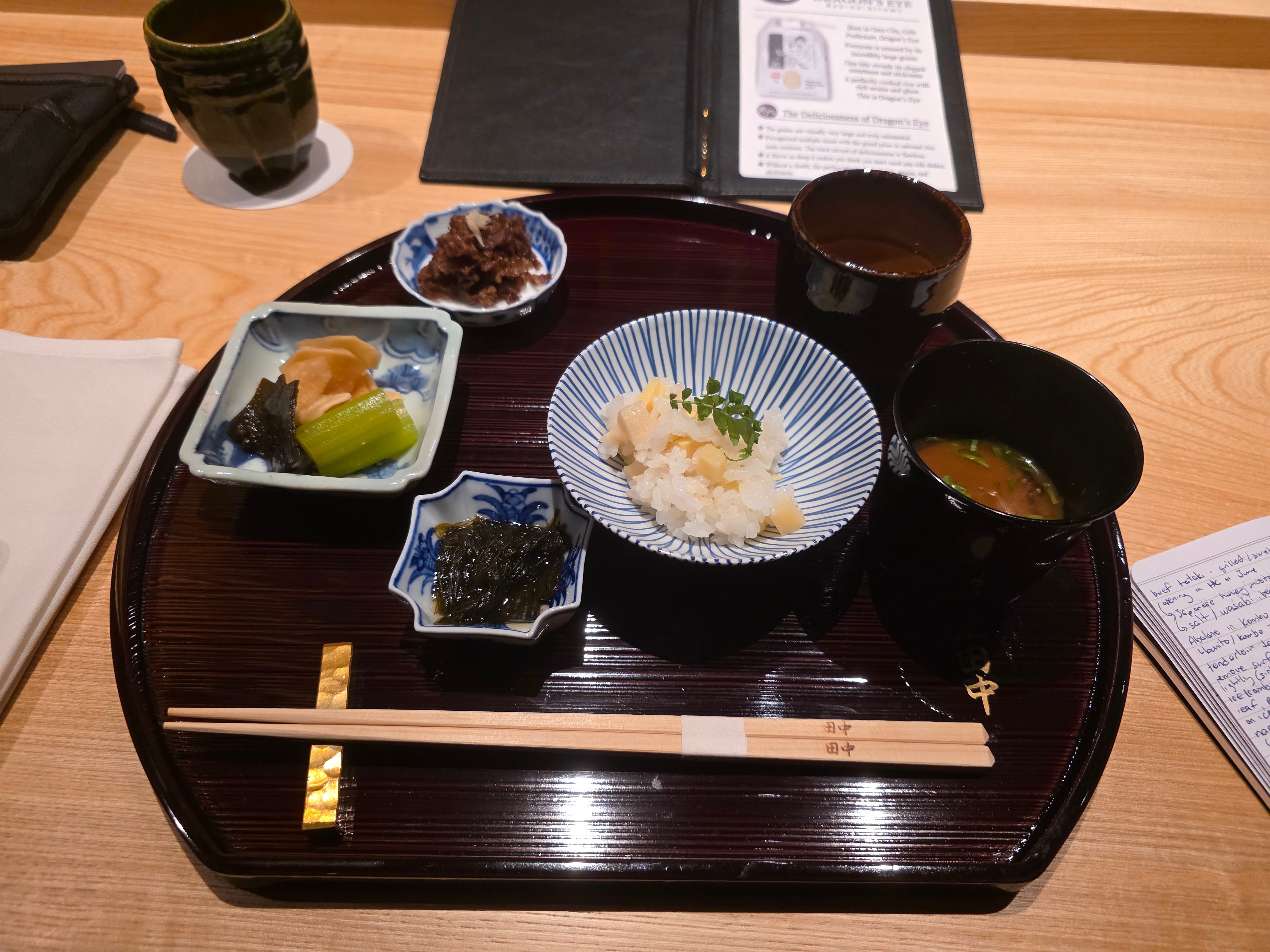
Chef Sekiguchi then prepared Dragon’s Eye rice, a cultivar with extremely large grains. Sweet, fragrant, and mixed with young bamboo shoots for texture. It almost did not need the pickles and garnishes. Roasted rice tea and miso soup marked the end of the savoury courses.
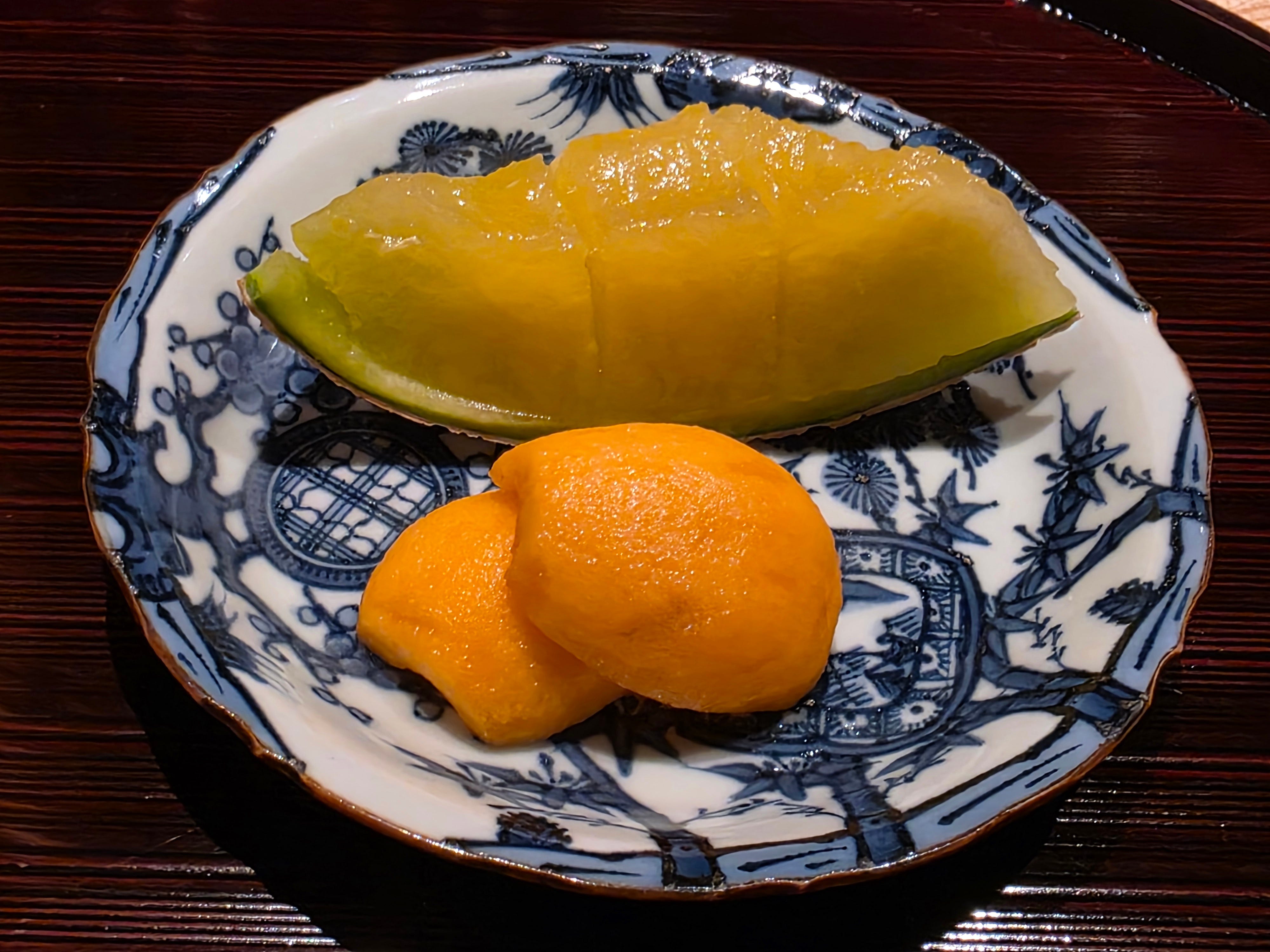
Dessert was chilled loquat and muskmelon, both in peak season.
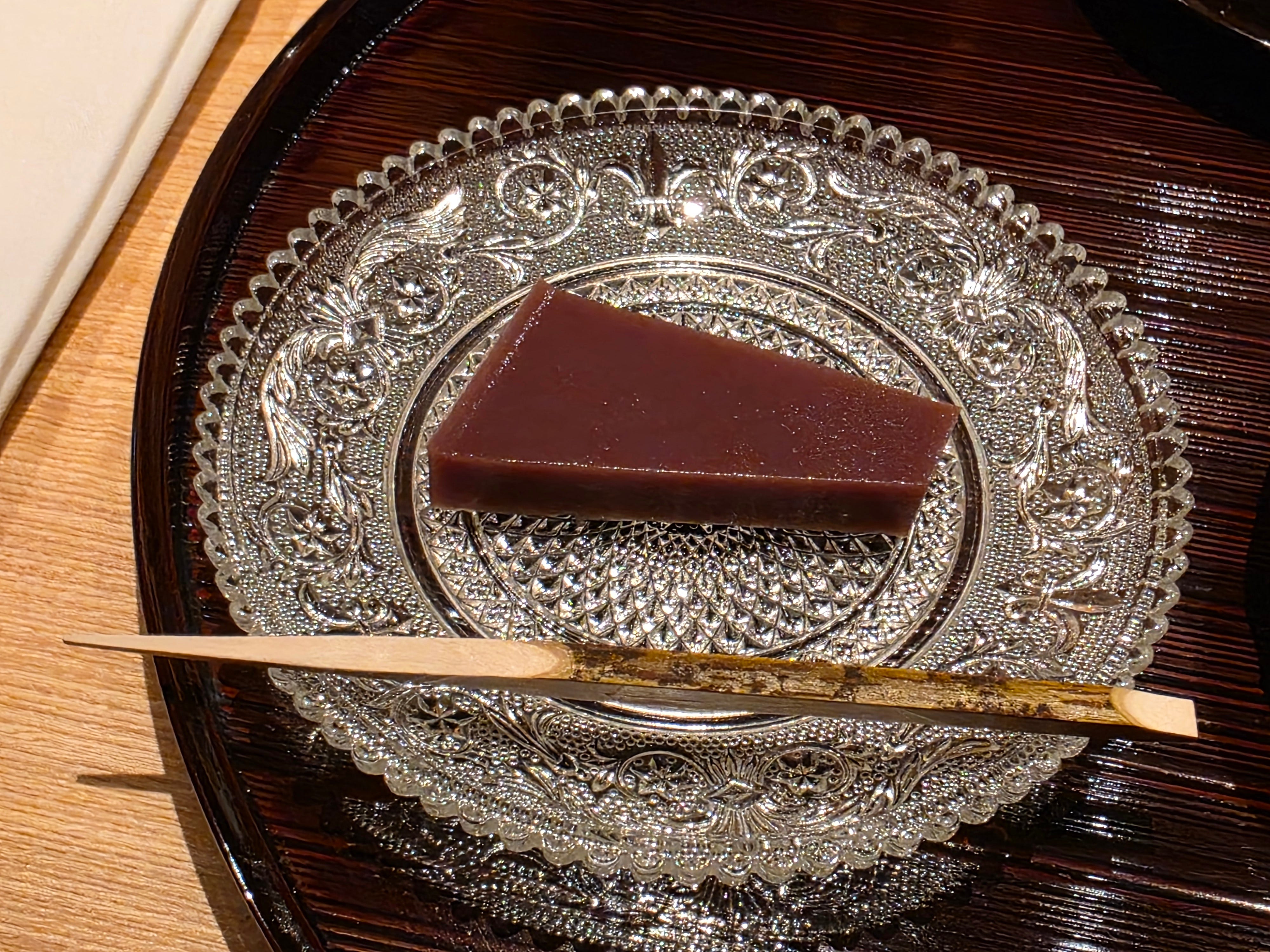
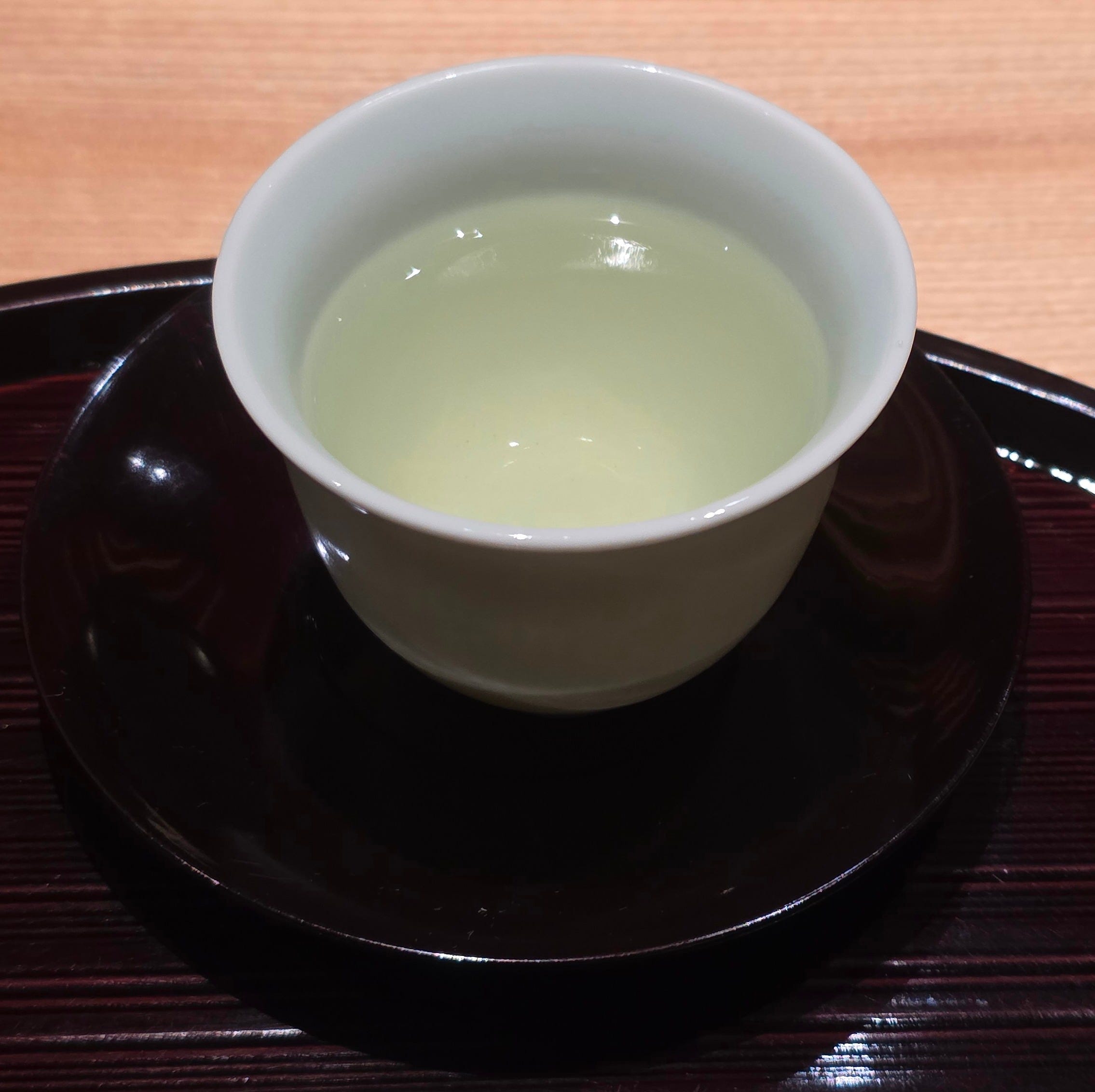
A small piece of red bean paste followed as petit four, with a final cup of tea.
Overall, Nikuya Tanaka was a massive hit. I did not know exactly what to expect going in. I expected the Japanese omakase format and had seen some of the more photogenic dishes online, but the meal was a proper celebration of beef, yet there was no single standout beef dish. The strength was the attention paid to every part of the meal, including the intermissions and accompaniments. The only reason it doesn’t have a star is because I don’t think it was open the last time the Michelin inspectors came around. I definitely expect it to get one or more next year.
Totally worth it. I can’t wait to come back again with friends. One of my best meals of the year.
Total Damage: 730 SGD/1 person