
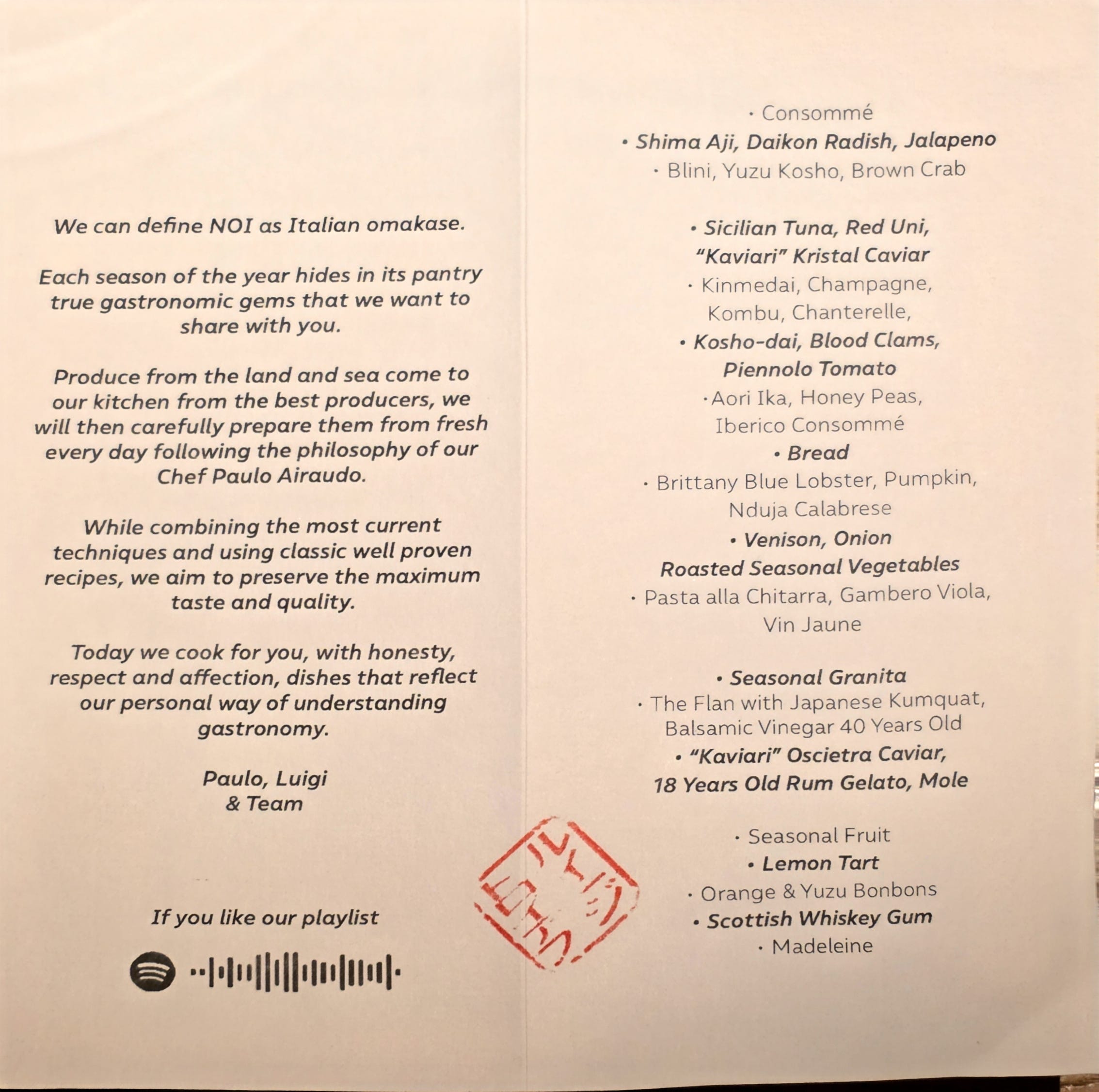
Noi is Paulo Airaudo’s seafood-led Italian restaurant at the Four Seasons Hotel in Hong Kong. The format feels closer to an Japanese omakase than a conventional Italian restaurant: everyone follows the same seasonal tasting menu, seafood takes the lead, and Japanese ingredients sit alongside Italian flavours and technique.
Chef Airaudo opened Noi in September 2022 as his Asian flagship. He grew up in Córdoba, Argentina, in a family of Italian immigrants, and the menu draws on that background as well as his time in kitchens across Europe and the Americas. His earlier restaurants include La Bottega in Geneva and Amelia in San Sebastián, which earned two Michelin stars. He also opened Amelia in Hong Kong in 2020; and Noi is his latest endeavour in Hong Kong.
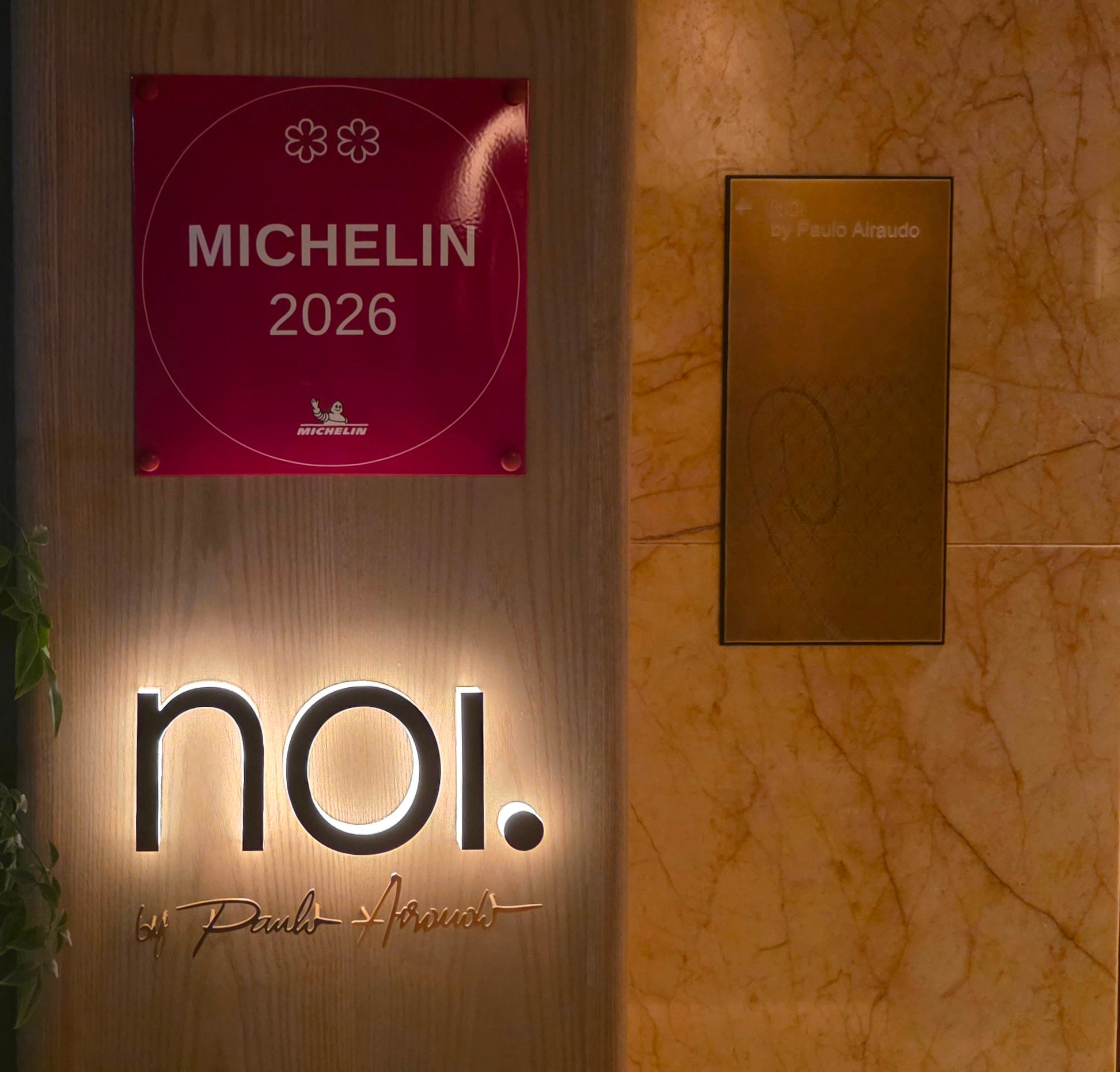
While Airaudo remains the creative force behind the restaurant, Chef Luigi Troiano leads the kitchen day to day. The menu changes with the seasons and the availability of ingredients. Japanese fish and shellfish feature often, while pasta, consommé, custards and sauces bring the Italian side of the cooking into focus. Michelin awarded Noi its second star in 2024, and it retained two stars in the 2026 guide.
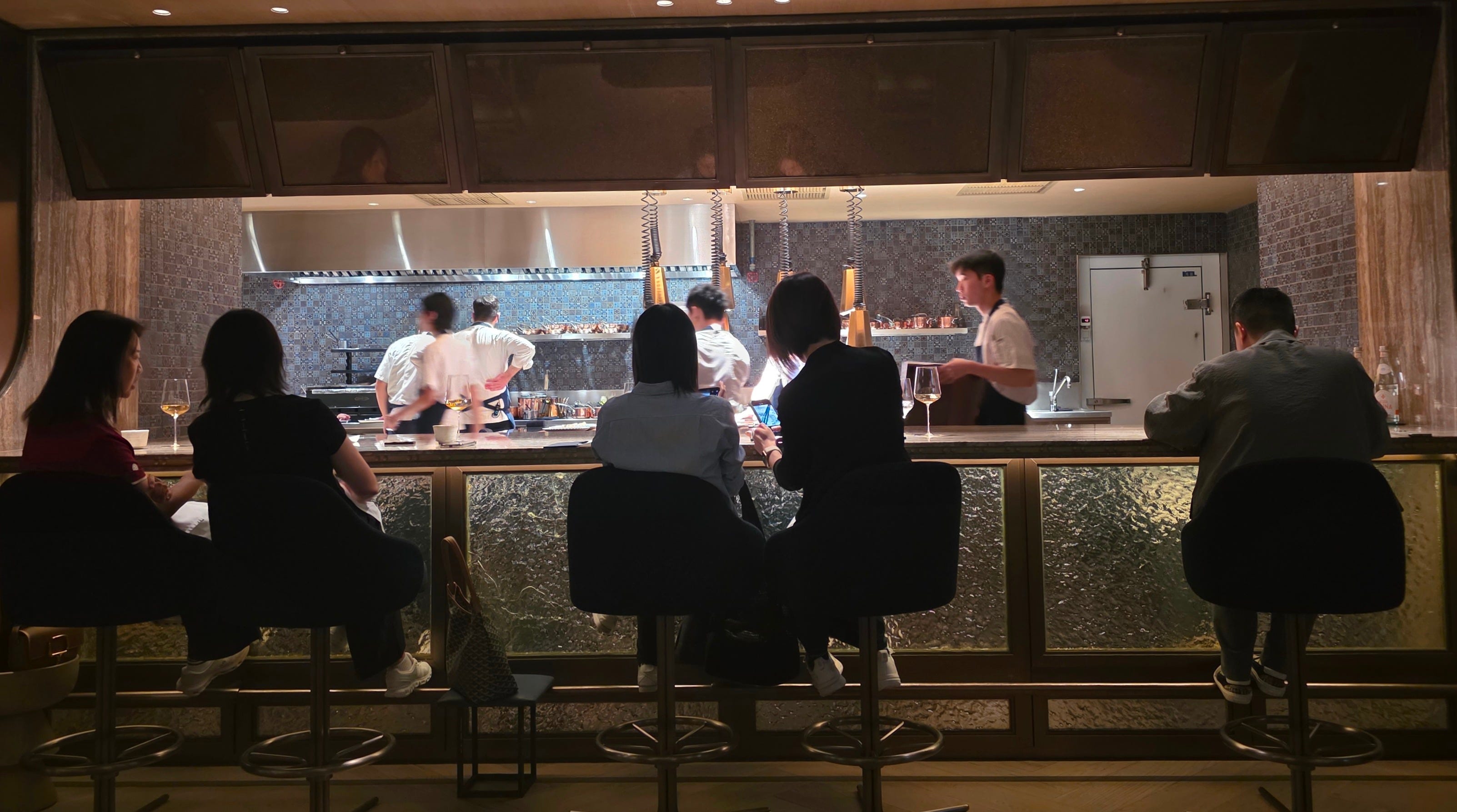
The dining room has the intimacy of a small restaurant, though the setting is still unmistakably inside a luxury hotel. We walked past a long bar counter into a darkened space facing the open show kitchen.
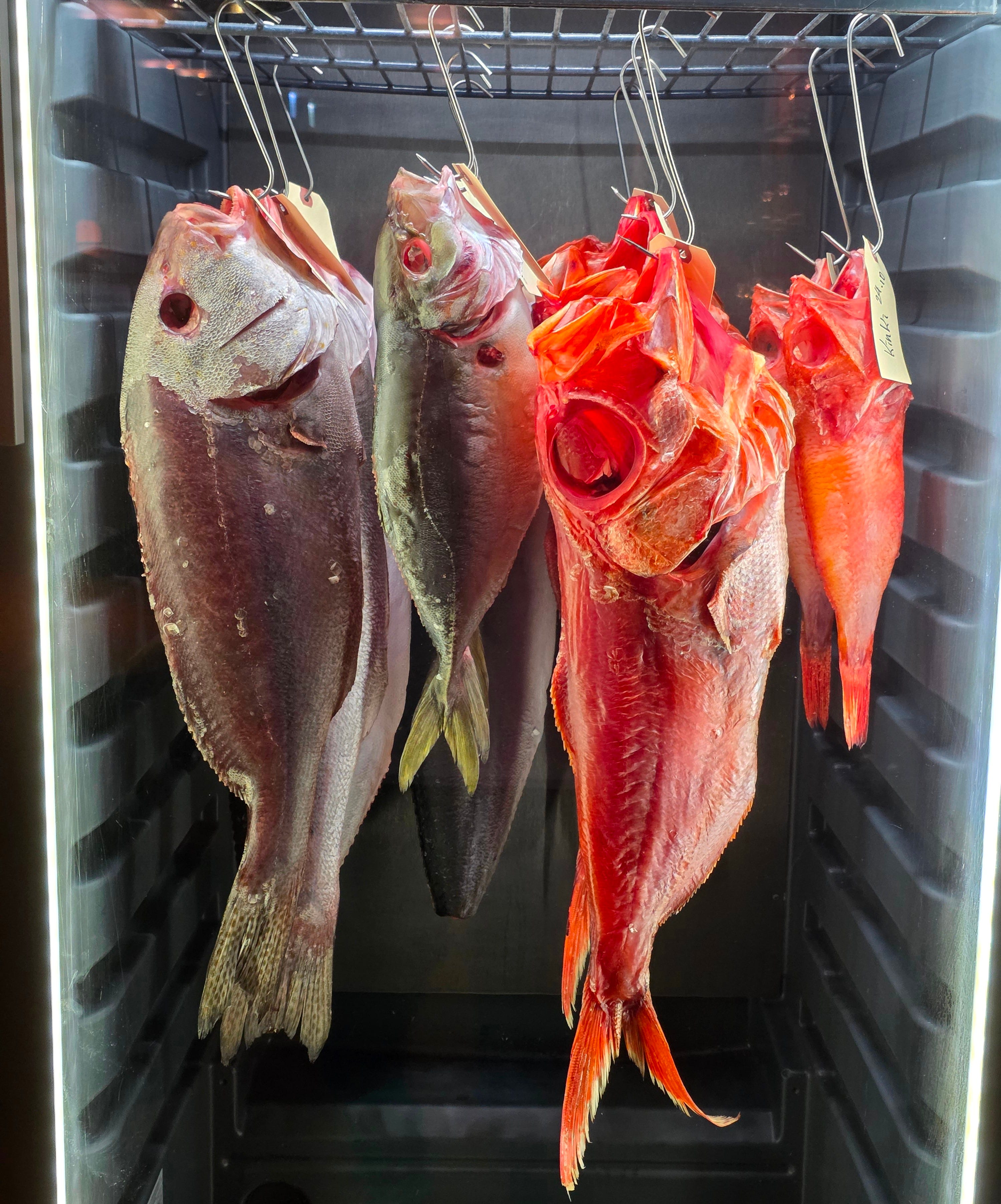
On the side, a display of large fish dry-aging in a fridge.
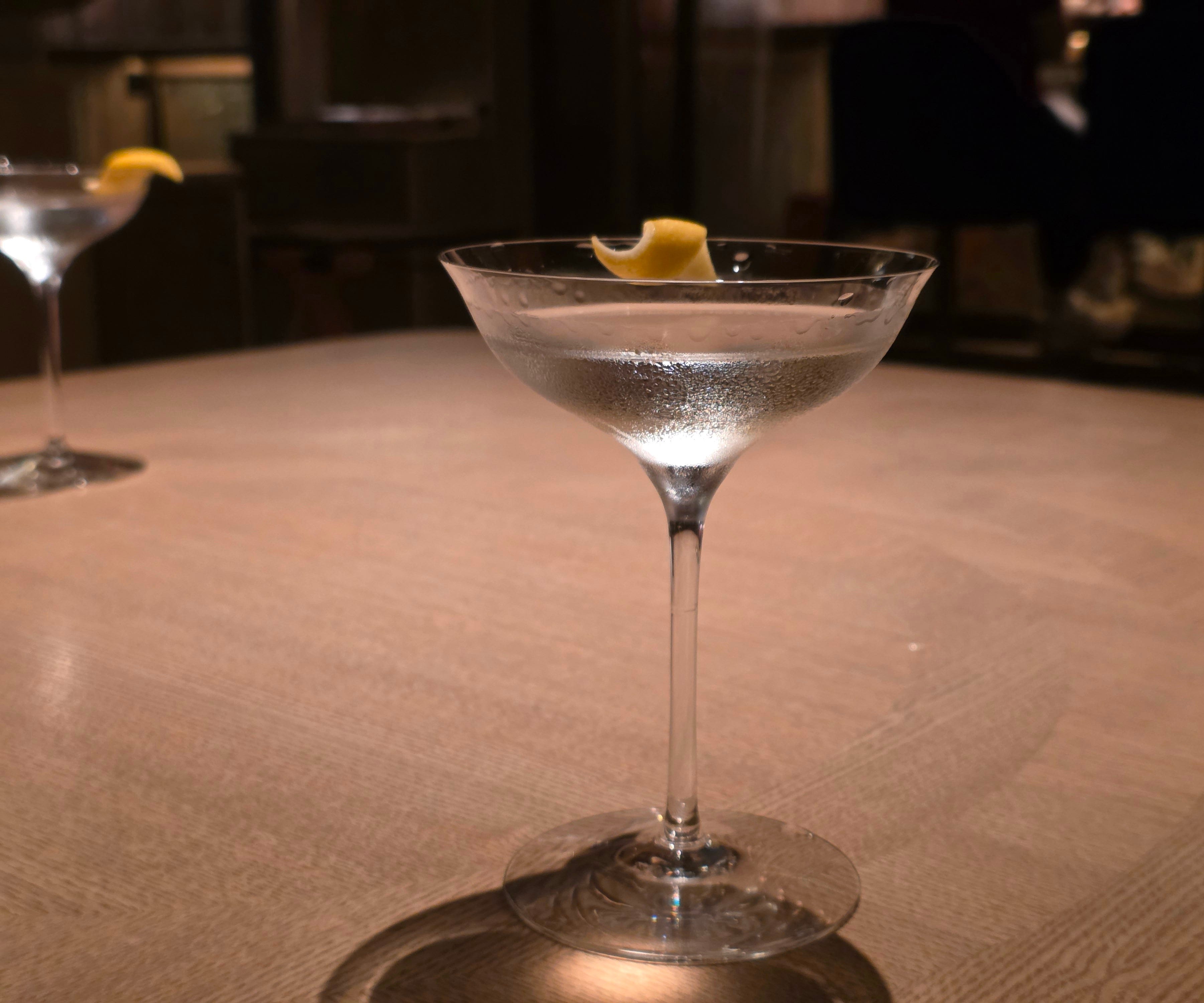
It had been a long, rough week, so we started with a round of Vespers while we waited for everyone to arrive. A good way to let the week go before dinner began.
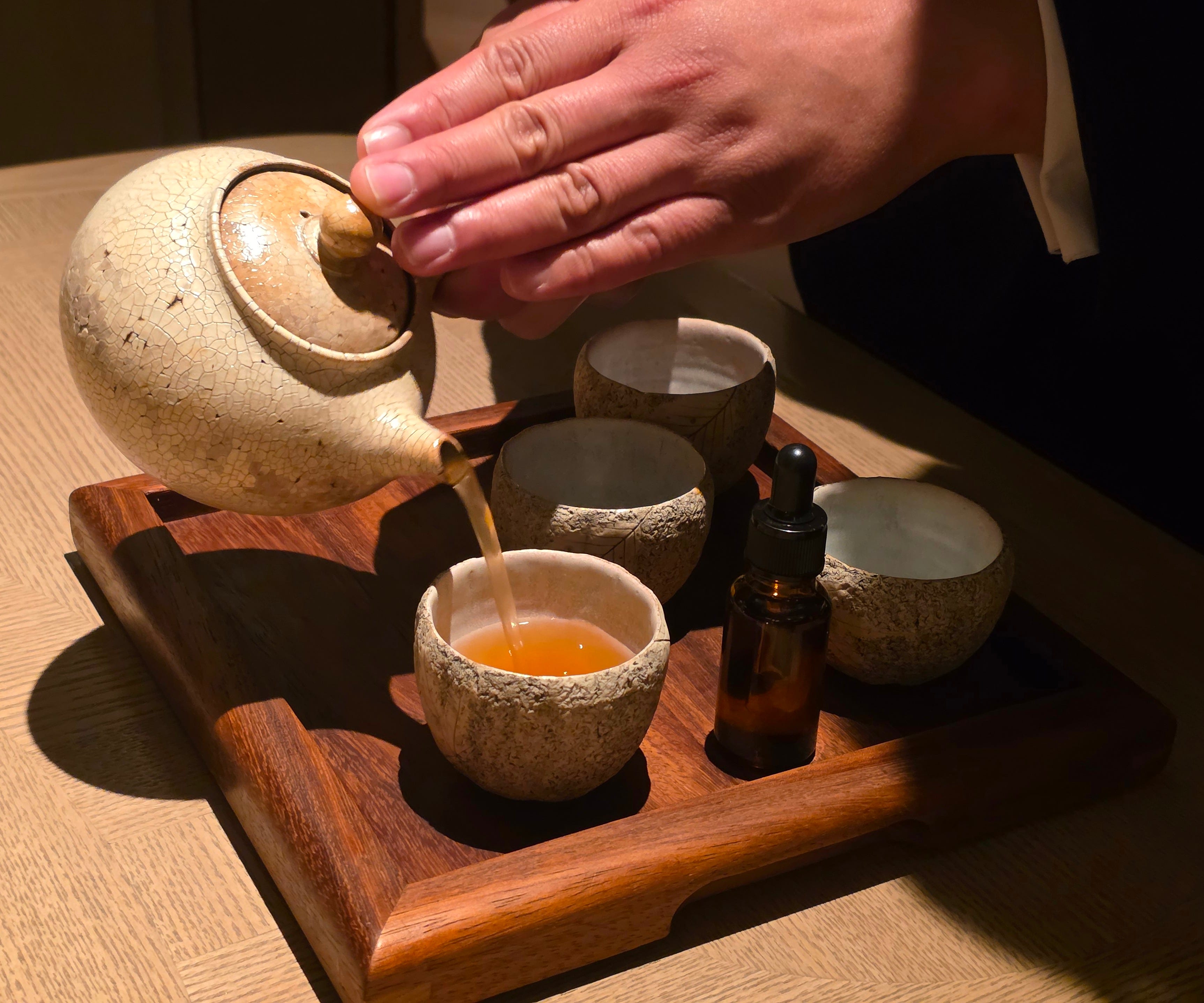
The first course was a fish consommé with yuzu kosho and jalapeño oil. The broth had a clean, savoury depth, then the yuzu kosho and oil brought a gentle heat. Dried squid and Sichuan pepper oil added more savoury intensity, with a piece of pork cheek added flavour. It was a small bowl with a lot going on, but the flavours stayed in balance.
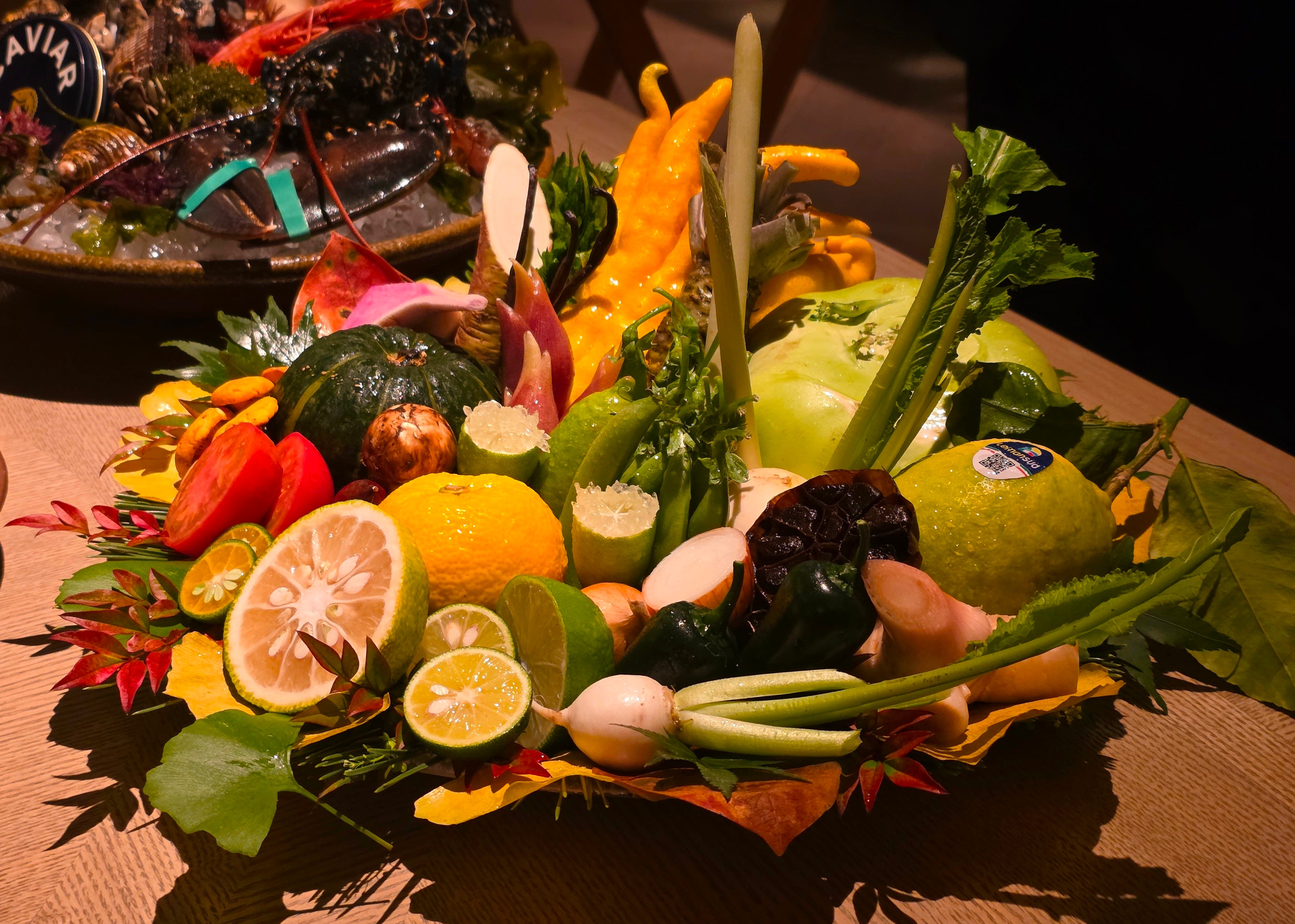
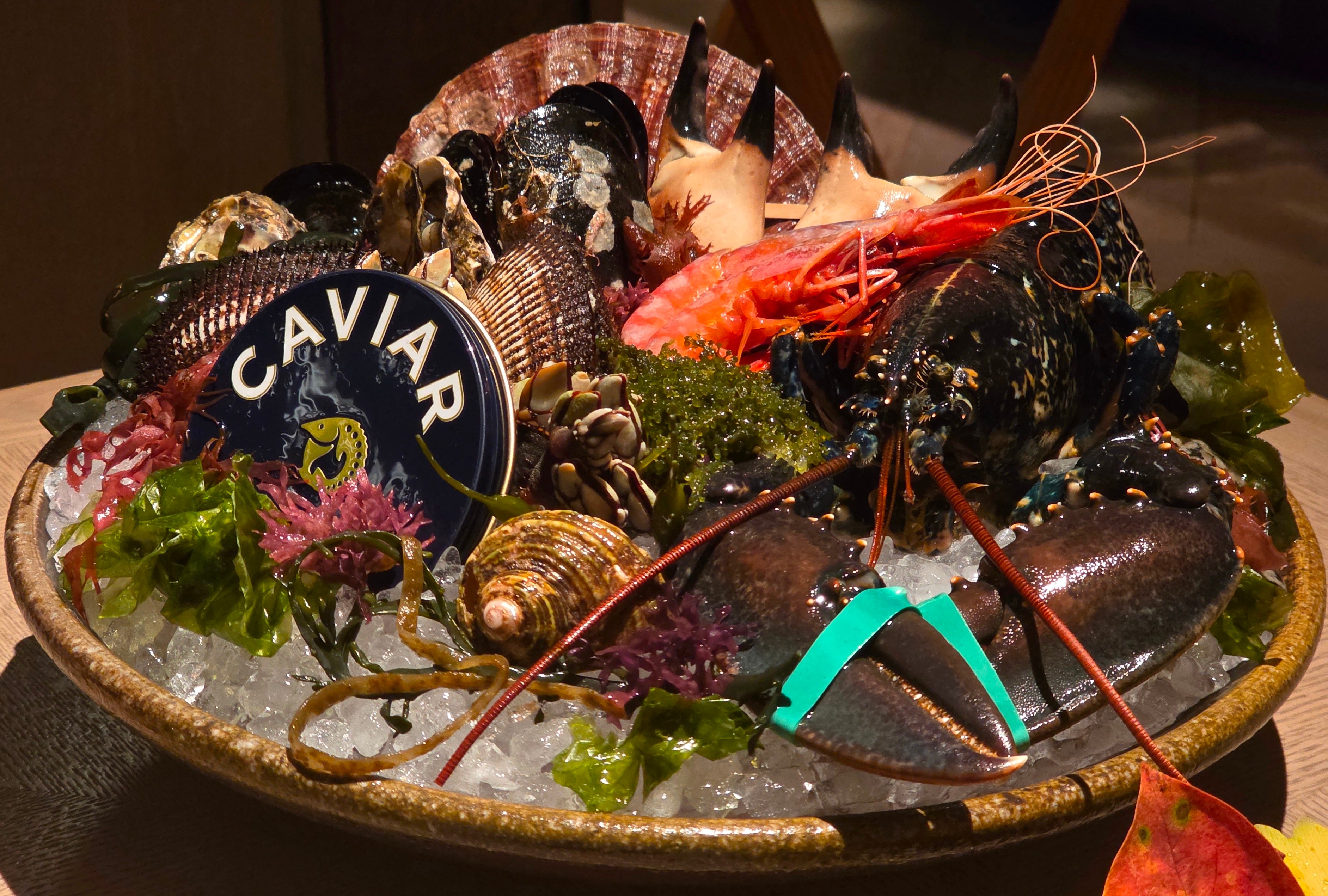
Before the next dishes, the team brought out the evening’s ingredients. Buddha’s hand stood out, alongside an impressive range of citrus: finger lime, yuzu and sudachi. They told us most of the ingredients came from Italy and Japan, which felt true to the menu’s mix of Italian cooking and Japanese seafood.
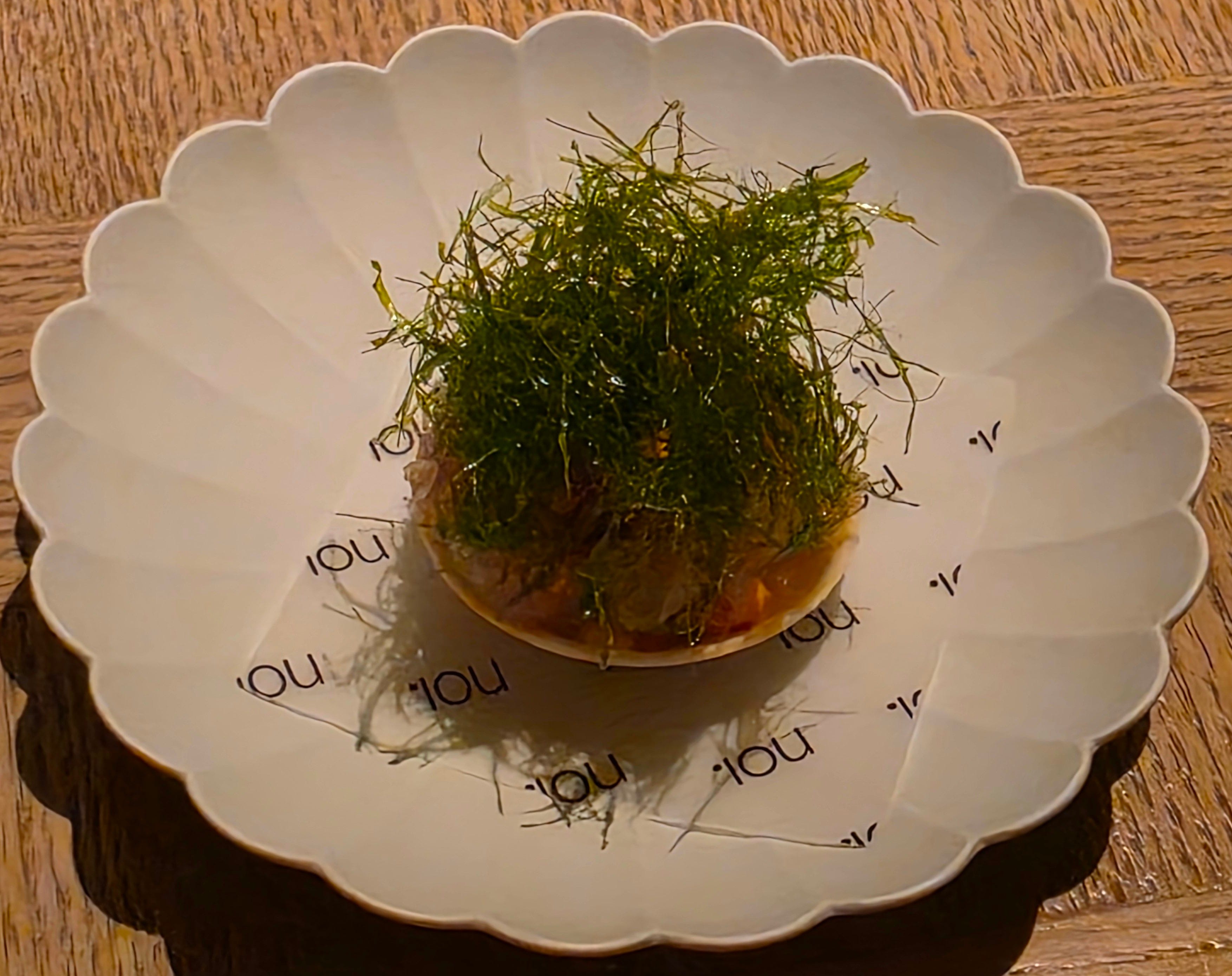
A mushroom and seaweed tart followed, all crisp pastry and earthy, briny flavour.
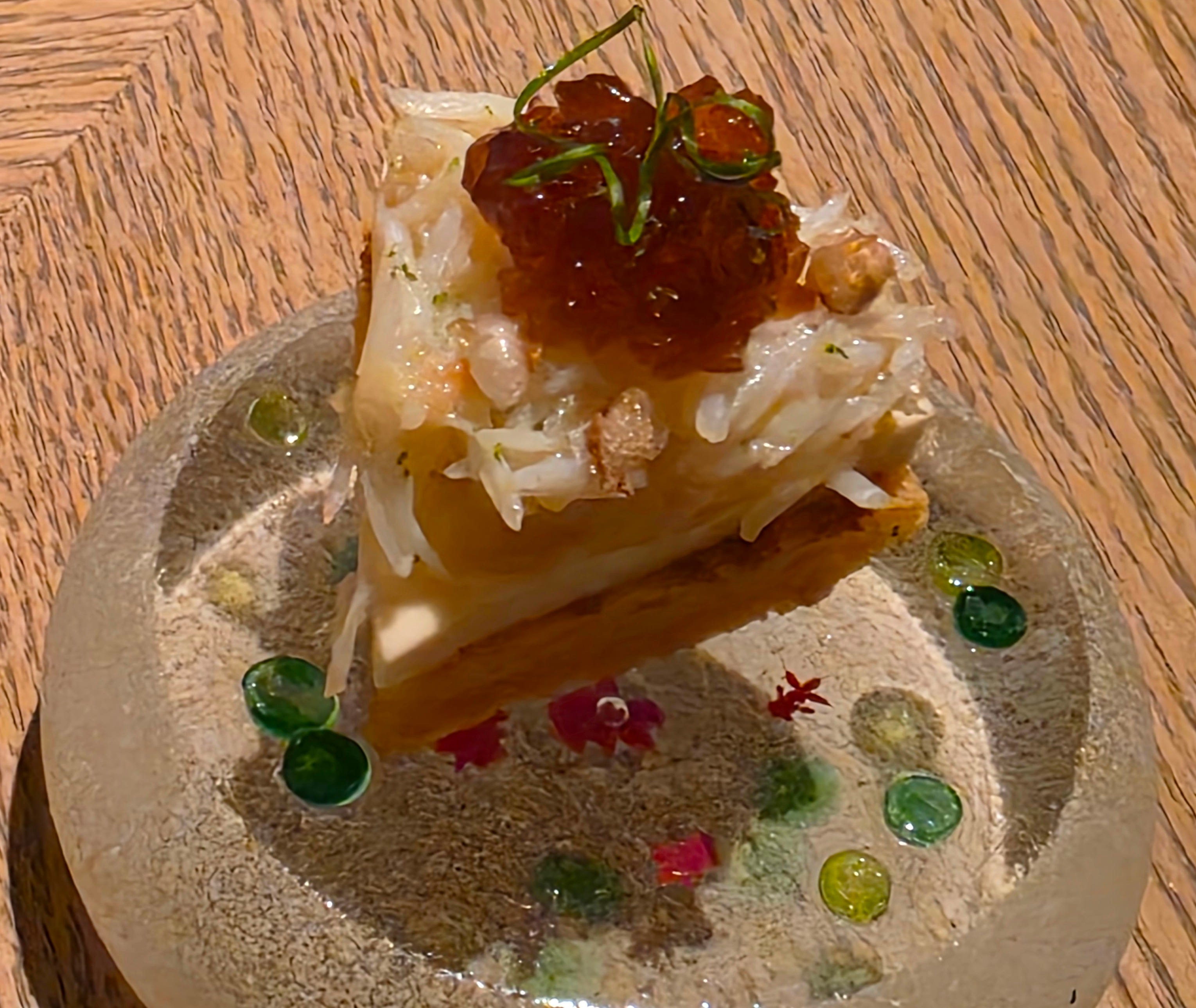
The next bite paired crab with chanterelles, pineapple jelly and a blini. The crab was sweet, the mushrooms gave it depth, and the pineapple cut through the richness. There was a little heat in the finish.
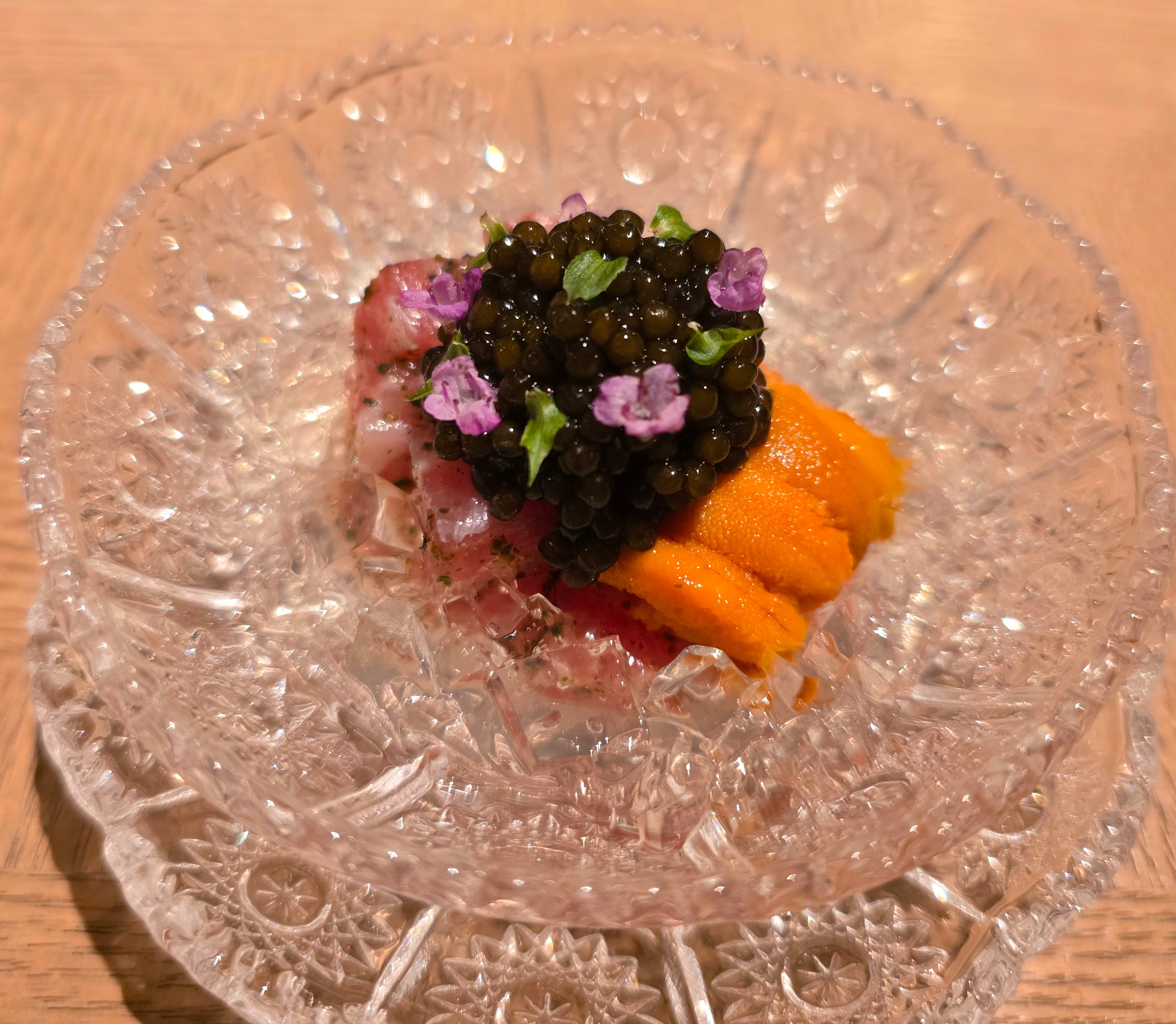
Then came uni and caviar on tuna tartare with champange jelly, while the uni and caviar made the bite rich and almost buttery. A small mouthful, but a luxurious one.
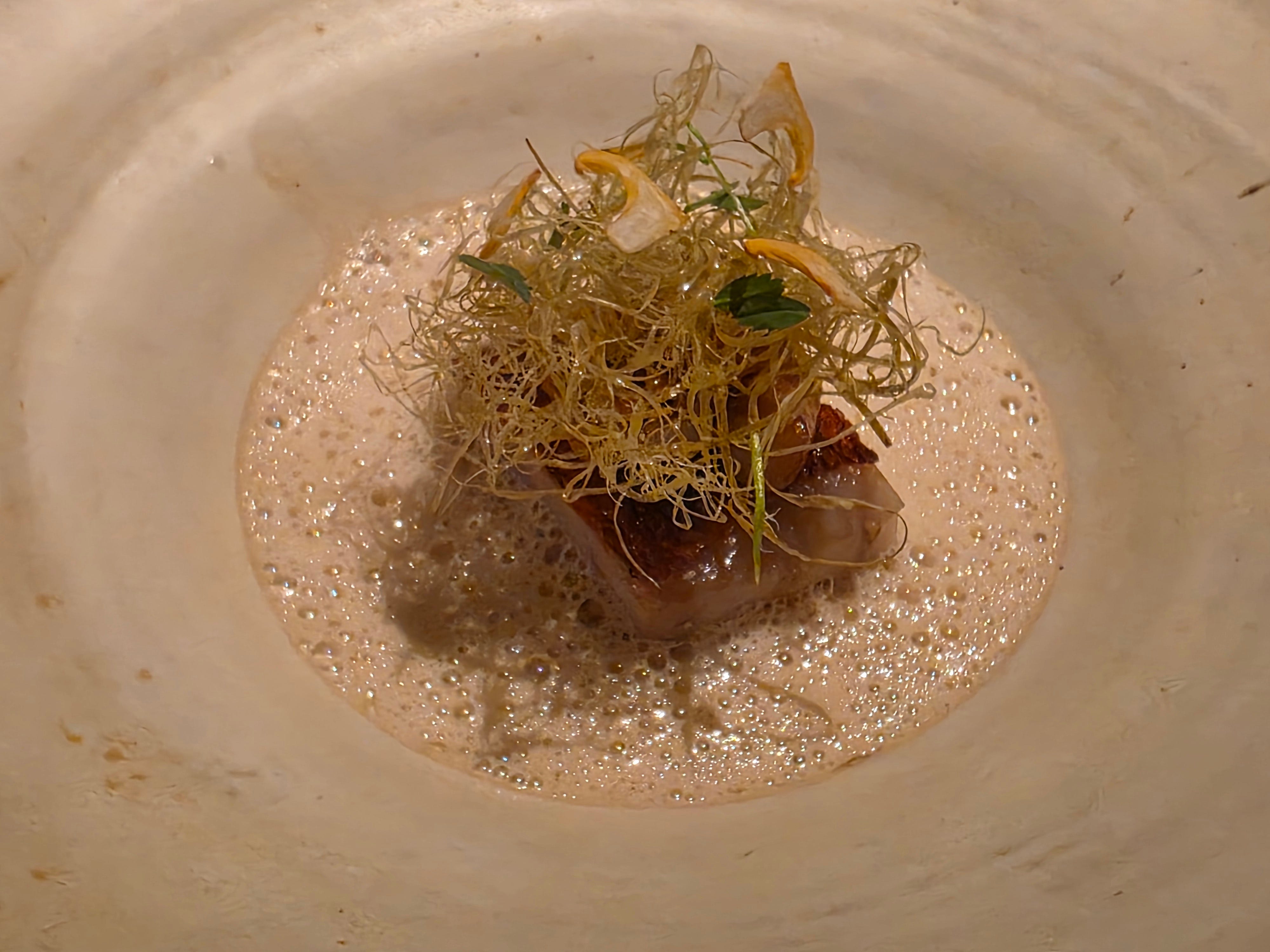
The kinki fish arrived with roasted walnut, mushroom kombu and finger-lime “caviar”. The fish had enough richness to stand up to the roasted flavours, while the citrus pearls brought a bright, tart lift.
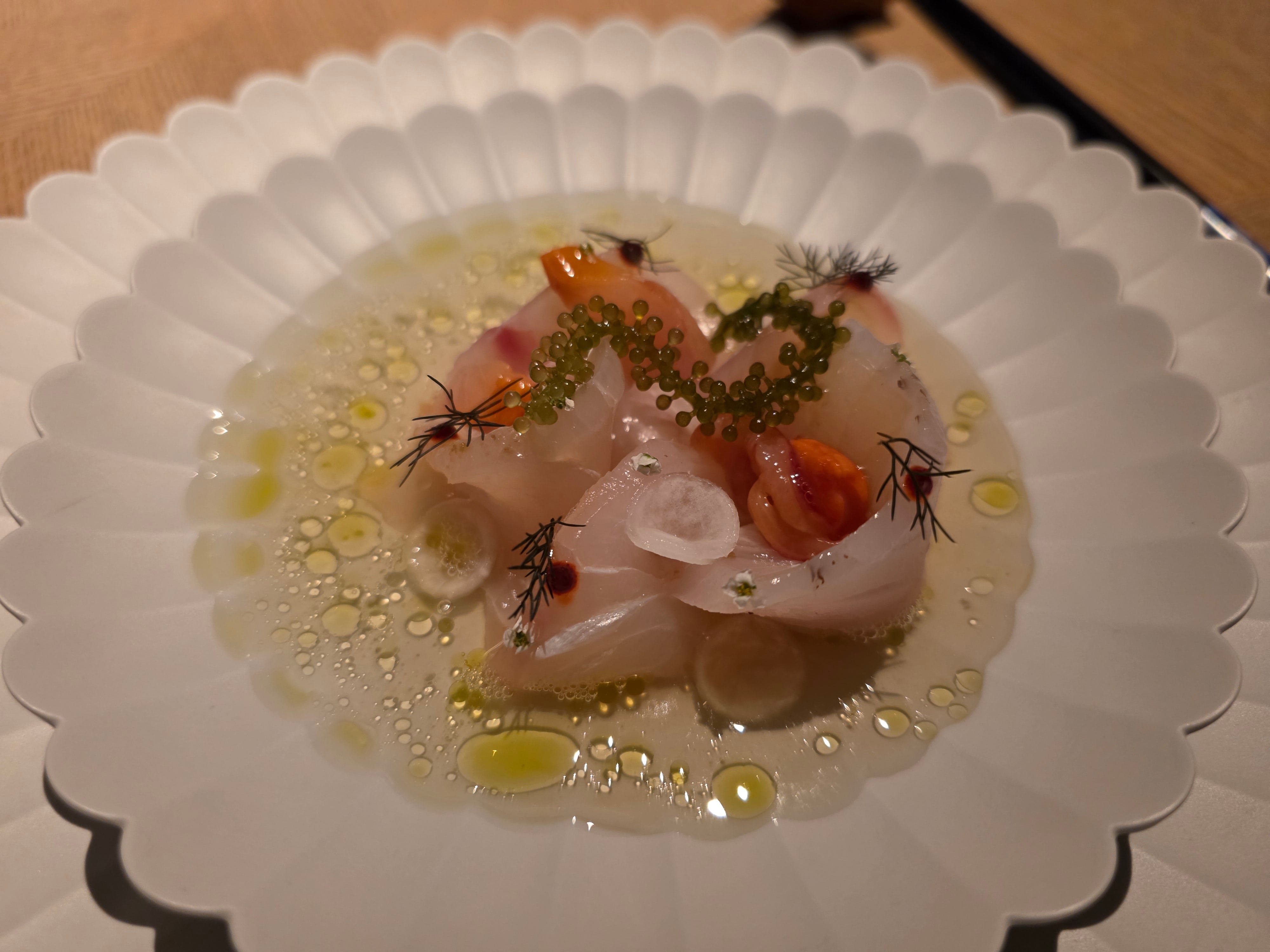
The crudo was one of the fresher courses: hamachi with tomato essence, roasted kombu, sea grapes and blood clams. The tomato gave the dish a clean acidity, and the sea grapes added a salty pop. The blood clams brought a firmer, more mineral note against the soft fish.
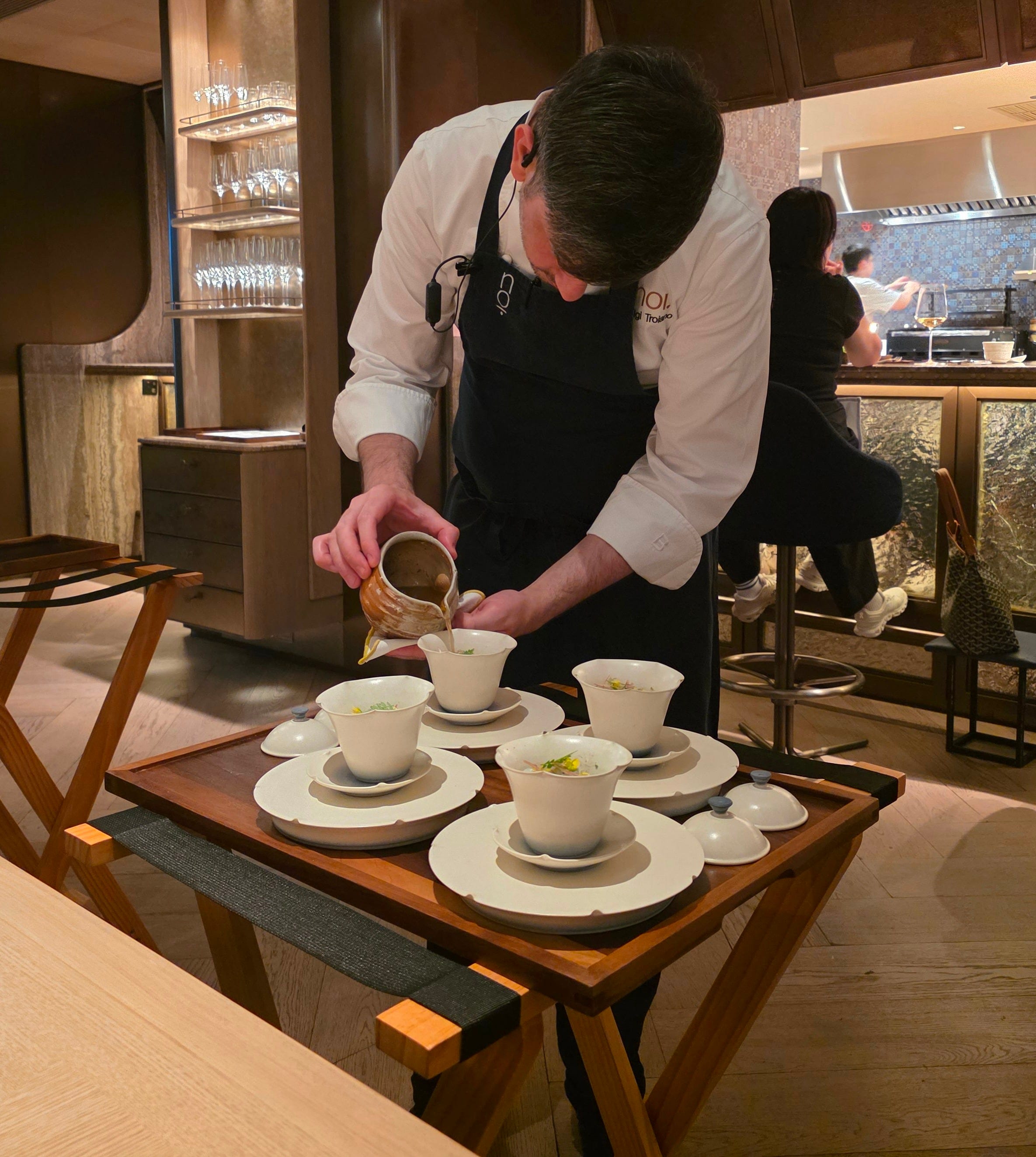
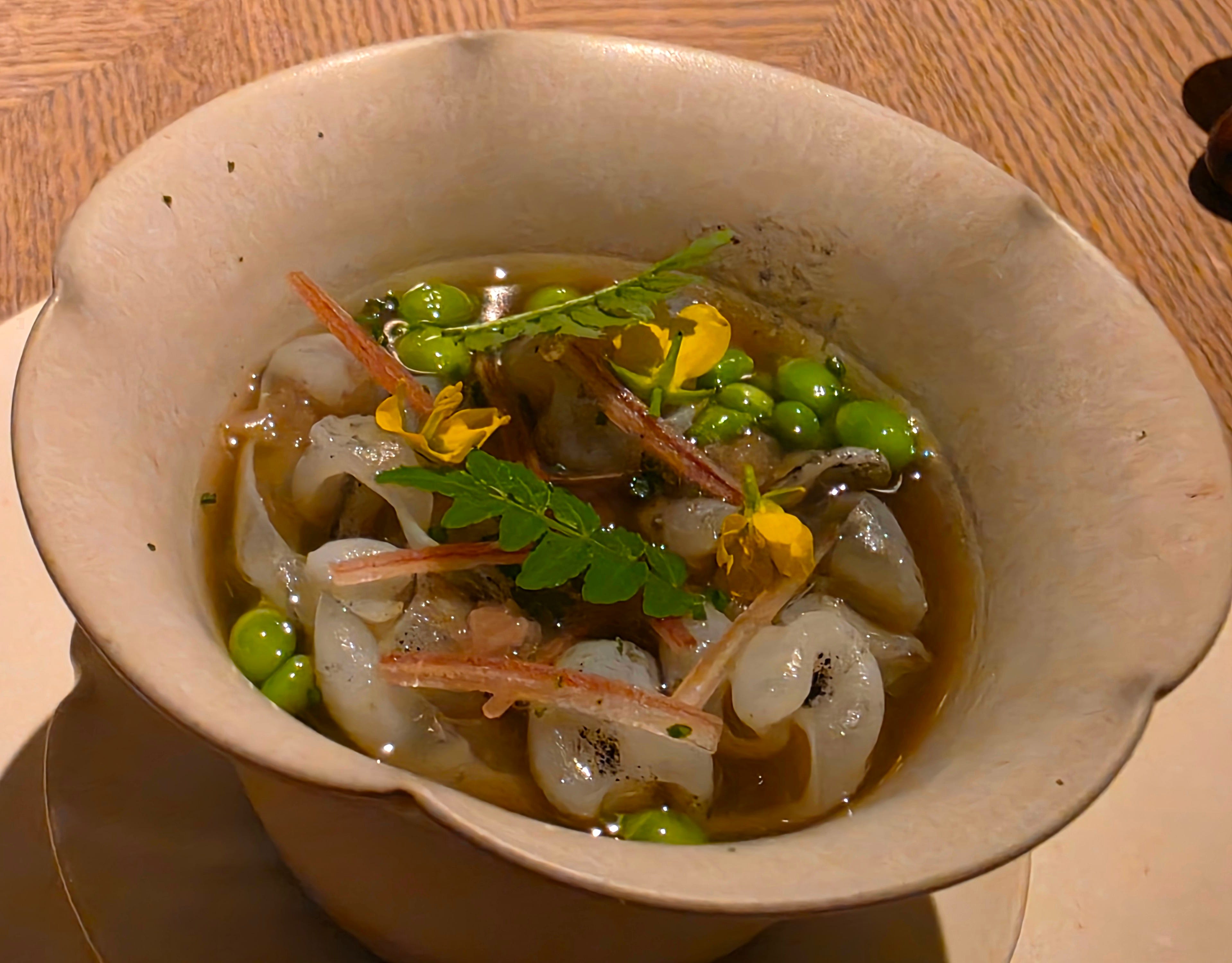
The smoked eel chawanmushi was a signature at Noi, and my highlight of the meal. The custard was soft and savoury, with squid and sweet peas adding texture and freshness. Smoke ran through the dish, and the Iberico broth gave it a deep, meaty finish. It was comforting and complex.
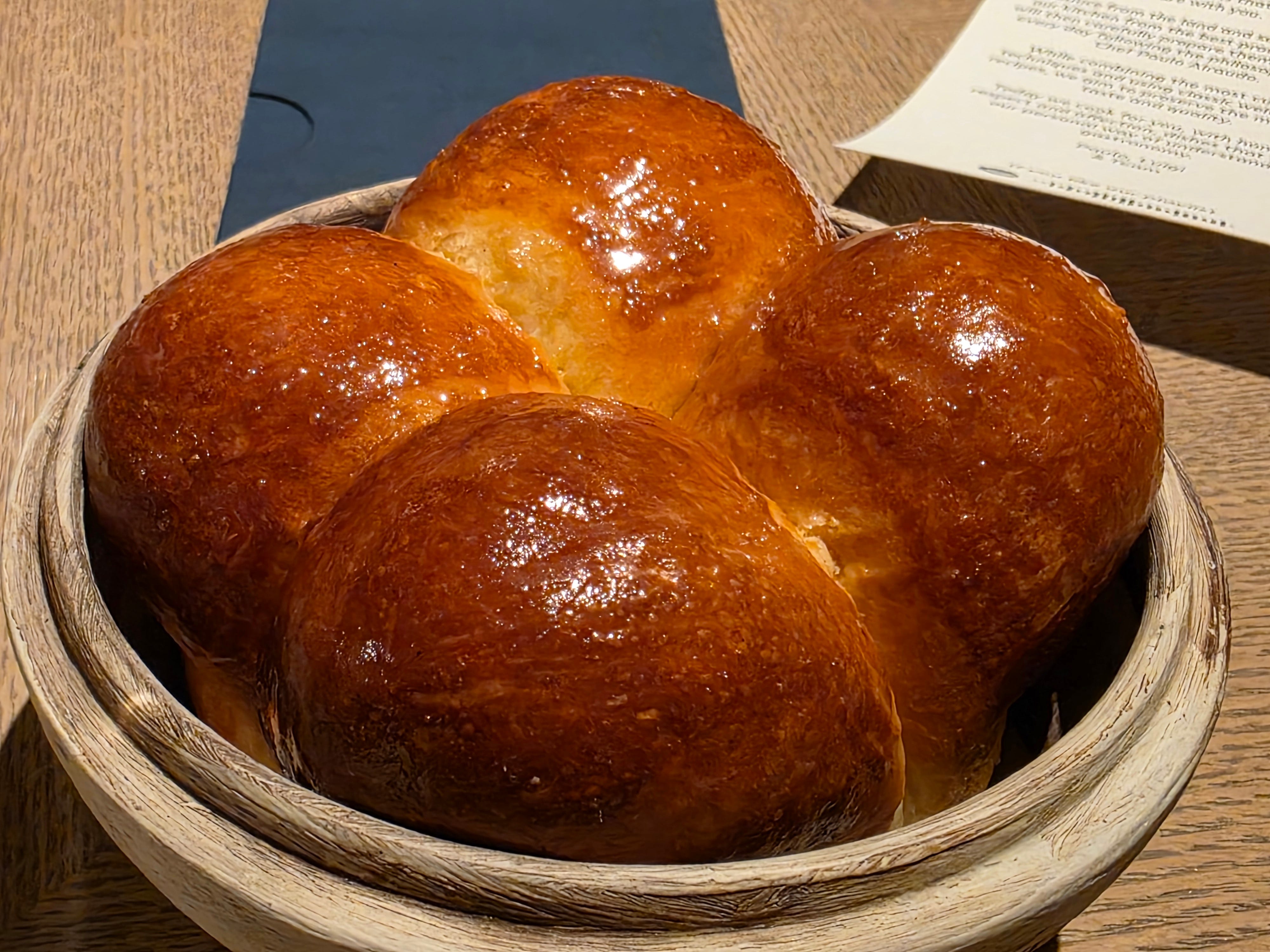
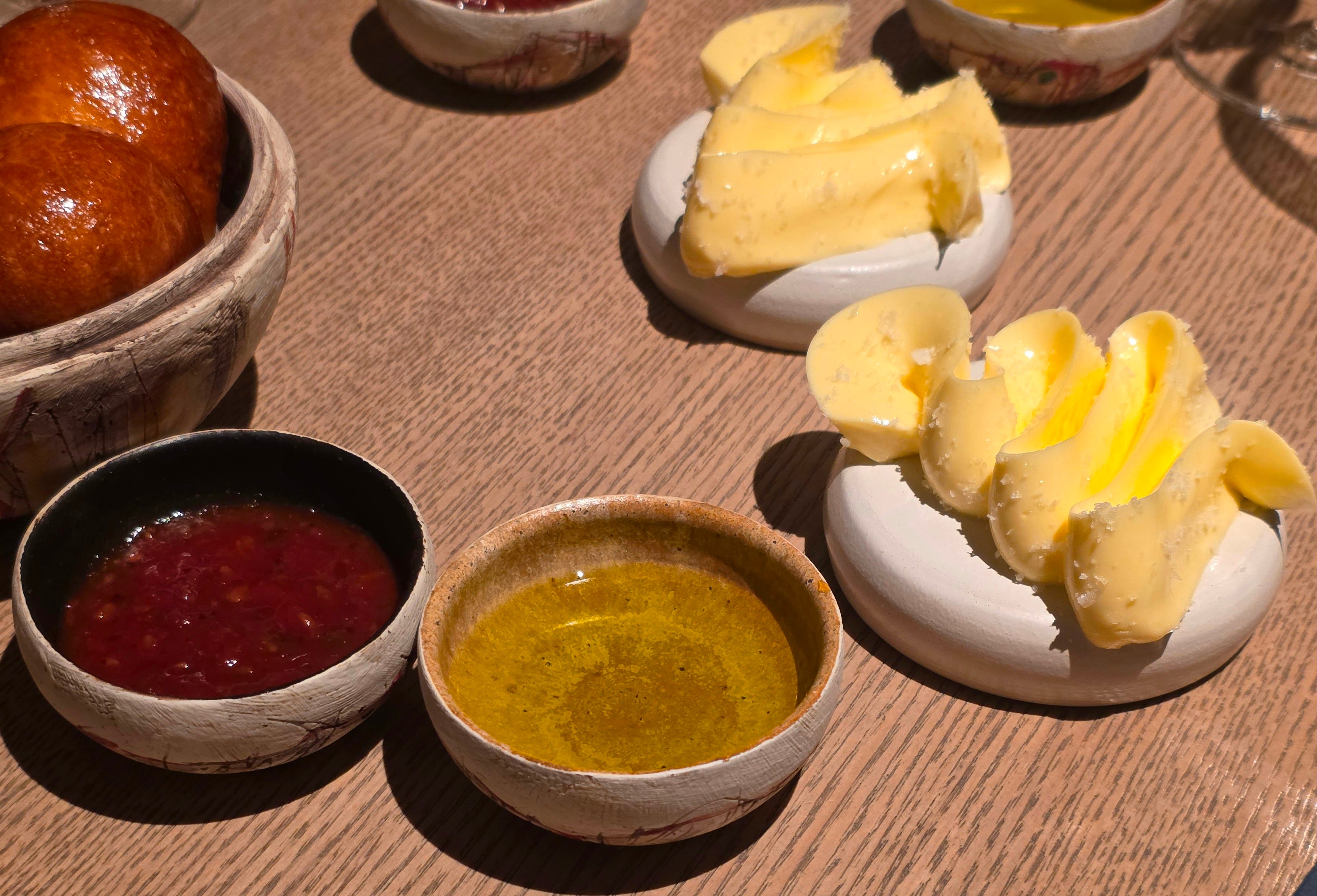
The bread course came with sweet tomato chutney, Tuscany olive oil and whipped butter. The chutney brought a pleasant sweetness and acidity, while the oil and butter made it hard to leave much bread behind. I ended up finishing my loaf, and two additional ones of my mates while they were busy drinking.
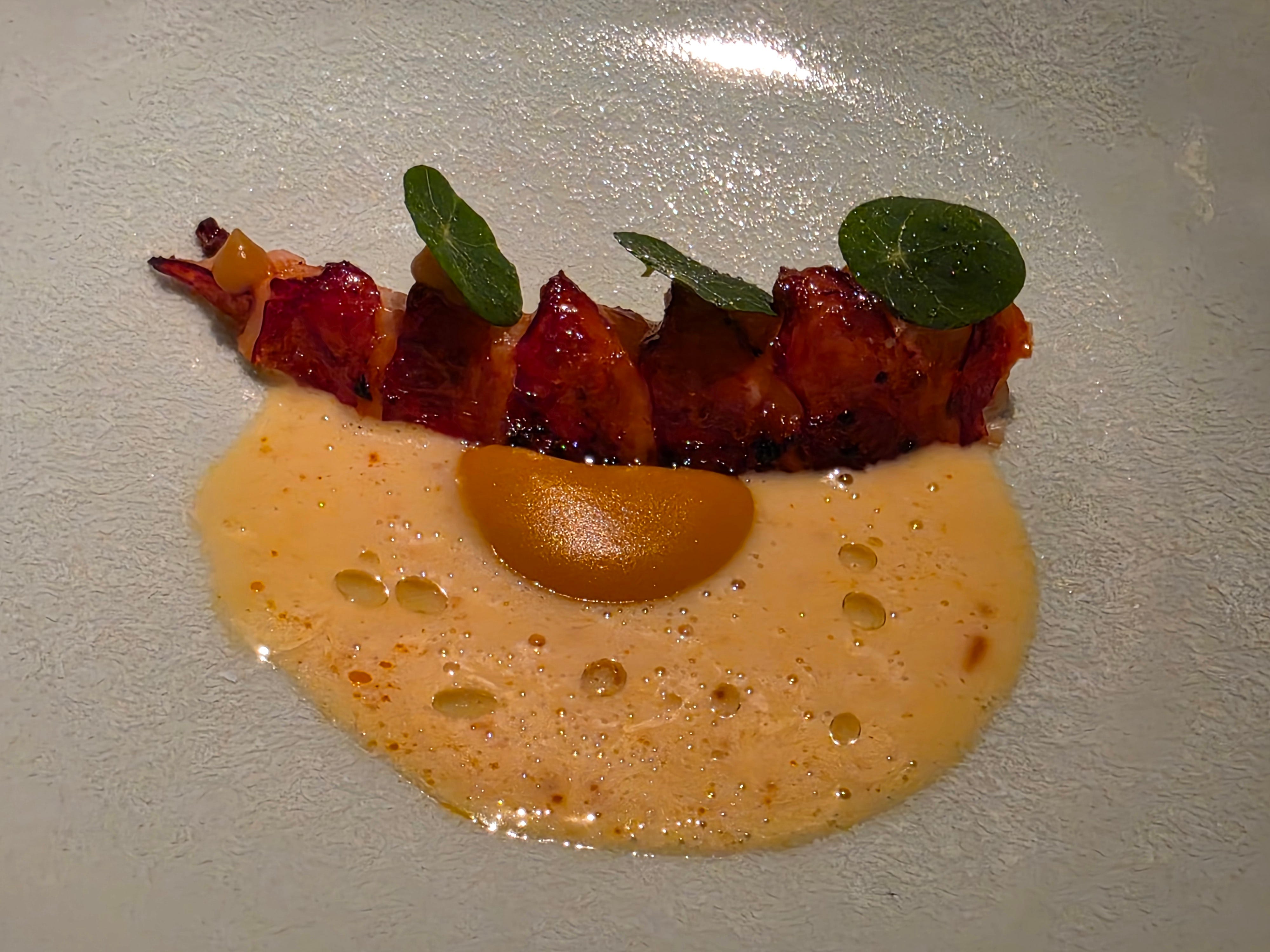
Blue lobster followed with pumpkin sauce and beurre blanc. The lobster was sweet and firm, and the two sauces pulled in different directions: pumpkin added earthy sweetness, while the beurre blanc brought butter and acidity. The restaurant it had paired with a dry Chardonnay.
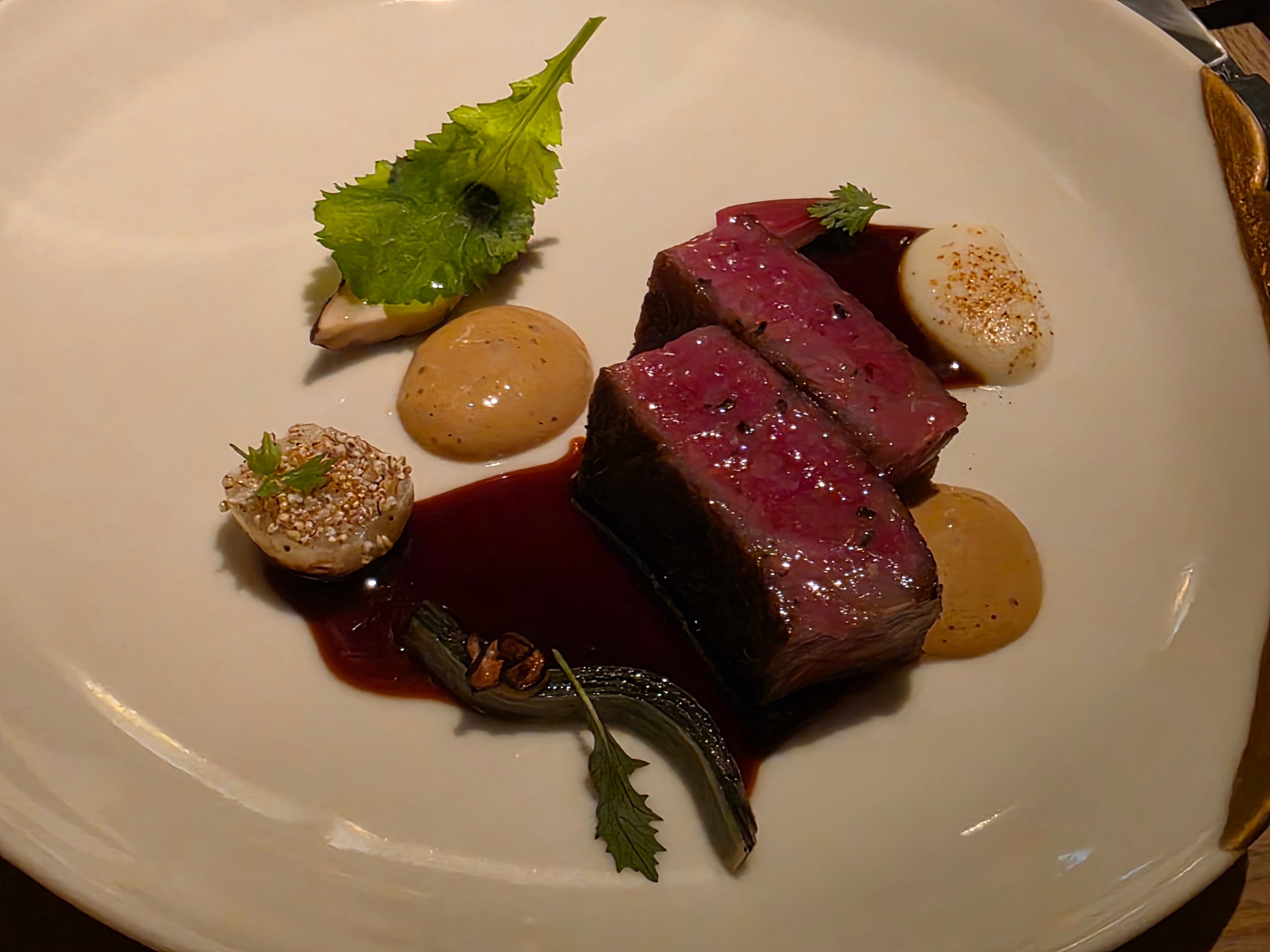
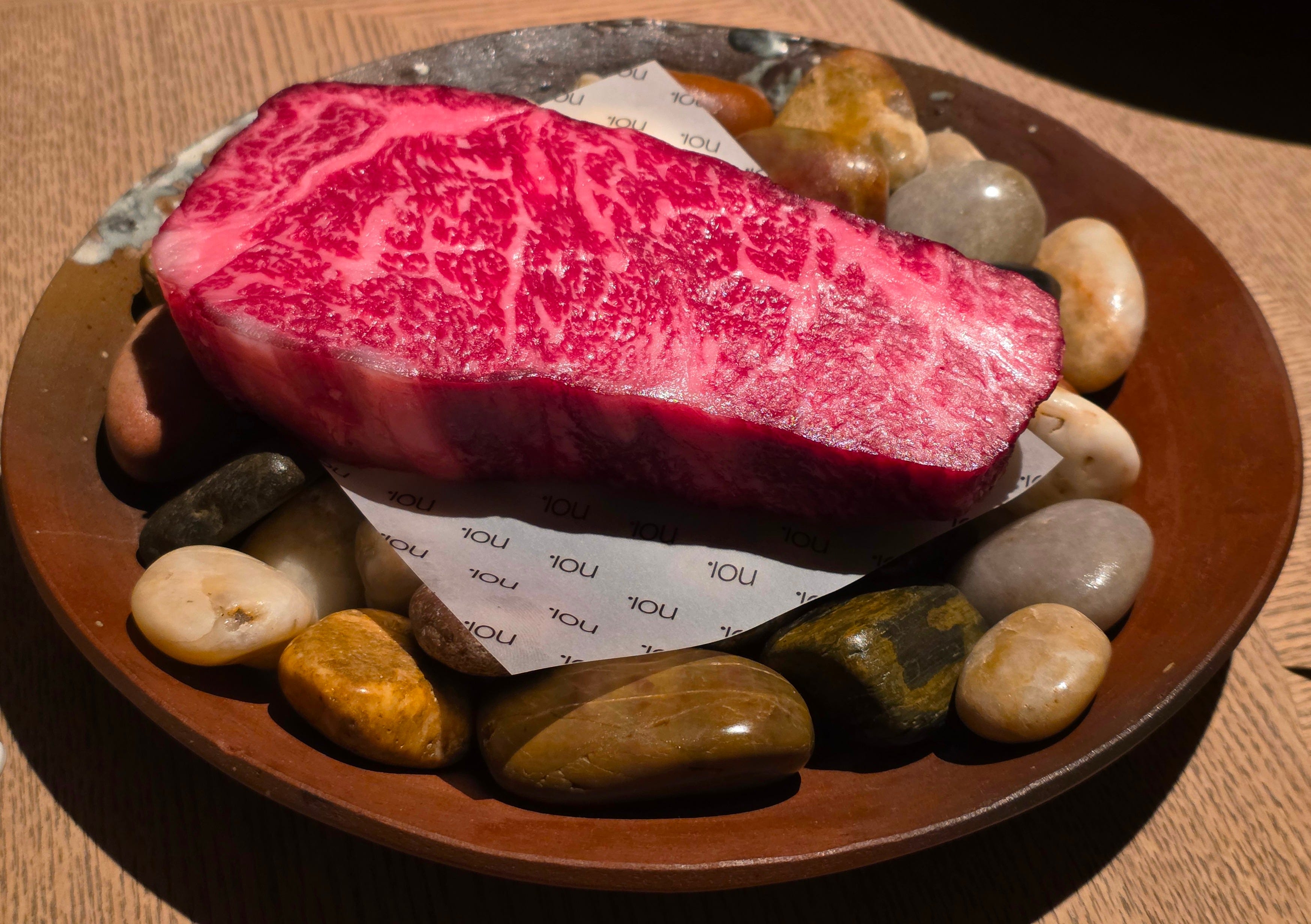
There was also a Hanwoo beef supplement. The beef was a change of pace from the seafood-heavy menu, and the accompanying yellow wine gave the pairing a distinct character.
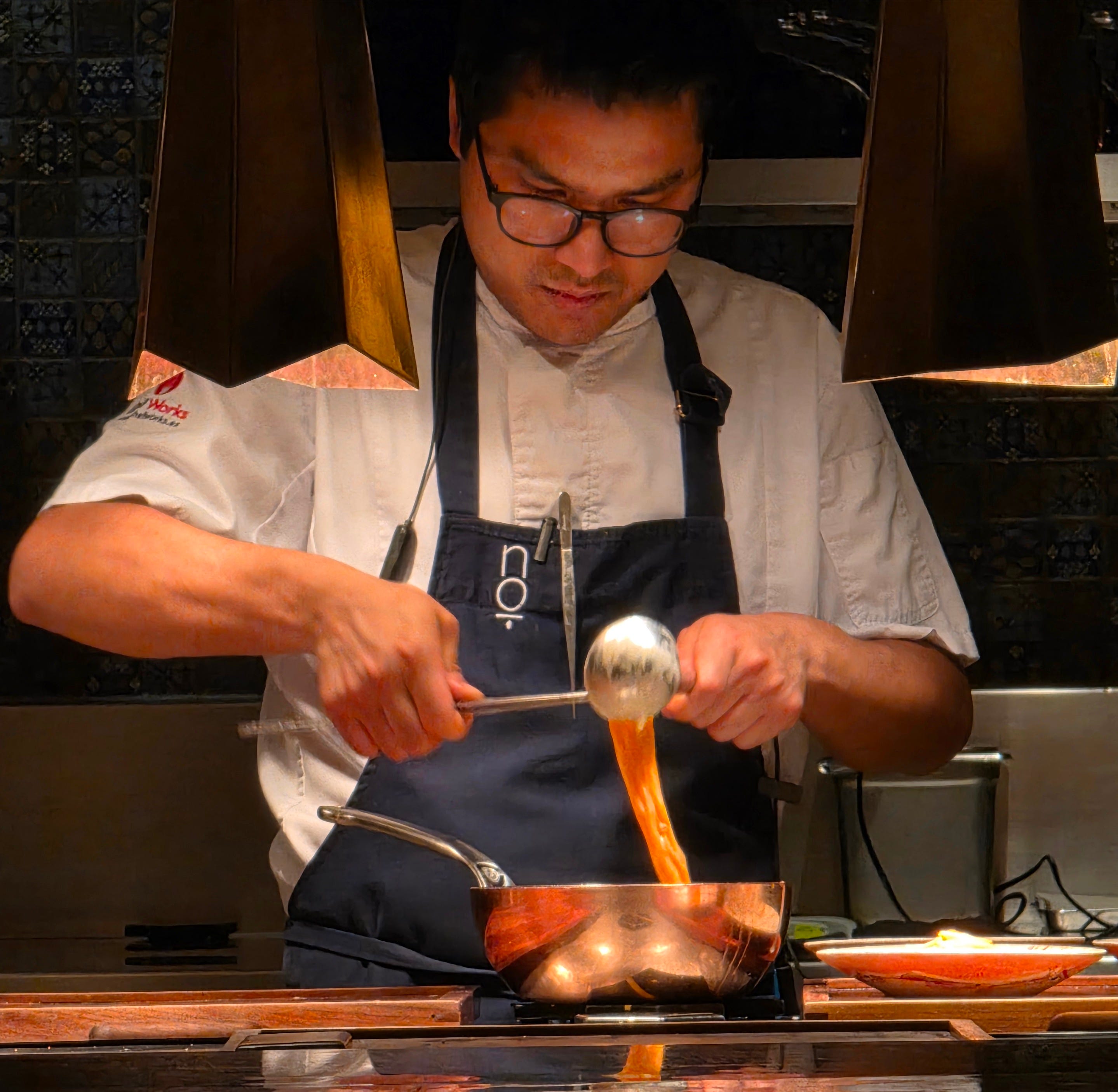
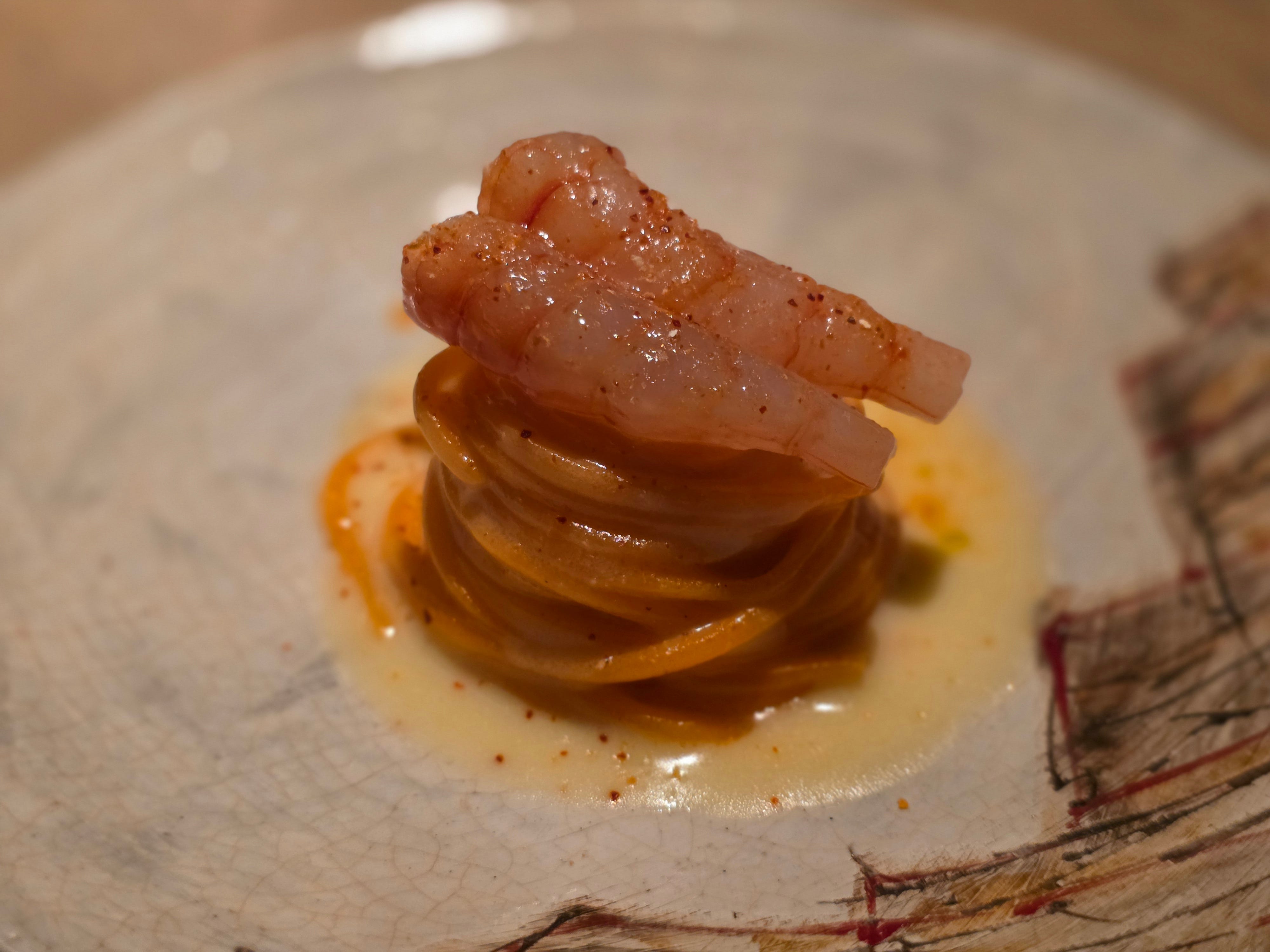
The raw Italian prawn pasta was another standout. The kitchen makes the pasta in-house each day, and it had that tender, slightly elastic bite that fresh Italian pasta always has. The raw prawn brought sweetness and a clean sea flavour. Nothing needed dressing up. Surprisingly little pasta for Italian cuisine!
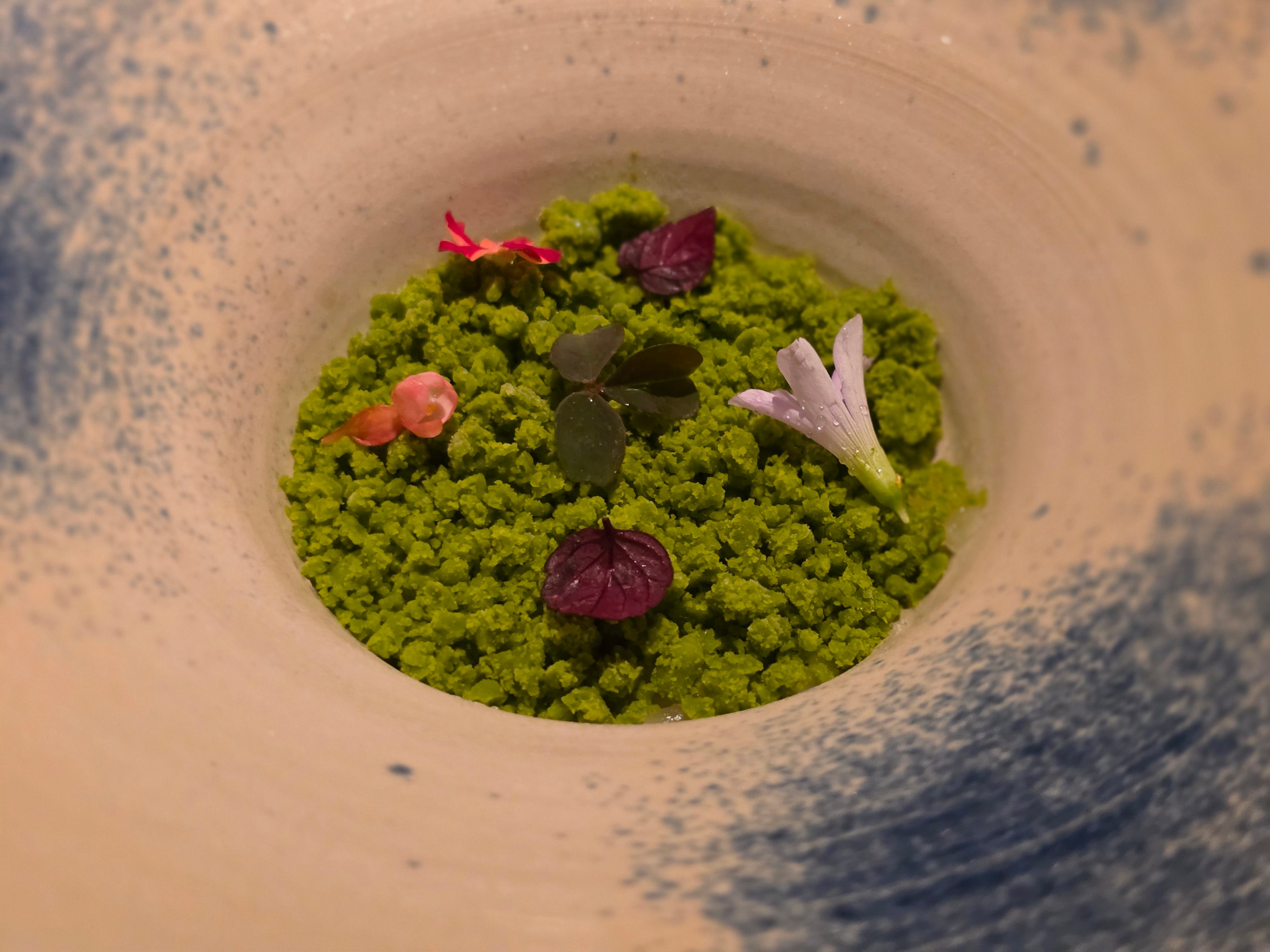
A shiso granita reset the palate before dessert. It was cold, herbal and lightly aromatic, with the green, almost minty character of shiso coming through clearly.
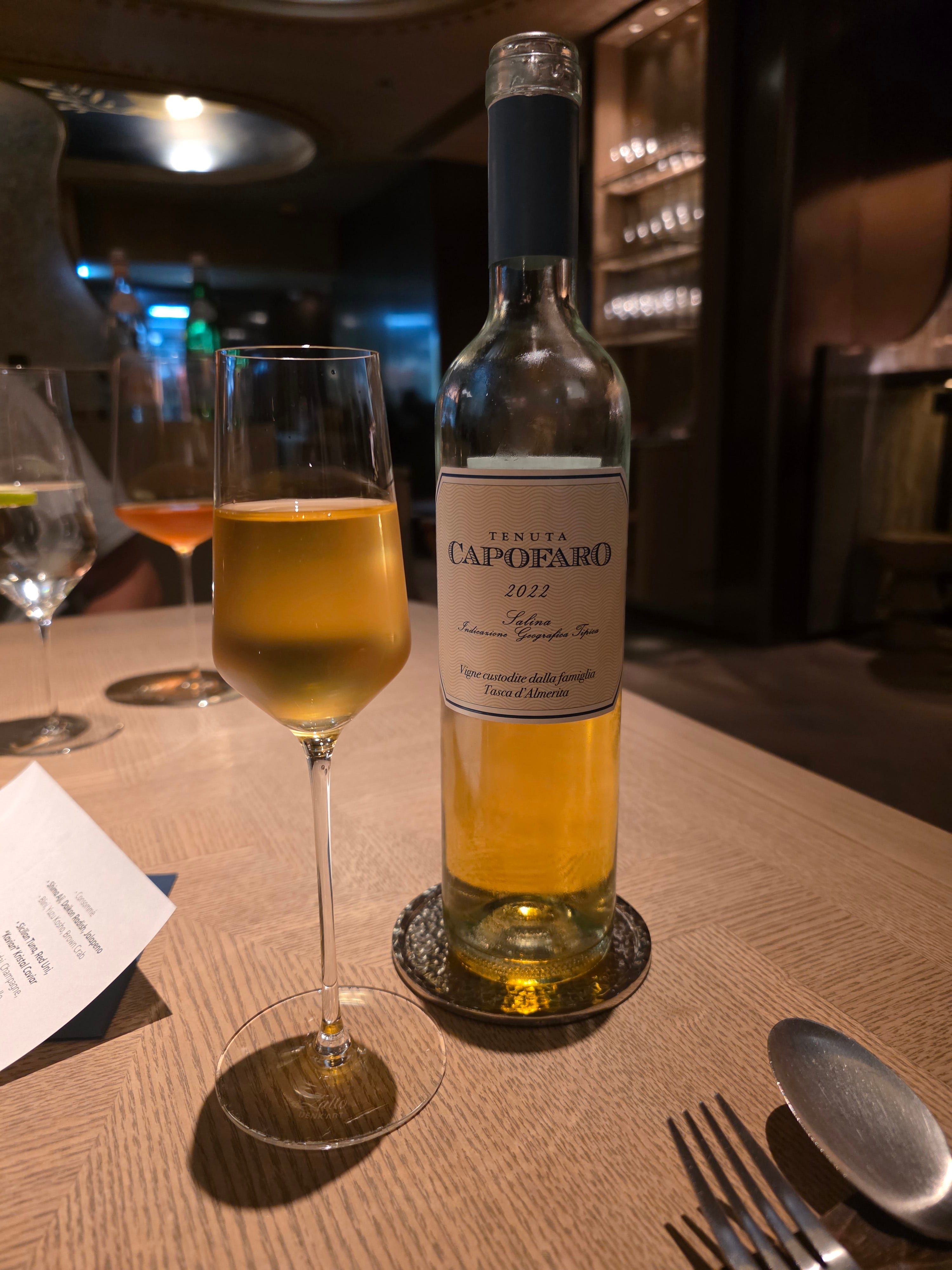
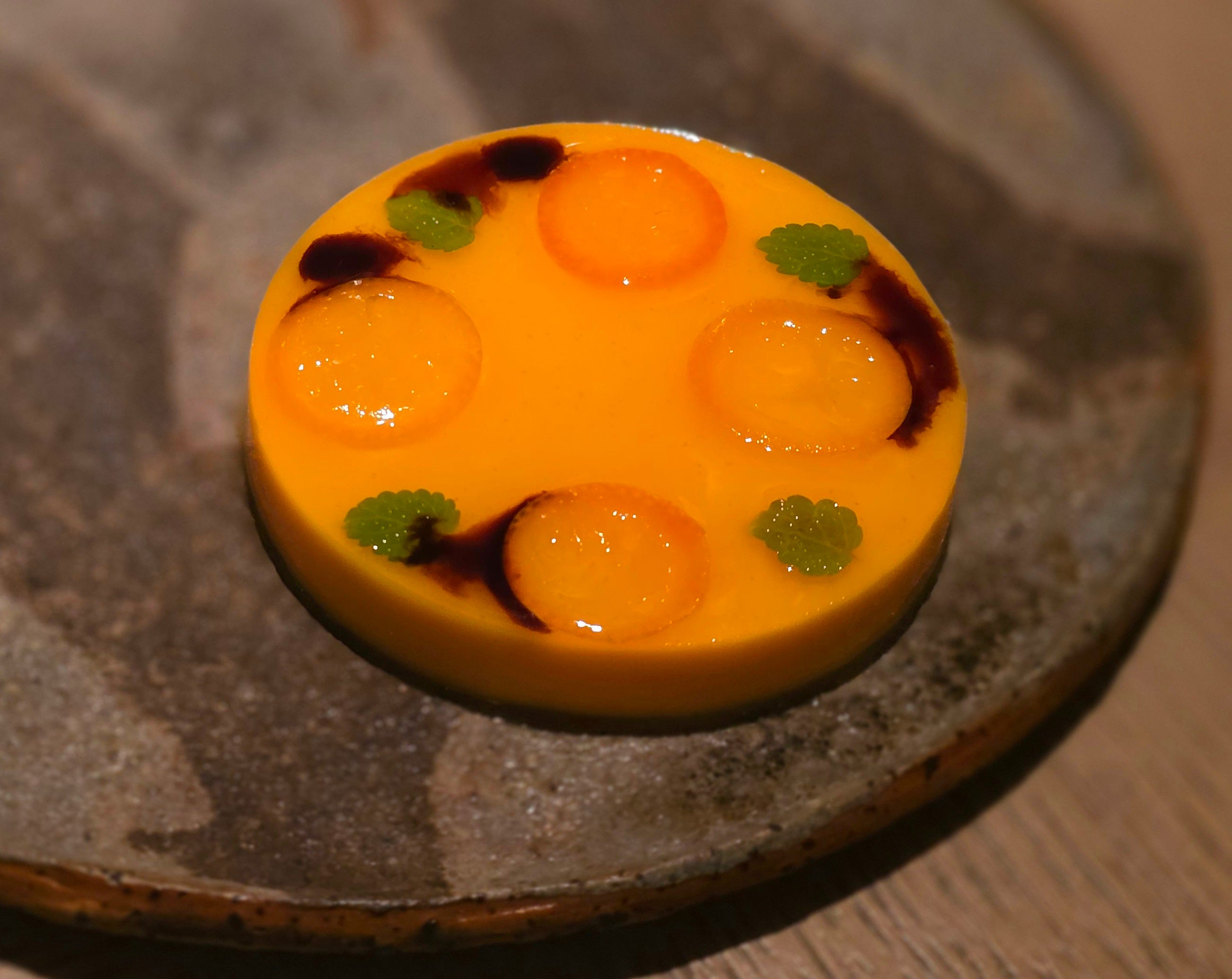
Dessert began with a silky flan, kumquat and dessert wine, finished with 30-year-aged vinegar. The flan was rich and smooth; kumquat gave it a citrus edge, while the vinegar added a deep, sweet-sour note.
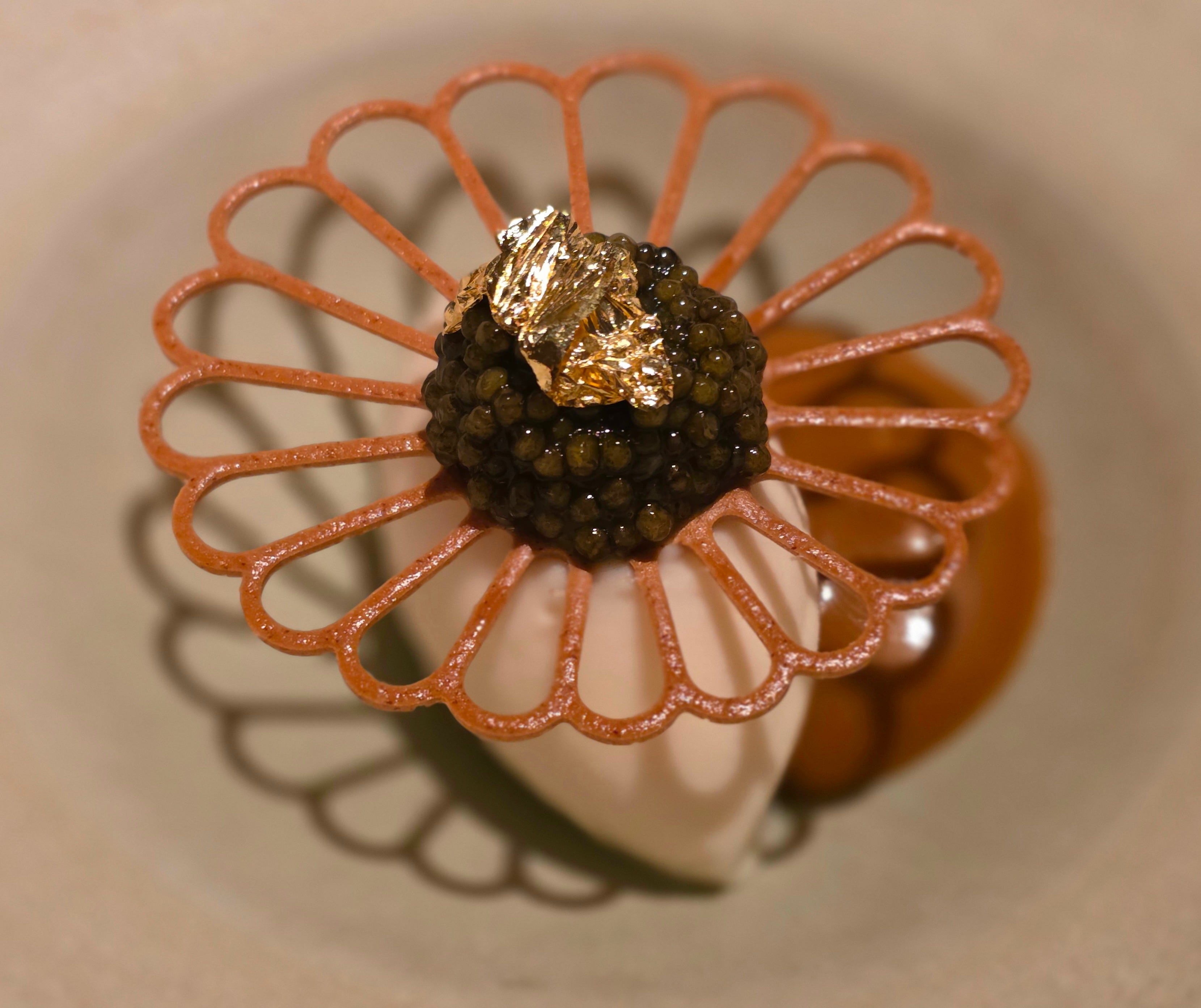
Then came rum gelato with banana, caramelised banana sauce and caviar. The combination sounded unusual, but the rum and banana made sense together: warm, dark sweetness against cold gelato, with the caviar adding little salty bursts.
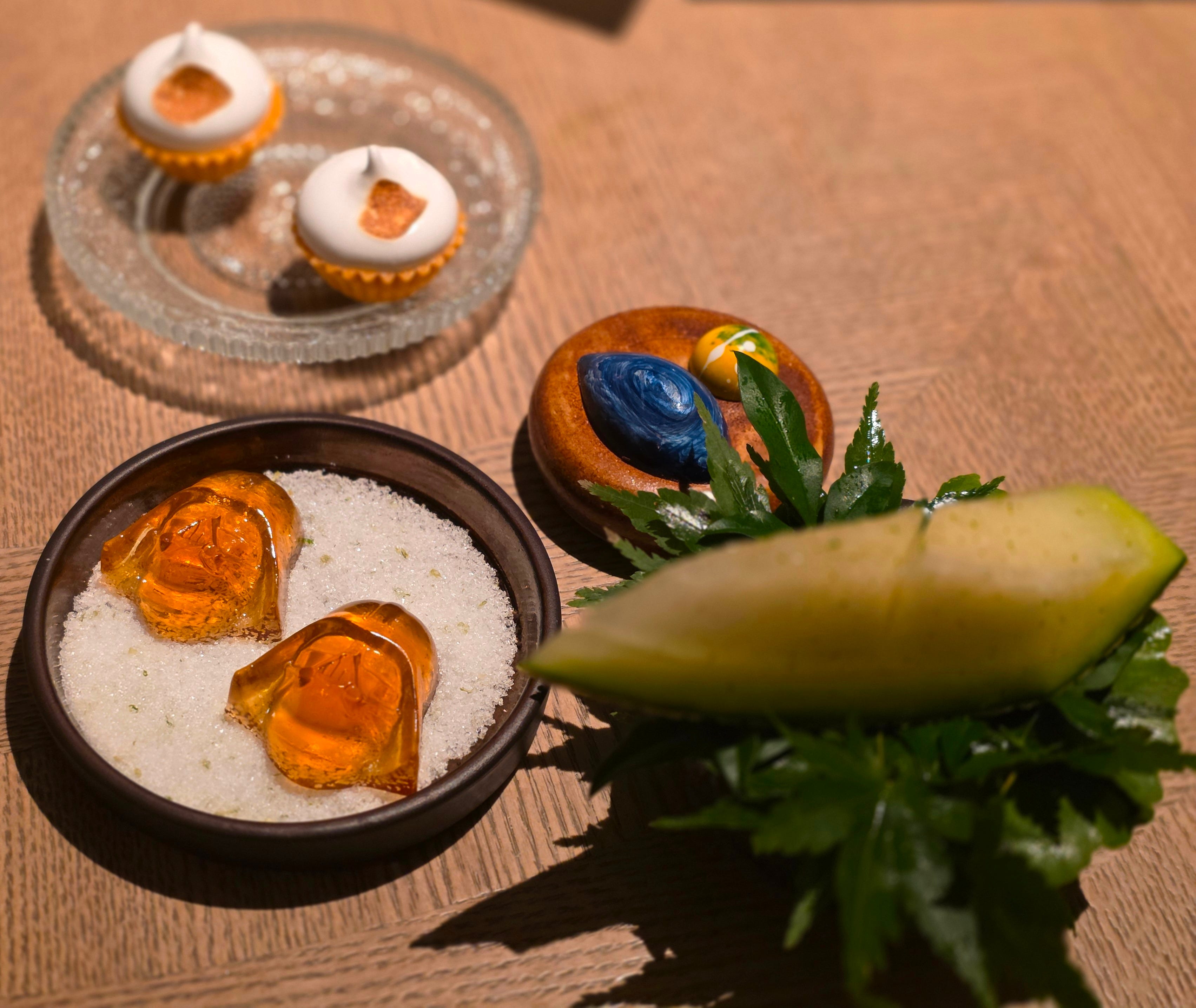
The final set of sweets included muskmelon with sudachi zest, a burnt-lemon meringue tart, Darth Vader-shaped whisky gummies and truffles. The Darth Vader gummies were a fun touch to end the night and like the antihero himself, packed a huge punch.
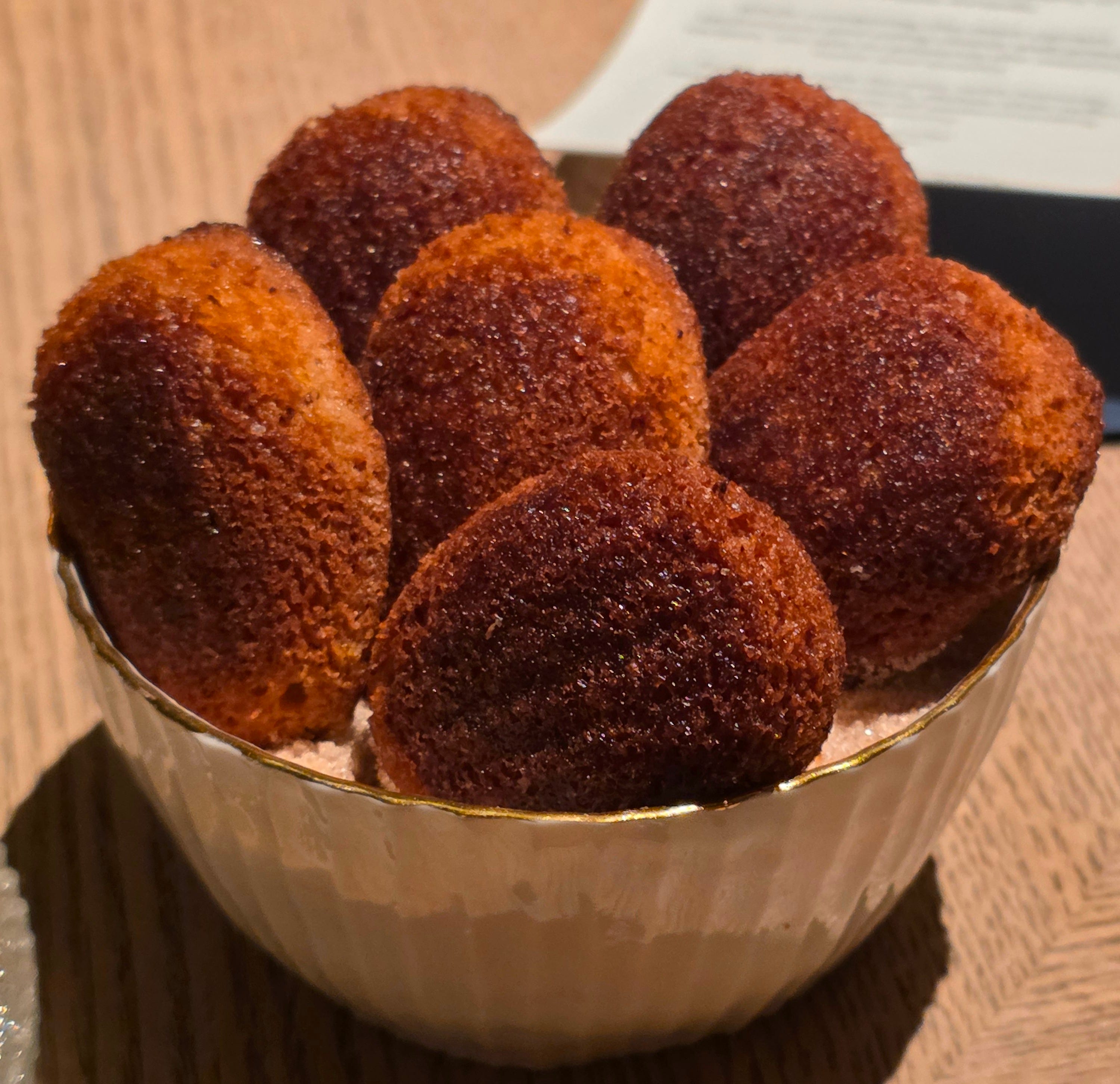
The madeleines were especially good. We were too full to finish them at the restaurant, so I took some home and reheated them for breakfast the next morning. They were still delicious.
Noi gave us a long, carefully paced meal with Japanese seafood at its centre and Italian cooking running through the courses. The smoked eel chawanmushi and the prawn pasta were my favourites, though the crudo and flan stood out too. The menu moved between delicate, briny dishes and richer, more comforting ones without losing its sense of direction.
One objective I had this year was to finish trying all the three and two Michelin star restaurants in Hong Kong and Singapore, given my frequent trips to each city. Noi was the final restaurant on the list. It wasn’t that it was a very difficult reservations, but that unlikely most other restaurants, it’s never open on Wednesday nights, which is when I typically try new restaurants. A few friends visting from out of town on a weekend gave me the excuse to finally check it off my list.
The copius amounts of alcohol over dinner made my memory a bit hazy, but the cooking, ingredients and pacing made it feel like a proper occasion. I would go back for a celebration.
Total Damage: 20,500 HKD/4 people