
Sushi Saito Hong Kong sits in a slightly odd category: it is both the real thing and not quite the thing people imagine when they hear the name.
It is the official Hong Kong outpost of Takashi Saito’s Tokyo restaurant. This is not a random luxury-hotel sushi counter borrowing a famous surname. It has real lineage, real training, and real connection to the Sushi Saito ecosystem, but it is also not the Tokyo counter. Chef Takashi Saito is not usually standing in front of you, shaping the rice, brushing the soy, and deciding whether your life has so far justified a piece of tuna.
Chef Takashi Saito founded Sushi Saito in Tokyo and turned it into one of the great modern sushi temples. The Tokyo restaurant formerly held three Michelin stars and built a reputation that sits somewhere between restaurant, private club, and myth. The Hong Kong branch was created to export that philosophy: Saito-trained chefs, Edomae technique, ultra-premium sourcing, and the same quiet seriousness around rice, temperature, ageing, seasoning, and sequence.
Sushi Saito Hong Kong opened on 2018 in the Four Seasons Hotel Hong Kong. It was the first overseas branch of Sushi Saito in Tokyo.
The format is familiar if you have spent too much of your life caring about sushi: a small Edomae omakase counter, around 8 seats, Japanese sourcing, careful rice, serious technique, and the sort of atmosphere where everyone pretends to be relaxed while quietly studying every movement behind the counter.
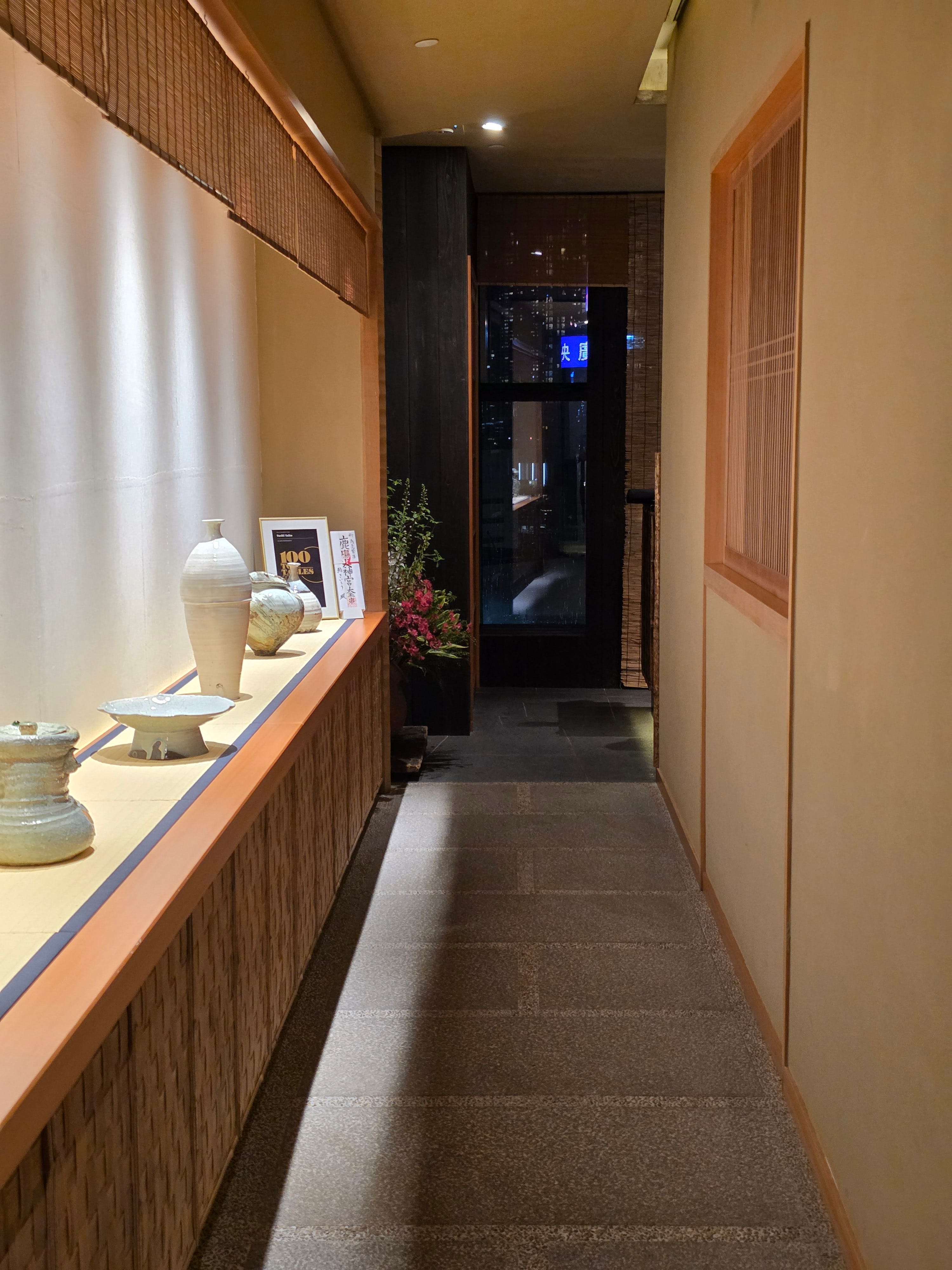
The original Hong Kong head chef was Ikuya Kobayashi. He was born in 1988, trained under Takashi Saito for roughly eight to ten years, and was described as Saito’s second-in-command in Tokyo before being sent to lead Hong Kong.
Under him, Sushi Saito Hong Kong earned two Michelin stars in the 2019 Hong Kong & Macau guide. After Hong Kong, he returned to Japan, later led 3110NZ by LDH Kitchen, and then opened Sushi Kobayashi in Ebisu.
Later, Masashi Kubota was reported as heading Sushi Saito Hong Kong after leaving Taka by Sushi Saito in Kuala Lumpur. More recent sources point to Nawata Ryosuke as executive chef, with experience in Sushi Saito’s Japan operation and the Thailand offshoot before Hong Kong. However, the chef that was preparing the meal today was none of the above.
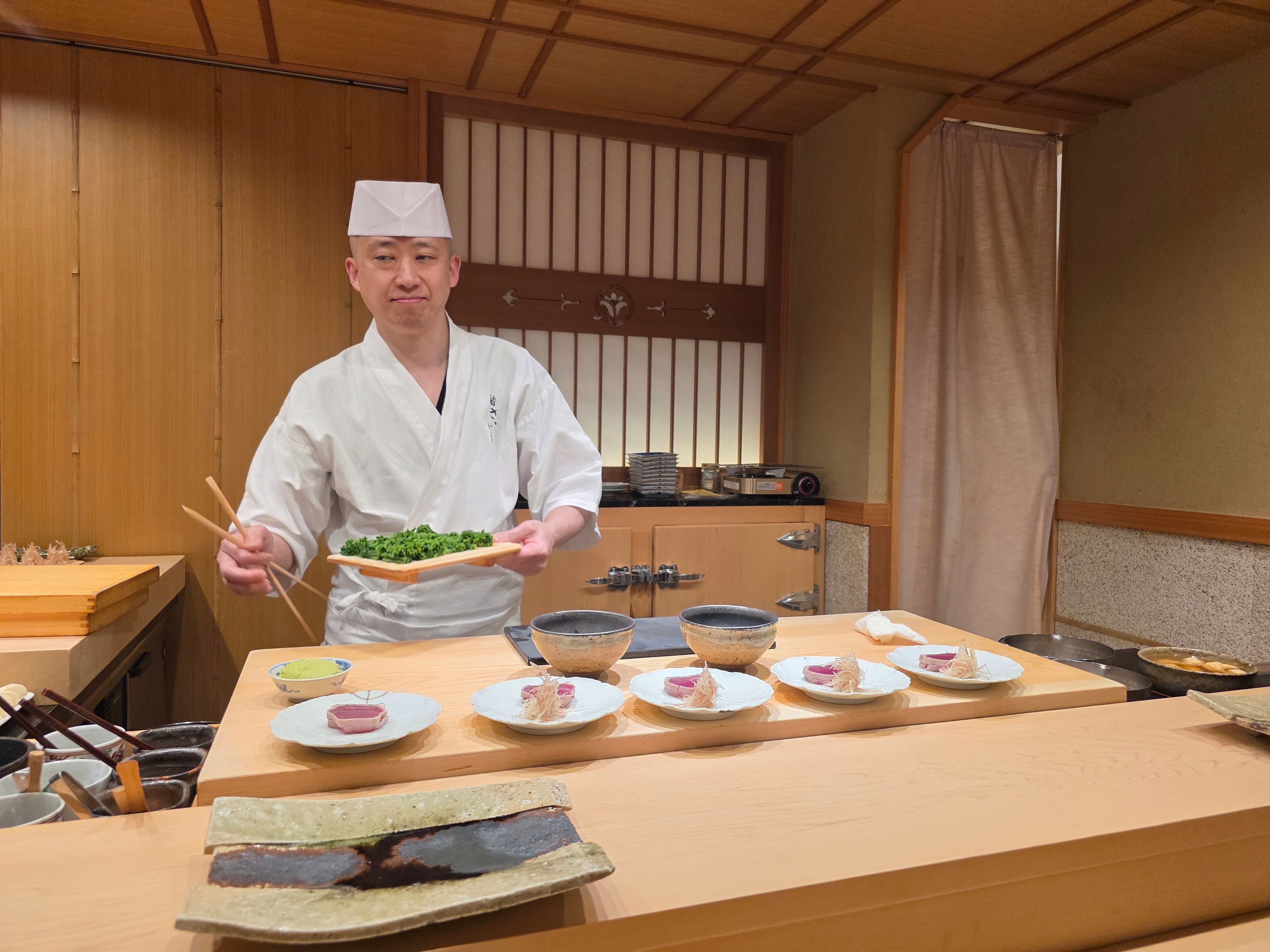
On this visit, the chef at the head of the counter was new to me. Friendly, and incredibly professional, he took great pains to explain technique and fish, both in English and Cantonese when asked, but conservative enough not to interrupt or add commentary when he wasn’t.
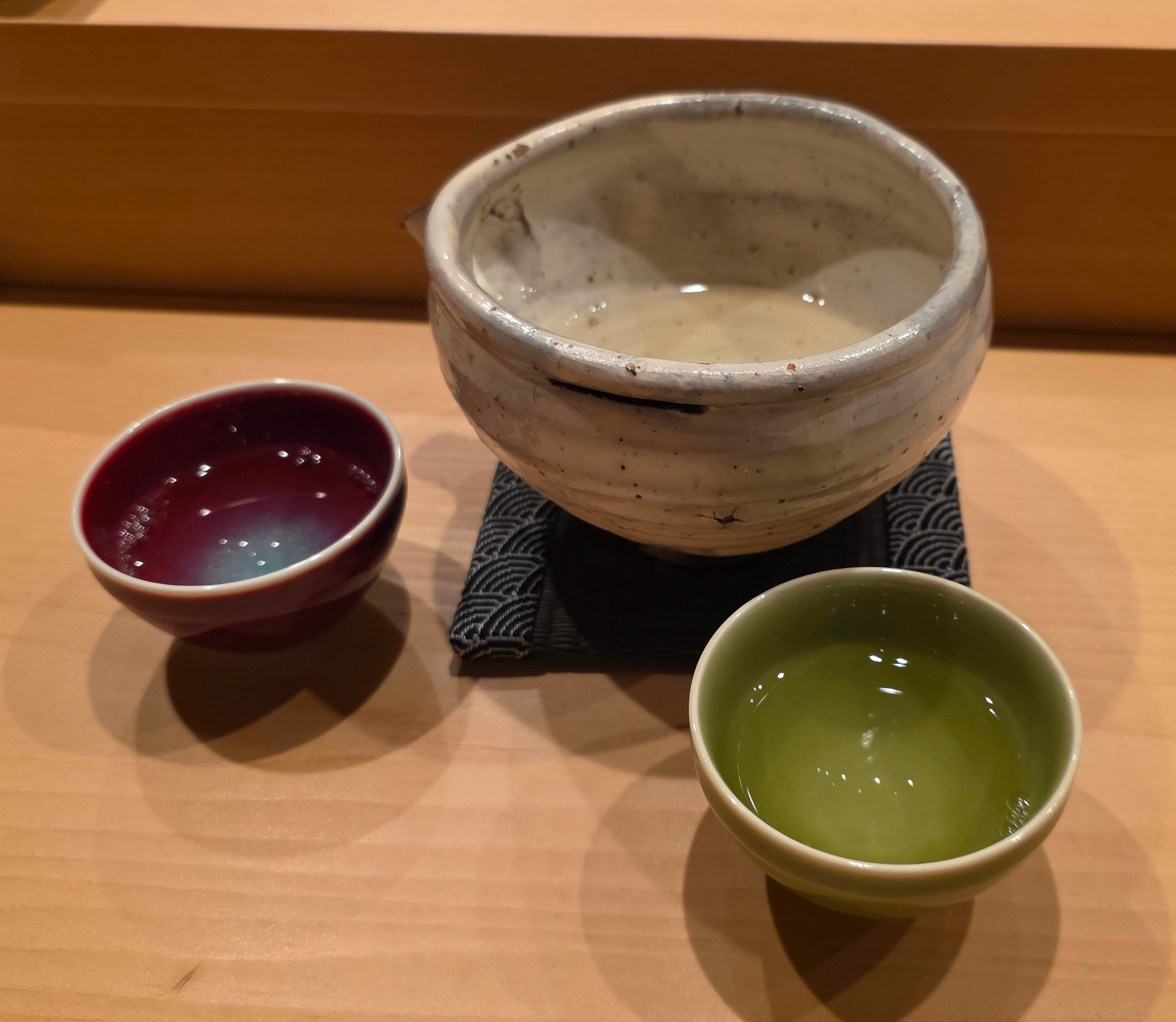
We started with the house sake: clear, sweet, refreshing, and very easy to drink. Dangerous in the way good sake tends to be.
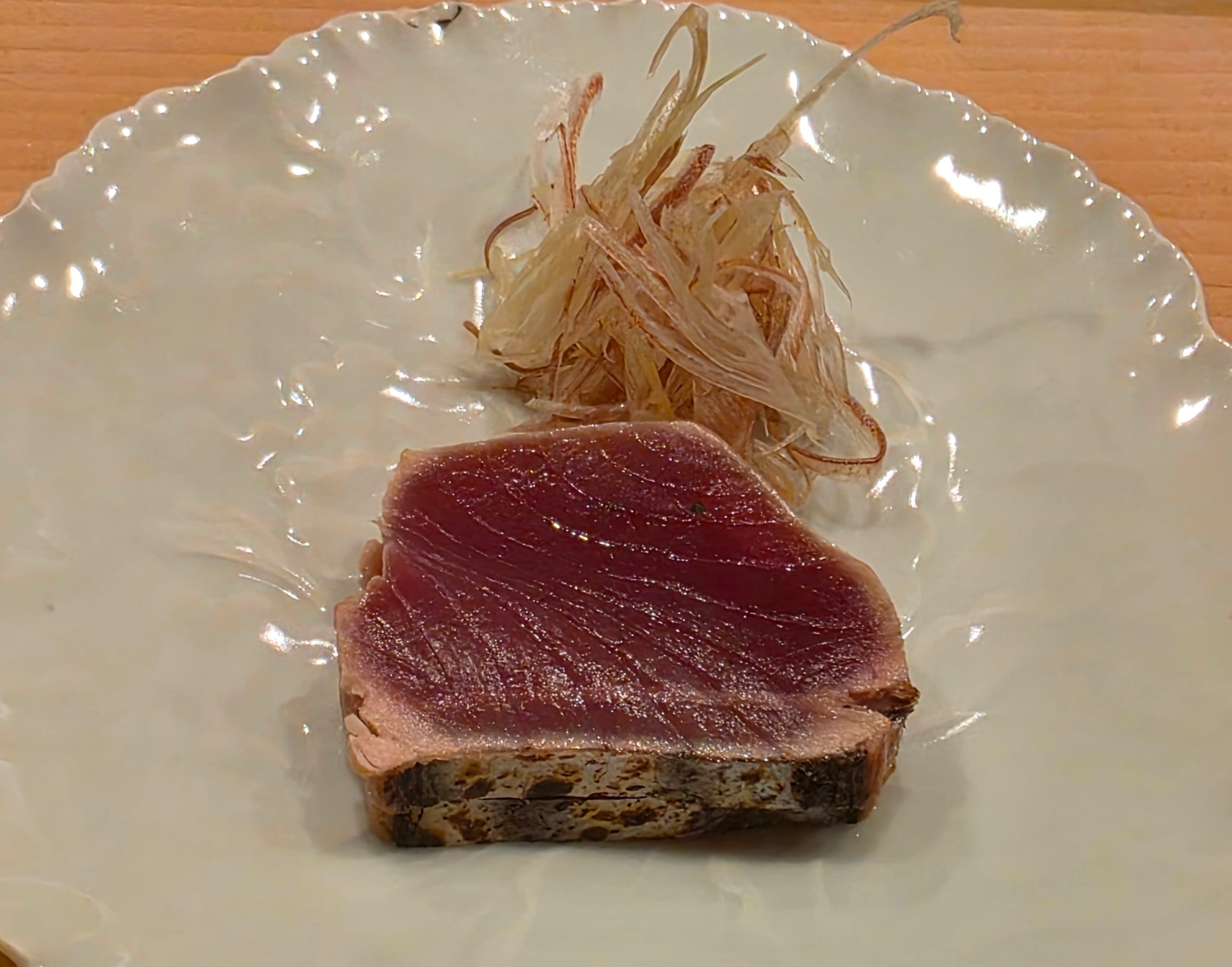
The first proper bite was bonito, seared over charcoal and served with ginger flowers and a ginger, spring onion, and soy dipping sauce. Clean smoke, bright ginger, good start.
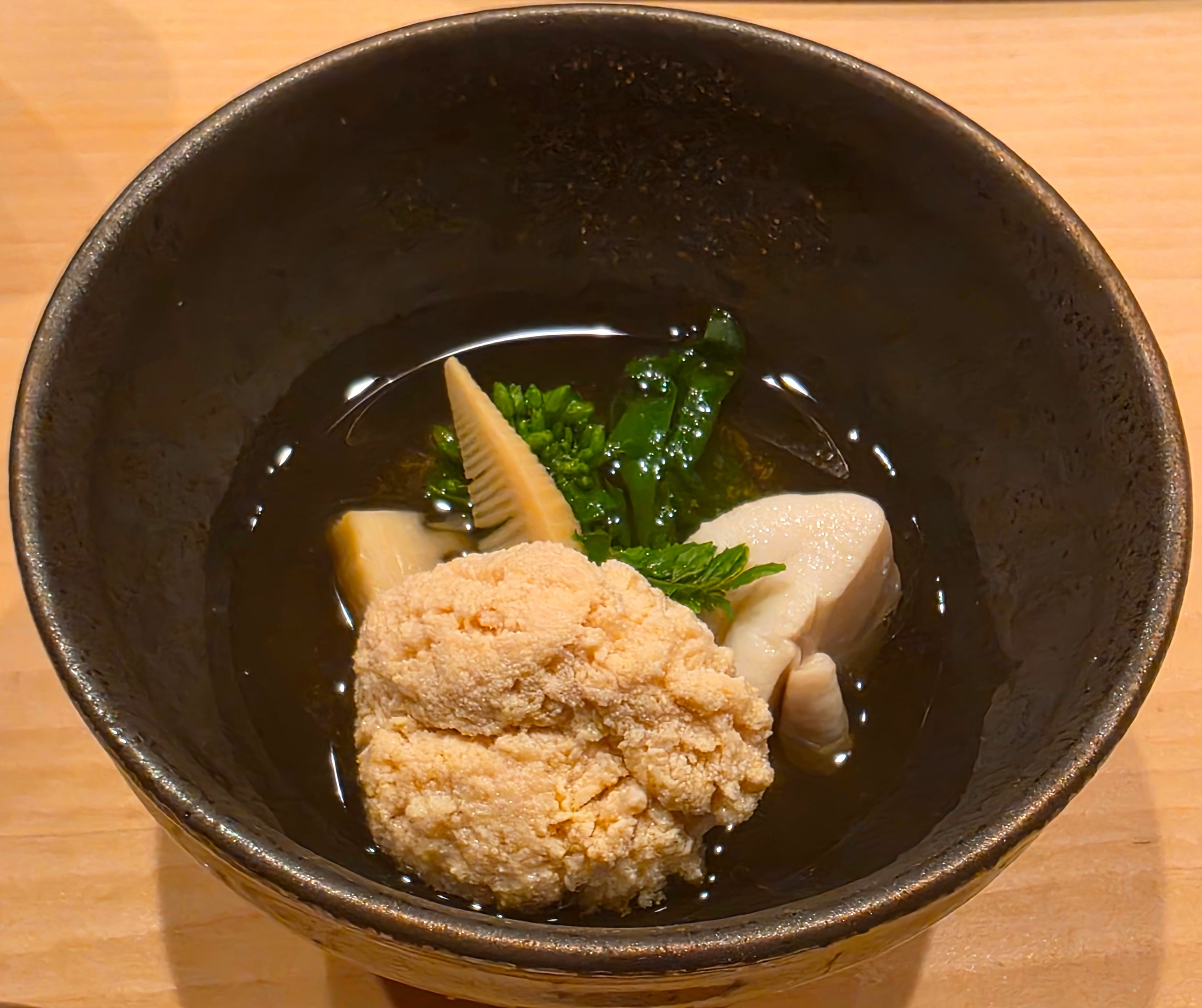
Then came sea bream roe and milt with tender bamboo shoots and vegetables in a smoky clear broth. Gentle, savoury, and more about texture than drama.
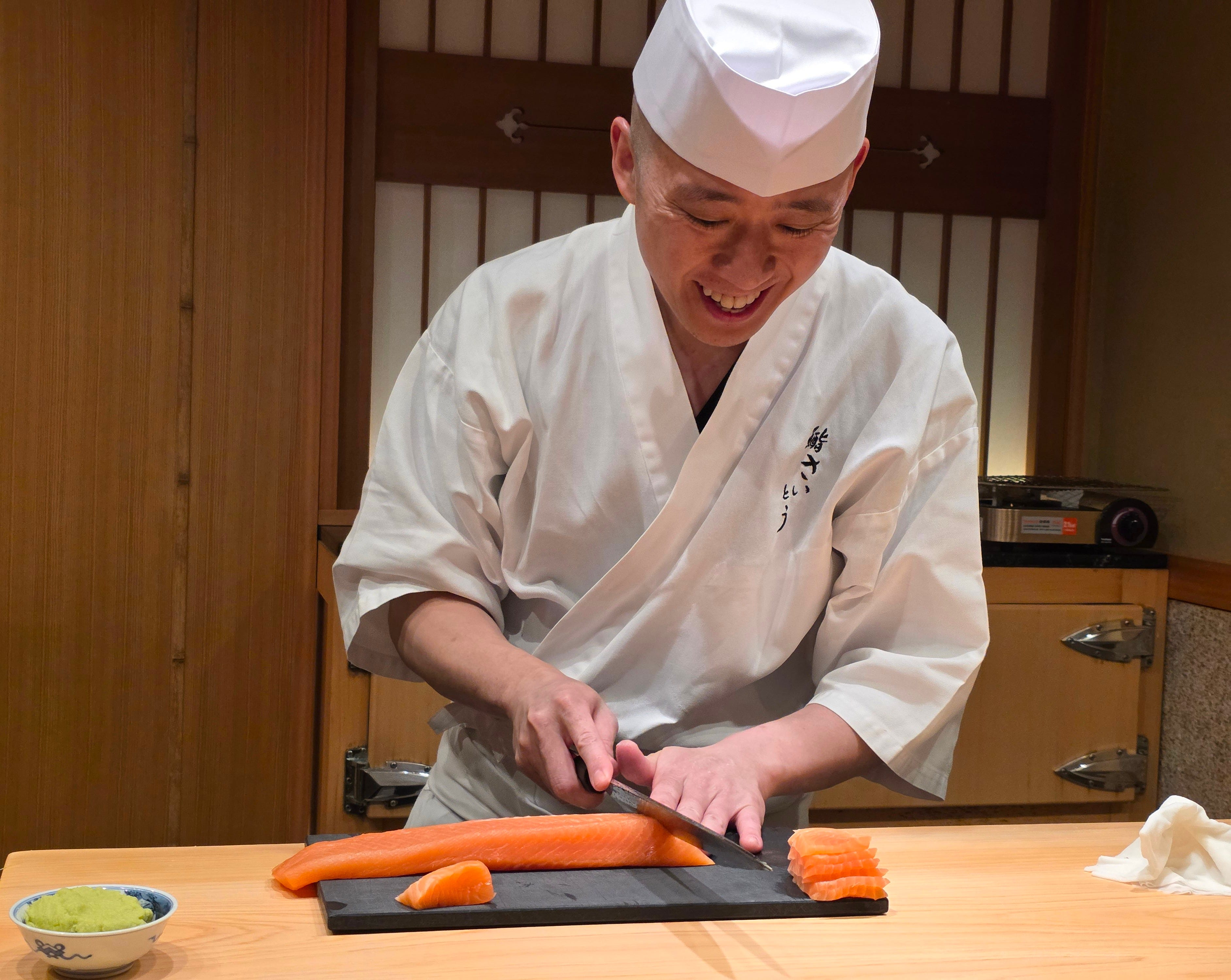
The chef sliced trout for a light cure before the nigiri section. One of those quiet counter moments where half the pleasure is watching someone work cleanly.
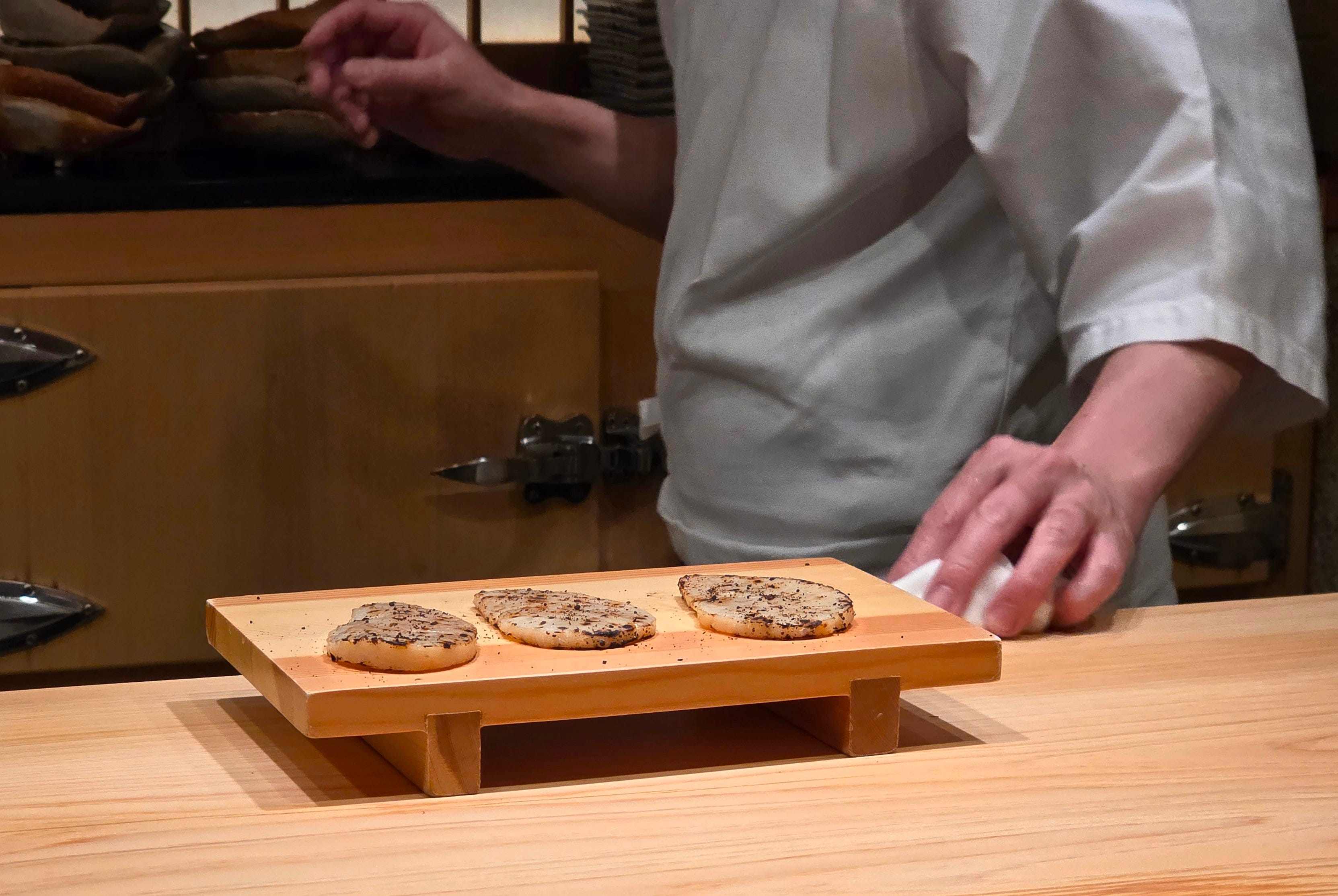
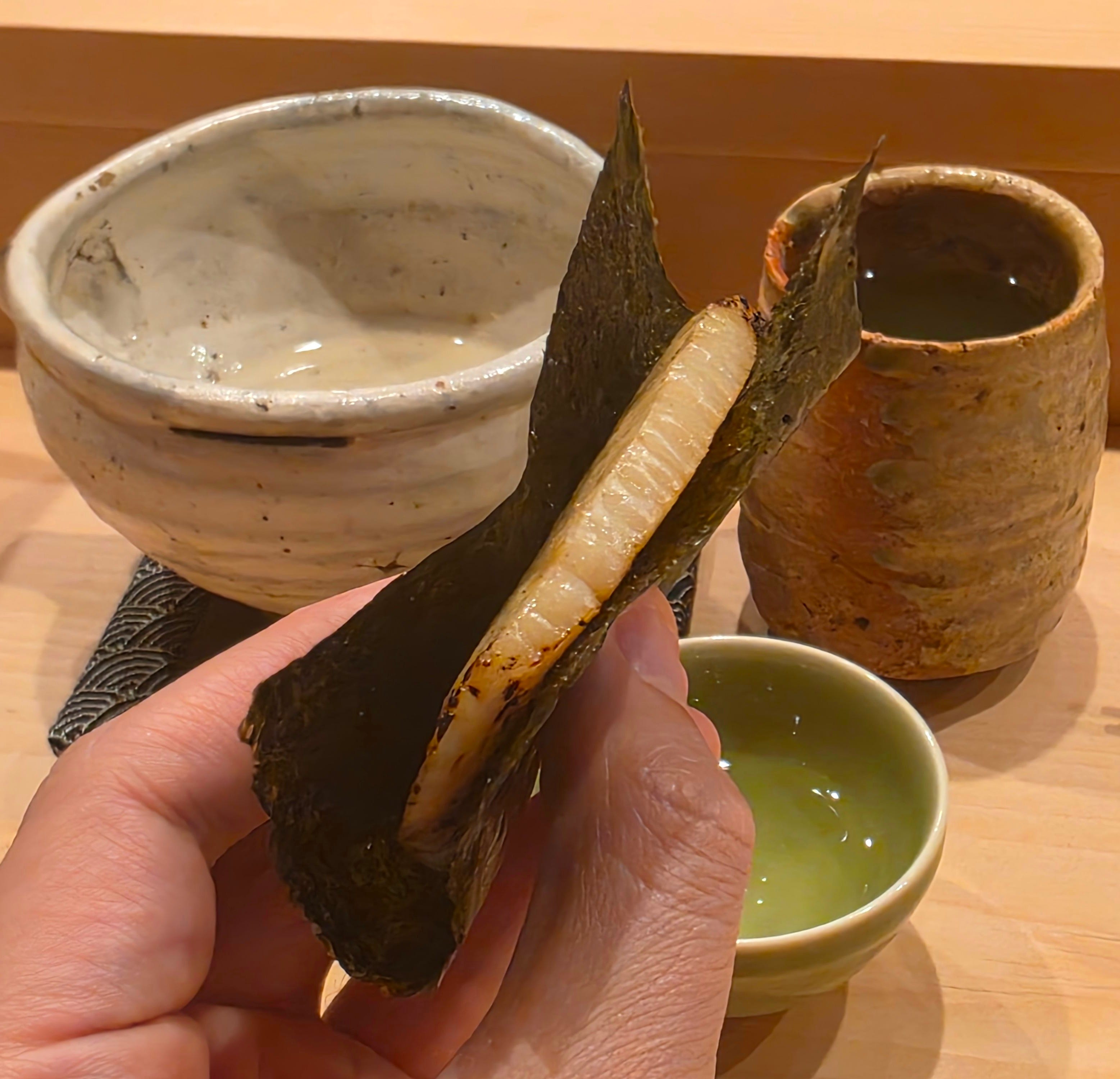
A large grilled scallop followed, butterflied and tucked into nori with a little chili pepper. This was excellent. Sweet, hot, crisp from the seaweed, and gone too quickly.
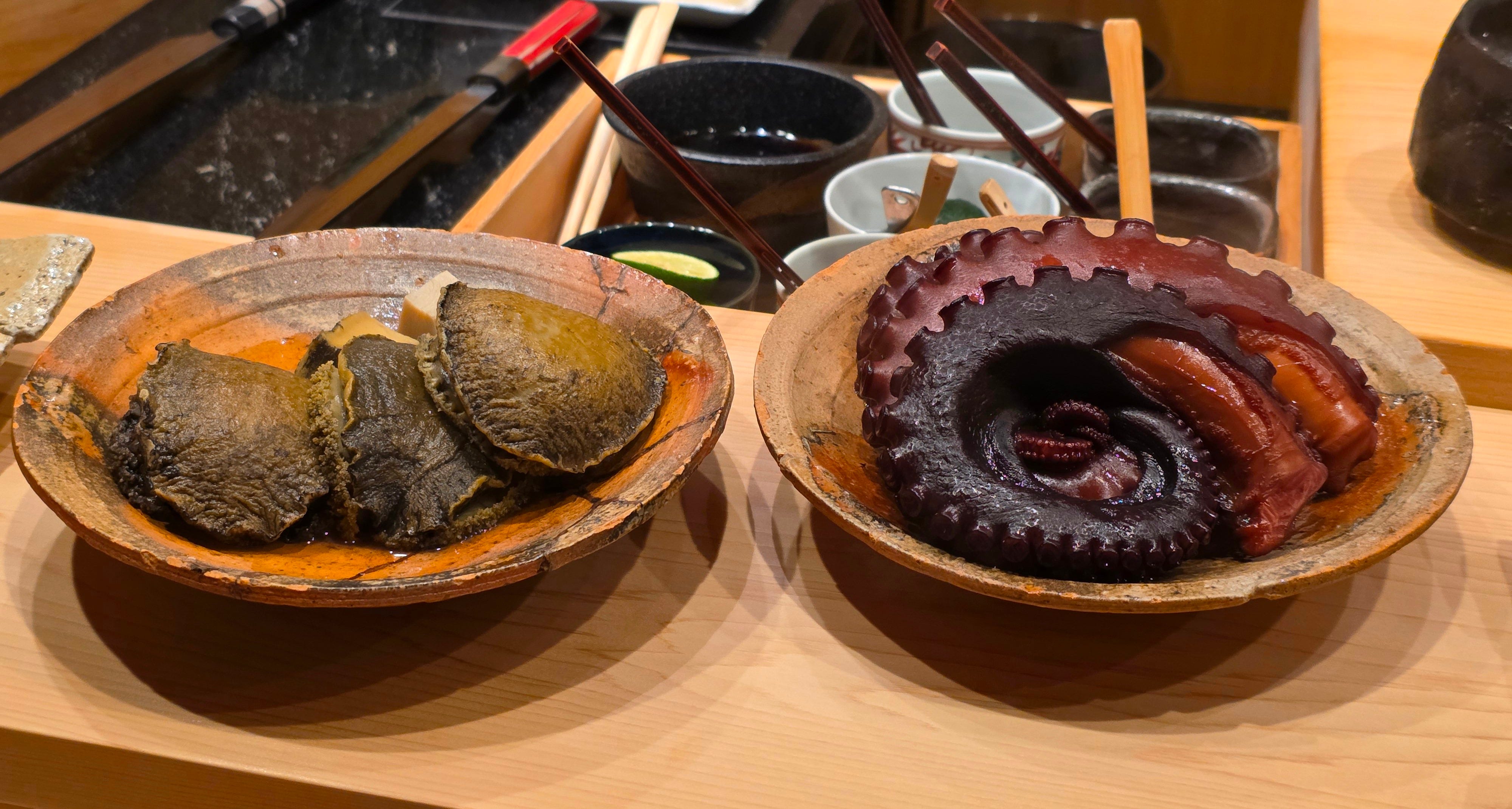
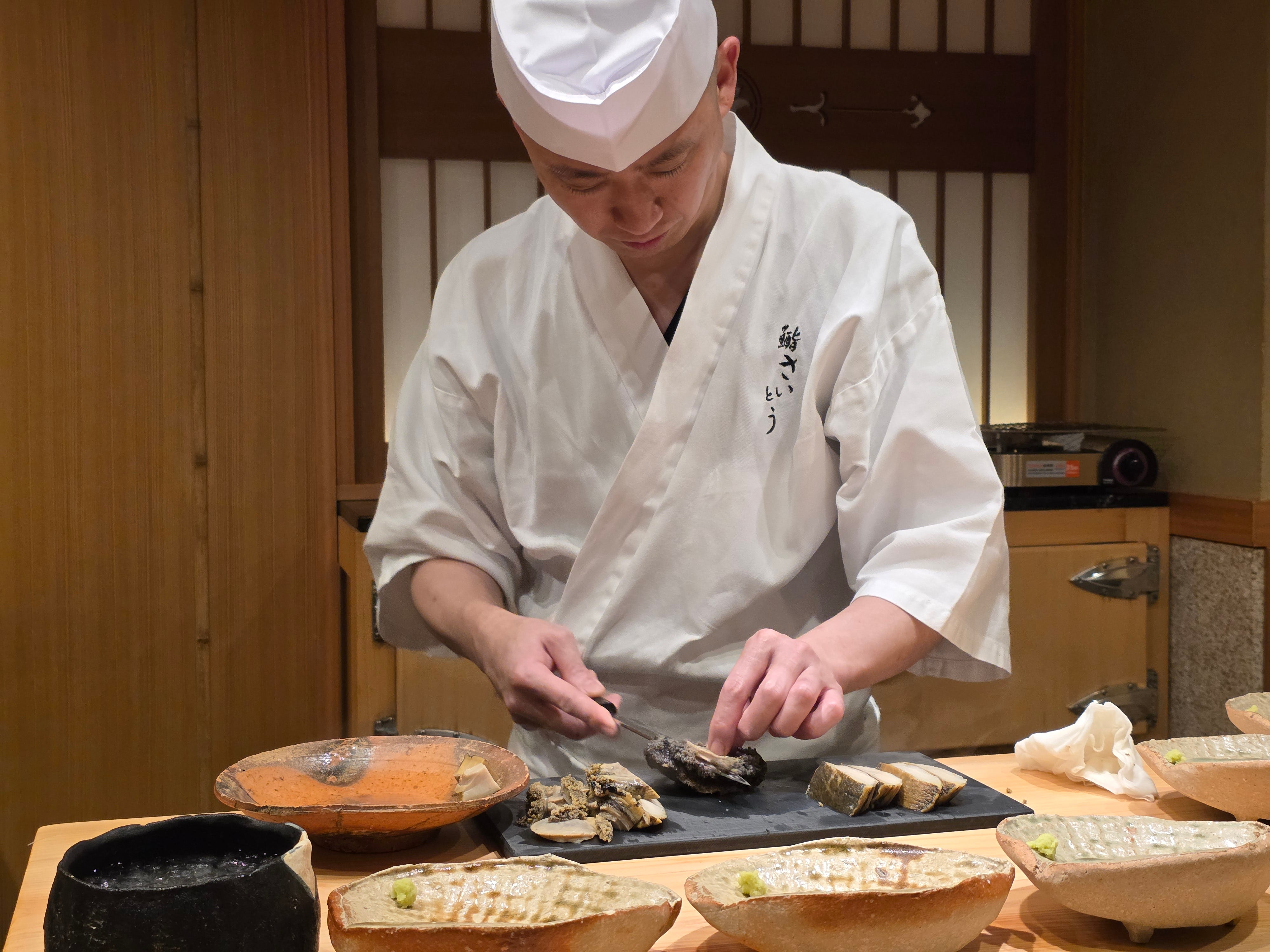
The chef displaying the ingredients for the next dish - the abalone and octopus
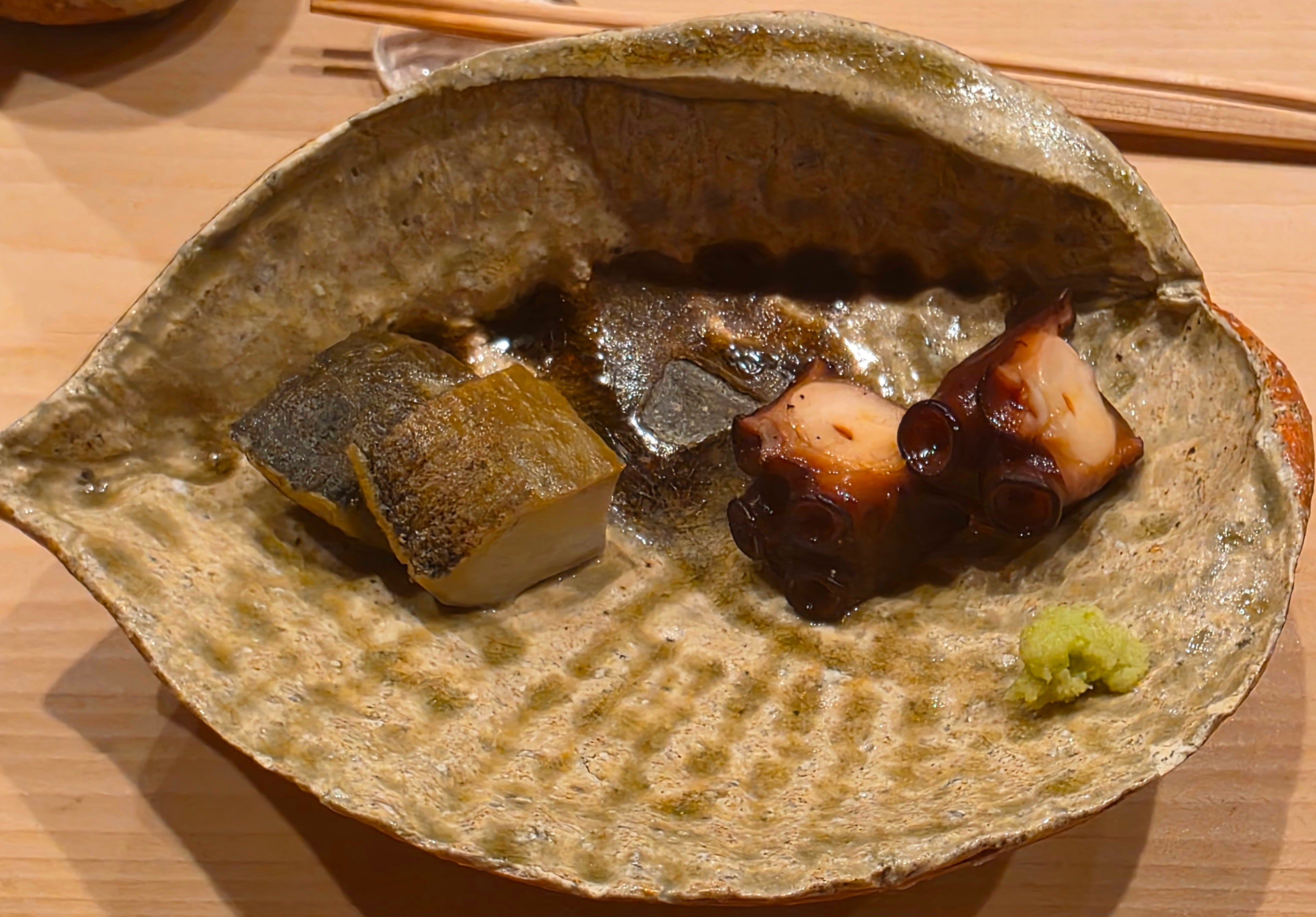
The abalone had been braised for seven hours and came with a thick abalone liver sauce. The octopus came with fresh wasabi, fruity and sharp. The chef explained how he massages the octopus to tenderize it. This is the kind of detail I like at a counter. Not theatre for its own sake, but a glimpse into the labour behind a simple-looking plate.
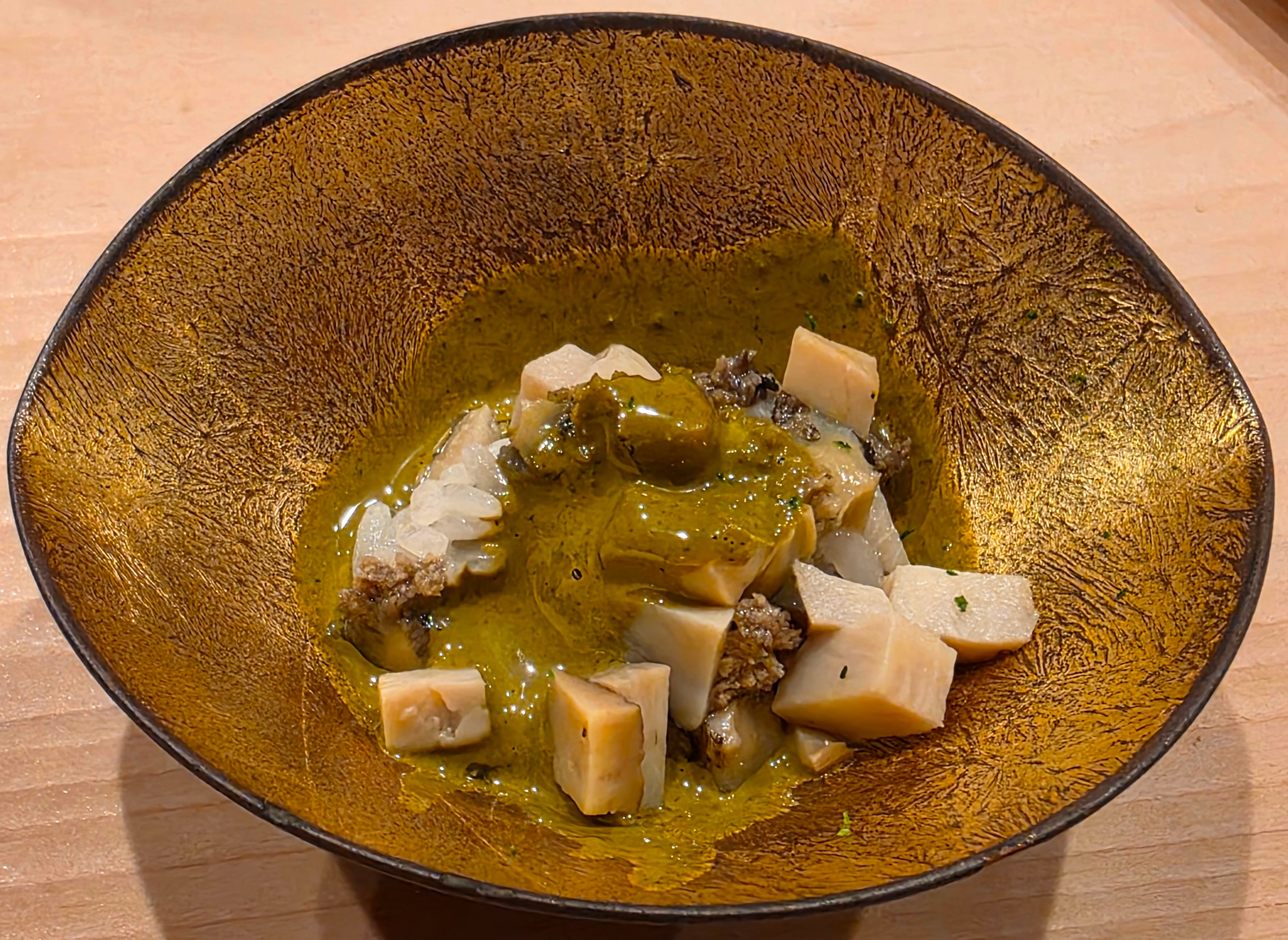
The leftover abalone liver sauce was then mixed with rice, diced abalone skirt and foot, and a squeeze of fresh yuzu. Rich, sticky, saline, slightly bitter from the liver, lifted by citrus.
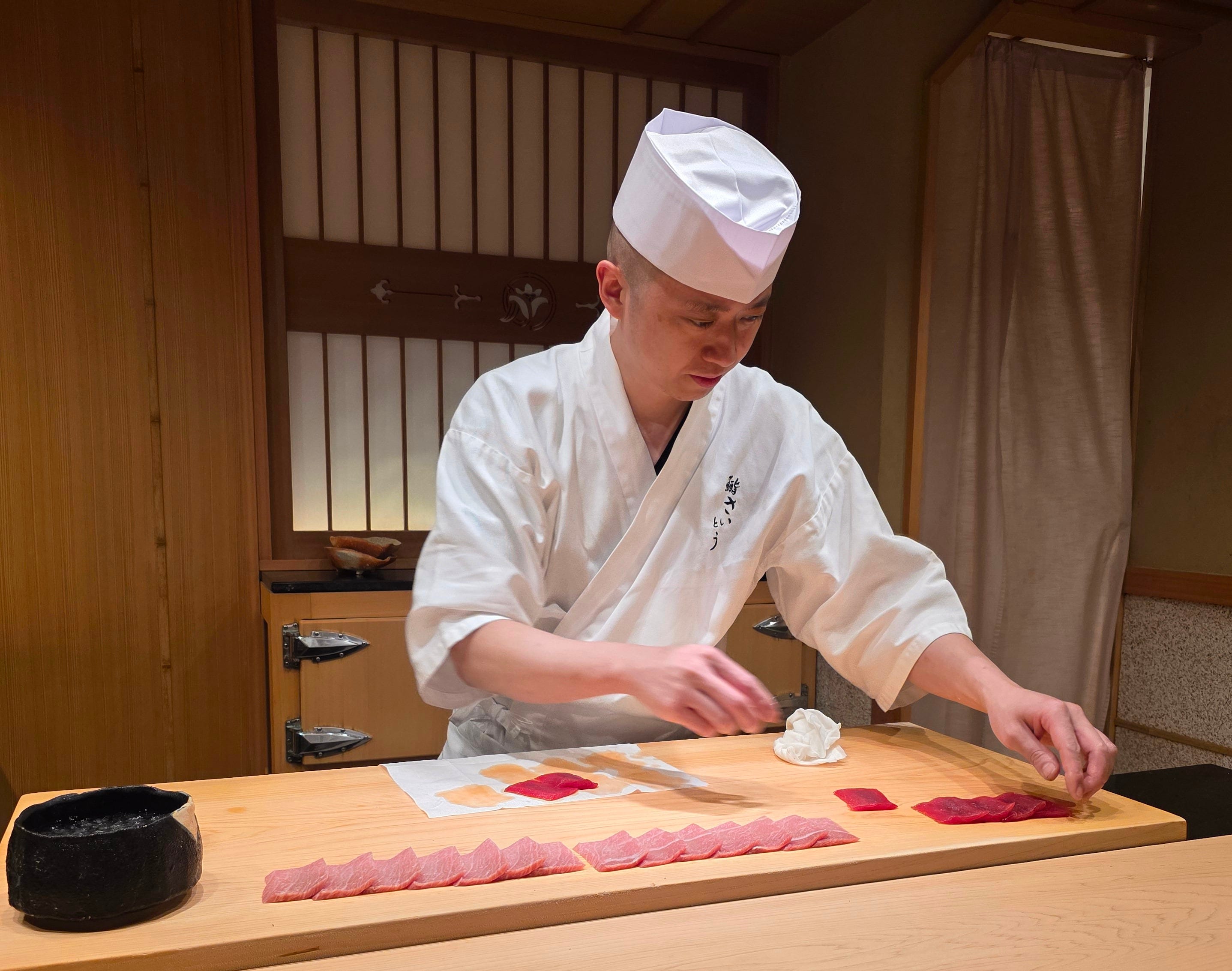
The Chef preparing the mise en place before moving on to the main event.
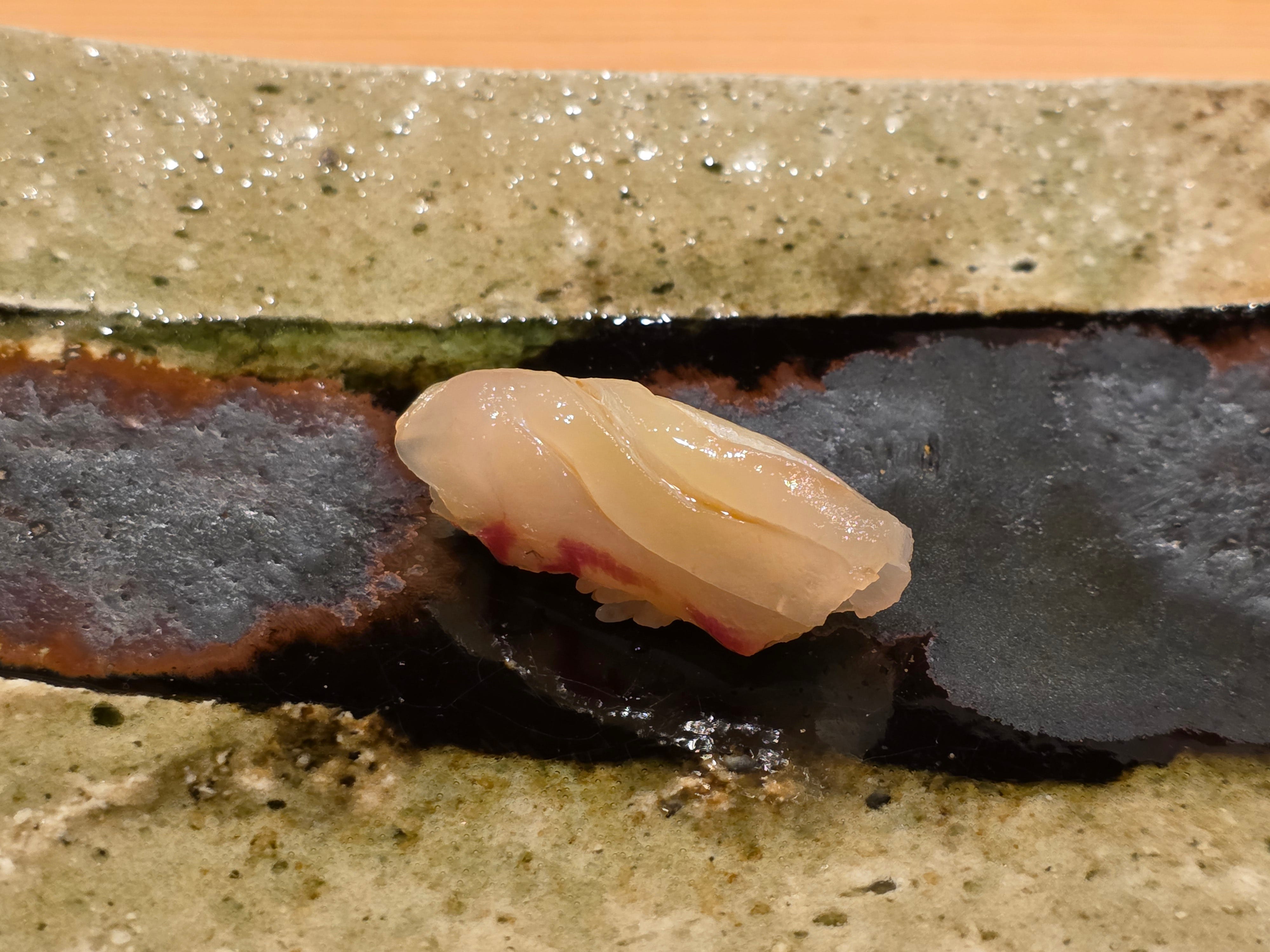
Sea bream continued the theme from earlier, brushed with soy and finished with yuzu.
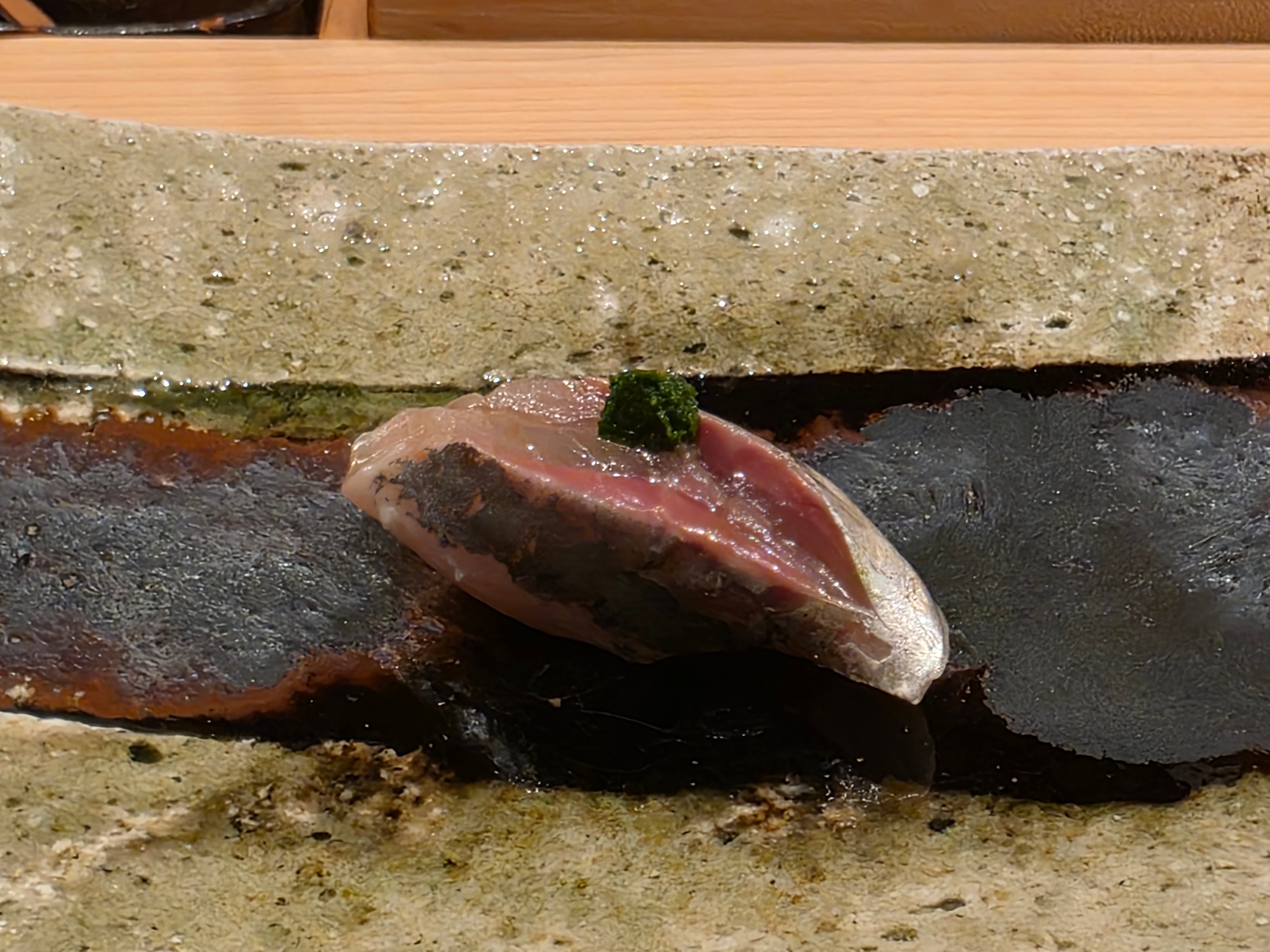
Horse mackerel from Osaka Bay came with shredded shiso underneath. It was stronger, slightly fishy, and better for it. The shiso kept it in line without making it polite.
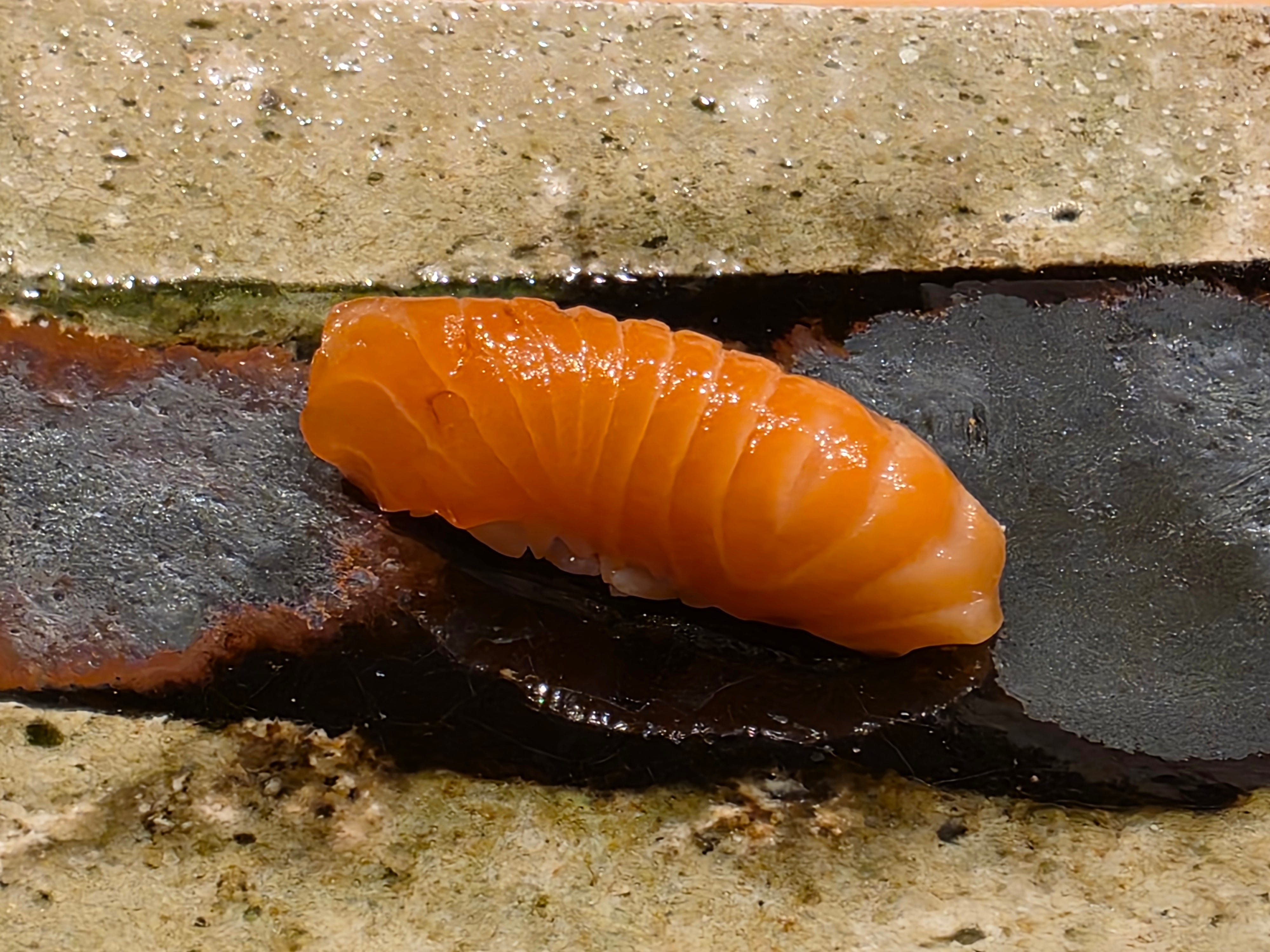
The cured trout returned as nigiri.
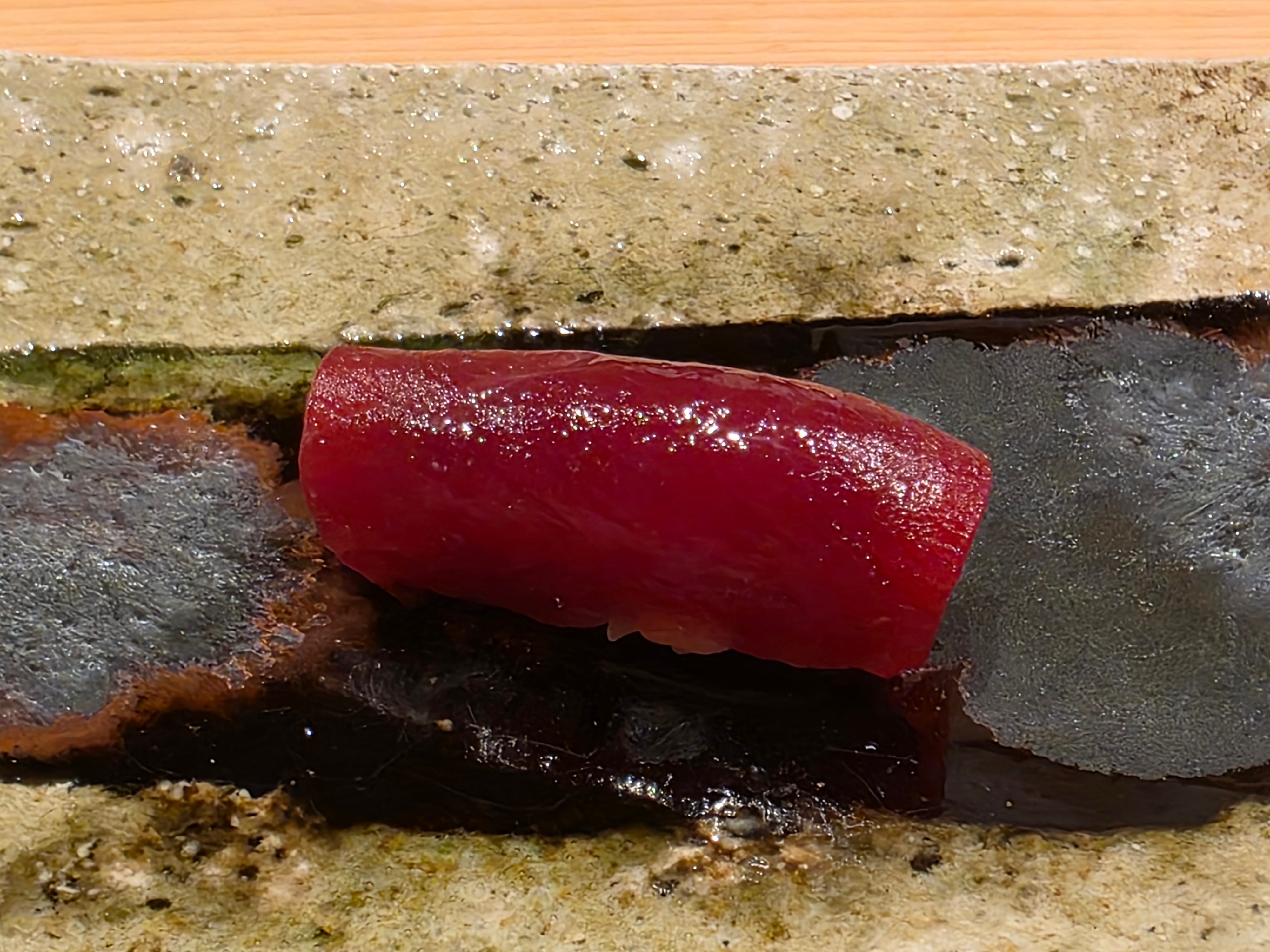
Then lean tuna from a 163kg fish.
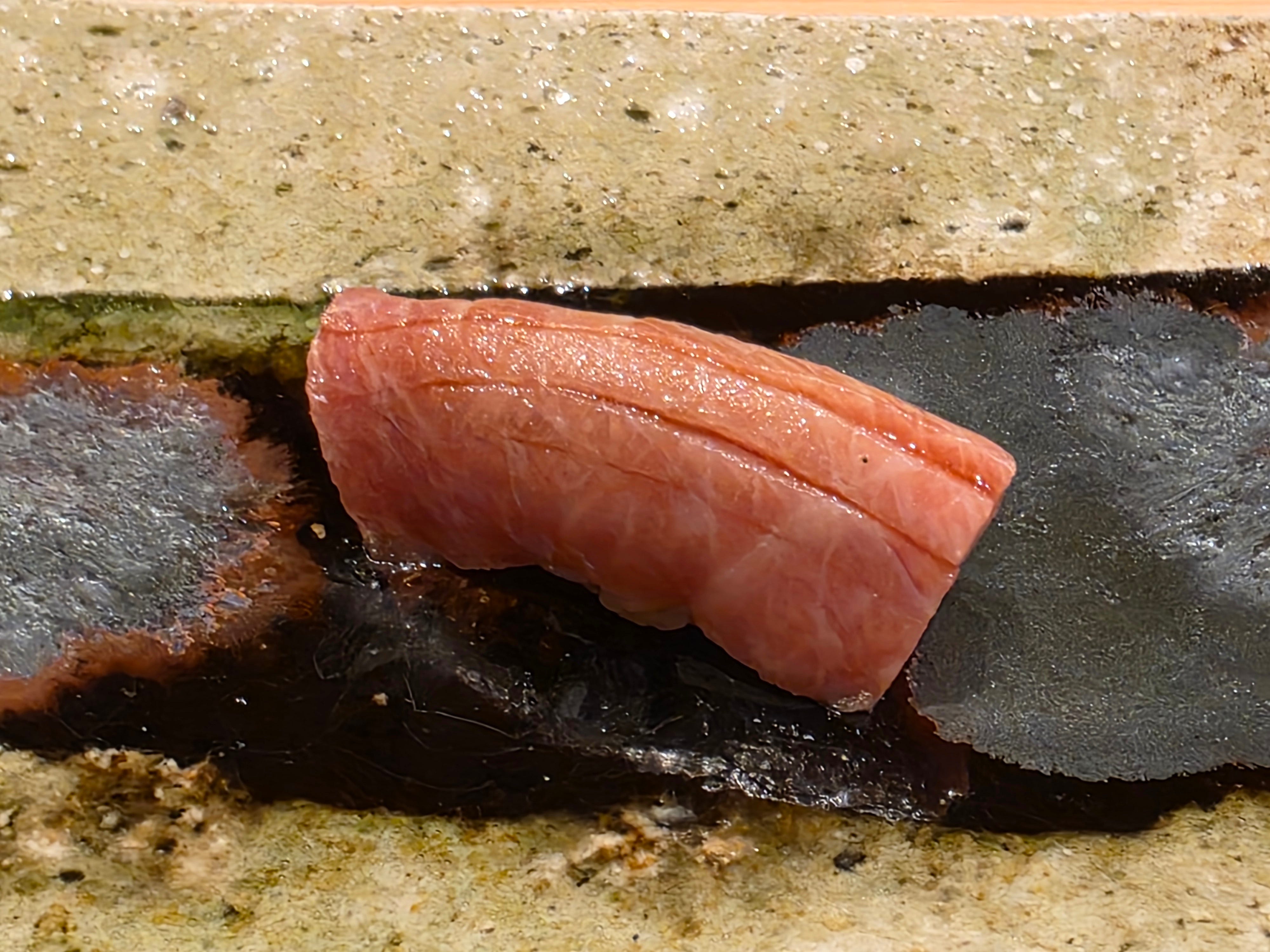
Then chutoro.
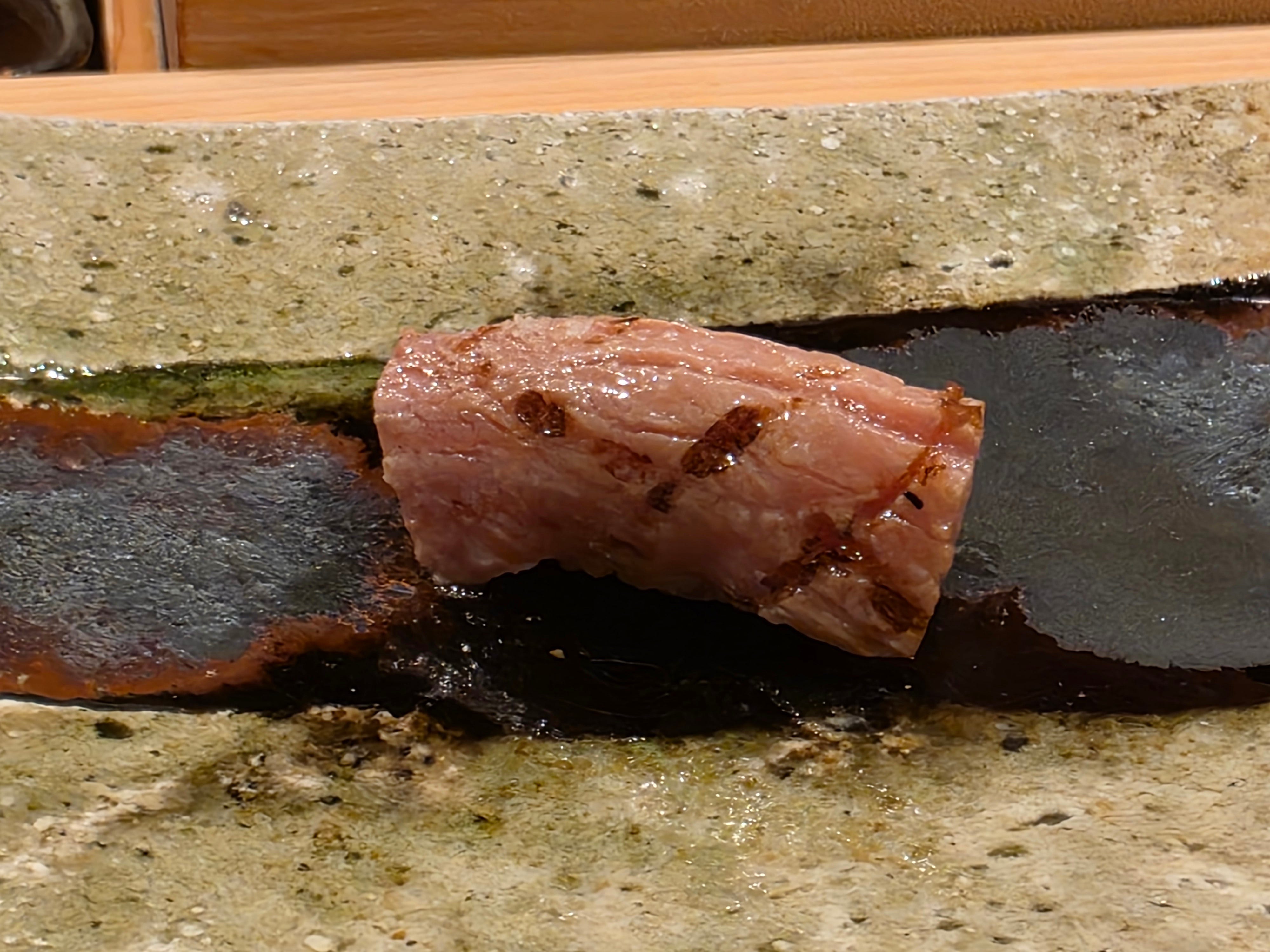
The grilled otoro was the best of the tuna sequence: yuzu, salt, smoke, fat. It had that ridiculous quality where the fish almost disappears before you have finished registering it.
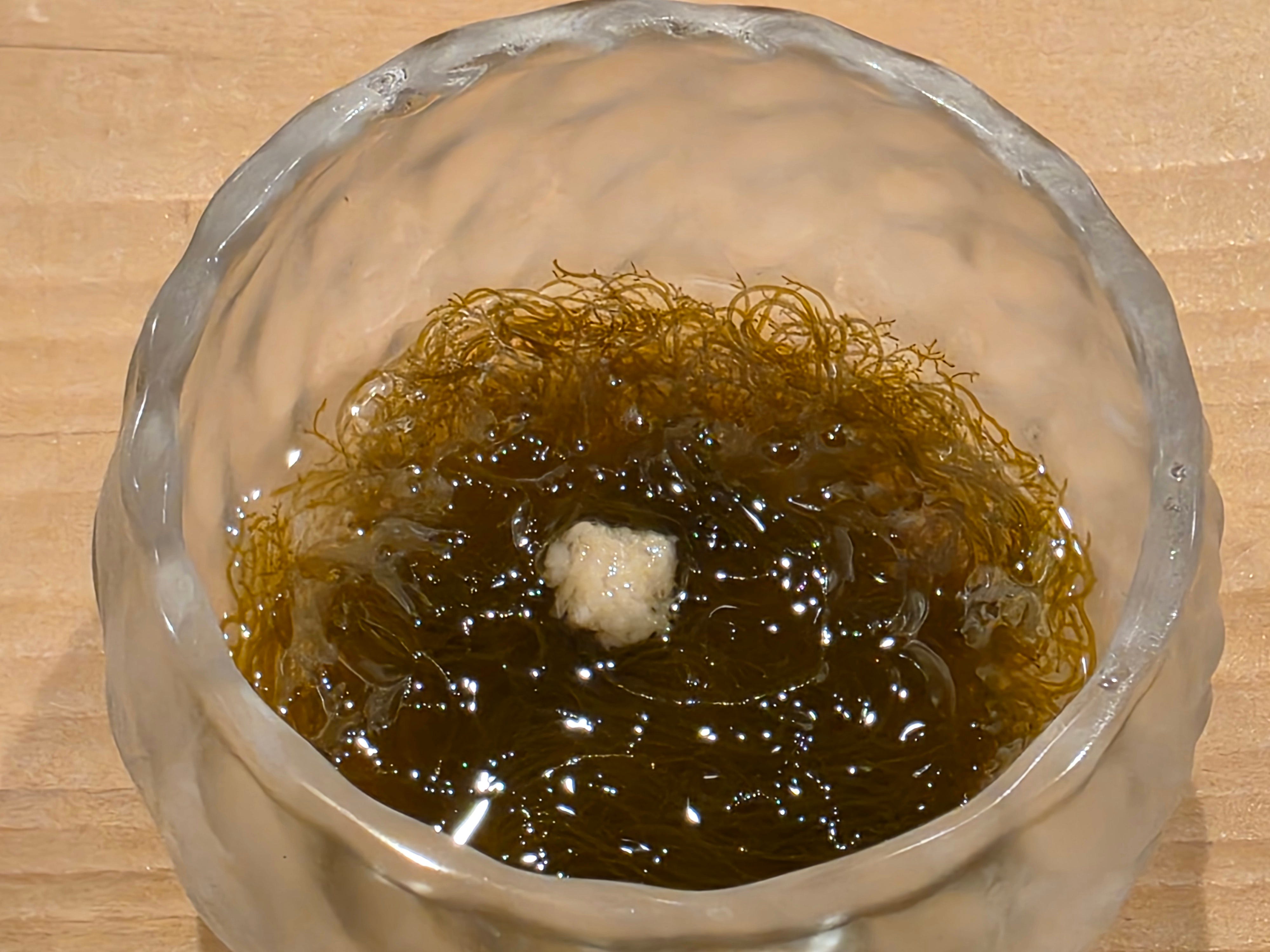
A seaweed interlude followed, sweet, slimy, and vinegared. Not glamorous, but useful. It reset the palate.
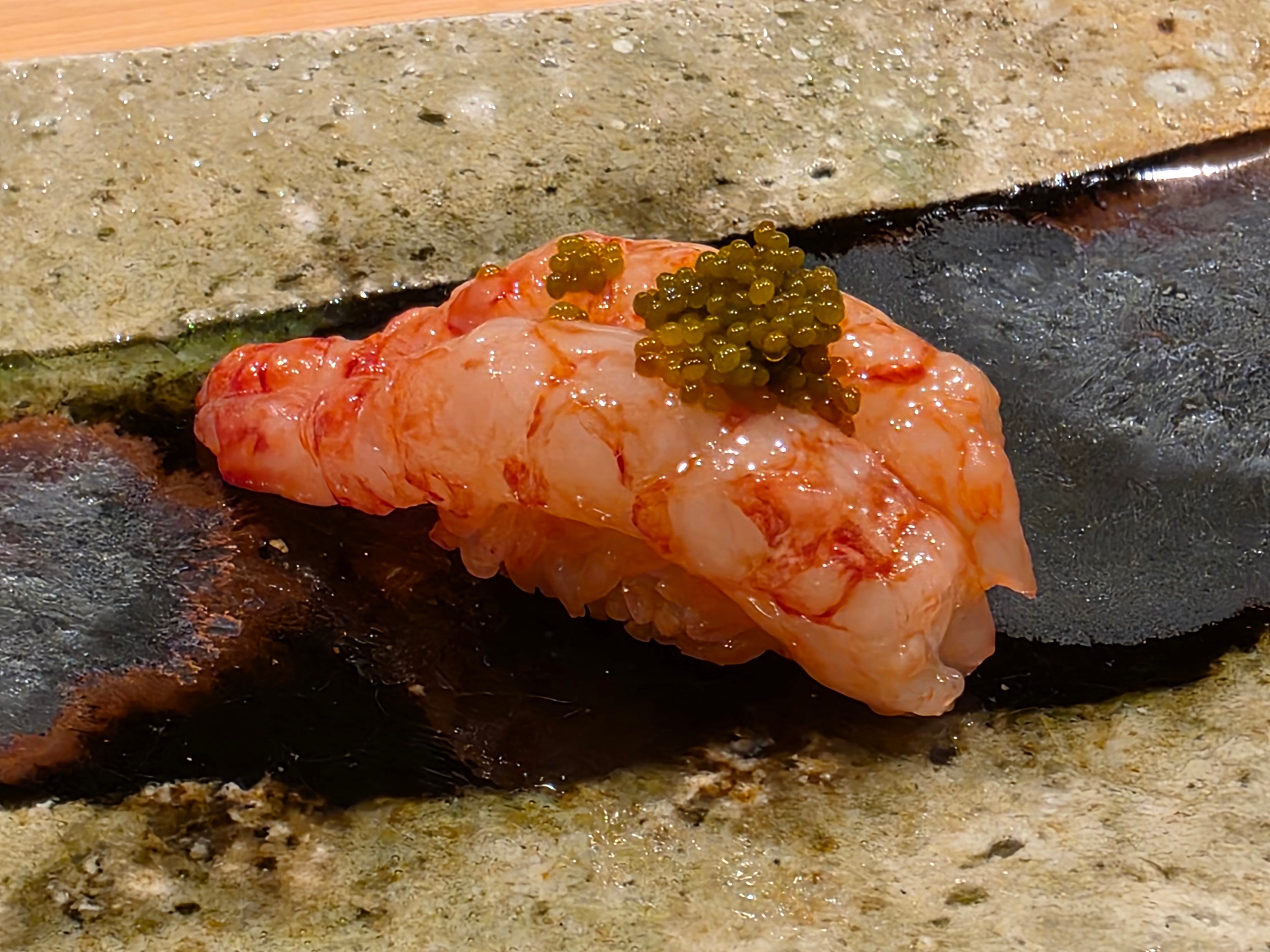
Striped shrimp came with tiny caviar. Sweet shrimp, little pops of salt.
The elderly sous lightly adding a bit of smoke to the nori before the uni roll.
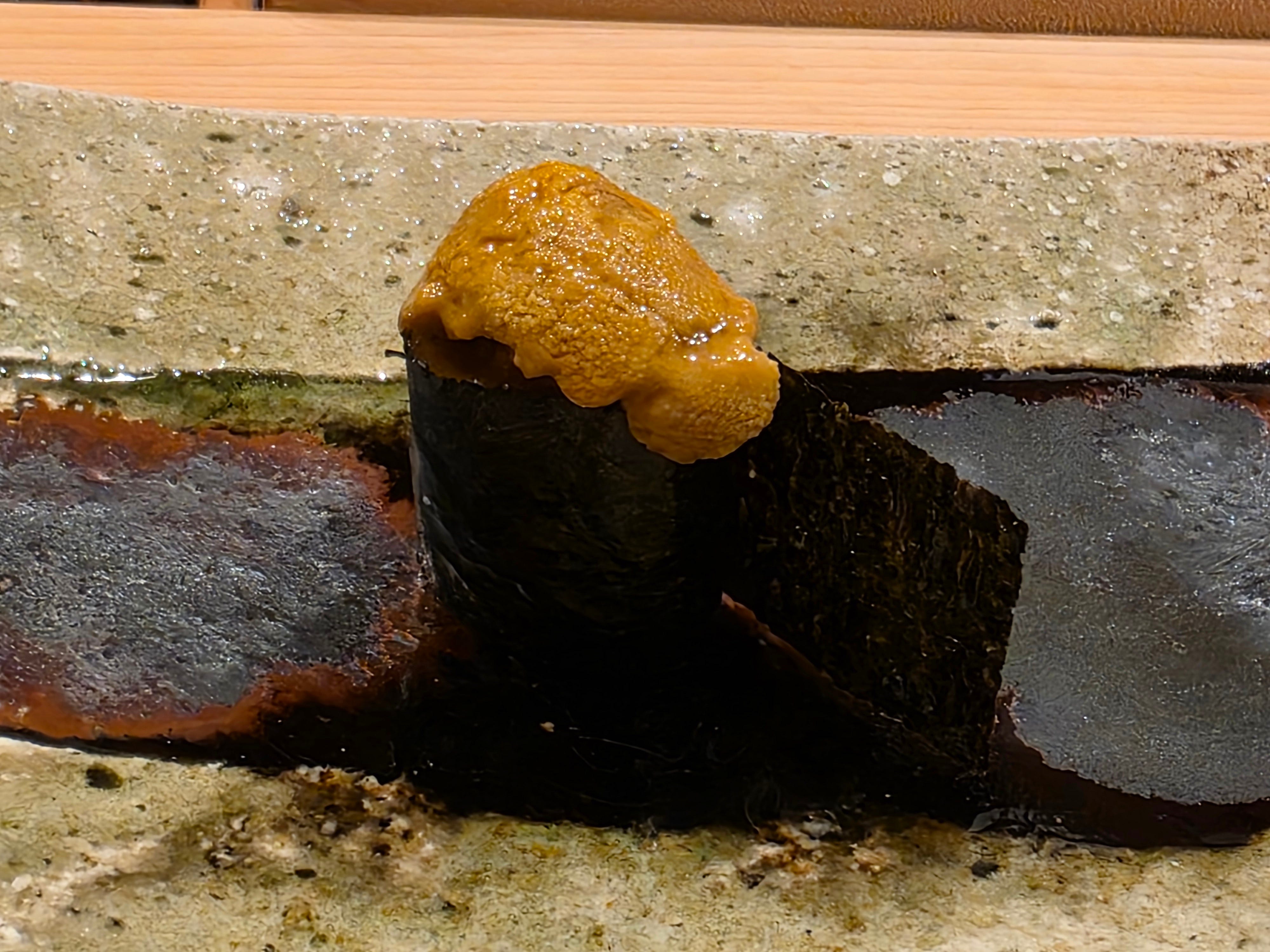
Then an uni gunkan roll, creamy and sweet in the way good uni should be, without needing much explanation.
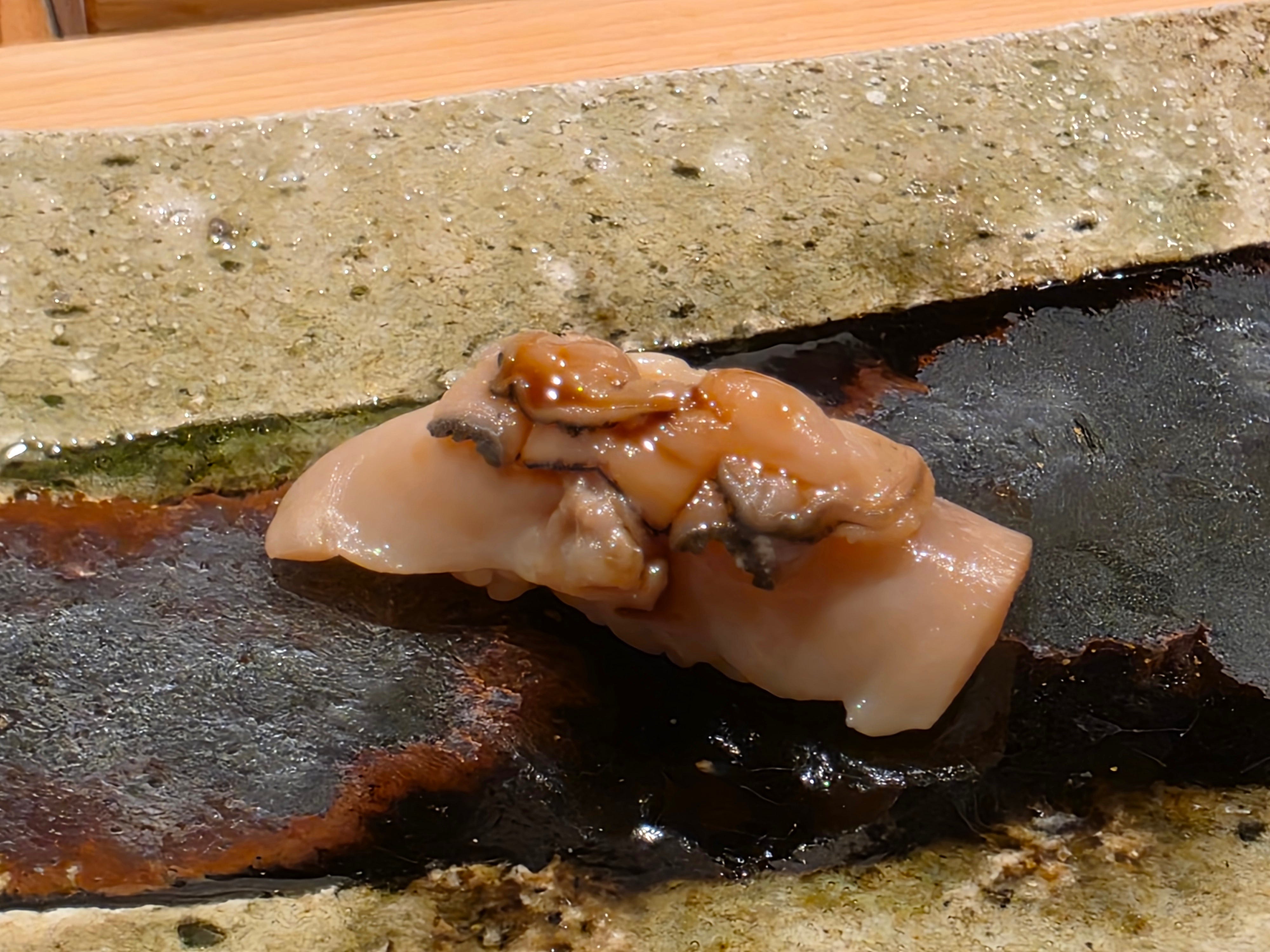
The clam was slightly chewy, sweet, and braised.
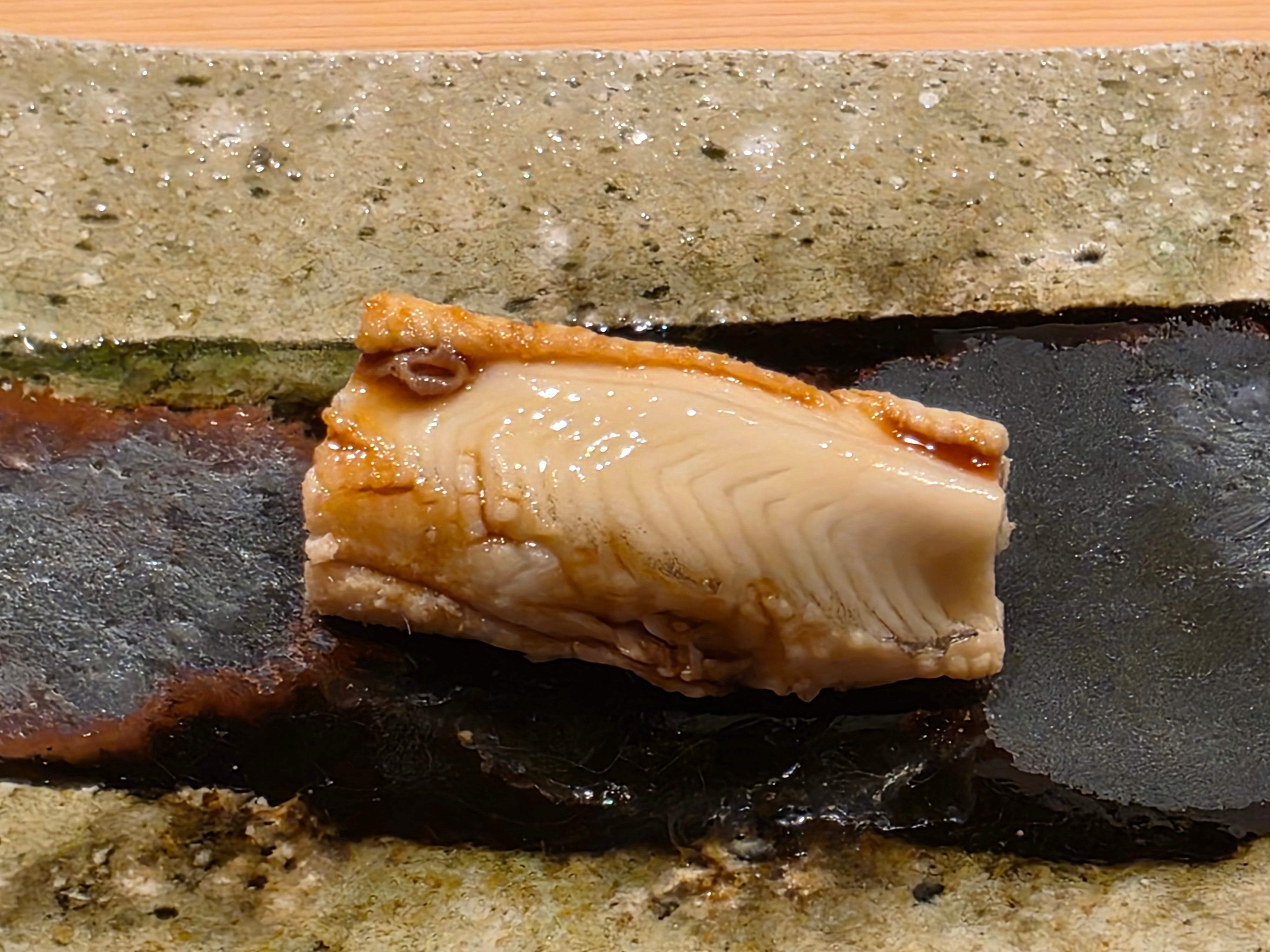
The sea eel was simmered, soft, fluffy, and sweet.
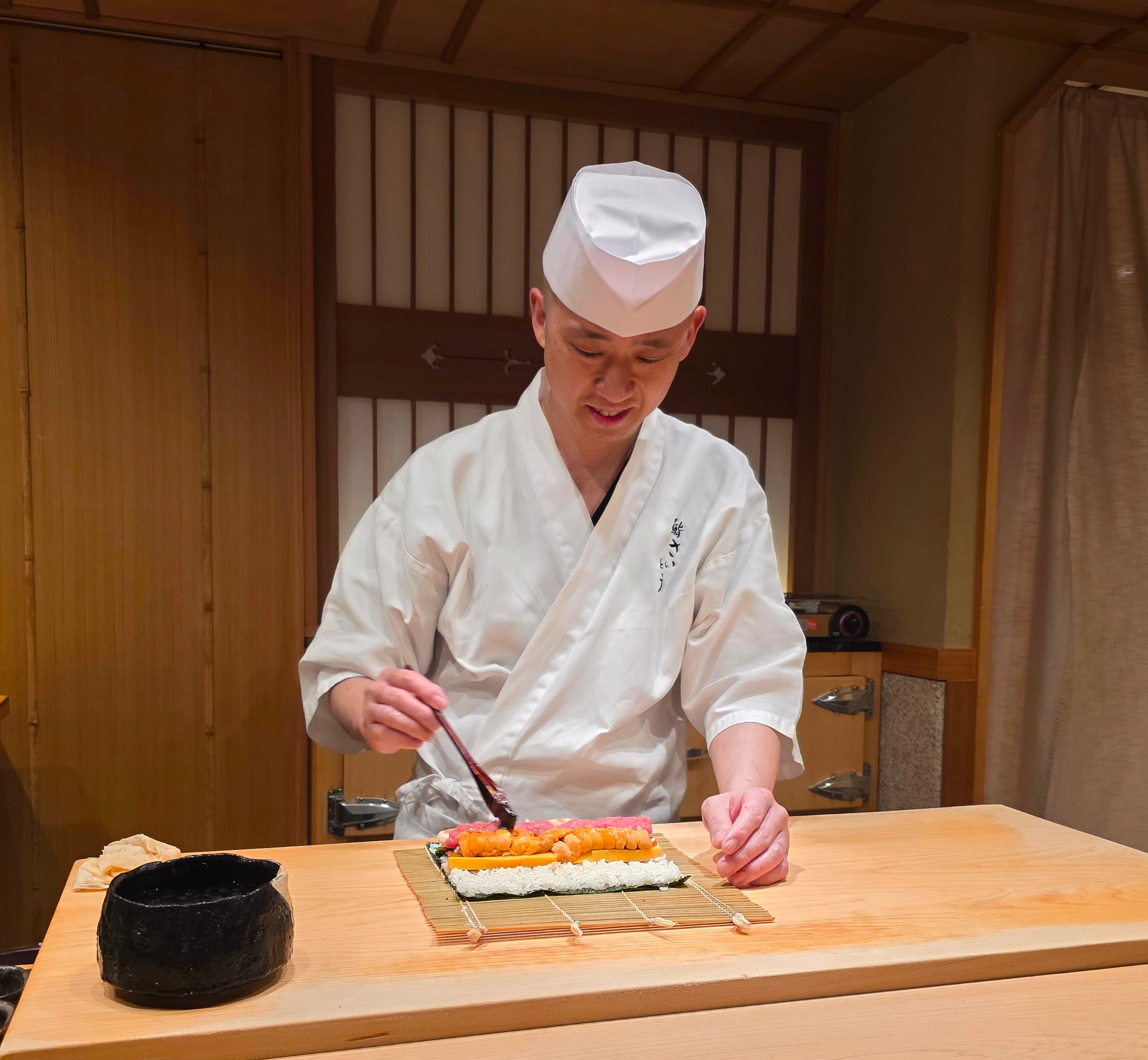
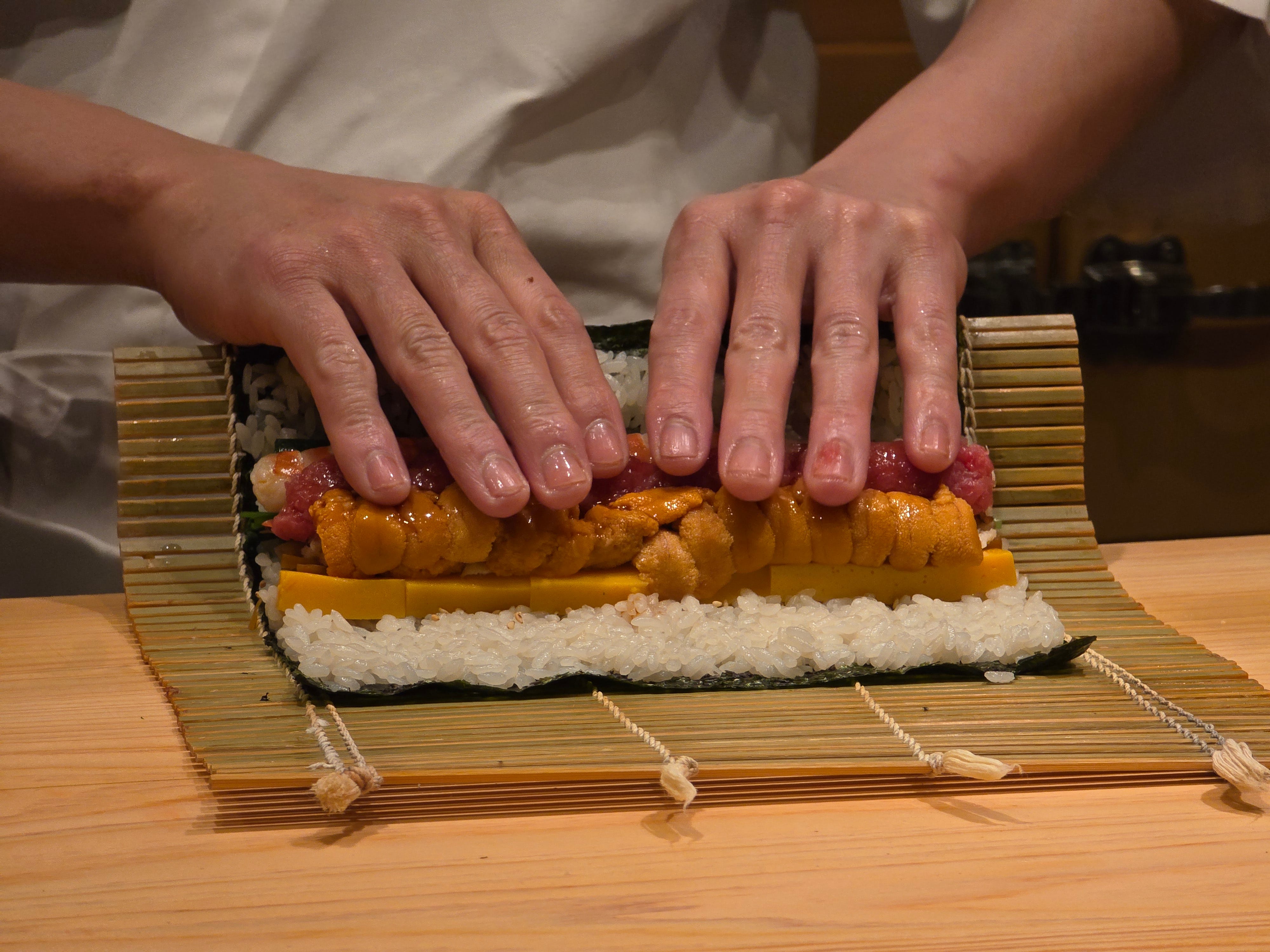
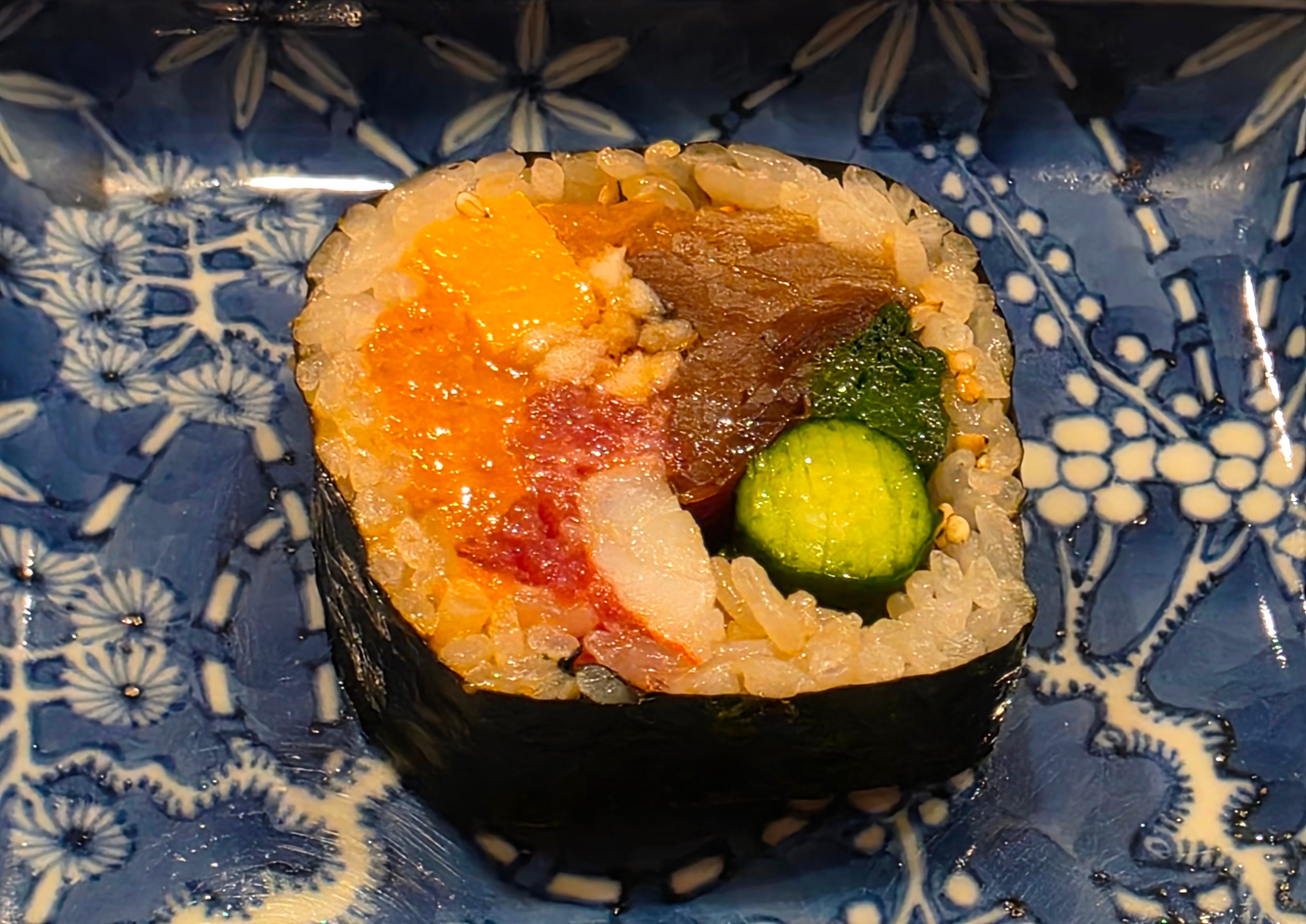
Then came futomaki with cucumber, egg, chives, dried gourd, shrimp, uni, minced tuna, and eel. A lot going on, but still coherent.
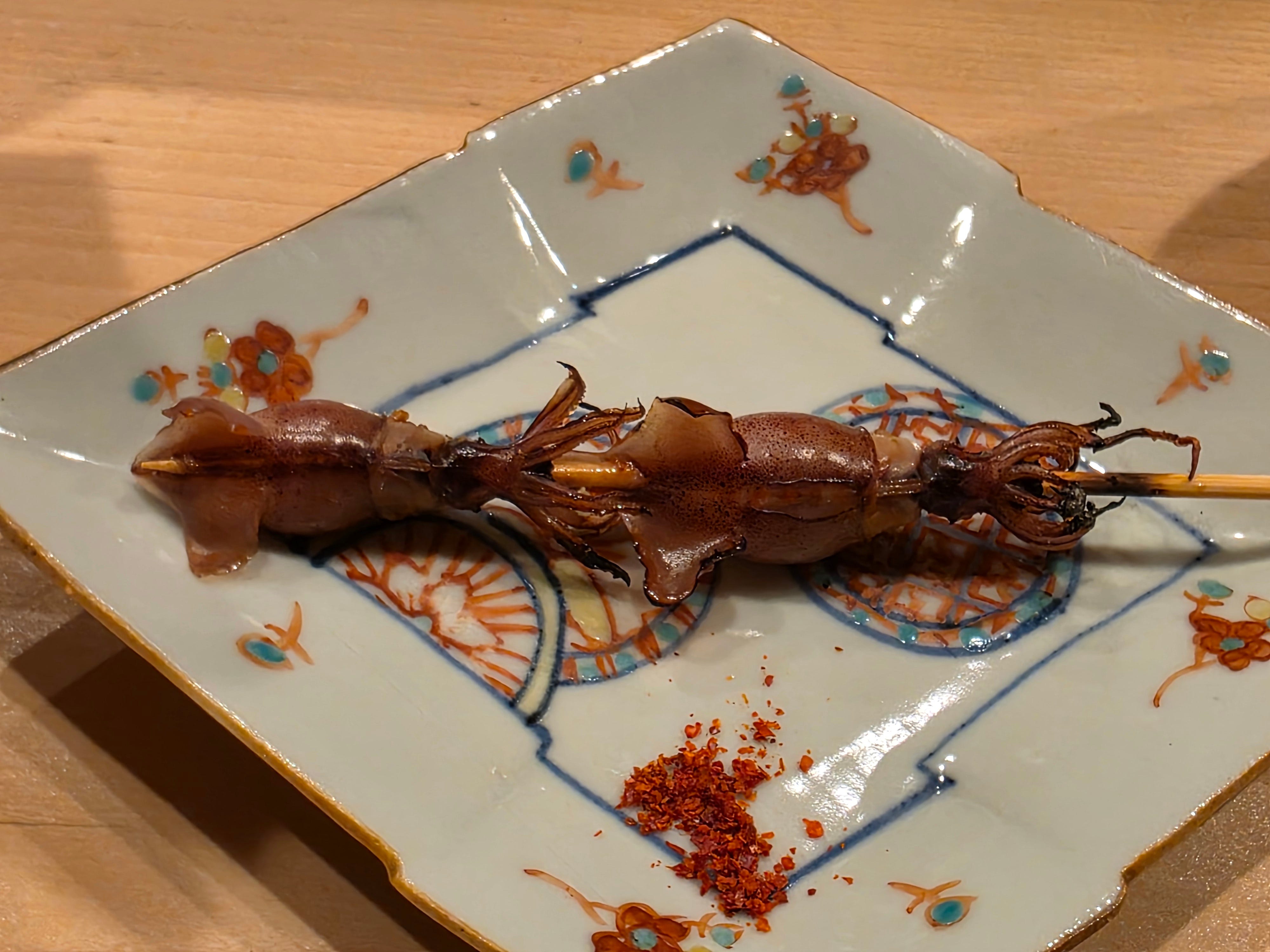
Grilled firefly squid followed. Barely grilled, just touched with fire. Much better than the slimy versions I’ve had in the past.
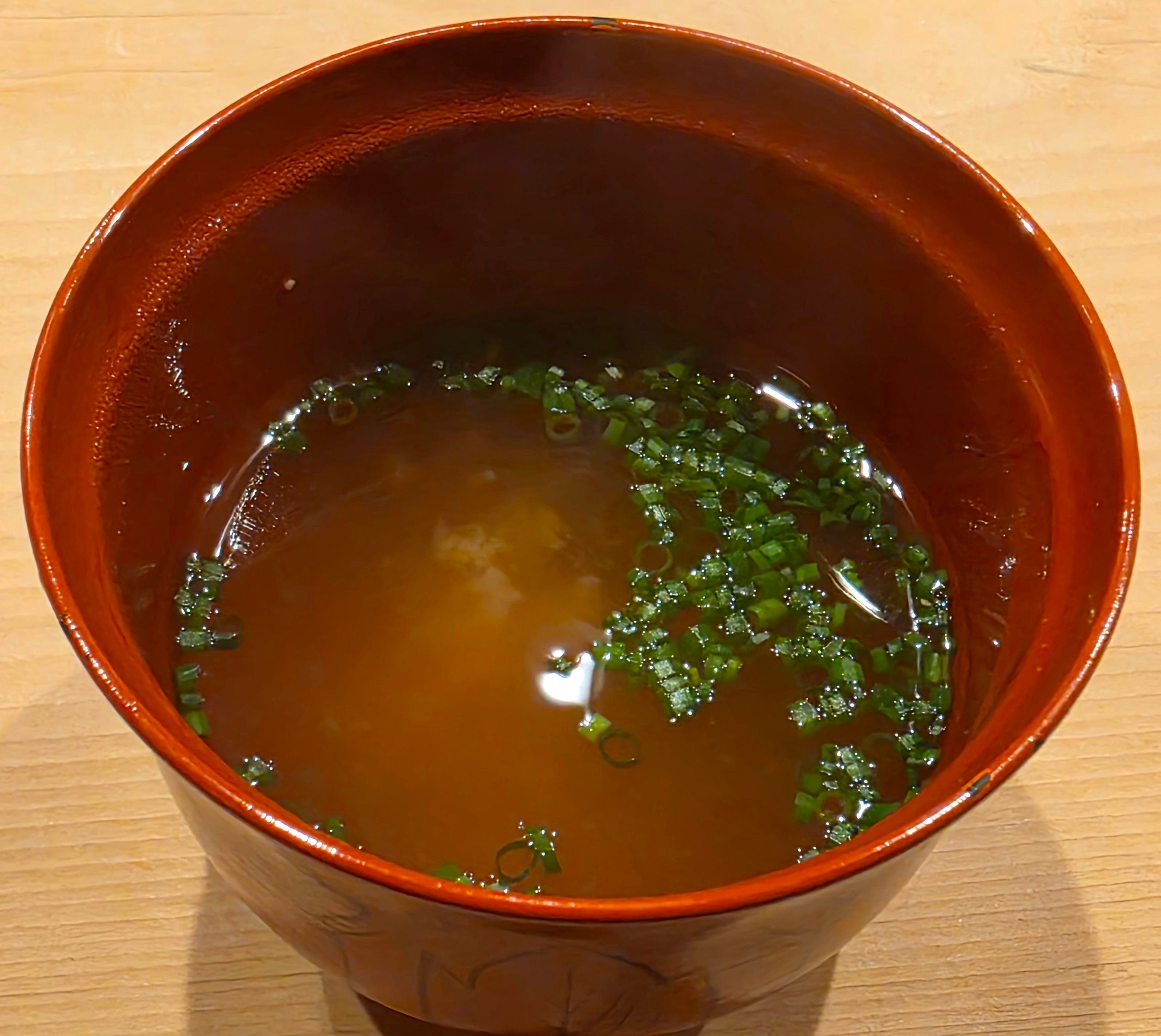
The meal closed with classic miso soup, warm and comforting.
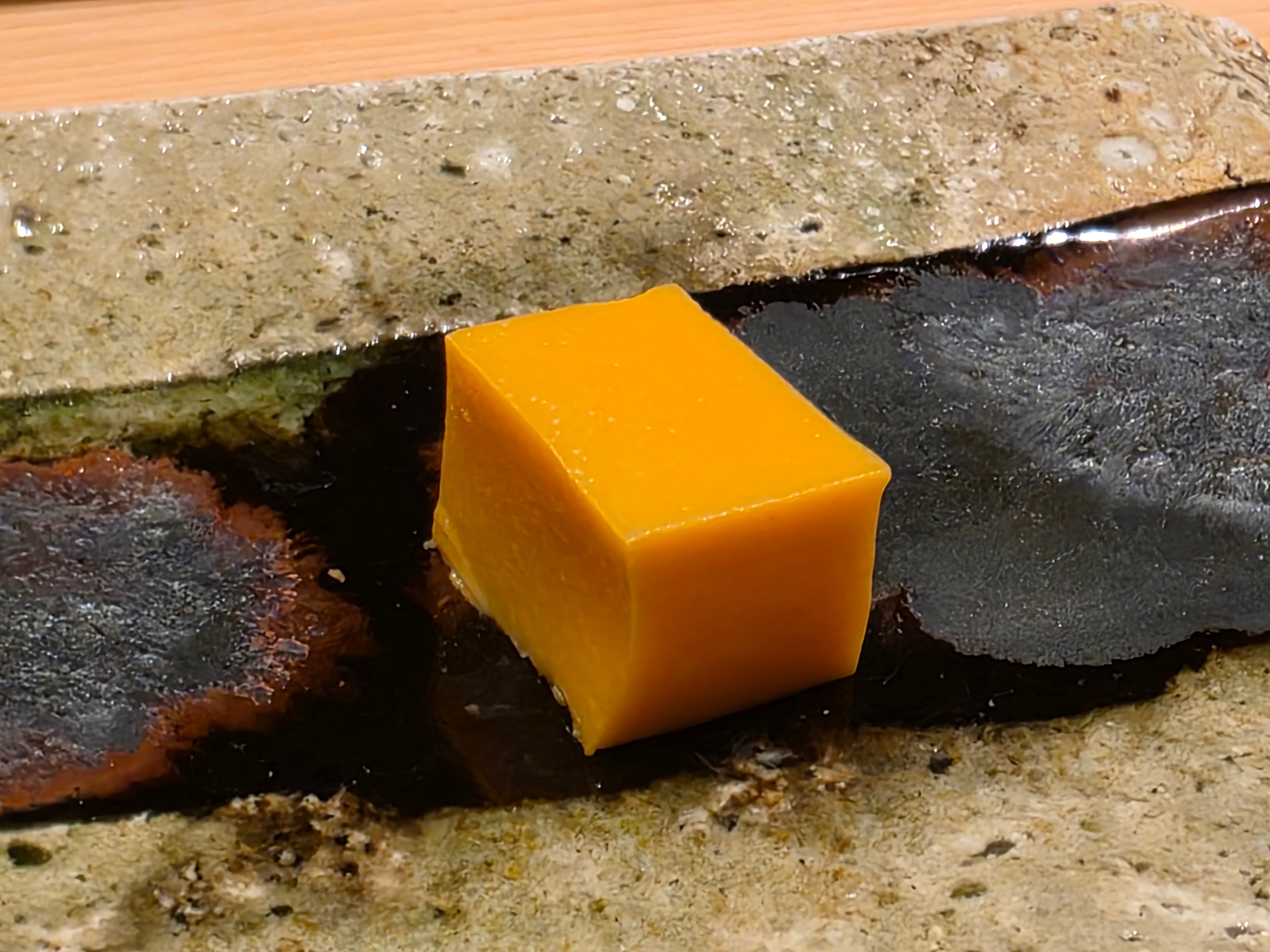
Then signifying the end of the meal, the egg custard - smooth, dense, and velvety.
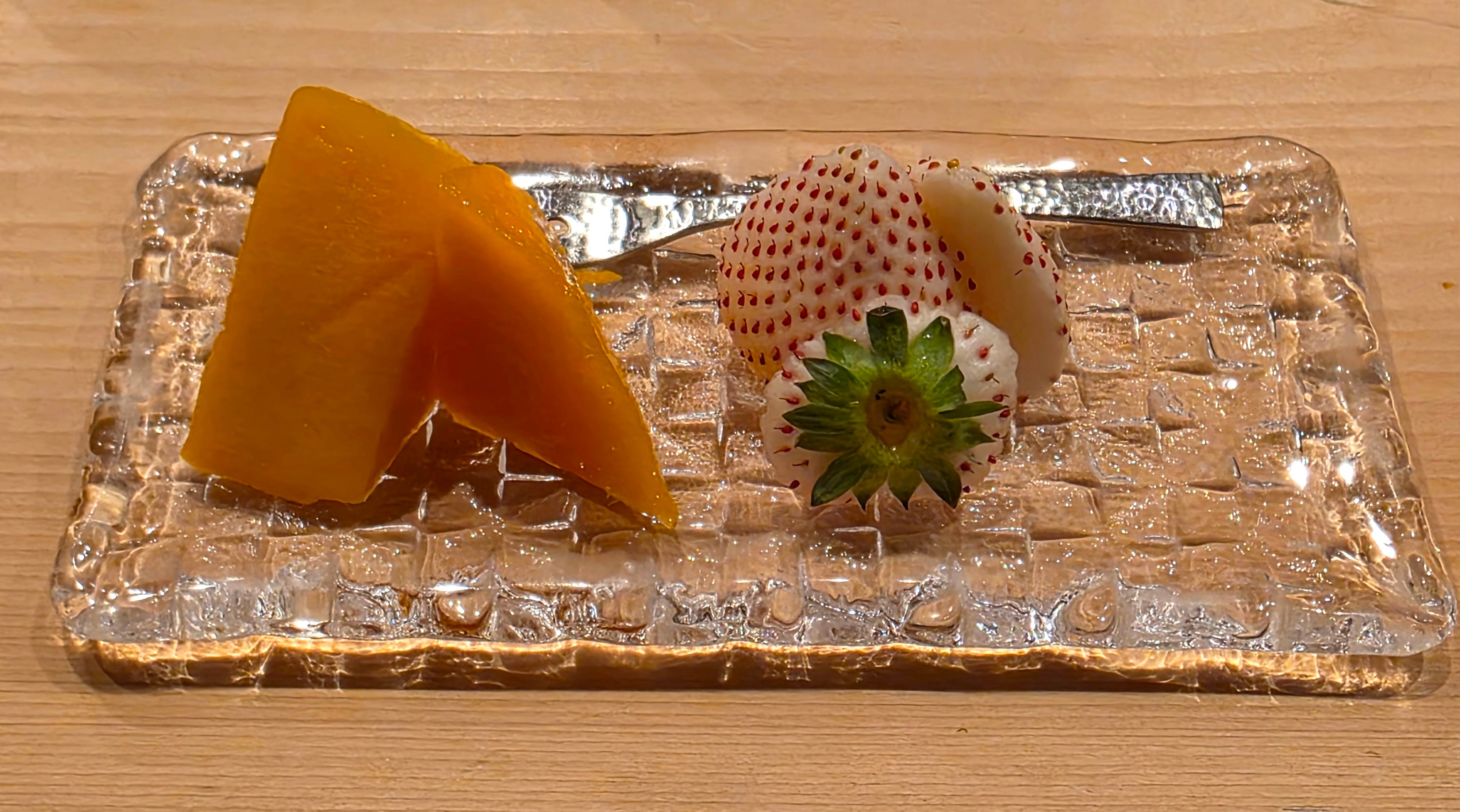
Dessert was intensely sweet mango and Japanese white strawberries. Not complicated. Did not need to be.
Overall, Sushi Saito Hong Kong is not fake Saito. The lineage is real. The training is real. The meal has enough precision, sourcing, and craft to justify taking it seriously.
The harder question is whether it justifies the price. For me, the answer depends on what you think you are buying. If you want Takashi Saito himself, this is not that. If you want a Hong Kong expression of the Saito system, executed by chefs from the broader lineage, then the restaurant makes sense.
It is expensive. It is controlled. It has the usual access games of ultra-premium sushi. But it is not empty luxury. There is substance under the brand. Under the new chef, I think Sushi Saito has improved since my last visit! Definitely worth a repeat!
Total Damage: 8200 HKD/2 people