
A high-end spot for Edomae-style omakase, Sushi Wadatsumi started in 2013 as Ginza Iwa, a Hong Kong branch of Tokyo’s Sushi Iwa. It earned its Michelin star in 2014 and a year later, it broke ties with the Tokyo original and rebranded as Sushi Wadatsumi, keeping its star each year since. Around 2022, it relocated to K11 Musea to a sleeker two counter setup.
Its longtime executive chef, Chef Kin-san, grew up in Hong Kong and trained at Sushi Iwa in Tokyo. He built 20 years of experience there, focusing on nigiri details like shari - blending Hokkaido Nanatsuboshi and Yamagata rice, aged four to five months, milled fresh every few days, cooked in Kagoshima spring water, and mixed with Kohaku vinegar for a light acidity that pairs well with white fish, tuna, or shellfish.
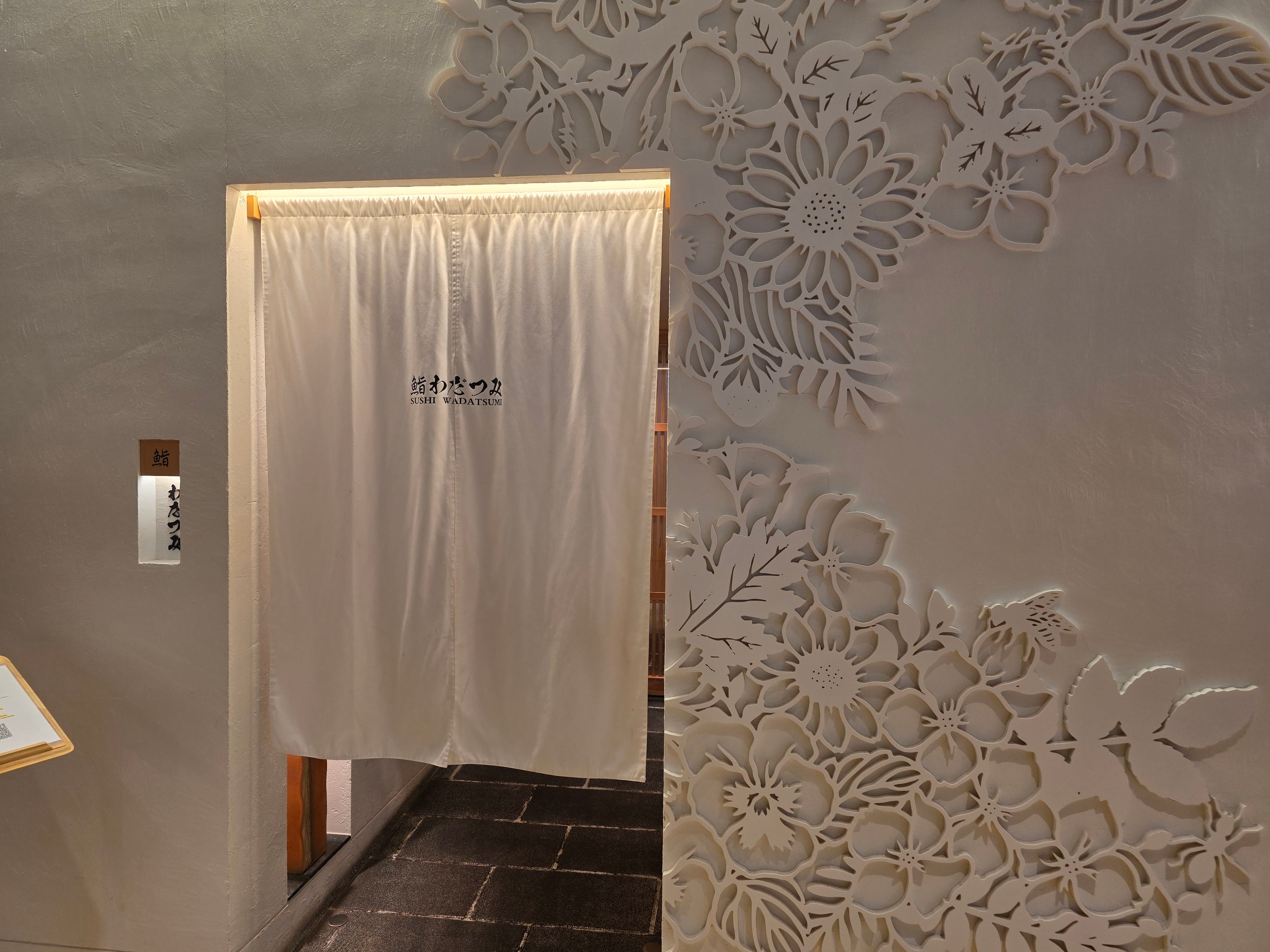
Located on the top floor of the K11 mall, the white exterior contrasts with the colourful modern art displayed outside he restaurant.
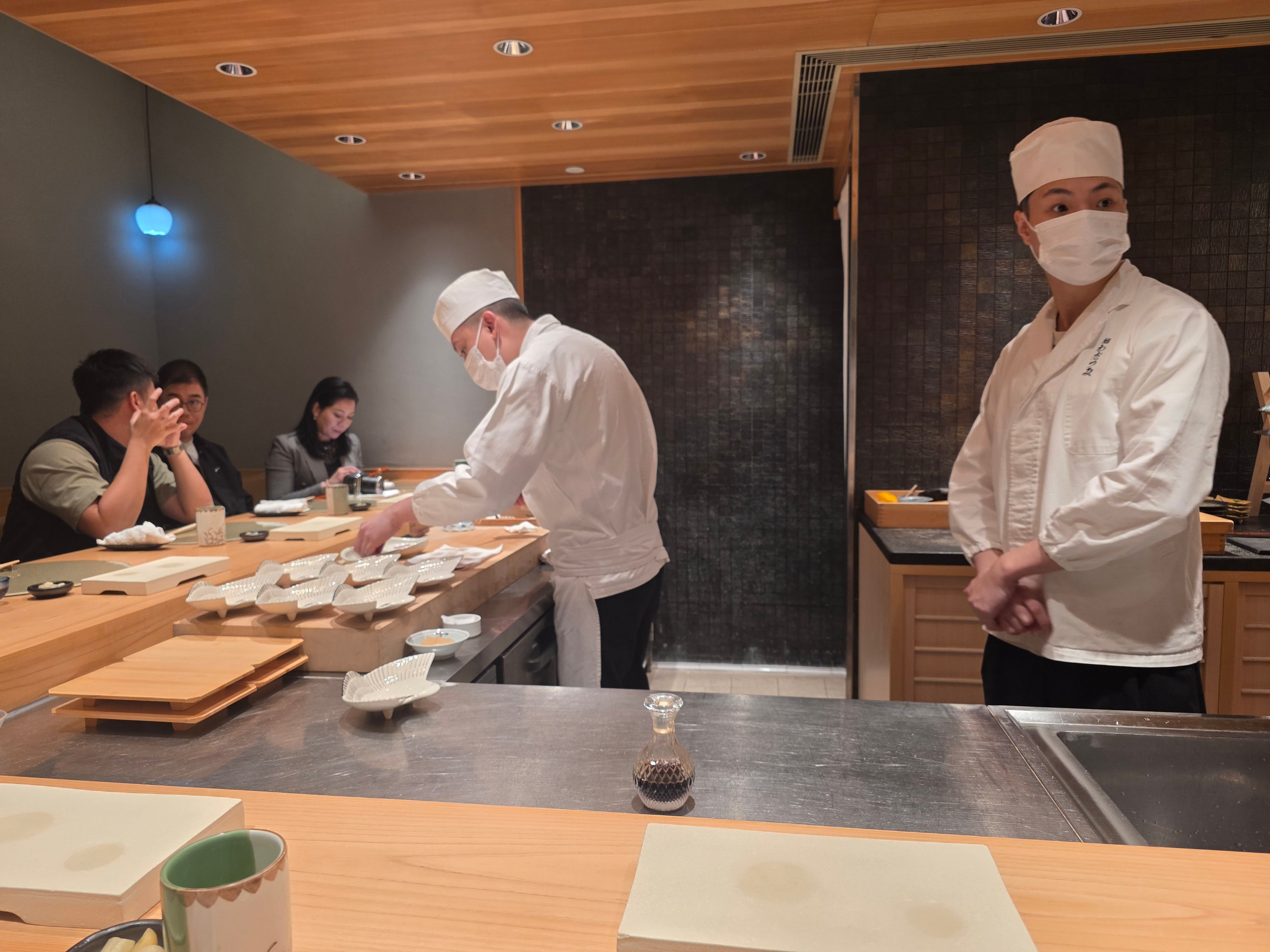
Arriving slightly late, we were seated at an L-shaped counter watching the chef and apprentice well into preparations for the appetizers.
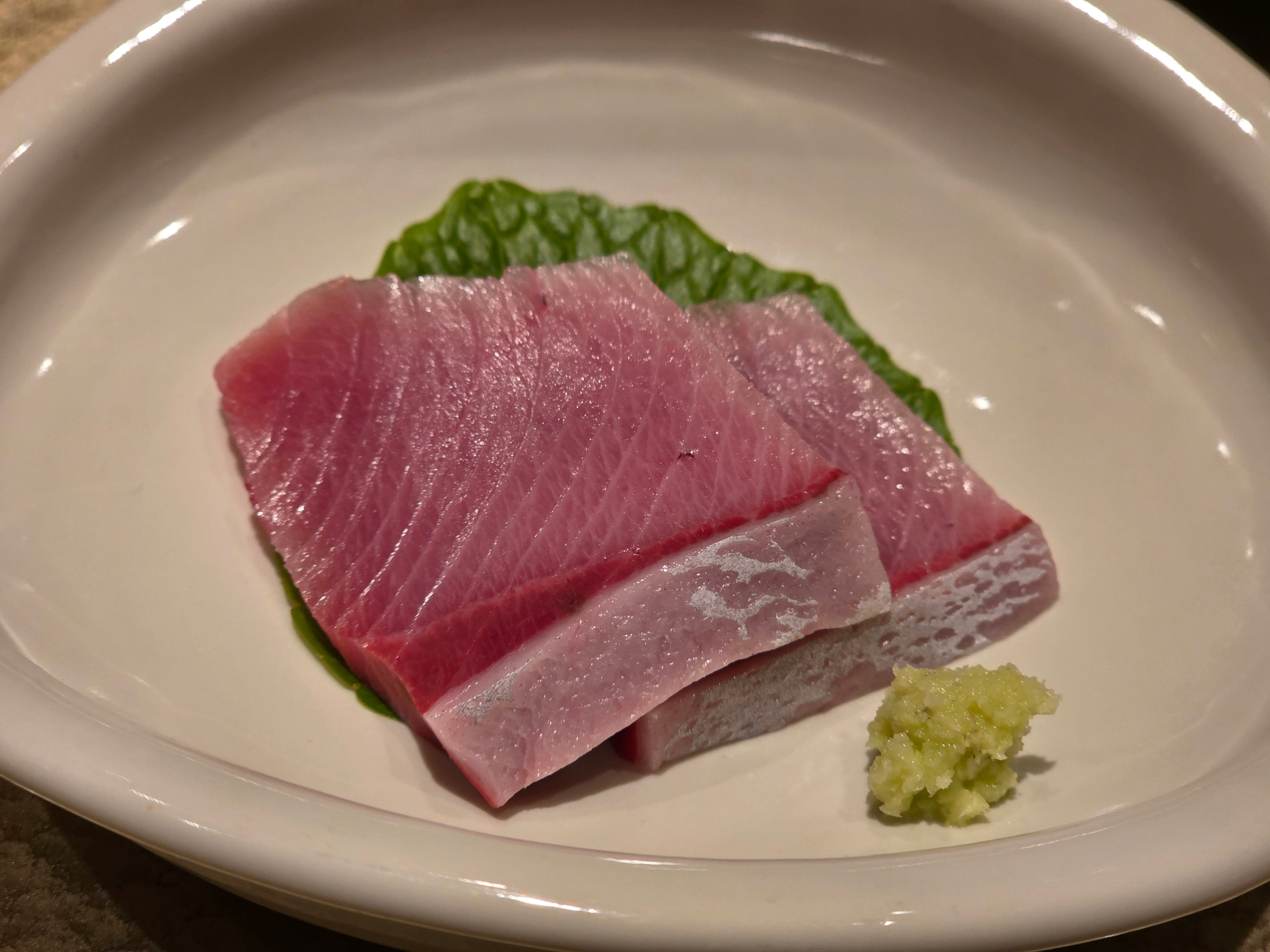
Starting with two slices of lightly-marbled tuna sashimi with fresh wasabi.
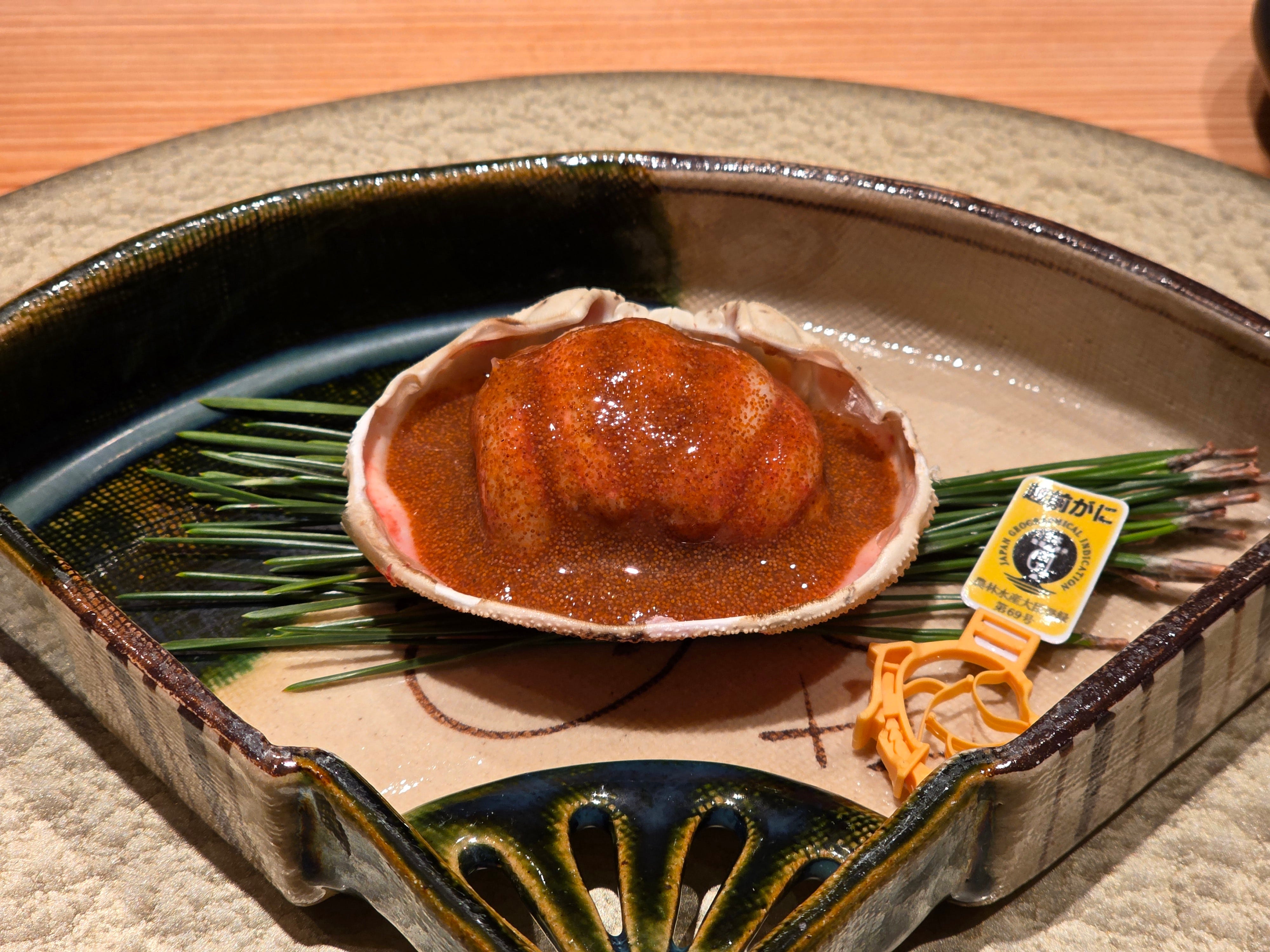
An interesting dish - a whole picked crab, topped with a dense crab roe sauce and served in a crab shell. Delicious!
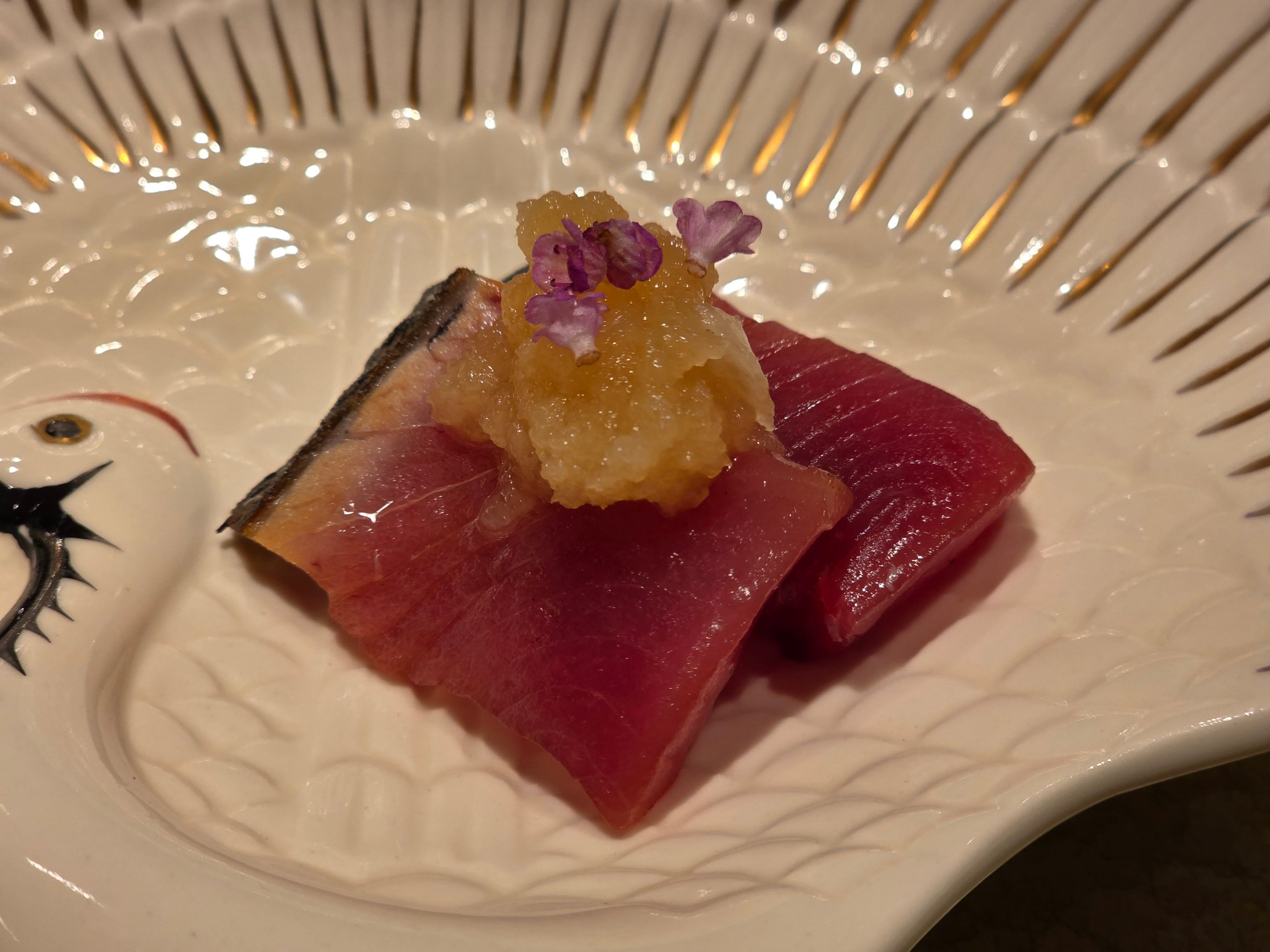
The lean cut of skipjack tuna served next, with the skin lightly pressed with charcoal to get it extra crispy. Served with grated ginger and shiso blossoms.
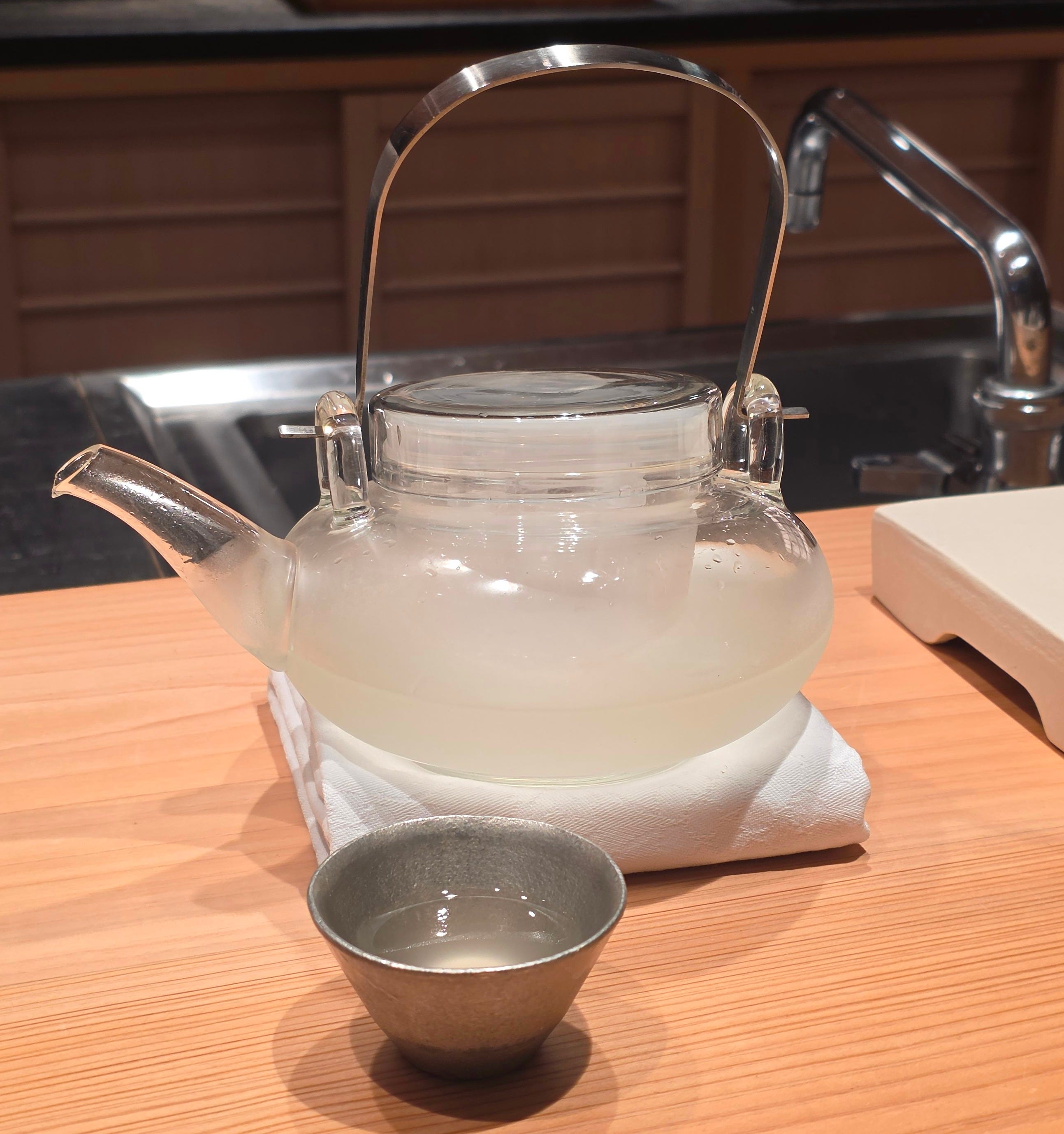
They had two versions of house sake - a drier one and a sweeter one. We ended up trying both.
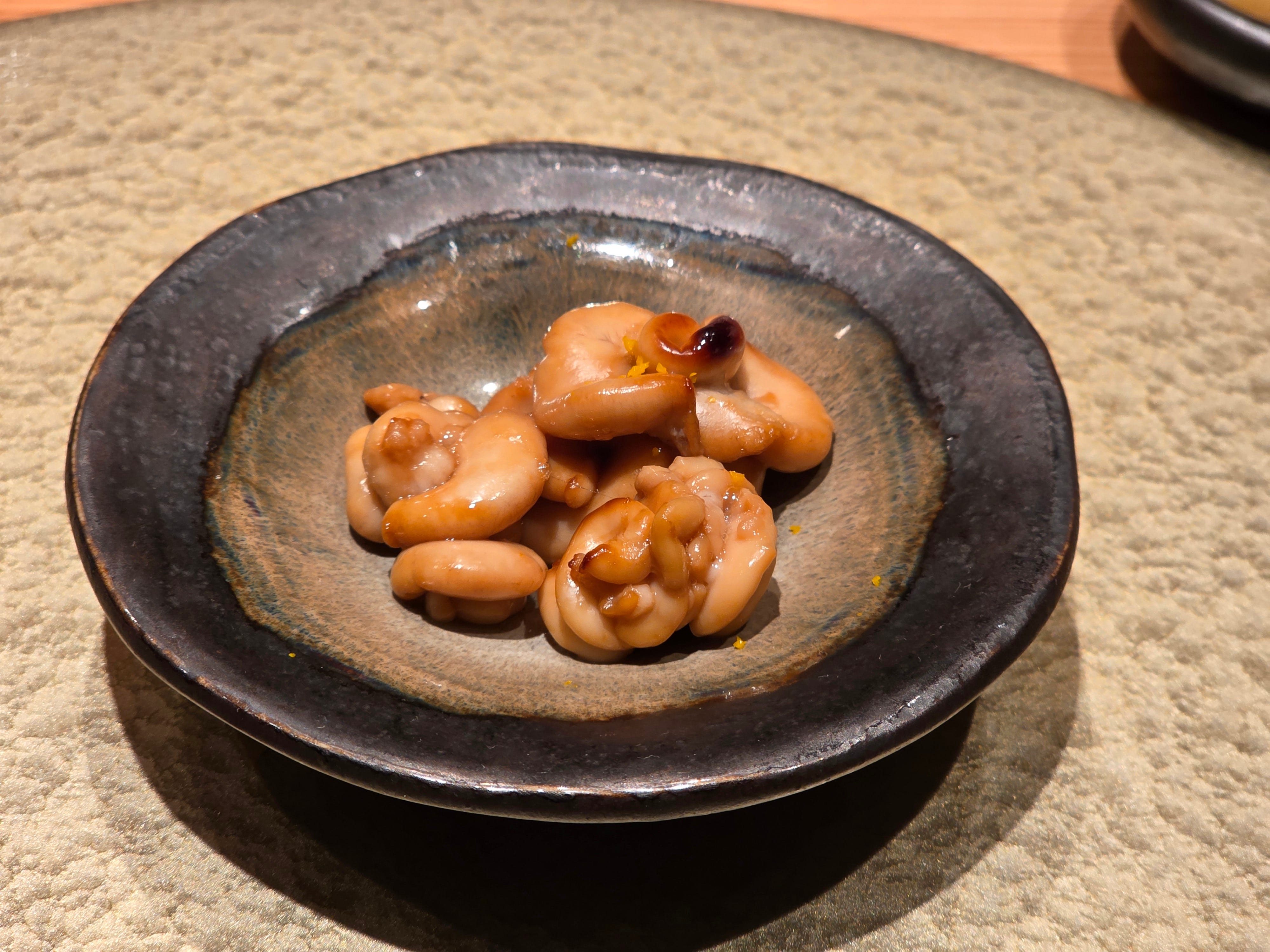
A very generous portion of shirako came next, glazed with a sweet soy glaze. Not a fan at all, and the creaminess didn’t really help. One of the better preparations I’ve tried, but generally it’d be a skip for me if it was a la carte.
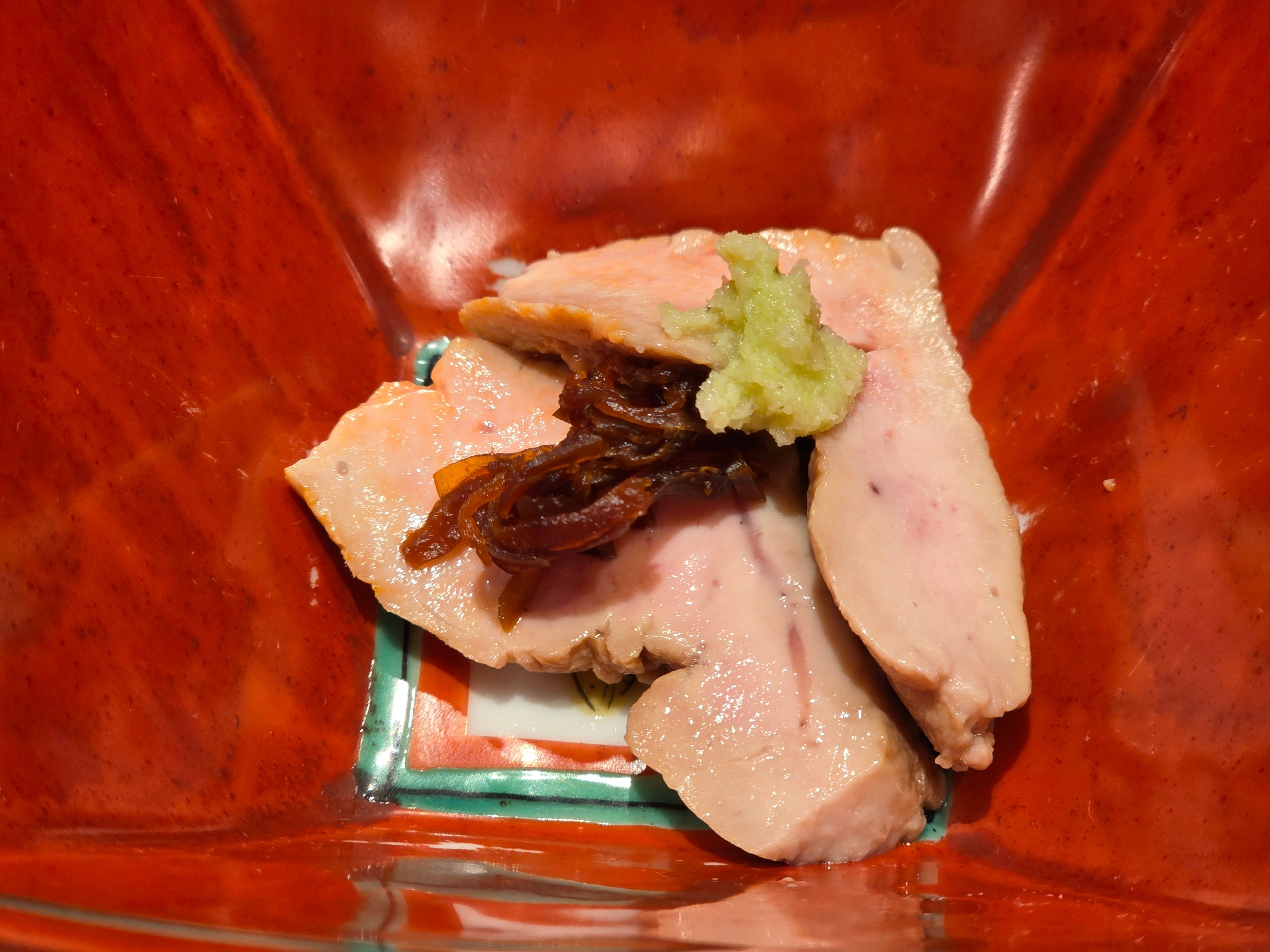
Monkfish liver, the foie gras of the sea, with fresh grated wasabi and sweetened dried gourd. A constant favourite, although would be great it it was served with something crispy to contrast the mouthful of incredibly fatty richness.
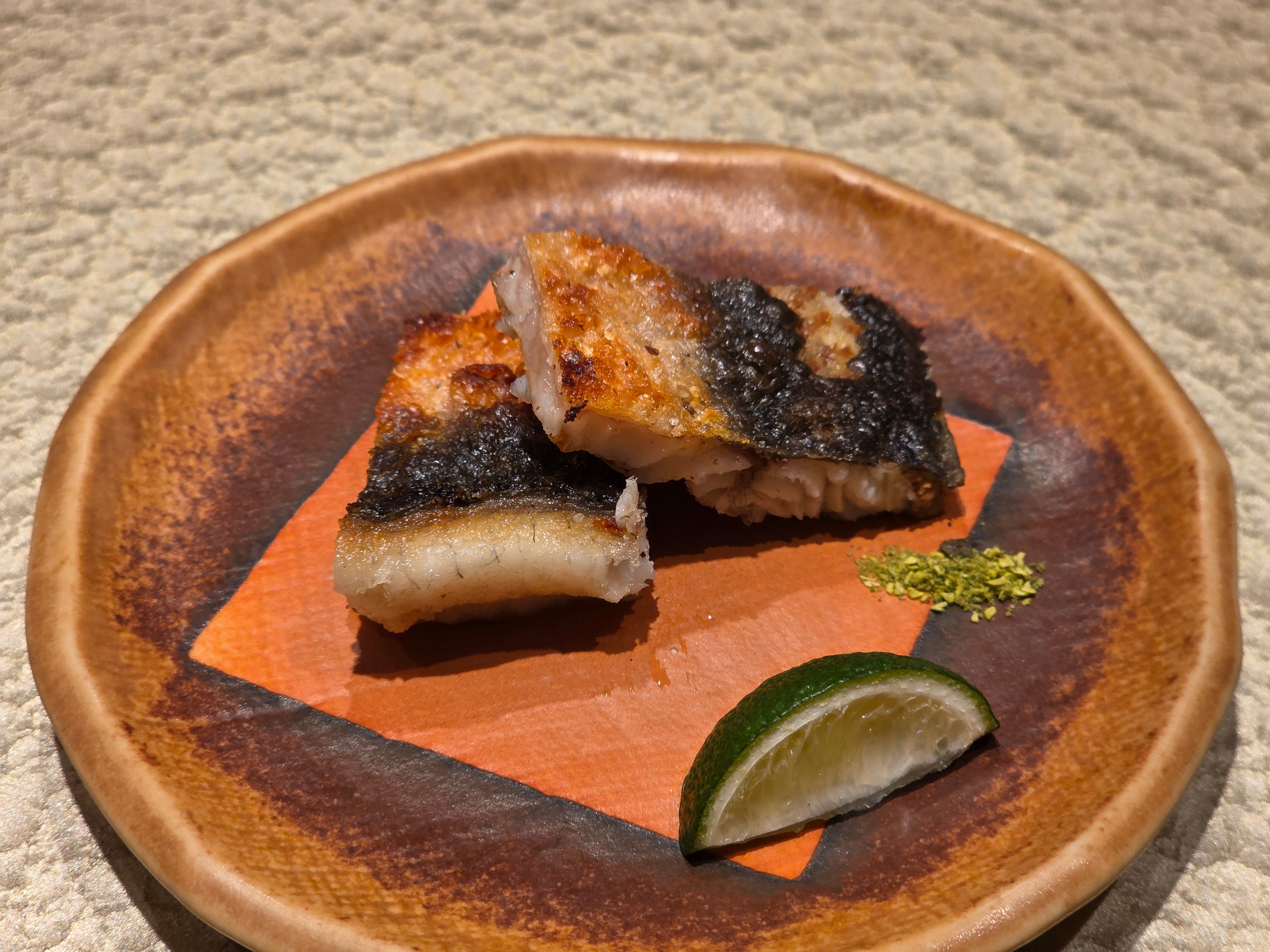
Two pieces of grilled mackerel, skin charred until crisp, served with a slice of Japanese baby lime.
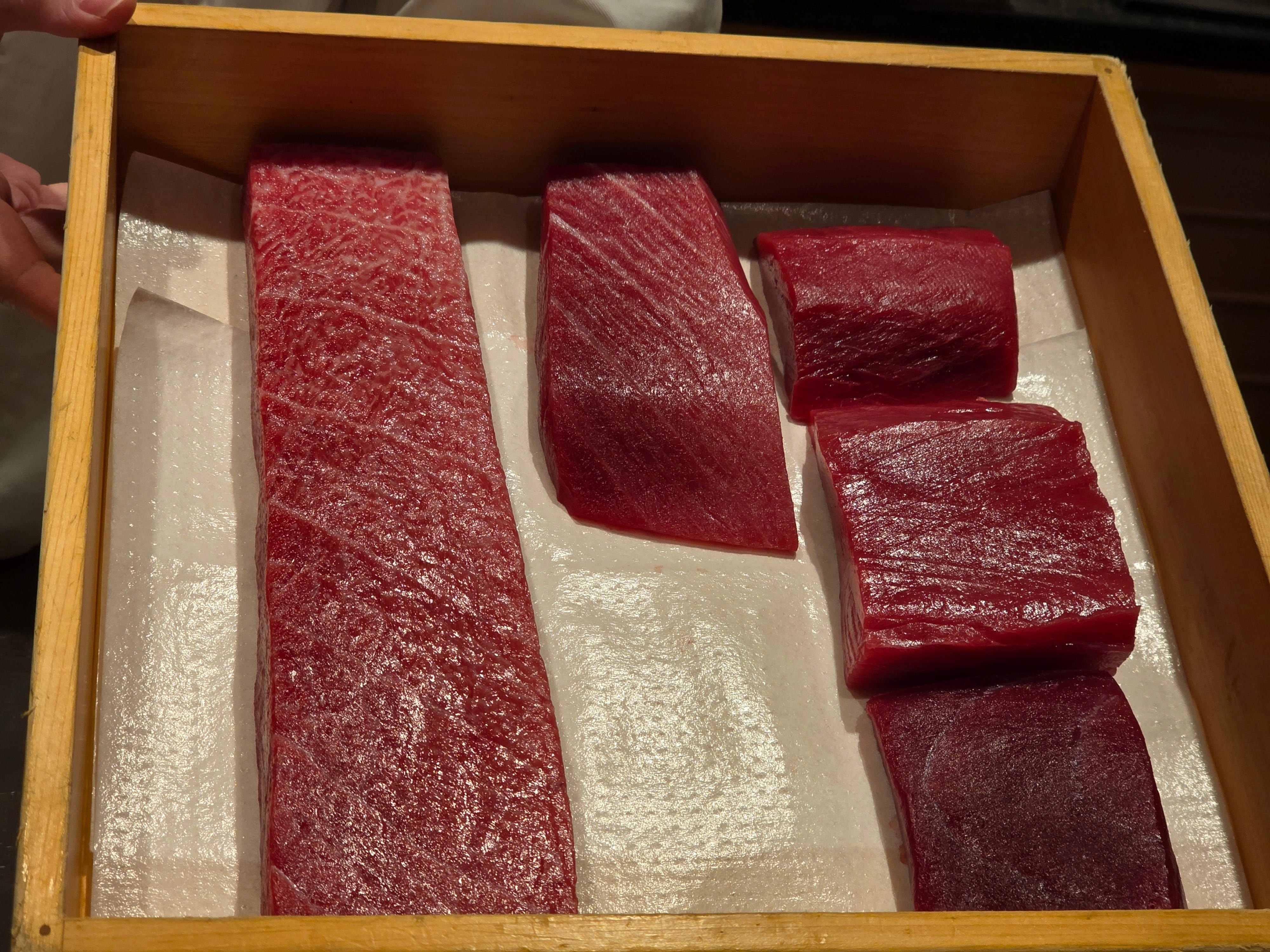
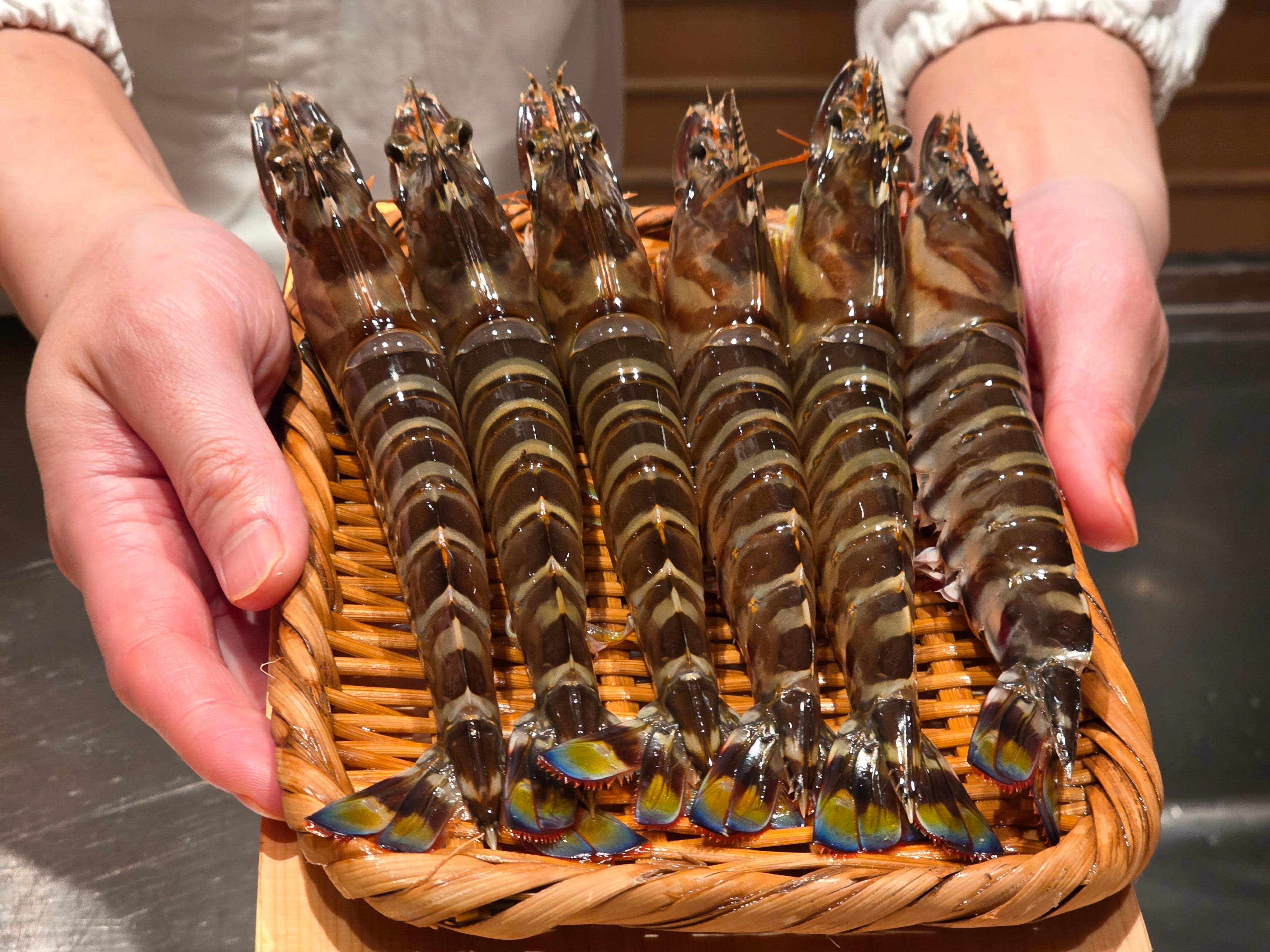
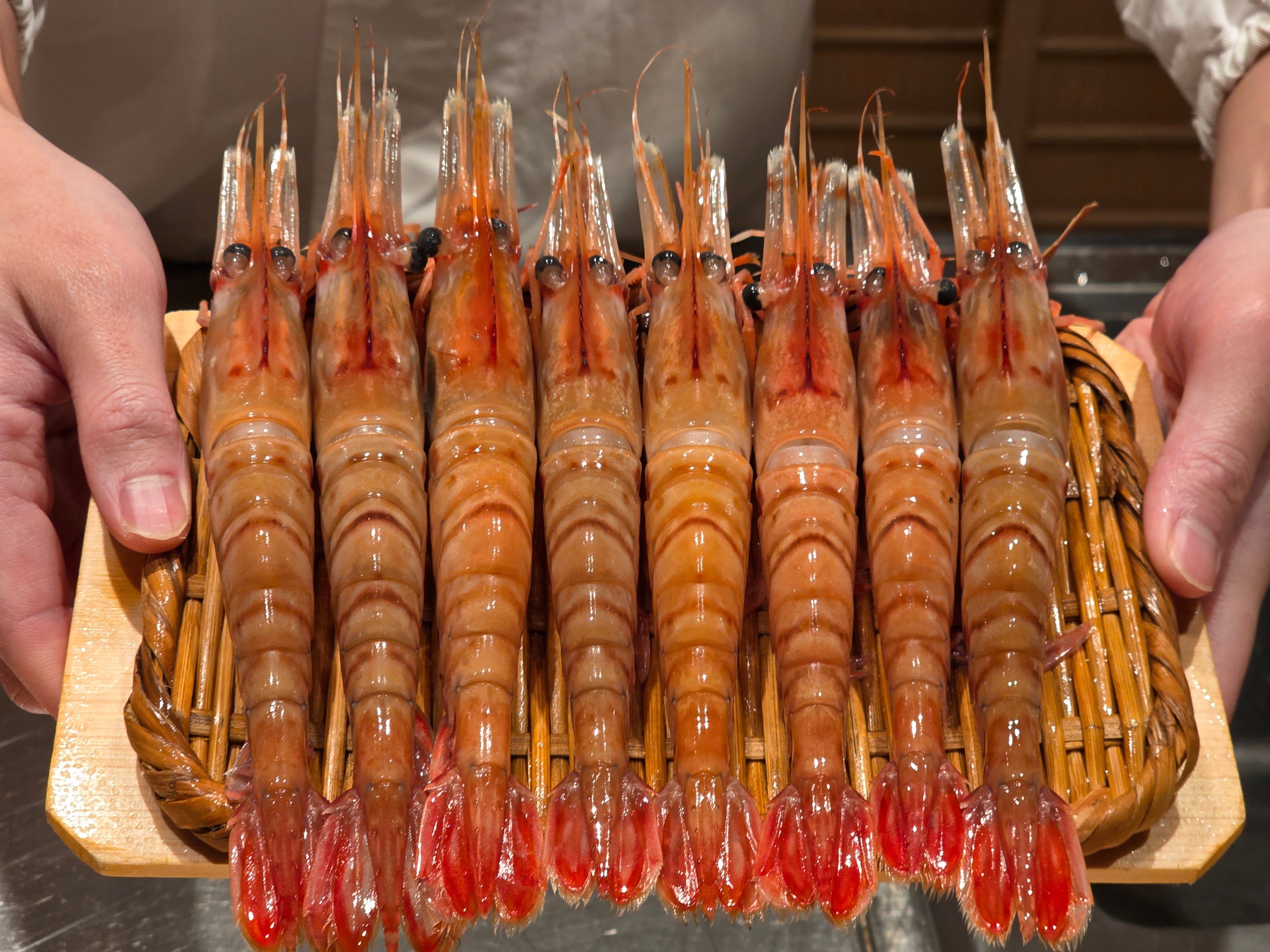
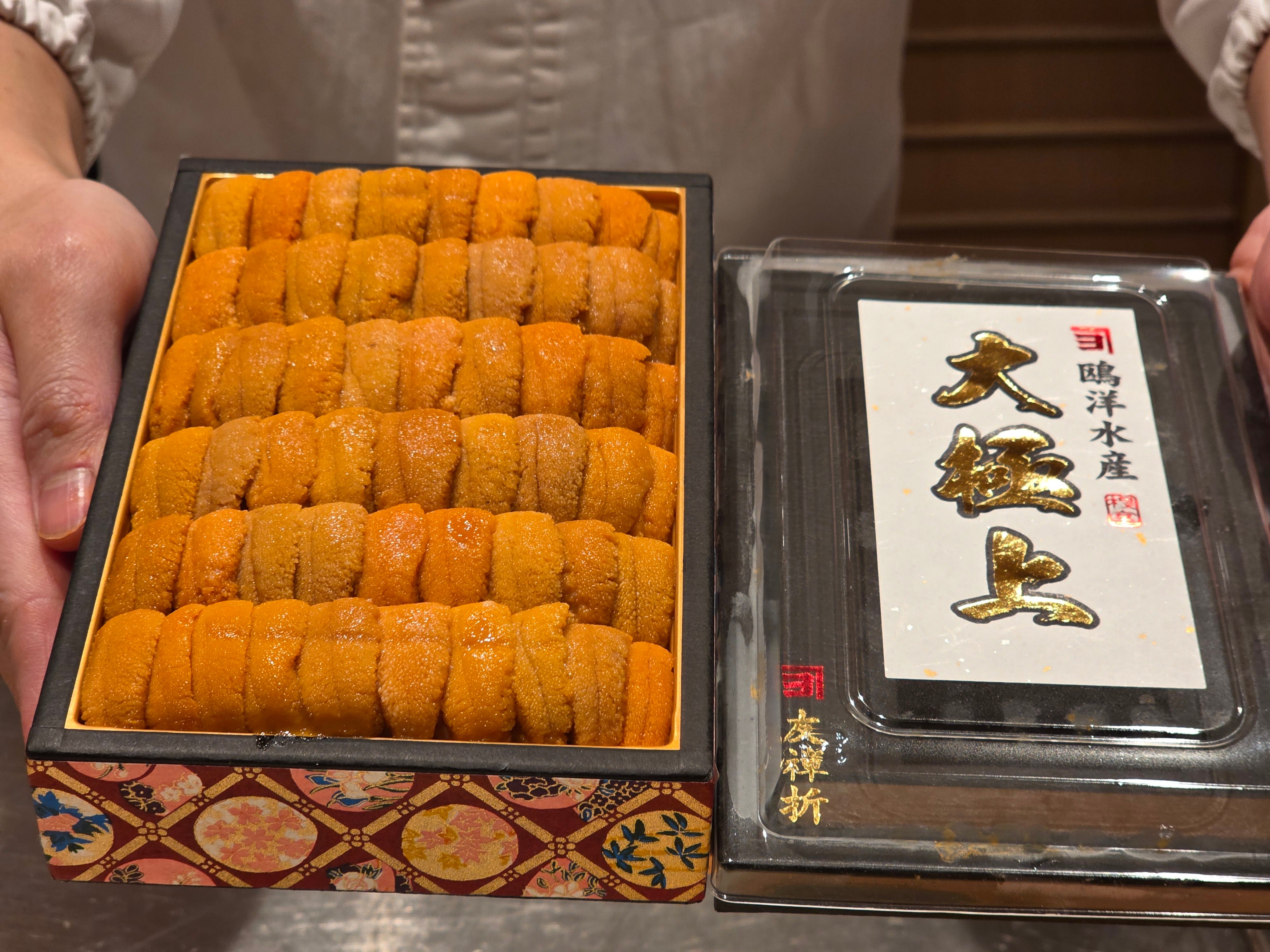
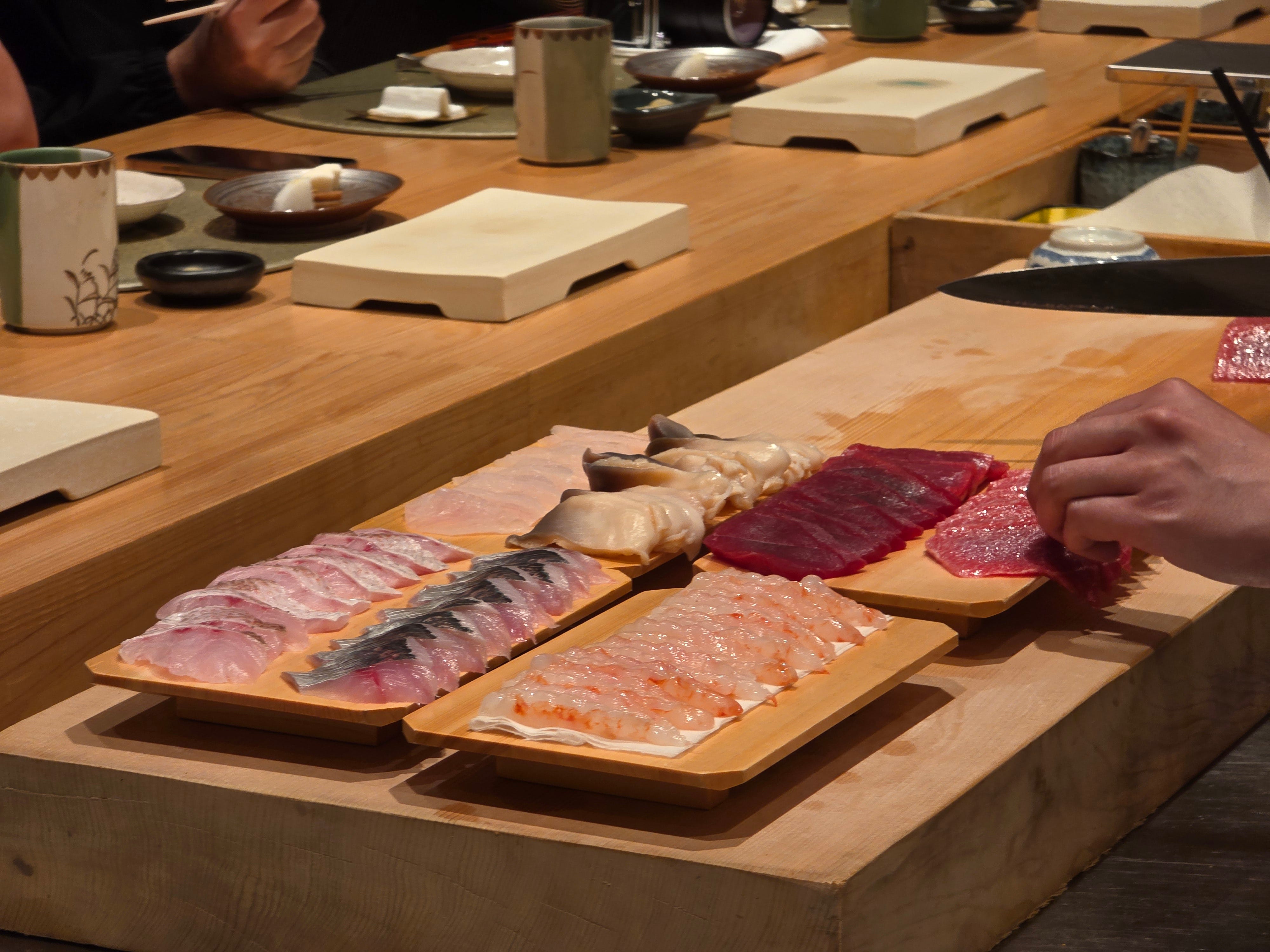
The chef and apprentice made a show of all the raw ingredients being prepped for the main event - various cuts of tuna, two kinds of shrimp, uni from Hokkaido, all expertly prepared into mise en place.
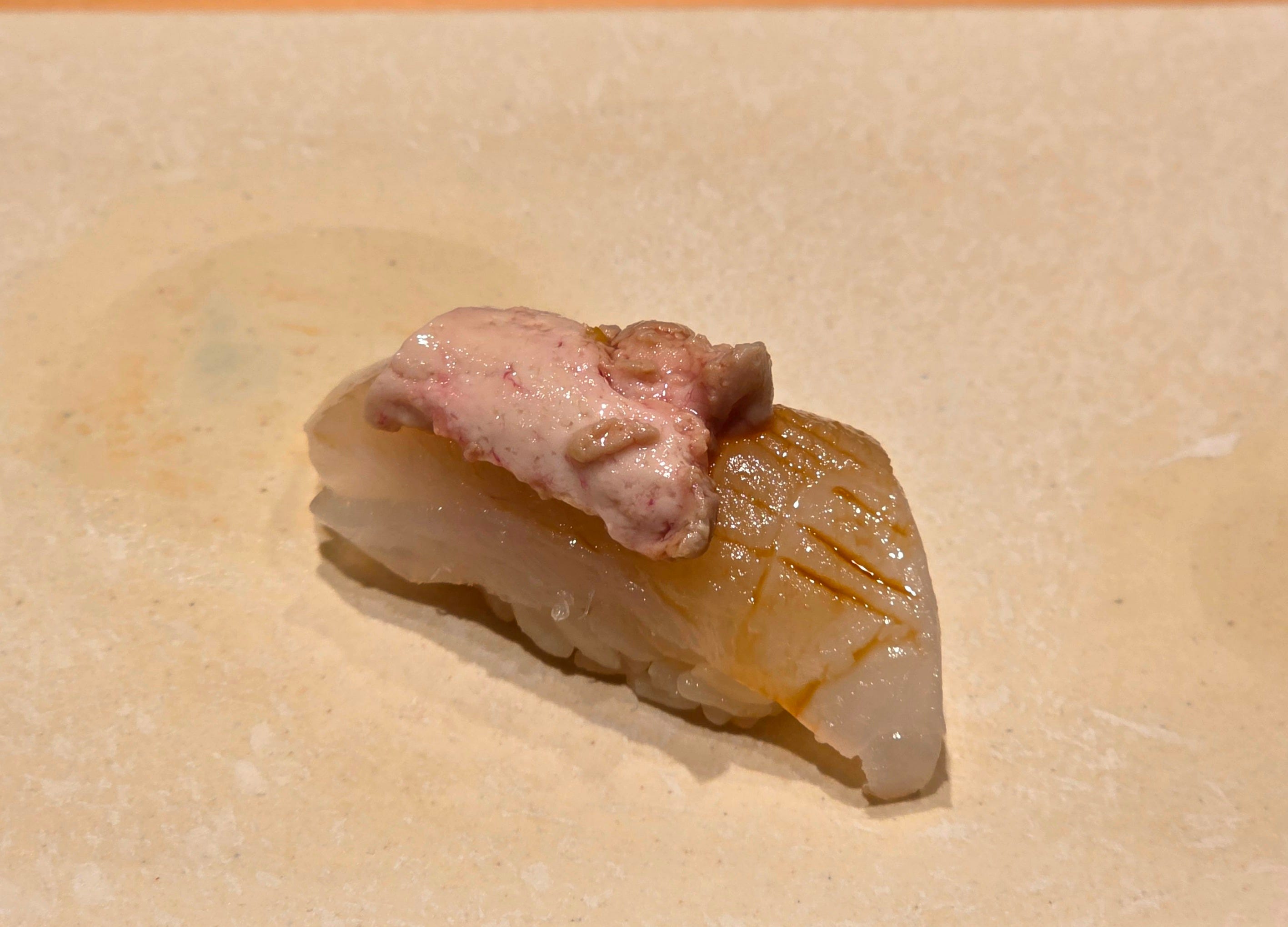
Some of the monkfish liver trimmings on top of a lean whitefish.
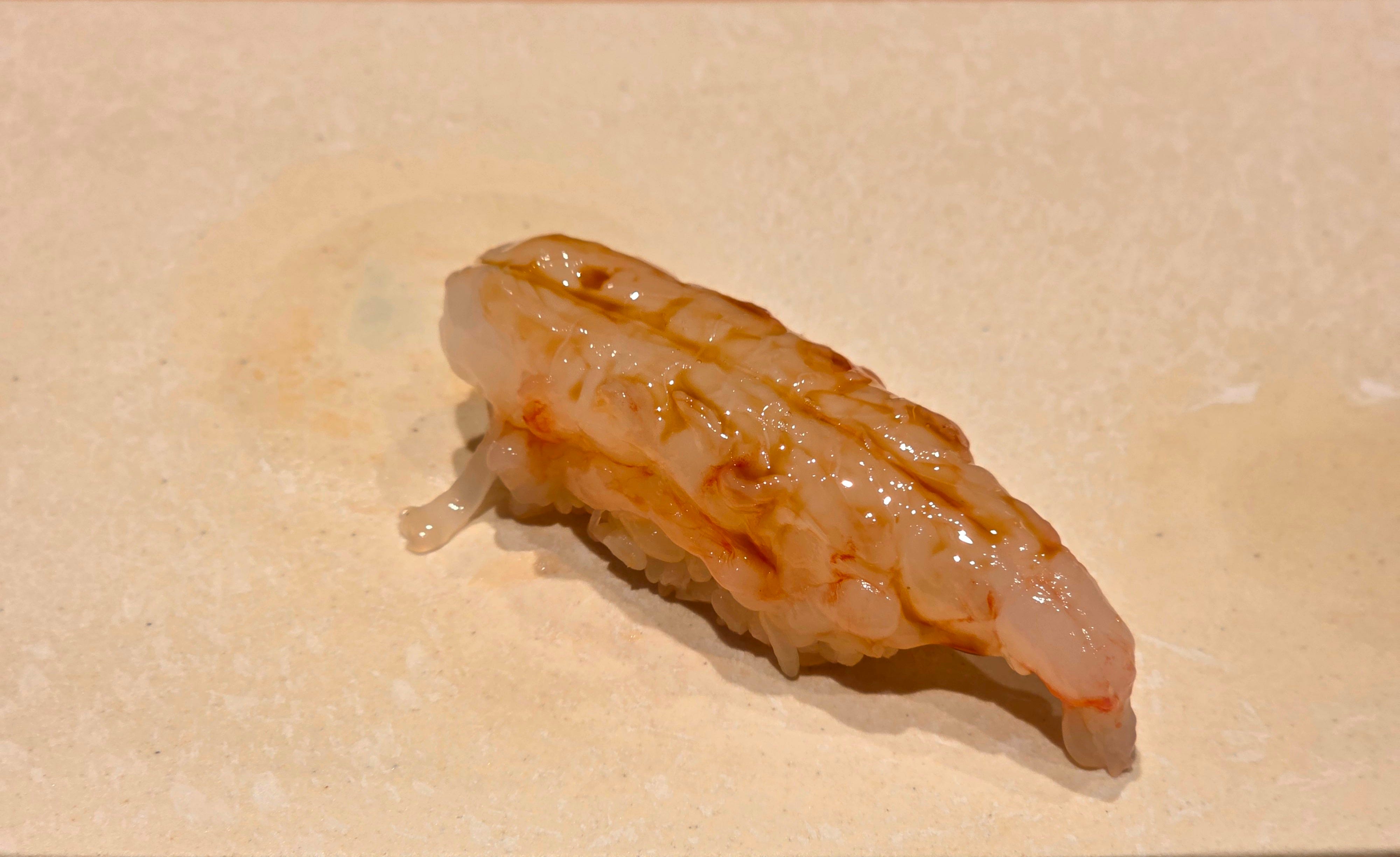
Next, sweet Botan shrimp, served raw. Sweet, juice and fall apart tender.
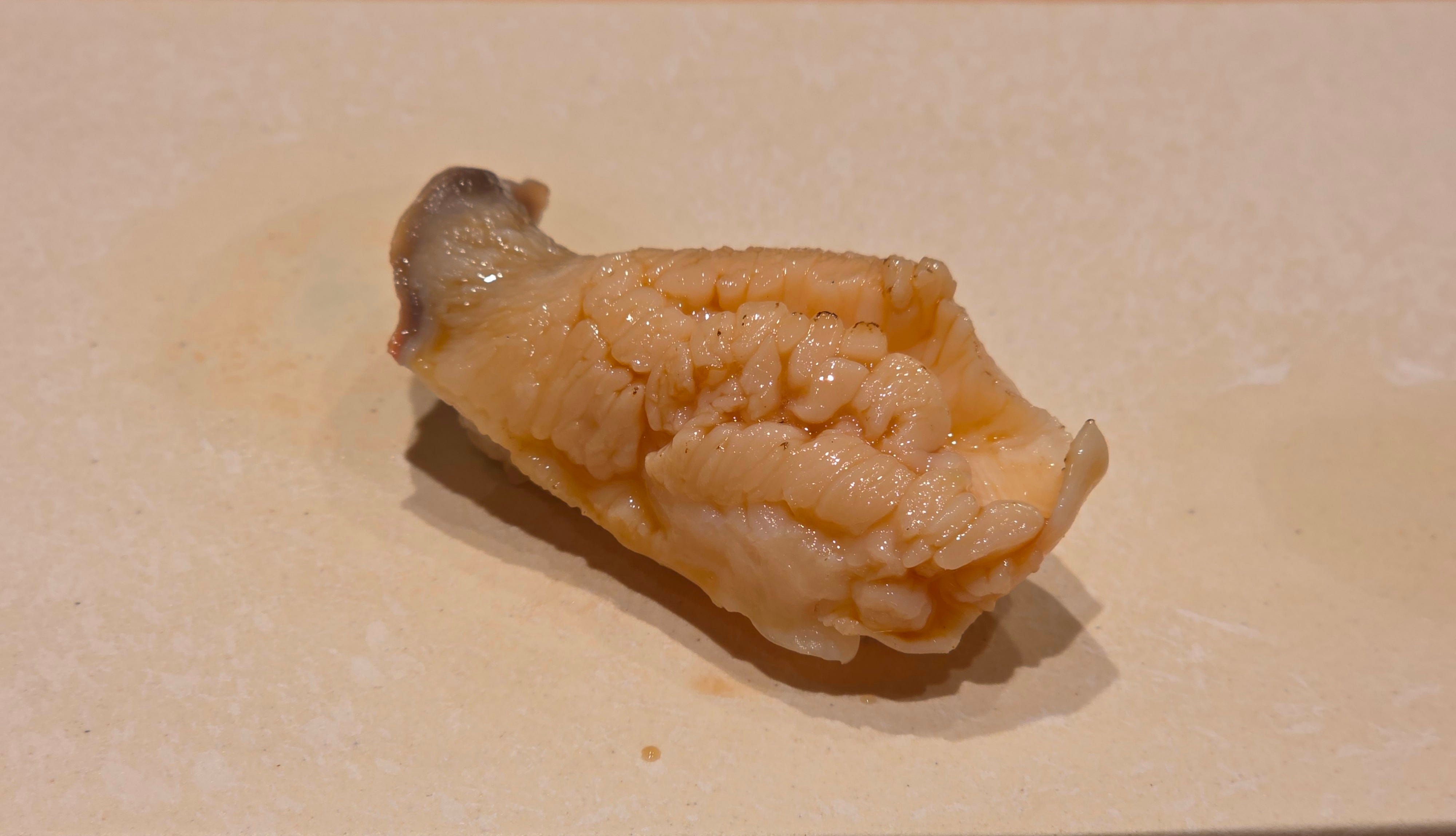
One of my favourite piece of the night, a massive piece of artic surf clam, slightly crunchy to the bite.
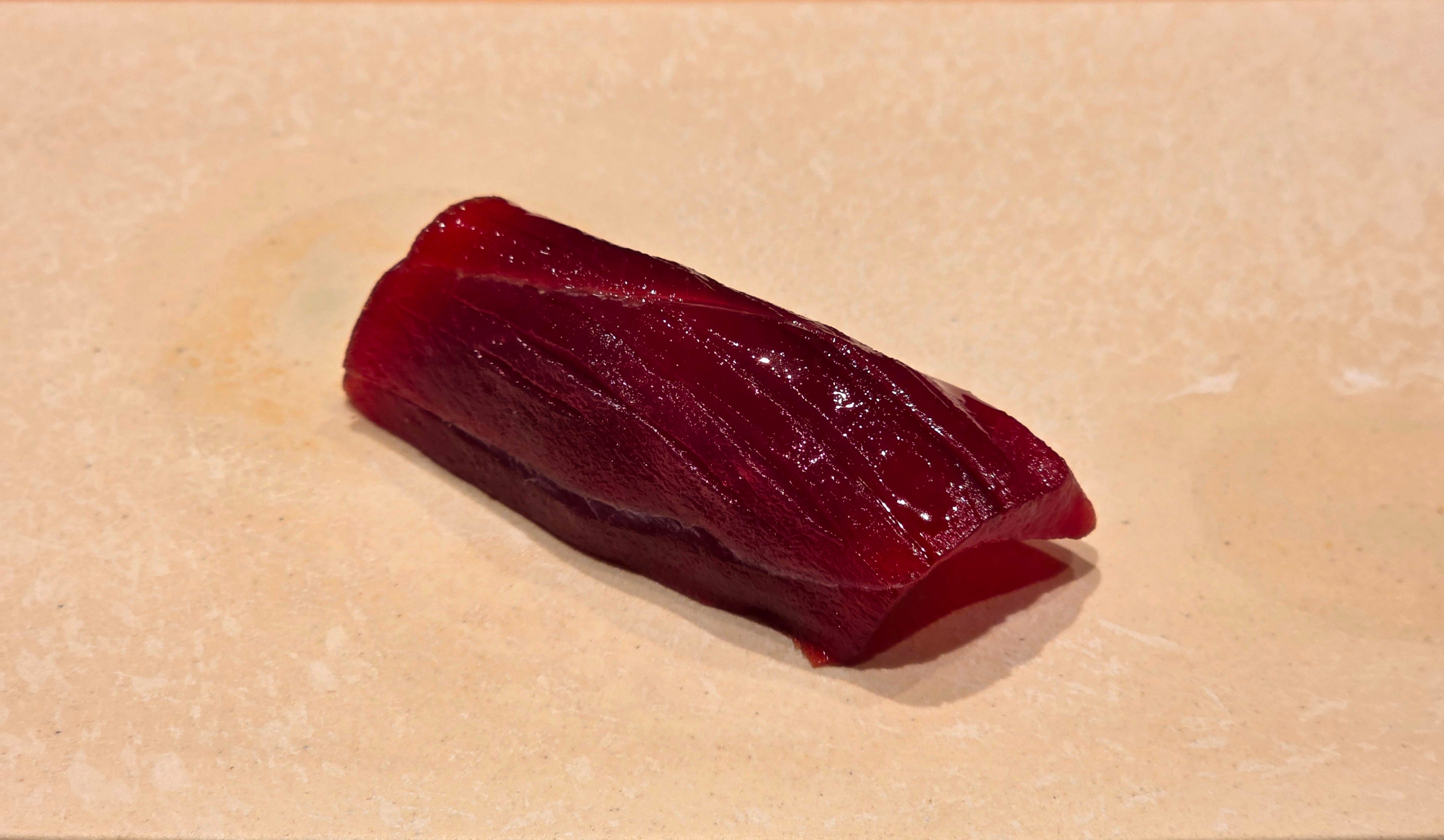
Moving into the traditional tuna dishes. Firstly, the very lean, dark red akami, from the back of the Bluefin tuna.
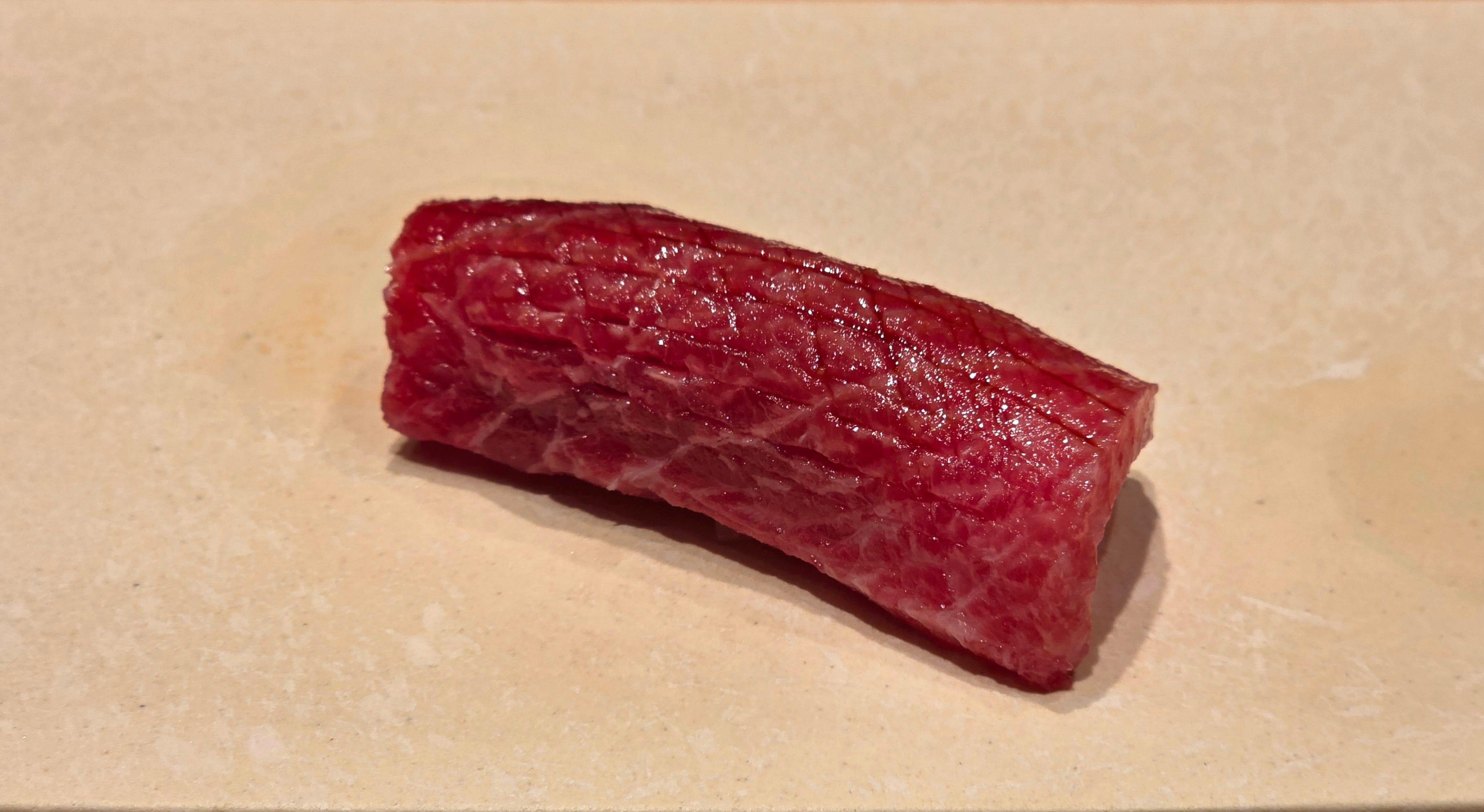
Next, the slightly higher marbling and lighter chutoro, or medium-fatty tuna, taken from the sides of the belly. Richer than the akami, chutoro is my favourite tuna cut - fattier and meatier than the lean tuna, but without the mouthful fat bomb of the otoro.
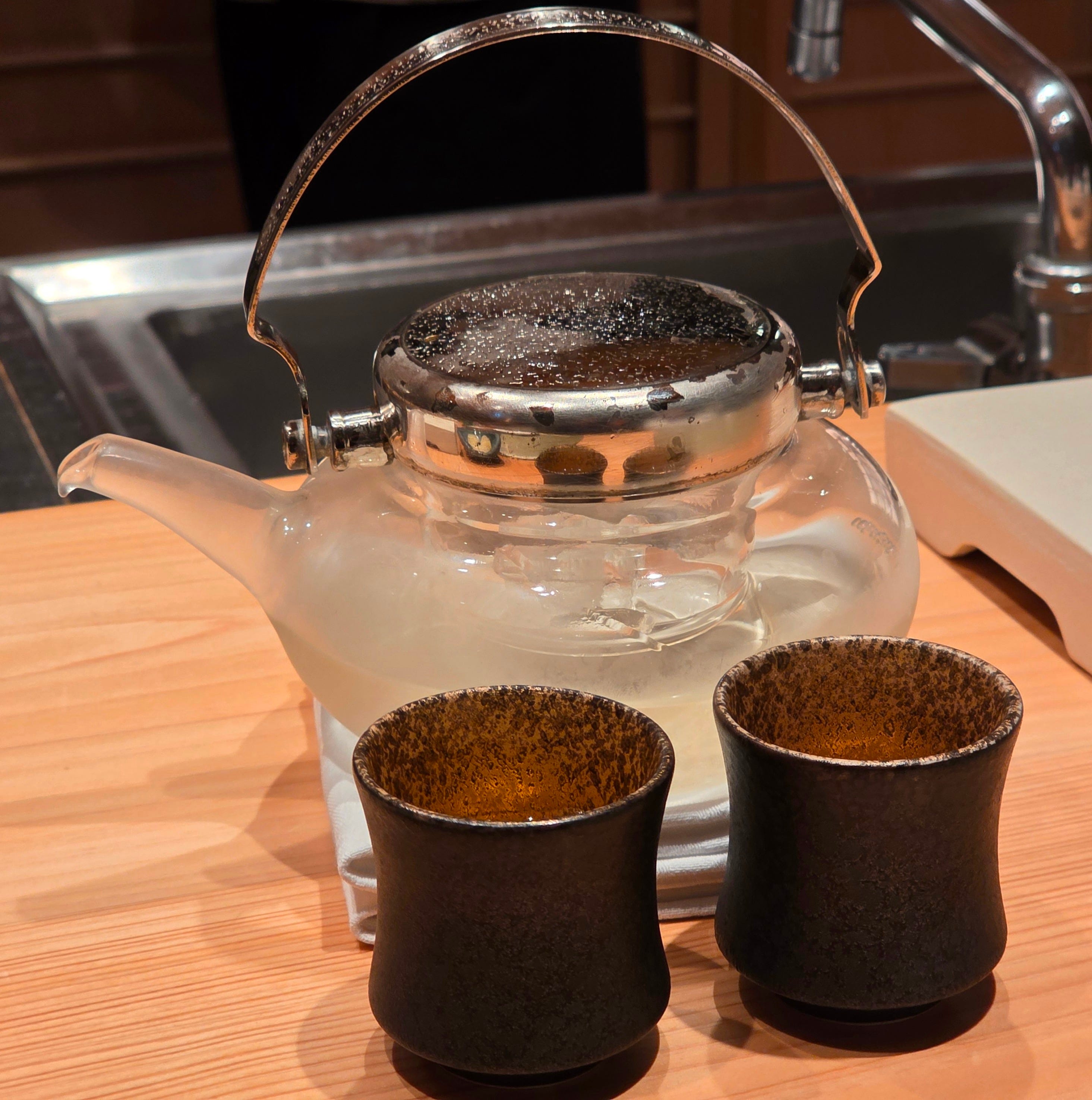
Switching to the dryer house sake, to finish the meal
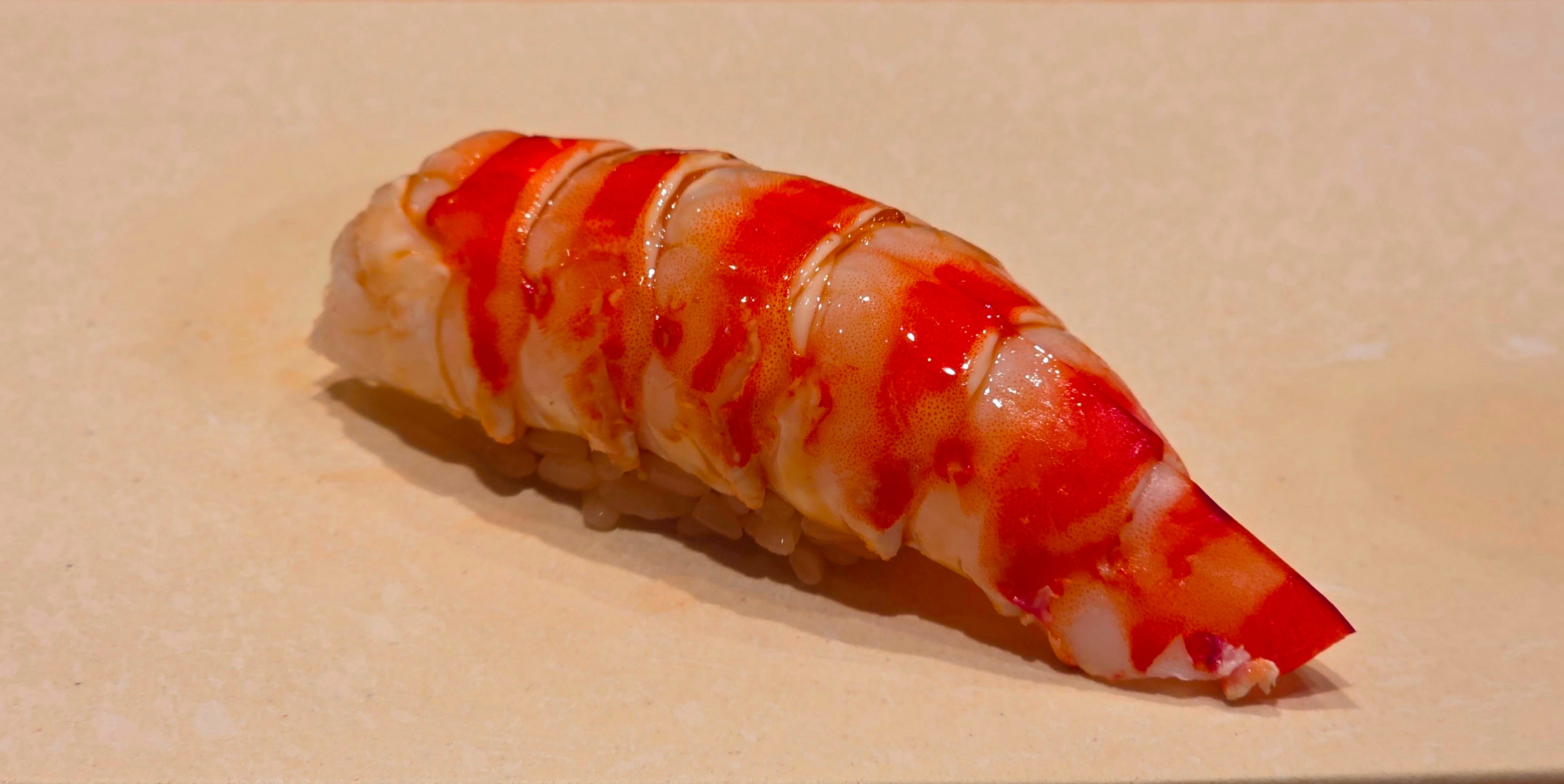
Another one of my favourites, the giant tiger shrimp. I definitely prefer my shrimp cooked, with a springier texture and a larger mouthful than the sweet Botan shrimp.
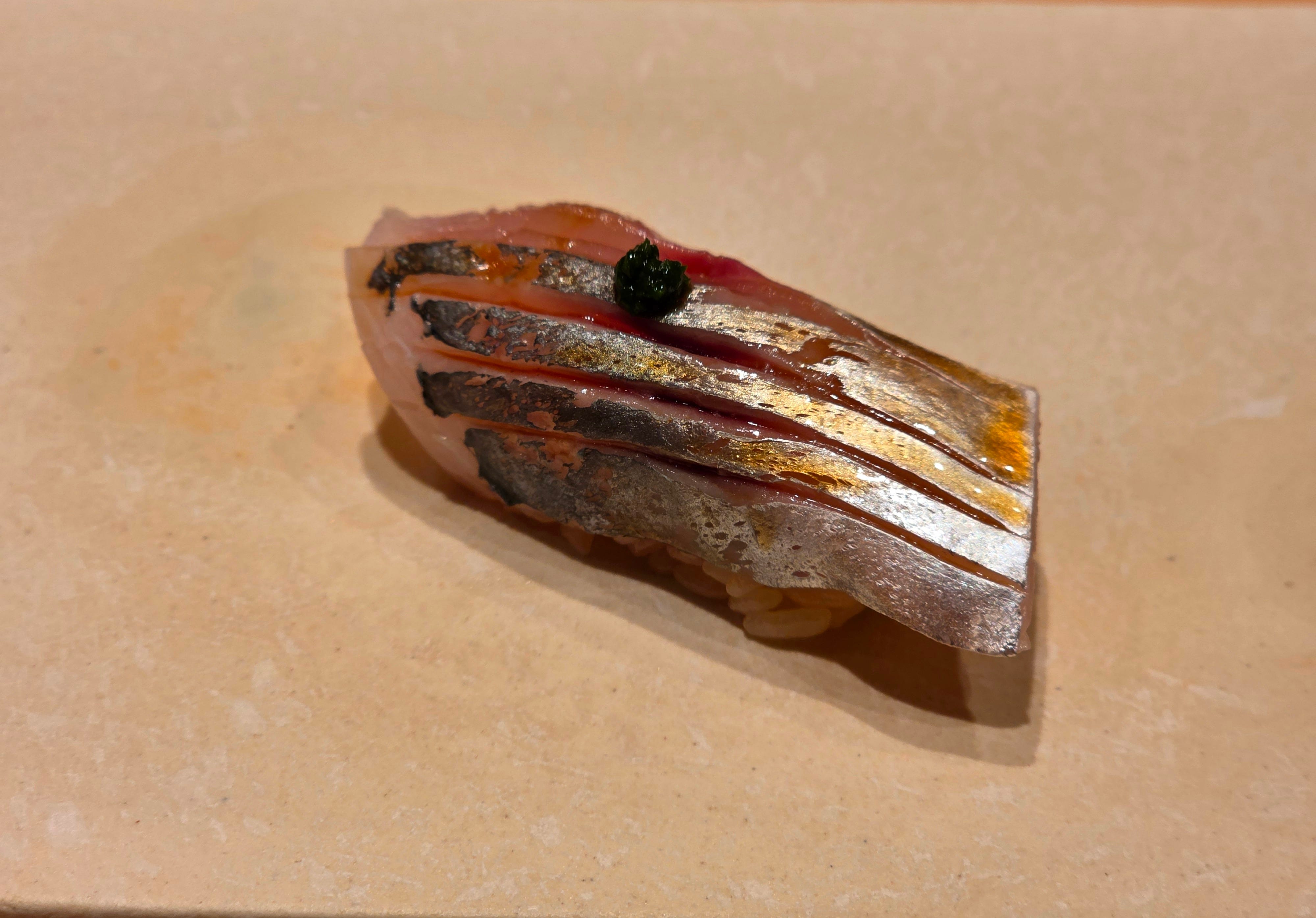
Another very traditional nirgiri mackerel, highlighting the silvery skin
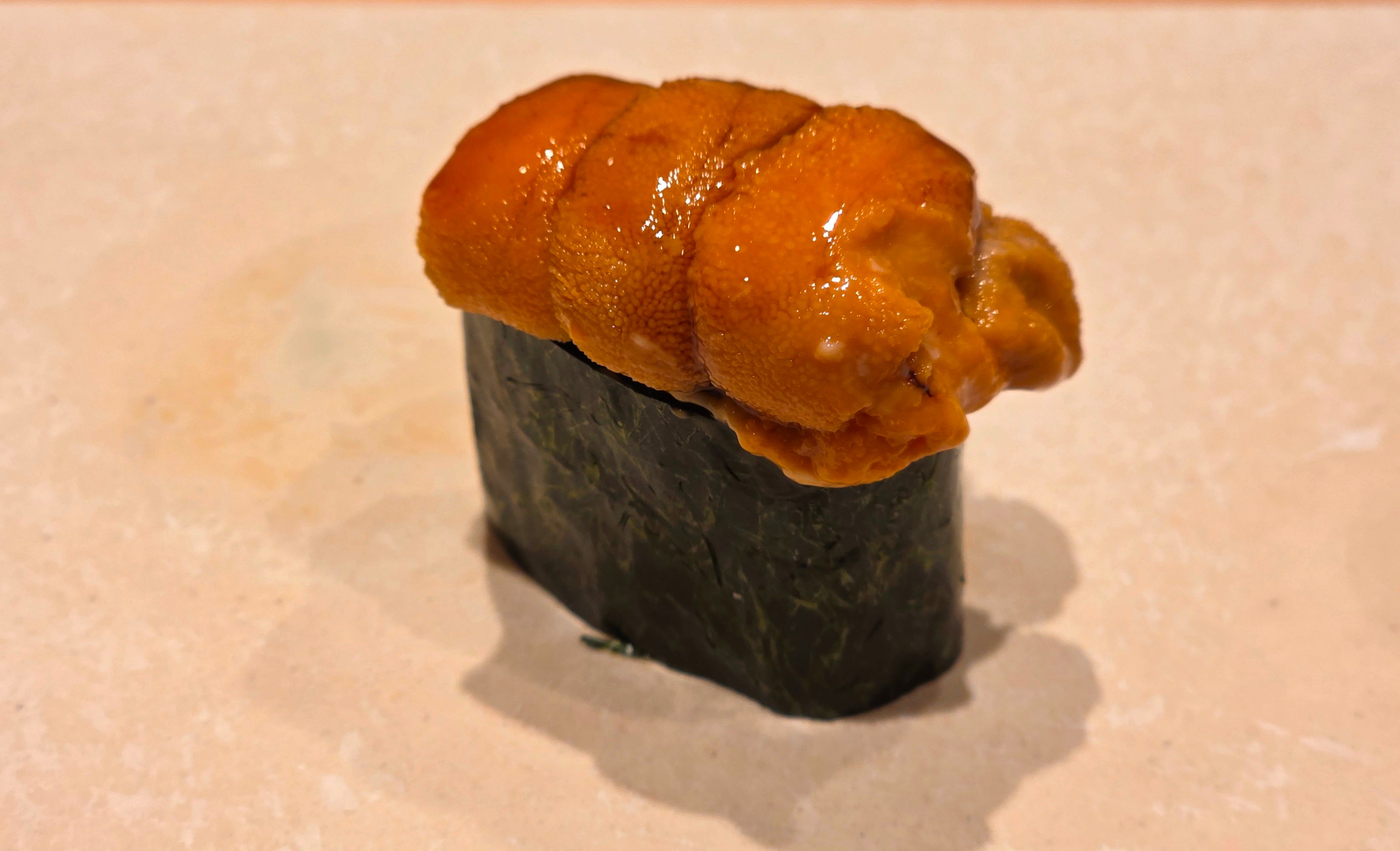
A very generously portioned uni gunkan, filled until nearly spilling over the top.
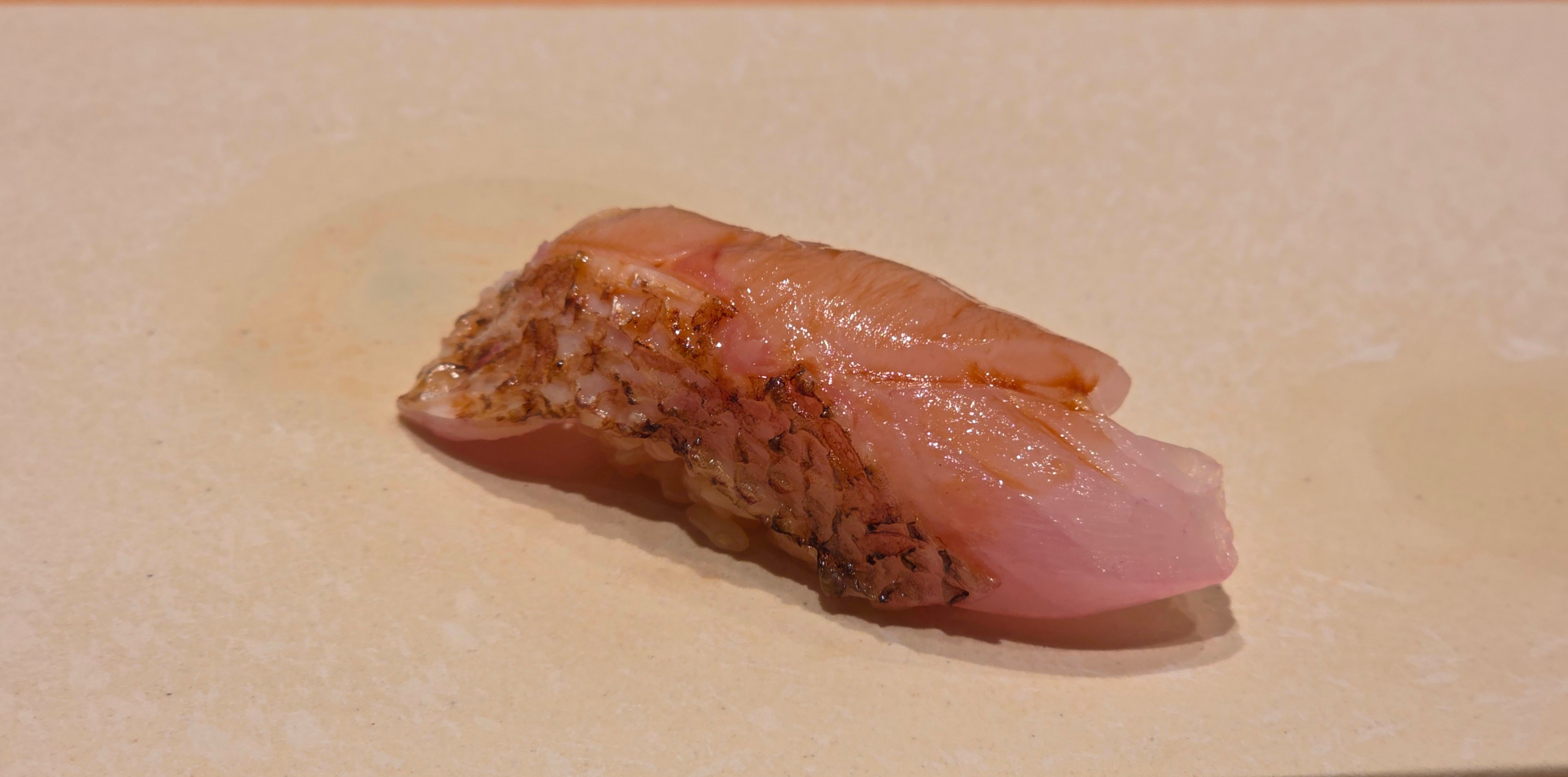
Albacore tuna, not one I see very often. Not a huge fan.
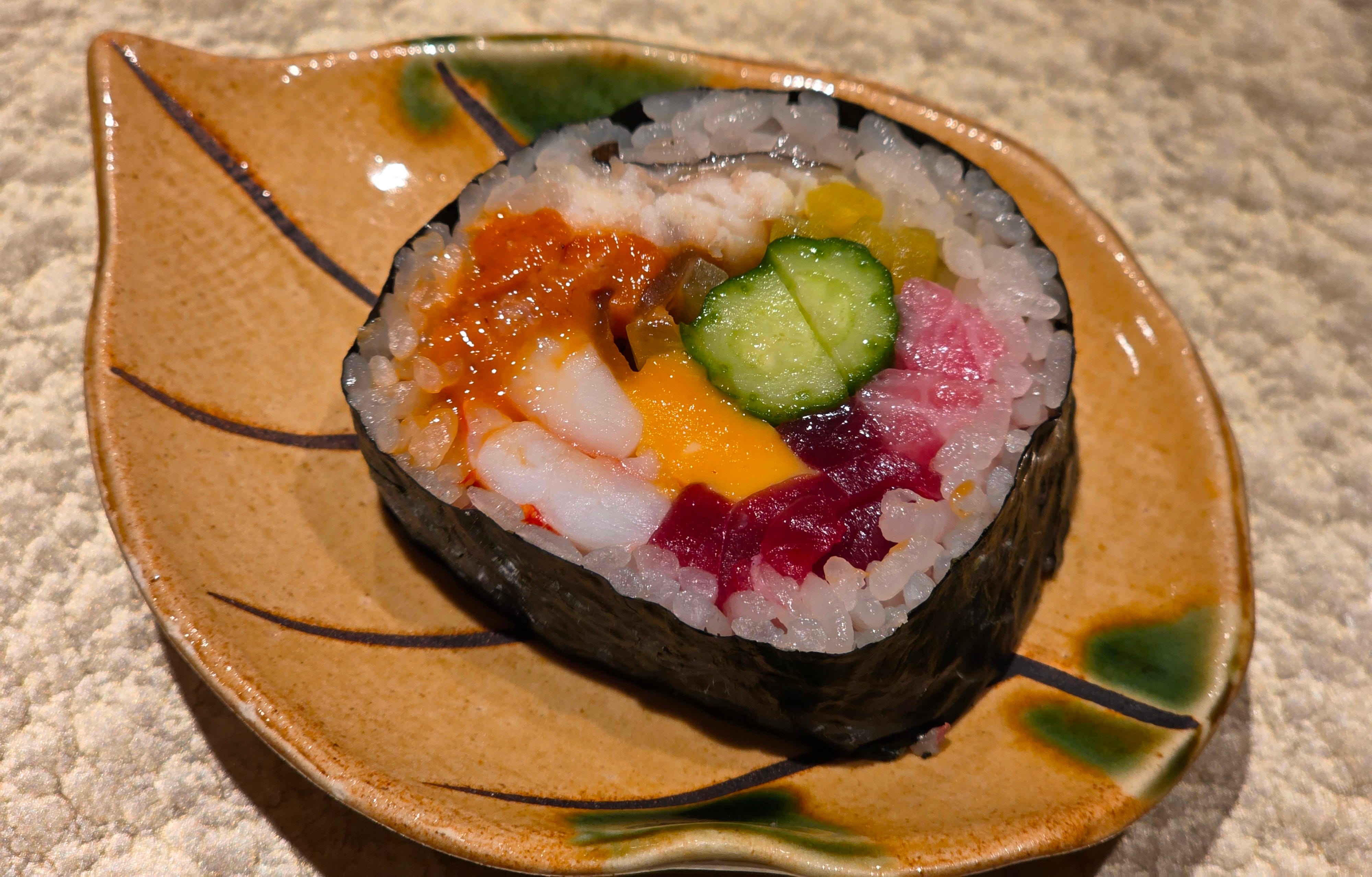
The futomaki, a giant roll with a bunch of Japanese pickles, dried gourd, shrimp, grilled eel and uni. A surprisingly big hit. Sweetness from the pickles, richness from the uni.
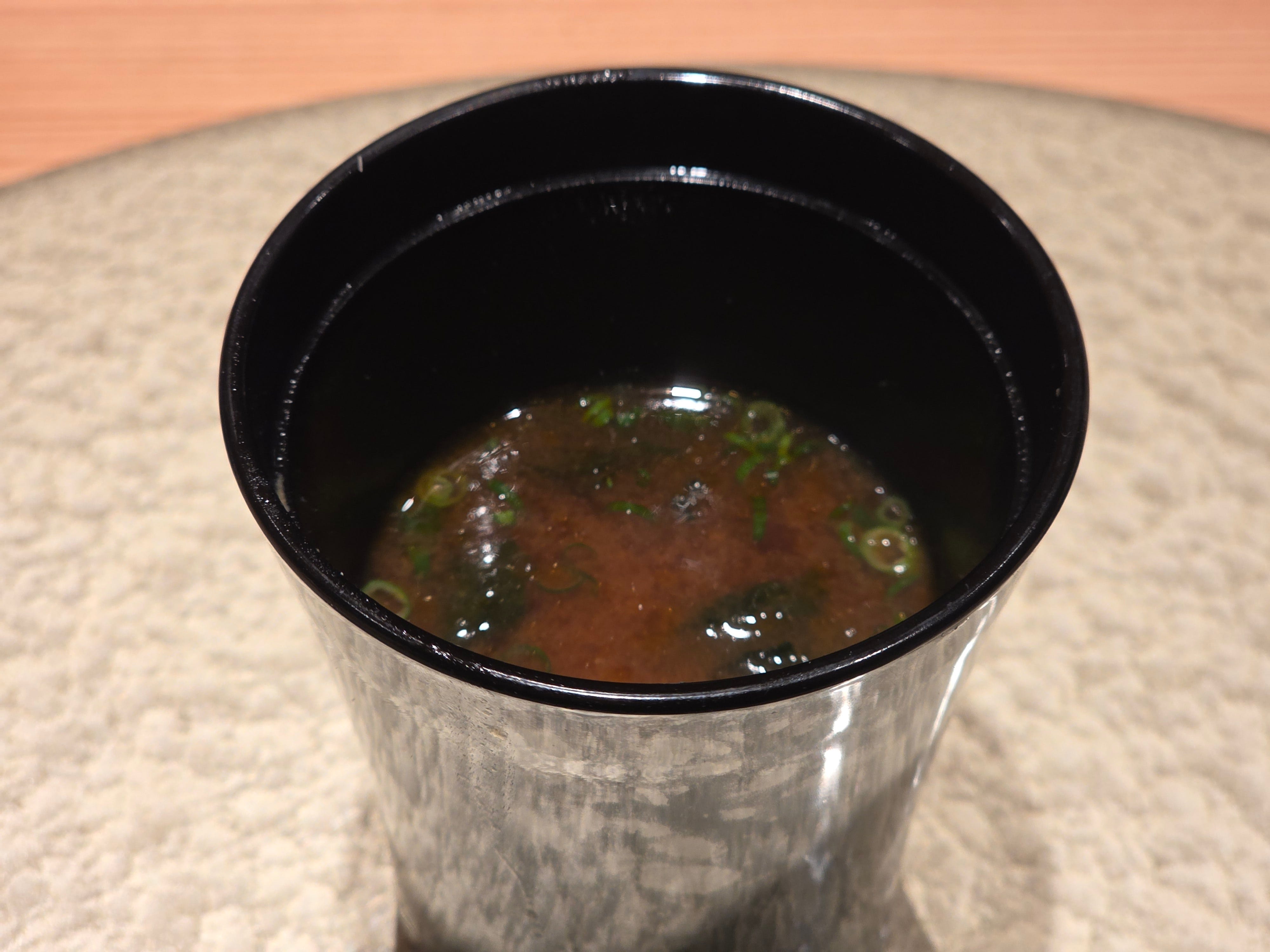
A tiny cup of miso soup, as is tradition.
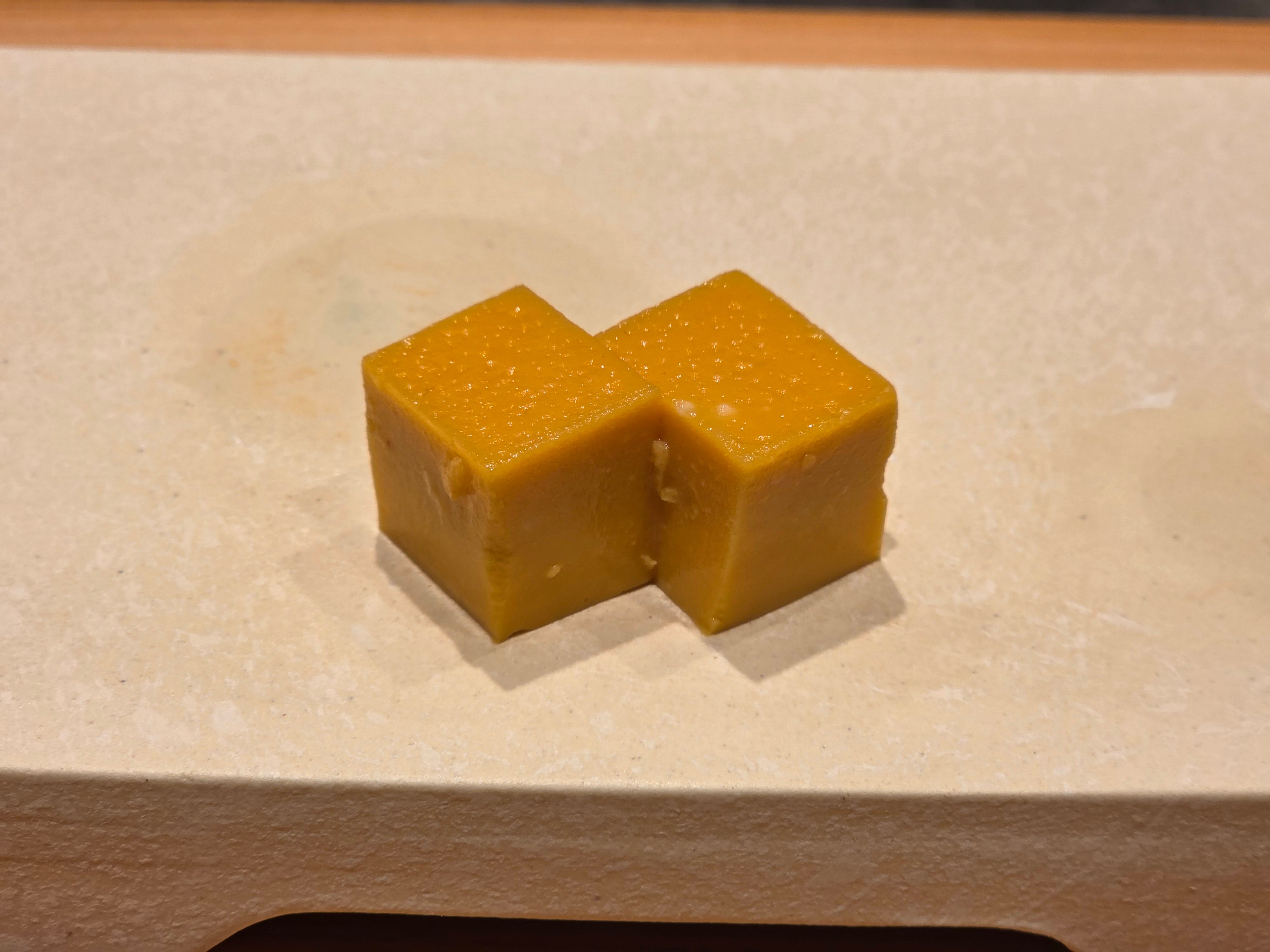
And the traditional castella-style tamagoyaki. This one quite different than usual - was more custardy than cakey and fluffy. In fact, I think this may have just been a densely set custard.
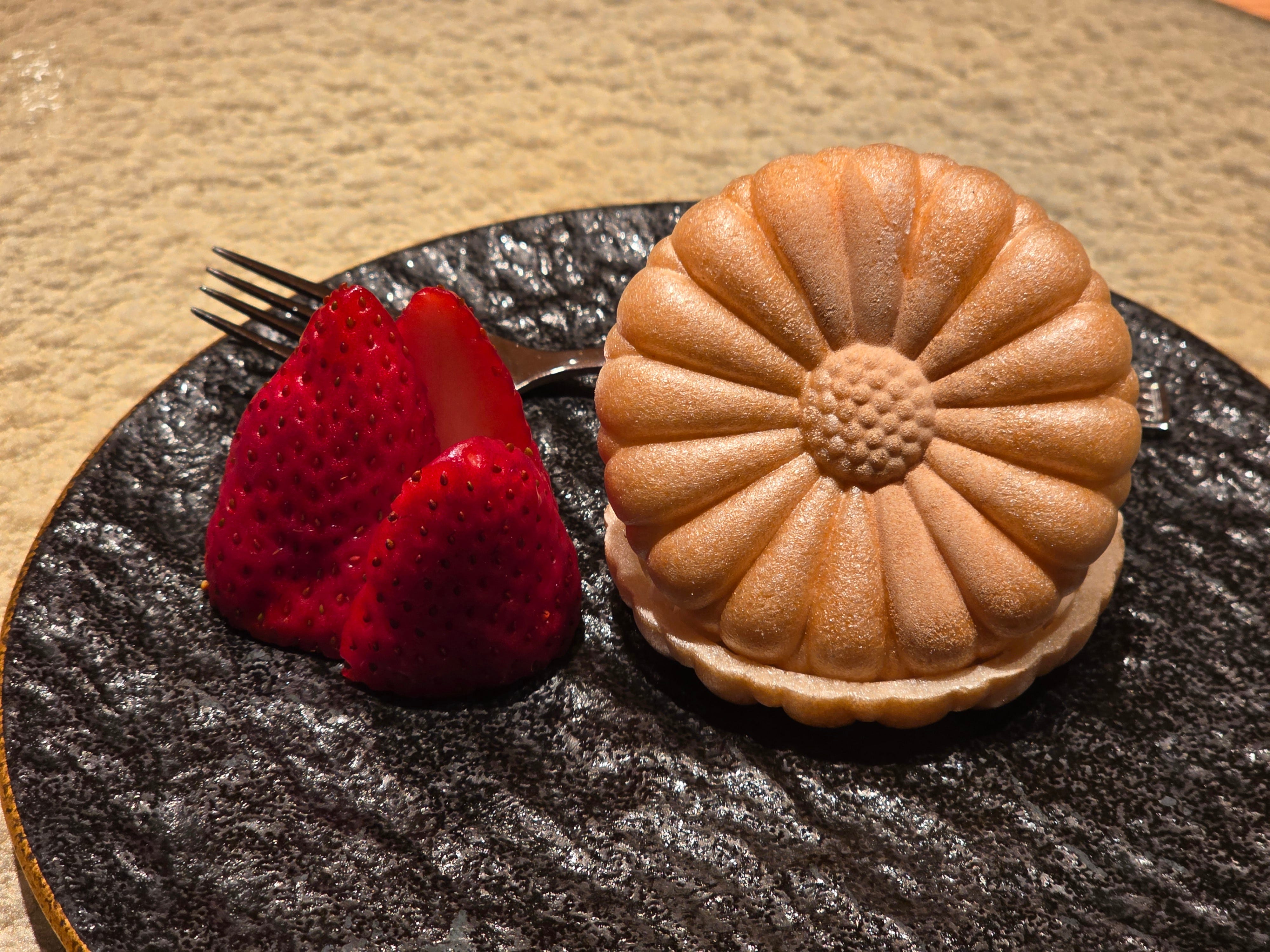
Finally, some Japanese strawberries and matcha ice crema in a crispy rice cracker.
Overall, a bit of a mechanical and “meh” experience. While there were a few unique dishes - like the mountain of crabmeat for an appetizer, and some very well-executed dishes, like the futomaki, everything else was a bit forgettable. Yeah, definitely a pass. Maybe I haven’t had luck with omakases in Hong Kong recently, but the last few have been quite disappointing. If you’re going to hit an omakase in Hong Kong, just go to Shikon, or better yet, try Singapore or Japan.
Total damage 6150 HKD/2 people