
After Tanaka, I wanted to try a more casual take on wagyu omakase. GYU+bar by Miyoshi seemed like the obvious next stop: the Hong Kong bistro expression of Kyoto’s Niku no Takumi Miyoshi, with a lower price point and a menu built around the same attention to beef.
The restaurant opened in Hong Kong in February 2026. Tsutomu Ito, who founded Niku no Takumi Miyoshi, created the menu with head chef Ayumi Matsuda. It carries over the Kyoto restaurant’s focus on good wagyu and careful treatment of each cut, but the format is looser: a Japanese-French bistro with à la carte dishes, set menus and a bar rather than a small, course-led meat-kappo counter.
The cooking centres on a custom lava-rock kiln heated to around 500°C. The kitchen uses charcoal and lychee wood embers for smoke and a clean char, then brings in French sauces and techniques. Beef leads, but seafood, vegetables and desserts also get their turn over the fire.
The original restaurant, Niku no Takumi Miyoshi opened in Gion in 2004 and holds one Michelin star. Ito built its reputation around wagyu and the character of individual cuts, rather than treating marbling as the only measure of quality. GYU+bar is an extension of that approach. Here, Matsuda’s French background gives the menu more range, with dishes such as beurre blanc, purées, pastry and composed garnishes alongside Japanese beef and charcoal cooking.
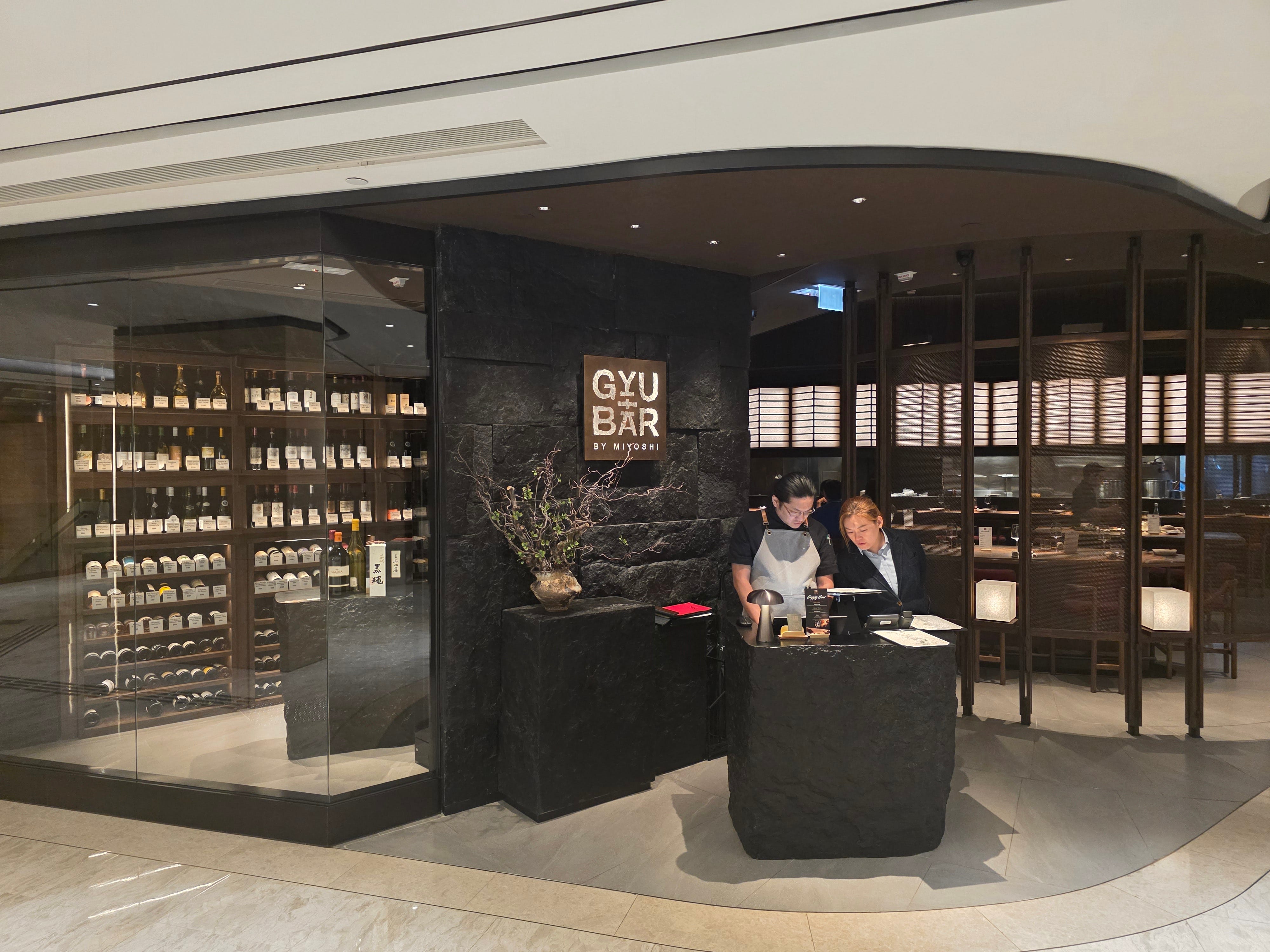
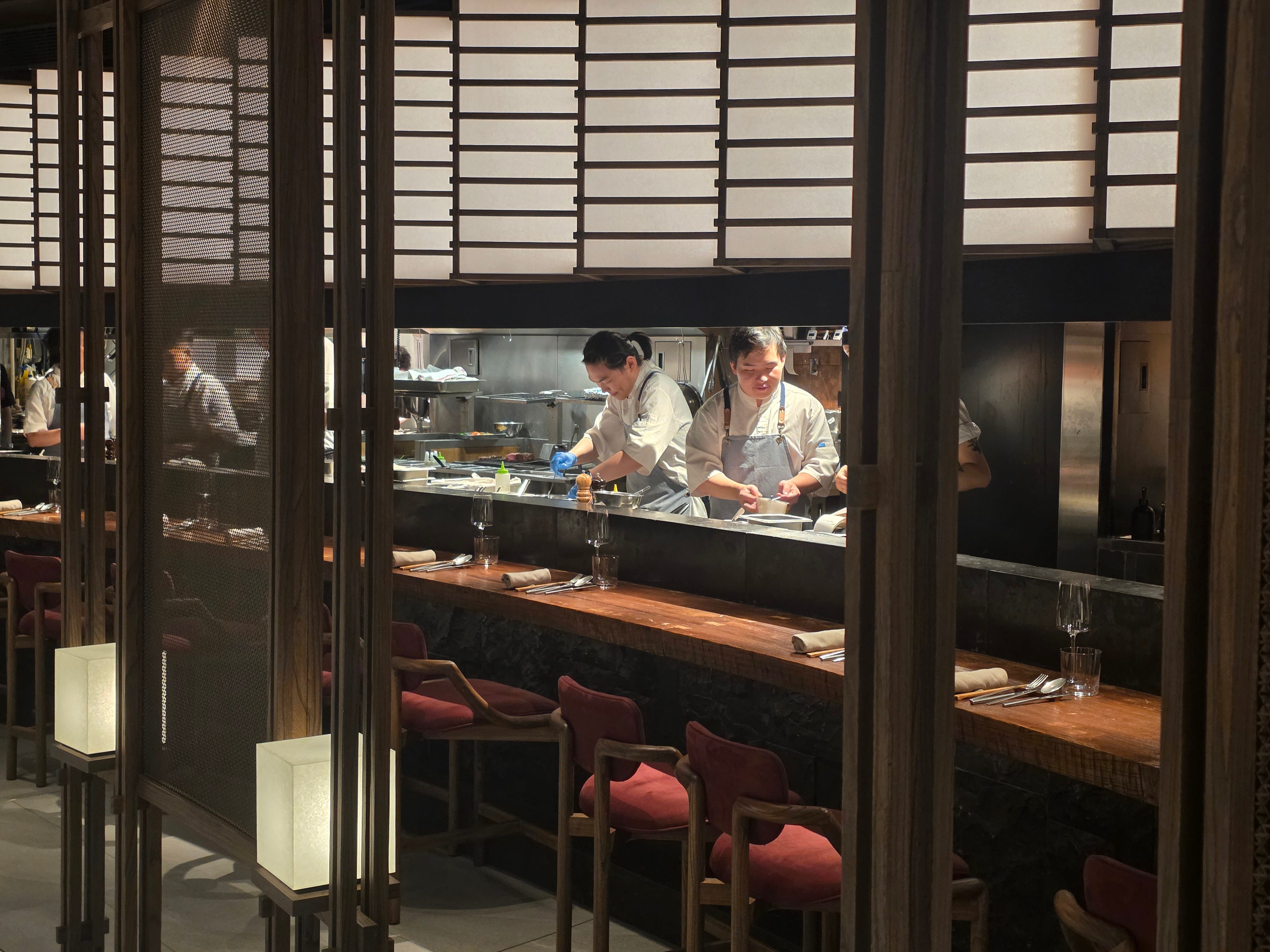
The room occupies two adjacent units with Situ & Partners designing the 4,100-square-foot space with charred yakisugi wood, black granite, red upholstery and gold details. It feels polished, though more industrial and less intimate than Kyoto’s Miyoshi.
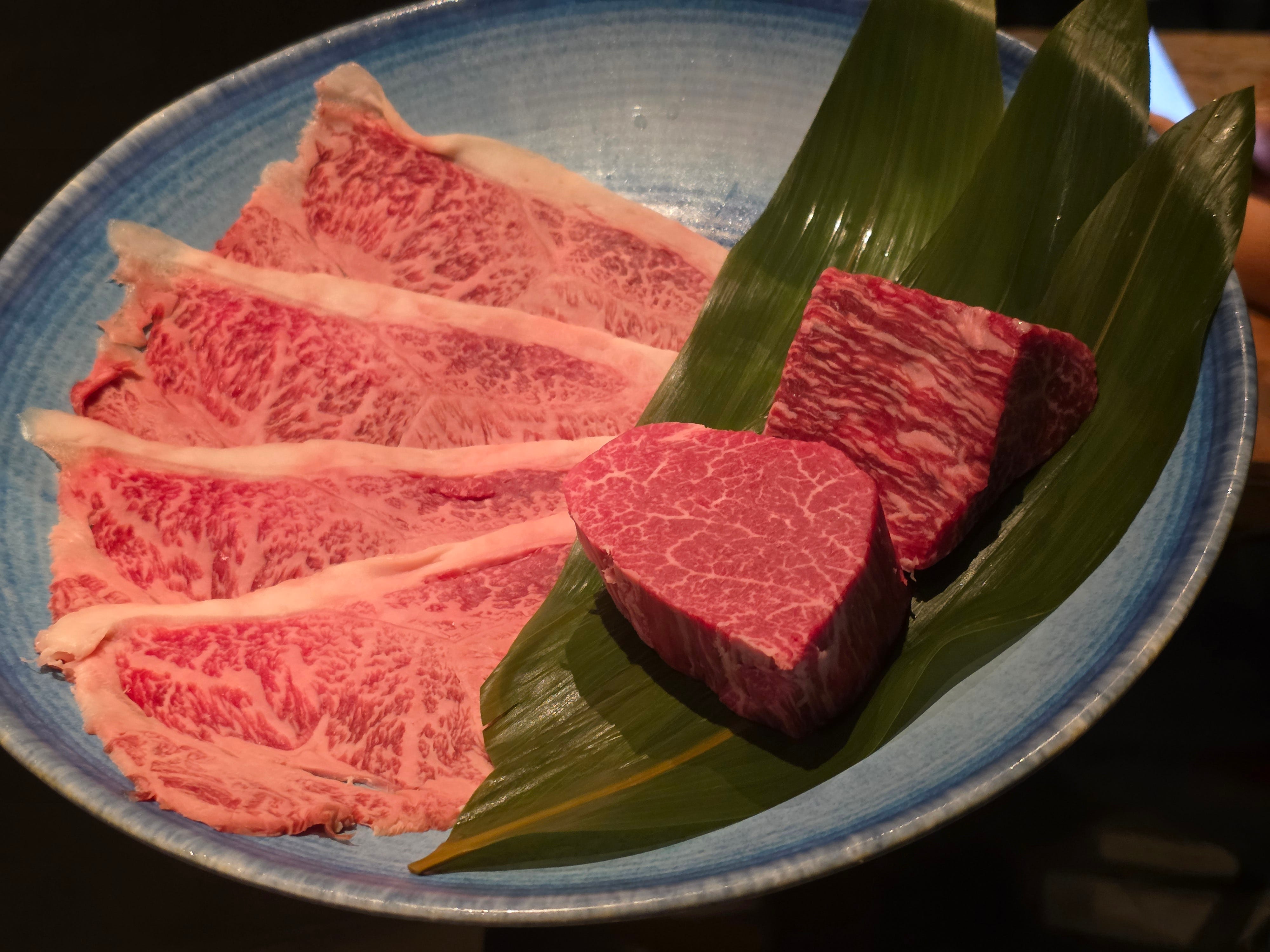
The meal began with a look at the cuts we would be eating. Ready for service, with the marbling on show. We also saw the truffles that would appear through the menu.
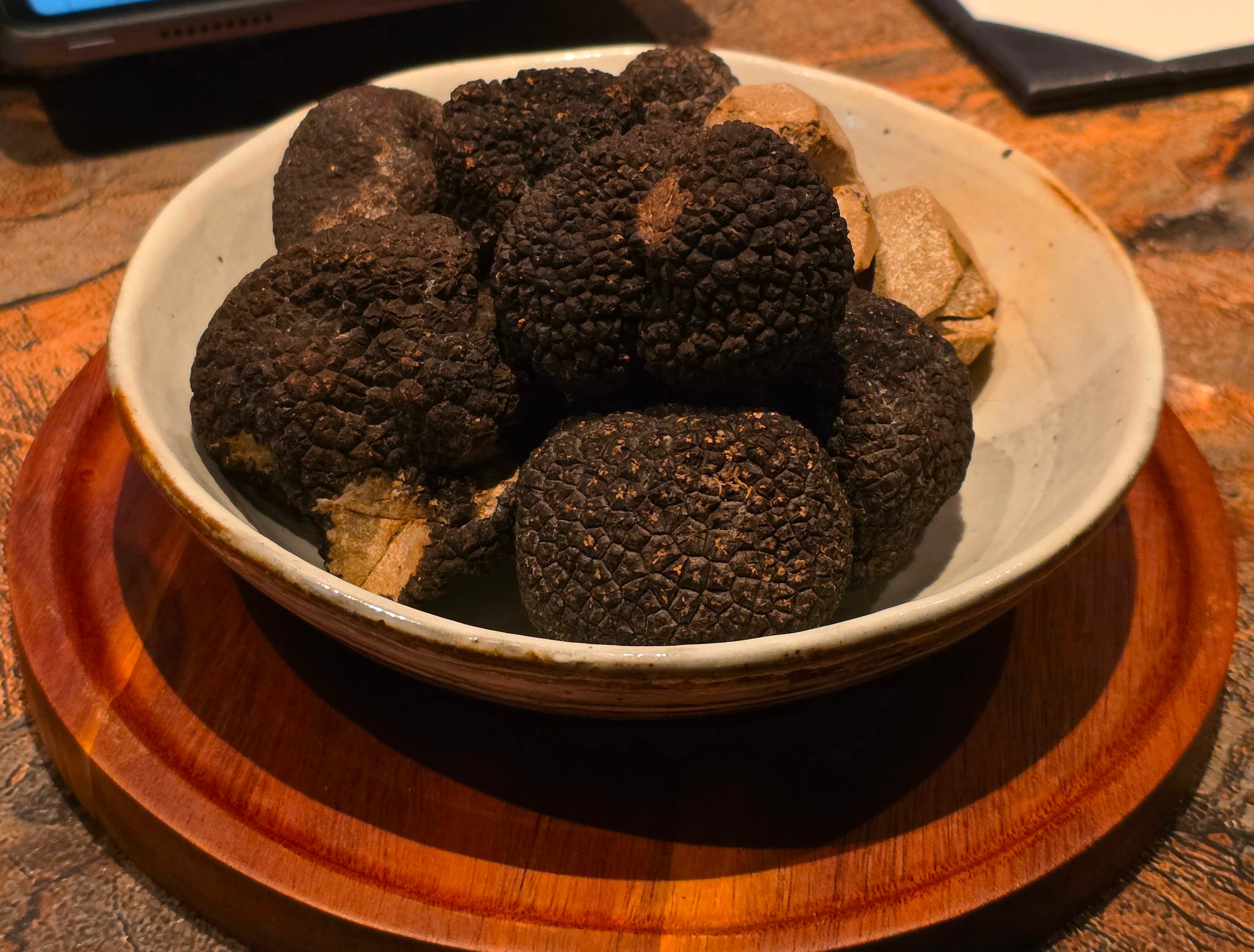
We were presented with the truffles to be used in various dishes throughout the night.
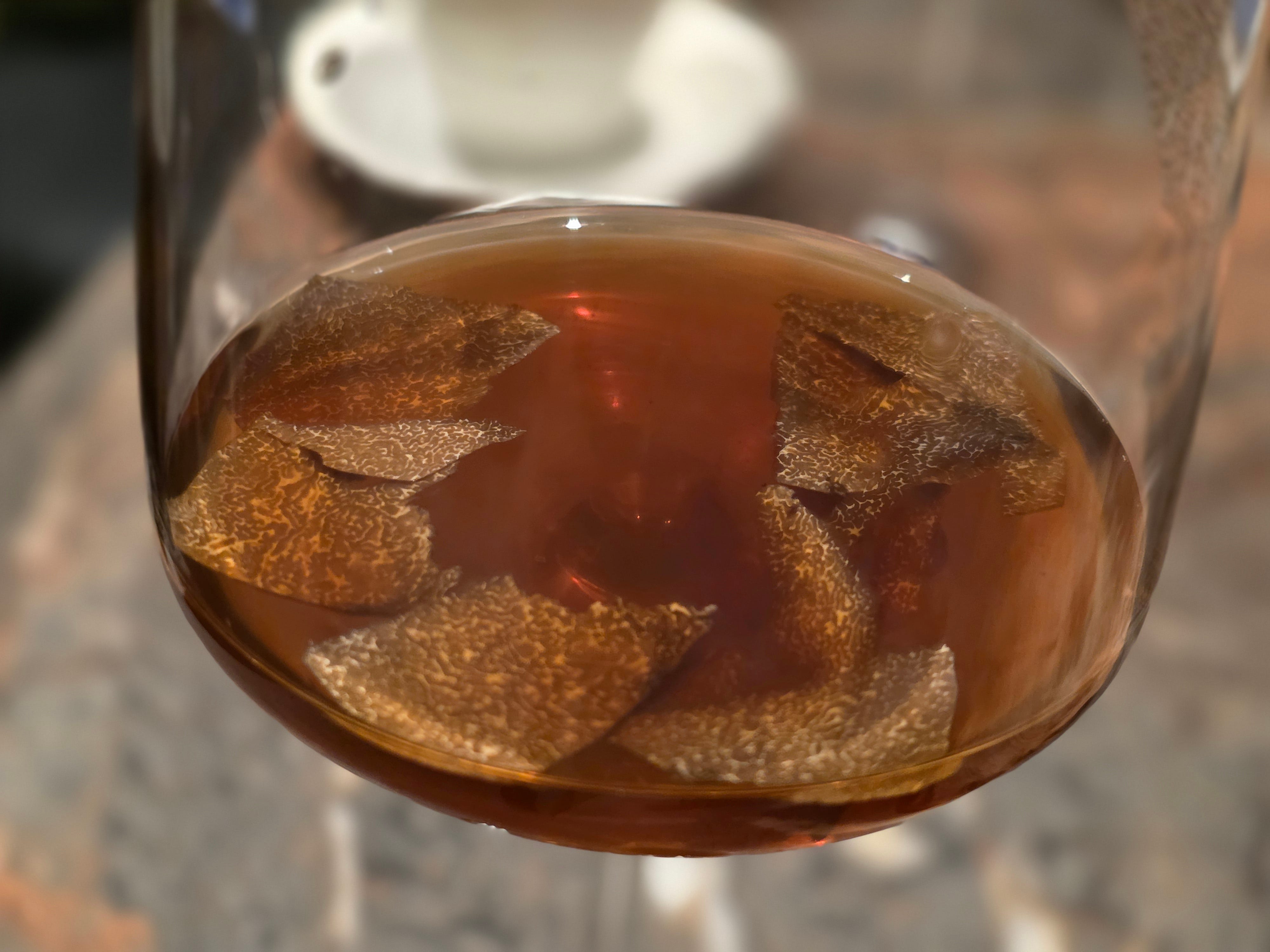
The opening beef consommé, cooked with kombu and finished with shaved truffle, immediately reminded me of Tanaka. It really didn’t need the truffle.
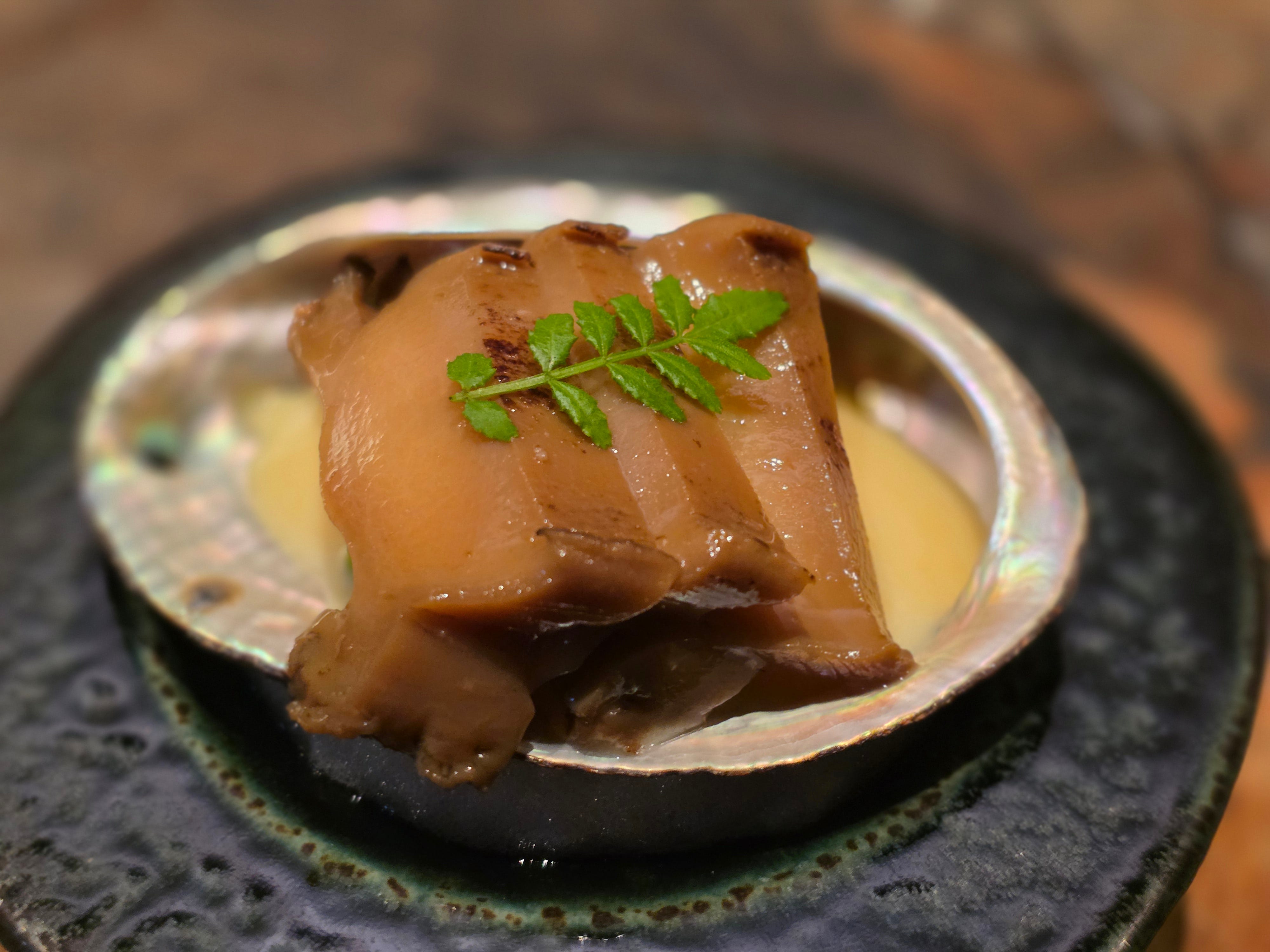
Next came one of the few dishes without beef: lightly steamed abalone with yuzu beurre blanc. It was a clean, well-judged change of pace.
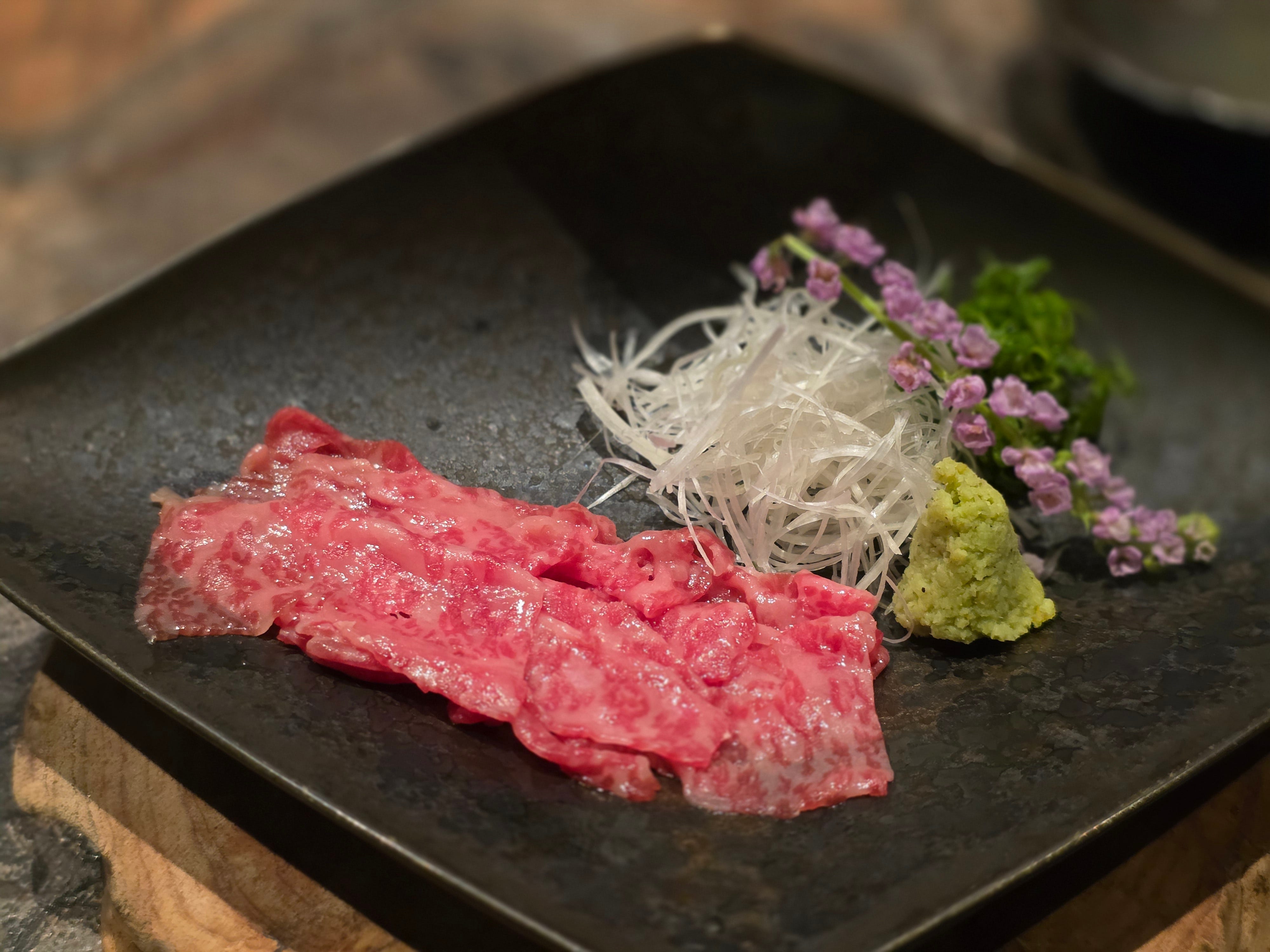
The wagyu sashimi came with julienned spring onion and a generous amount of wasabi. Not particularly eventful.
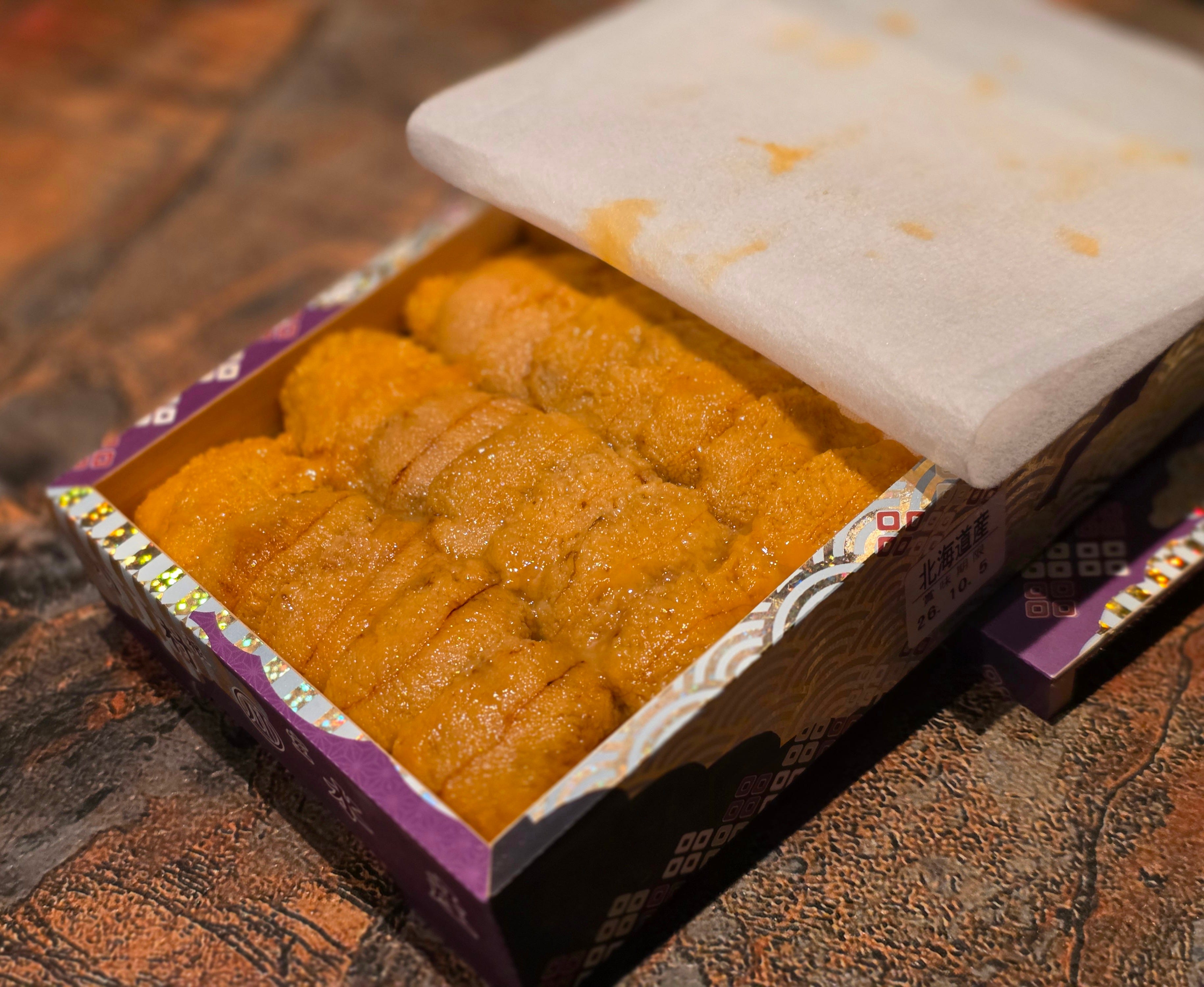
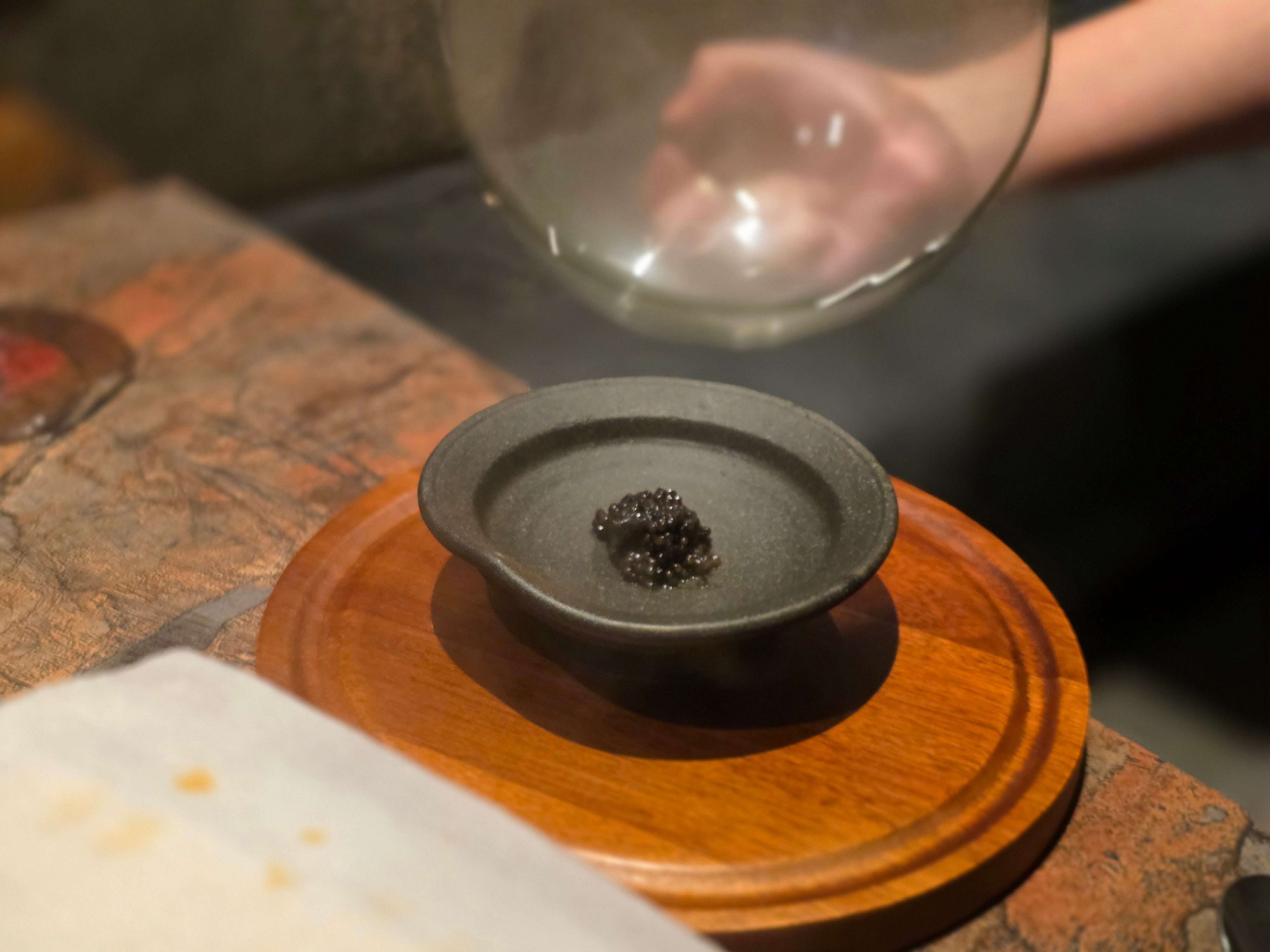
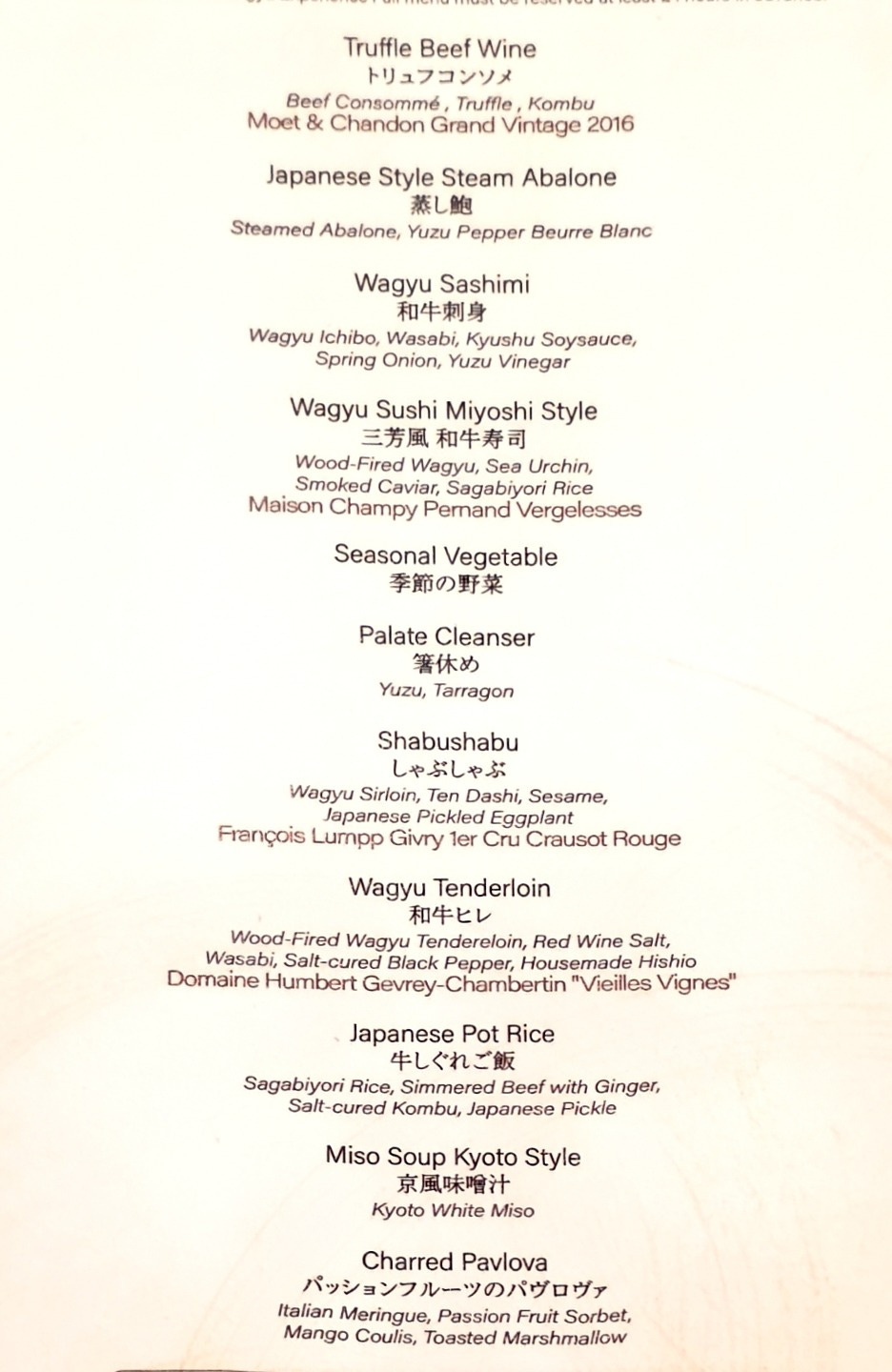
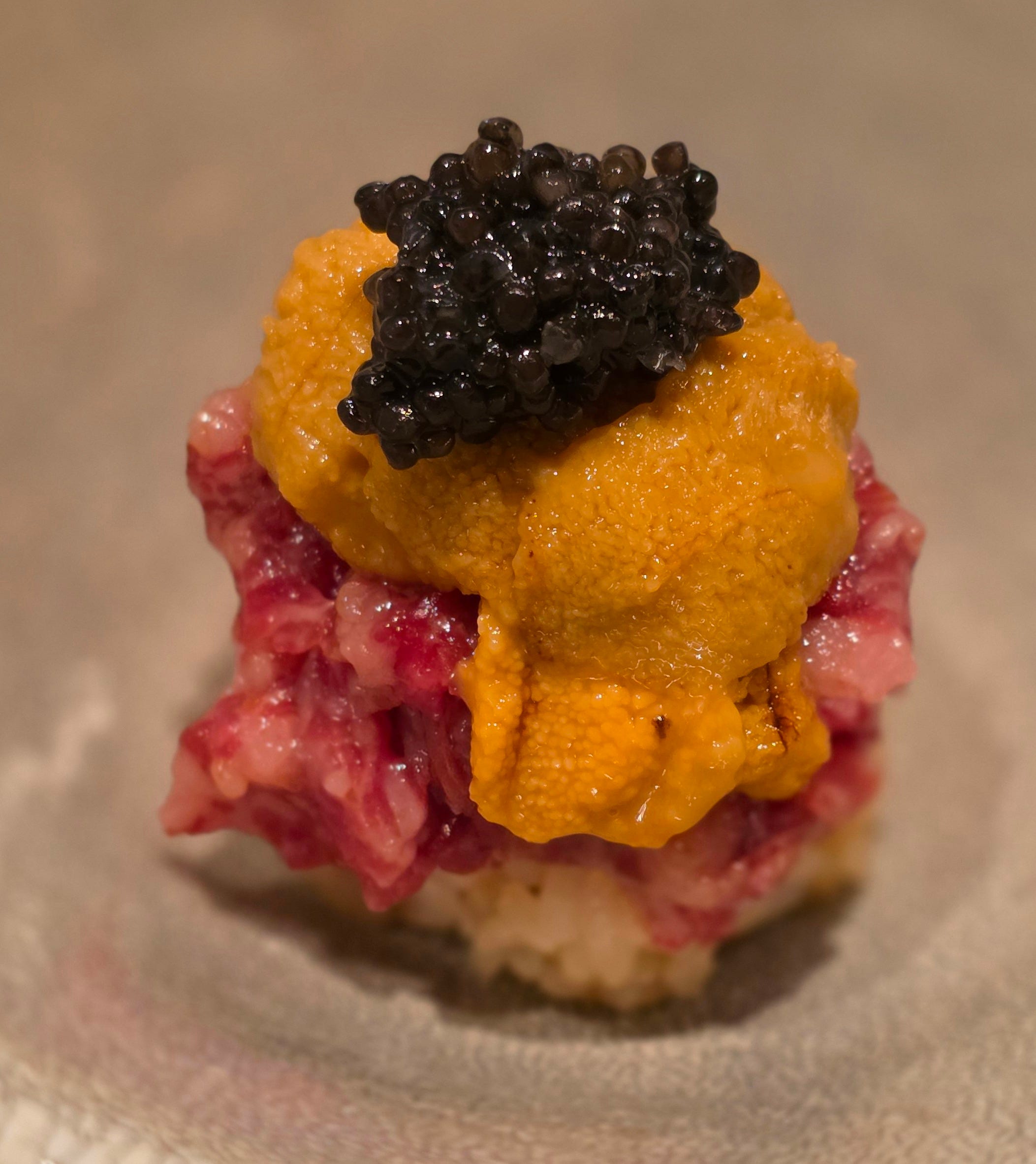
Then the team brought out the uni and smoked a dollop of caviar under a glass bell before serving the “Wagyu Sushi Miyoshi Style”: smoked beef tartare, uni and caviar on a small ball of rice. It was rich, but the smoke gave it enough lift.
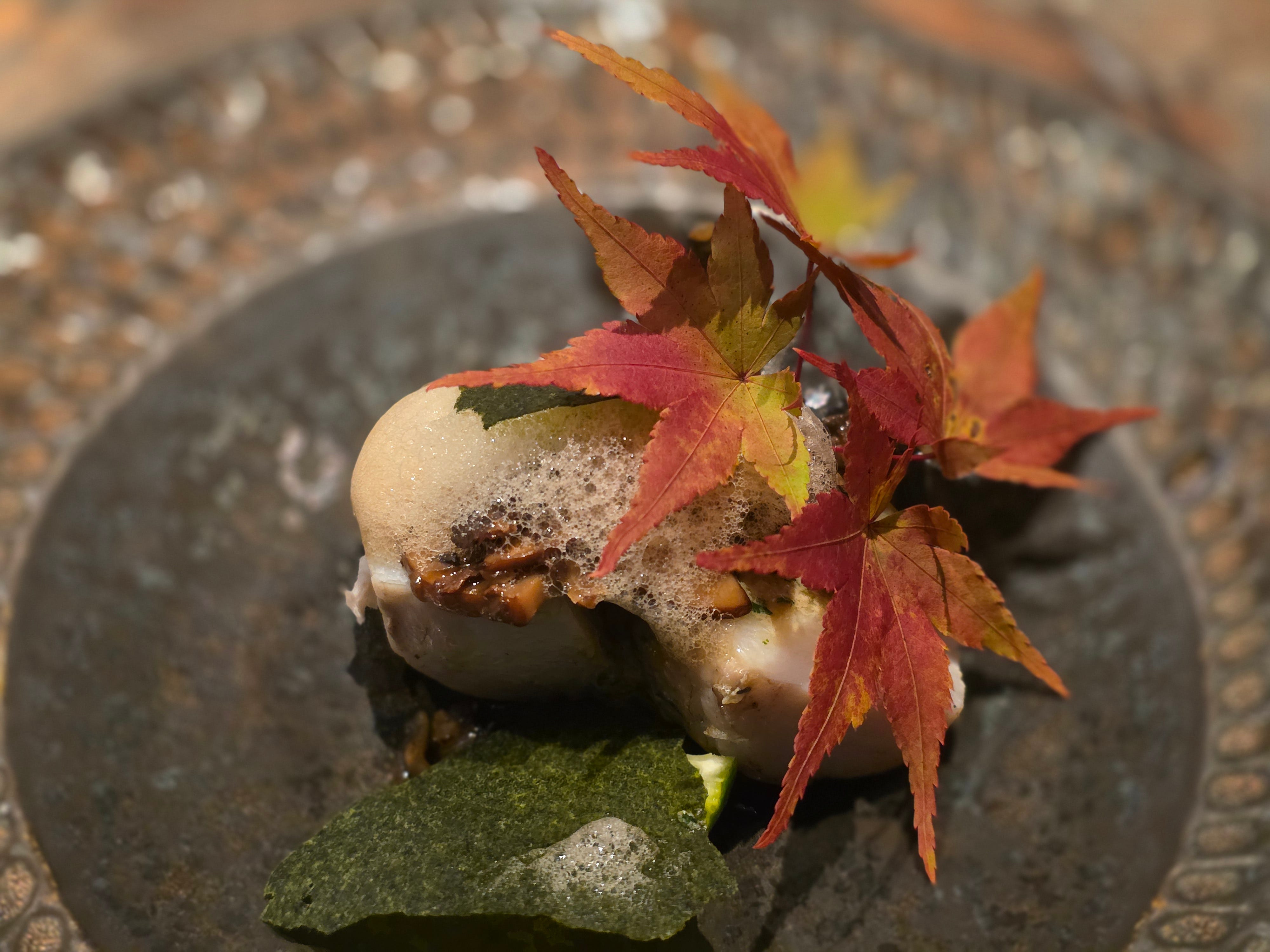
A taro dish followed, built around a good mix of flavours and textures. Surprisingly, this was one of the more memorable dishes of the night.
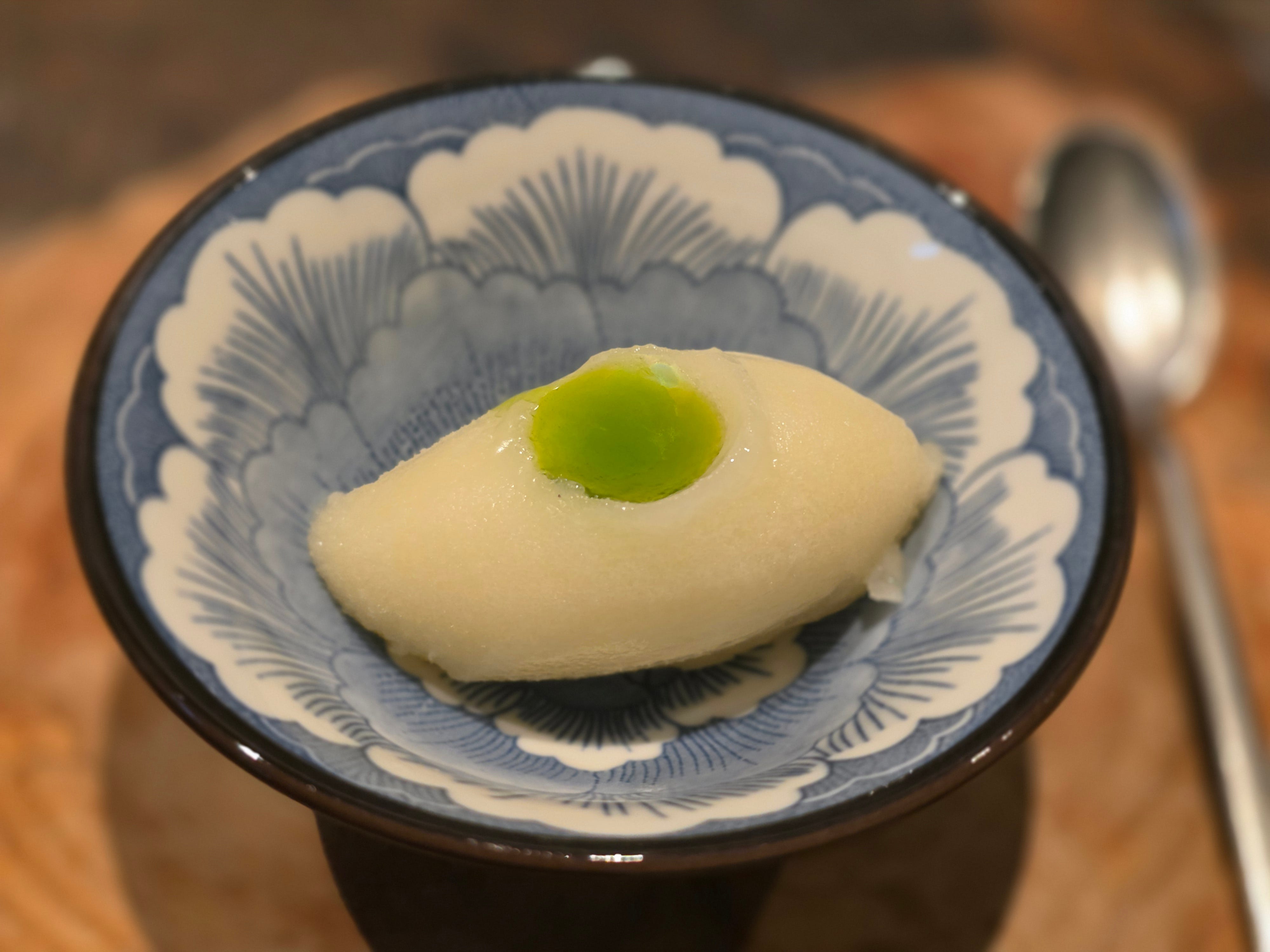
The yuzu and tarragon sorbet reset the palate before the shabu-shabu.
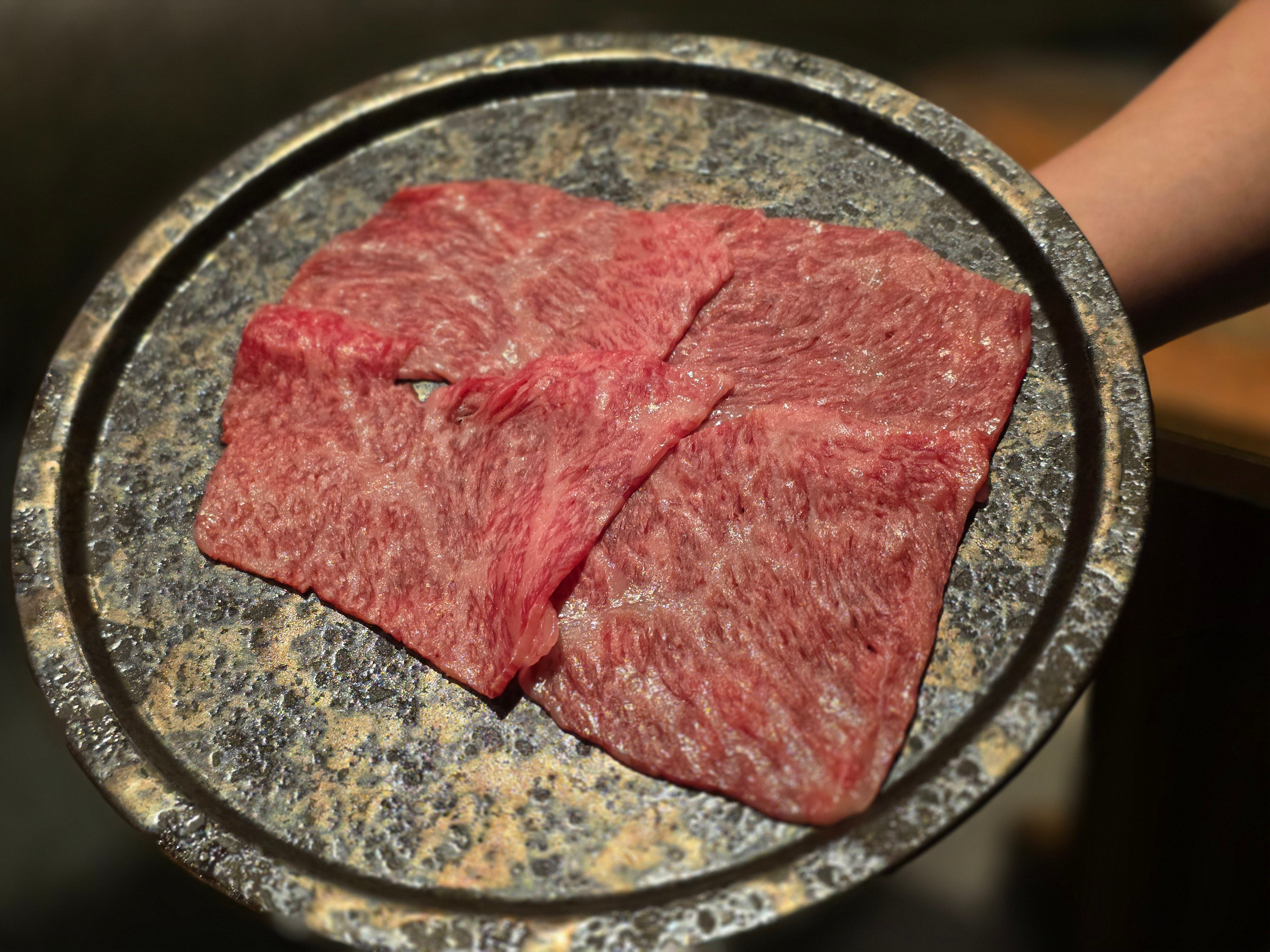
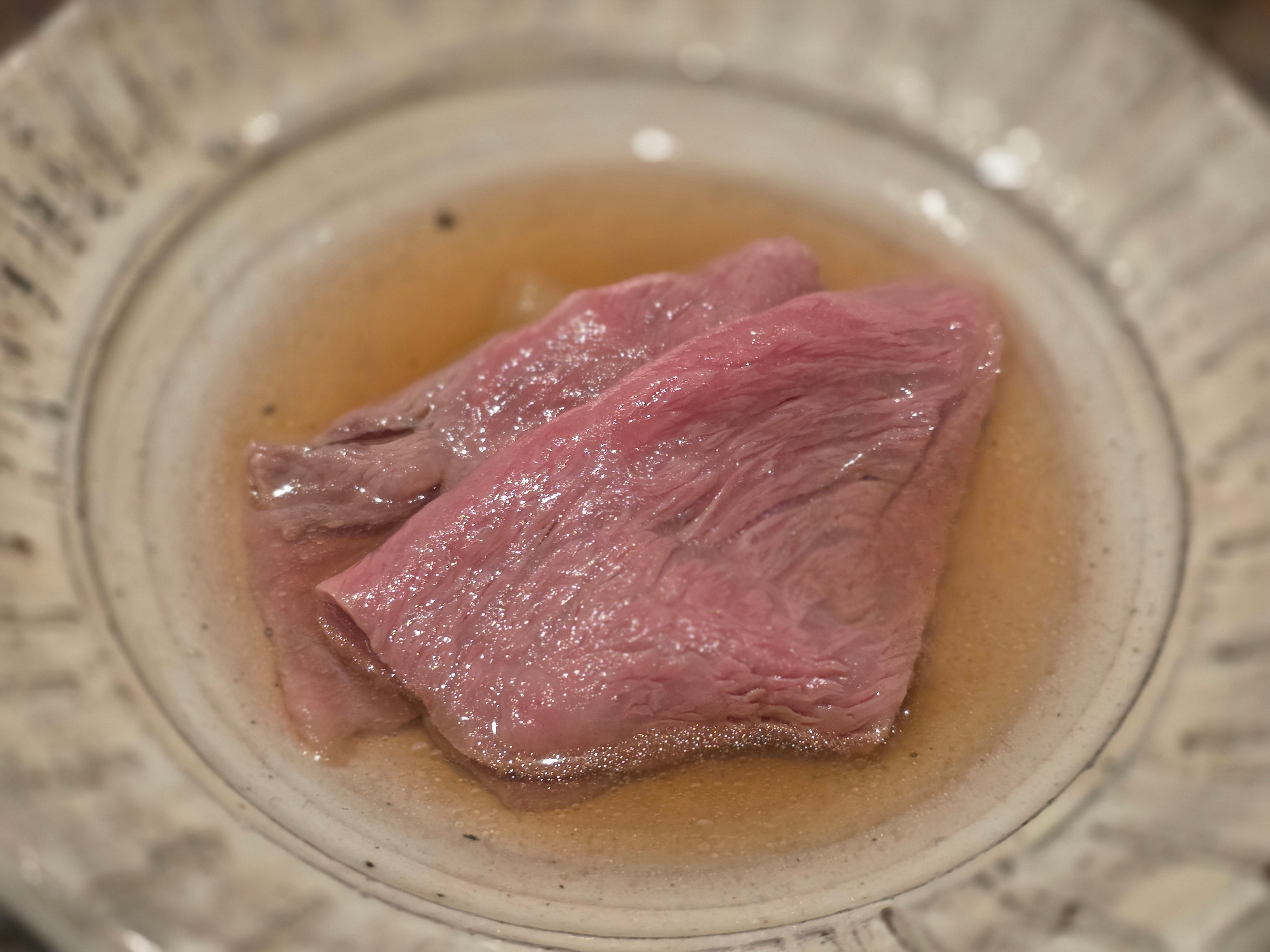
The kitchen showed us the trimmed beef, then lightly poached it at the table. The treatment felt very close to Tanaka’s version, with slightly less theatrics.
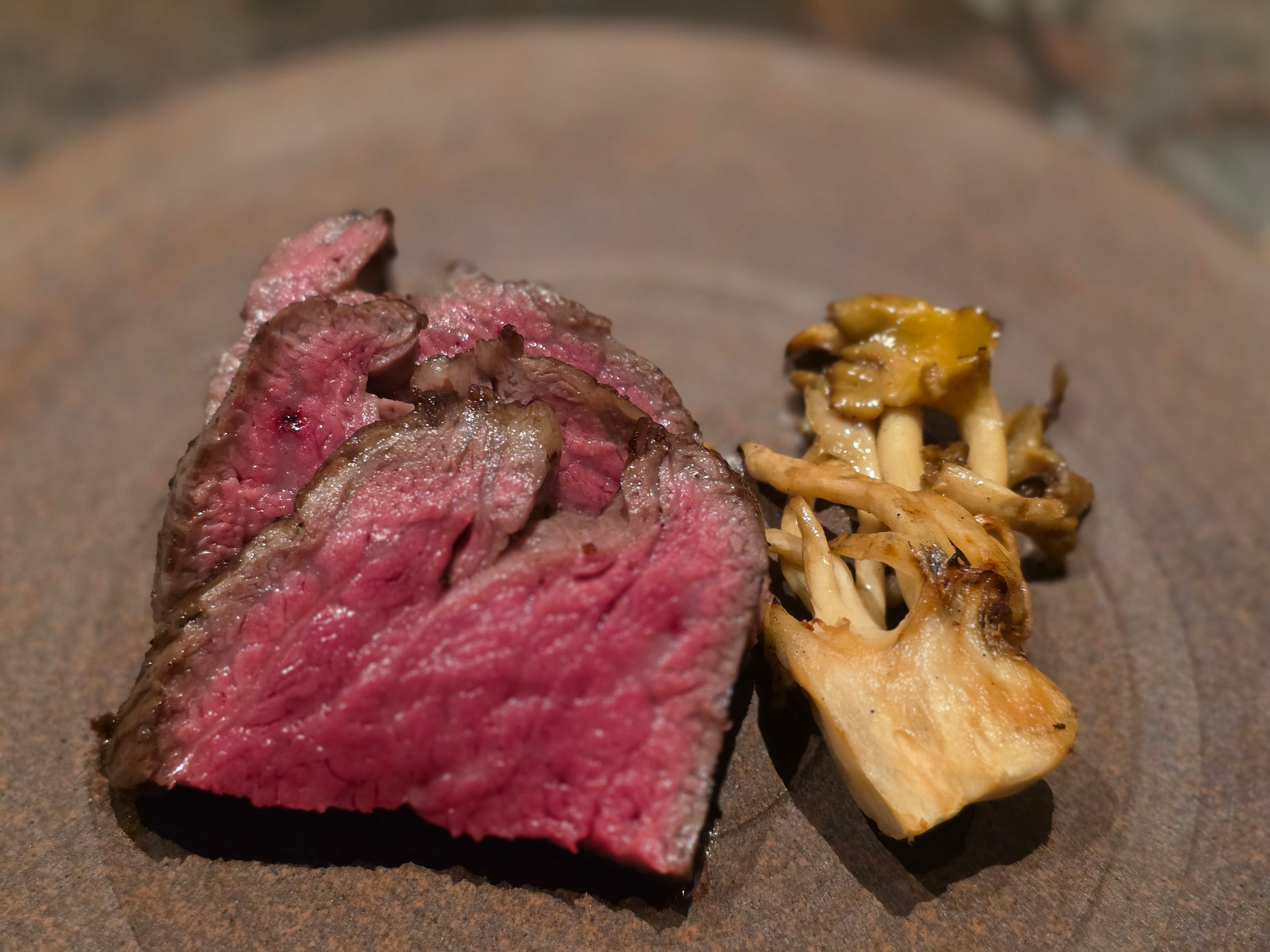
The wagyu tenderloin was cooked just right and served with Kampot pepper, wasabi and mushrooms.
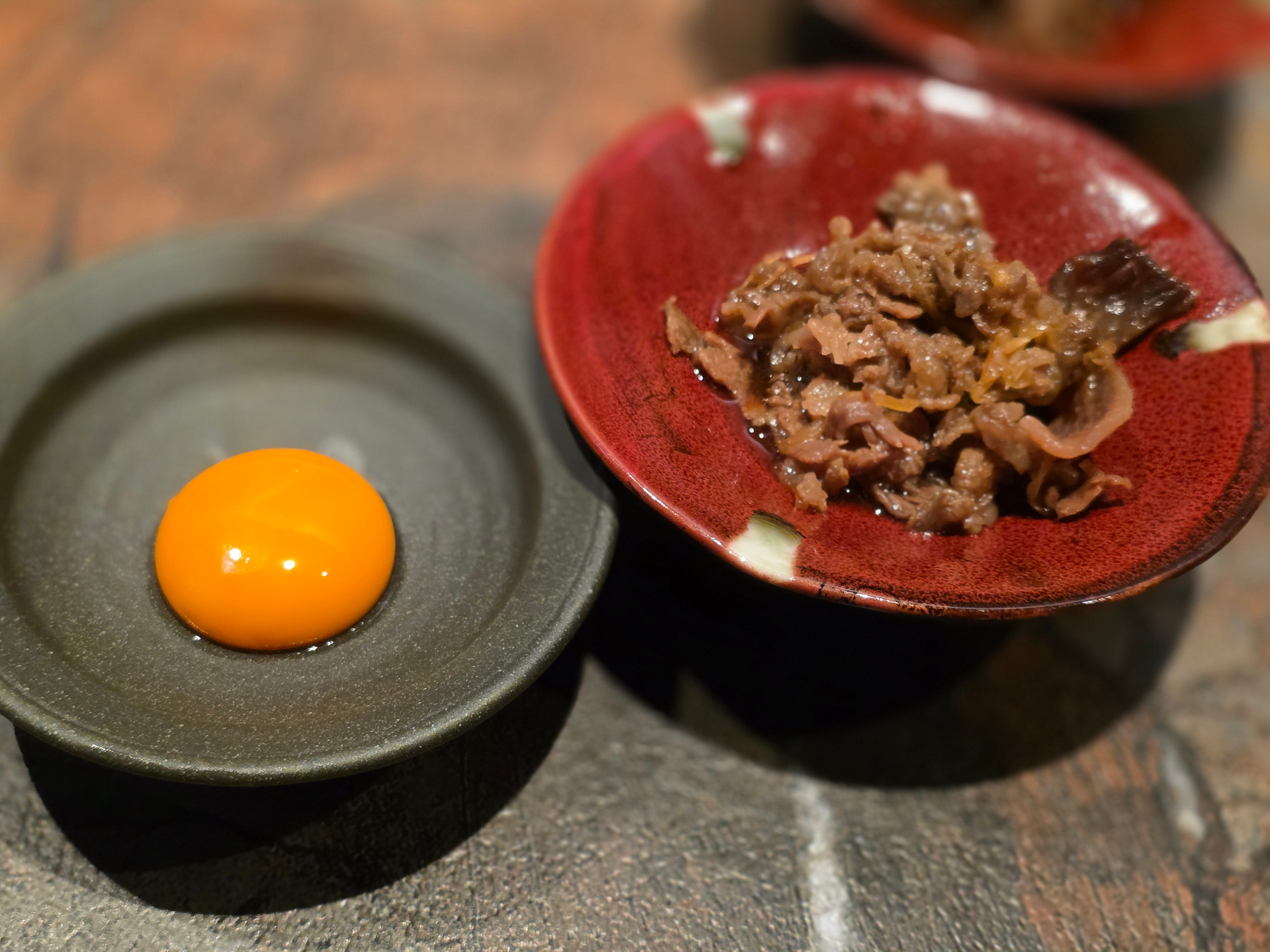
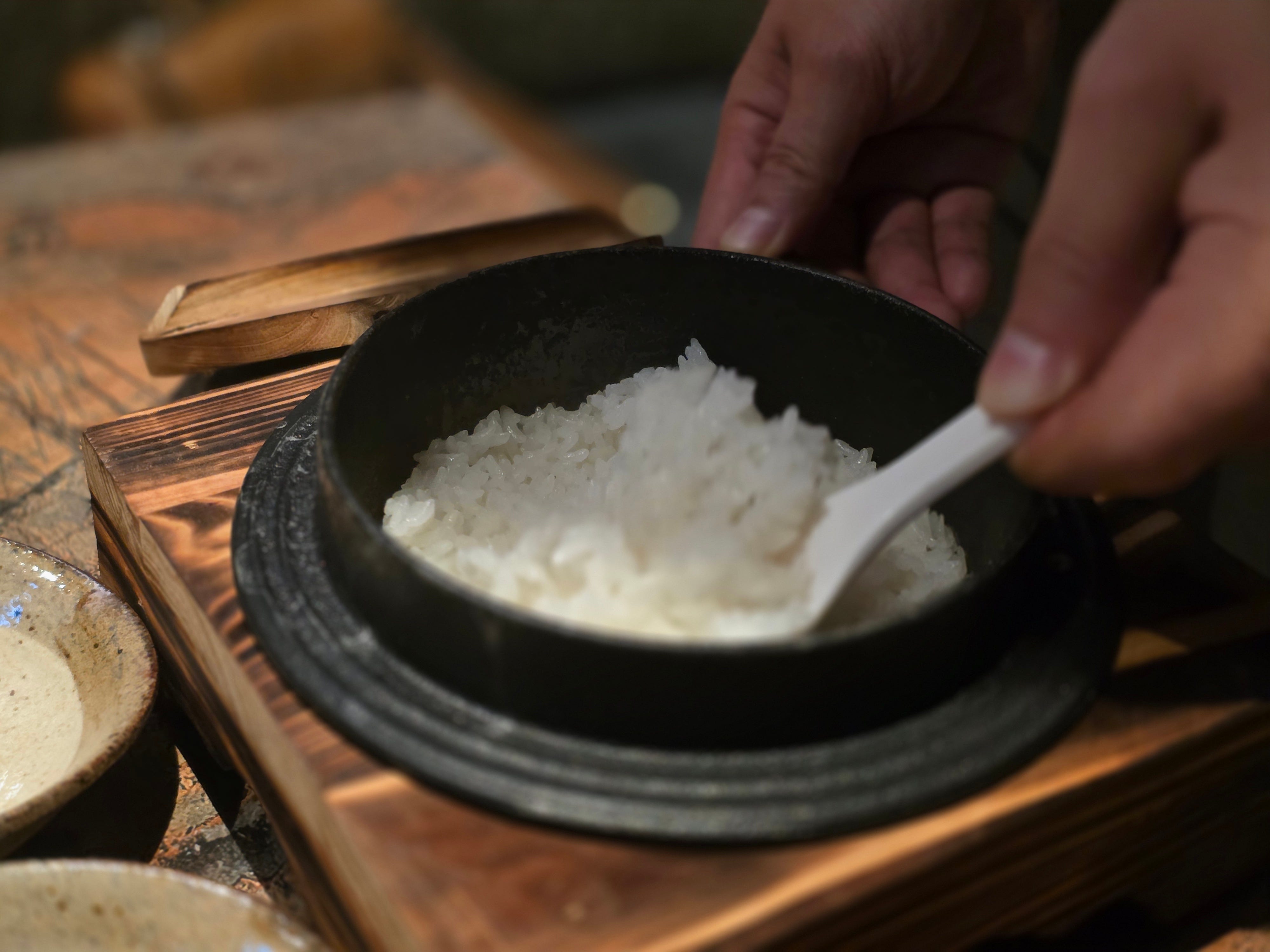
My favourite dish came next: ginger-and-soy-braised beef, Yoshinoya-style, served with pickles and miso soup. It had the comfort of Japanese simmered beef, and I preferred it to Tanaka’s equivalent. This was really my highlight of the night - yoshinoya style beef bowl, but elevated.
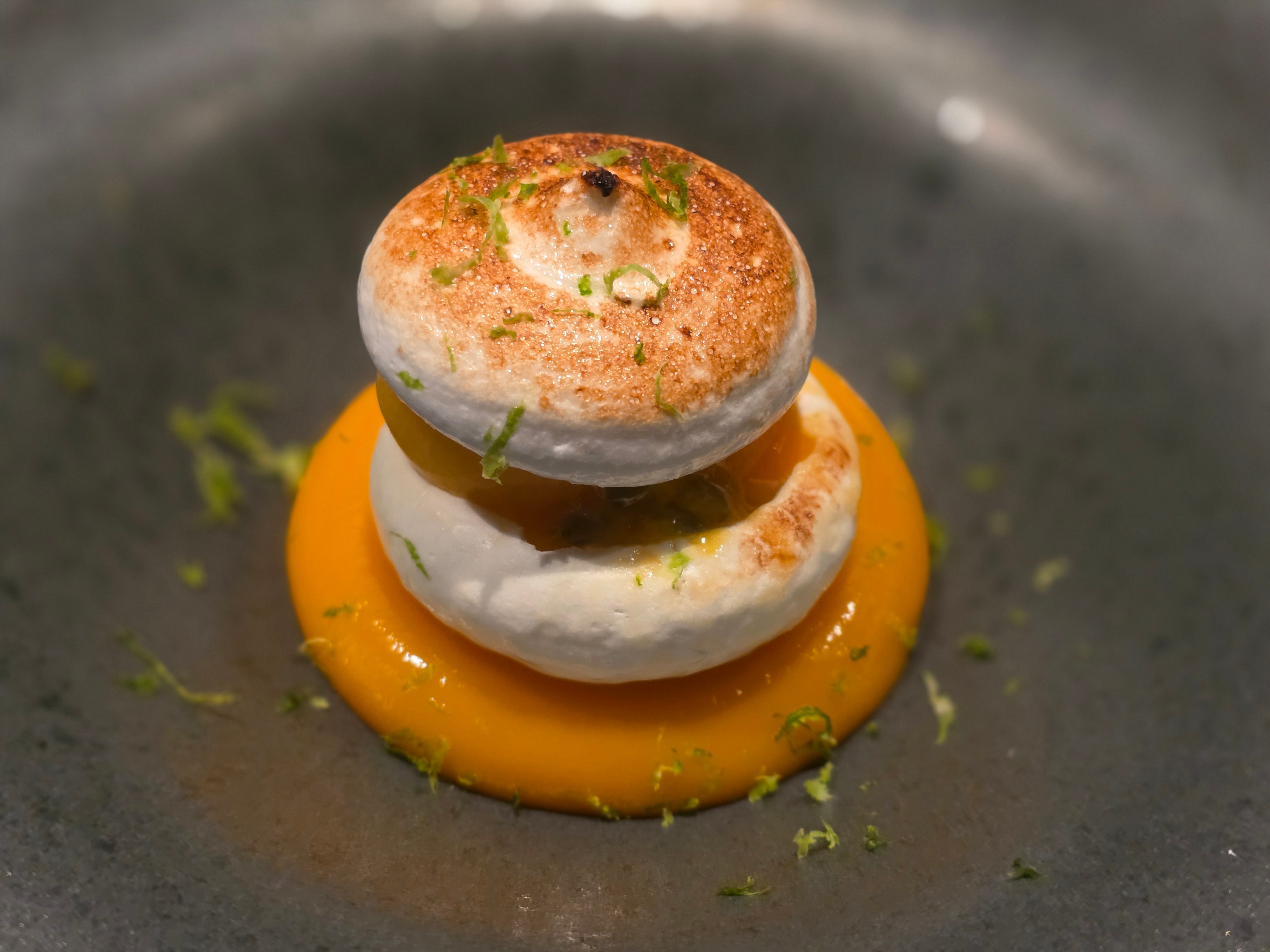
Dessert was a charred pavlova with passion-fruit sorbet and mango coulis. The char brought a little bitterness to the fruit and sweetness, and made for a good finish.
It is hard not to compare GYU+bar with Tanaka. Both serve wagyu omakase and share some familiar dishes, but Tanaka costs about twice as much. GYU+bar feels more like a polished operation than an intimate counter, and there is less theatre. Still, the cooking was well executed, the menu had enough variety to keep the meal moving, and the braised beef bowl alone was worth remembering. For the price, it gets surprisingly close to the higher-end experience.
Total Damage: 3,400 HKD/2 people