
Roganic is Chef Simon Rogan’s Hong Kong expression of a cooking philosophy he built around ingredients, seasonality and close relationships with growers. The name carries a long history: it began as a short-lived London pop-up, returned as a permanent restaurant, then travelled to Hong Kong in 2019. The Hong Kong restaurant has since moved locations and started a new chapter under head chef Adam Catterall.
Chef Rogan opened the first Roganic in London’s Marylebone in 2011 as a two-year pop-up. He intended it as a more urban, accessible expression of the approach he had established at L’Enclume in Cartmel: build dishes around exceptional ingredients and the place they come from. The London restaurant closed in 2013, then returned in 2016 as a permanent site.
Growing up in Southampton, Rogan’s father sold fruit and vegetables and brought home unfamiliar produce, which gave the young Rogan an early interest in ingredients. He took a restaurant job at 14, trained while working, and began a formal apprenticeship at Rhinefield House in Hampshire. There he gained classical kitchen grounding and started foraging in the surrounding countryside.
In the late 1980s, Rogan joined Geddes in Southampton as a pastry chef under Jean-Christophe Novelli. He followed Novelli through several kitchens and also worked with chefs including Marco Pierre White and John Burton-Race. A formative period came in Paris, where he spent two years at three-Michelin-starred Lucas Carton under Alain Senderens. He later became head chef at Adlington Place before opening his own restaurant.
Rogan and his partner Penny Tapsell opened L’Enclume in Cartmel in 2002, in a former blacksmith’s workshop. The restaurant’s remote setting made sourcing good produce difficult, so Rogan began developing his own farm. That decision shaped the group’s working method: grow or source ingredients close to the kitchen, cook with the seasons, and let flavour lead the creative process. L’Enclume received its third Michelin star in 2022.
Roganic Hong Kong opened in February 2019, alongside Aulis Hong Kong, Rogan’s development kitchen. It was his first overseas restaurant venture. The Hong Kong team adapted the farm-to-table idea to the city, working with local growers and suppliers rather than importing the Lake District model wholesale. Roganic earned its first Michelin star before the end of its first year and received Hong Kong’s first Michelin Green Star in 2021.
The original Hong Kong site closed in September 2024 and after a period of development and a six-week Taiwan pop-up, the restaurant reopened in a new location in February 2025. The move brought a new interior and a fresh identity for the room.
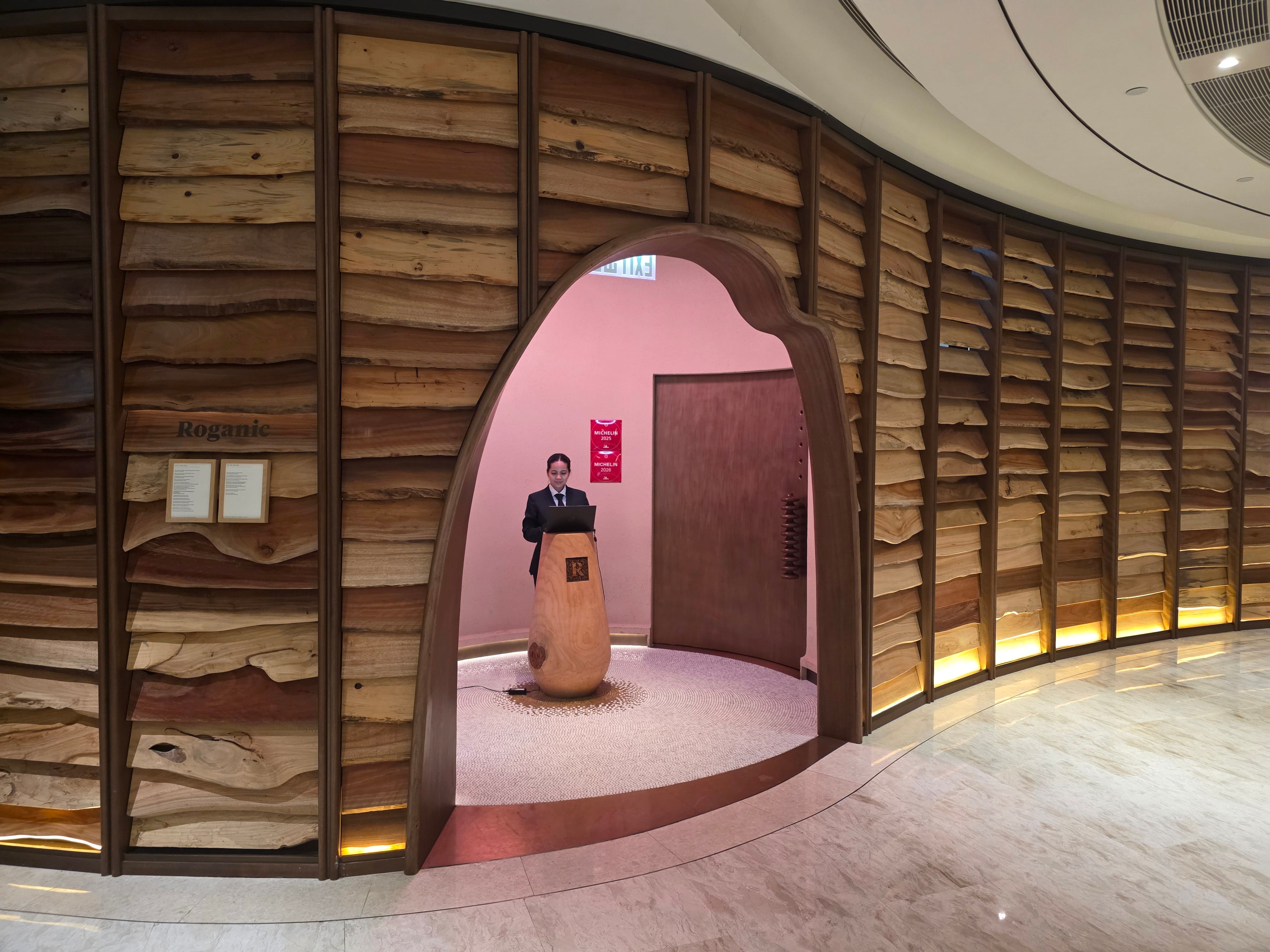
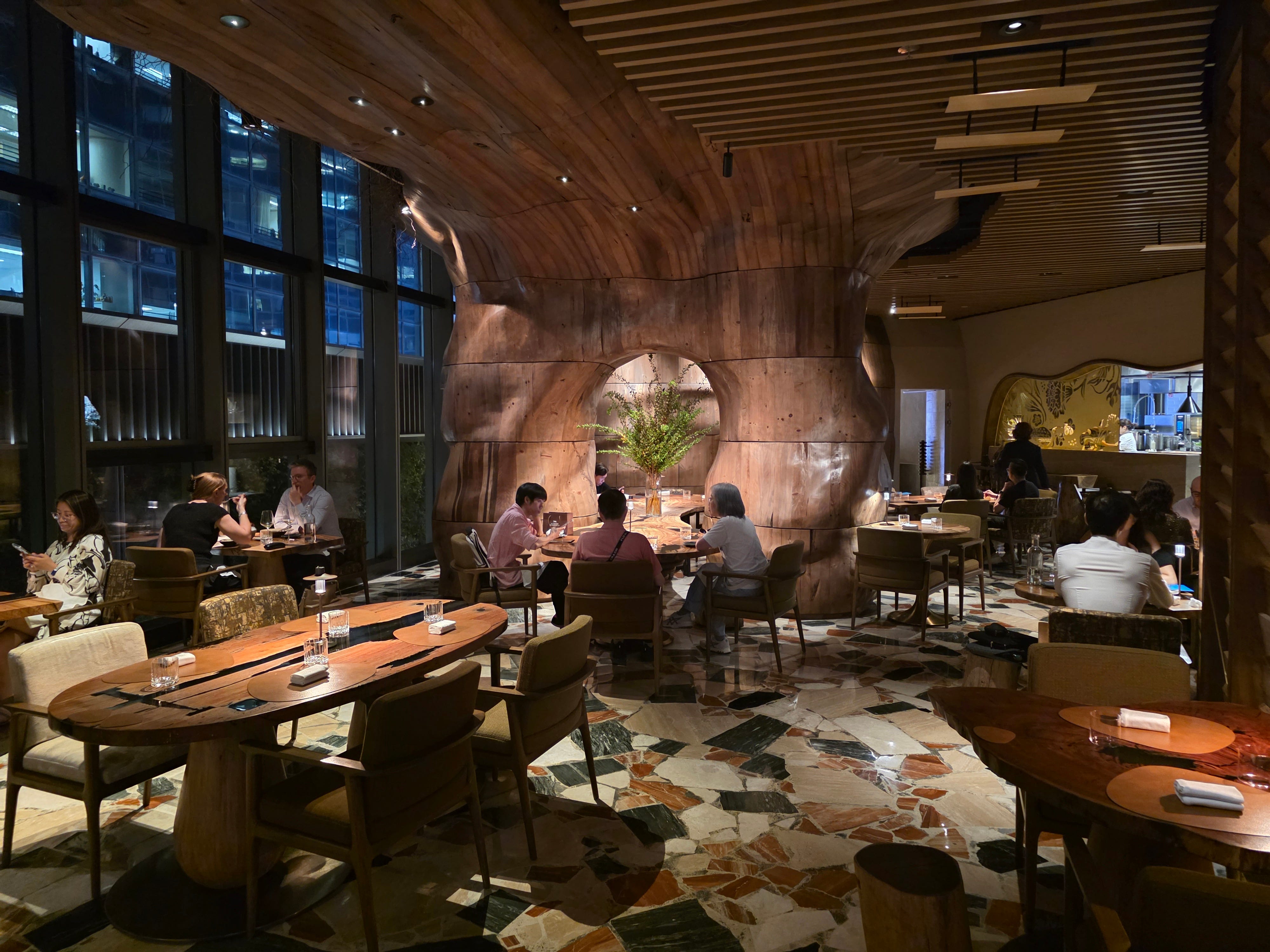
The restaurant is located in a luxury mall in Causeway Bay, directly across from GYU+Bar. The restaurant is framed by reclaimed typhoon-felled timber, recycled marble, reused furniture and an oyster-shell bar counter highlighting the restaurant’s resource-conscious approach.
Chef Adam Catterall leads the Roganic Hong Kong kitchen day to day. He joined the restaurant as a sous chef in 2019, when it opened, and became head chef in 2023. Catterall’s path was less conventional than a straight run through fine-dining kitchens. He began washing dishes in a restaurant in northern England at about 14, then studied graphic design at university before returning to professional cooking. His earlier kitchen work included Angels Restaurant, Selfridges, Aubaine in London, The Lowry Hotel in Manchester and Vue de Monde in Melbourne. Catterall credits Rogan with teaching him to respect provenance and avoid adding elements a dish does not need. He also credits Marlow and former Roganic head chef Ashley Salmon with helping him learn kitchen leadership.
The move to the new location gave Catterall the task of building a new chapter rather than reviving old dishes. In a 2025 interview, he described the reopening as demanding, with a Taiwan pop-up before the new restaurant opened and extensive work on a new identity. He said the team chose not to repeat dishes from the former site and reworked the menu completely for the new open.
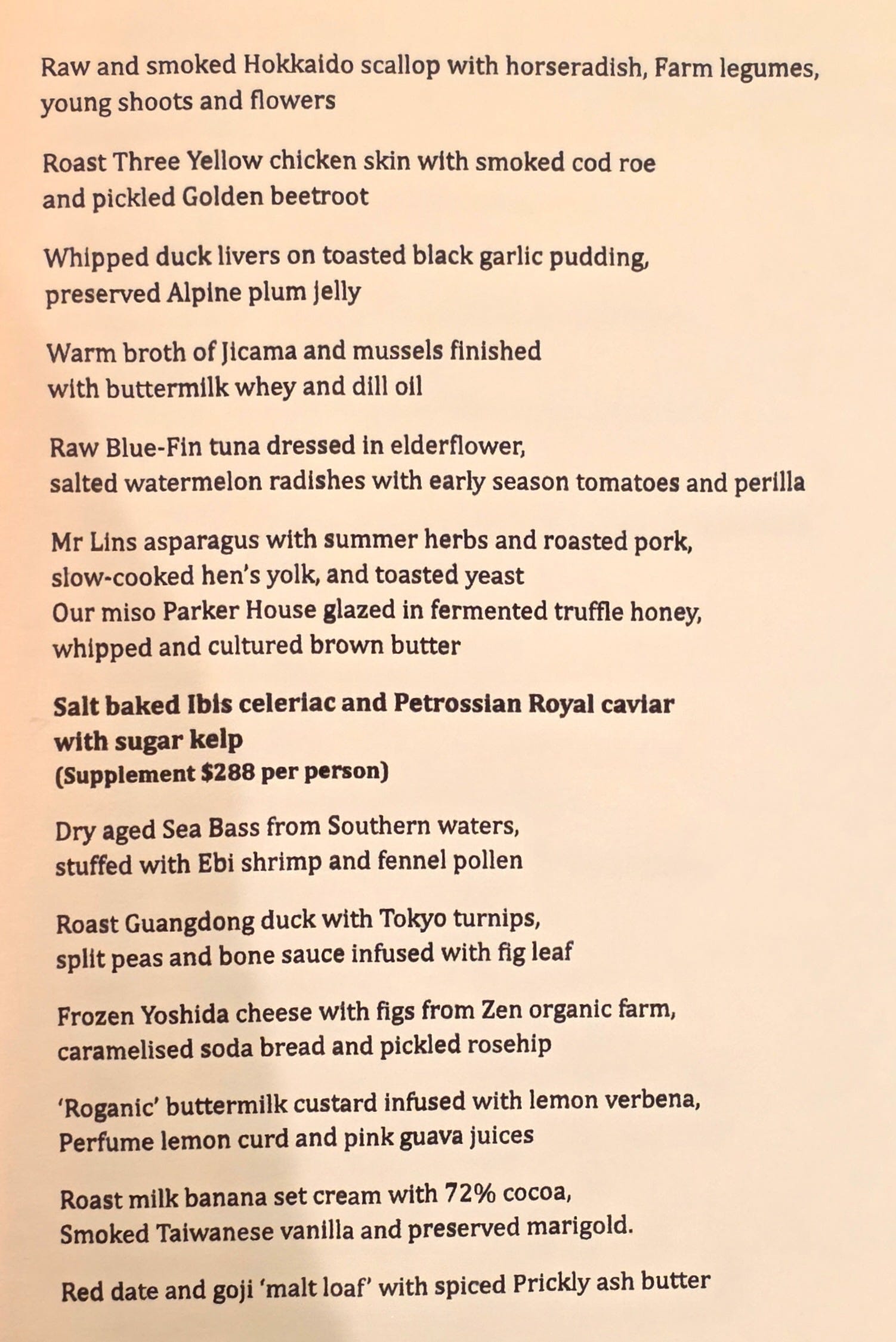
There were multiple choices of tasting menus, and we went with the flagship “long” menu.
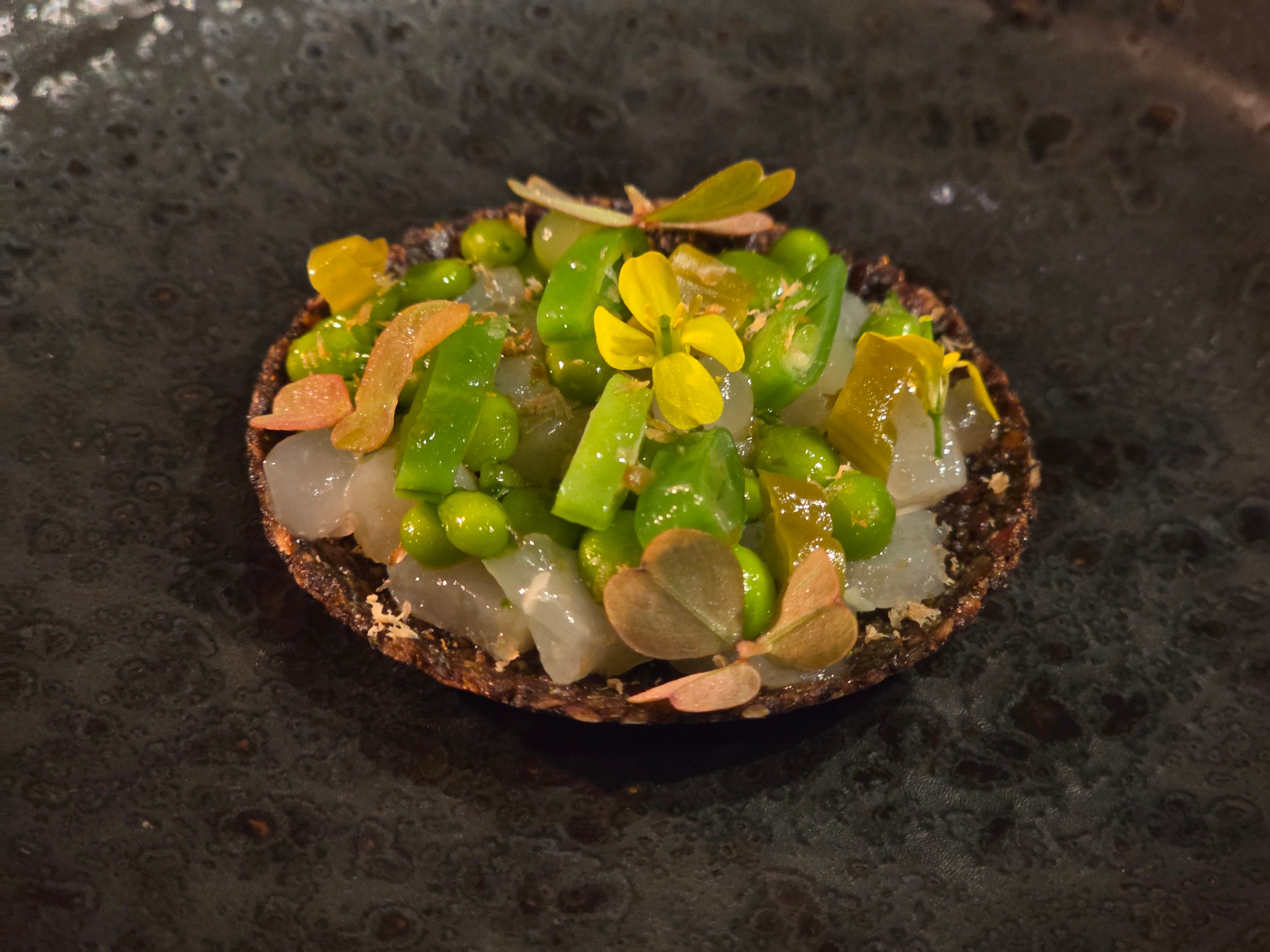
The meal began with scallop tartare in a crisp grain tart, topped with sweet peas and legume shoots. The shell had a light crunch, while the scallop stayed cool and clean. A fresh, direct opening.
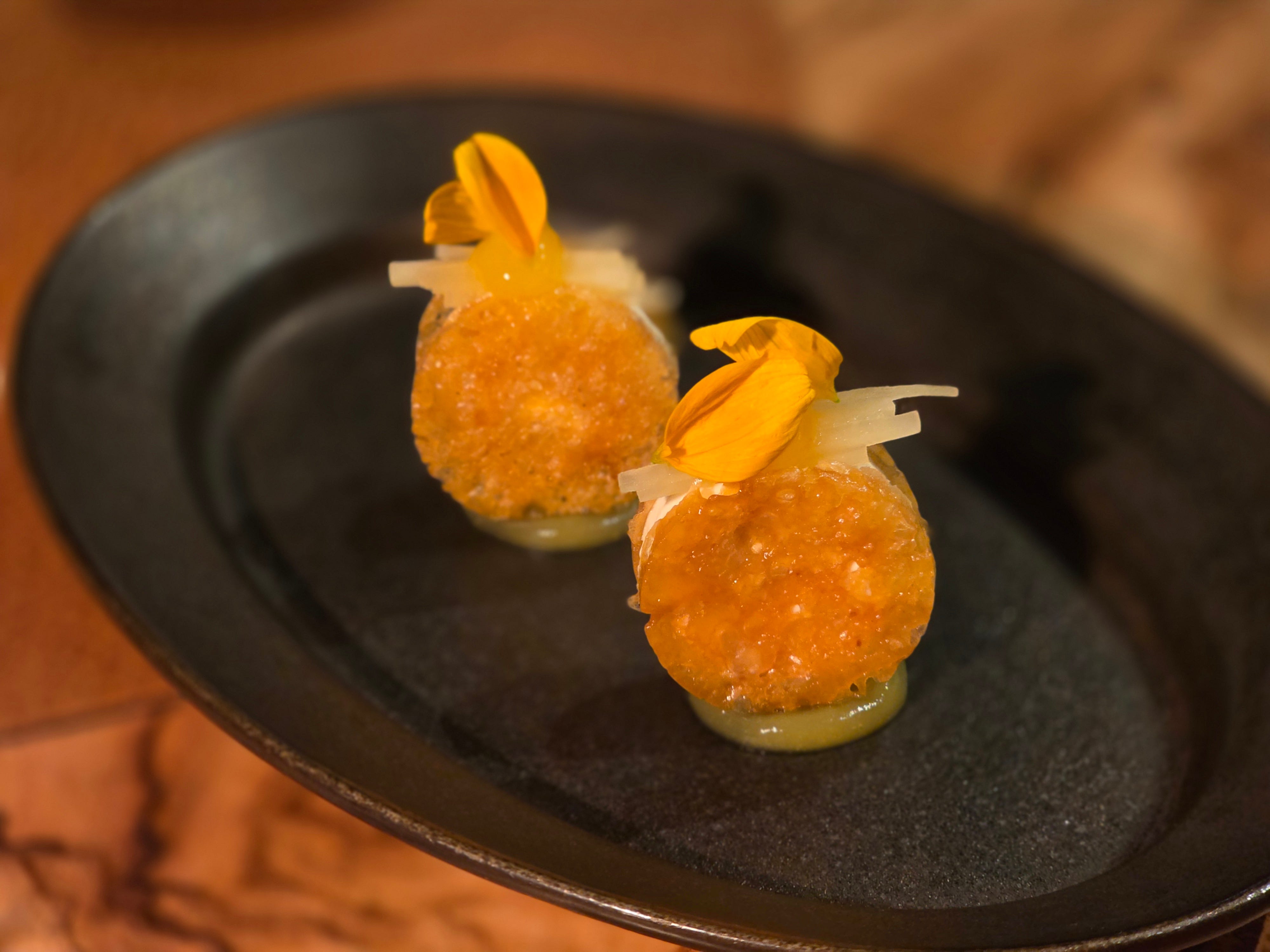
The chicken-skin sandwich paired brittle, savoury skin with smoked cod roe. The crisp shell gave way to a soft, saline filling, with the smoke lending it a deeper savoury edge.
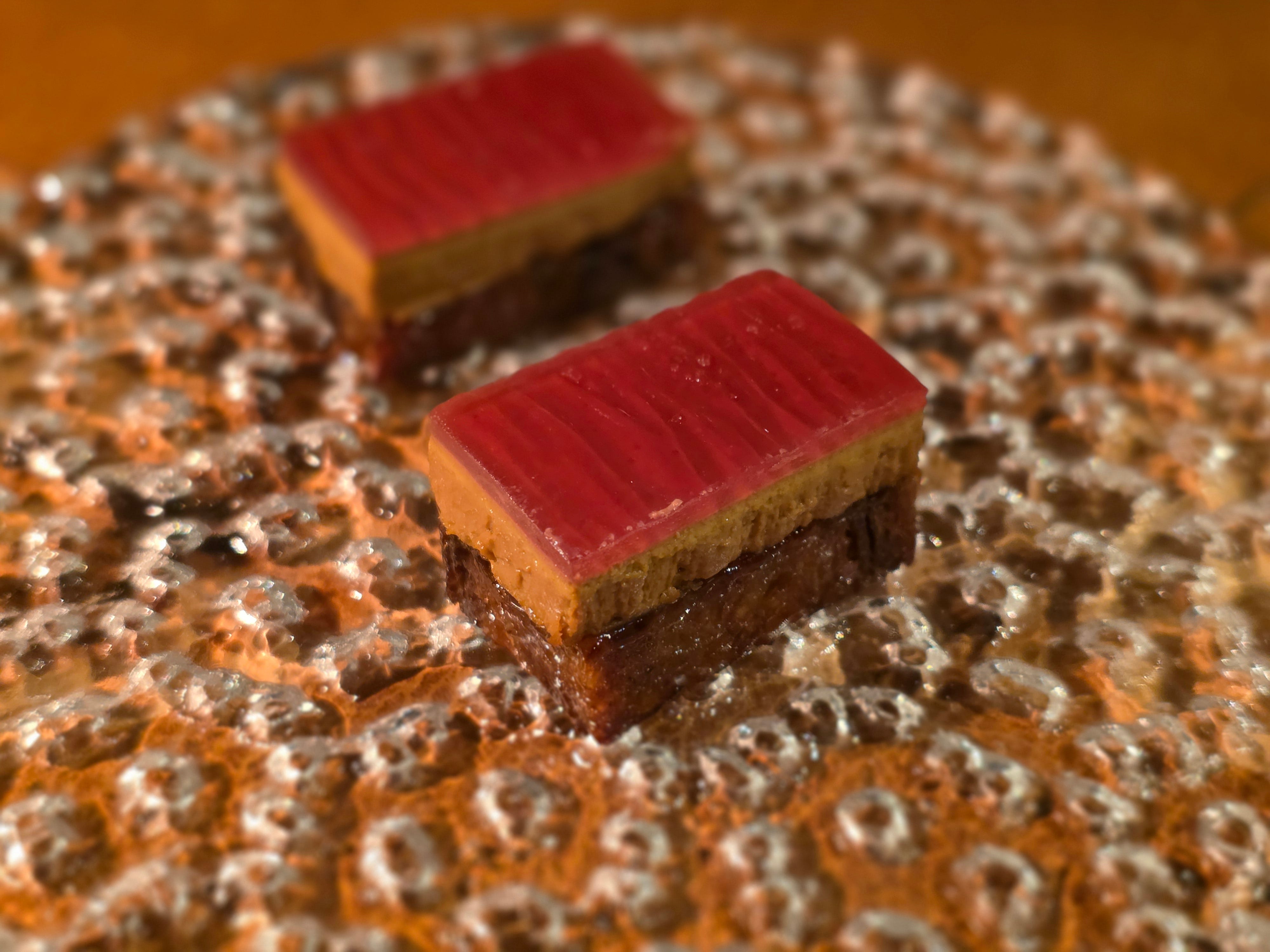
Foie gras came under a layer of sweet plum jelly, set on a sticky black garlic pudding. It was a dense, rich mouthful, with the plum cutting through the foie gras and the black garlic adding a dark, molasses-like sweetness.
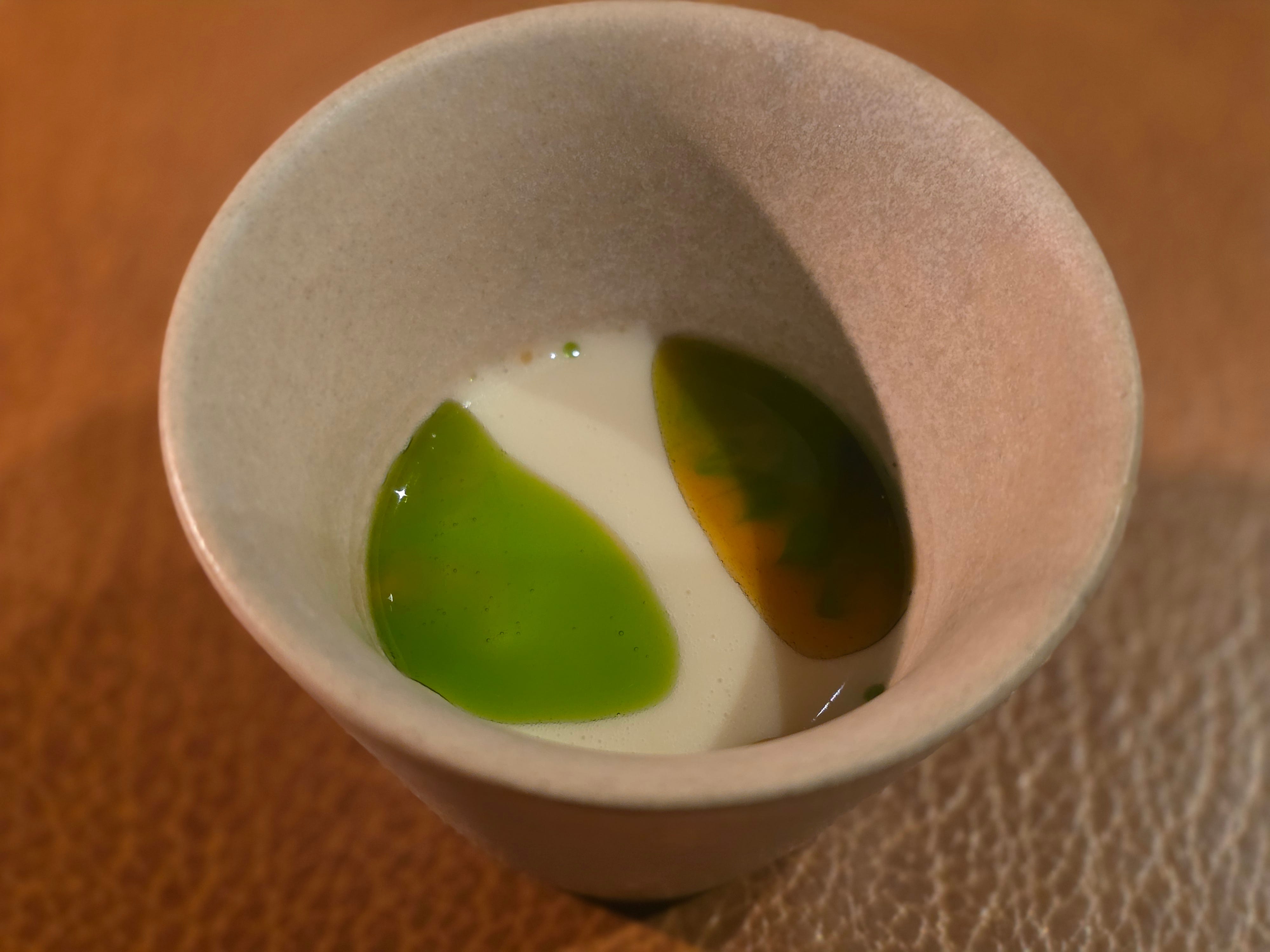
The warm mussel and jicama broth had the comfort of a creamy soup, but the buttermilk whey brought a clean, tangy lift. Dill oil added an herbal, slightly pungent finish. Rich, herbal and creamy, without feeling flat.
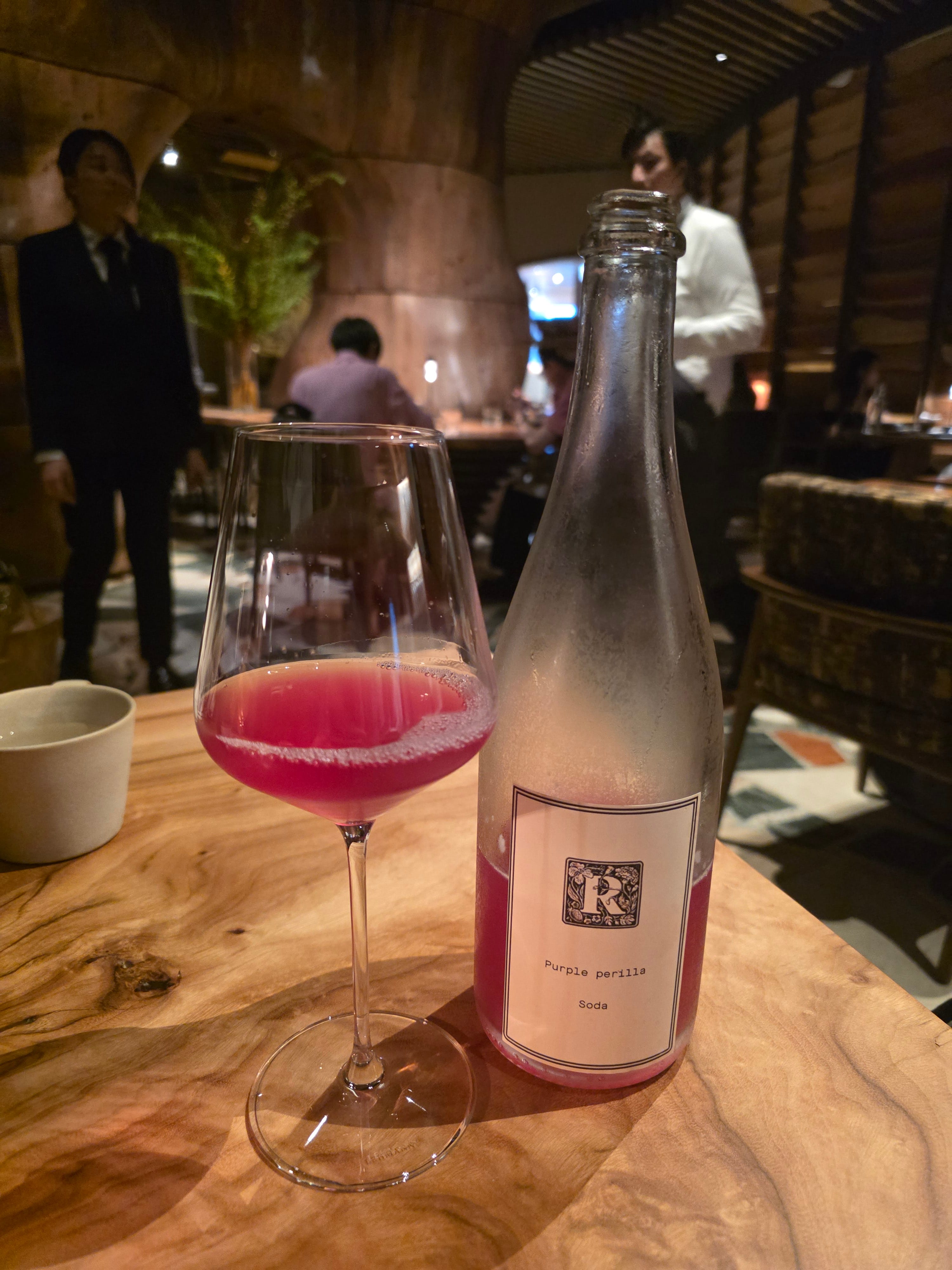
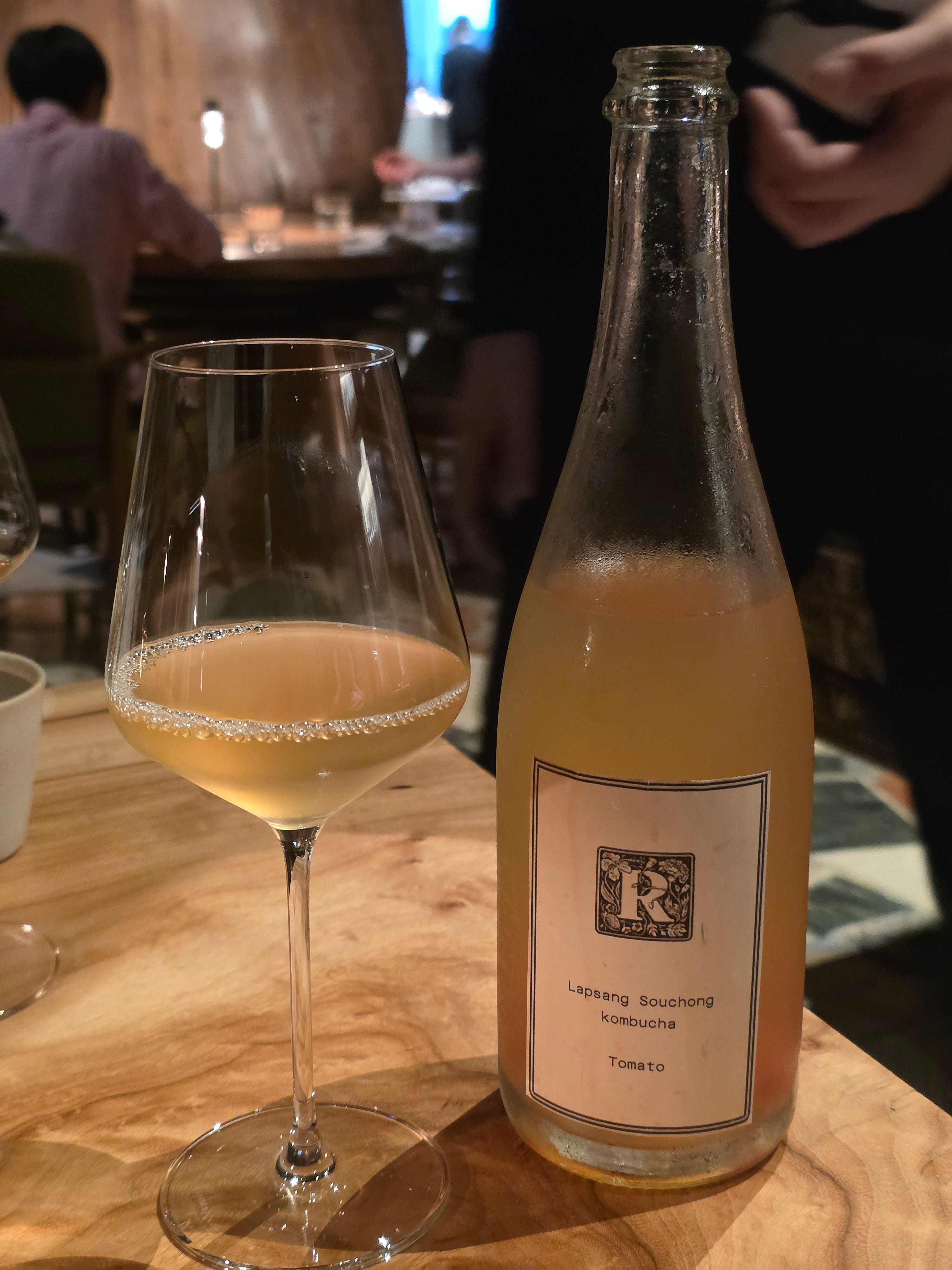
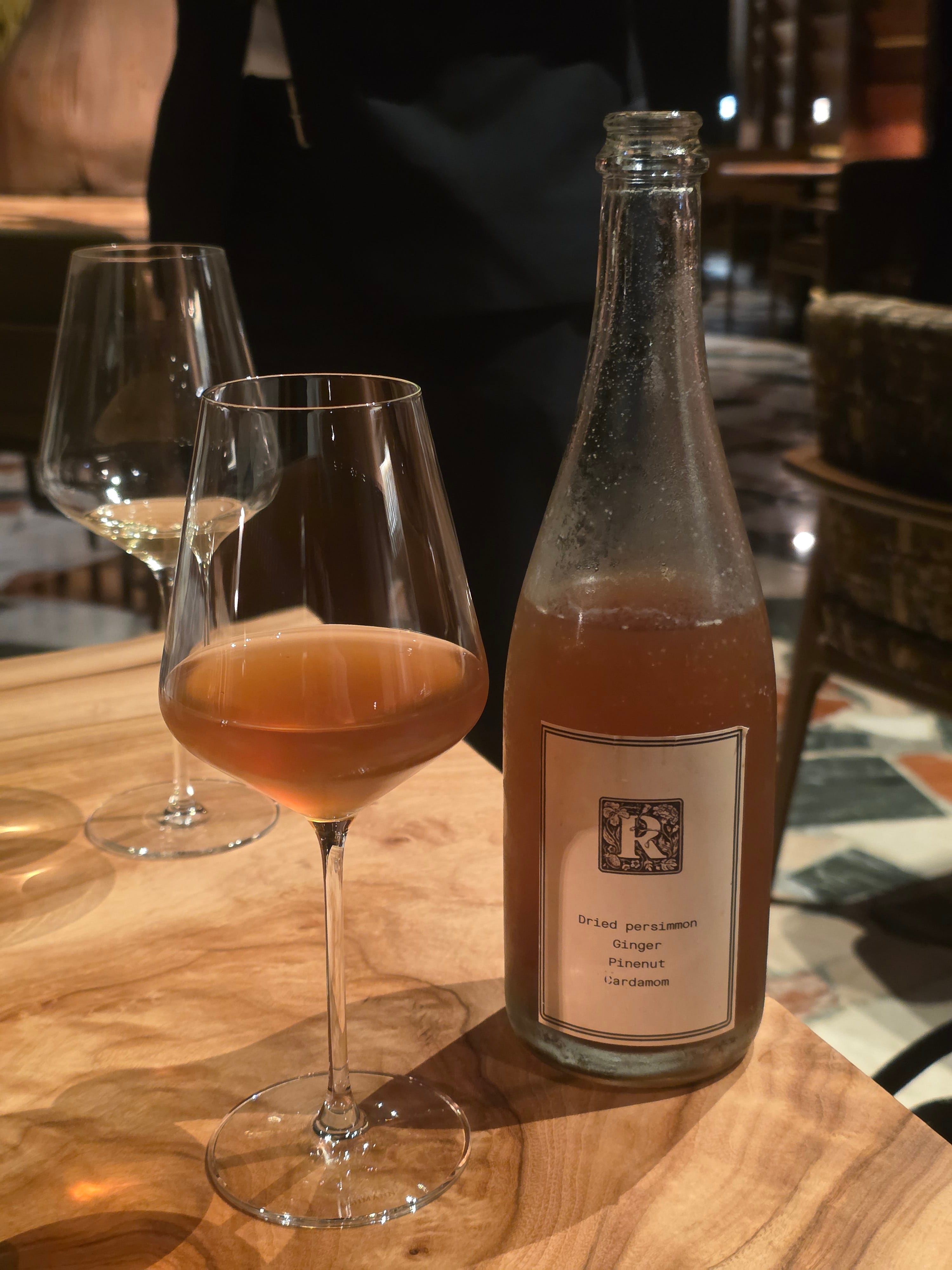
Roganic takes its non-alcoholic pairing seriously, so I tried it instead of the traditional wine pairing. This was a vivid pink shiso soda sharpened with apple cider vinegar. The vinegar kept the drink lively and savoury rather than making it taste like a sweet soft drink.
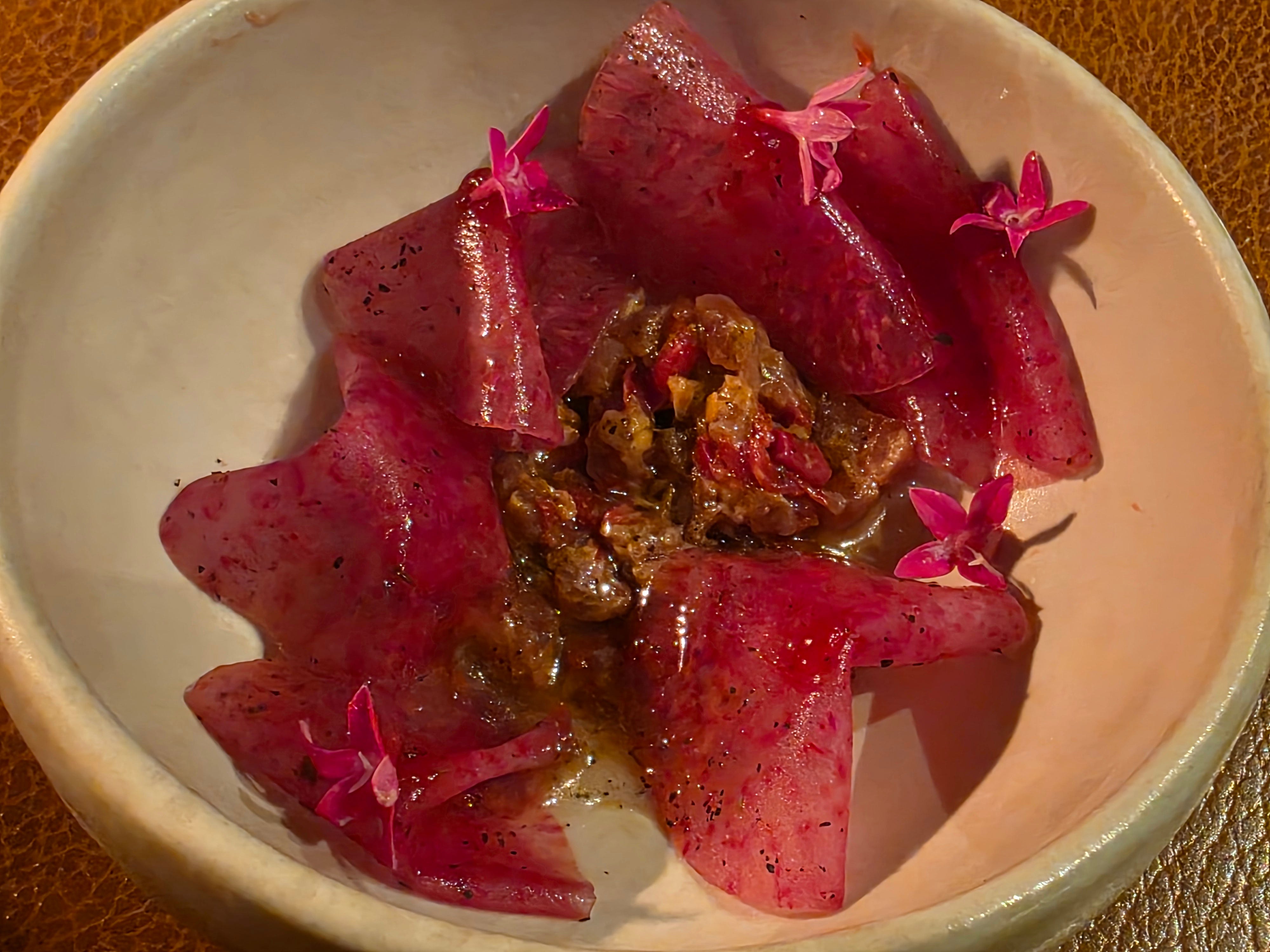
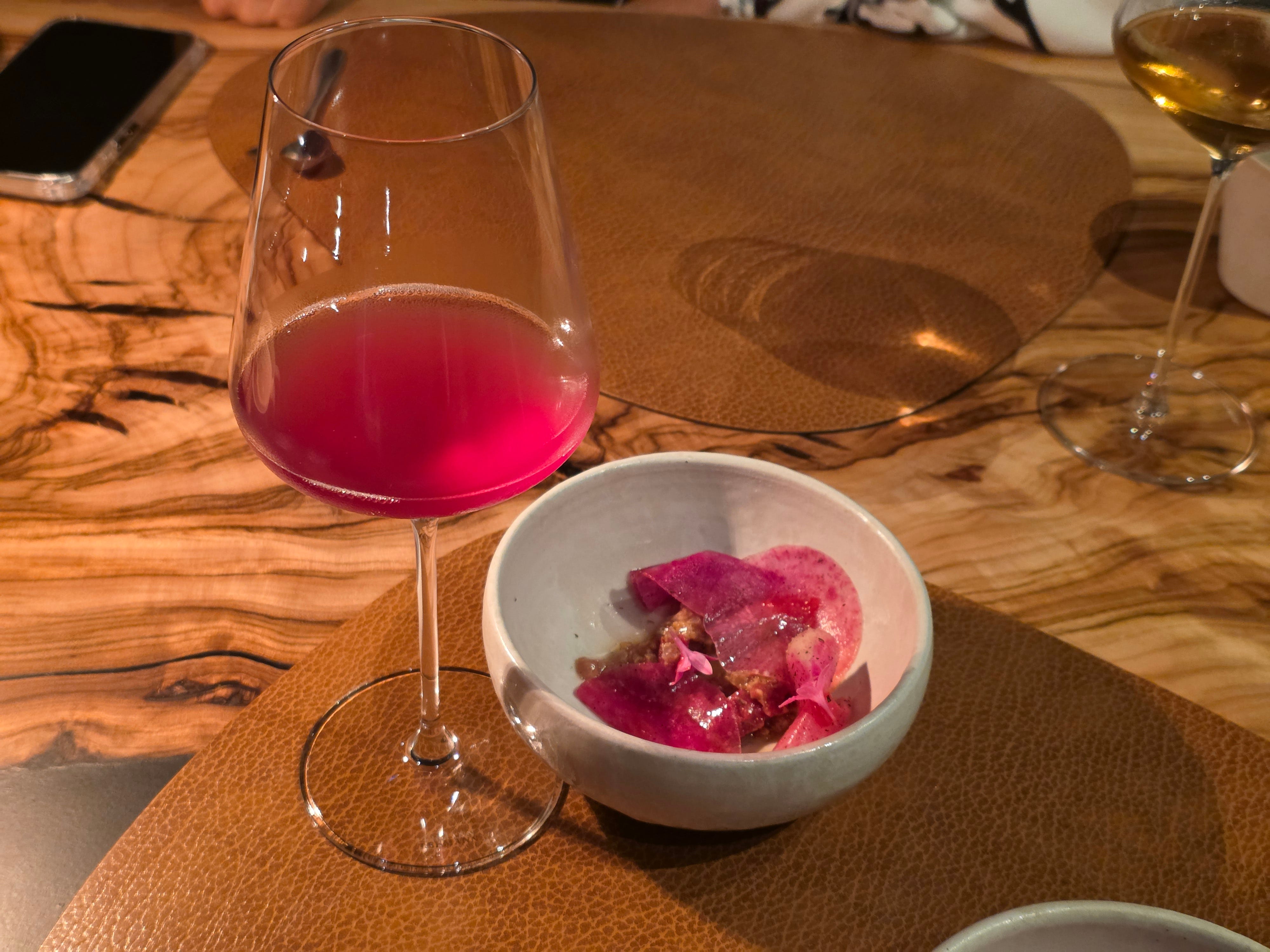
The drink’s pink colour echoed the pickled watermelon radish arranged over bluefin tuna tartare. Tomato water and perilla sauce brought acidity and a green, aromatic note to the fish. The dish felt precise and refreshing, with the radish adding crunch against the soft tuna.
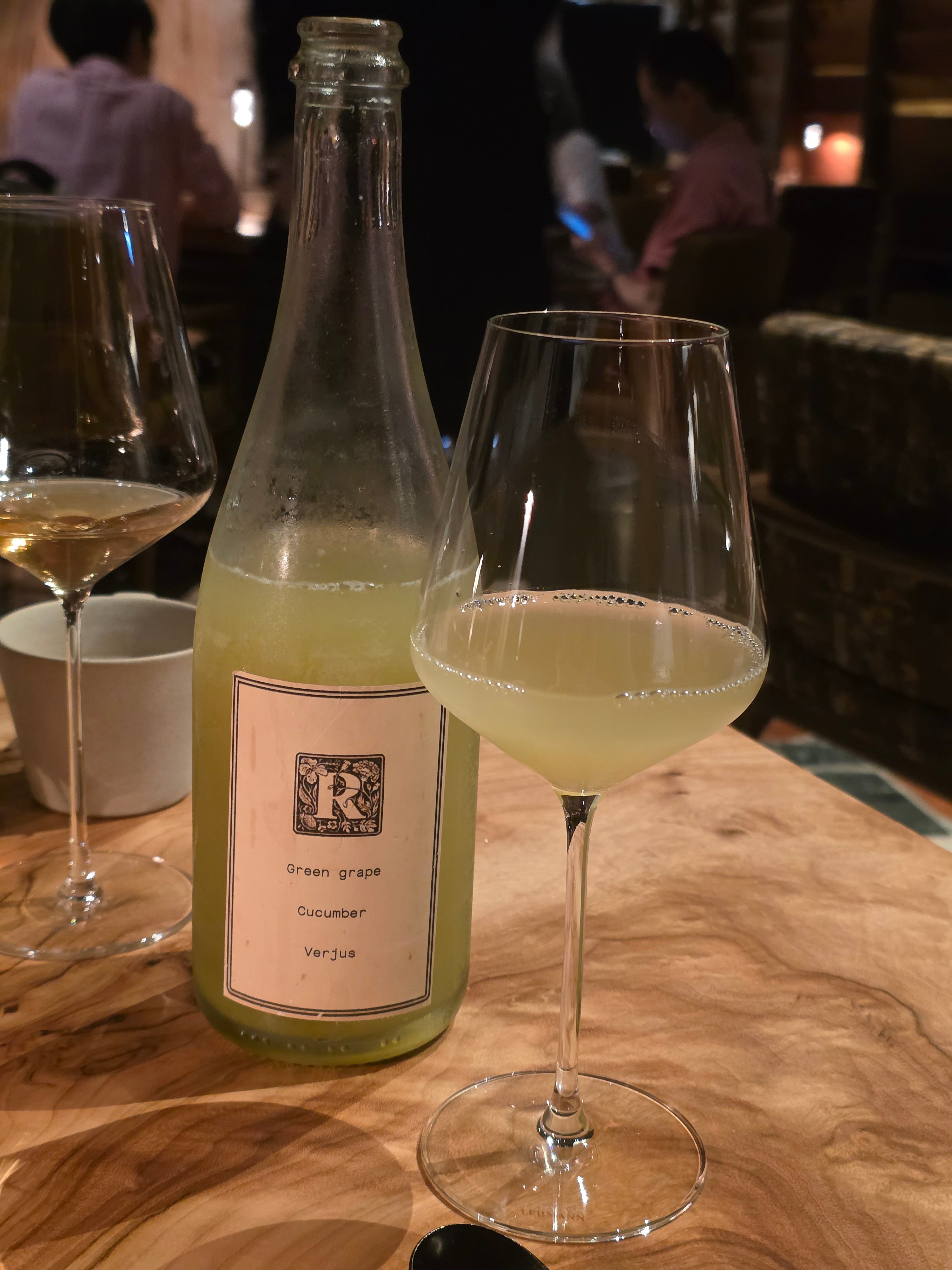
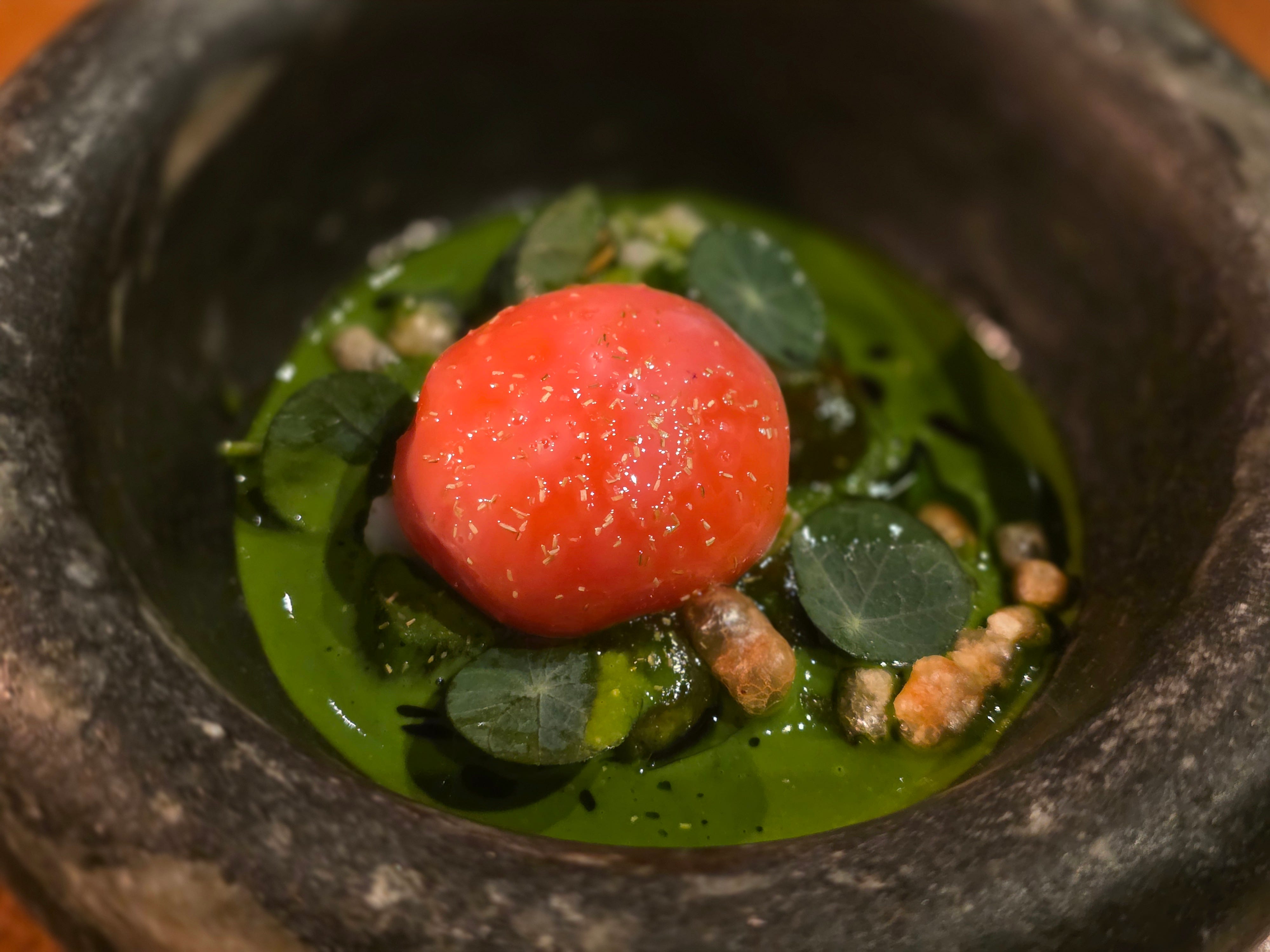
The next dish was a huge hit: a barely set egg yolk resting in a herbal broth hiding crunchy Taiwanese asparagus. The broth leaned minty and green, with a gentle bitterness from the herbs. Puffed rice gave a bit of texture to contrast the soft yolk and thick broth.
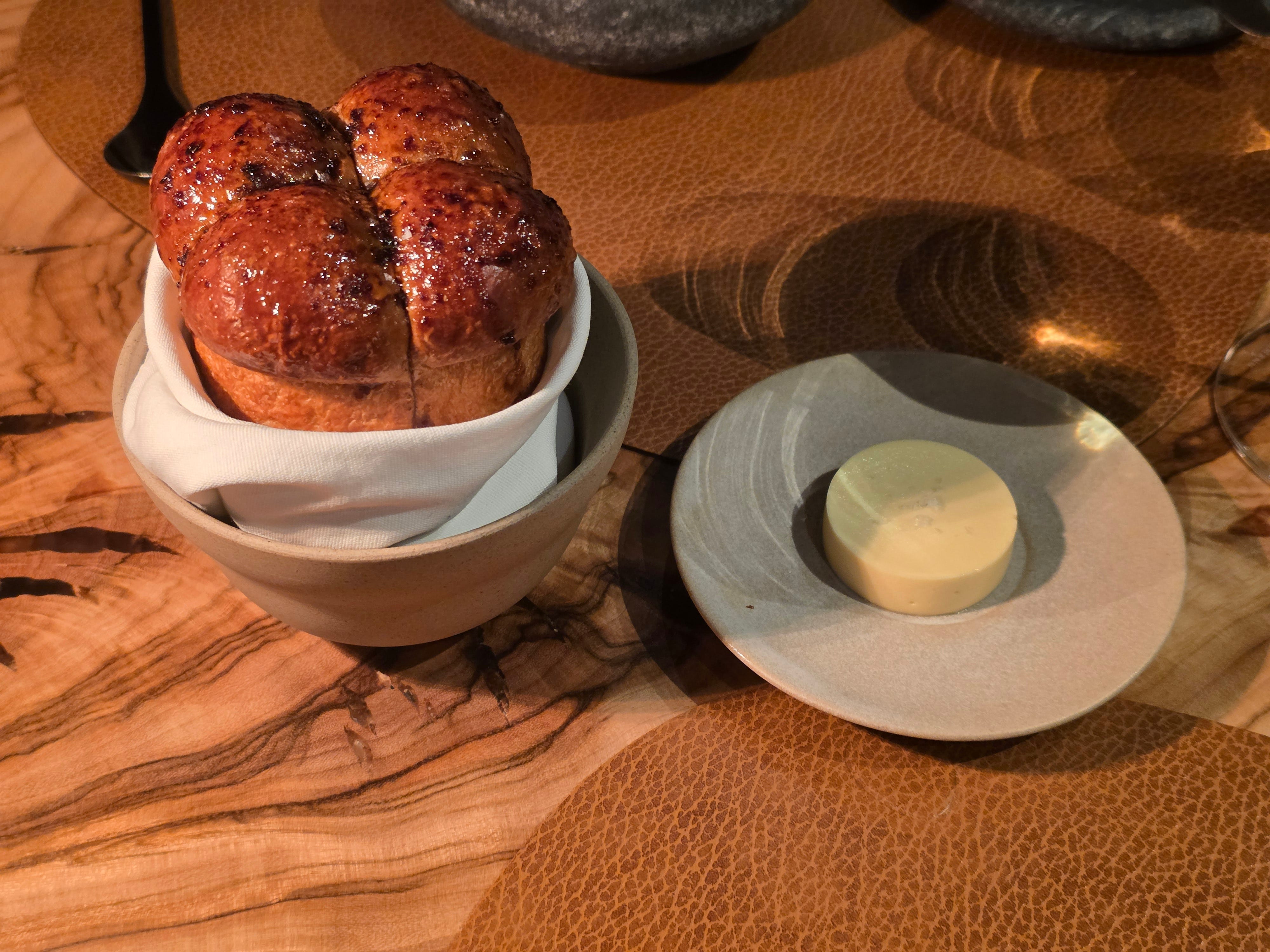
The bread course was Roganic’s sticky Parker House bread, glazed with fermented truffle honey. Soft, buttery bread met a savoury, earthy truffle note and a little fermented tang. It was hard to stop at one bite.
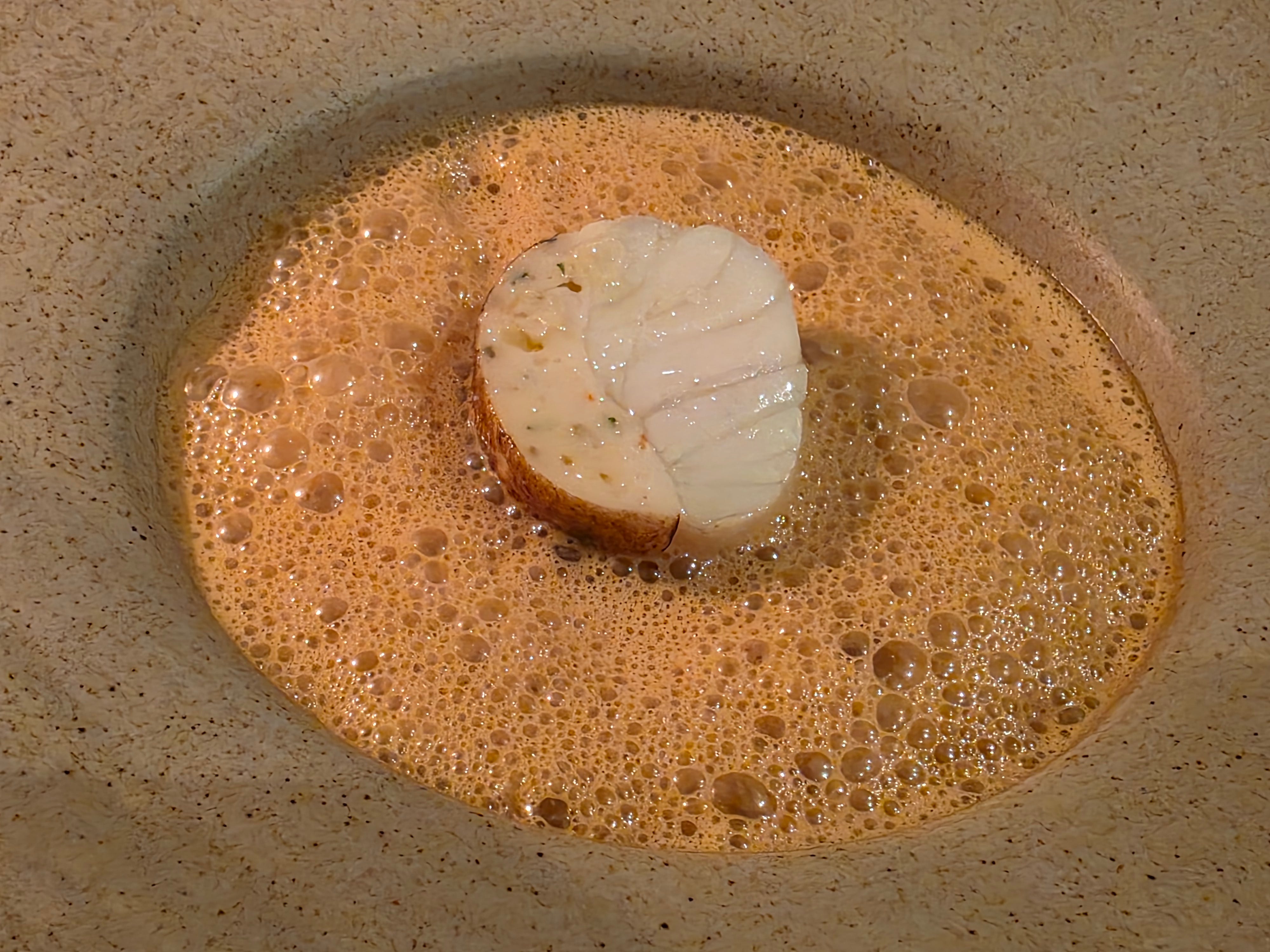
The dry-aged sea bass was pressed with shrimp mousse and served in a sauce made from the shrimp shells. The fish had a firm, concentrated texture, and the sauce carried deep shellfish flavour. They poured enough of it to make me wonder whether I was eating a sauce or a soup and it was absolutely delicious!
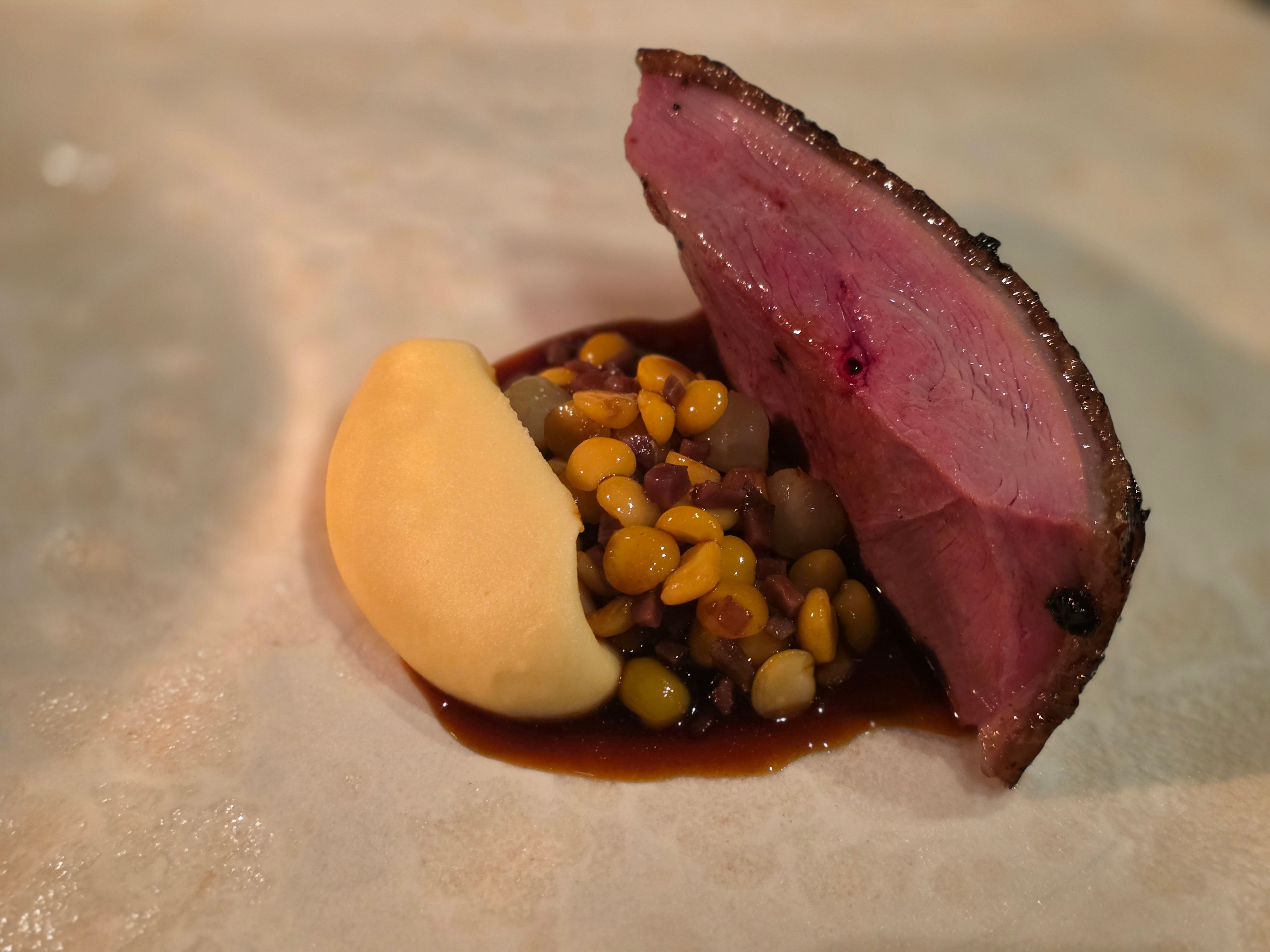
The main was a slice of Guangdong duck breast with turnip mash and a rich bean stew, finished with a thick sauce made from duck bones. The duck brought the savoury depth; the turnip softened the plate, while the beans and bone sauce made this one of the meal’s heavier courses.
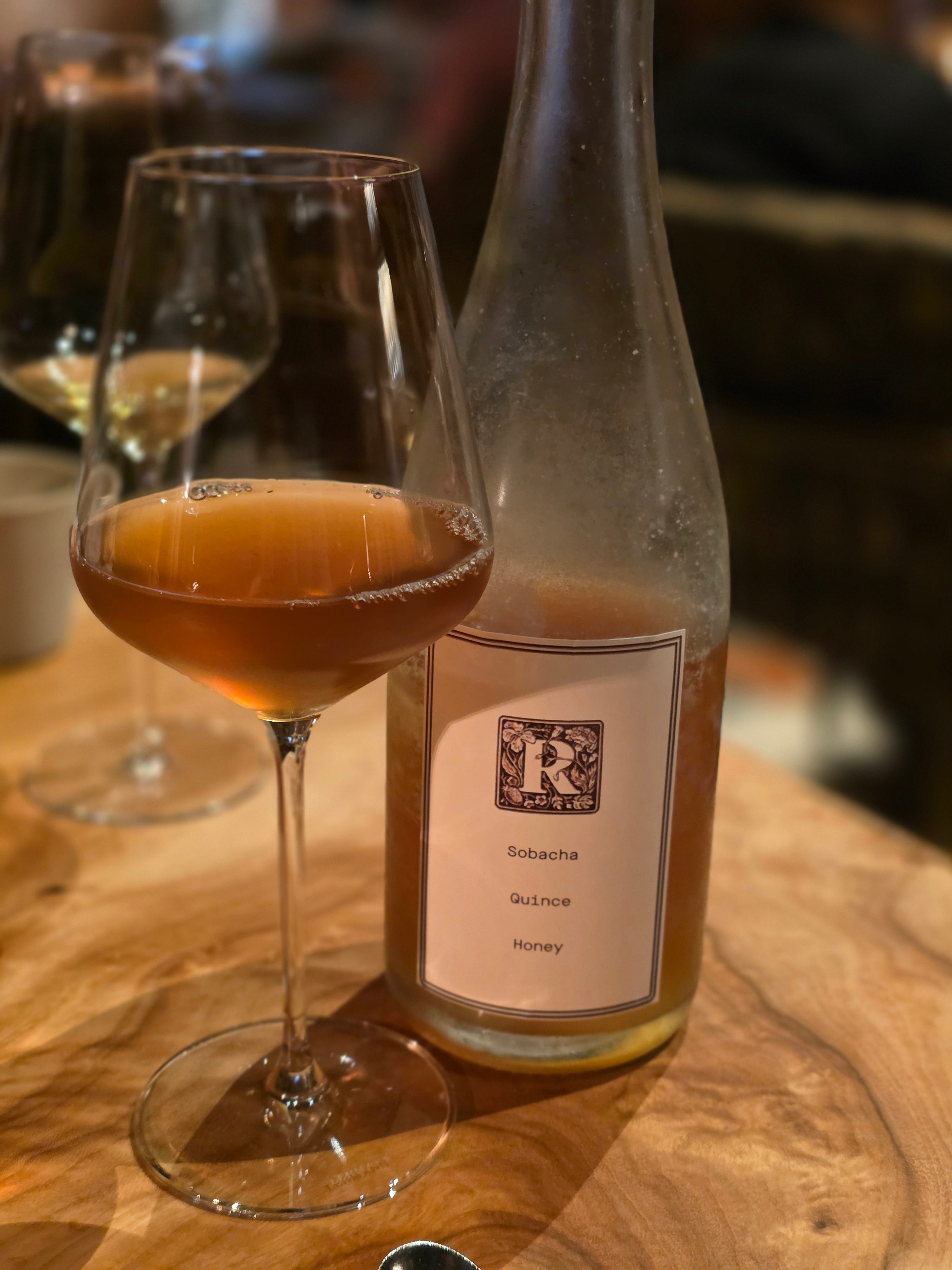
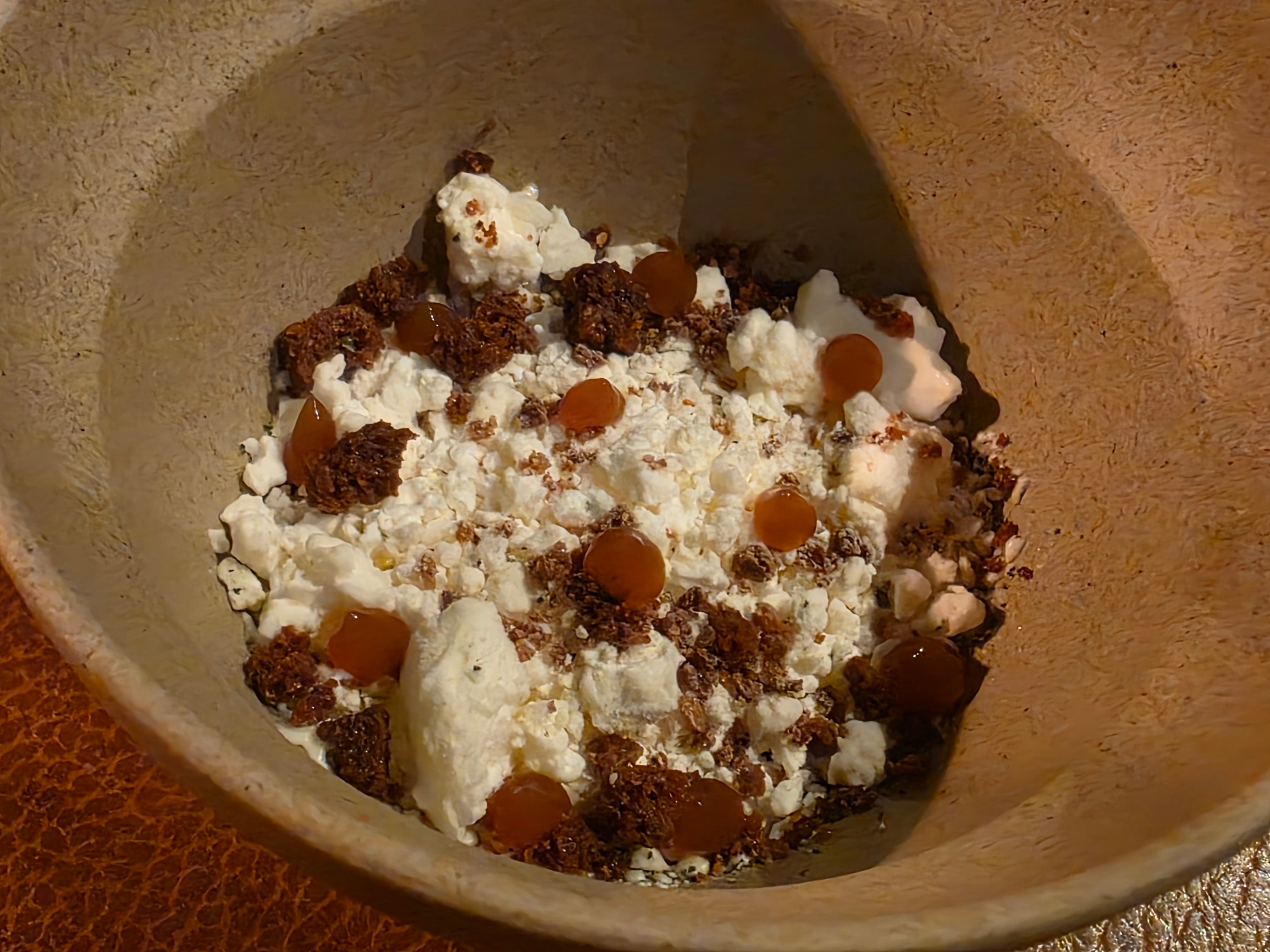
The cheese course paired frozen Yoshida cheese with fig jelly and caramelised soda-bread croutons. The cheese’s cold, fine texture met the figs’ fruitiness and the croutons’ toasted crunch. Unusual, and more playful than a conventional cheese plate.
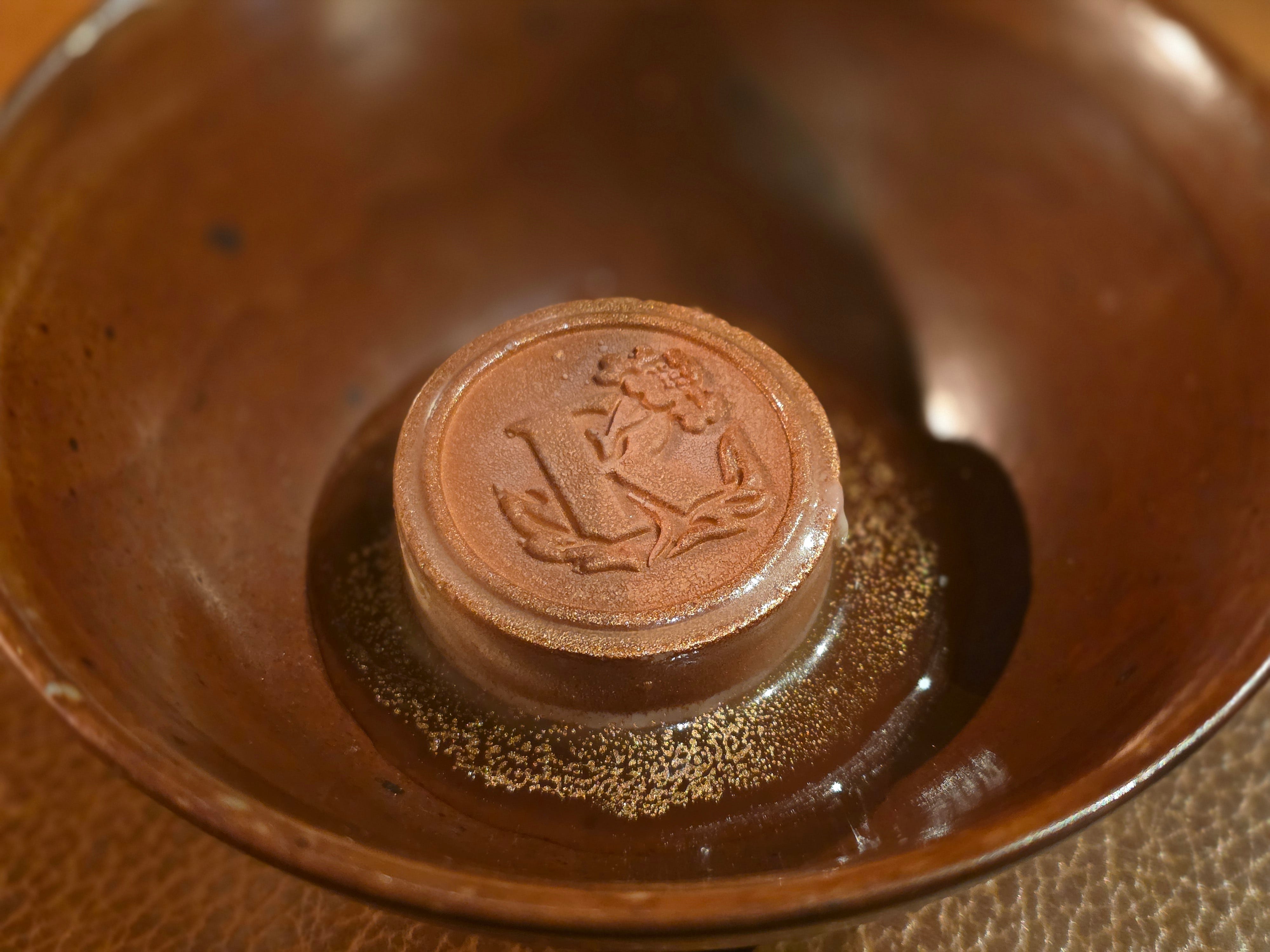
A fun pre-dessert: lemon-verbena buttermilk custard with pink guava sauce. The custard was tart and fragrant, and the guava gave it a bright fruitiness. Roganic treats this as one of its signature dishes, and it made a neat reset before the final sweets.
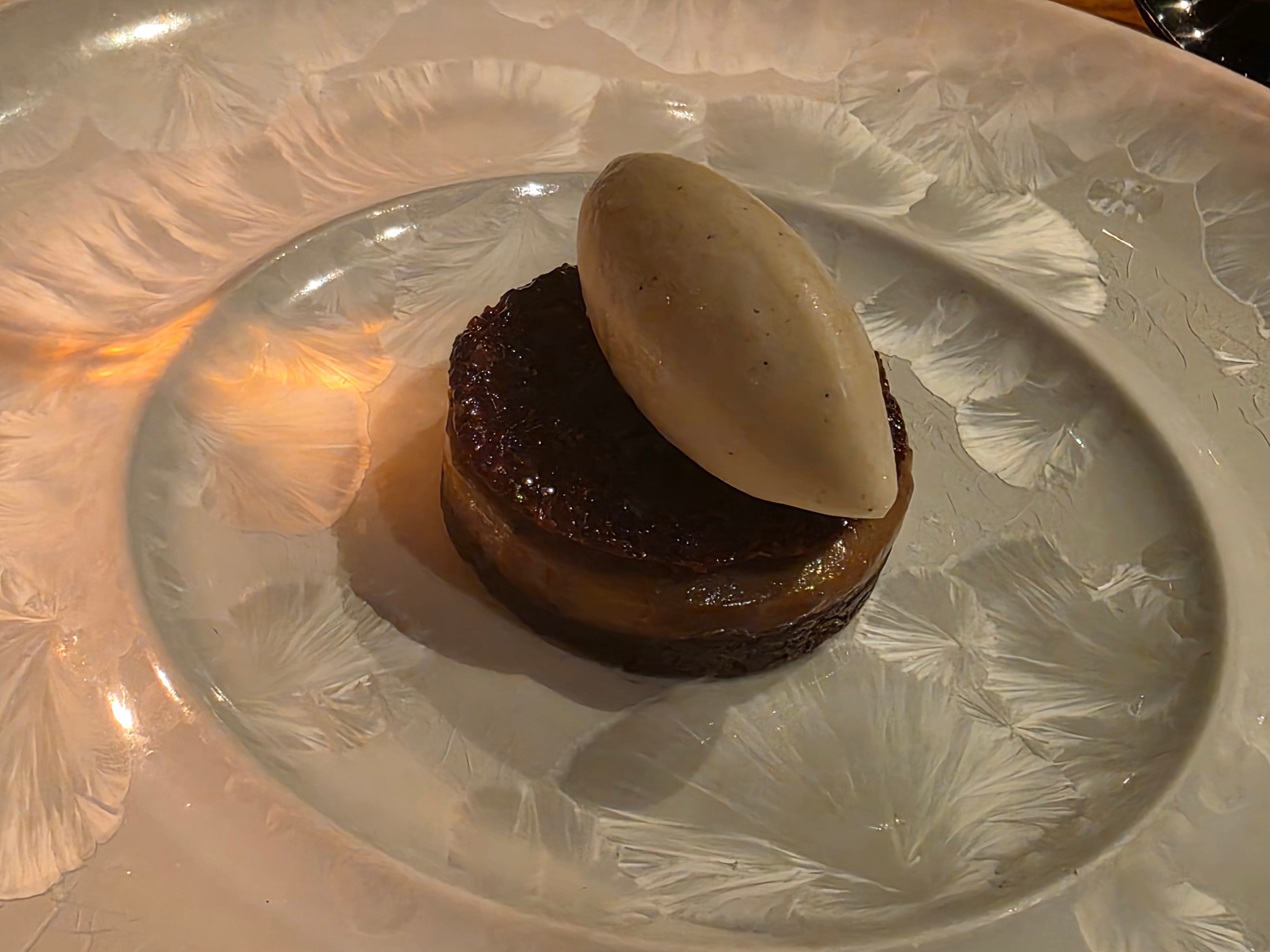
The roast banana cream, sandwiched between chocolate wafers and served with smoked vanilla ice cream, was less successful. The banana and chocolate came across as mild, and the elements did not quite come together. The smoked vanilla was the clearest flavour, but the rest of the plate did not give it much to play against.
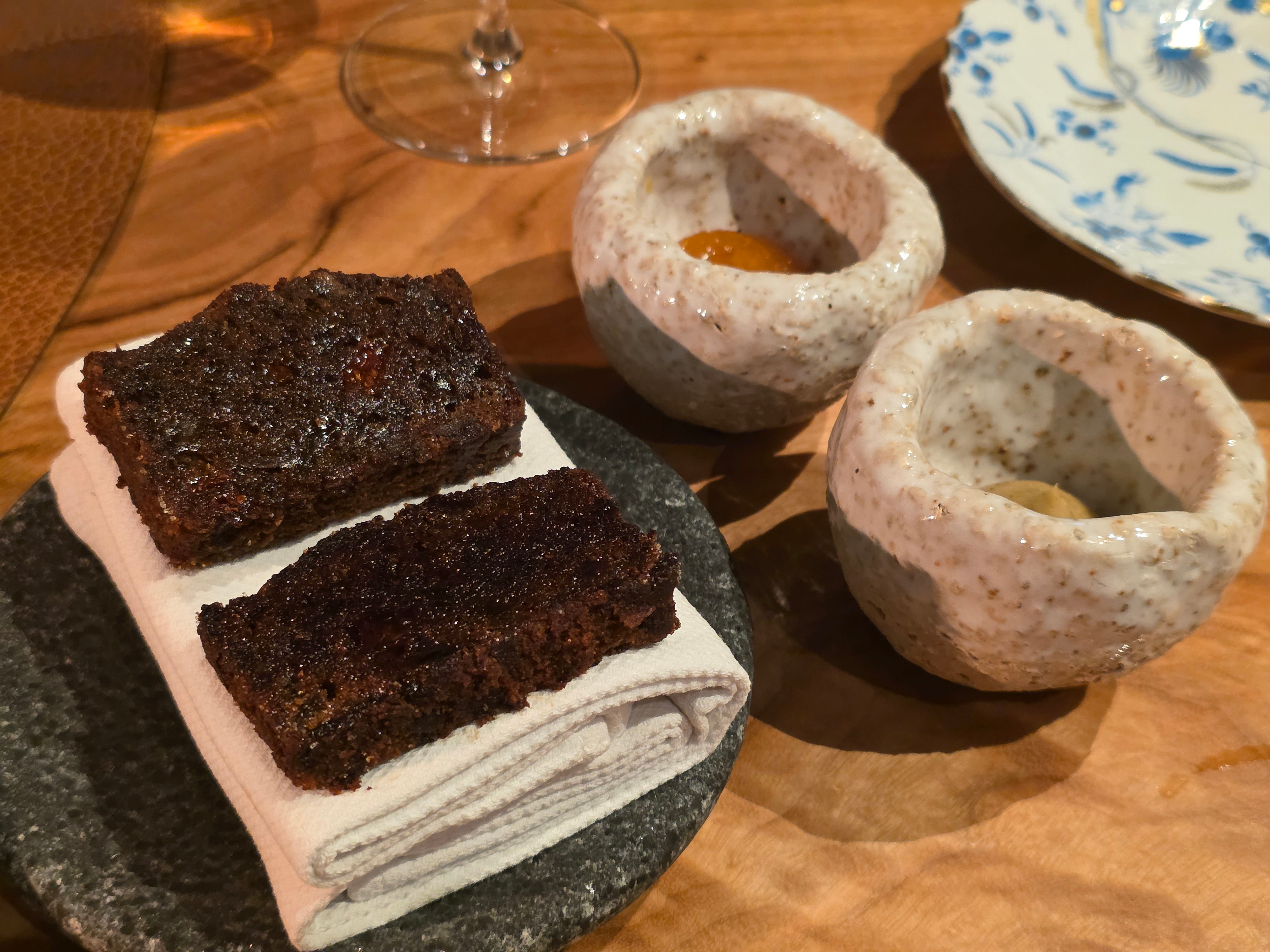
The petit four was a red-date and goji malt loaf. The idea had a comforting, dried-fruit sweetness, but the flavours felt muted and the bite did not leave much of an impression.
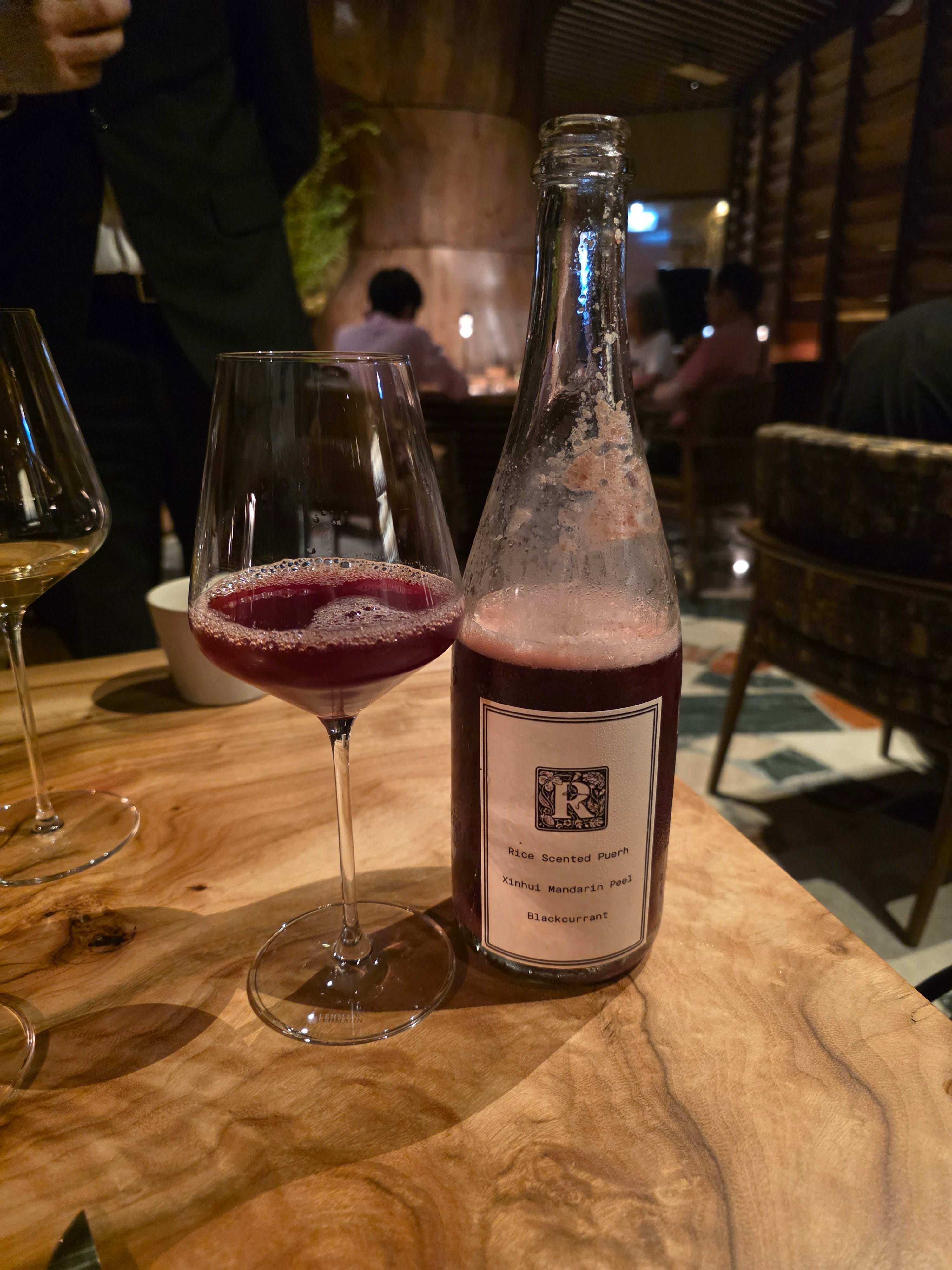
The meal started strongly, with excellent snacks and some standout seafood, then lost a little momentum towards the end. The non-alcoholic pairing was worth trying: it brought its own ideas to the table with broad variety rather than acting as a substitute for wine. The room had a relaxed, casual ambience, and a very well priced for a Michelin starred restaurant. Would repeat.
Total Damage: 4,800 HKD/2 people