
Opened in 2015, VEA is Chef Vicky Cheng’s flagship fine-dining restaurant, built around Chinese ingredients, flavours and Hong Kong memories handled with French techniques.
The format is a tasting-menu restaurant with a giant marble counter facing the open show kitchen. 25 diners sit at the counter, while tables for up to four and a private room for eight provide other options. The food is technically polished and each course is carefully explained.
Chef Cheng was born in Hong Kong and spent nearly two decades working in Canada and the US before returning home to open VEA. He has said that he watched Jamie Oliver and Emeril Lagasse while living in San Francisco, then started cooking professionally in Toronto while studying at George Brown College. Chef Jason Bangerter taught him knife skills at Auberge du Pommier, while Chef Anthony Walsh showed him how to respect local ingredients at Canoe. At 21, Cheng moved to New York and joined Daniel, Chef Daniel Boulud’s flagship restaurant. By the time he returned to Hong Kong, he had spent roughly two decades around French cooking in Canada and the United States.
He opened VEA after running the kitchen for a period at Liberty Private Works. The menu places fish maw, abalone, sea cucumber, preserved vegetables, Chinese wine, local seafood and childhood flavours inside a French fine-dining structure.
VEA calls the concept “Chinese x French”. French technique provides the sauces, structure and presentation, while Chinese ingredients, seasonings and memories provide much of the flavour vocabulary.
While VEA remains the clearest expression of Cheng’s French training, Wing, which opened one floor below in 2021, takes a more direct route through Chinese classics and regional references. Cheng has described VEA as the restaurant where his French background remains most visible, while Wing focuses on what he calls “boundaryless Chinese” cooking.
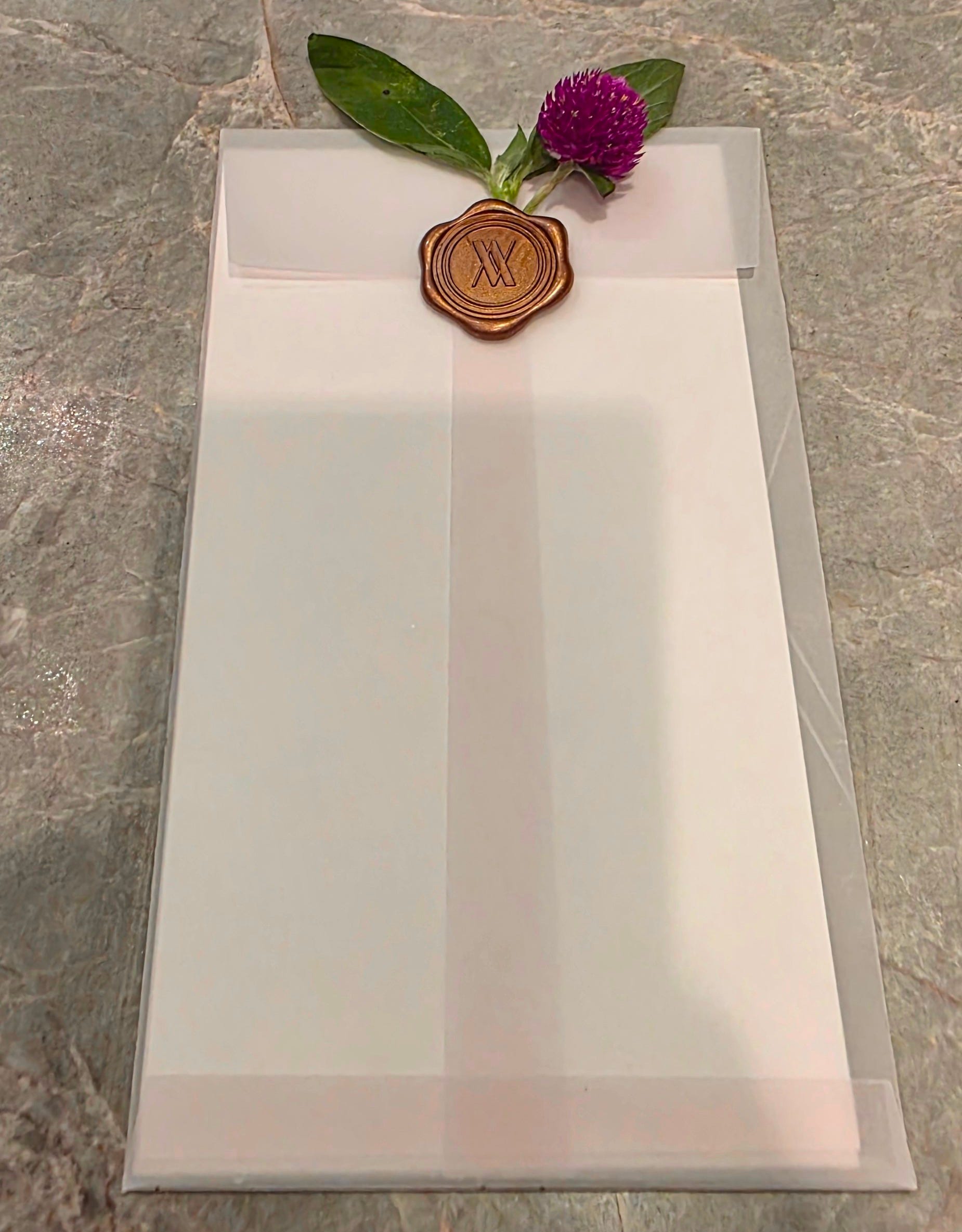
An envelope awaited us when we arrived.
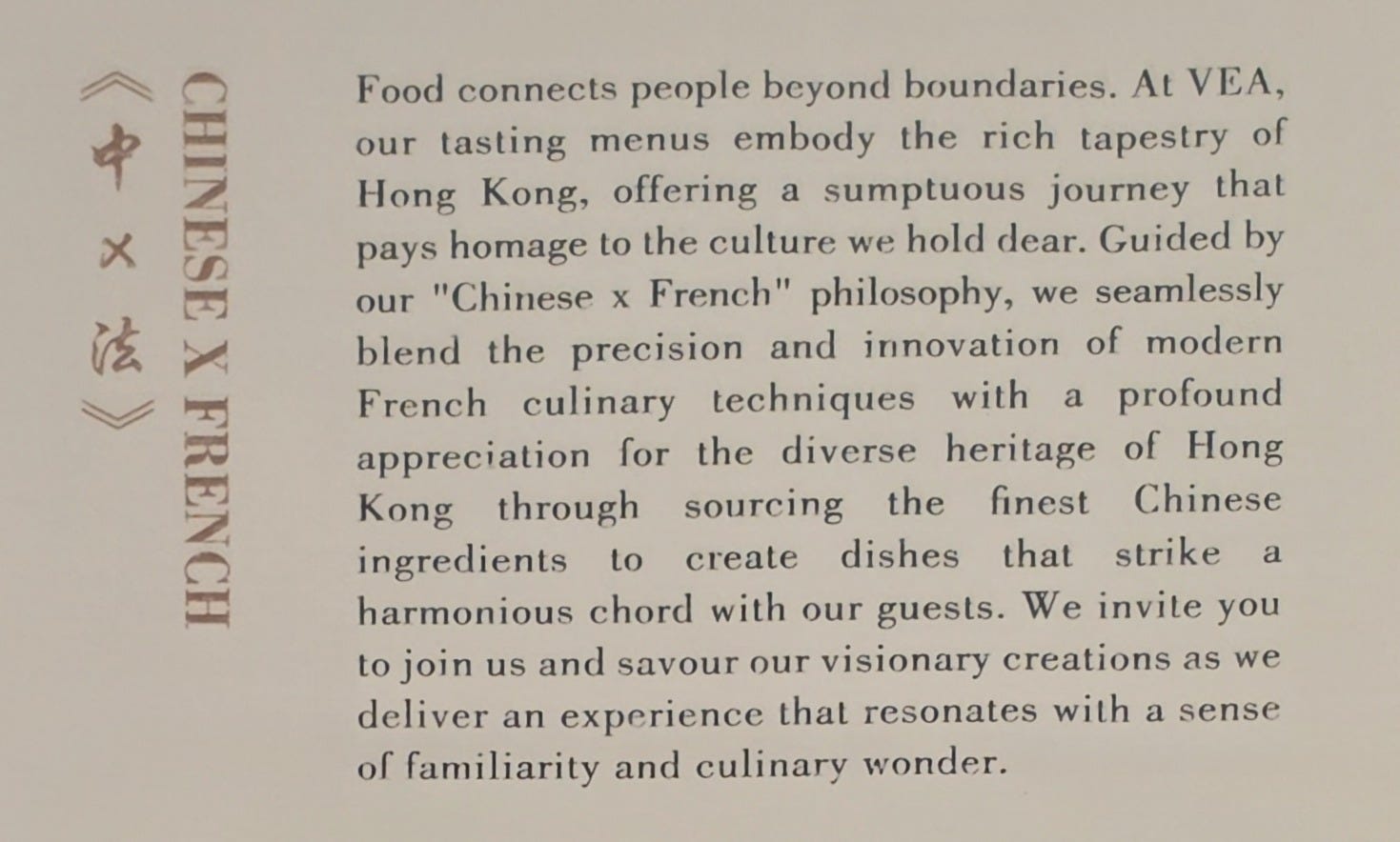
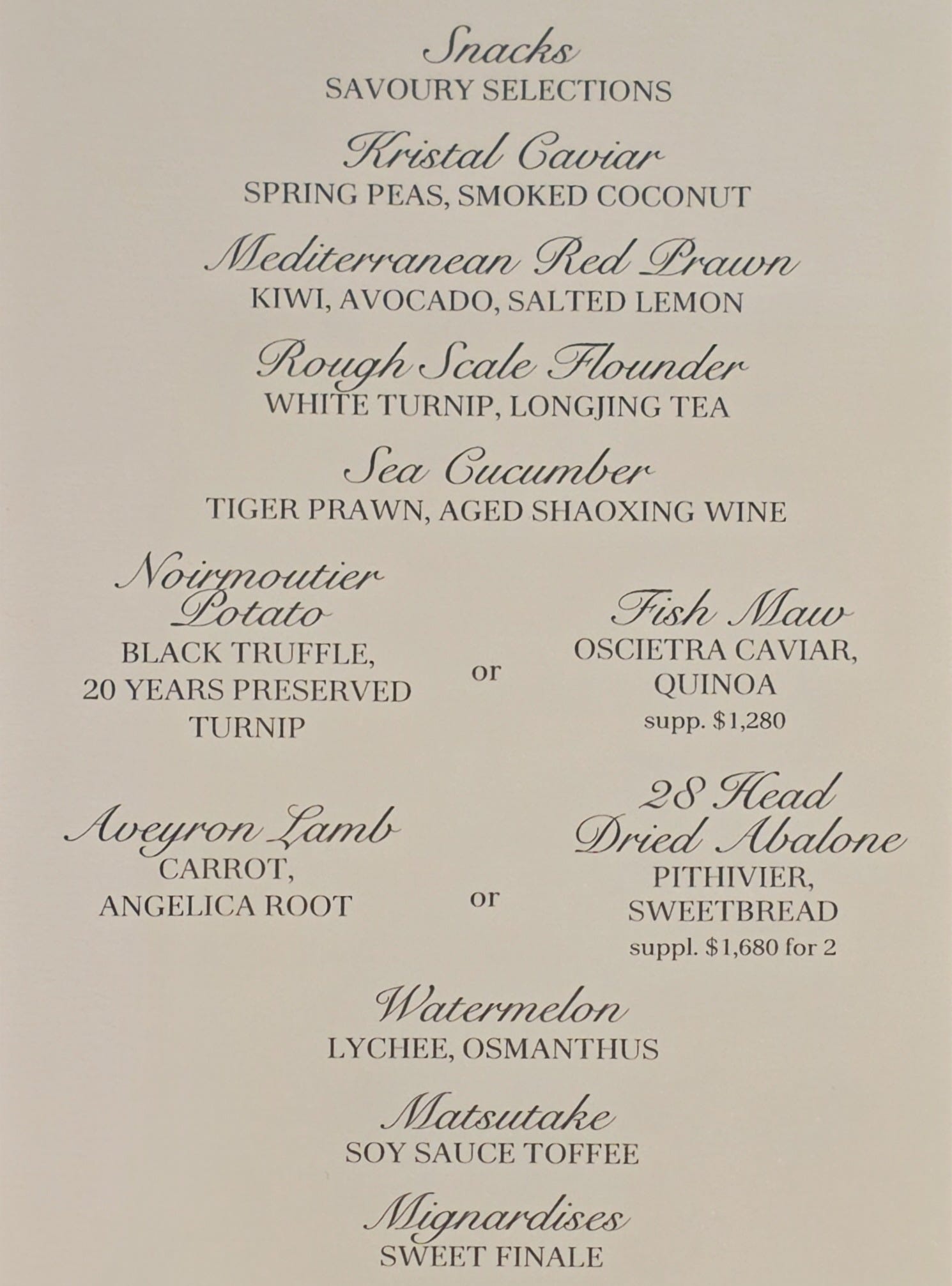
Breaking the seal, inside was a card explaining VEA’s culinary concept, along with the menu for the night.
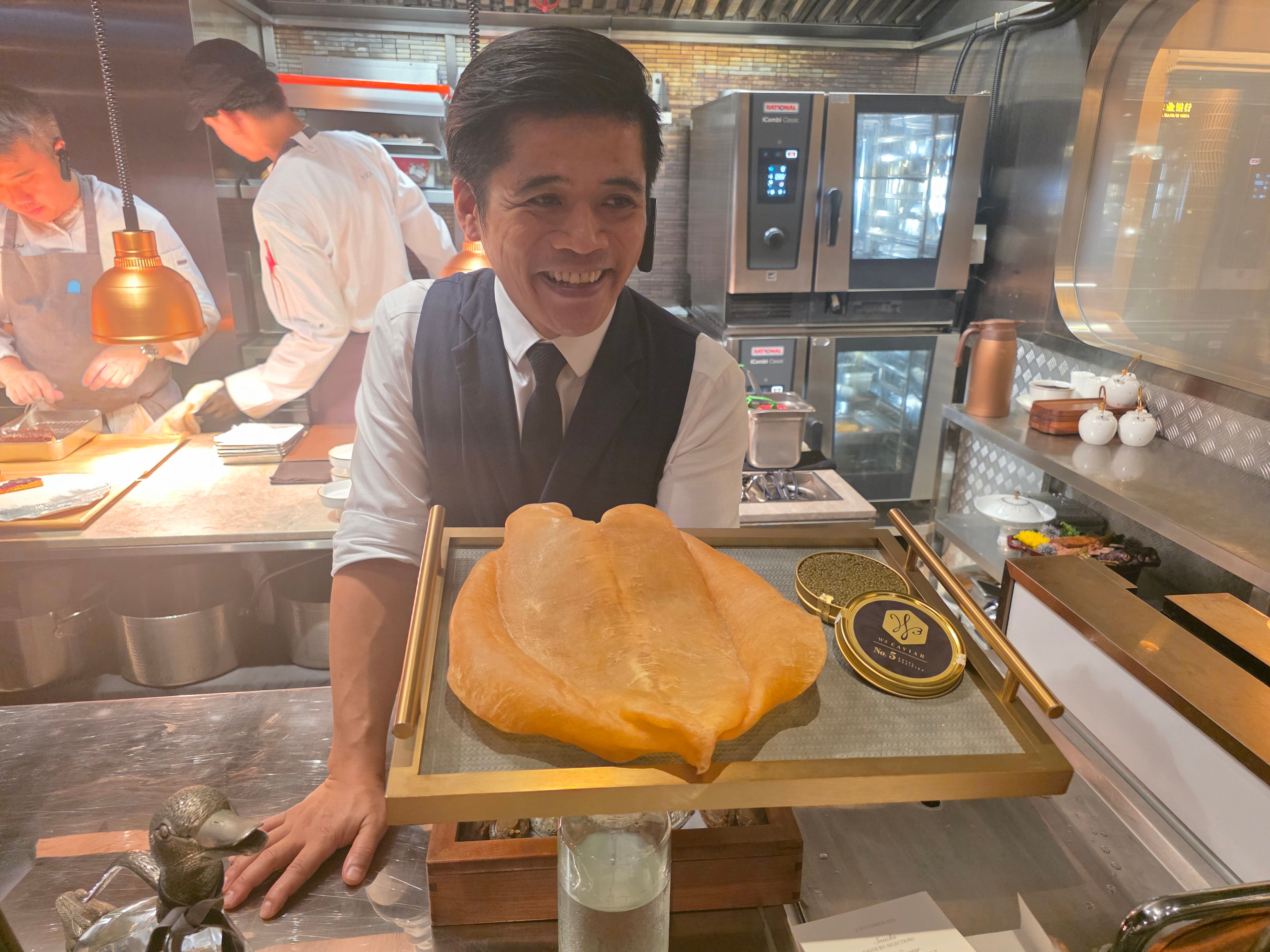
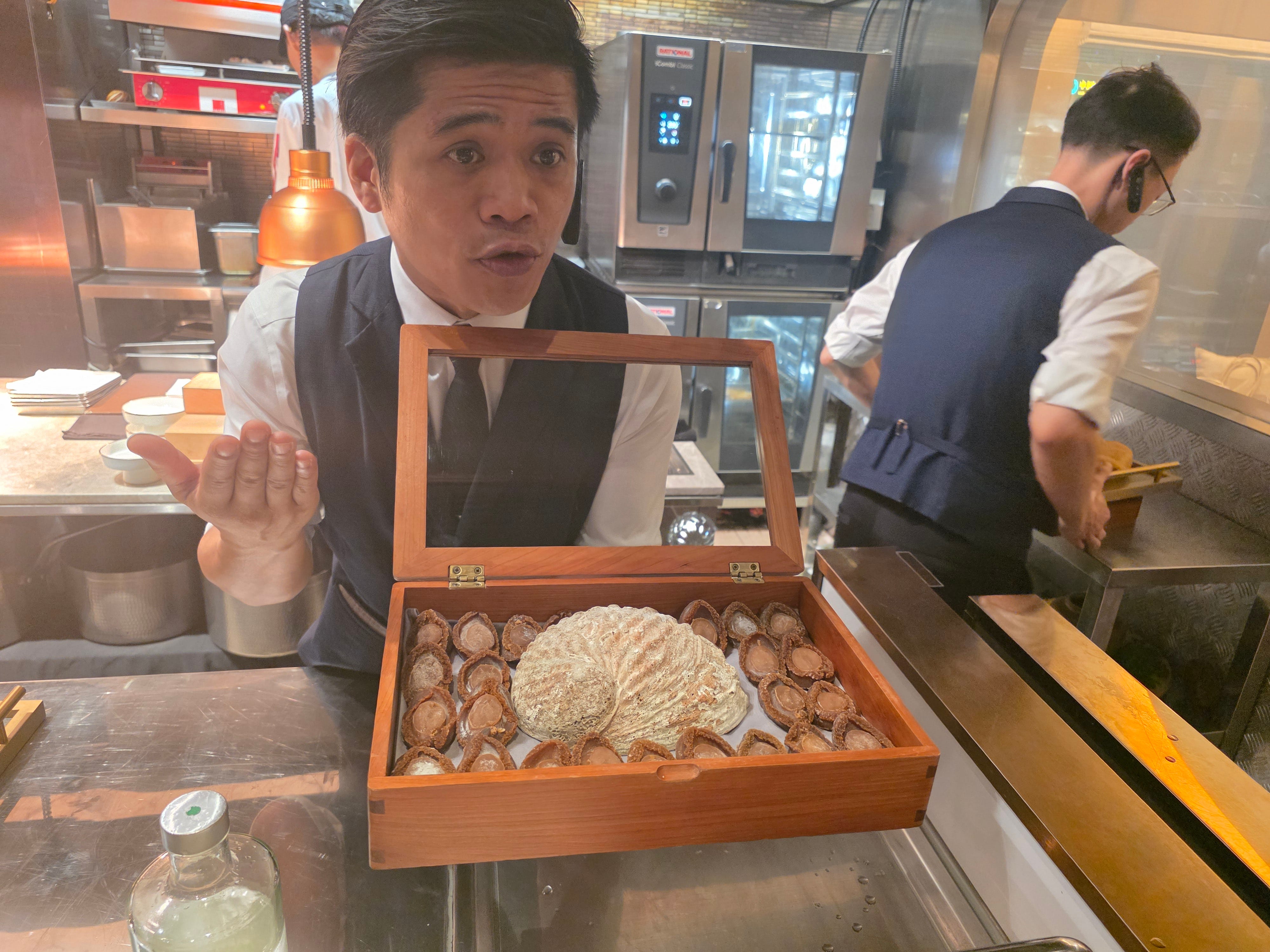
In a remarkable show of salesmanship, we were presented with a display showing the each of the supplements for the menu. I’ve never seen a fish maw of that size, and an abalone wellington sounded like an interesting concept, so we decided to do both.
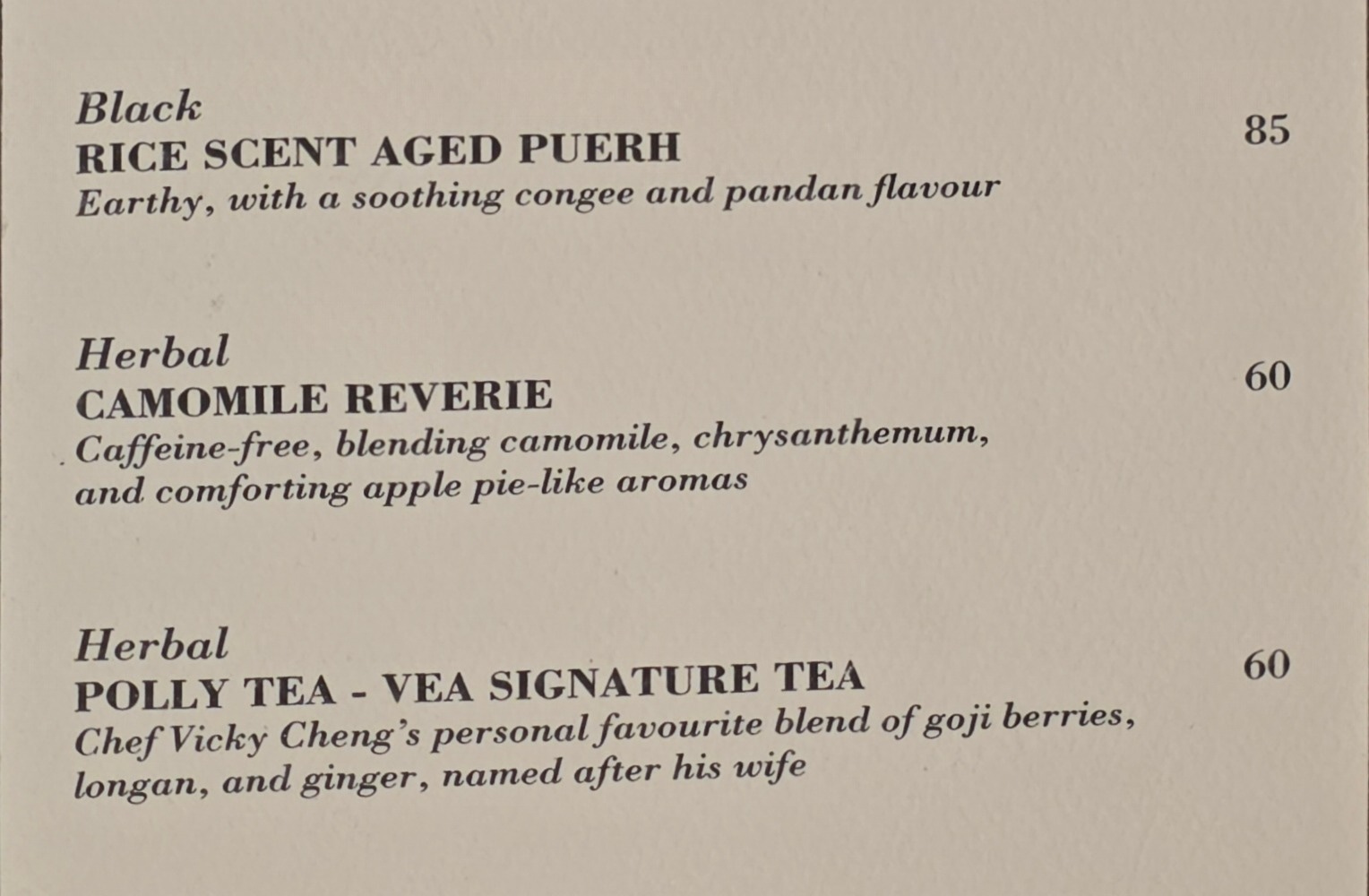
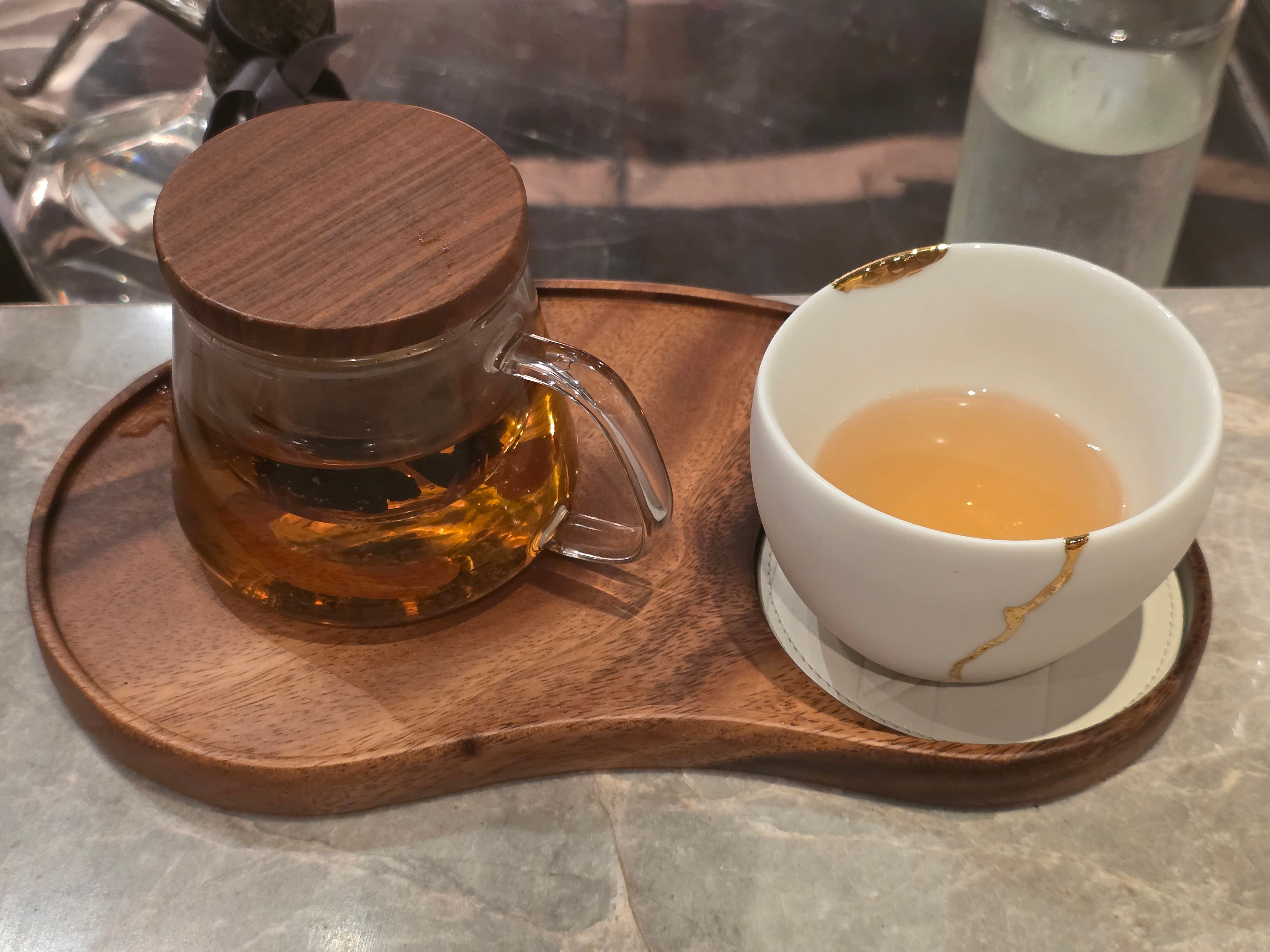
I could not drink, so I ordered from the tea menu: the rice-scented aged pu’er. I am a sucker for anything with a pandan flavour.
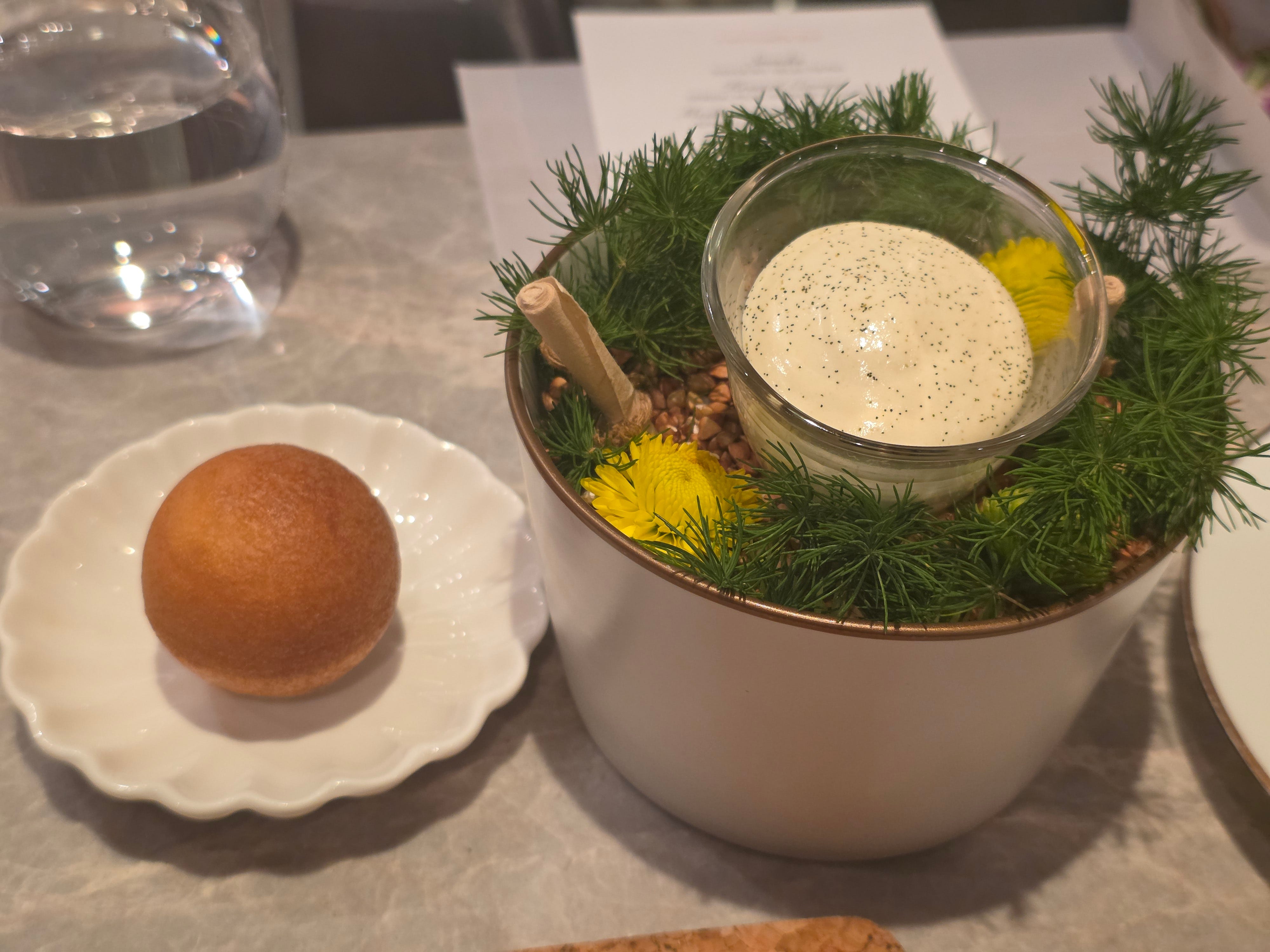
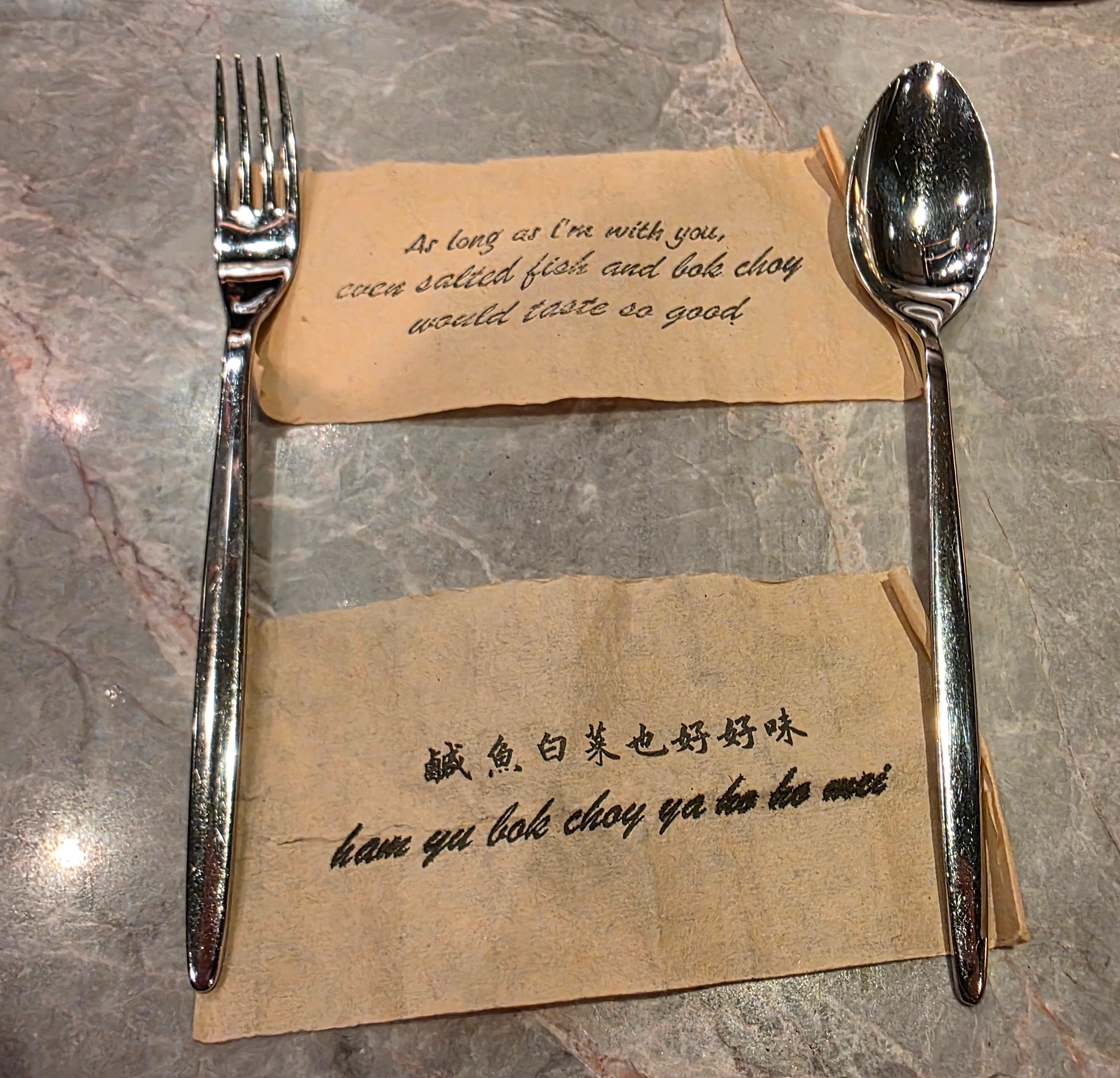
The amuse-bouche was a bok choi and salted-fish doughnut with a light bok choi and salted-fish sabayon. The restaurant placed a music box under the display. It played a Chinese love song Chef Cheng had used when he proposed. The dish came from that song, and two rolls of parchment carried its lyrics beside the sauce.
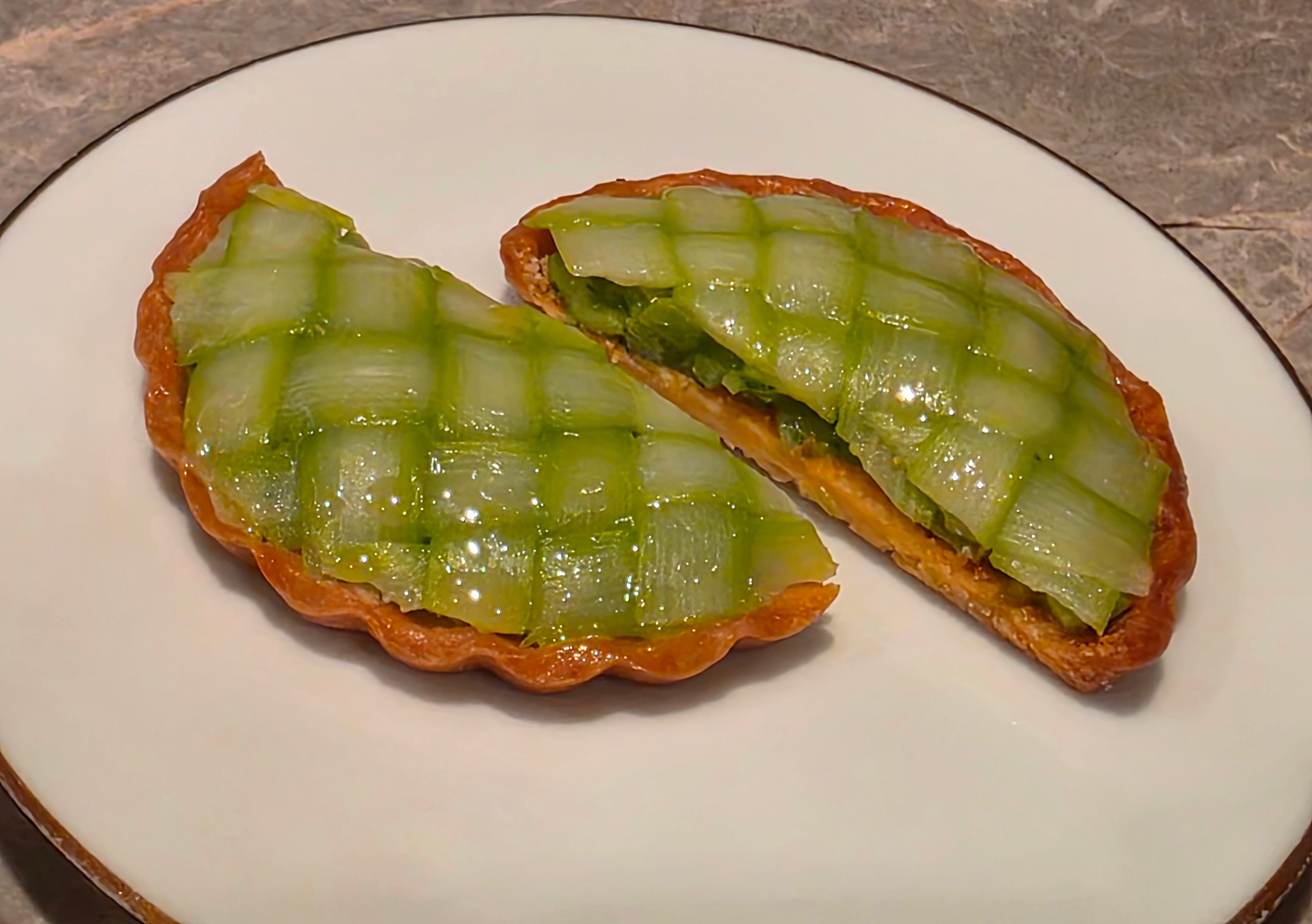
The next course was a seasonal green asparagus tart with the asparagus cut into a fine lattice. Herbal, earthy and fresh, with springy asparagus and a crisp, intricate structure.
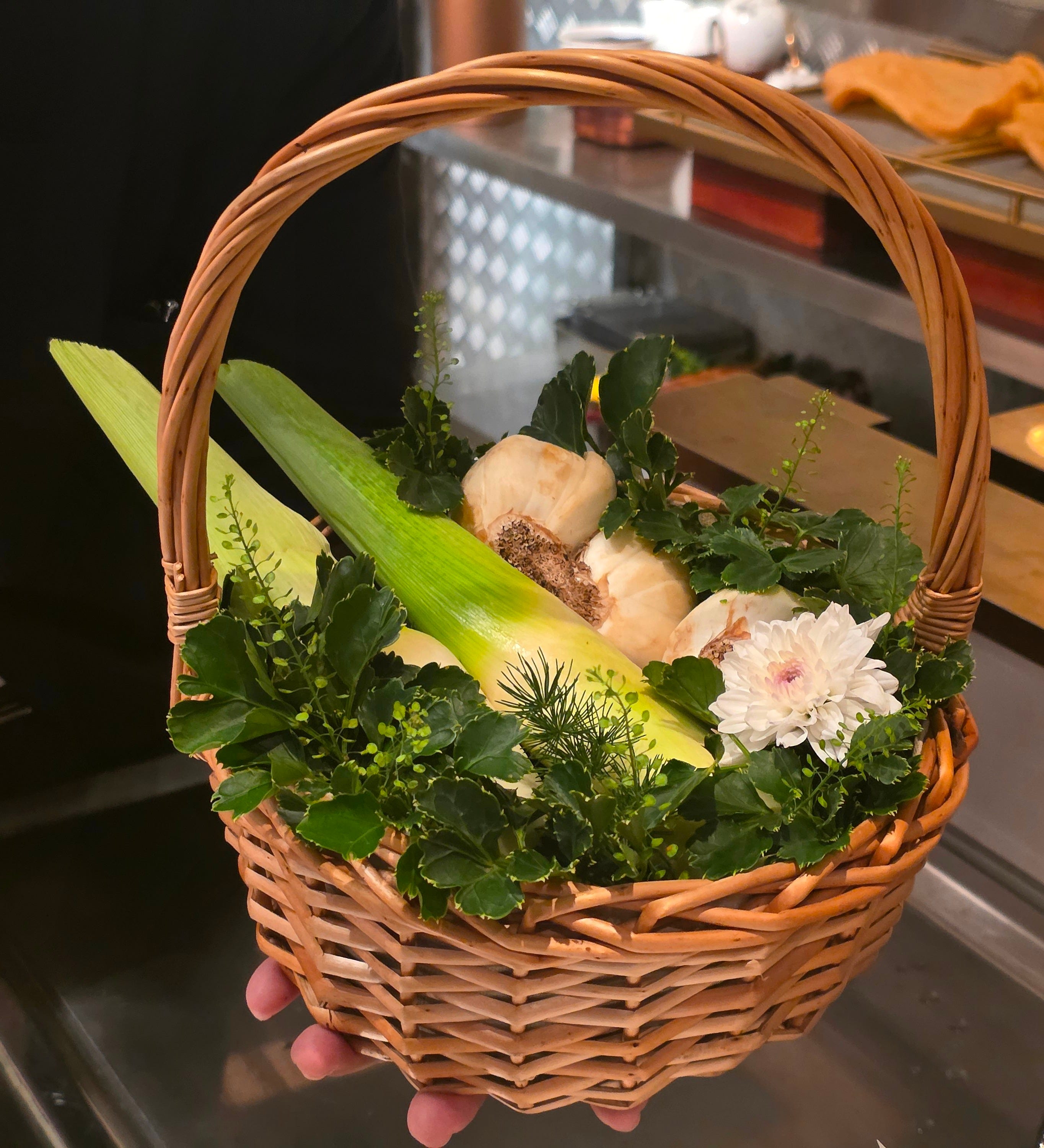
The next display showed Taiwanese water bamboo, lily bulb and six-month-aged Hangzhou caviar.
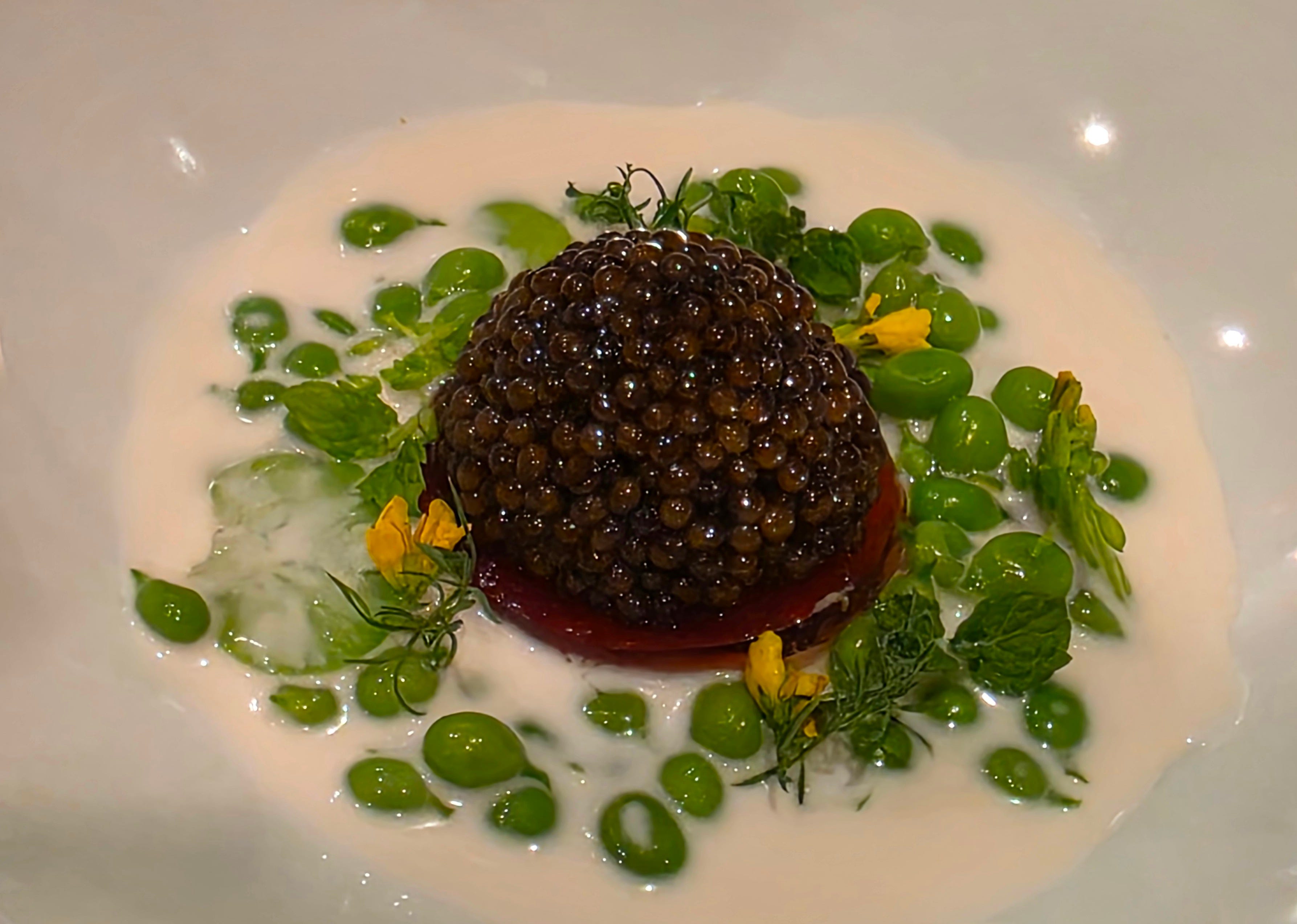
The lily bulb tartare came with a layer of dashi jelly, snap peas and broad beans in a smoked coconut-milk sauce. The textures worked well: crisp snap peas against soft lily bulb. A great start.
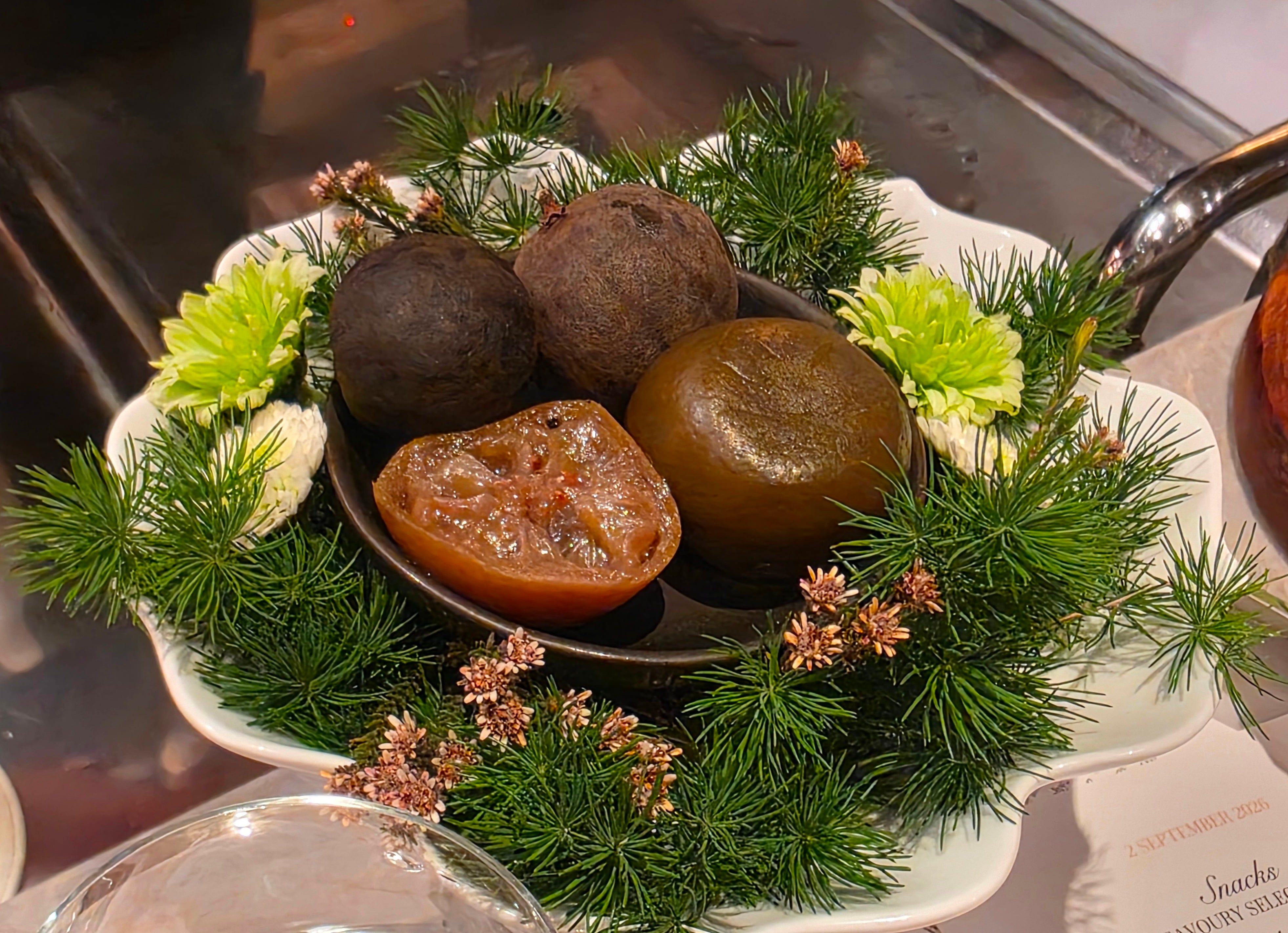
The next dish highlighted preserved salted lemon, a classic Hong Kong ingredient.
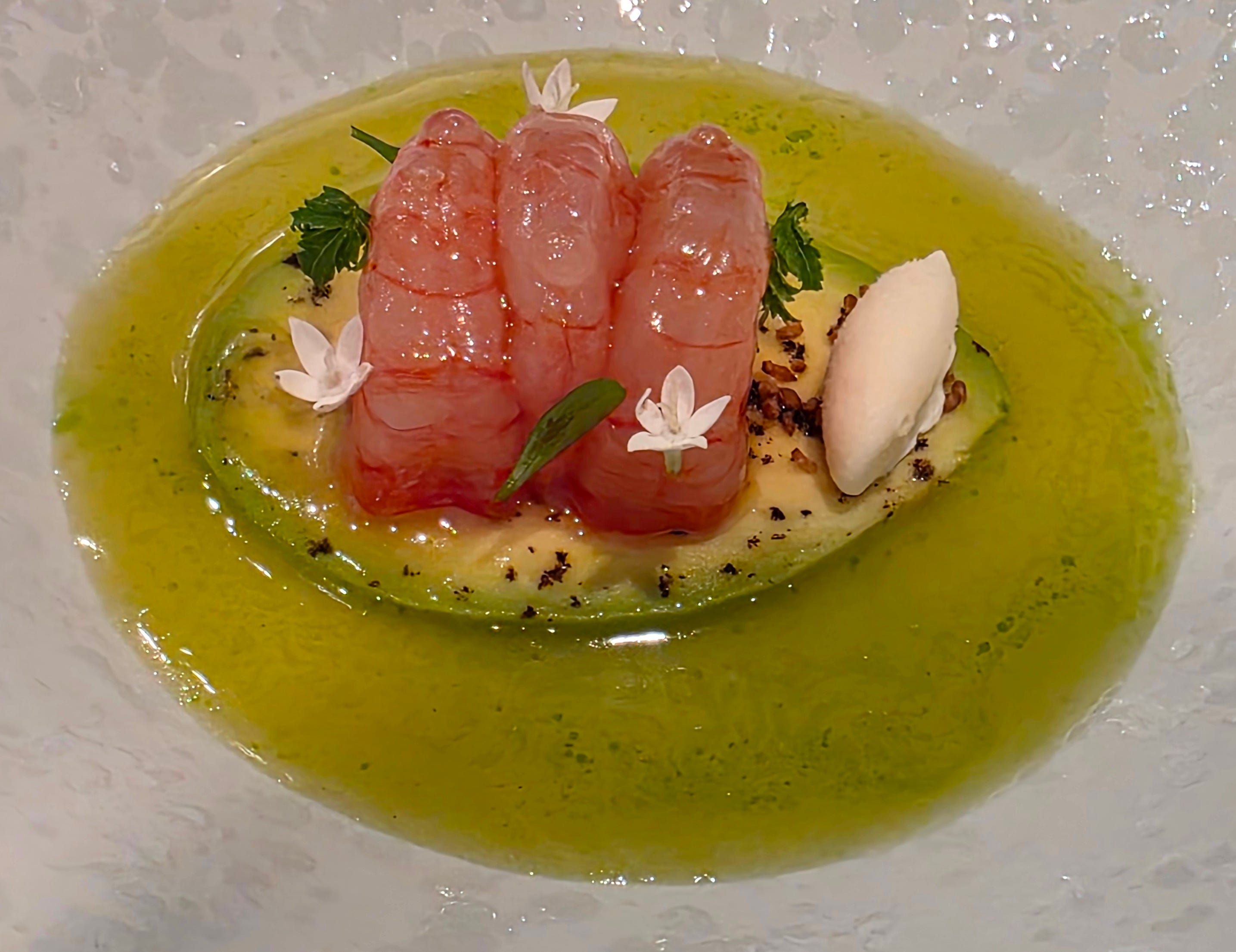
Day-aged red prawn sat on avocado with two forms of preserved salted lemon: a gel over the prawns and a sorbet beside it. A bright sweet-and-sour kiwi and coriander sauce finished the dish.
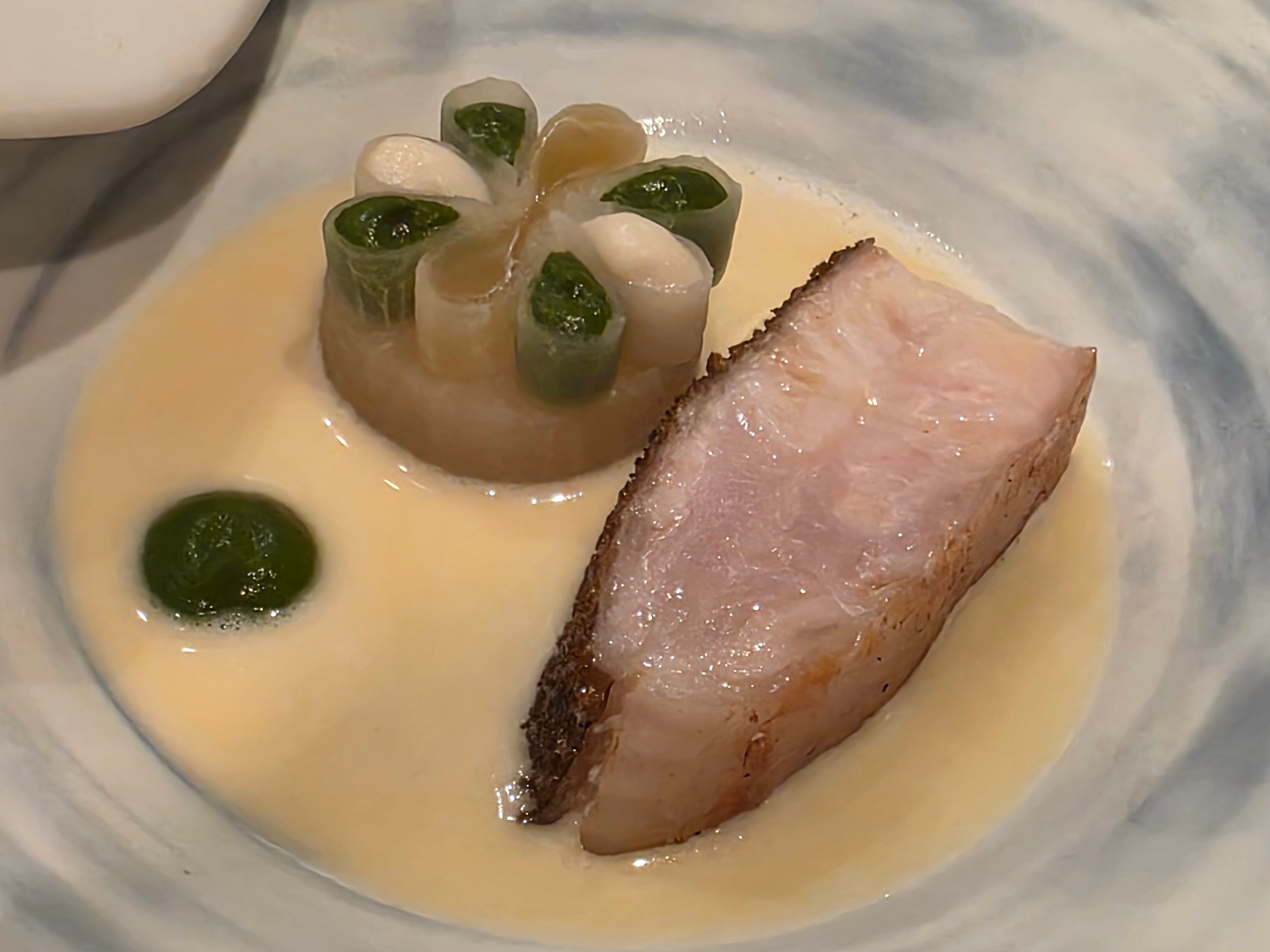
Pan-seared Japanese flounder barely touched by fire and came with Japanese turnip, watercress gel, turnip purée, Longjing tea gel and a buttery sauce. The fish stayed delicate, while the different preparations of turnip gave the course some weight.
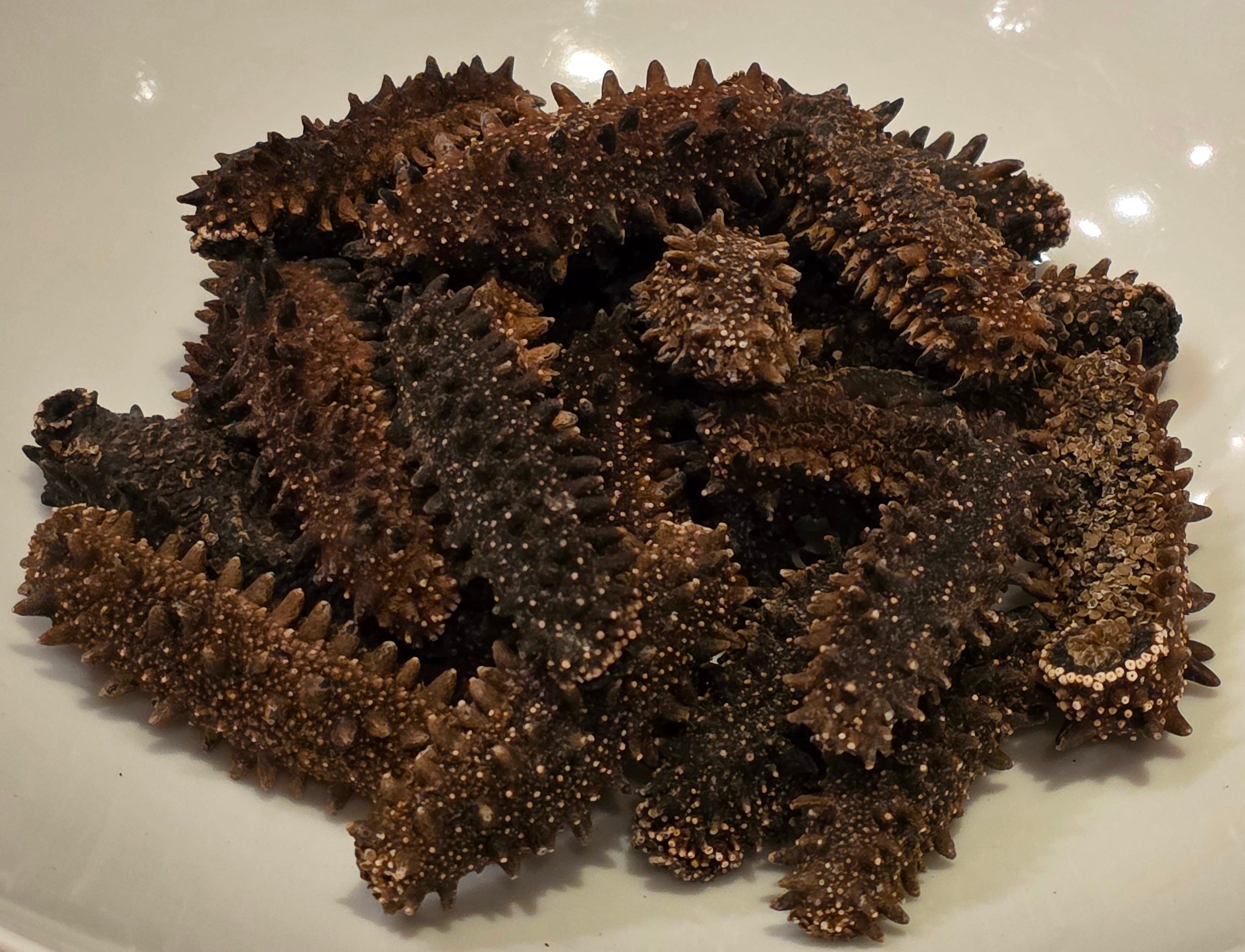
The next course focused on rehydrated sea cucumber. I was surprised by how much it expanded after several days in water.
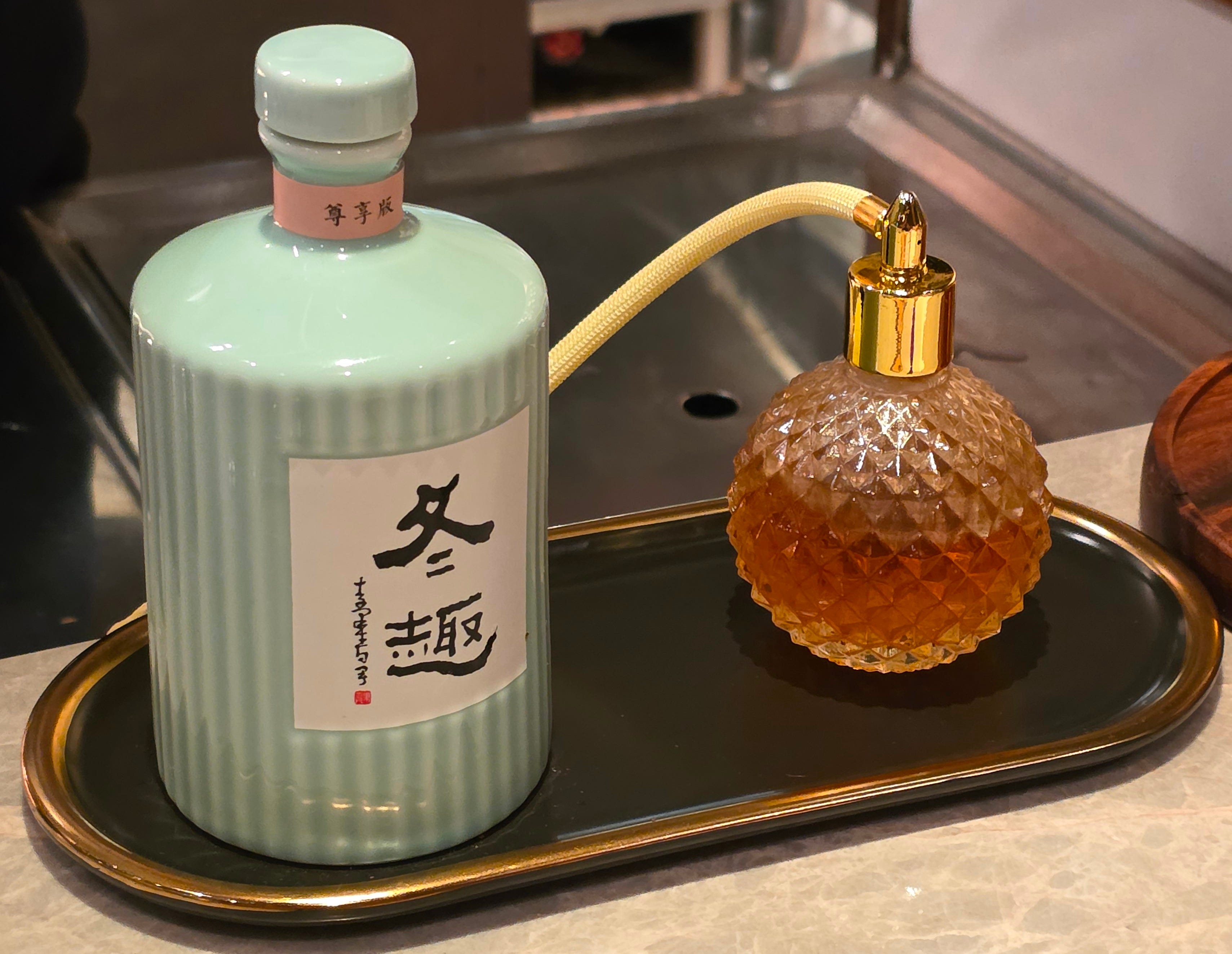
The restaurant misted the sea cucumber with Chinese yellow wine at the table.
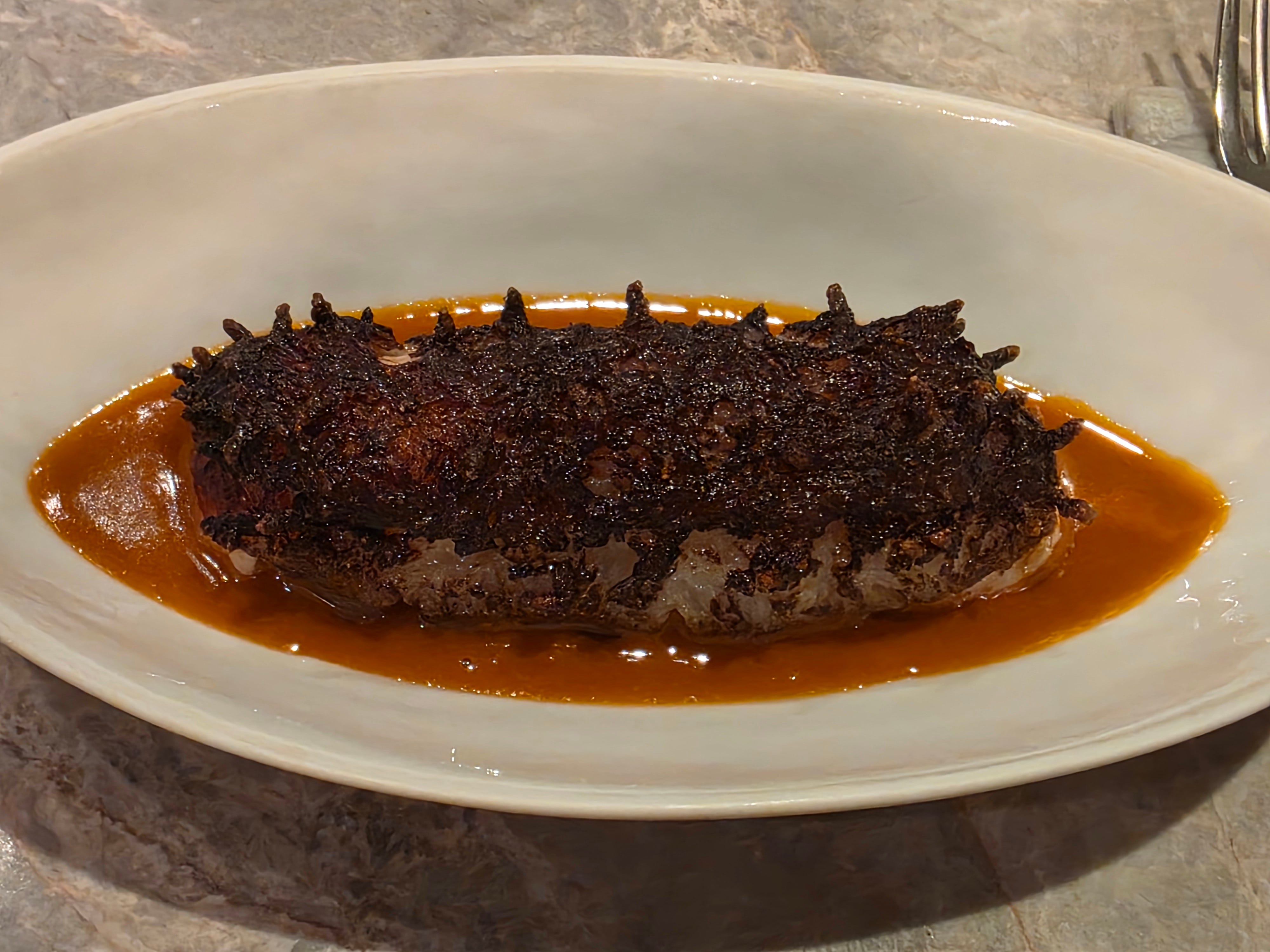
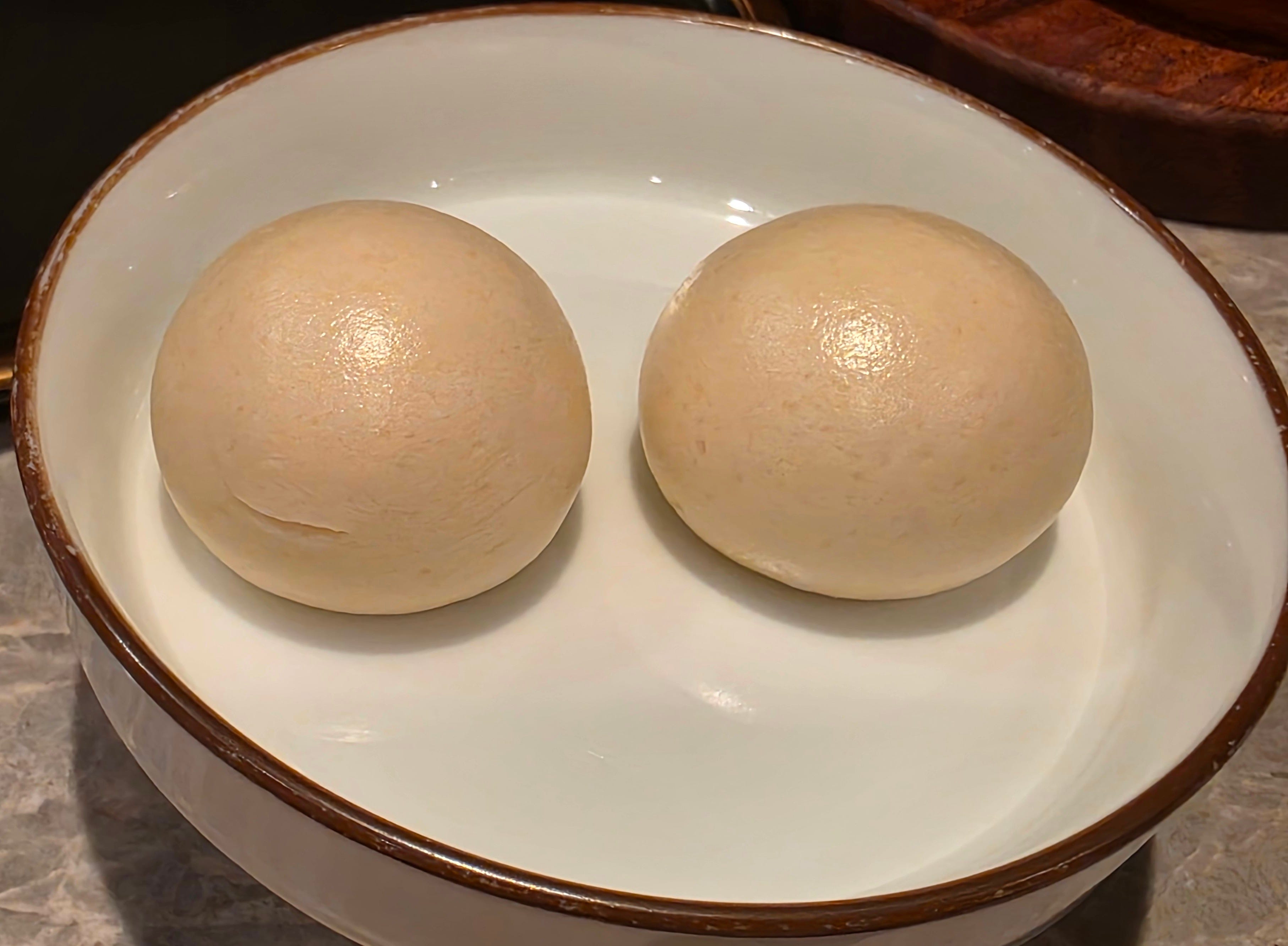
The giant piece came stuffed with tiger-prawn mousseline and more aged yellow wine, then sat in a deeply savoury crustacean sauce. Mini mantou arrived on the side for dipping into the extra sauce.
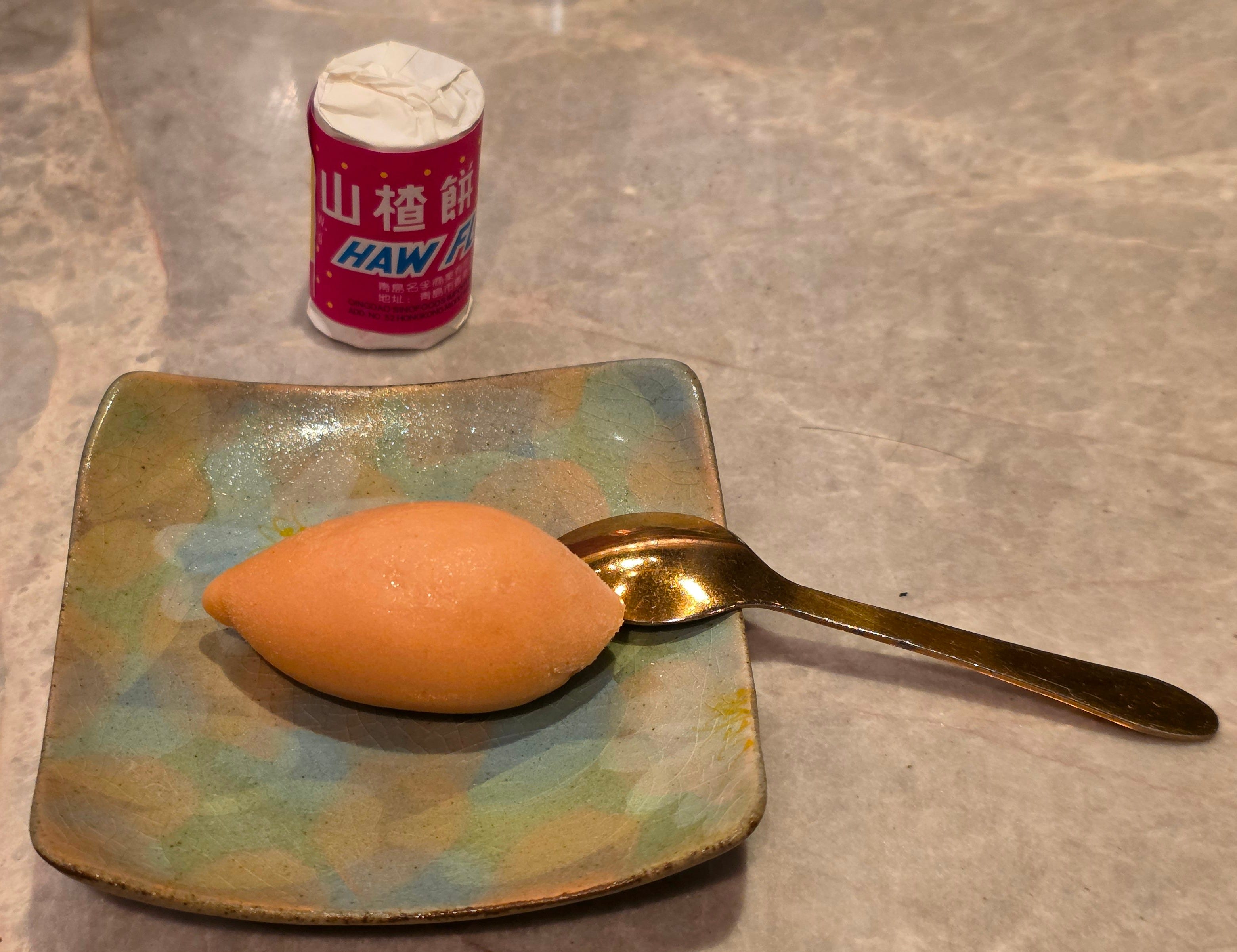
The hawthorn sorbet acted as a palate cleanser. It recalled the hawthorn-flavoured biscuits that are common Hong Kong childhood snacks.
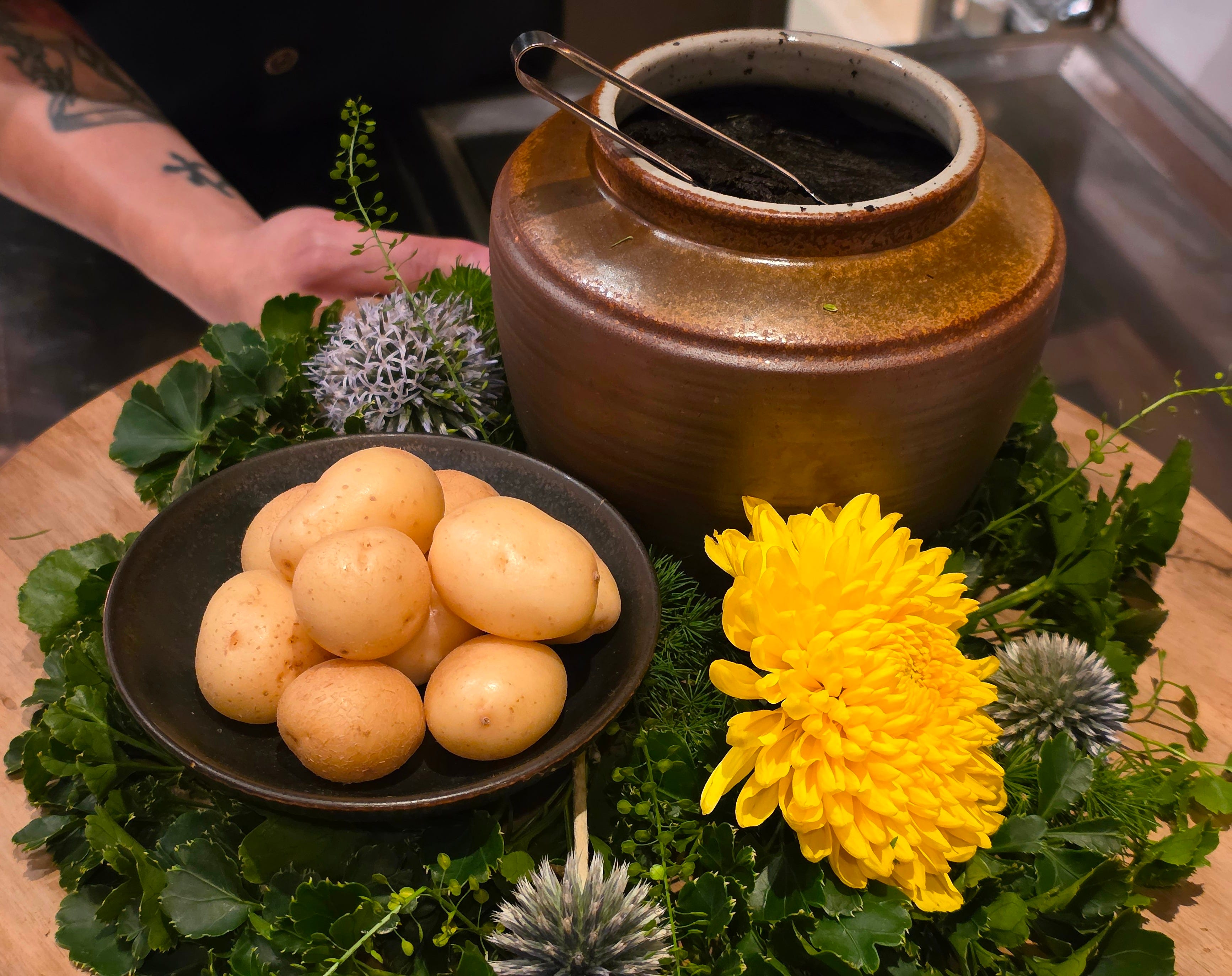
The next course used Noirmoutier potatoes, harvested for one week each year. They had a mineral, salty flavour and came with a sauce made from 20 year aged Chinese turnip.
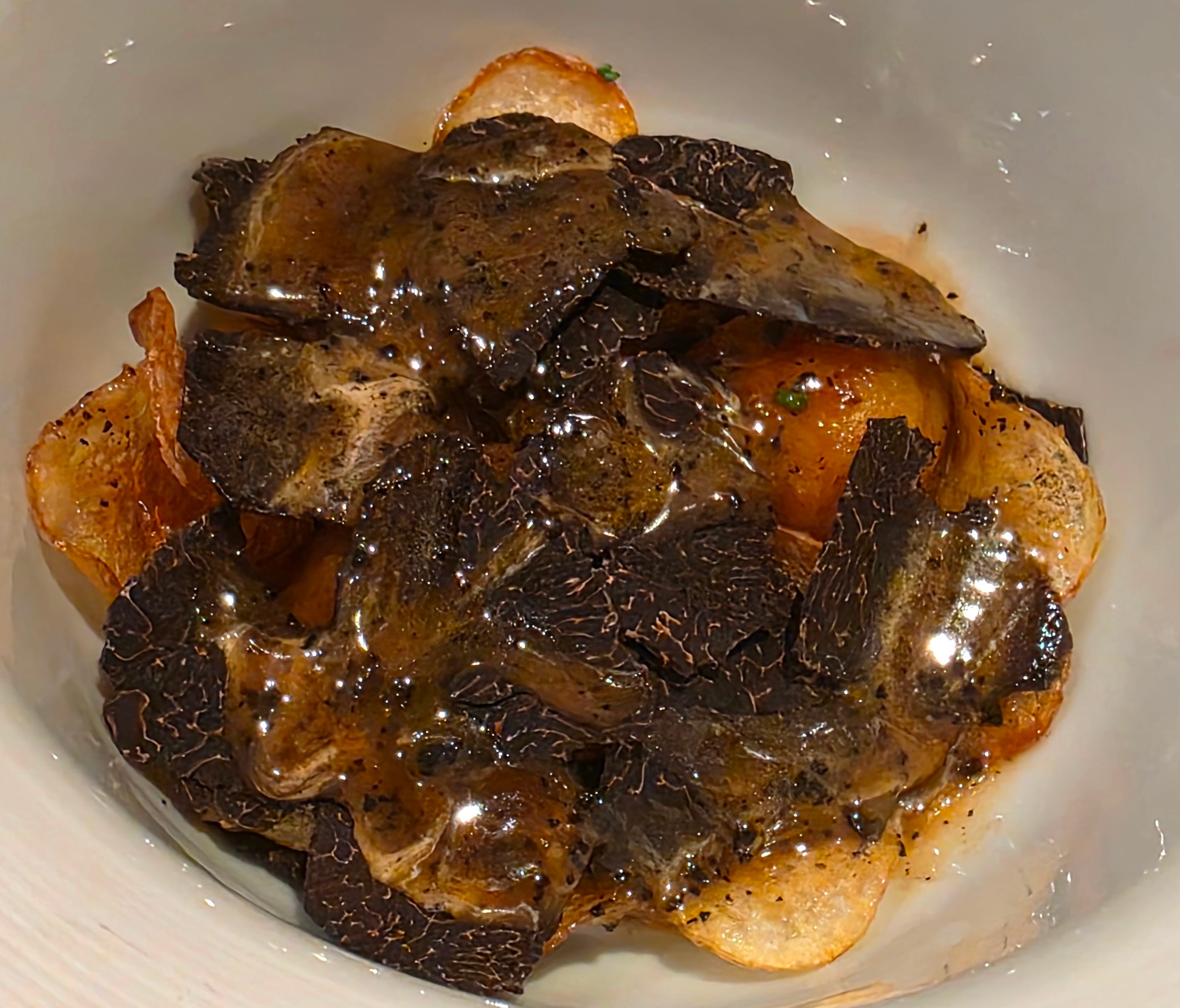
VEA prepared the potatoes in two ways: small chips and a roasted whole potato. Black truffle and a thick chicken jus finished the dish. I did not expect to like it as much as I did.
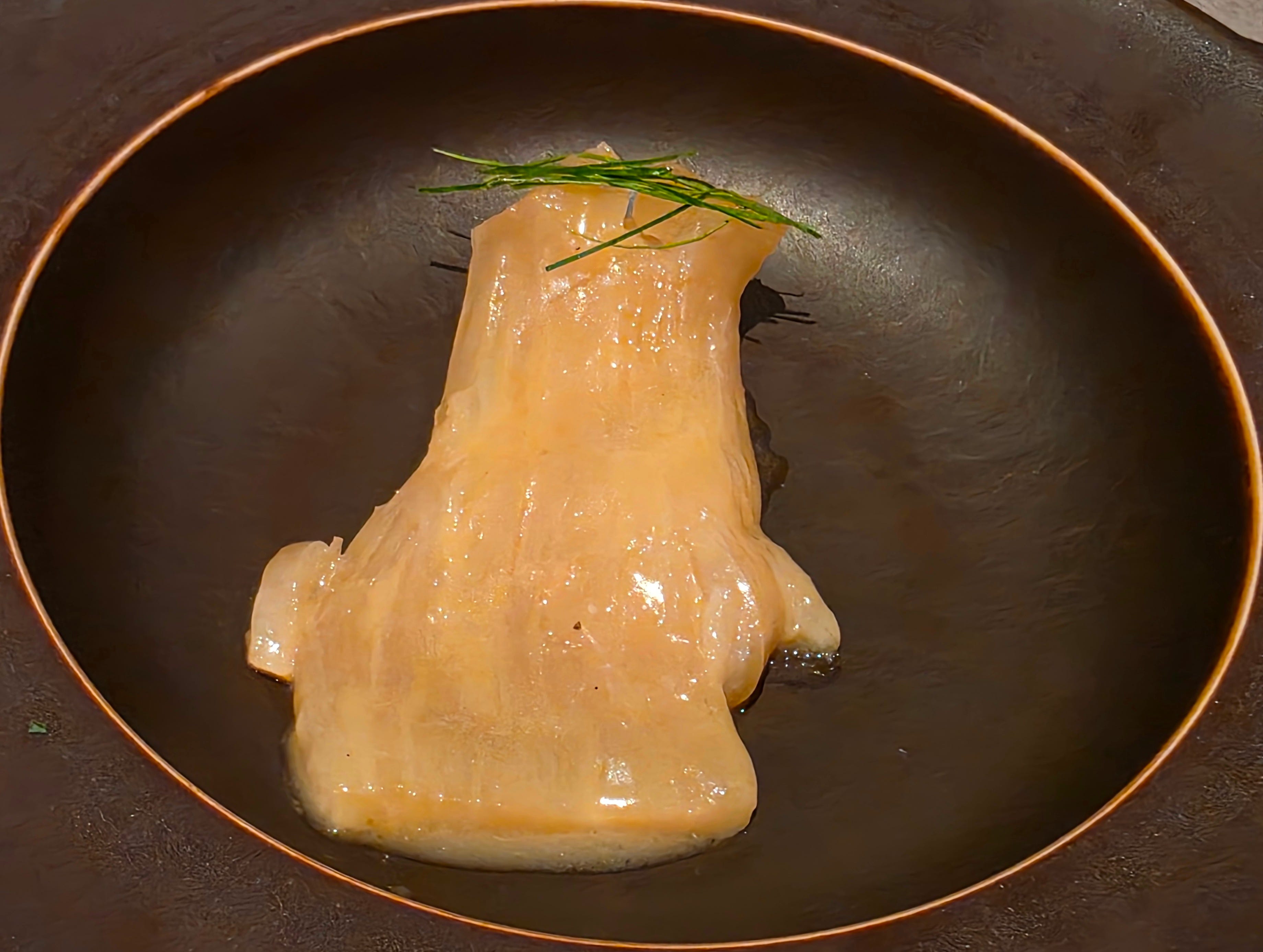
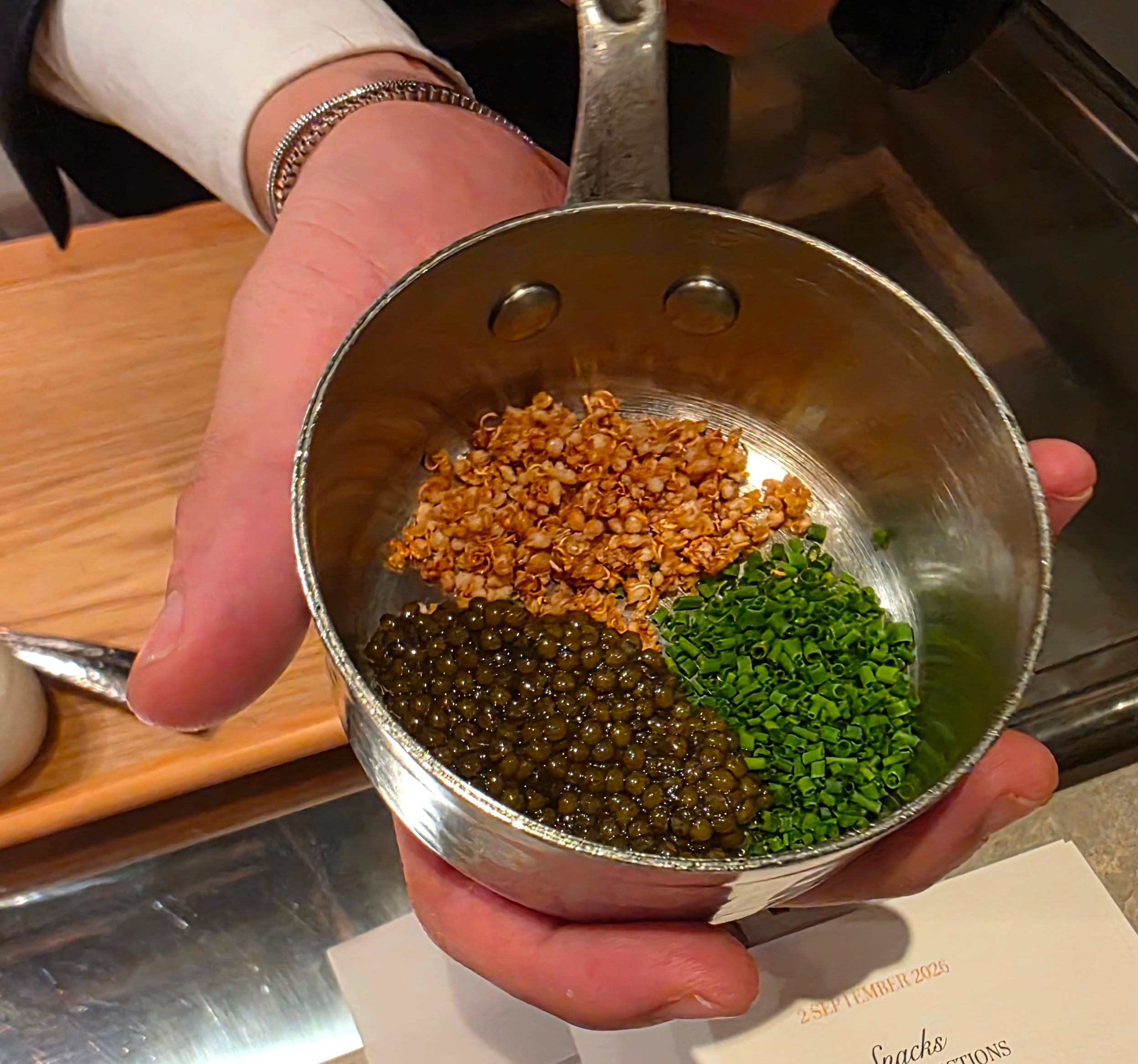
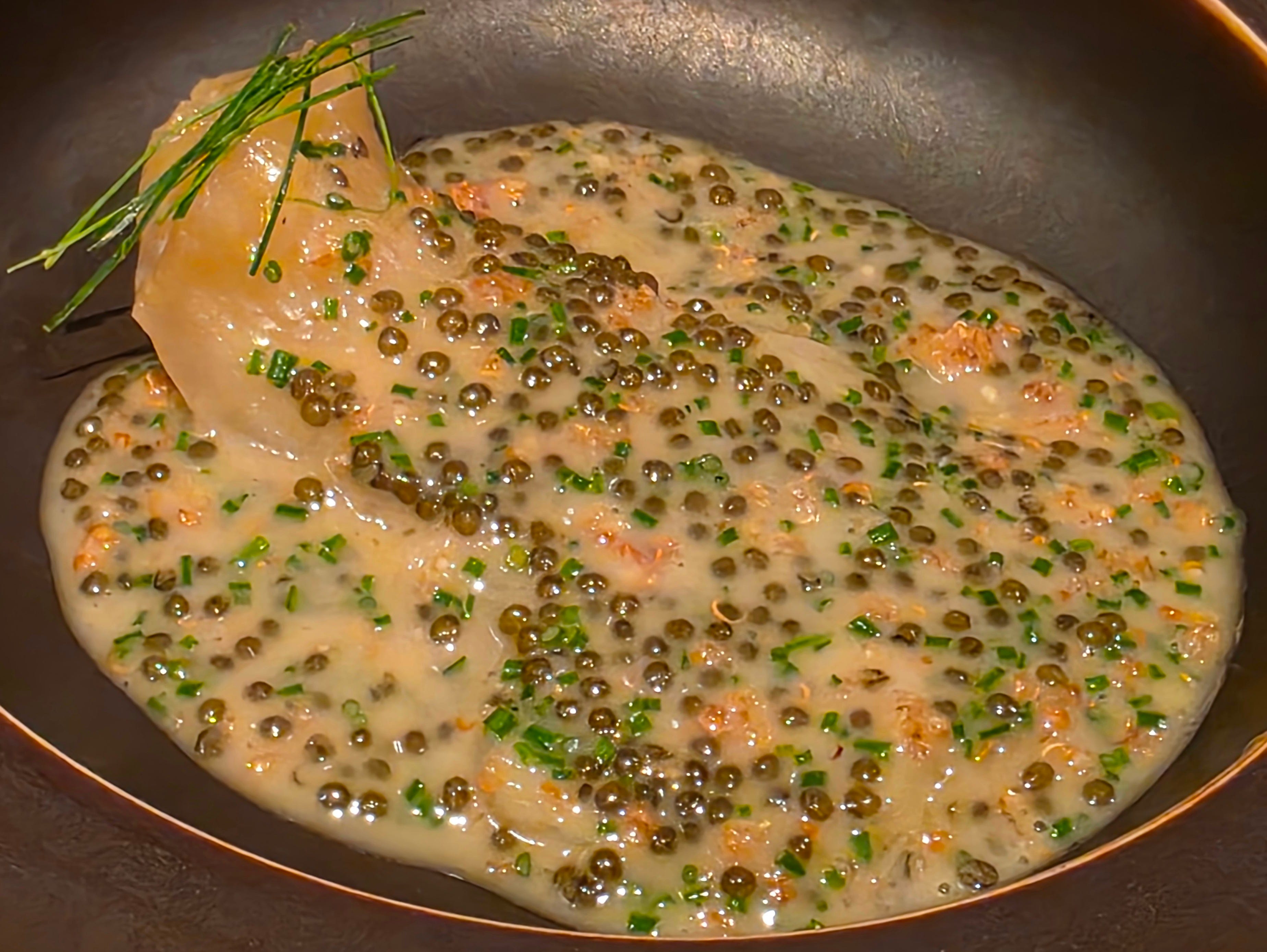
The fish maw supplement replaced the potato for my companion. Like the sea cucumber, the fish maw had gone through several days of rehydration. VEA prepared the sauce in front of us with caviar, chives and toasted quinoa. It added flavour to a rich, gelatinous ingredient without overwhelming it.
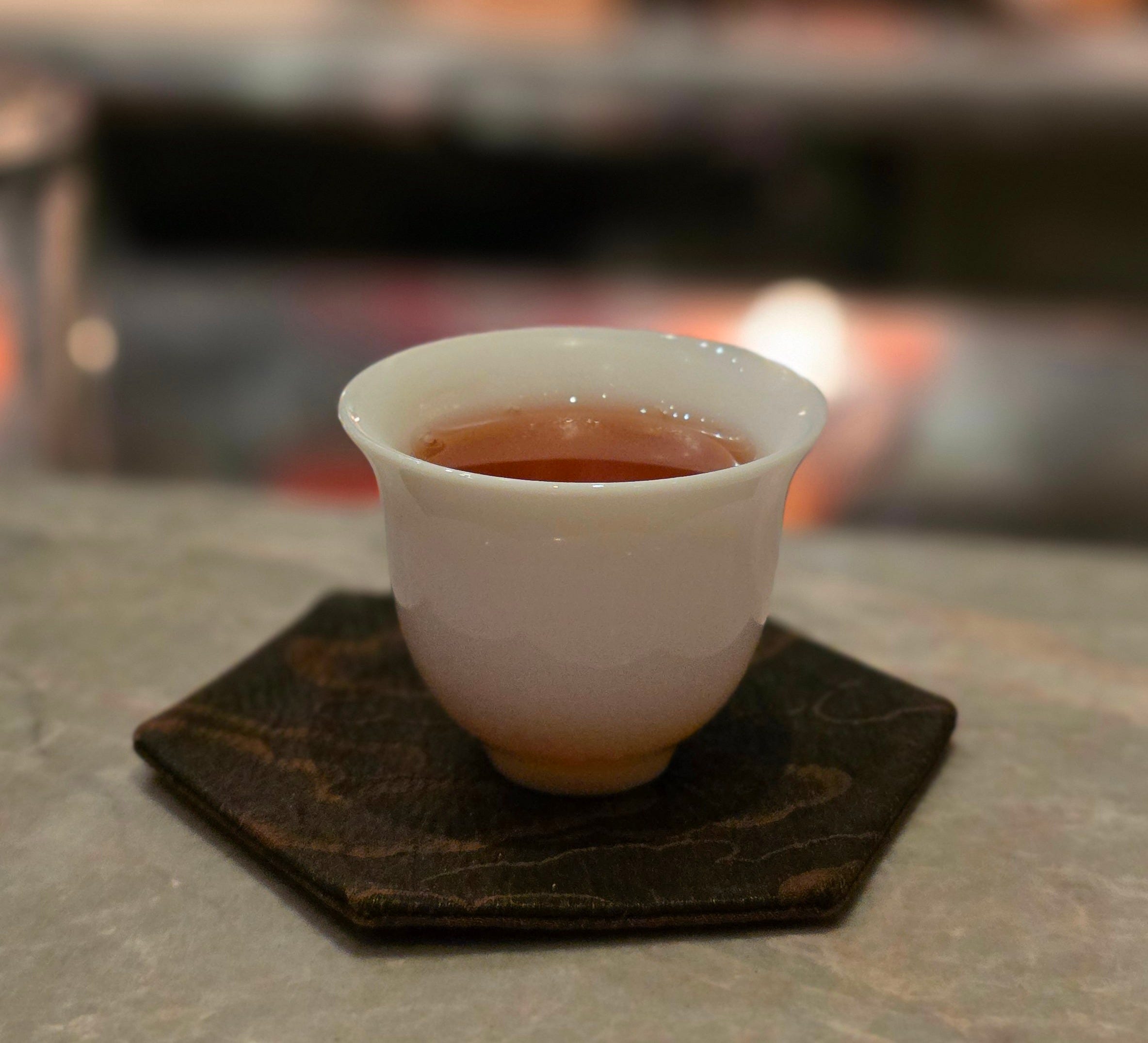
To cut through the richness before the next dish, a shot of Iron Buddha tea.
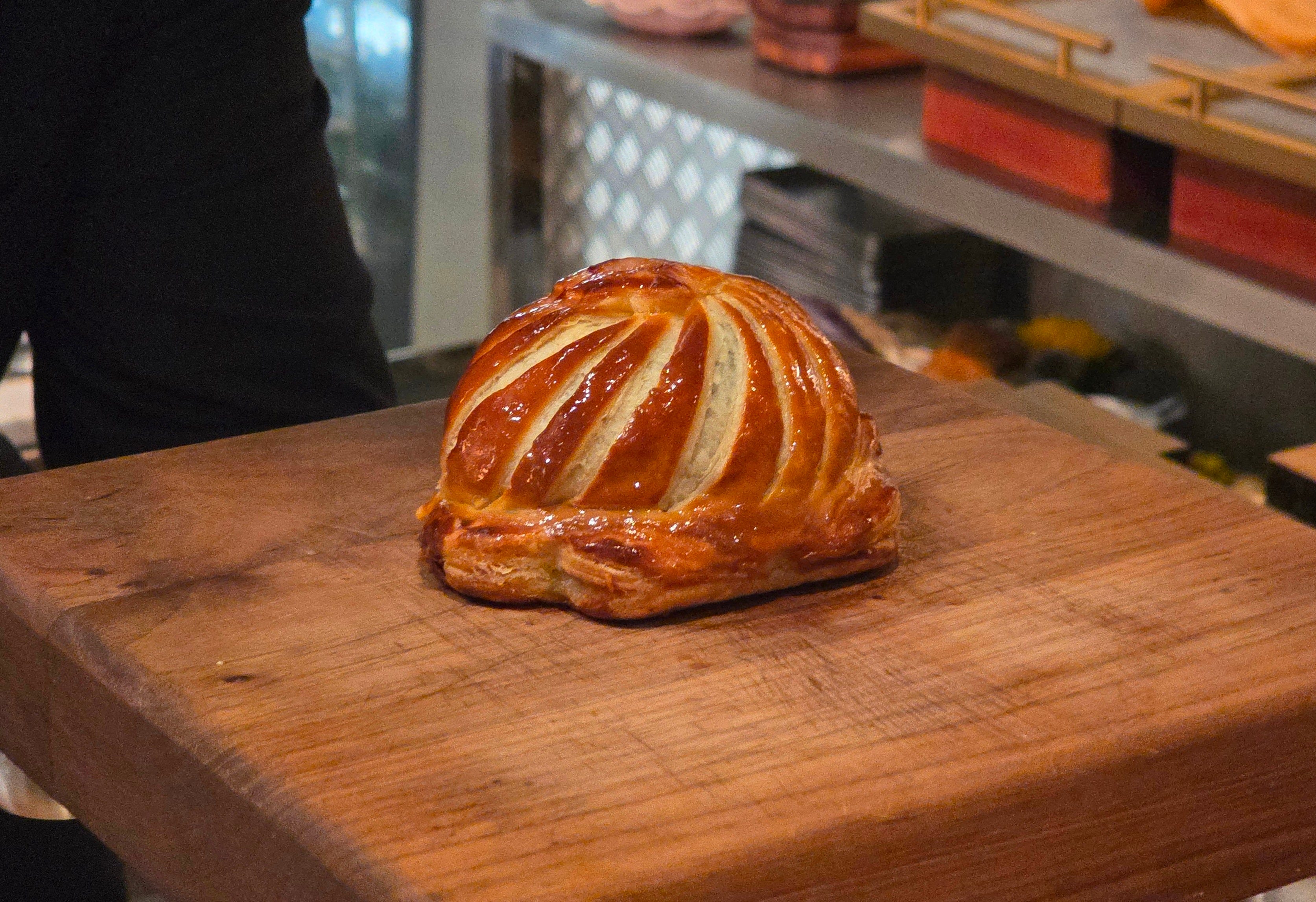
The abalone and sweetbread Wellington arrived next.
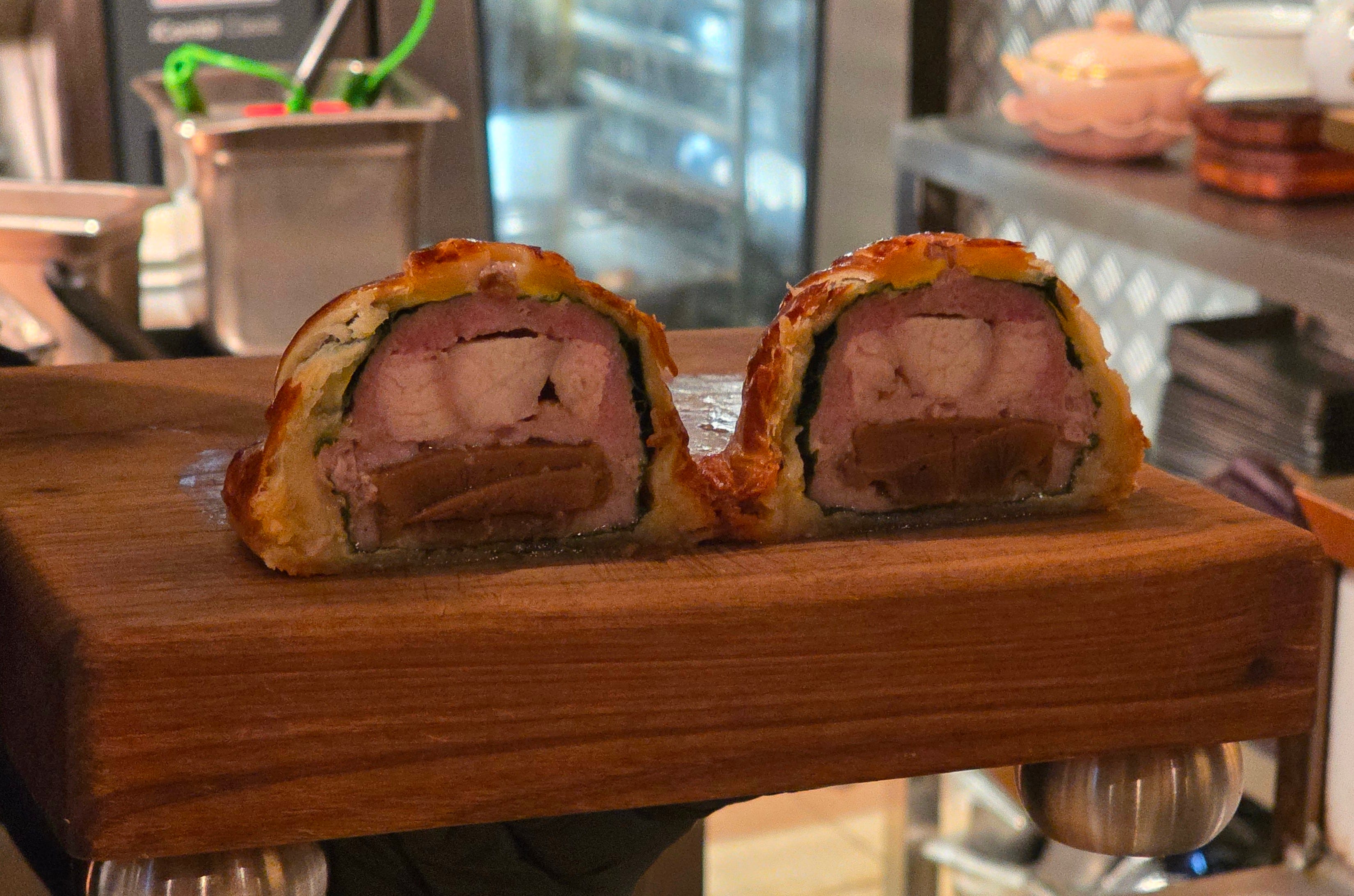
Once cut open, the pastry showed Candy Heart abalone layered with sweetbread, wrapped in fennel sausage and duxelles before the pastry went around it. A thick abalone sauce, enriched with fish maw, came alongside.
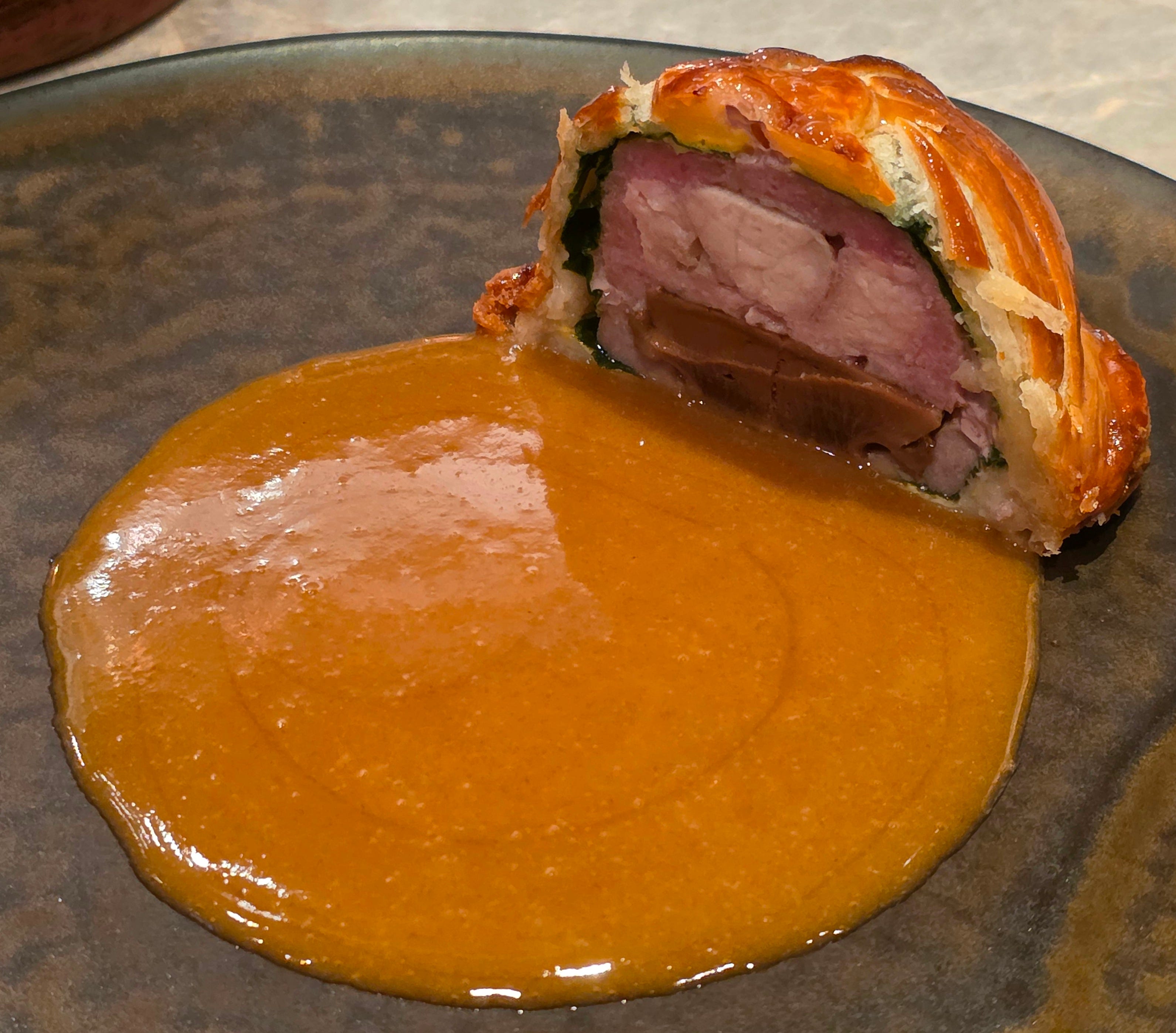
This was the only miss of the night. My companion found the abalone tough and lacking in flavour. Another day of rehydration may have helped.
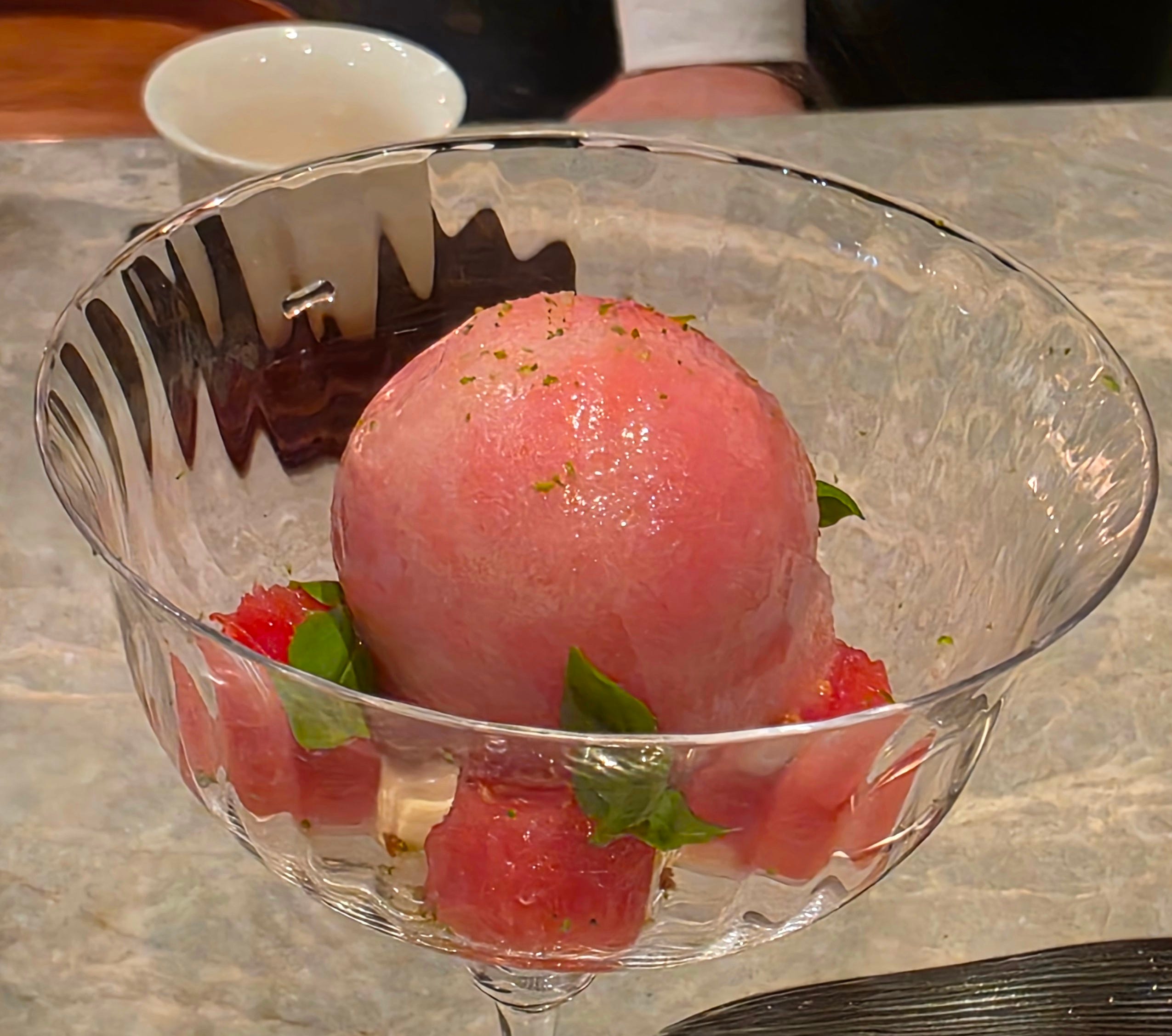
The watermelon, lychee and osmanthus pre-dessert brought some fresh sweetness.
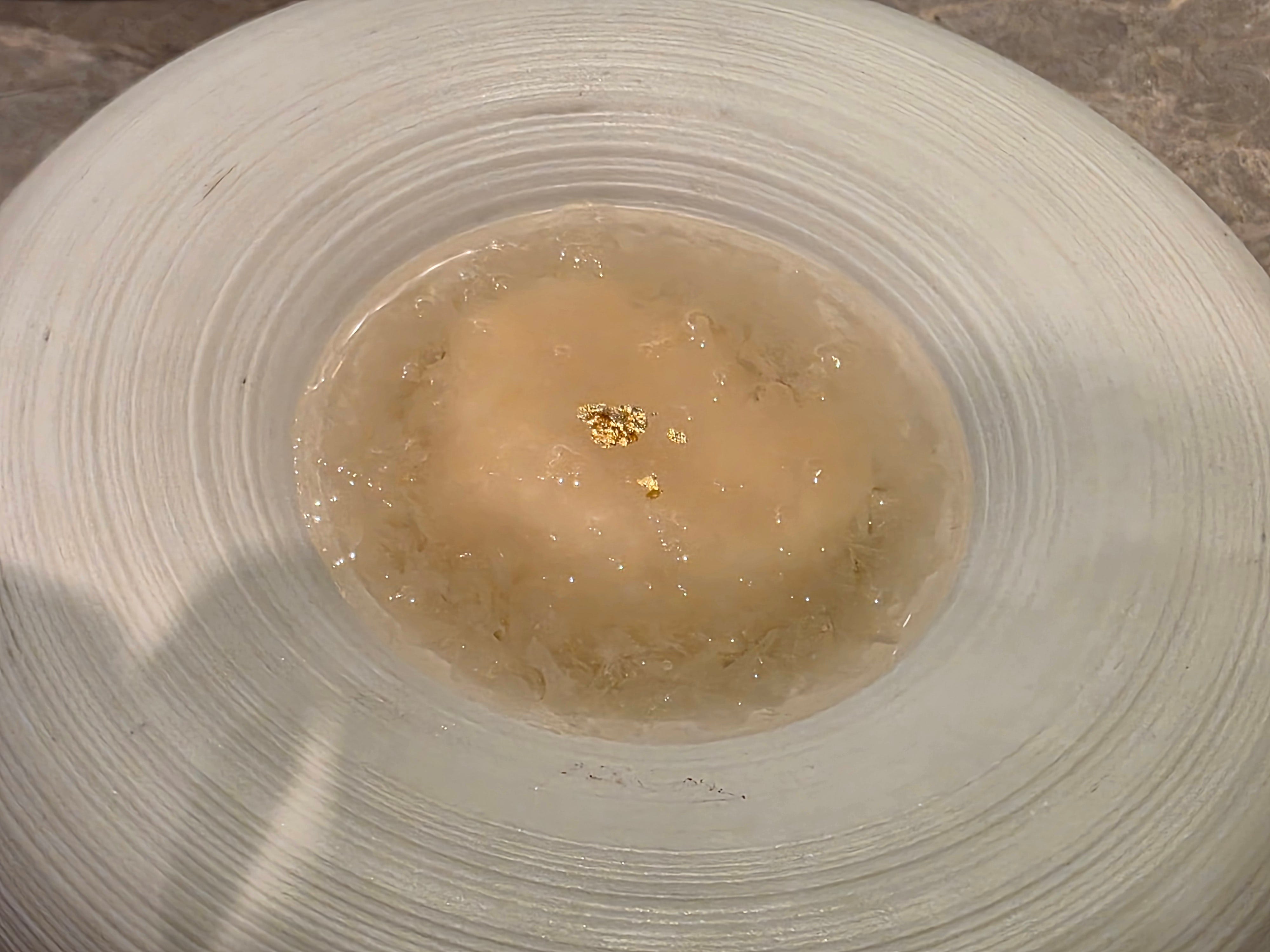
VEA then served an off-menu dessert with pear chunks, pear sorbet and cooked sugar shaped to resemble bird’s nest.
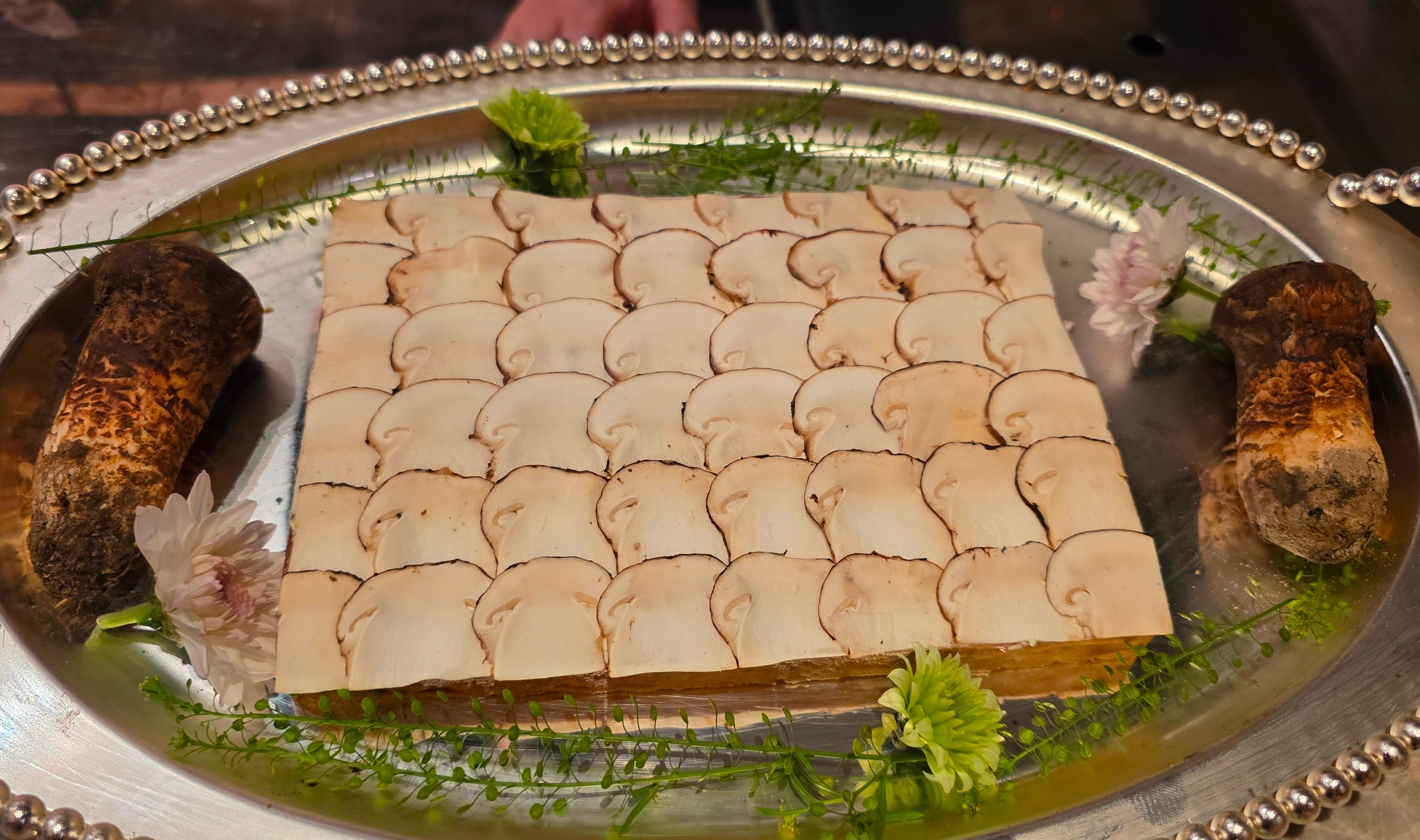
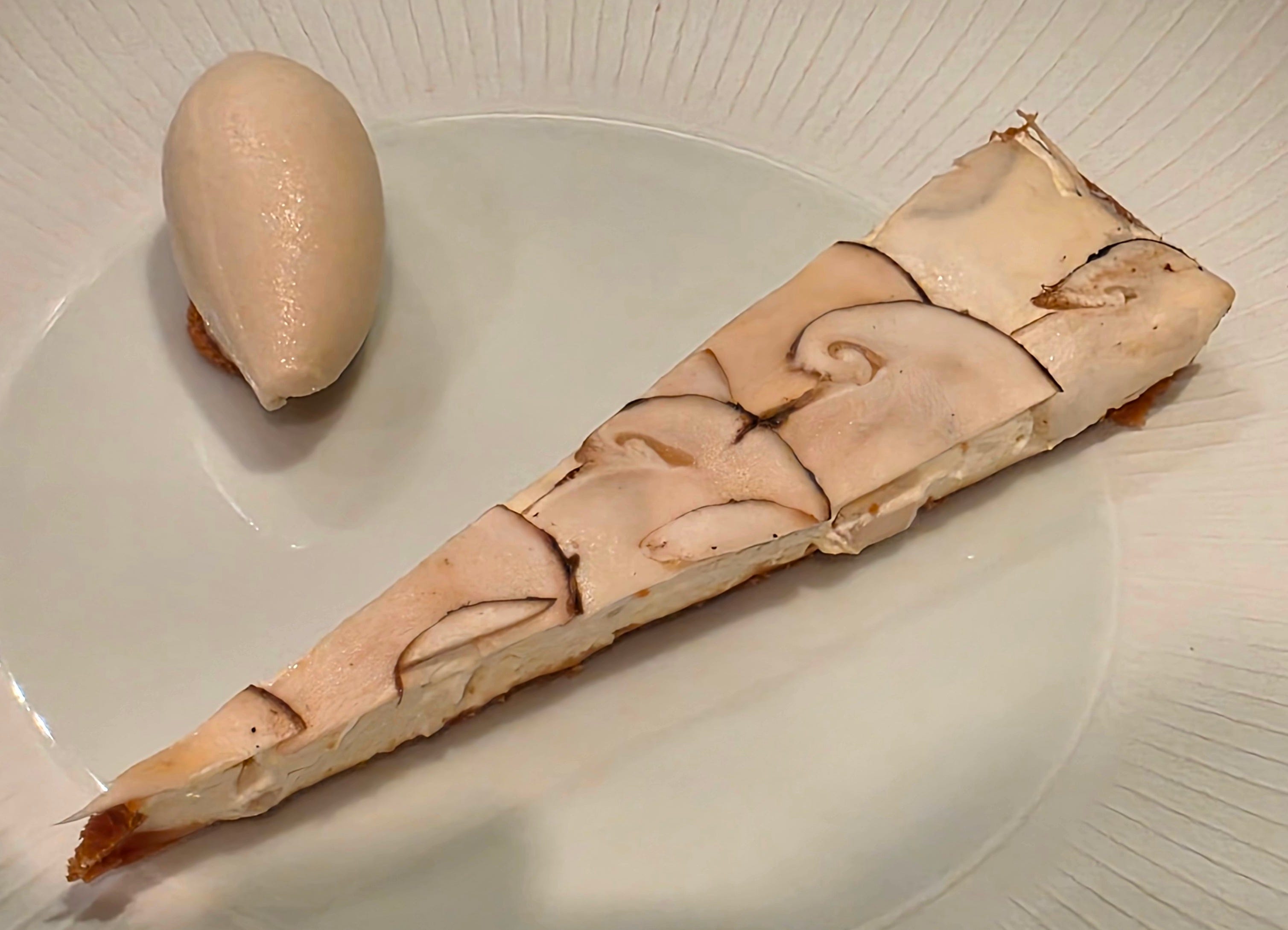
The mushroom tart was unusual. Thin slices of raw mushroom sat over sautéed mushroom cream, pine nuts and mushroom ice cream. It made for a light, earthy dessert.
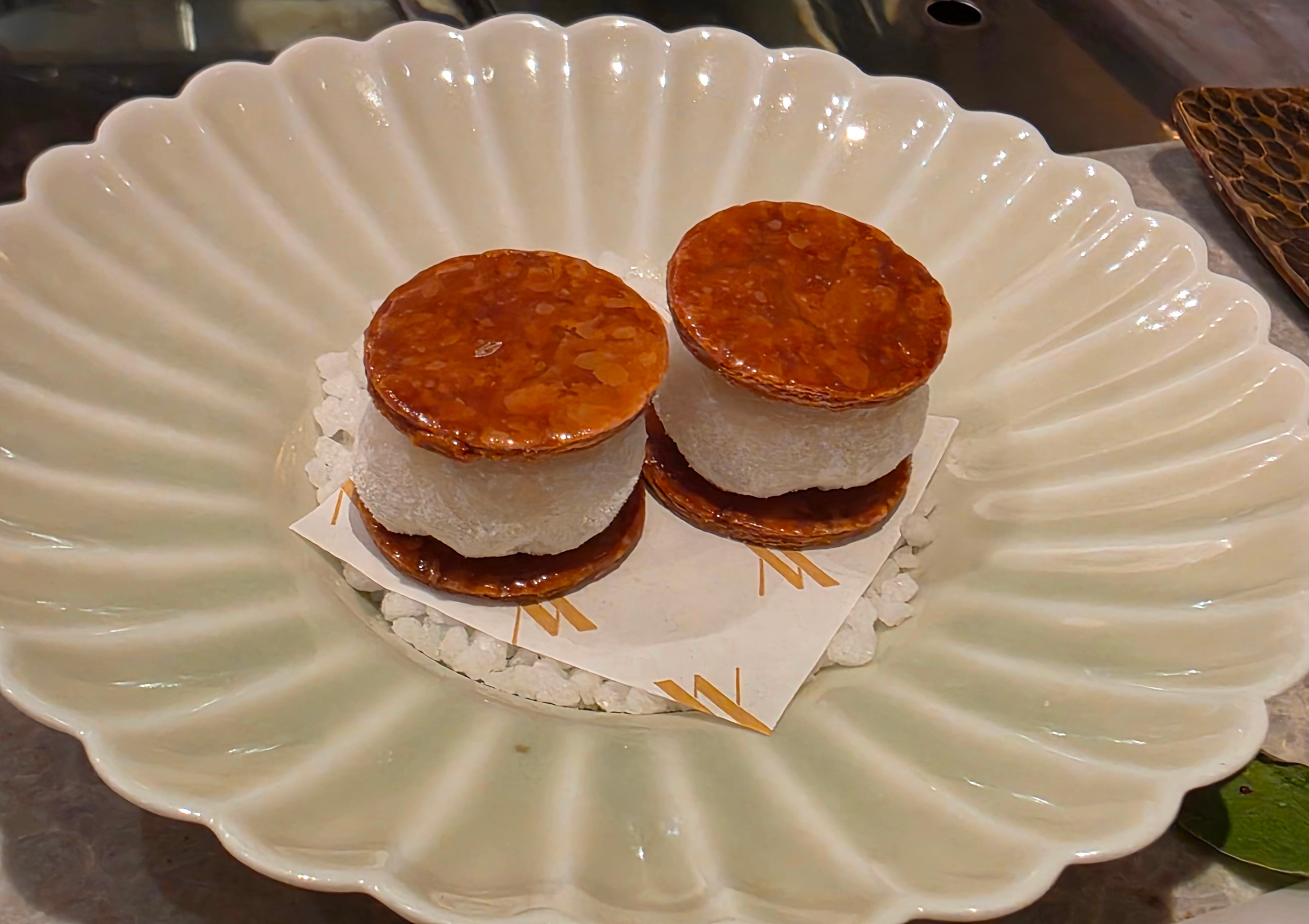
The petit four was condensed-milk pudding inside rice mochi, sandwiched between flaky crackers.
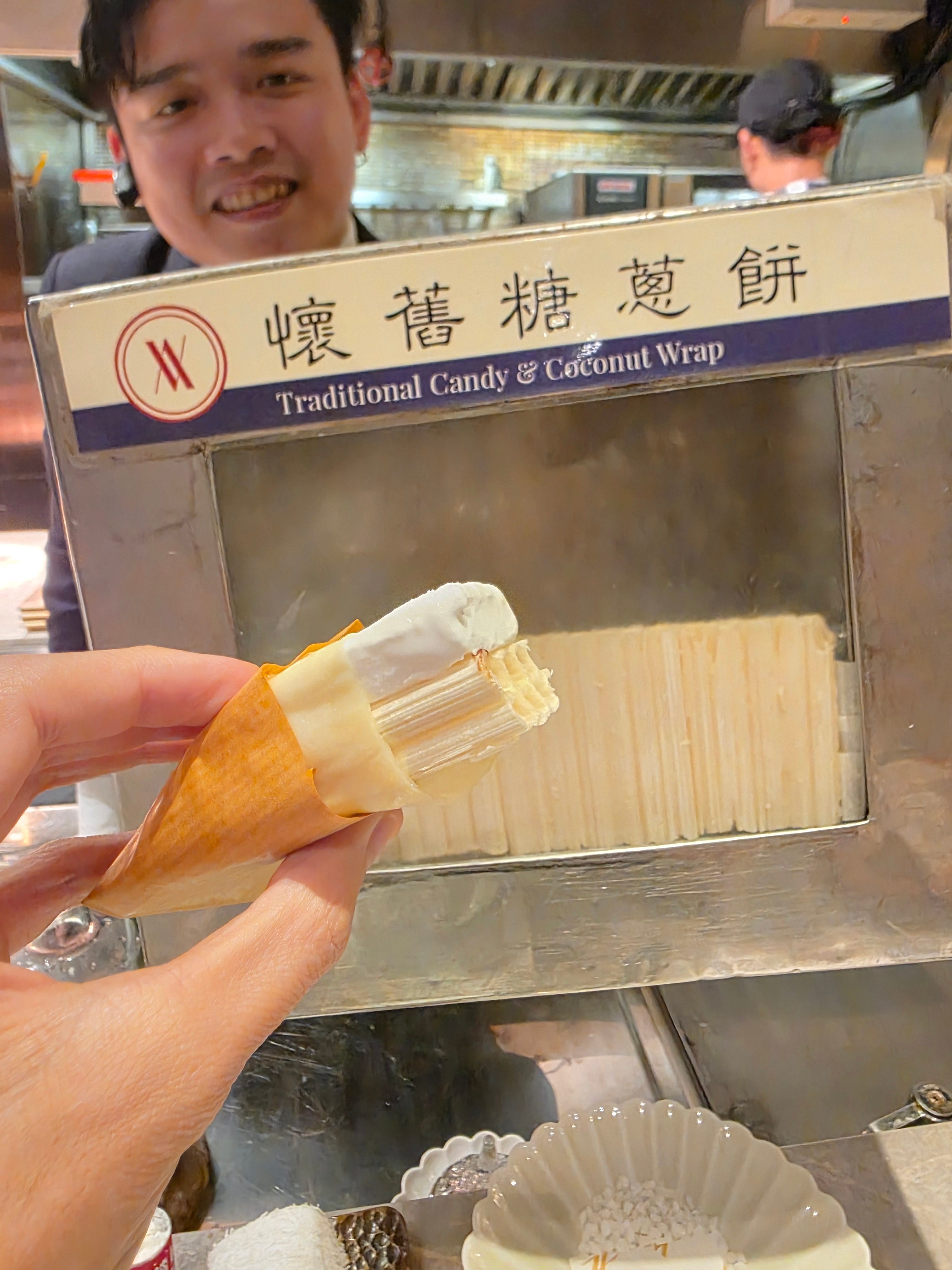
The final dessert played with a Hong Kong street-food classic: a French crêpe wrapped around coconut ice cream and crystal sugar. Absolutely delicious, and a great end to the meal.
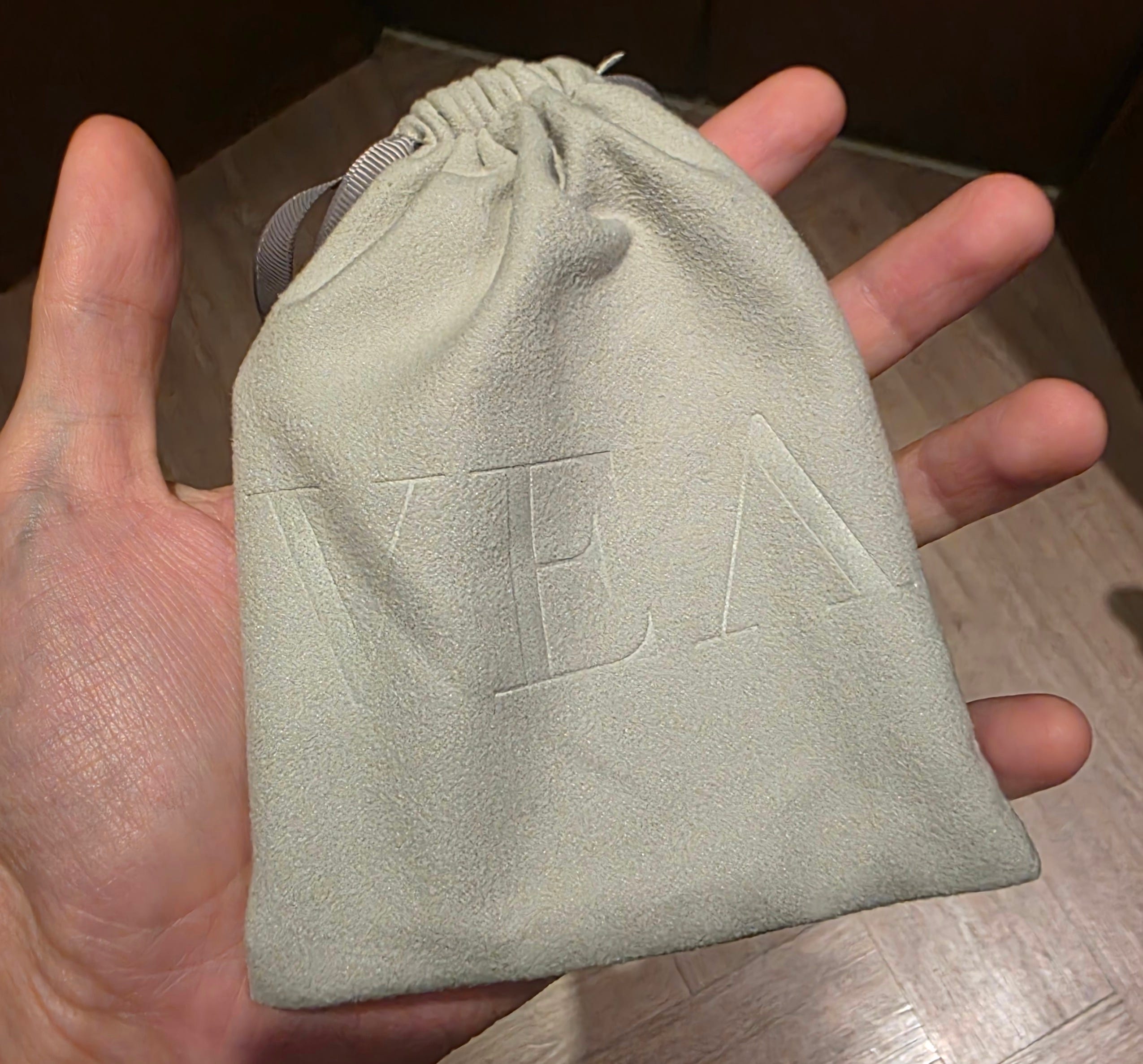
As we left, the restaurant gave us a marshmallow cookie to take home.
After trying Wing, I could not wait to try VEA. Wing is the restaurant that is always booked out, while VEA is supposed to be the flagship. I understand the booking situation now. Wing has limited public seating, while VEA has more flexibility with its larger counter and dining-room arrangements.
The contrast between the two restaurants was clear. Wing felt more familiar and more Cantonese, with a formal Chinese dining-room experience. VEA felt more like an event, using Cantonese ingredients and references while placing French technique and the tasting-menu format at the centre.
I ended up preferring VEA. The meal felt more whimsical, and both restaurants executed at a high level. Wing is the stronger expression of modern Chinese cooking, but VEA gave me the more memorable evening.
Total Damage: HK$8,500/2 people