
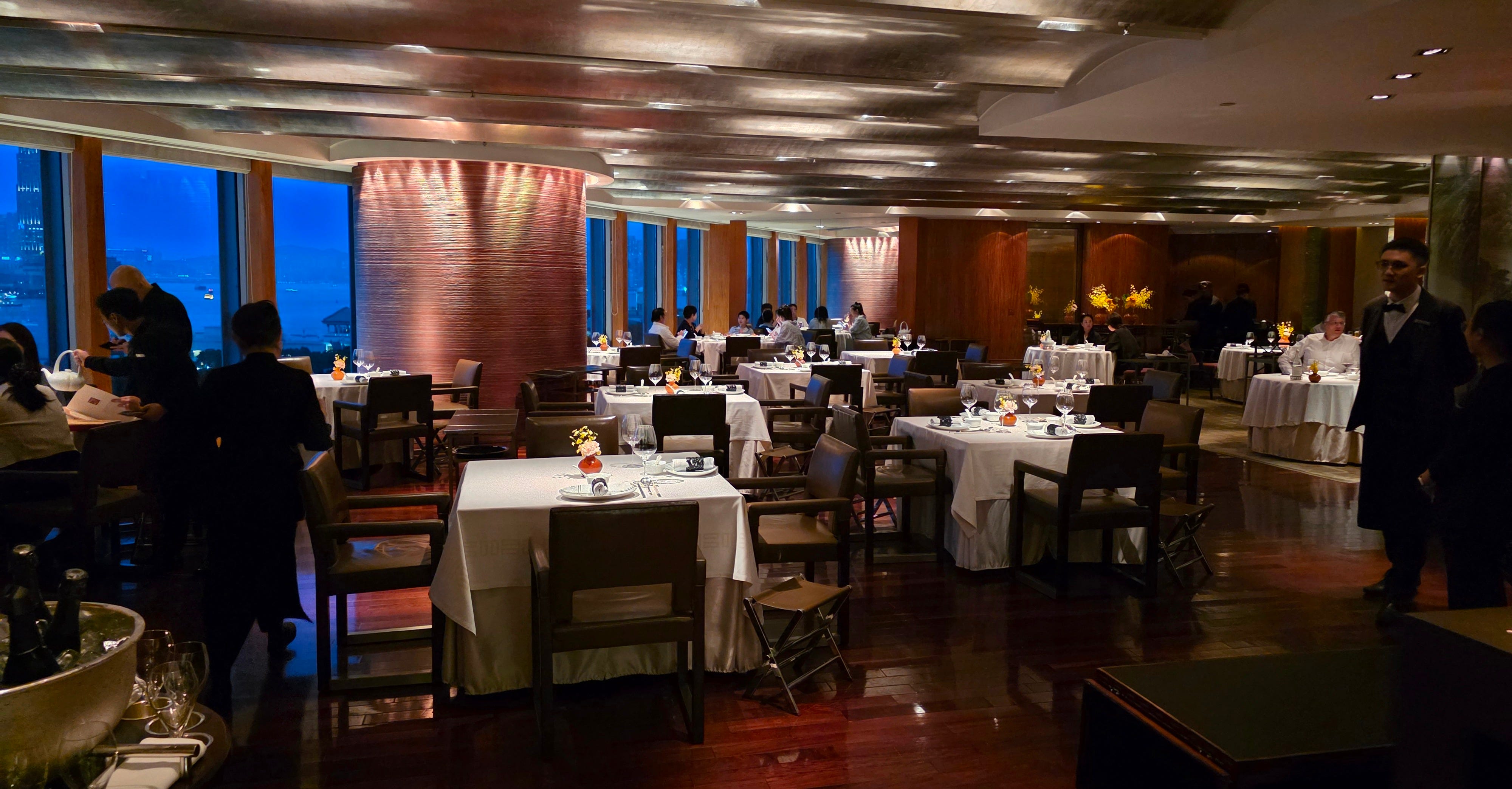
Lung King Heen, Cantonese for “View of the Dragon” is one of Hong Kong’s benchmark luxury Cantonese restaurants. It sits inside the Four Seasons hotel in Central, with sweeping Victoria Harbour views, polished service and a kitchen built around Cantonese dining classics: seafood, dim sum, barbecue, double-boiled soups and expensive dried ingredients.
The restaurant made history in the inaugural Michelin Guide Hong Kong and Macau, becoming the first Chinese restaurant to receive three stars. It held that rating for fourteen years. Michelin reduced it to two stars in 2023, and it remains at two stars in the 2026 guide. That is a disappointment, but Lung King Heen is still operating at the top end of Hong Kong Cantonese dining.
Four Seasons built the restaurant around Chef Chan Yan Tak, who came out of retirement to lead the kitchen. Chan started working in kitchens as a teenager and learned through restaurants rather than formal culinary school. His career took him through Dai Sam Yuen, Fook Lam Moon and Lai Ching Heen before he arrived at Lung King Heen.
Chan spent much of his senior career at Lai Ching Heen in the former Regent Hong Kong. He joined as sous chef in 1984 and became executive chef about a year later, staying for around fifteen years. He helped turn it into an internationally recognised Cantonese restaurant.
After his wife died, Chan left the industry to look after his children. Alan Tsui, a former Regent colleague who later became general manager of the Four Seasons project, persuaded him to return..
The cooking is recognisably Cantonese, with a fine-dining finish. Sauces are controlled, seasoning is restrained and the presentation is modern without turning the food into a design exercise. Brilliant execution for classic Cantonese dishes tell you more about the kitchen than any new fusion novelty .
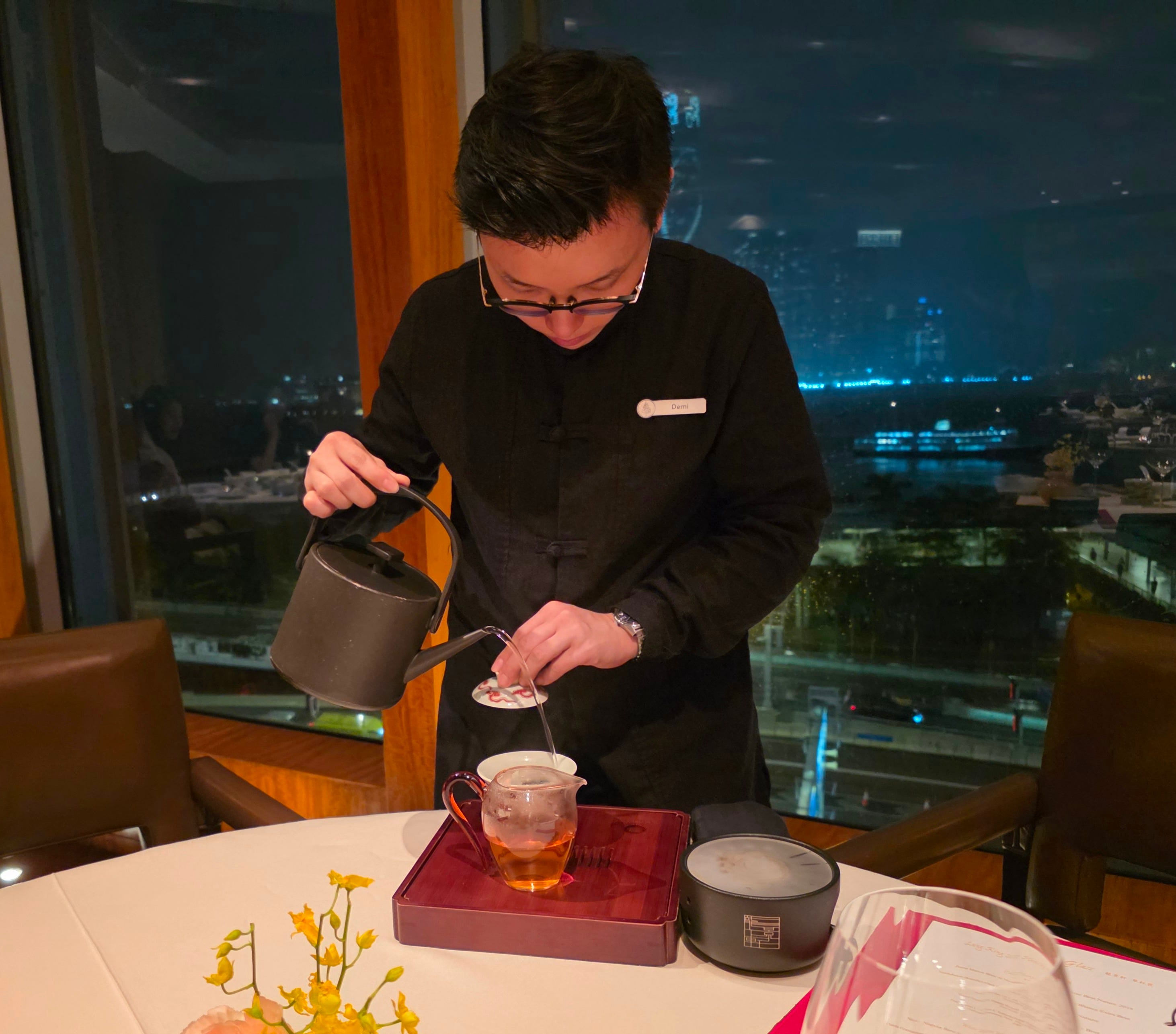
The tea menu was fairly extensive, with a good selection of exotic aged pu-er teas. I went with an unorthodox choice, a Lapsang Souchong smoked over pine needles. An elaborate tea ceremony followed with them washing and preparing the tea in front of us.
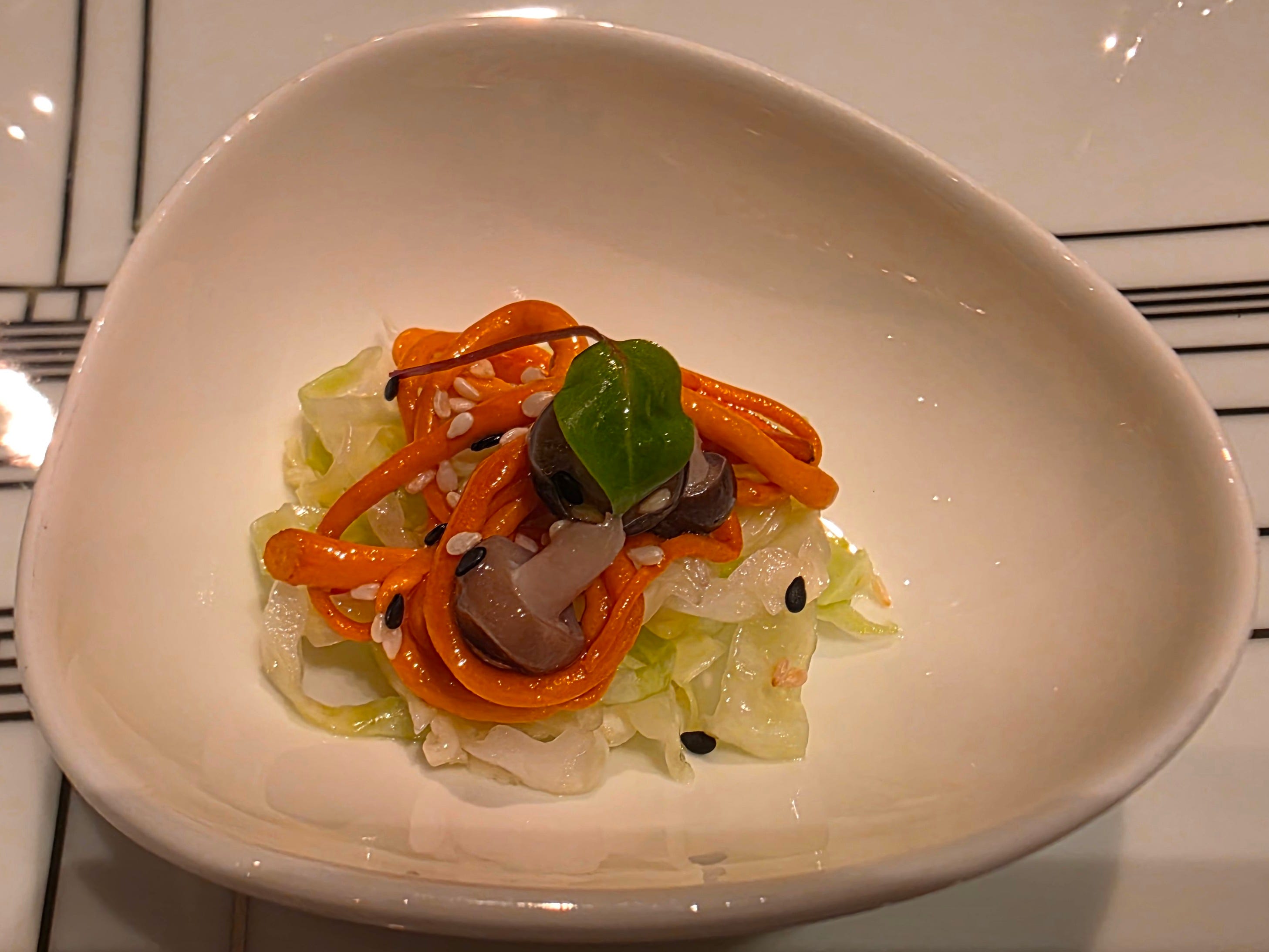
The amuse-bouche was deceptively simple: cordyceps mushrooms tossed with mala chilli oil and sesame seeds.
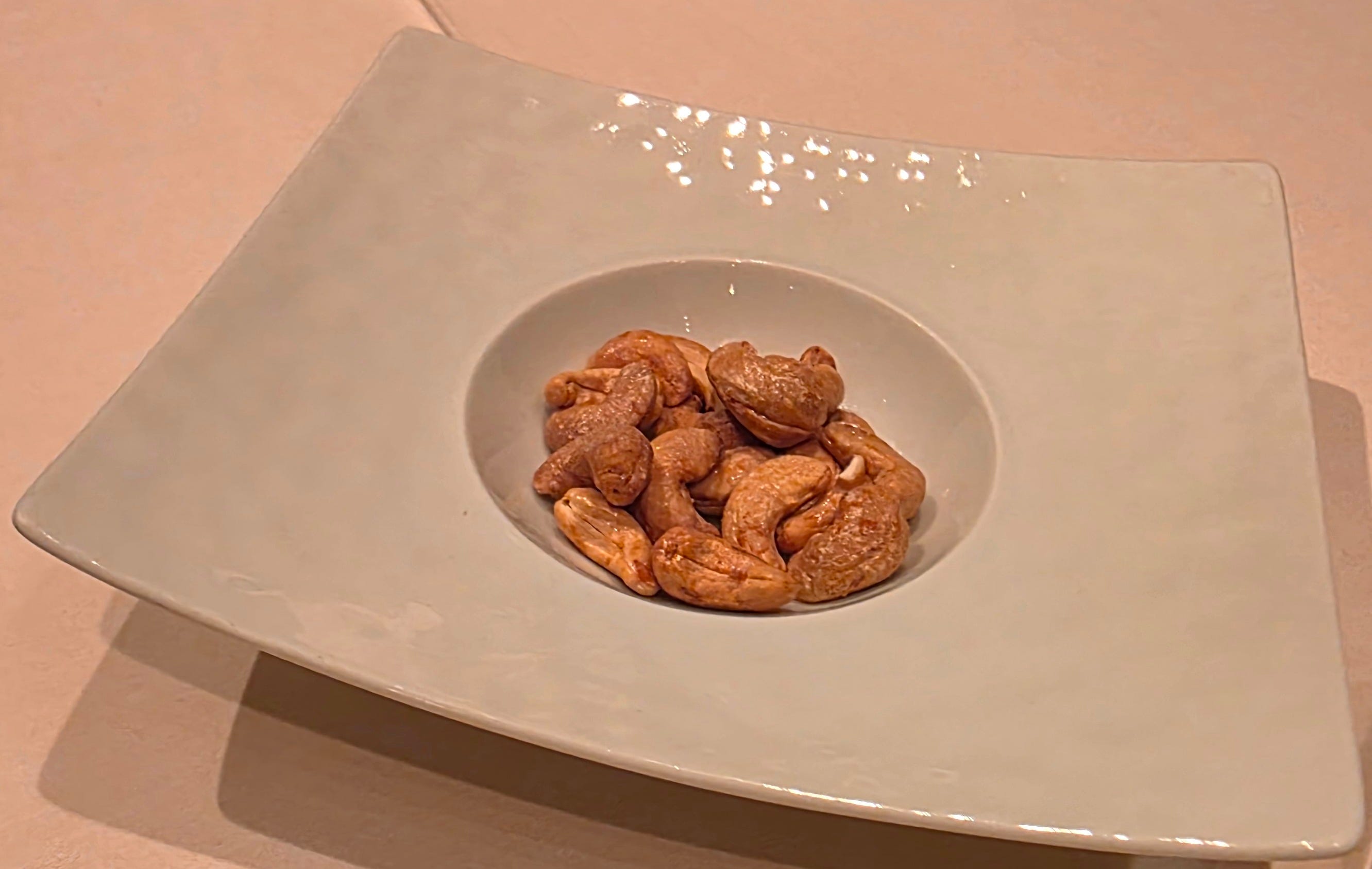
Some cashews kept us company while we worked through the extensive menu. We skipped the tasting menu and ordered a la carte, choosing a mix of seasonal specialities and signature dishes.
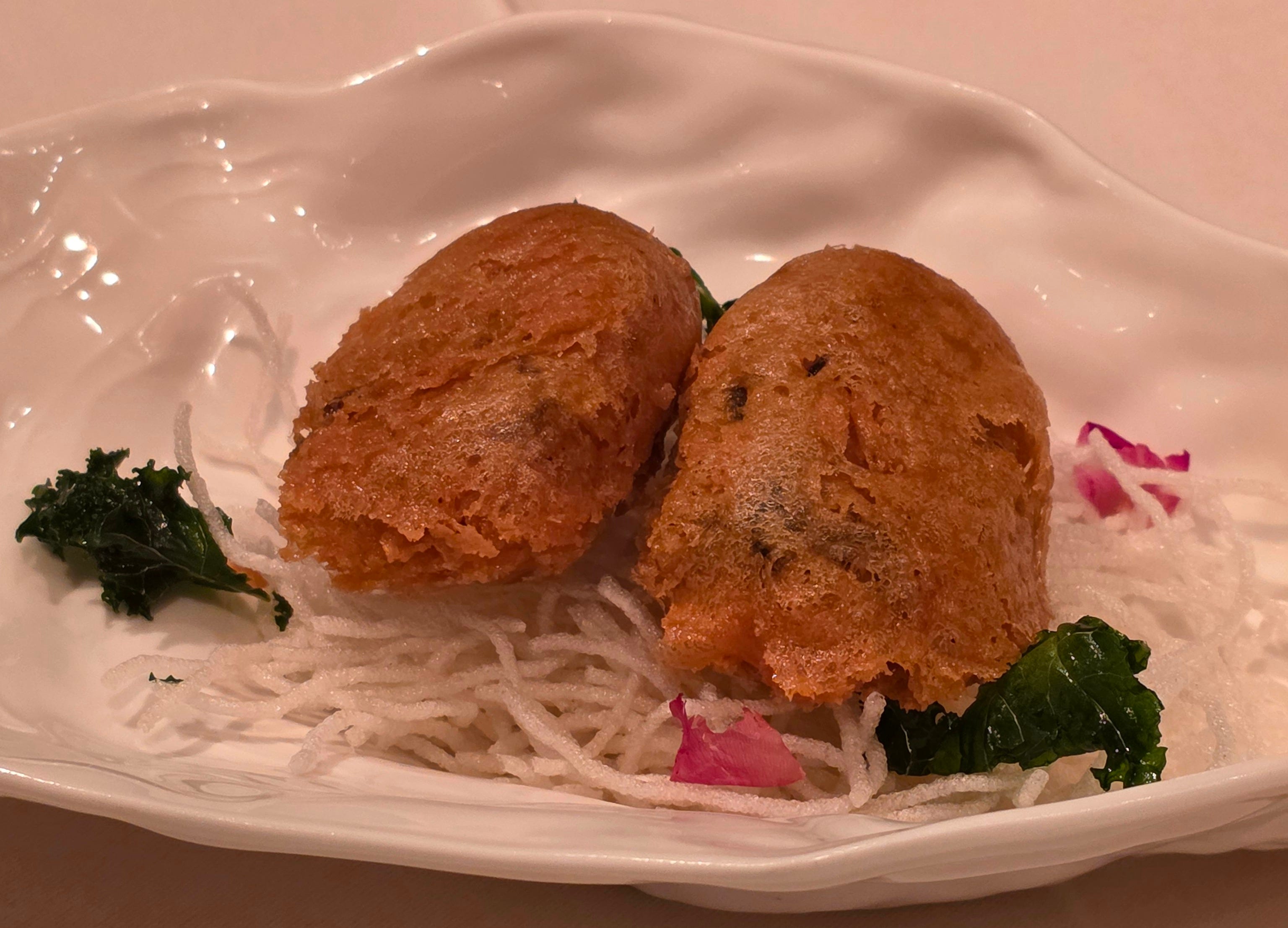
Off the seasonal menu, the deep-fried oysters came in a light, crisp batter. Well-executed but fairly uneventful.
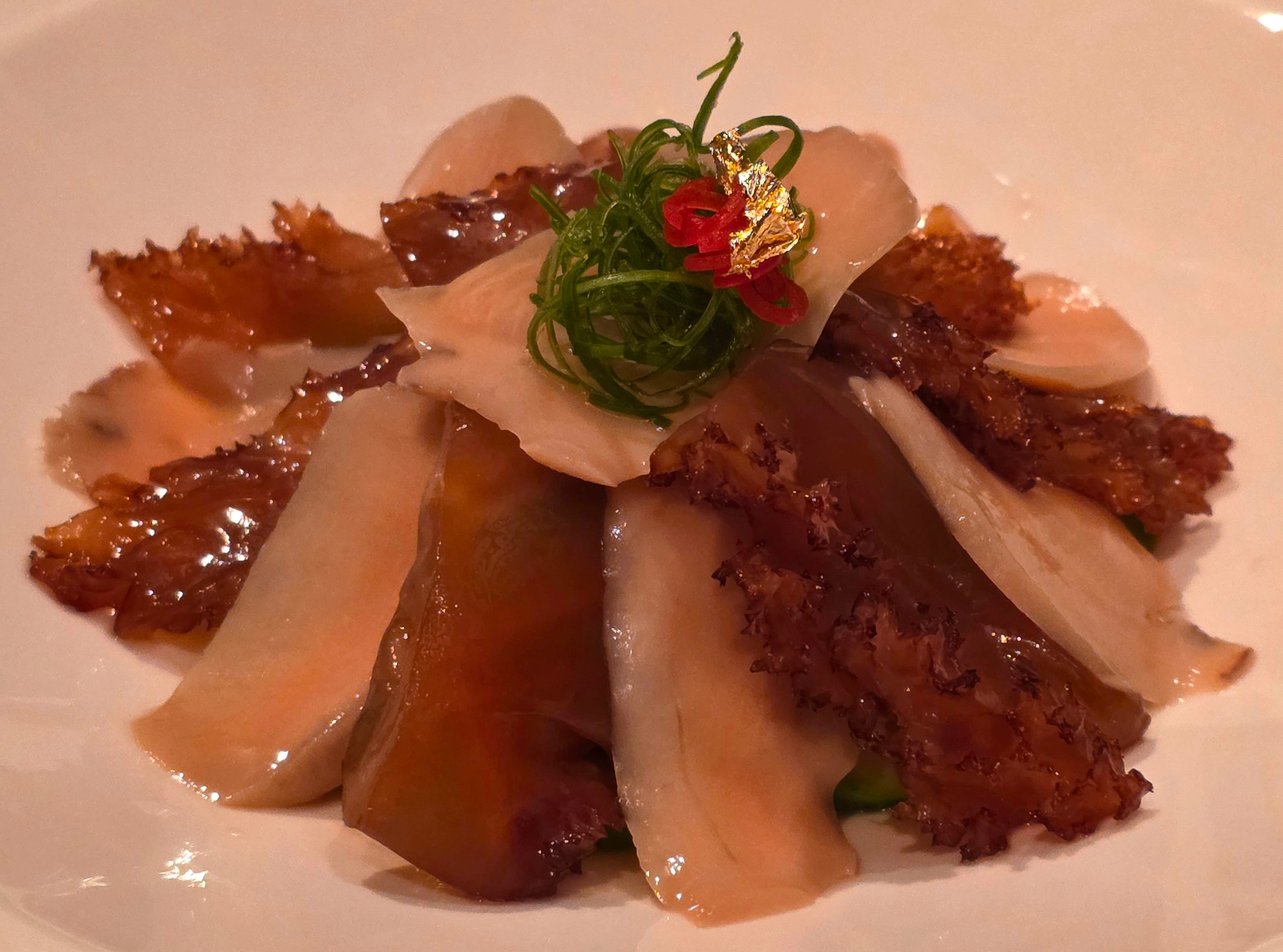
The sliced abalone with red jellyfish and asparagus was all about texture: tender abalone, crunchy jellyfish and springy asparagus. Very lightly seasoned, but the point was really to highlight the different textures.
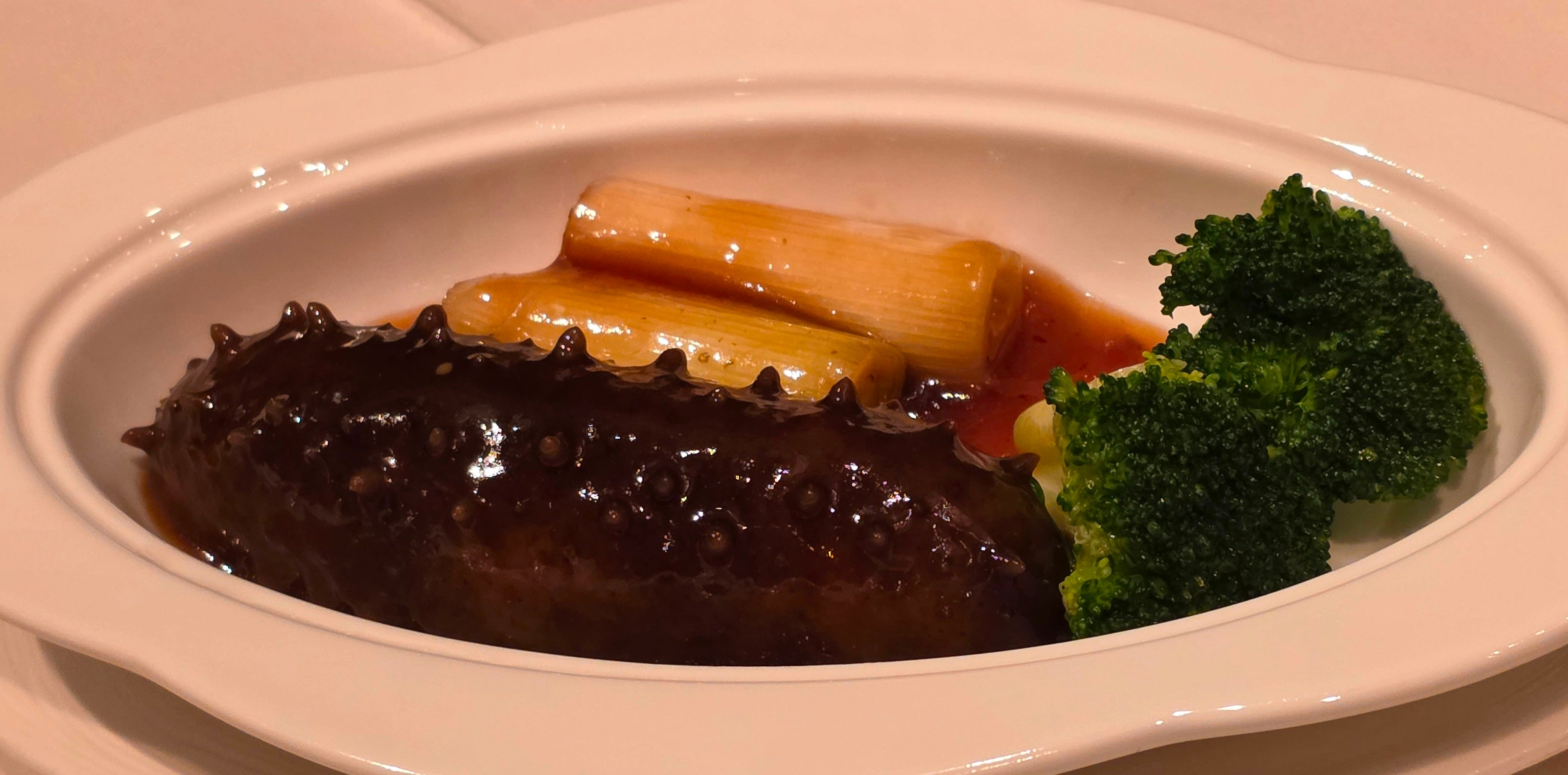
One of Lung King Heen’s signatures is the massive wok-fried sea cucumber with leeks in abalone sauce. It is a substantial dish, with the giant gelantious sea cucumber slathered in the rich sauce with plenty of wok hei. A huge hit!
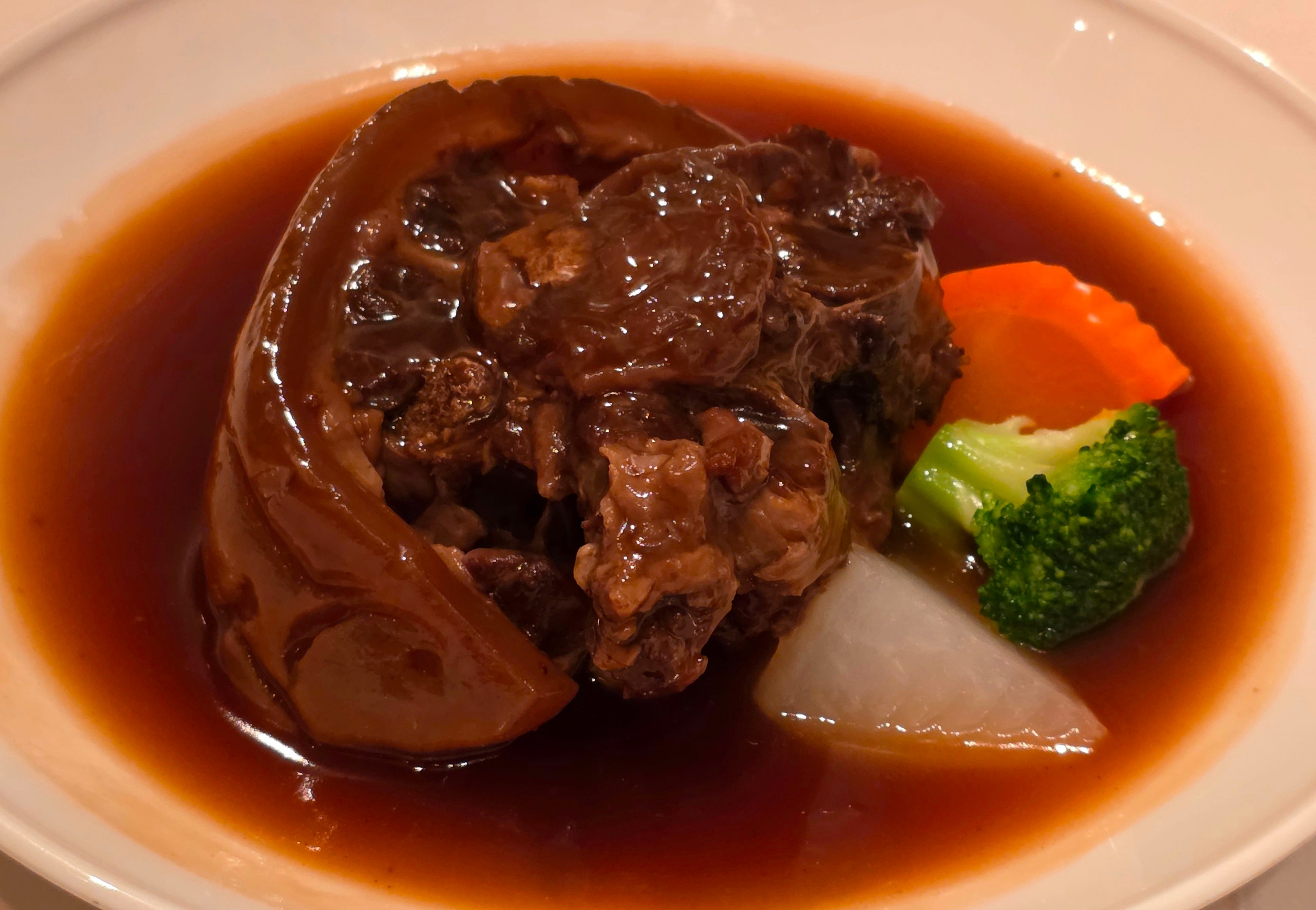
The braised oxtail was another seasonal dish. It arrived as one massive piece of oxtail, slow-cooked in a rich, gelatinous sauce. Flavourful, tender and full of collagen and rich mouthfeel. I underestimated how filling this dish would be.
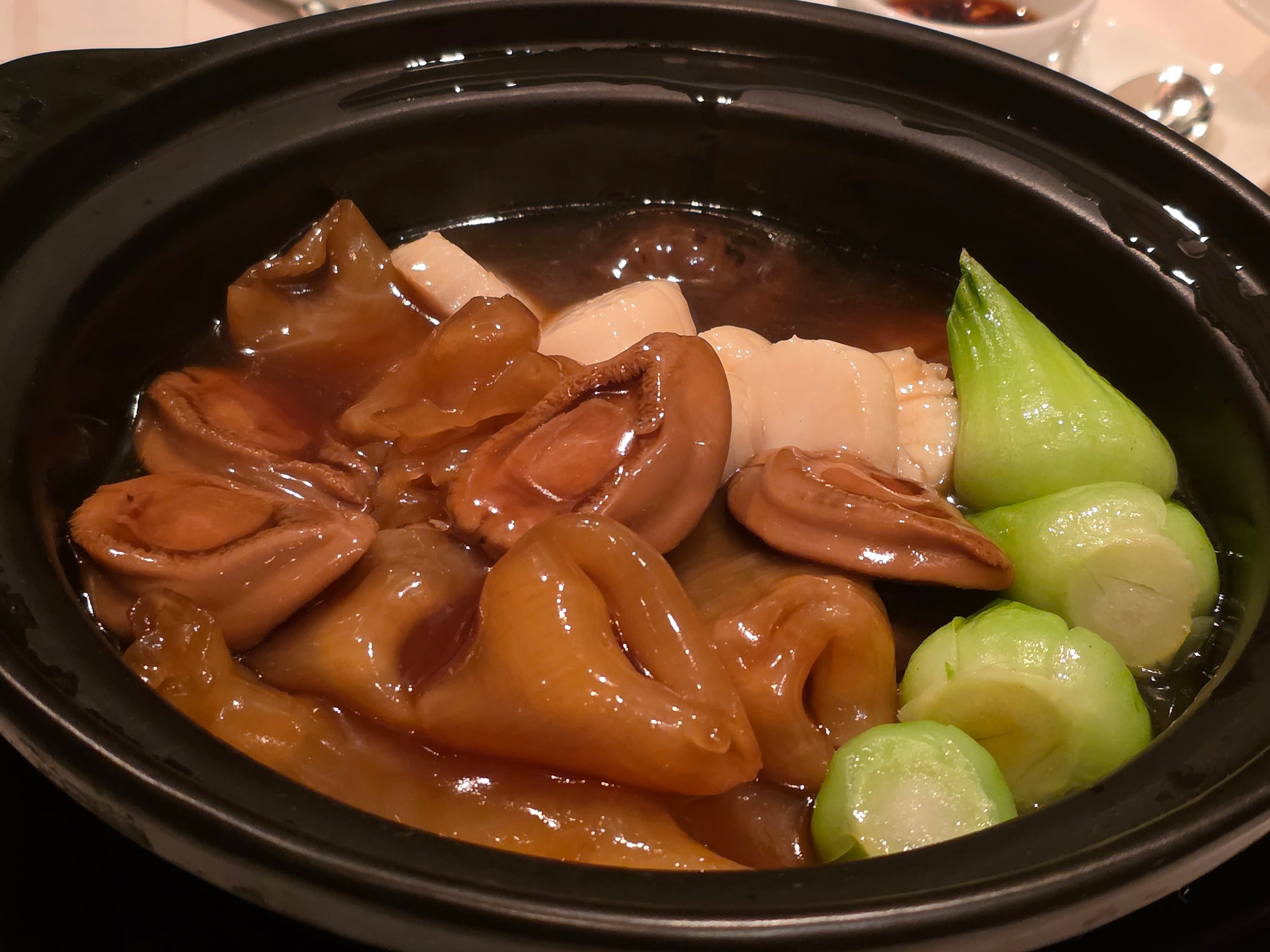
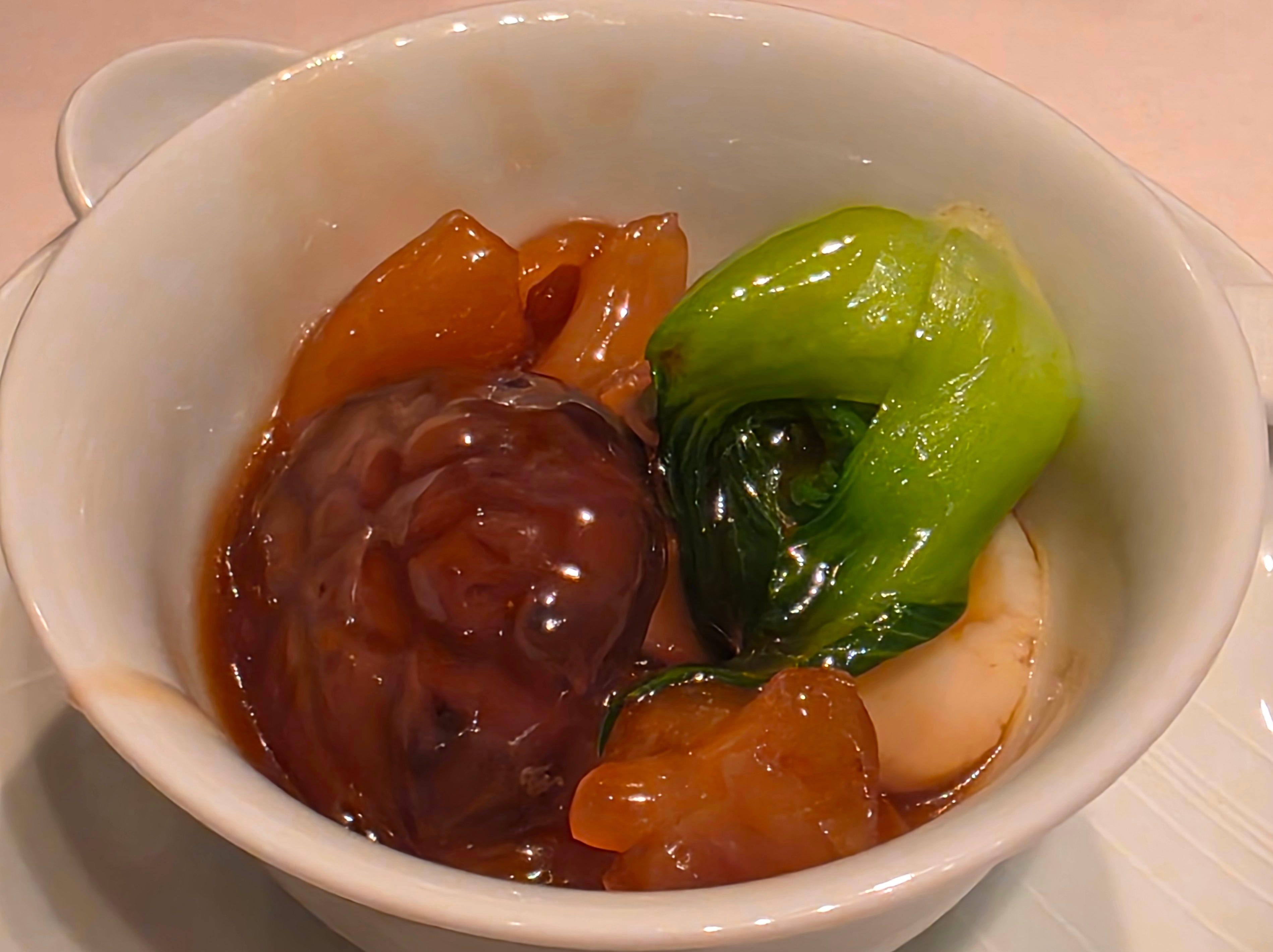
The fish maw casserole is one of the restaurant’s most famous dishes. It came with huge pieces of rehydrated fish maw, abalone, shrimp, scallops, shiitake mushrooms and bok choi in a rich oyster and abalone sauce.
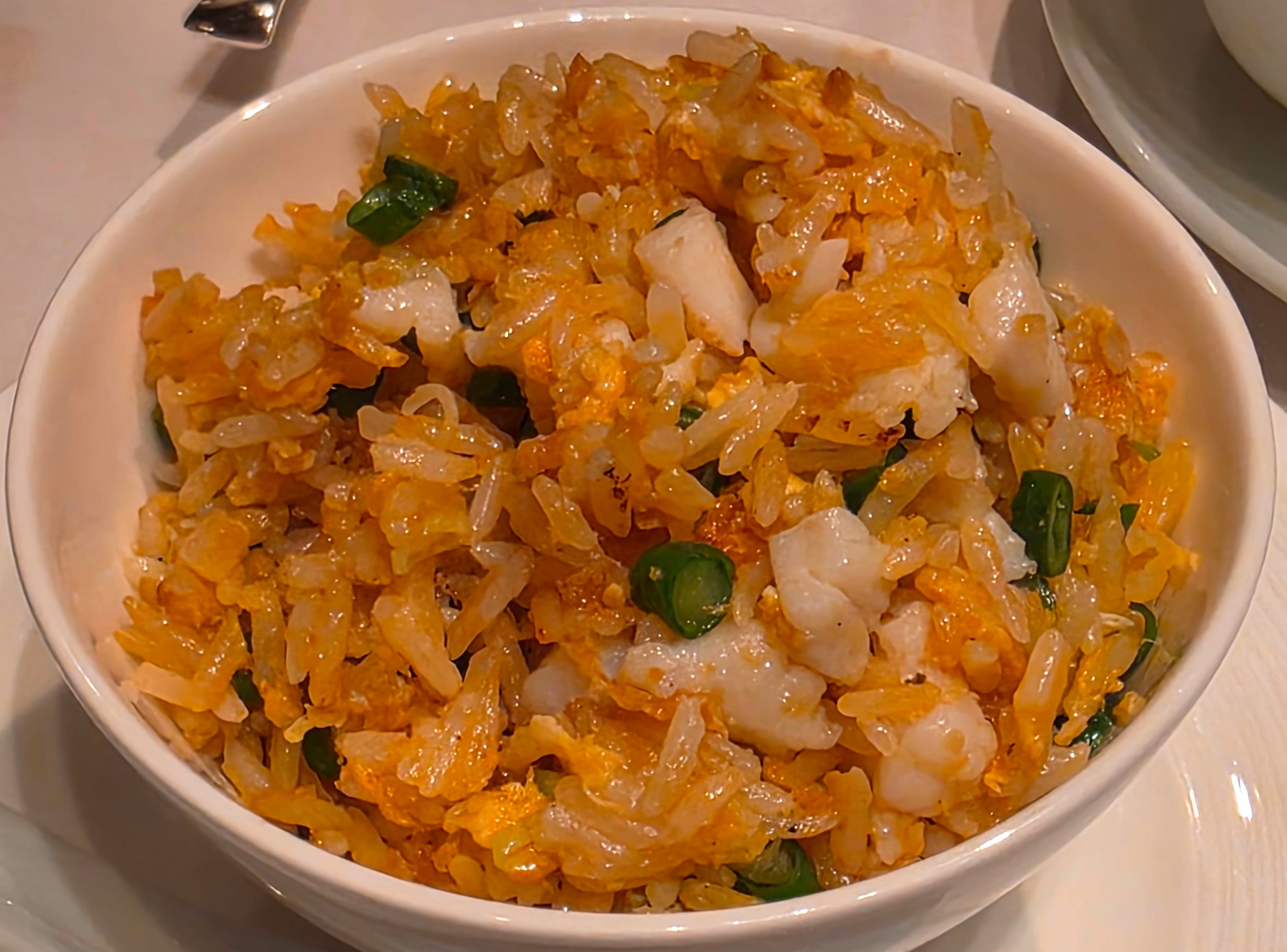
We finished with seafood fried rice containing shredded crab meat, shrimp and a blast of wok hei.
We were completely stuffed by this point, deciding to pack half the fish maw casserole for the lunch the next day. The waiter did warn us subtly while we were ordering, deciding to reduce our fried rice order to half an order instead of giving us the full order.
This was one of the best Chinese meals I had this year. It comfortably beat most of the other hotel Chinese banquet restaurants. I much preferred Lung King Heen to Lai Ching Heen, Rùn, Tin Lung Heen and even three-starred T’ang Court.
Ordering a la carte was the right decision. We got to choose the dishes that interested us, and the final bill was far lower than I expected given the ingredients and the setting.
Total damage: HKD $3,600/2 people