
Sushi Ginza Ichi opened in 2014 at the Marriott Tang Plaza Hotel in Singapore. It’s a branch of the original Ginza Sushi-ichi in Tokyo’s Ginza district.
Early on, Chef Masakazu Ishibashi served as executive head chef for the original Ginza location, earning its first Michelin star, as well as presiding over the chain’s expansion over the past decade. Masakazu Ishibashi started in his family’s sushi restaurant in Tochigi Prefecture as a kid, handling basics from around age 10. He spent about five years in the US after university, training and working at several sushi restaurants there.
Back in Tokyo, he joined Ginza Sushi Ichi as executive chef, where the main Ginza location earned a Michelin star. As executive chef for Ginza Sushi Ichi, he worked across or led branches in Tokyo (Ginza flagship), Singapore (helped it toward stars before his shift), Jakarta, and Bangkok. In 2016 he moved to Singapore to head Shoukouwa (initially tied to Sushi Ichi concepts), earning two Michelin stars shortly after opening.
Today, Chef Takeshi Kawakami leads as executive chef at the Singapore Sushi Ginza Ichi, with Shuki Yoshiaki as head sushi chef. Yoshiaki built a following in Singapore and Jakarta through his hands-on approach at the counter, driven by a straightforward passion for fresh sushi.
The menu has stayed rooted in seasonal Edomae omakase, with rice vinegars and sauces shipped from Tokyo for consistency. Ownership remains tied to the Tokyo parent and the Singapore location holds steady as a 23-seat spot focused on counter service.
The restaurant has gained and lost Michelin stars over the years, rarely keeping its star for more than one or two years. Most recently, it gained a single star again in the 2025 Michelin guide.
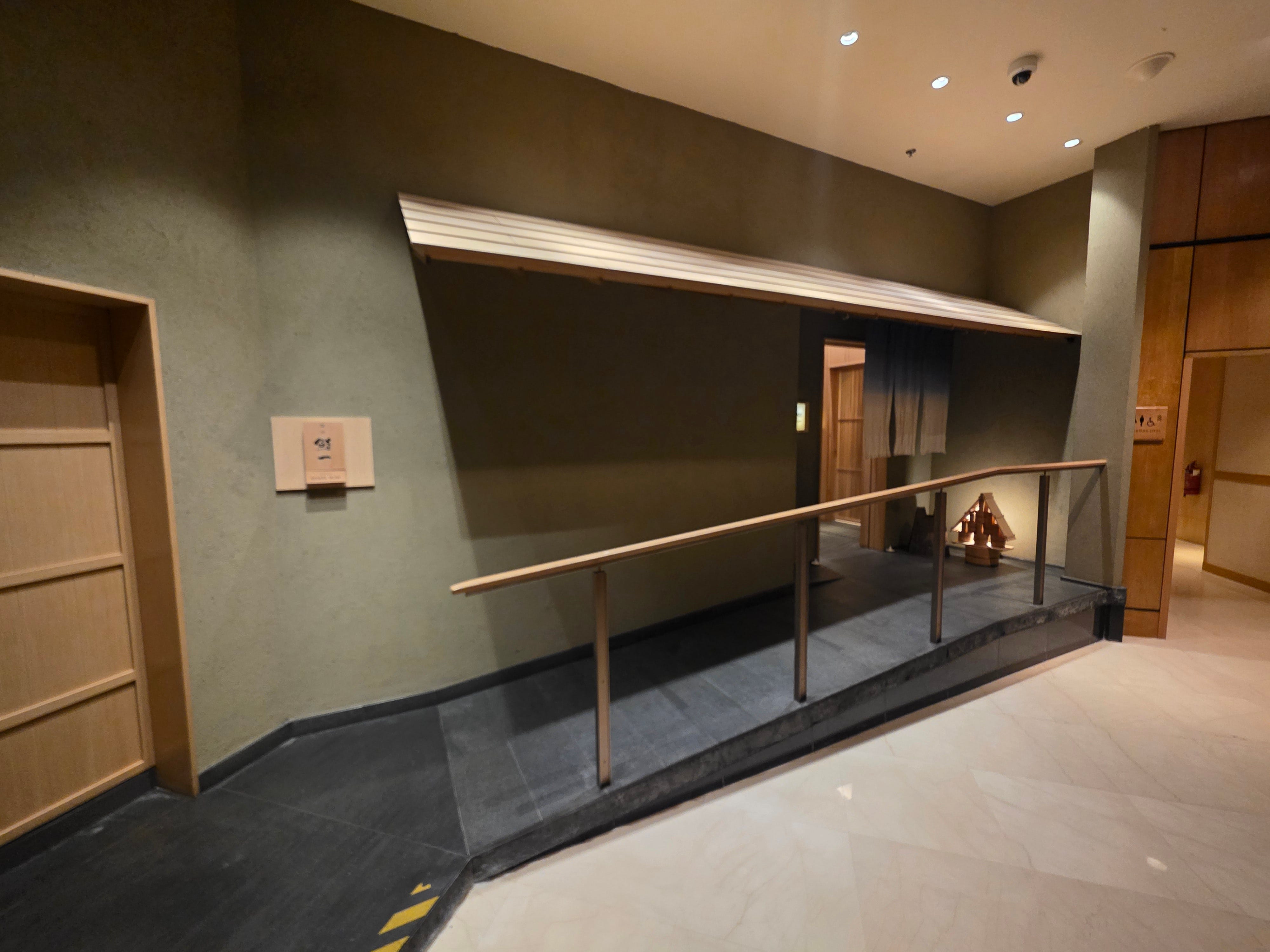
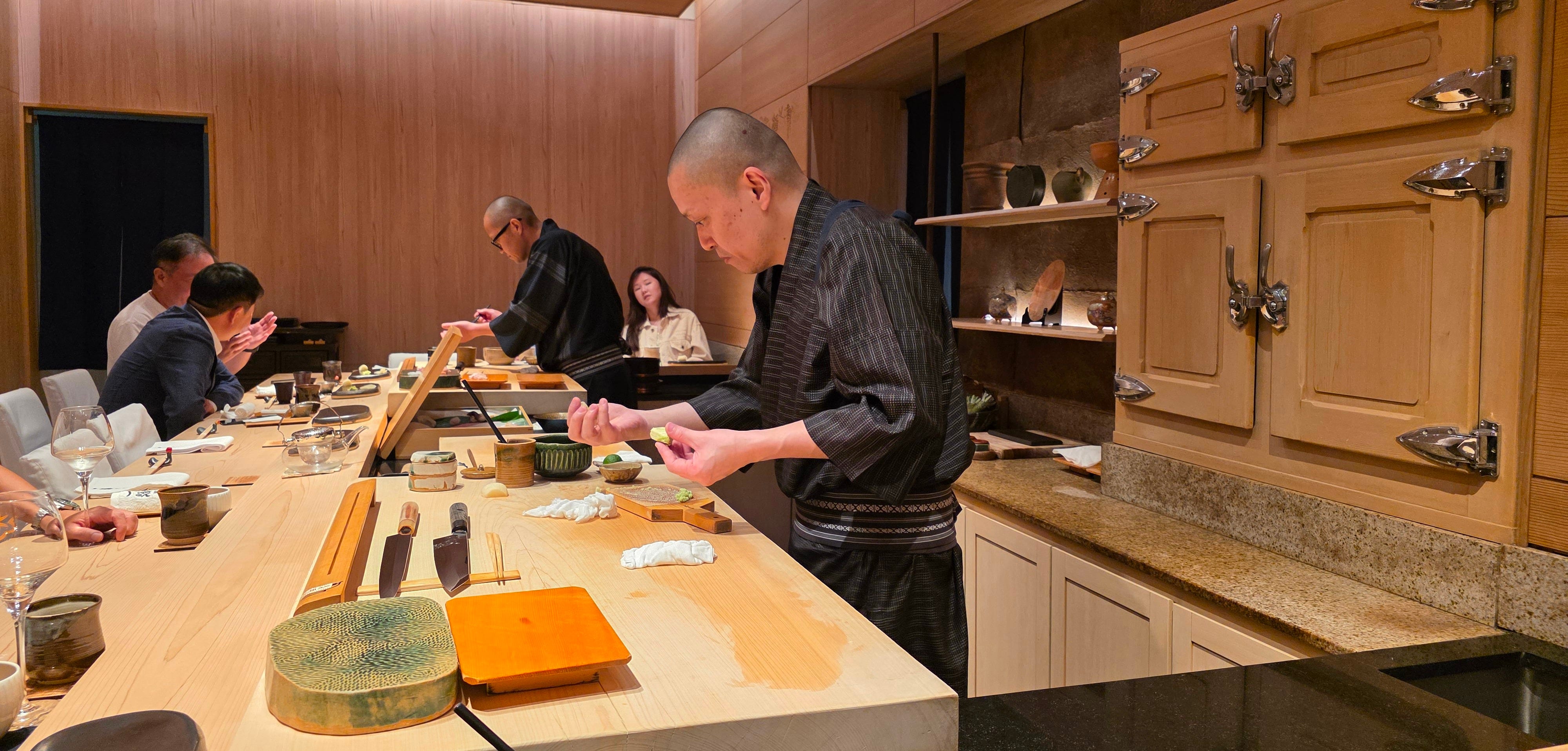
We arrived pretty late at night, and dinner service was already well underway. Two chefs working at the counter, each covering half the counter.
We quickly decided to go with the omakase and let the chef decide what to serve us.
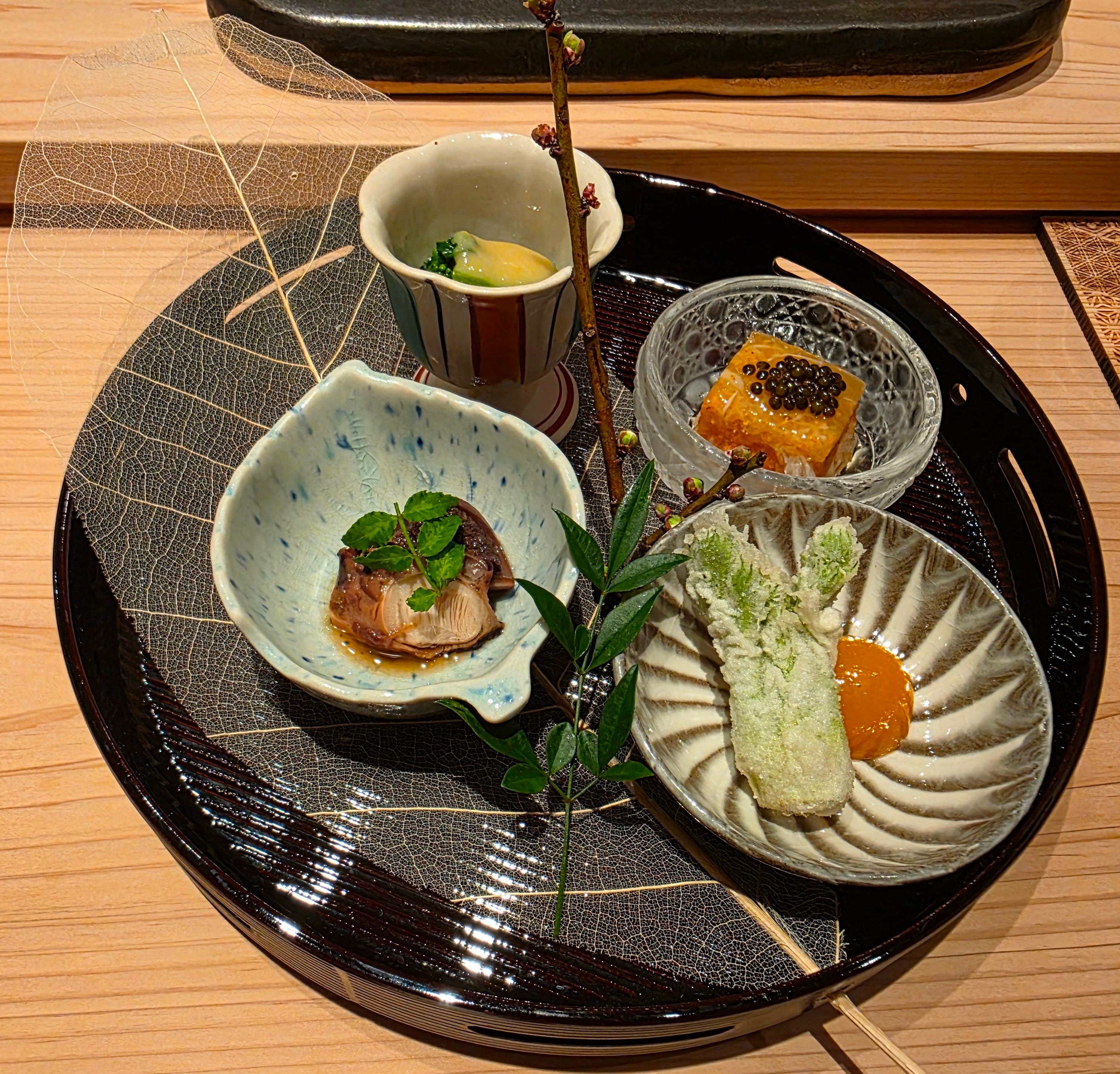
Dinner began with a selection of appetizers:
two tender pieces of octopus simmered in a soy mirin marinade
tempura vegetable shoot, served with half a kumquat
crabmeat embedded within an aspic jelly, topped with caviar
tender spinach with a miso dressing on top
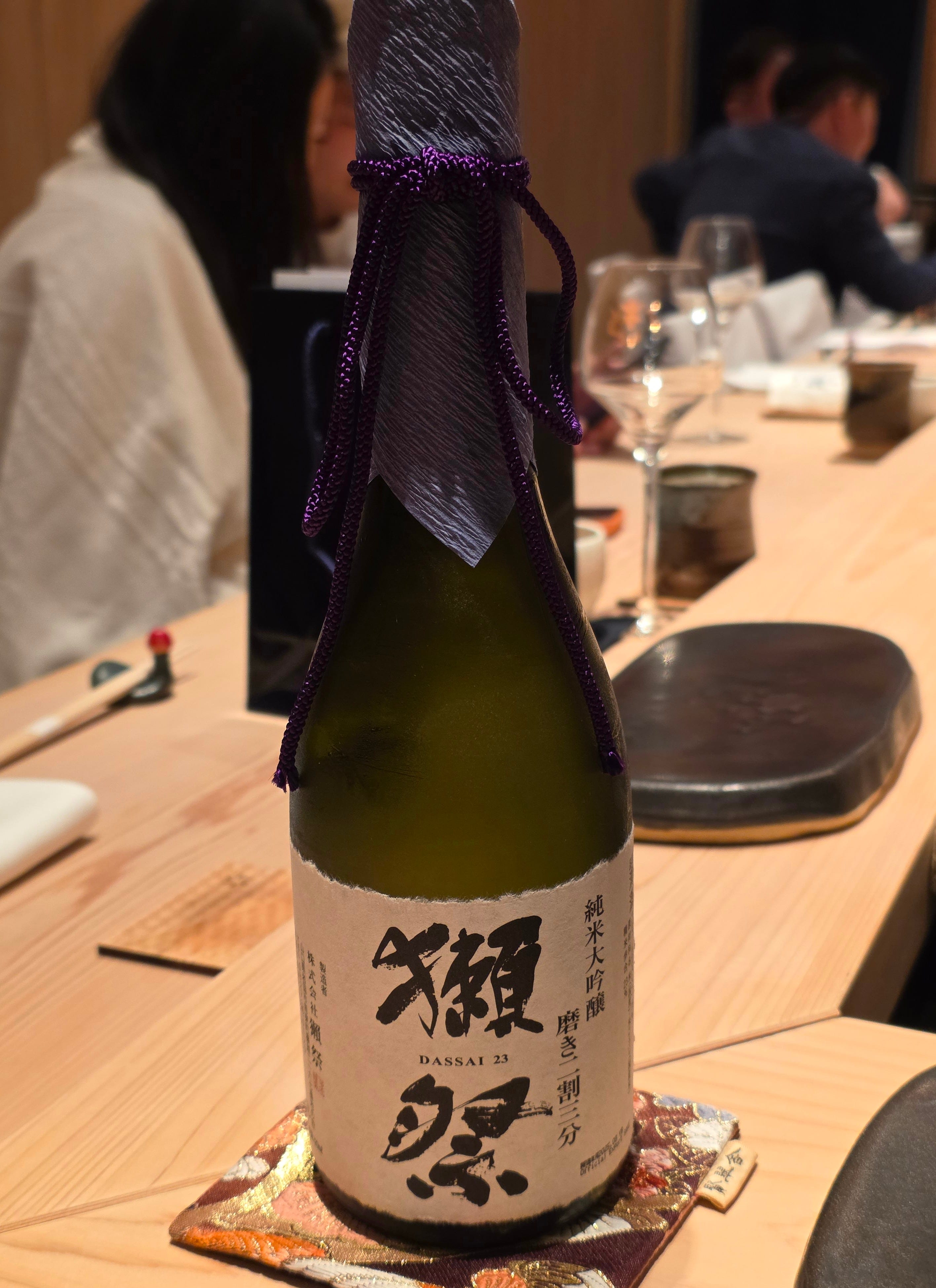
Catching up an old friend, we decided to crack open a bottle of Dassai 23. A heavily polished sake - down to 23% of the original rice grain, hence the name. Sweet, floral and fruity, its sits very far along the sweet side of the sweet-dry spectrum.
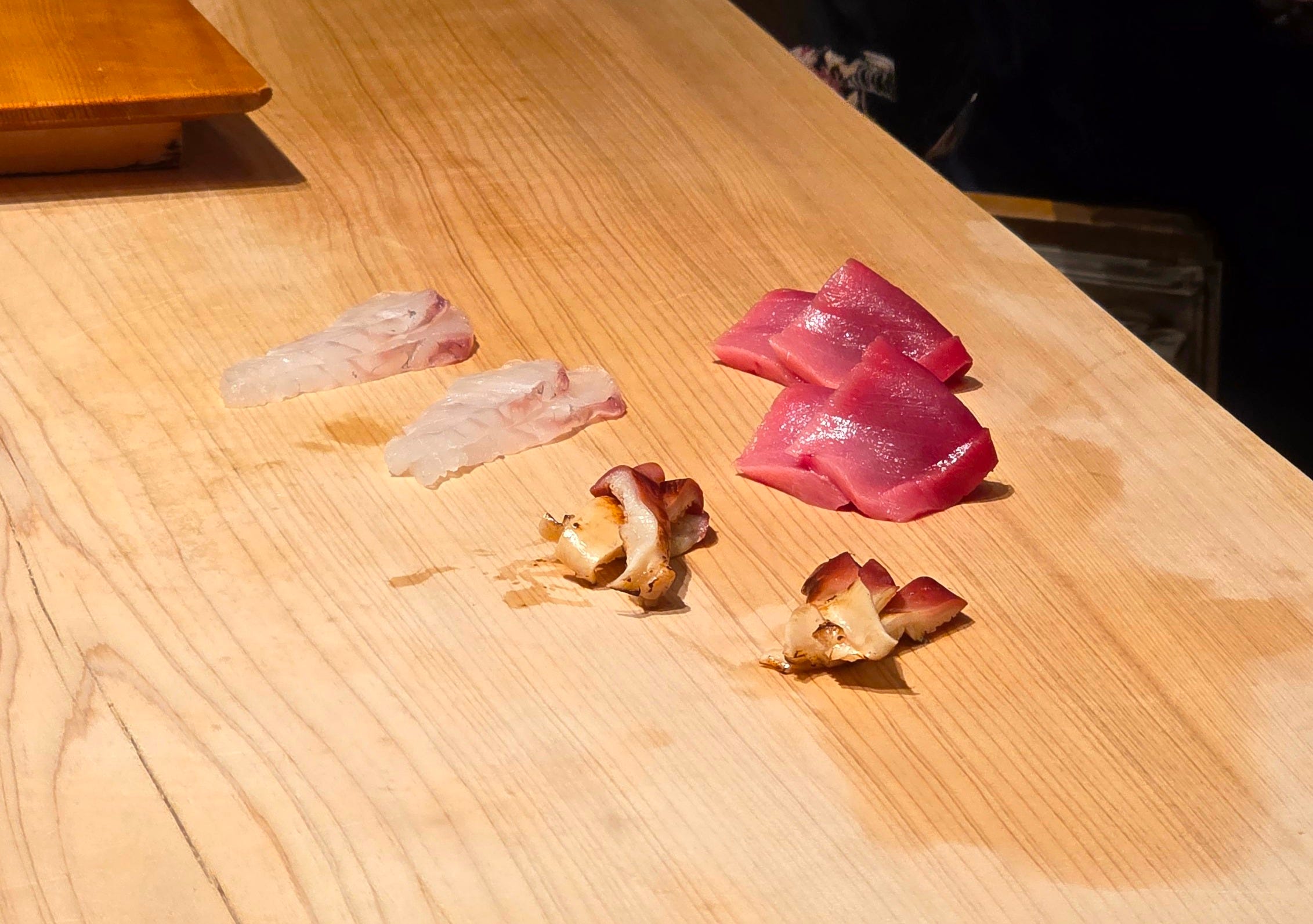
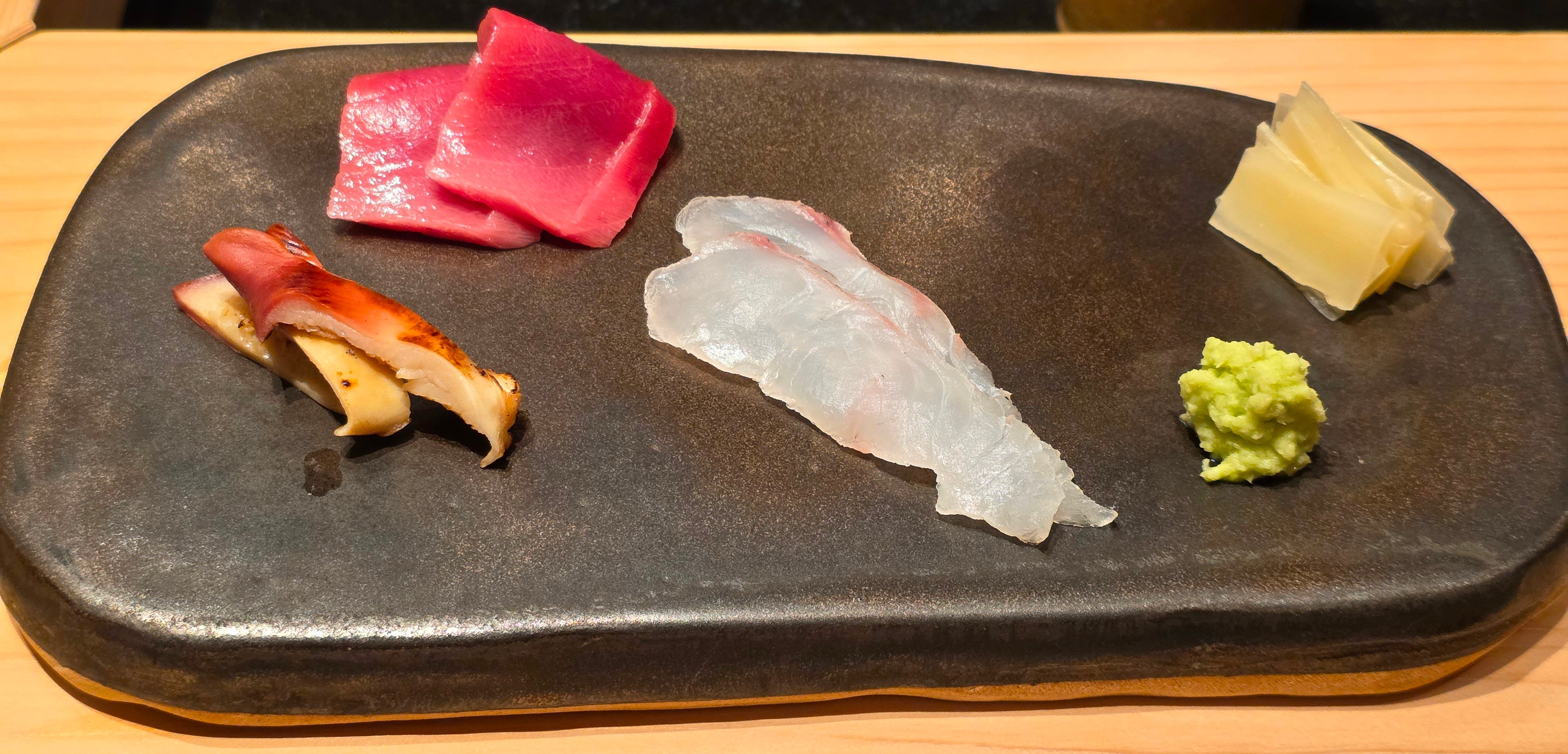
As we started aggressively attacking the bottle of sake, the chef prepared the sashimi course, slices of grilled arctic clam, chutoro, and flounder, served with freshly grated wasabi and a bit of pickled ginger.
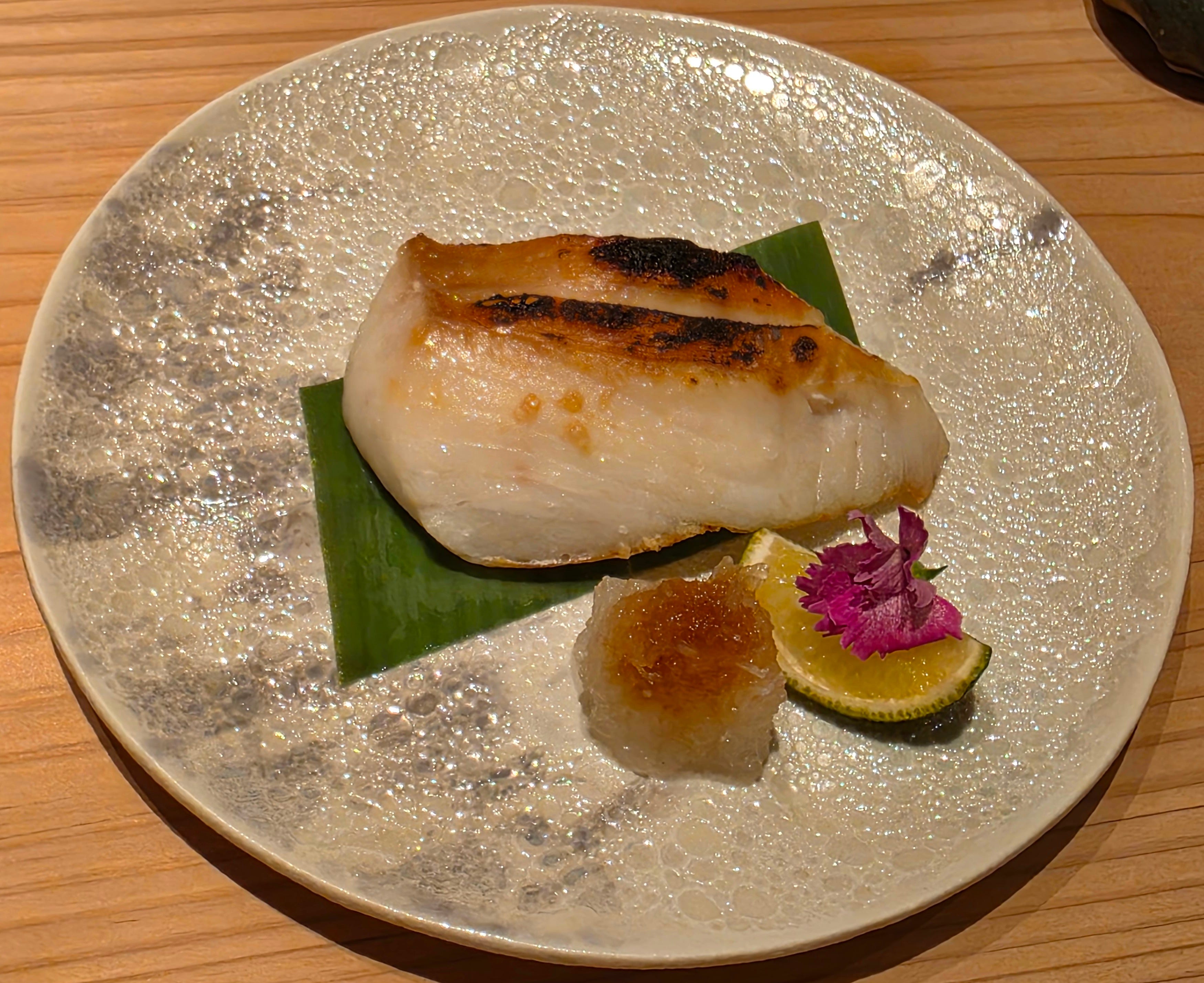
The next appetizer was a piece of hearty grilled butterfish, served with a bit of grated radish and slice of yuzu to be squeezed on top. I’m always really careful about eating butterfish or escolar, as buildup of wax esters in the flesh can create undesirable gastrointestinal effects. Flavour and texture-wise though, the fish was great - a bit of char along one side, hearty, meaty and firm fleshed.
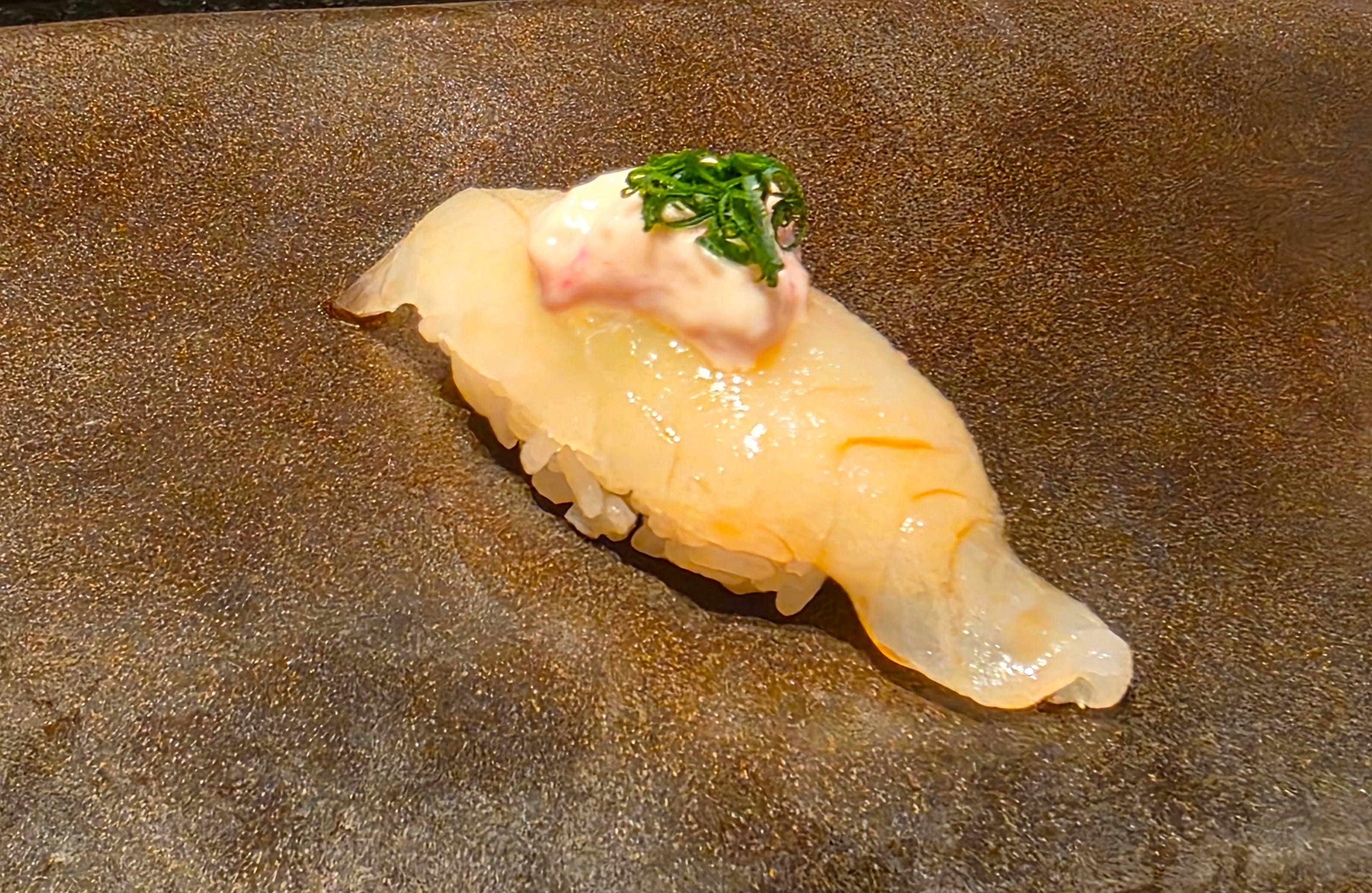
The first piece of nigiri was a leather jacket or kawahagi, known for its tough, leather-like skin. Firm, mildly sweet, and served with a piece of its creamy liver and shredded scallion on top.
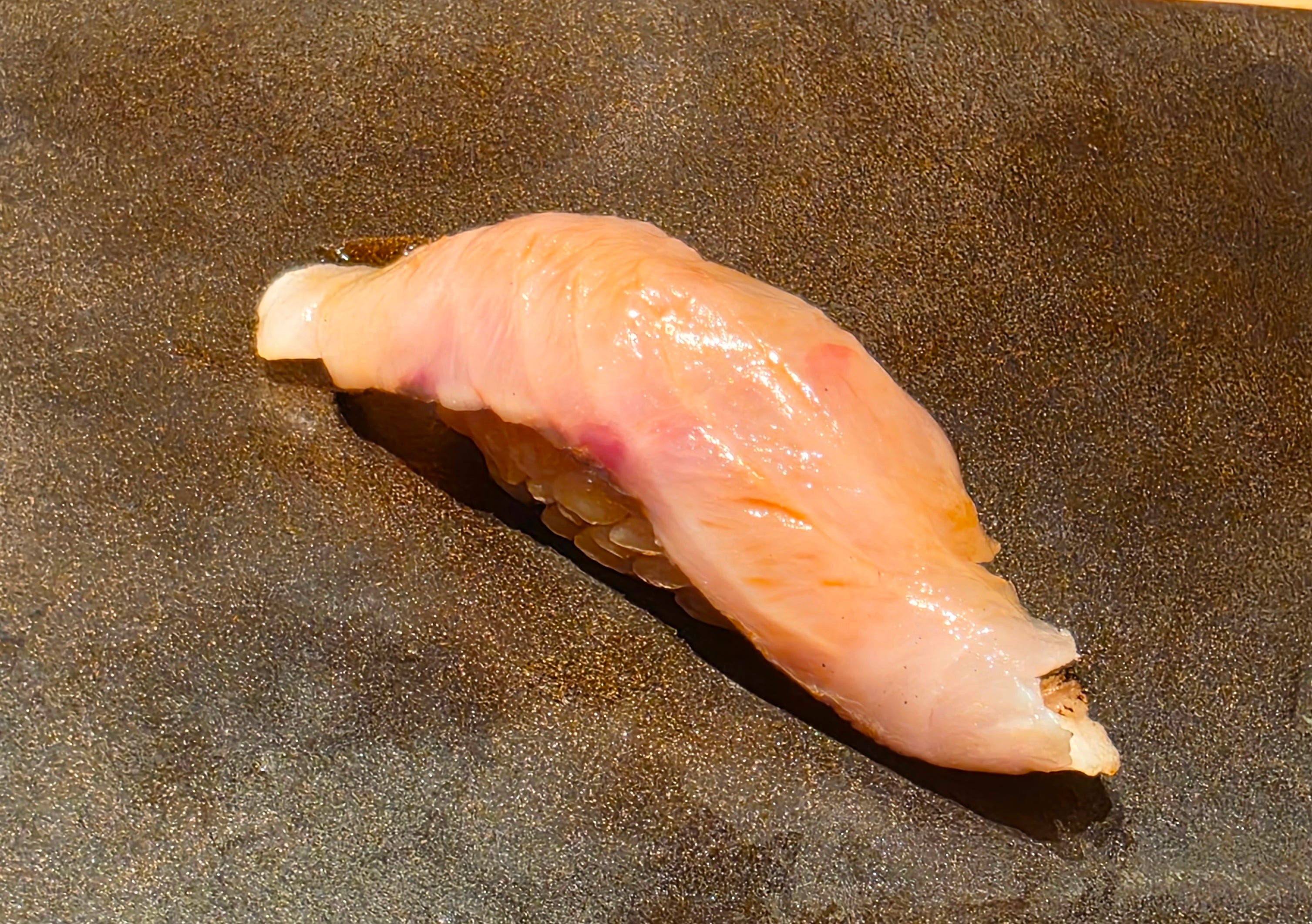
Blackthroat Seaperch or modoguro came next. Buttery, rich and fatty, this deep sea fish was a huge hit.
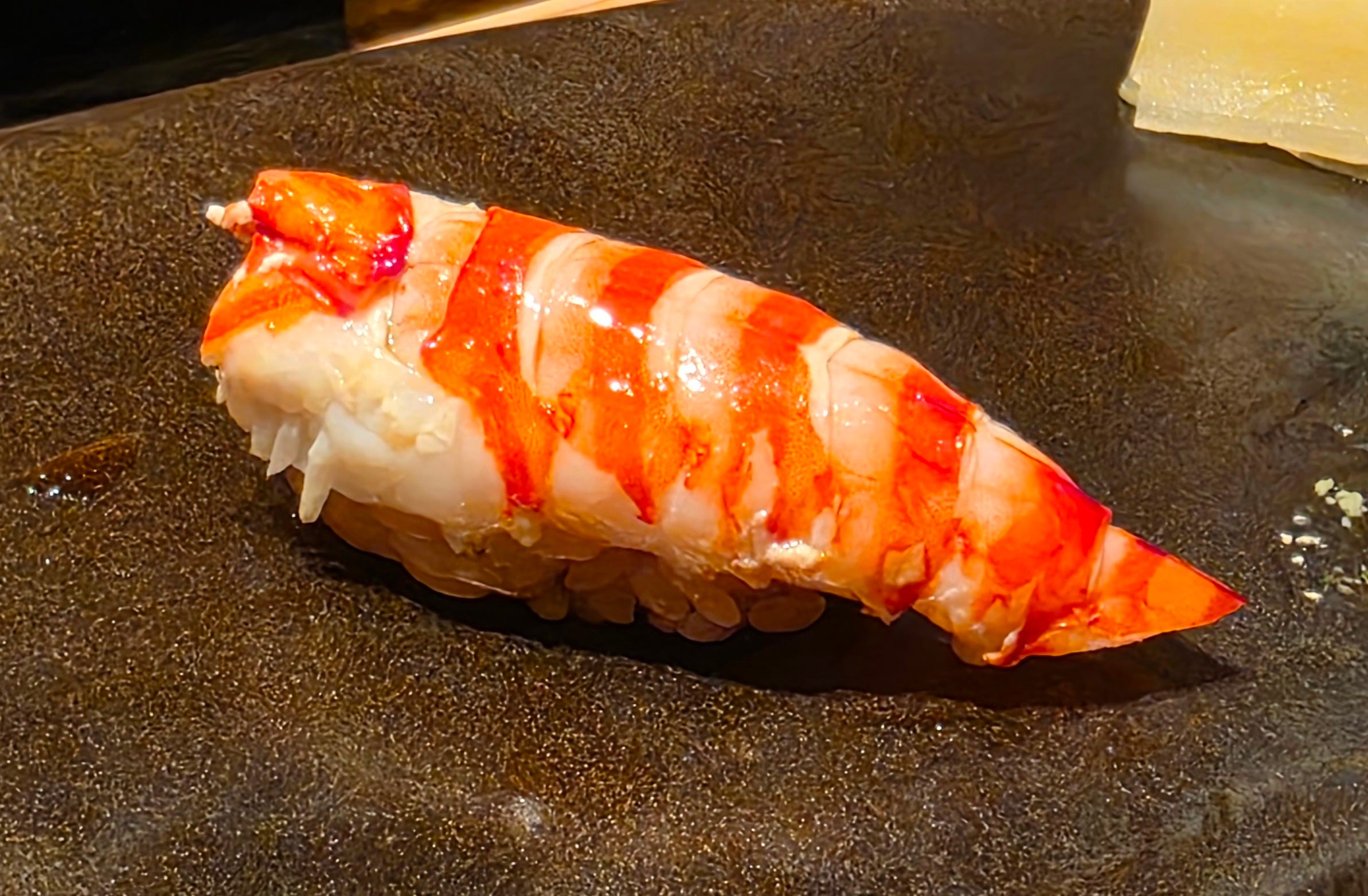
The classic shrimp (ebi) nigiri, classically prepared. Not much to say about this one. Well executed, but otherwise, uneventful.
Differing from a lot of omakase preparations that are very regimented - appetizers, main course nigiri in a very specific order, handroll, miso soup, dessert, the meal at Sushi Ichi was a lot more free flowing, with pieces of nigiri mixed in between other appetizers. I quite enjoyed this as it gave a variety of flavours across the different courses, versus strictly regimented nigiri across multiple courses following a great variety of appetizers.
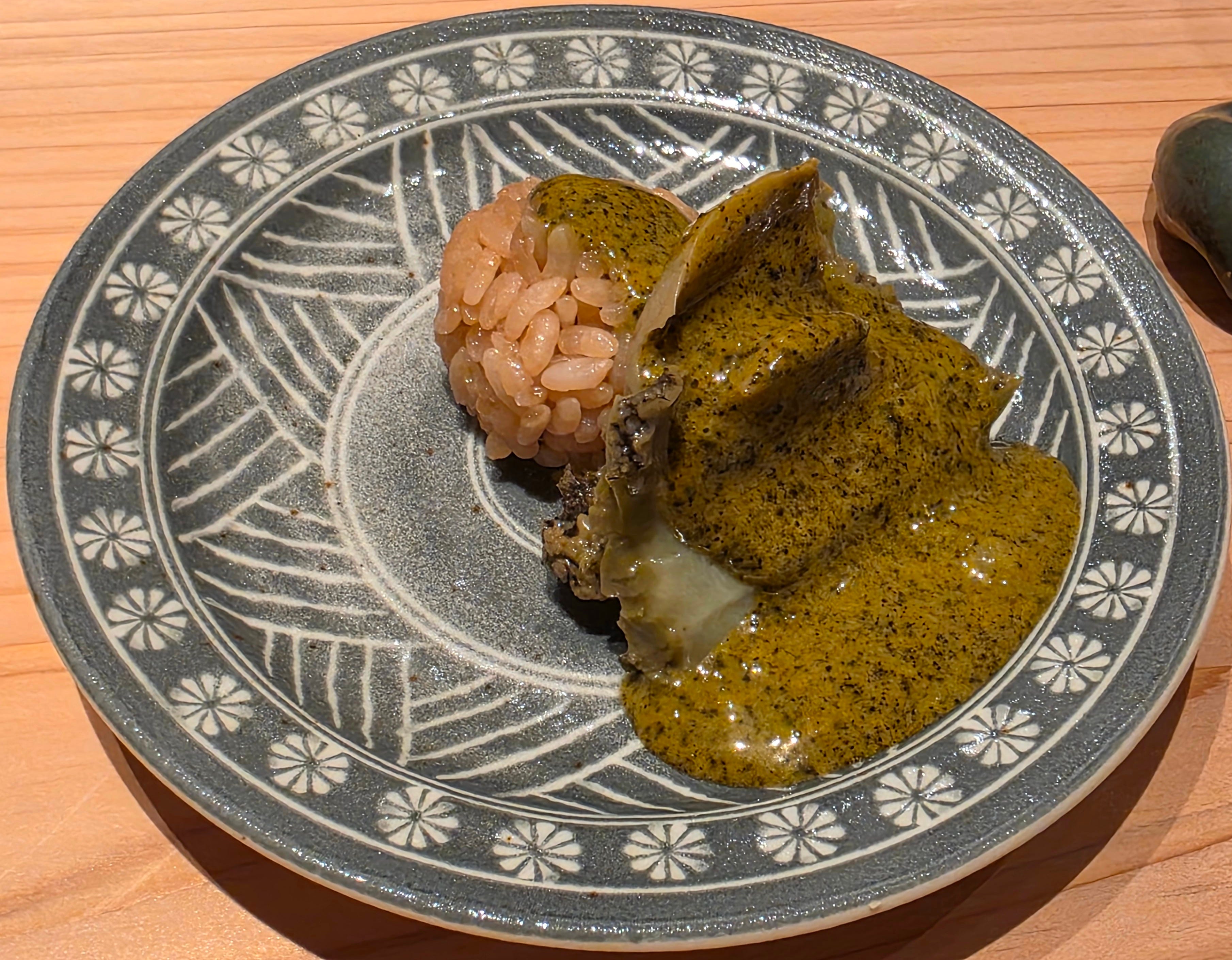
Another classic omakase dish, an extremely tender abalone, served with a rich, complex abalone liver sauce, with a small ball of rice to mop up the rest of the sauce. Always a hit, and absolutely amazing!
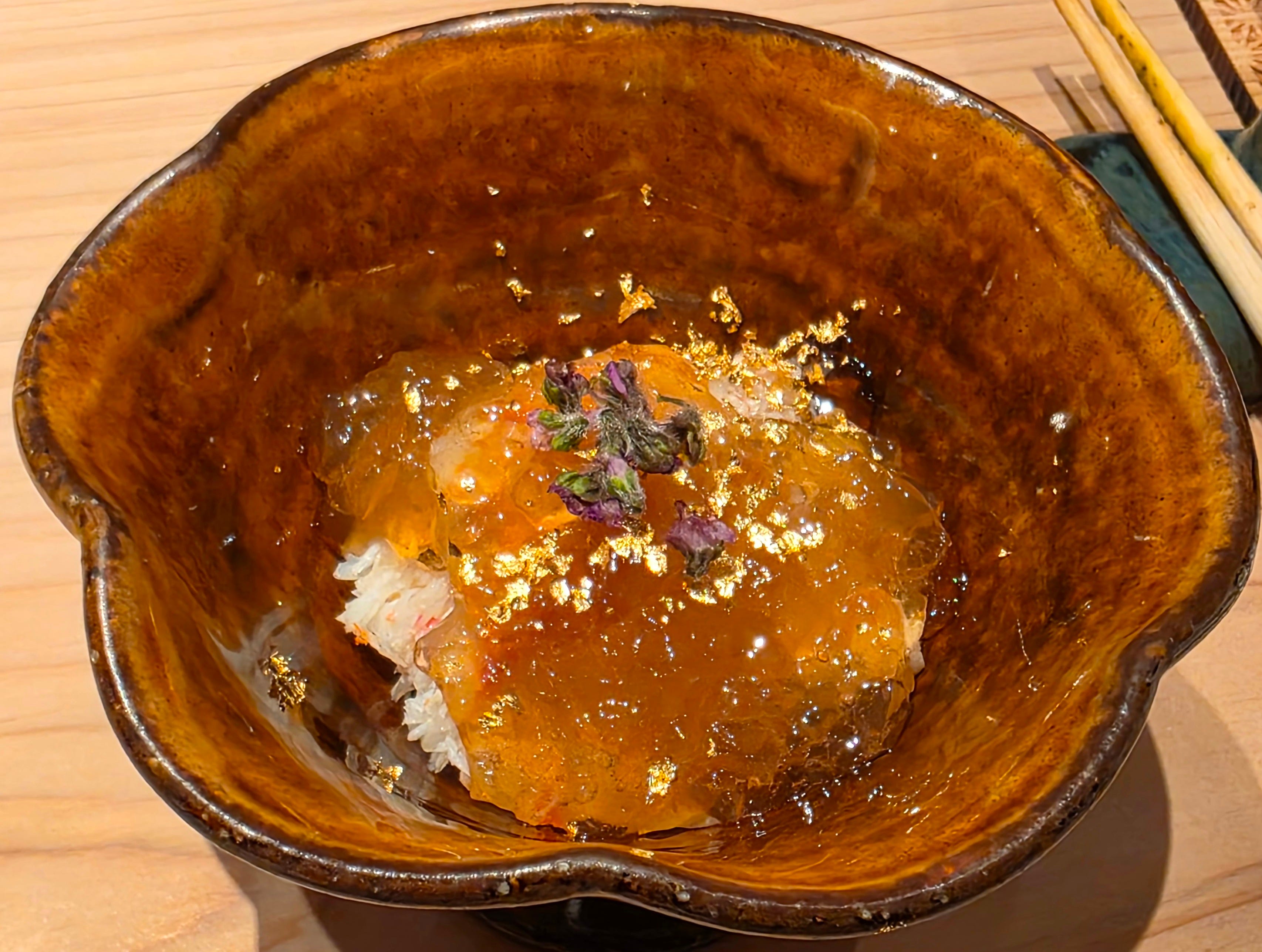
Picked crab leg meat, topped with a concentrated bonito broth jelly, topped with gold flake and perilla blossoms.
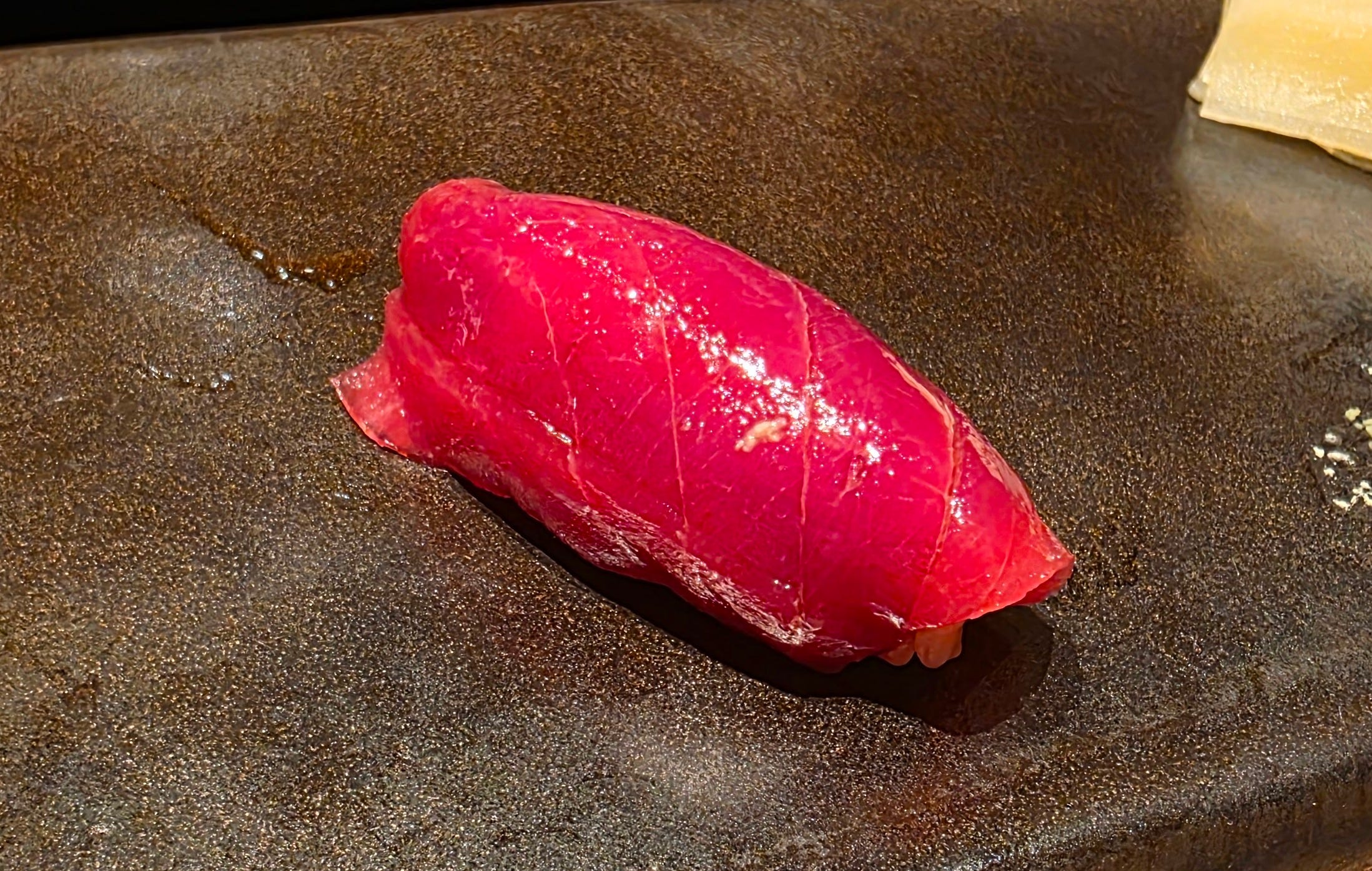
The lean tuna or akami, glistening with a light coating of soy.
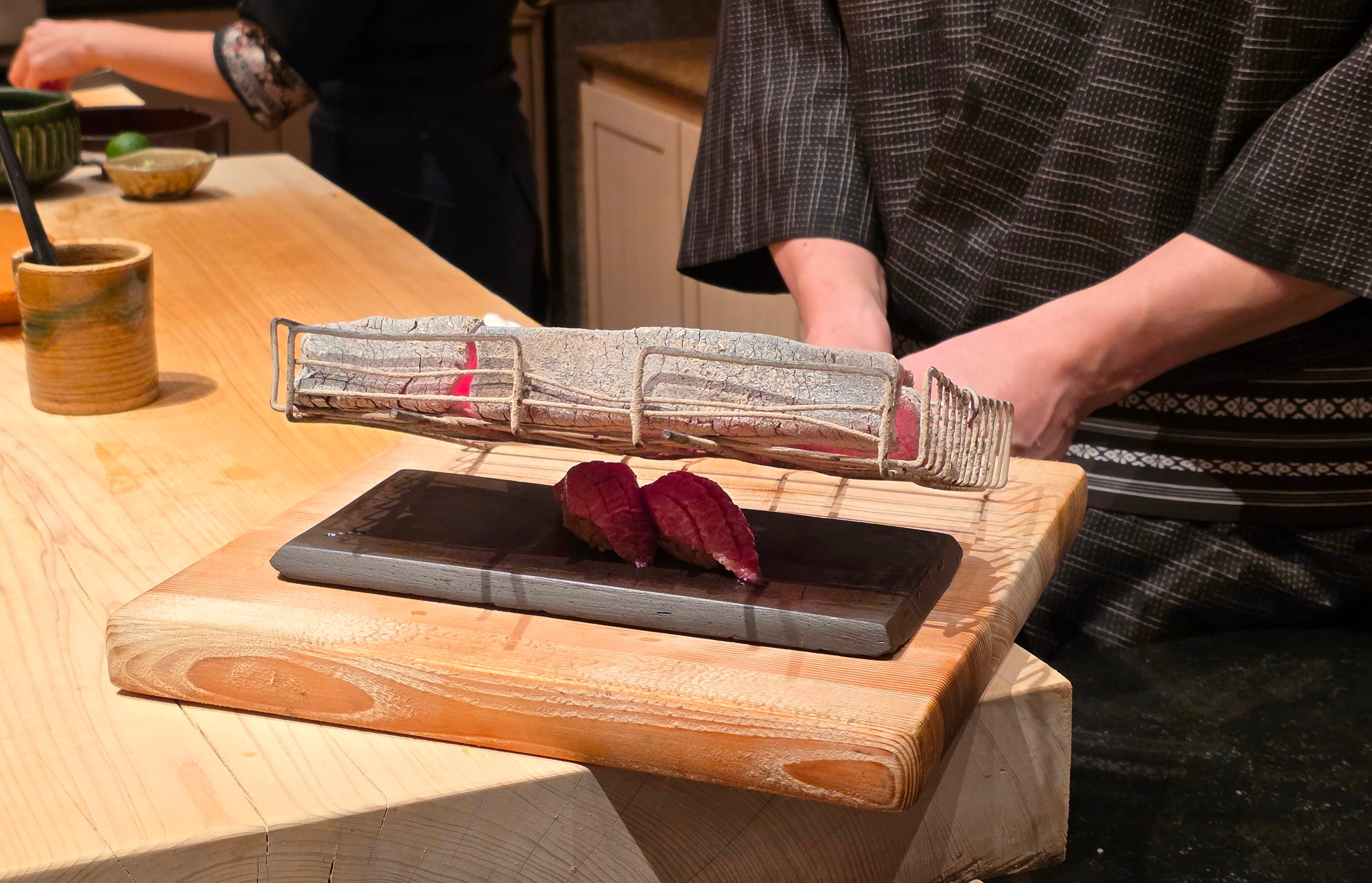
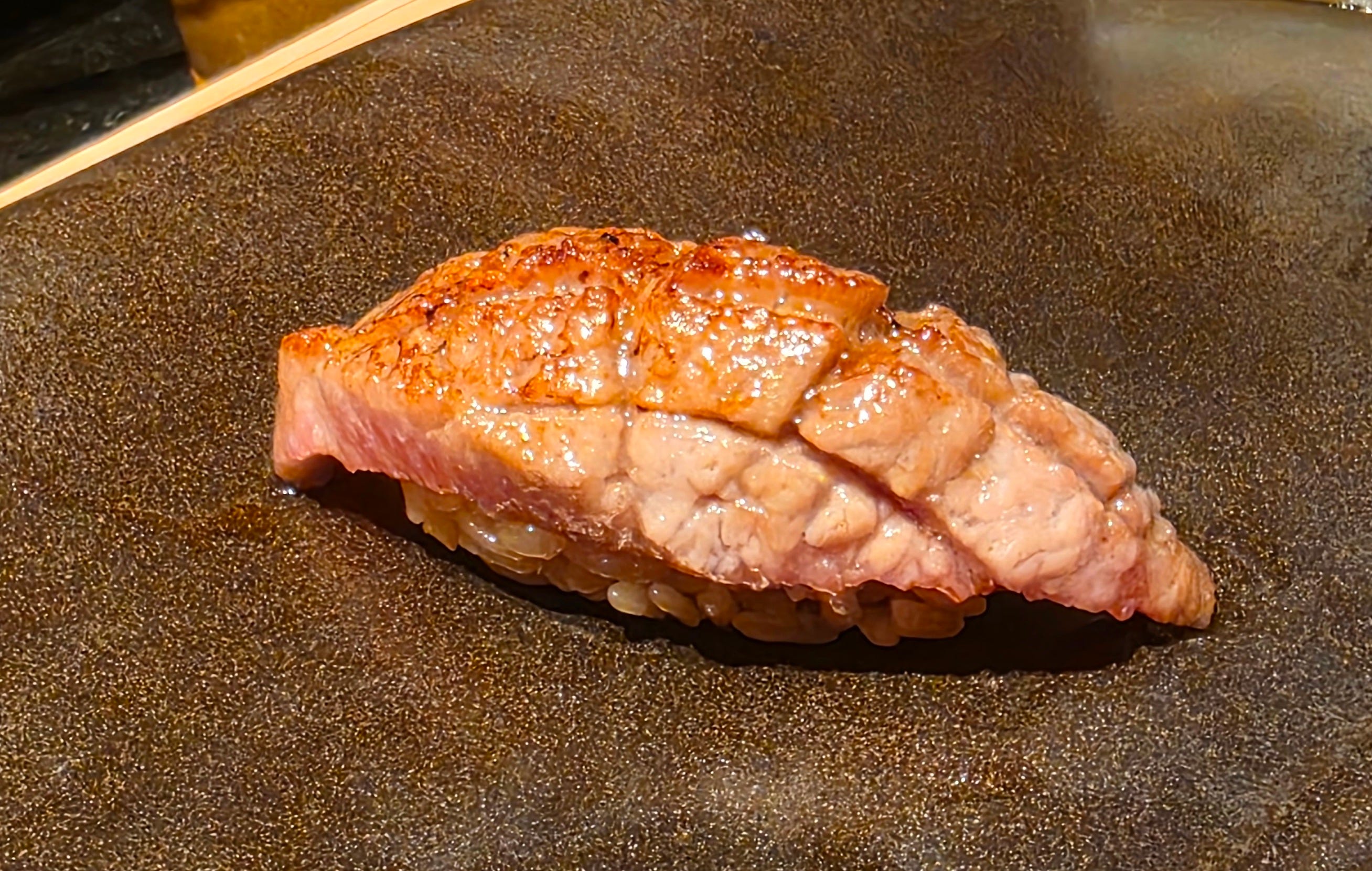
Kamatoro, that I learned about recently at Tuna Fight Club, a piece of fatty tuna from the collar that is even richer than the famous otoro. Lightly seared with binchotan charcoal and fat just starting to melt off the flesh. Savoury, amazing mouthfeel and one of the highlights of the night!
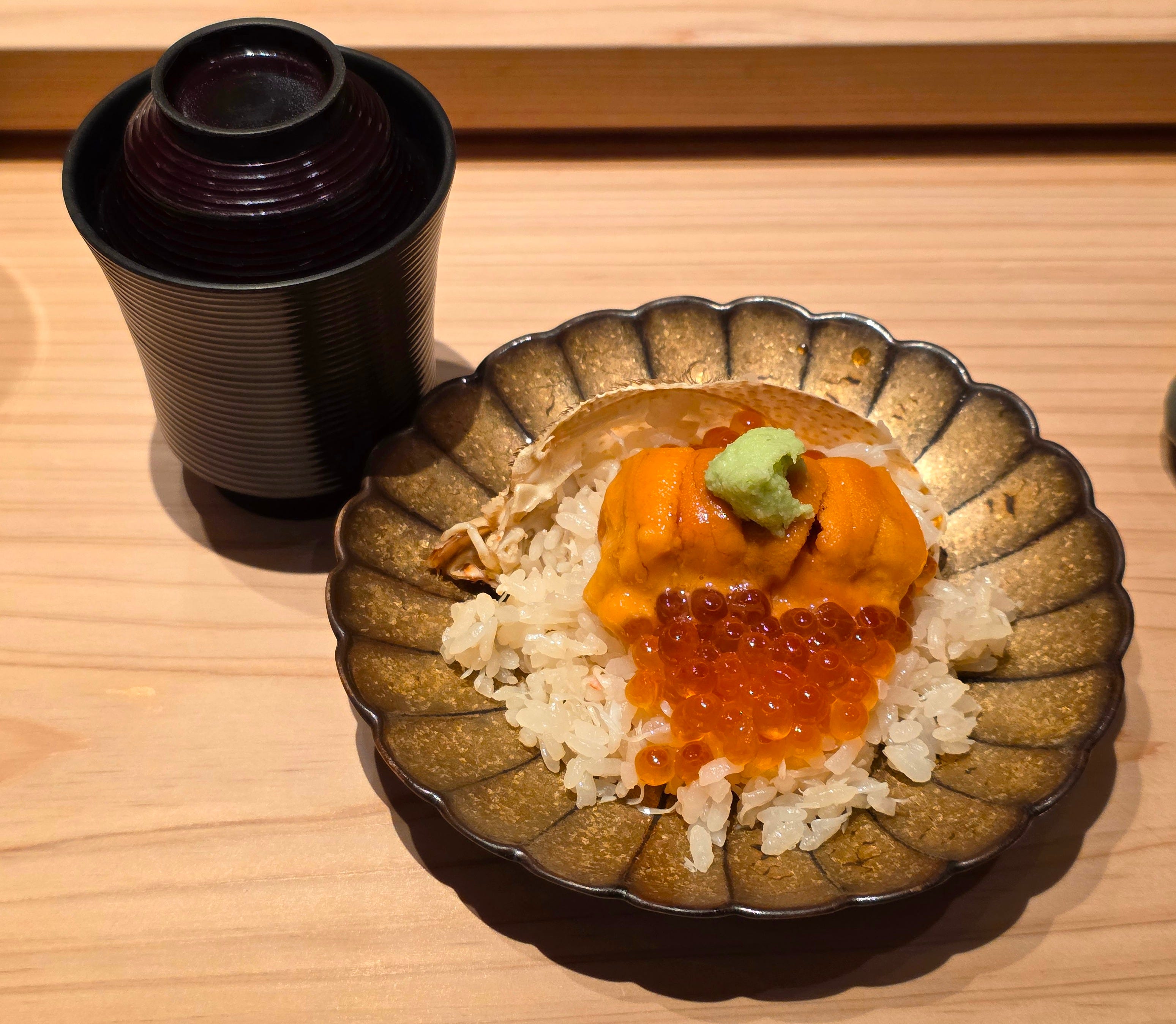
Crab rice, served in the shell and topped with uni and salmon roe, served alongside a thimble of miso soup, usually signifying the end of the savoury courses. If the meal ended here, I would’ve been perfectly satisfied.
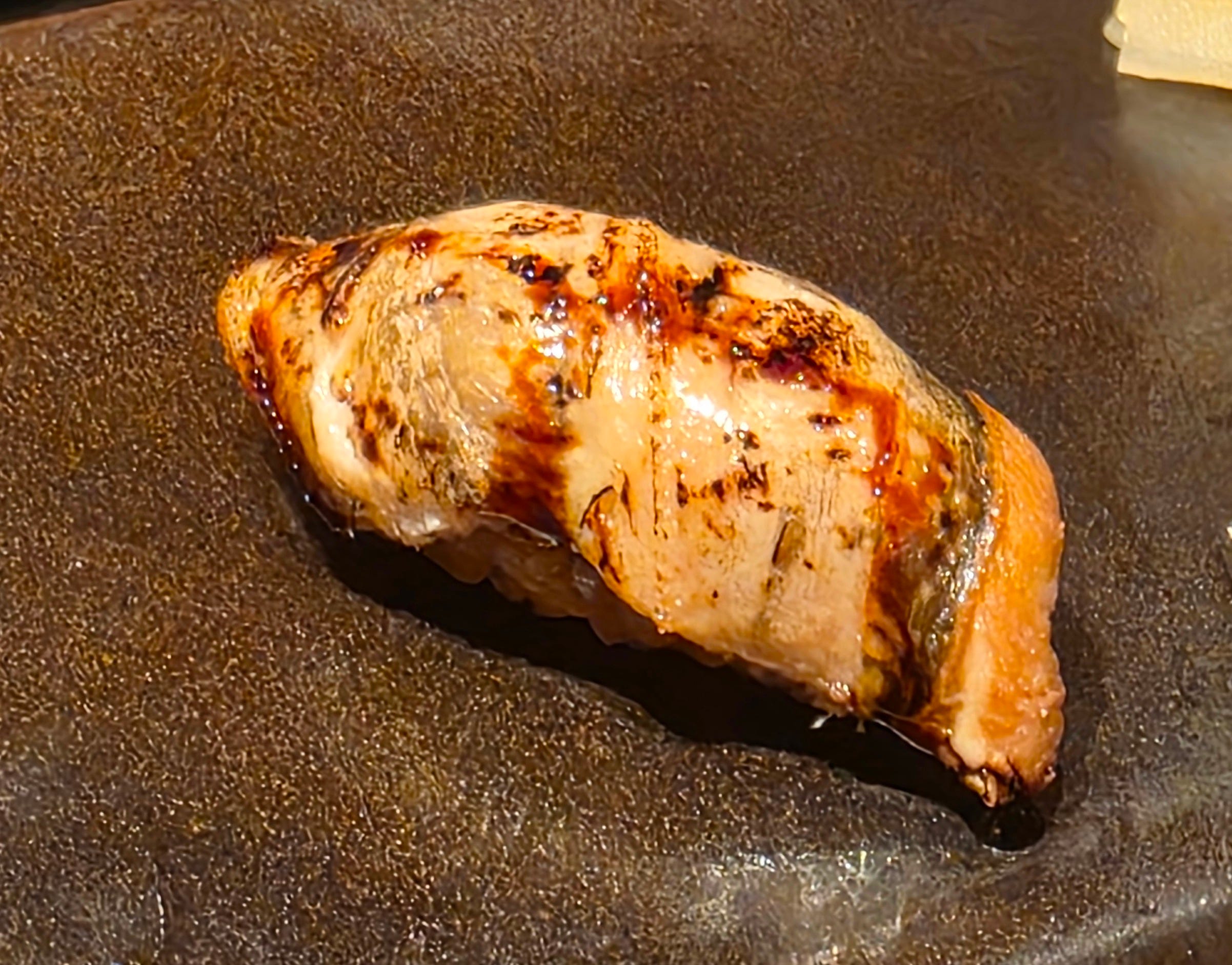
Alas, we were not done!
A piece of grilled eel nigiri, moving us toward the sweet end of the palate and toward dessert. I think this was the lighter and fluffier anago saltwater conger eel. Finished on the grill and served with a light coating of sticky sweet, kabayaki sauce, always a big hit.
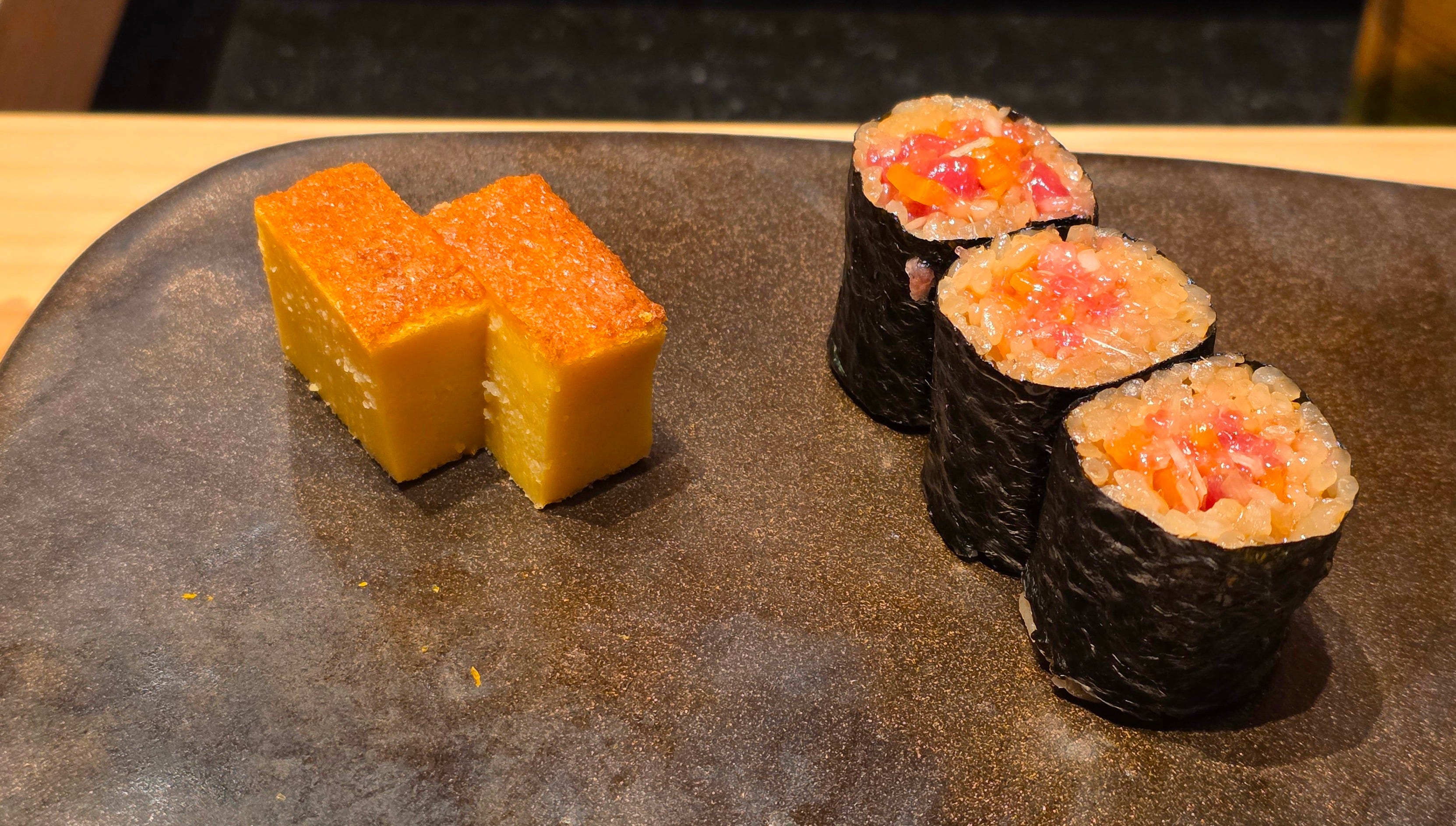
Finally, some minced tuna rolls, mixed in with some sweet Japanese pickles and leeks, as well as the classic egg castella. Now, signifying the end of the savoury courses!
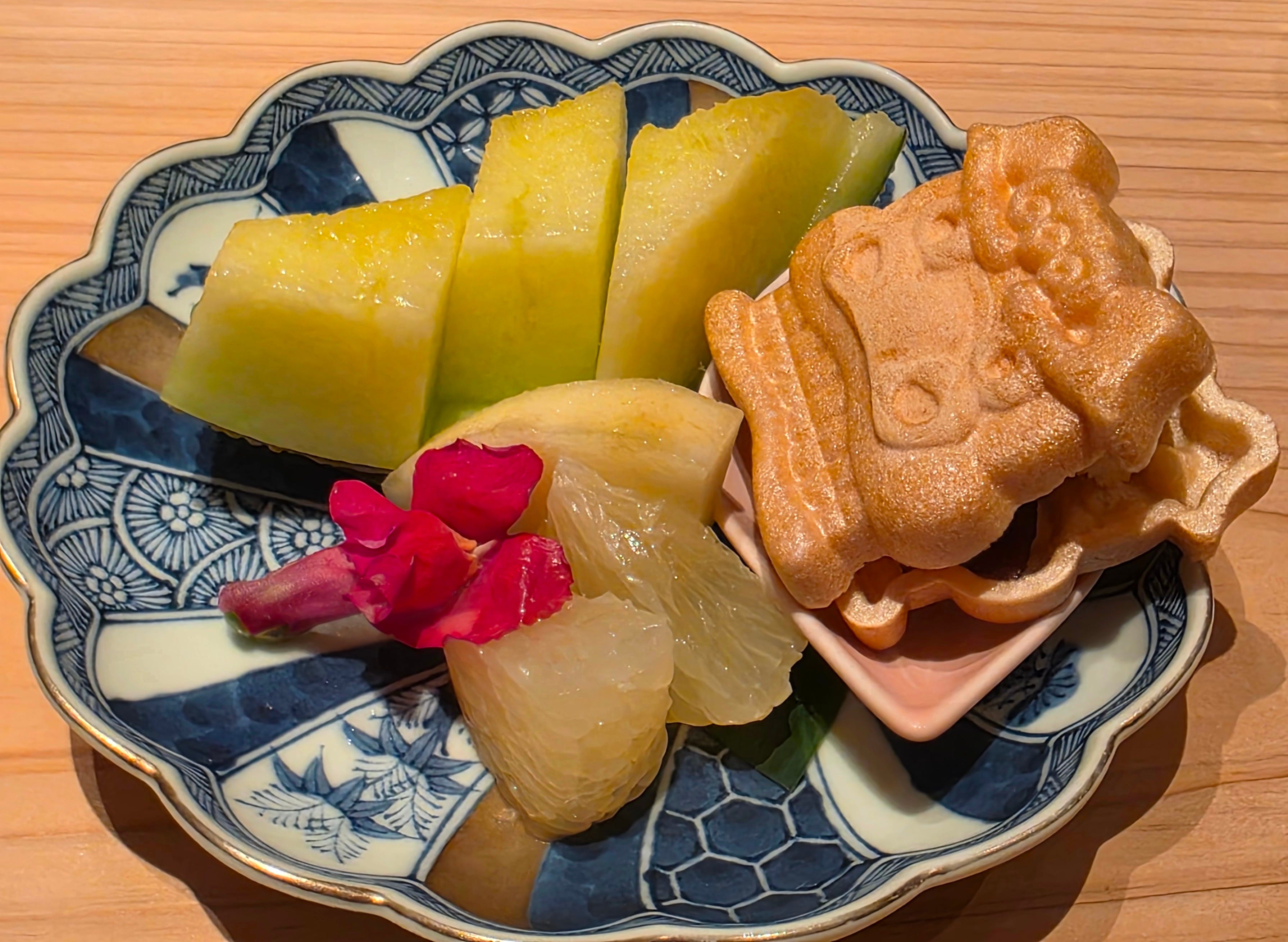
Finally, dessert, A variety of Japanese fruits - muskmelon, pomelo, Japanese snow pears, alongside a crisp rice cracker willed with red bean paste and vanilla ice cream.
Overall, I’ve found high end Japanese in Singapore to almost always be a hit. Sister restaurant Shoukouwa was one of the best omakase counters I’ve ever been to, and Sakuta was amazing as well. I’d rank Sushi Ichi a close third behind Sakuta, but I’ve found sushi in Singapore to consistently perform above expectations.
Total damage: 1700 SGD/2 people